

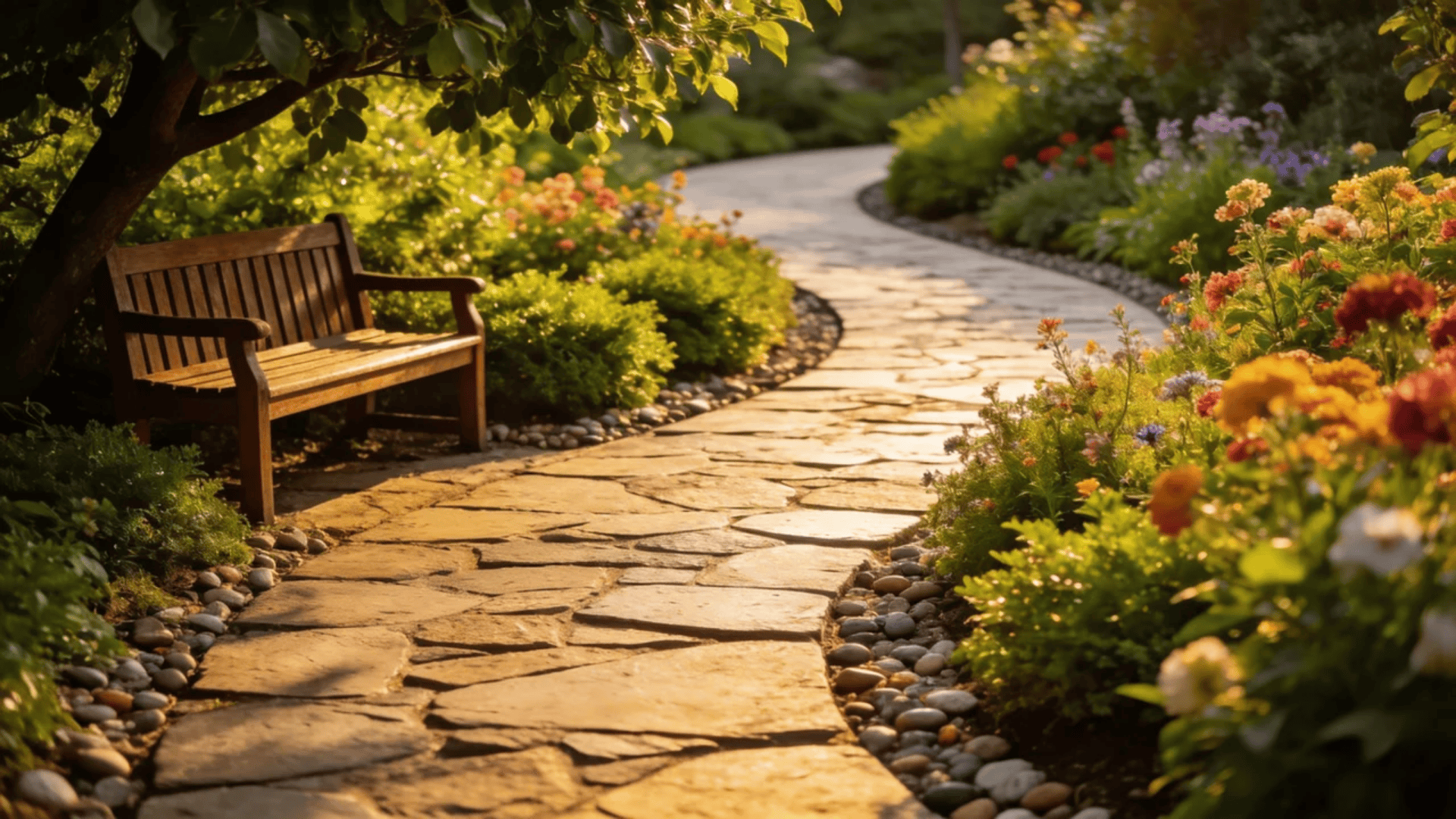
A garden pathway does more than connect one spot to another. It helps guide movement, keeps your yard easy to use, and adds a clean look to the space.
I’ve seen how even a simple path can make a garden feel more planned and welcoming.
Many people think good paths cost a lot, but that is not always true. There are many garden pathway ideas that use low-cost materials and simple designs.
With the right idea, you can build something that looks good without spending too much money.
In this post, I will share garden pathway ideas that fit different styles, materials, and budgets.
Some are quick DIY options, while others give a more finished look. This guide will help you find a path that works for your space and your budget.
Why Garden Pathways Are Important for Outdoor Spaces?
Garden pathways help organize outdoor spaces by creating clear walking areas and improving the overall look of the yard.
They also make gardens easier to use, protect plants from foot traffic, and add structure to the landscape.
A well-designed garden pathway can completely change how an outdoor space feels and functions. It connects different parts of the garden while making movement safer and more comfortable.
Pathways also help keep the yard clean by reducing muddy walking areas during rainy weather.
If made with stone, gravel, brick, or mulch, a garden path adds visual appeal and makes the landscape look more planned and inviting.
Even simple pathway designs can improve curb appeal, increase accessibility, and create a more balanced outdoor layout without requiring a large budget
What to Know Before You Start?
Before building your garden pathway, a little planning can save time, money, and extra work later. The right layout and materials will help your path last longer and look better in your outdoor space.
- Map the Route: Use a garden hose or string to outline the pathway’s shape, then measure the area before purchasing any materials.
- Choose the Right Material: Select materials like stone, gravel, mulch, or brick based on your budget, climate, and how often the path will be used.
- Use Landscape Fabric: Install a quality weed barrier fabric underneath the pathway to reduce weed growth and improve drainage.
- Check the Path Width: Make sure the pathway is wide enough for comfortable walking and easy movement through the garden.
- Add Proper Edging: Use brick, metal, or stone edging to keep gravel, mulch, or pavers neatly in place over time.
As a general rule, aim for at least 24 inches for a single-file path and 36 to 48 inches for main garden routes where two people might pass.
Natural Stone Garden Pathway Ideas
Natural stone paths are strong, long-lasting, and fit almost any garden style. They age well over time and add a natural look to outdoor spaces.
1. Flagstone Pathways
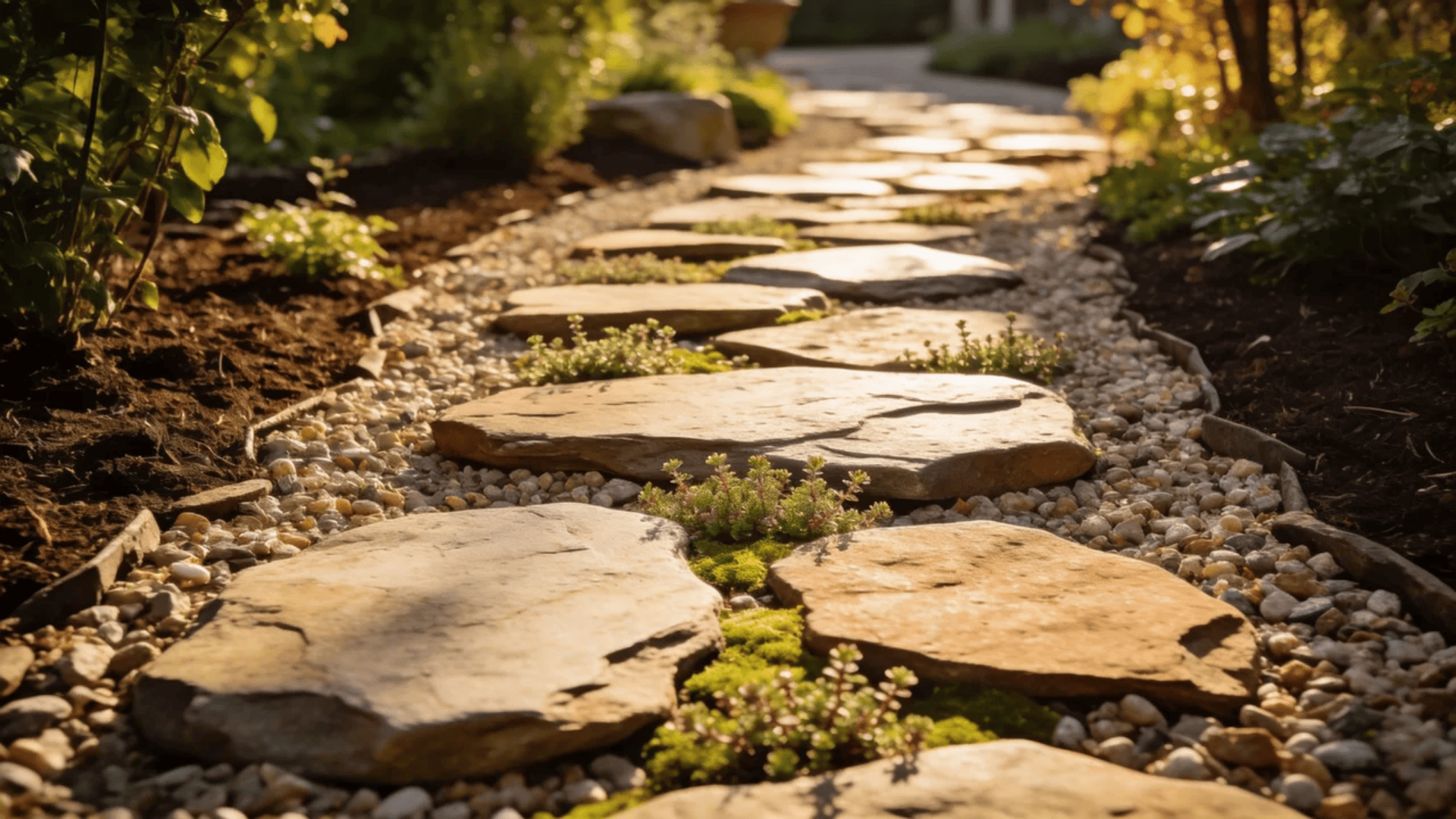
Flagstone is a flexible natural stone choice that works in many garden styles. Flat, uneven slabs placed over gravel or mulch create a relaxed, cottage-style look.
For areas with heavy foot traffic, the stones should be set close together on a firm gravel base.
Small plants like creeping thyme or moss can fill the gaps for a softer finish. Flagstone goes well with traditional, farmhouse, and even modern garden designs.
I’ve seen this detail make a real difference in wet-climate gardens where drainage is a constant concern.
Tip: Place flagstones closer together in high-traffic areas to create a safer and more stable walking surface.
2. Stepping Stones on Gravel
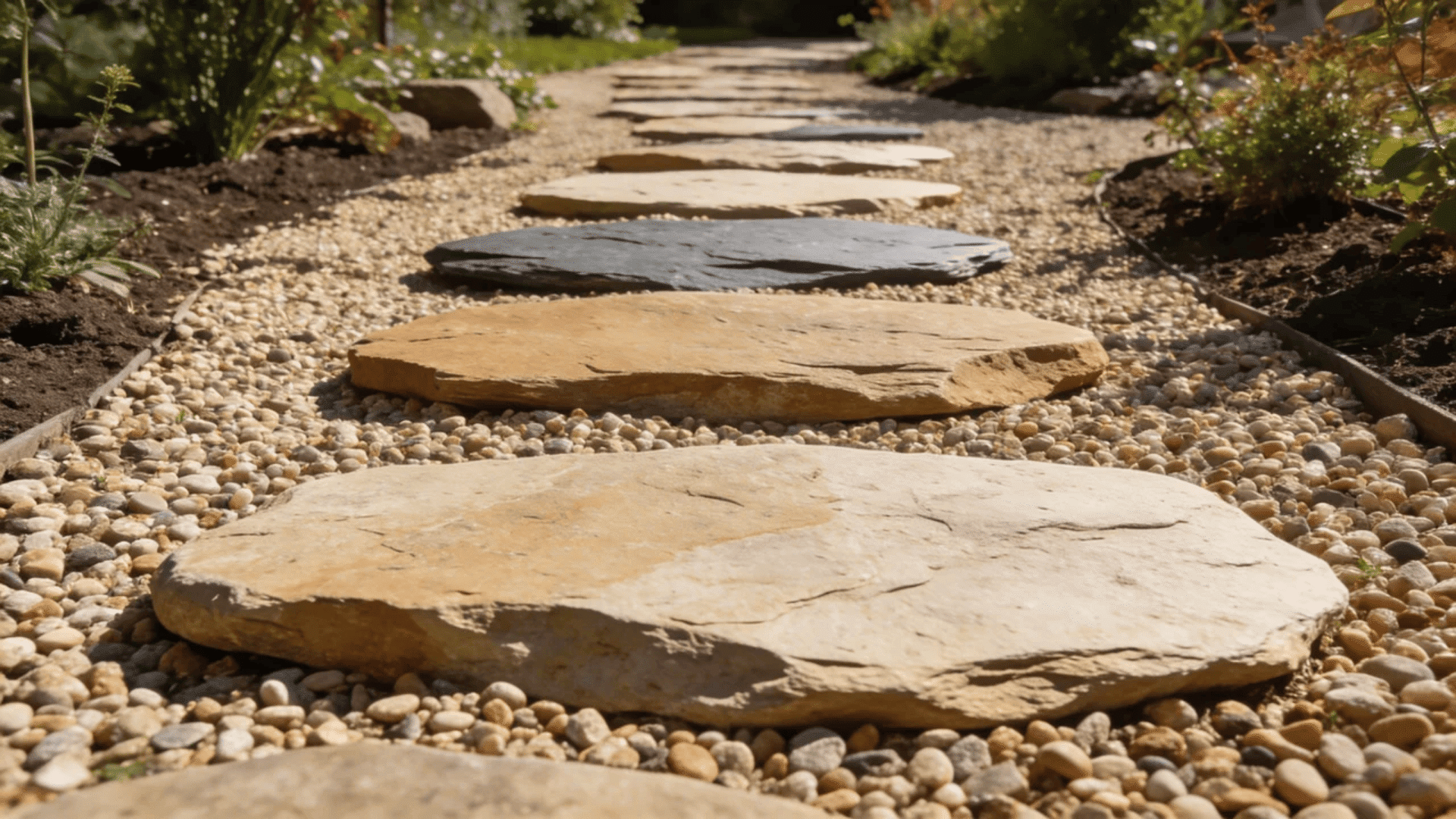
Stepping stones on gravel create a simple and budget-friendly pathway.
Large flat stones, such as sandstone, slate, or limestone, are placed in a bed of pea gravel. Spacing them evenly gives a floating path look that feels light and natural.
The gravel helps with drainage and keeps weeds under control.
It also adds texture contrast between the stones. This style works best in informal gardens or paths that run through planting areas.
Tip: Choose gravel colors that contrast slightly with stepping stones to make the pathway stand out more.
3. Sandstone Walkways
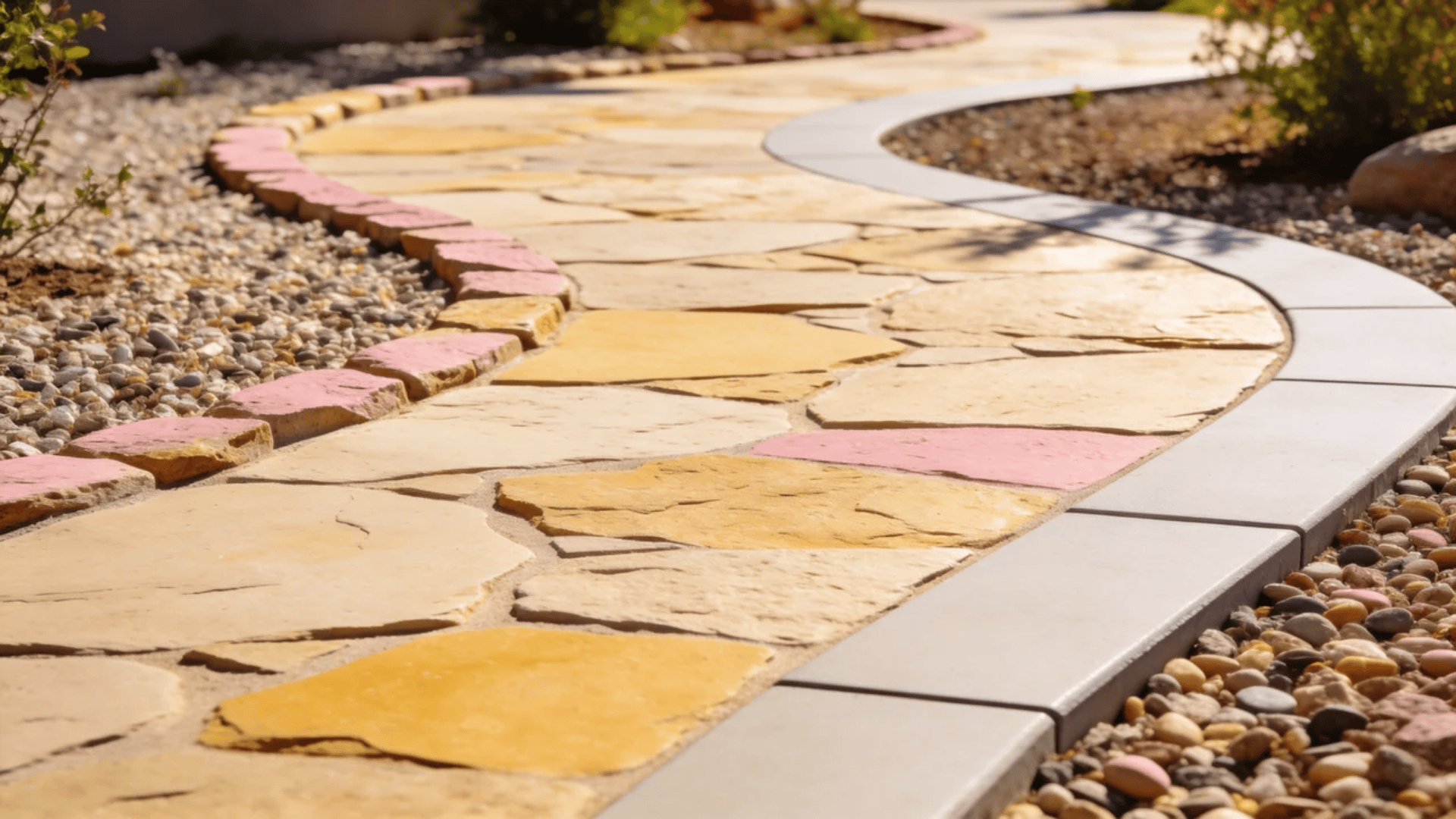
Sandstone walkways bring warm tones like beige, yellow, and soft pink into a garden, making the space feel calm and inviting.
This stone is durable and slip-resistant, which makes it a safe choice for outdoor paths. It pairs well with gravel edges or pebble fill to add texture and contrast.
Sandstone works best in dry, sunny climates and needs less upkeep.
Irregular shapes give a rustic look, while straight cuts create a clean and modern style for home use.
Tip: Use sandstone in sunny garden spaces to highlight its warm natural tones throughout the day.
4. Zen-Inspired Stone Path
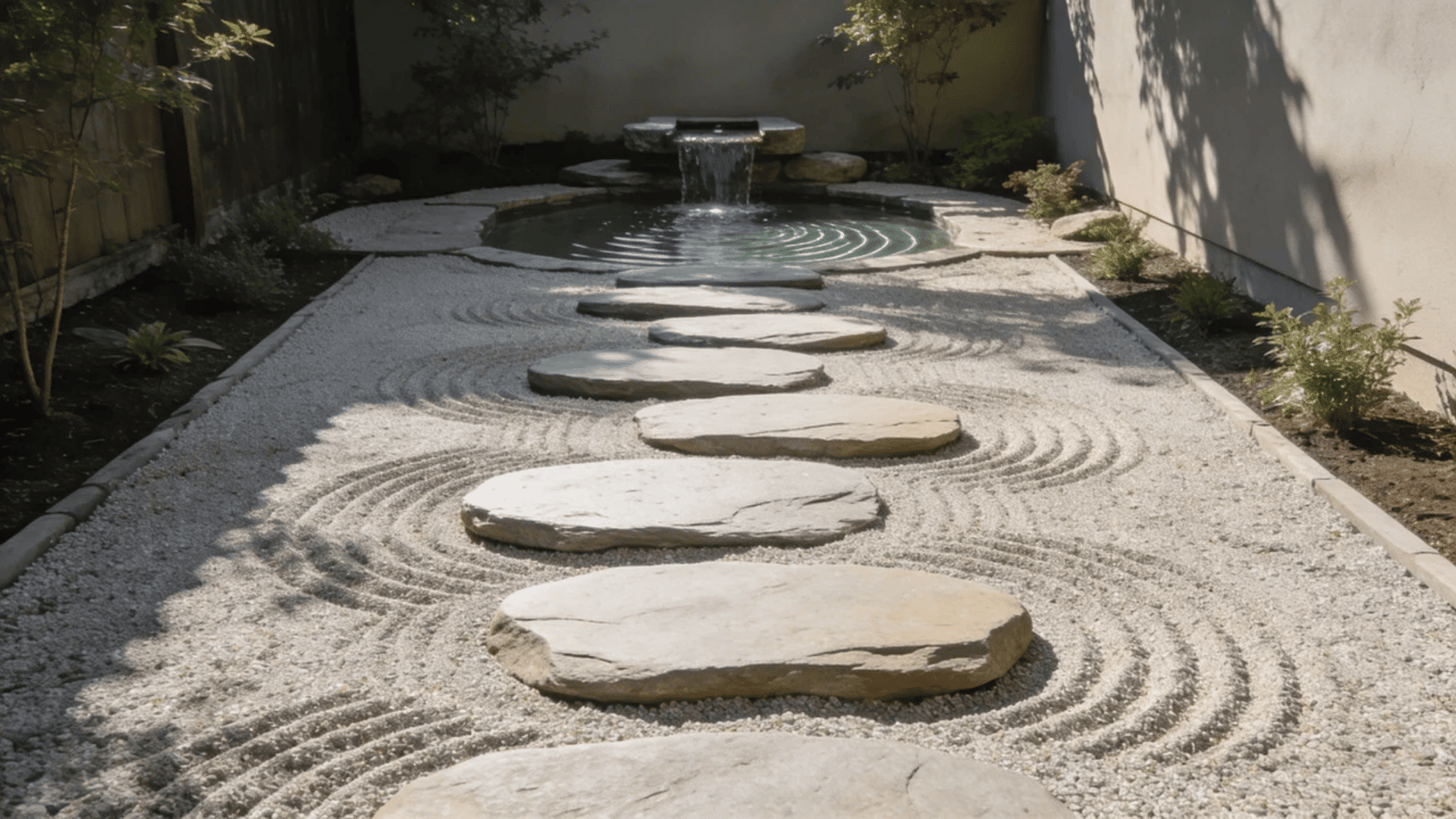
A Zen-inspired stone path creates a calm and simple garden look. It uses raked gravel with a few large flat stepping stones placed with space between them.
The wide spacing makes each step feel slow and thoughtful.
A small water feature at the end can help anchor the design. This style works well in quiet areas, such as shaded side yards.
Keep plants low and simple to maintain a clean and peaceful setting.
Tip: Keep Zen-inspired pathways simple with minimal plants and clean gravel patterns for a calming effect.
Budget DIY Garden Pathway Ideas
These DIY ideas use low-cost or reused materials that are easy to work with. Most of these paths can be built over a weekend with basic tools.
5. Pea Gravel Path
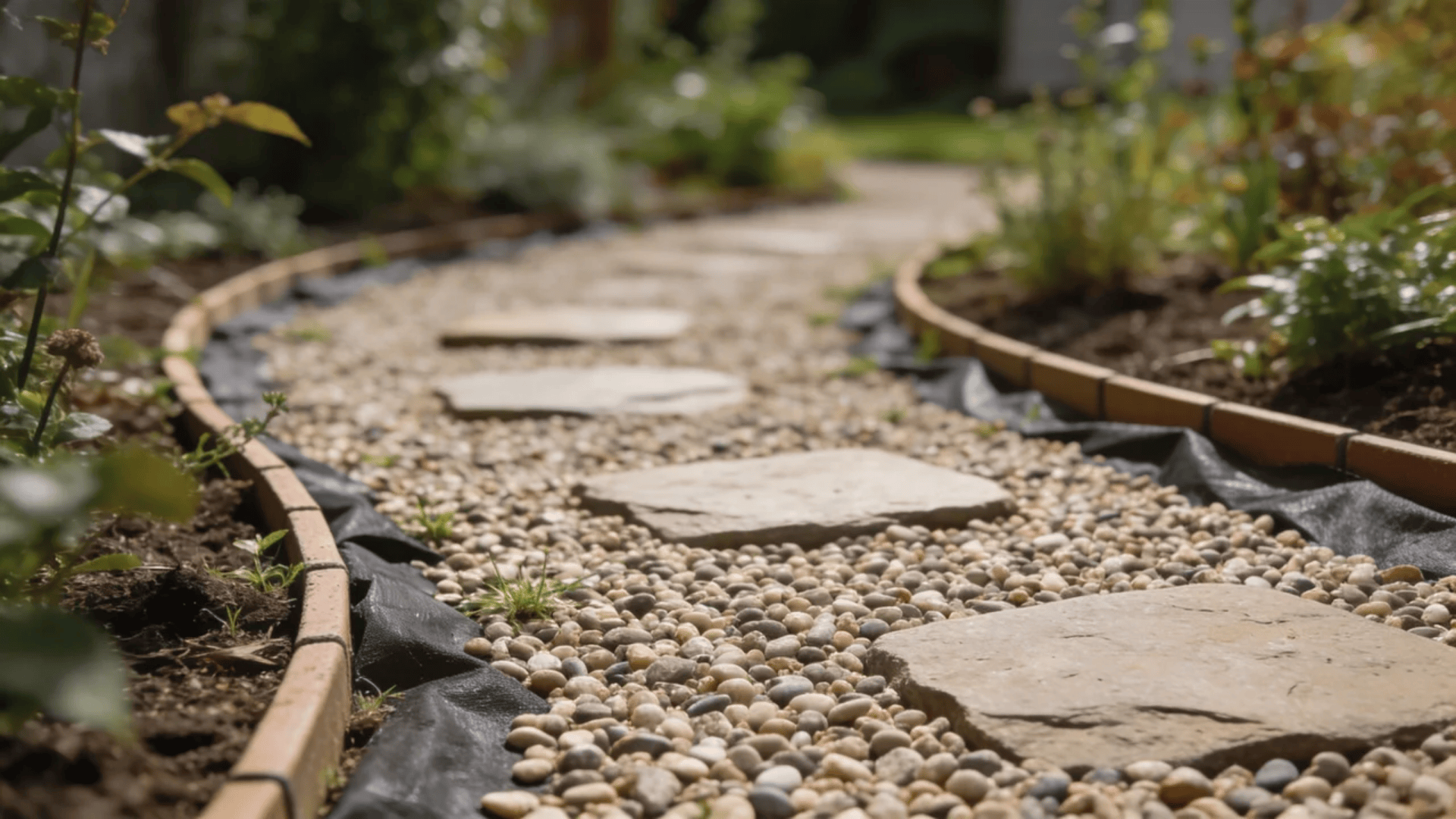
A pea gravel path is one of the most affordable options for a garden walkway. Start by removing the grass, then lay landscape fabric to block weeds.
Add edging to keep the gravel in place, and fill the area with pea gravel.
Choose small stones under half an inch for a smoother feel underfoot.
This type of path looks natural and works well in informal gardens. Adding stepping stones can help keep the path neat and reduce the amount of movement.
Tip: Install edging around pea gravel paths to prevent stones from spreading into nearby garden beds.
6. Recycled Brick Path
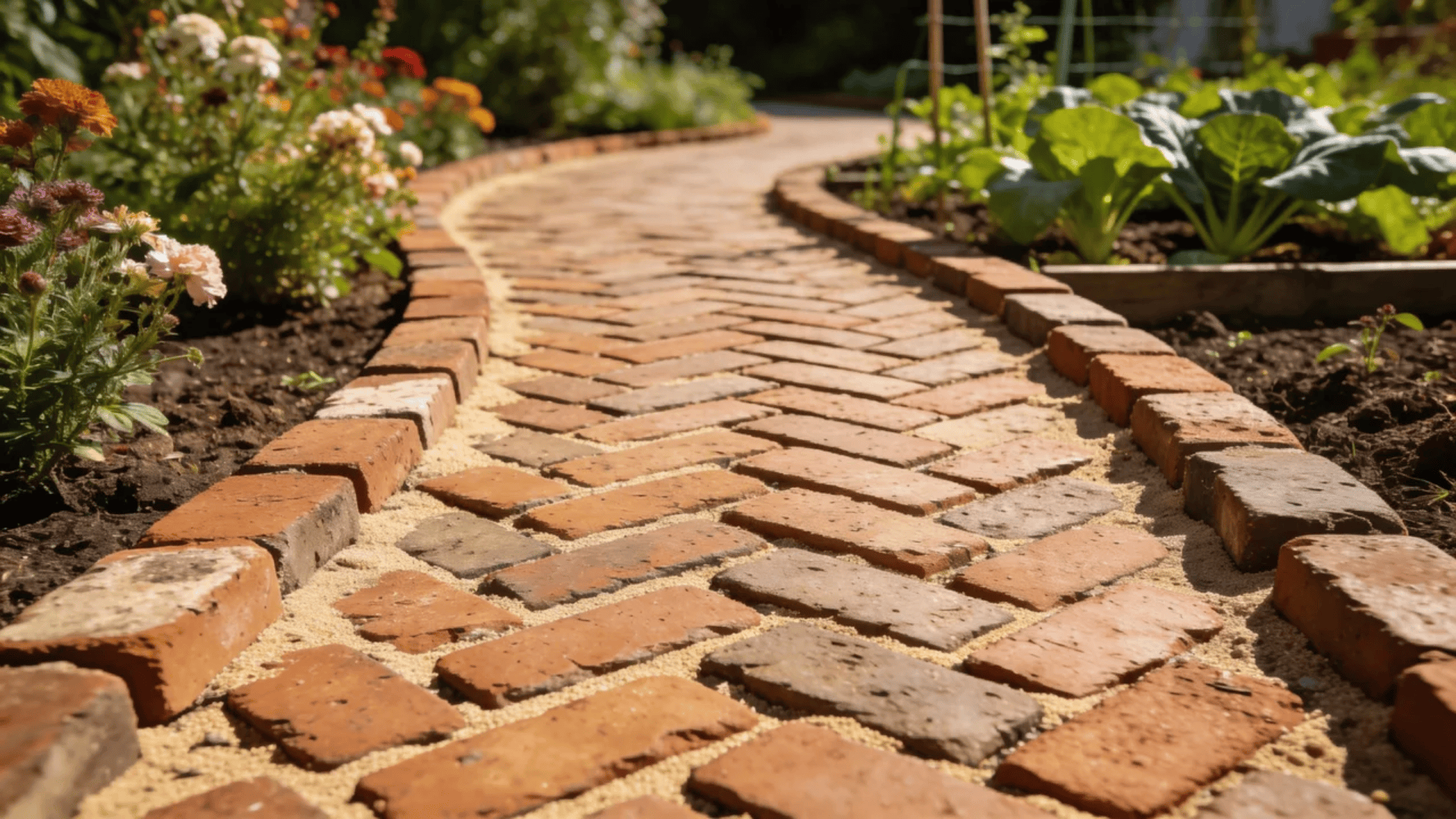
A recycled brick path is a smart and budget-friendly option for garden walkways.
Old bricks from demolition sites or salvage yards can be reused to create a strong path.
Lay them in patterns like herringbone or basket weave to add visual interest. Fill the gaps with sand or pea gravel to keep them stable.
Recycled bricks bring a warm, classic look that pairs well with flower beds and vegetable gardens.
Tip: Arrange recycled bricks in patterns like herringbone to give the pathway a more decorative appearance.
7. Wood Chip or Mulch Path
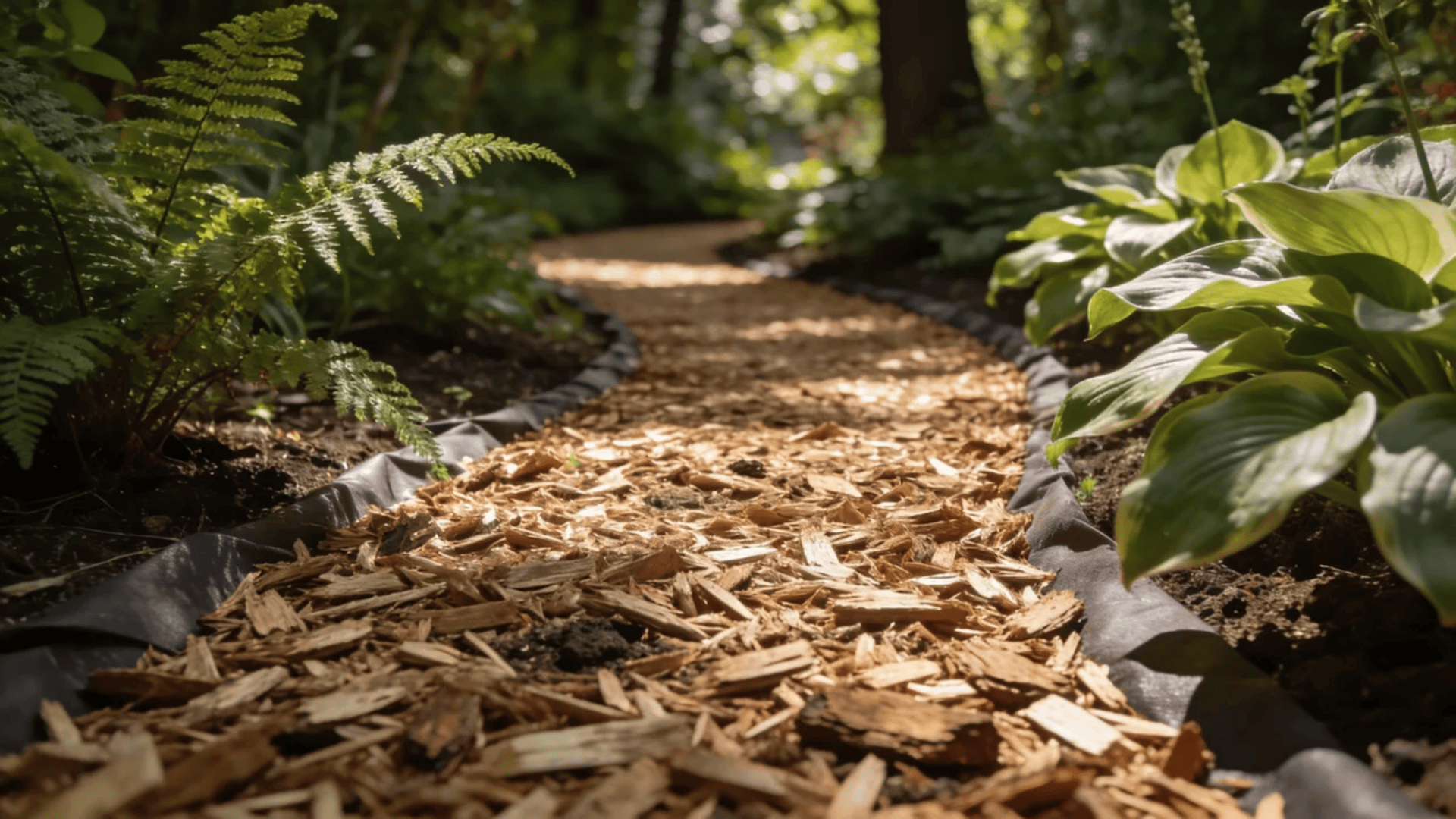
A wood chip or mulch path is easy to install and often very low-cost. Spread wood chips about three inches deep over landscape fabric to create a soft, natural trail.
I first noticed wood-chip pathways in small resorts and nature-inspired cafes, where the garden areas felt calm and relaxed.
Mulch also helps improve soil as it breaks down over time. However, it needs to be refreshed every year or two to keep the path looking clean.
Tip: Refresh mulch or wood chips every year to keep the pathway looking neat and evenly covered.
8. Pallet Wood Walkway
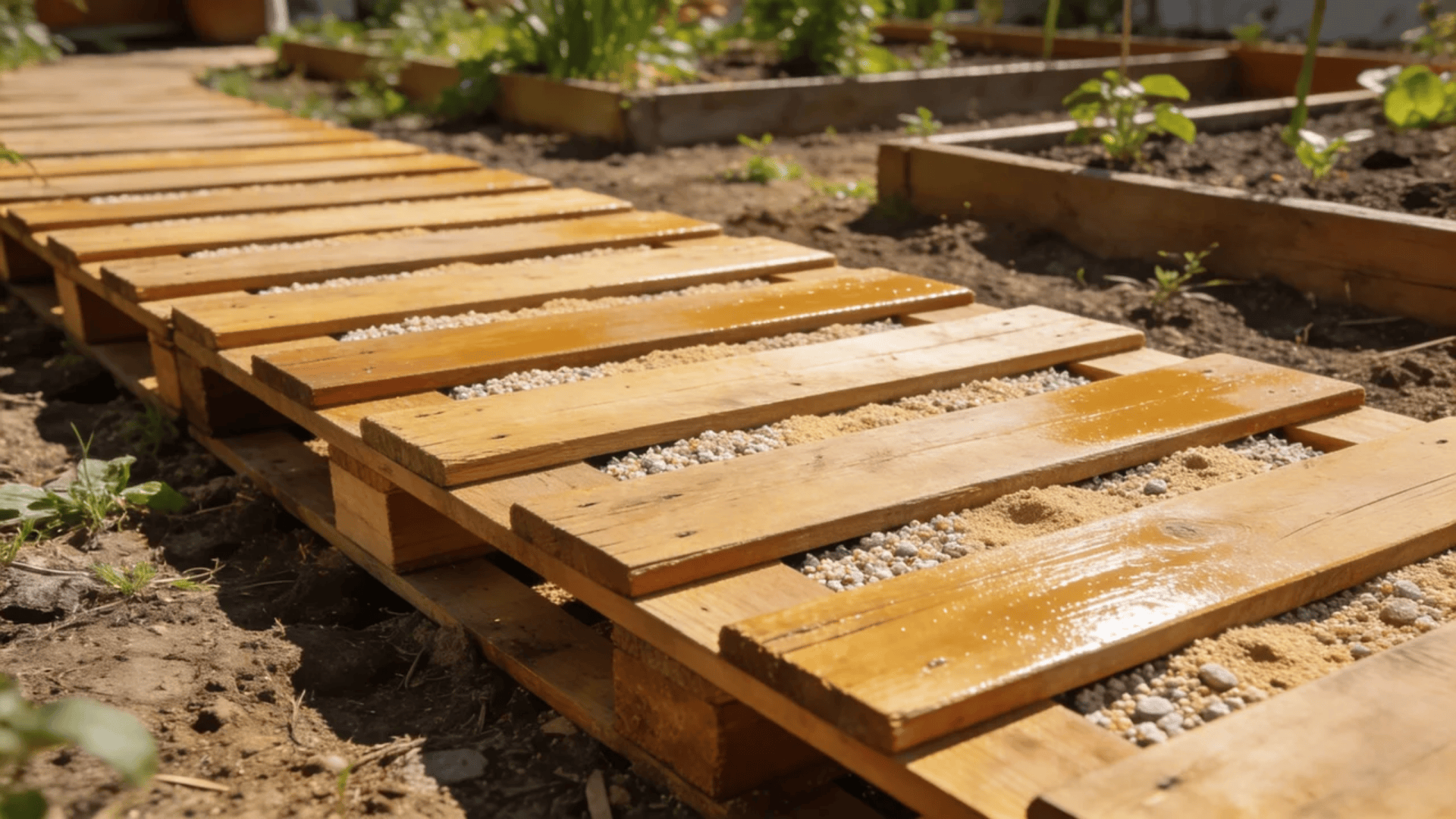
A pallet wood walkway is a creative way to reuse old materials for a garden path. Wooden pallets can be taken apart into planks and laid side by side like a small boardwalk.
Each plank should be treated with outdoor sealant to protect it from the weather.
Fill small gaps with sand or gravel to help with drainage. Pallets are often free or low-cost, making this a smart option for dry areas or raised garden beds.
Tip: Seal pallet wood with an outdoor finish to protect it from moisture and weather damage.
9. Broken Concrete Paving
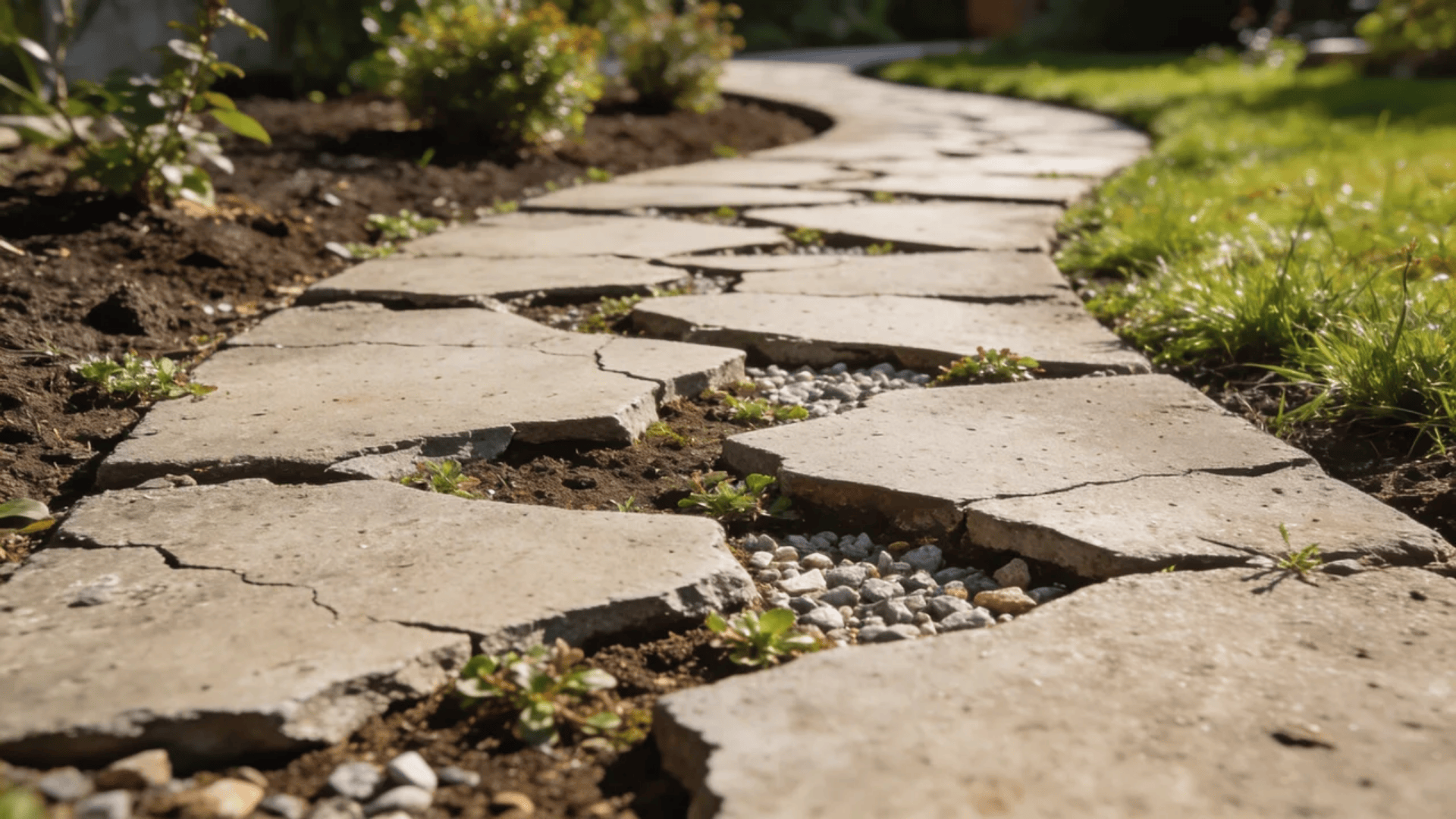
Broken concrete can be reused to create a unique pathway known as crazy paving.
Large slabs are broken into uneven pieces and placed together to form a path. Leave small gaps between pieces and fill them with soil or gravel for stability.
Ground cover plants can also grow in the gaps for a natural look.
This method reduces waste and saves money while giving old concrete a new use in the garden.
Tip: Fill gaps in broken concrete pathways with moss or gravel to create a softer and more natural look.
Creative and Decorative Garden Pathway Ideas
These pathway ideas focus on adding style and detail to your garden space. They help create a unique look without needing a large budget.
10. Mosaic Stepping Stones
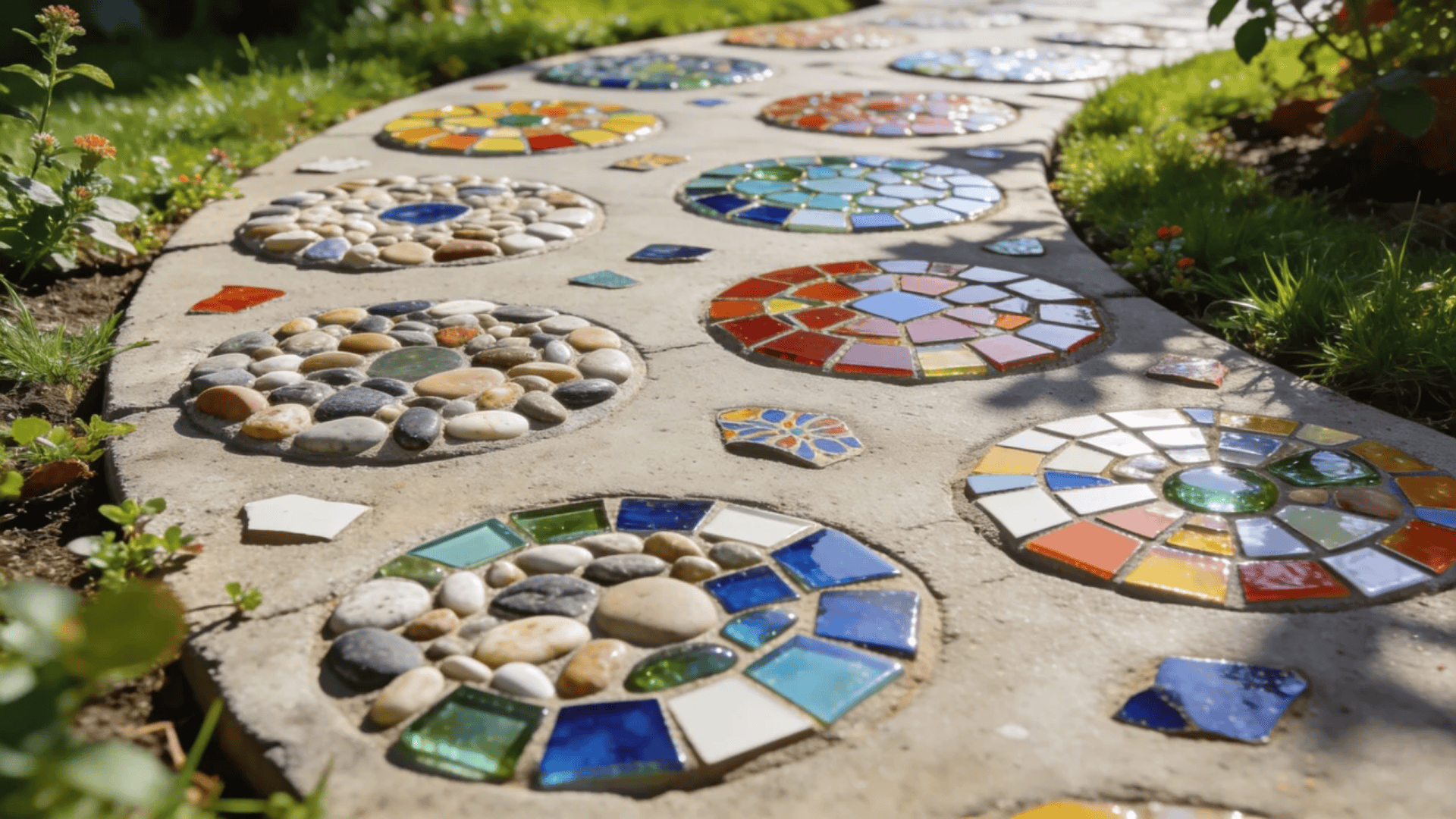
Mosaic stepping stones are a fun way to add color and design to a garden path.
Concrete is poured into molds, and pebbles, tiles, or glass pieces are pressed into the surface before it sets.
Each stone becomes a small piece of art with its own pattern and style. Mixing bright or soft colors can make the path stand out more.
This idea works well as a simple weekend project and is best for low-traffic garden areas or decorative spaces.
Tip: Use colorful tiles or pebbles in mosaic stepping stones to make the pathway more eye-catching.
11. Log Round Stepping Stones
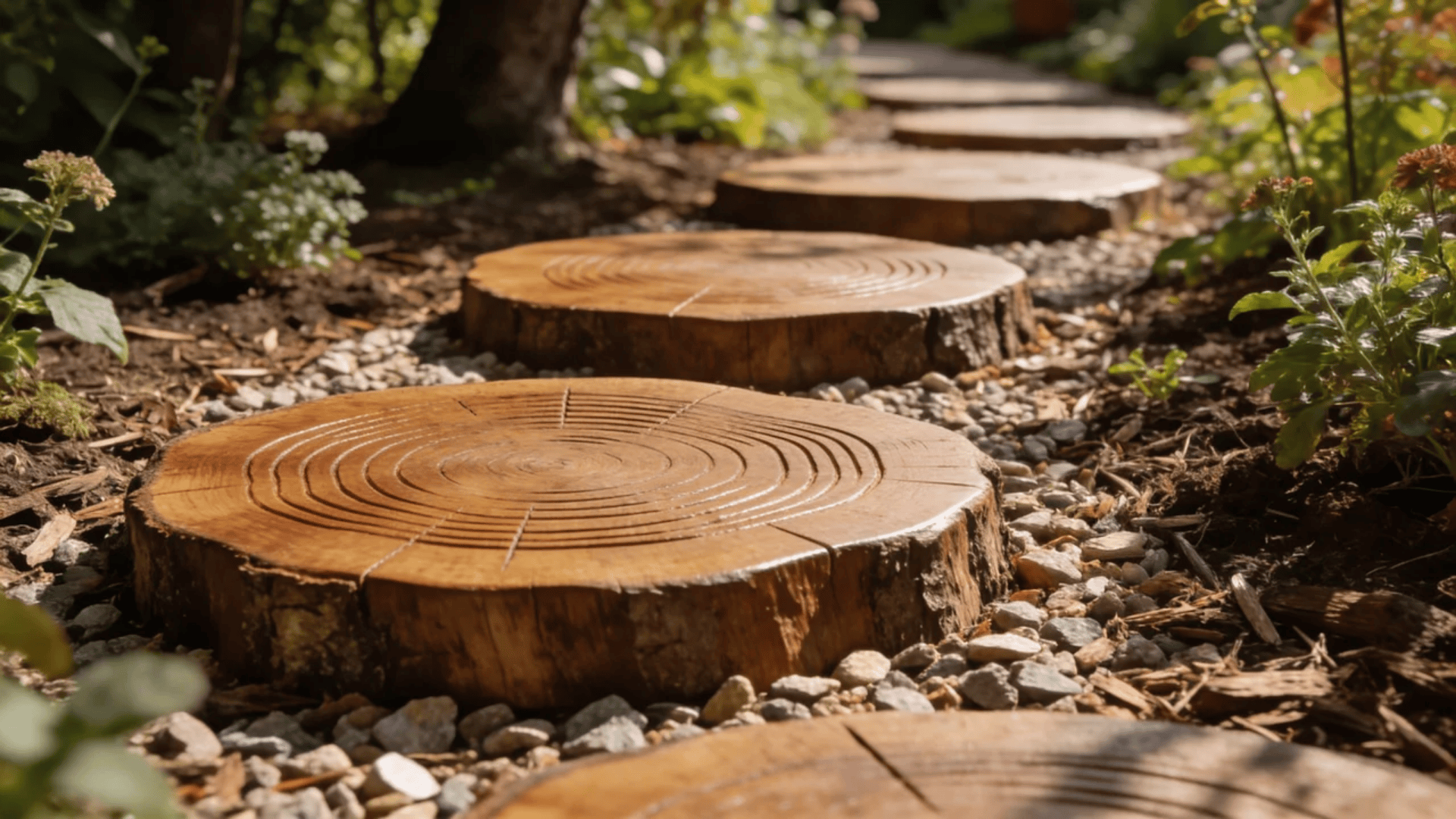
Log round stepping stones bring a natural and rustic feel to garden paths. Cut a log into thick slices and place them along the path as stepping points. To reduce slipping, lightly score the surface of each piece.
Sealing the wood with an outdoor finish helps protect it from moisture and extends its life.
I once saw log round stepping stones used in a mountain cottage garden, and they instantly made the outdoor space feel warmer and more natural.
These stones look best when set into gravel or mulch and work well in cottage gardens or wooded outdoor spaces.
Tip: Apply a weather-resistant sealant to log stepping stones to help them last longer outdoors.
12. Glow Pebble Path
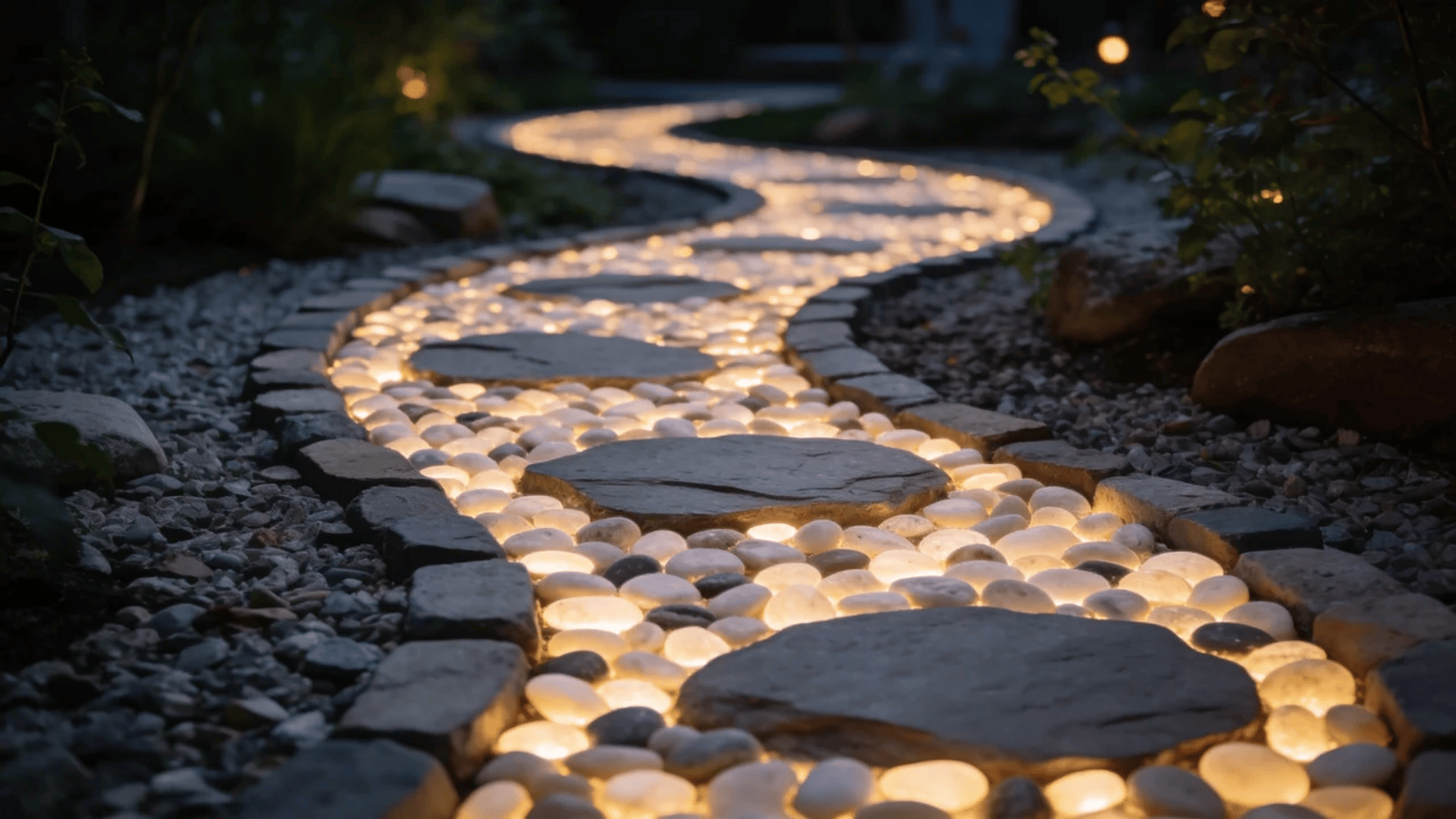
A glow pebble path adds both function and style to a garden. These small stones absorb sunlight during the day and give off a soft glow at night.
They can be mixed into gravel or used as borders along stepping stones.
During the day, they look like normal light-colored pebbles. This option requires no wiring or power and is easy to install. It also improves visibility along paths after dark.
Tip: Place glow pebbles along pathway edges to improve nighttime visibility without extra lighting.
13. Checkerboard Paver and Grass Path
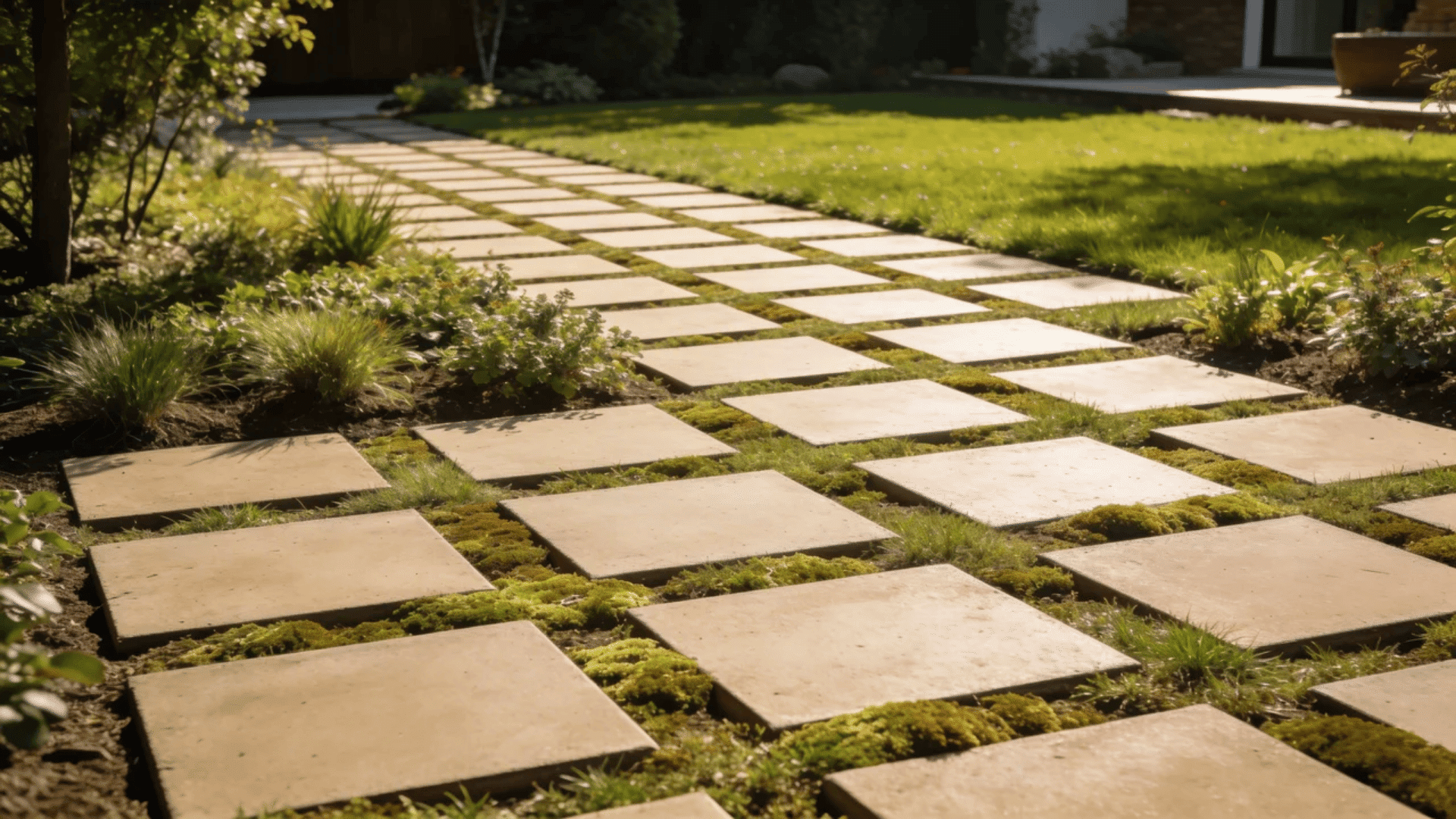
A checkerboard path alternates concrete pavers with grass or ground cover for a clean, modern look.
Square pavers are laid in a grid pattern, leaving spaces for plants to grow.
Grass, moss, or low plants fill the gaps and soften the design. This style adds structure without covering the whole area with concrete.
It works well in larger backyards where a balanced mix of hard and soft surfaces is needed.
Tip: Trim the grass regularly between checkerboard pavers to maintain a clean and balanced design.
14. Glass Bottle Mosaic Path
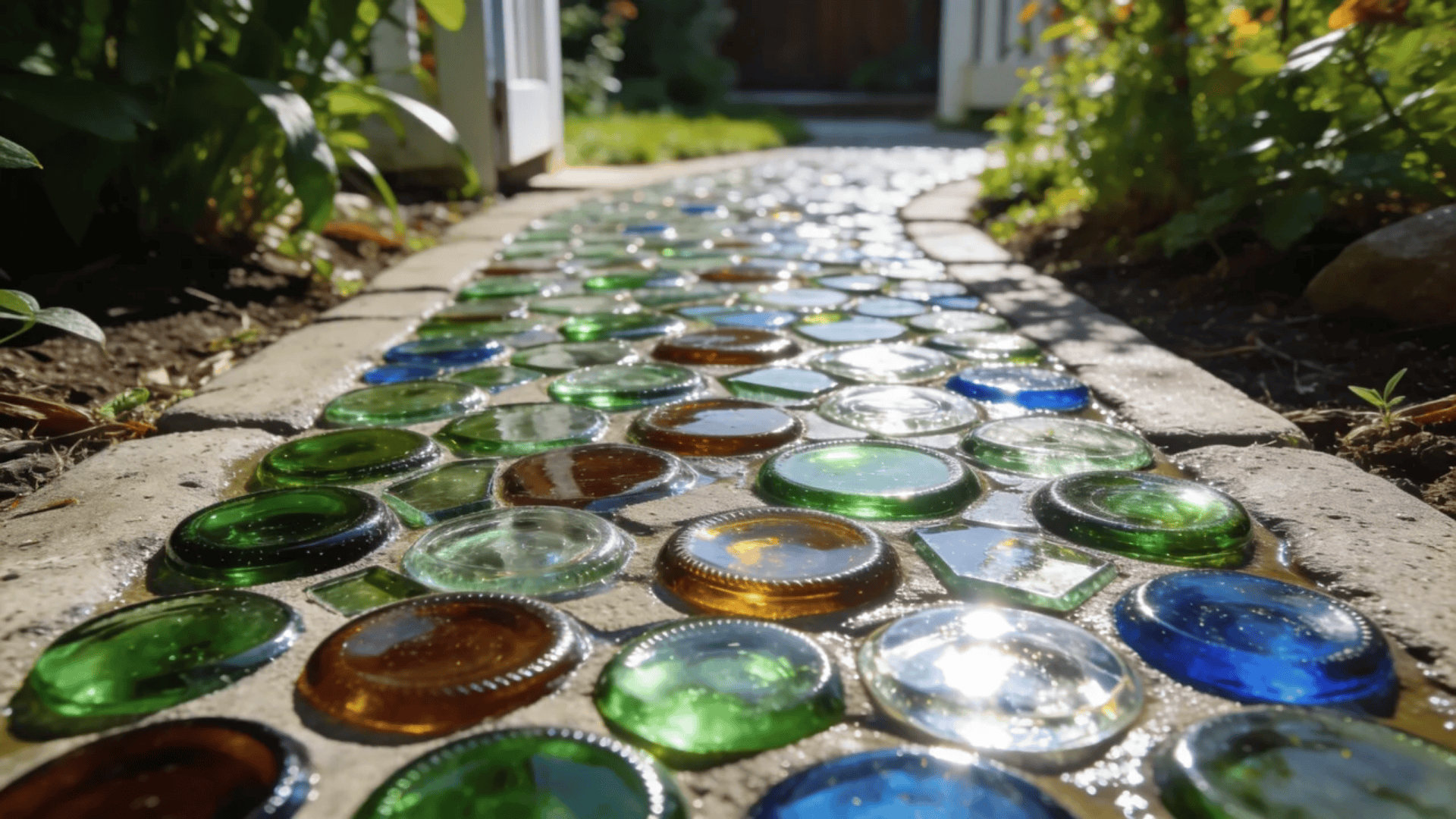
A glass bottle mosaic path is a creative way to reuse old materials. The bottoms of colored bottles are pressed into wet concrete to form a bright pattern.
Using different colors, such as green, brown, blue, and clear, adds more visual interest.
Sunlight reflects through the glass, making the path stand out. This idea works best for short paths or entry areas and adds a handmade, eco-friendly touch to the garden.
Tip: Mix different bottle colors in glass mosaic paths to create brighter reflections in sunlight.
Garden Pathway Ideas with Plants and Edging
The plants and borders around a path can change how the whole space looks. Good edging and greenery help the path feel complete and more natural.
15. Ground Cover Between Stepping Stones
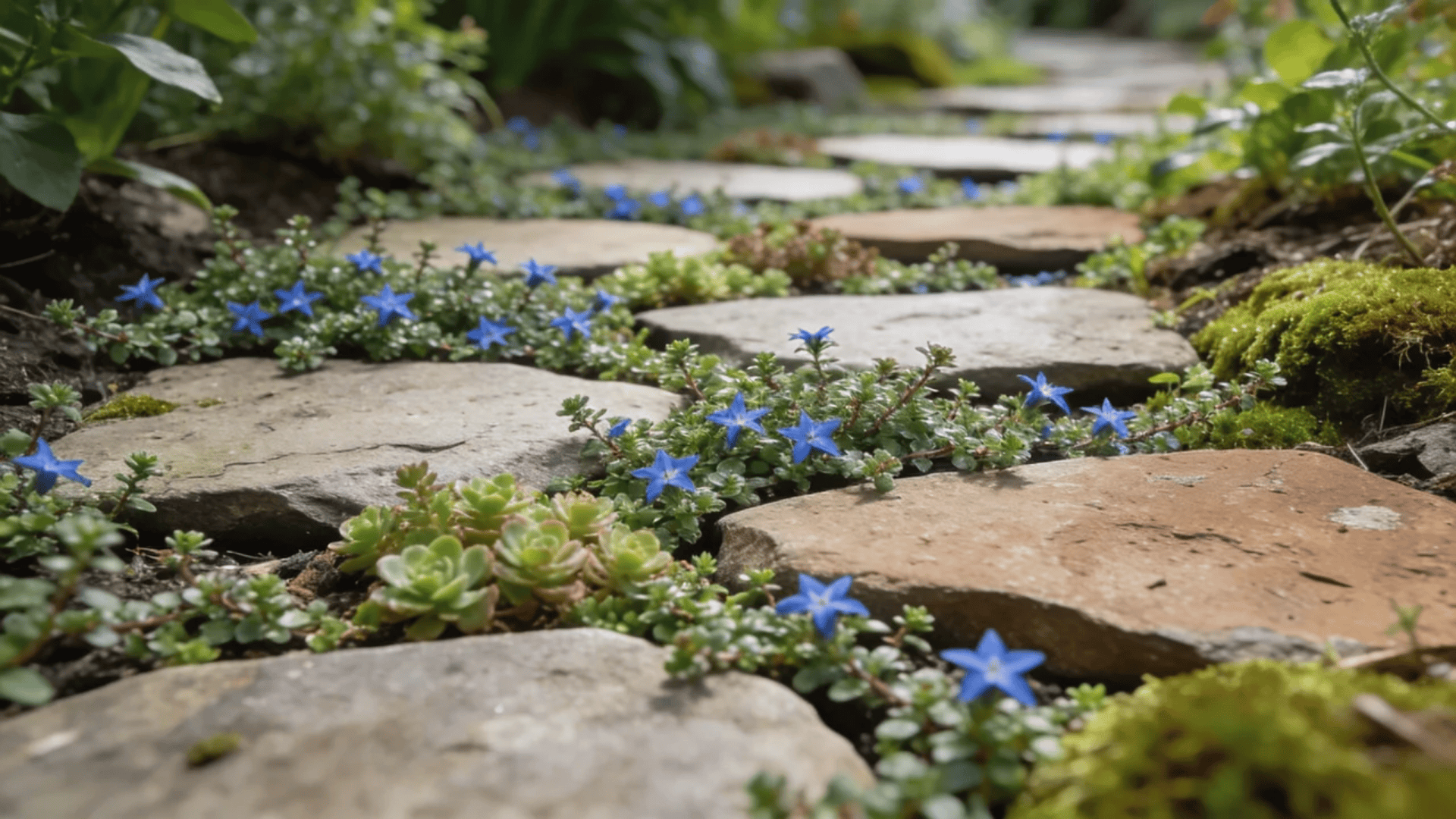
Adding ground cover between stepping stones helps soften the look of a garden path.
Low-growing plants like creeping thyme, blue star creeper, sedum, and moss work well in small gaps.
These plants can handle light foot traffic and help reduce weed growth. They also fill in uneven spaces, so stones do not need to be perfectly placed.
Choosing the right plants for your climate is important, so checking with a local nursery can help.
Tip: Choose low-growing ground cover plants that can handle light foot traffic between stepping stones.
16. Brick Border on a Gravel Path
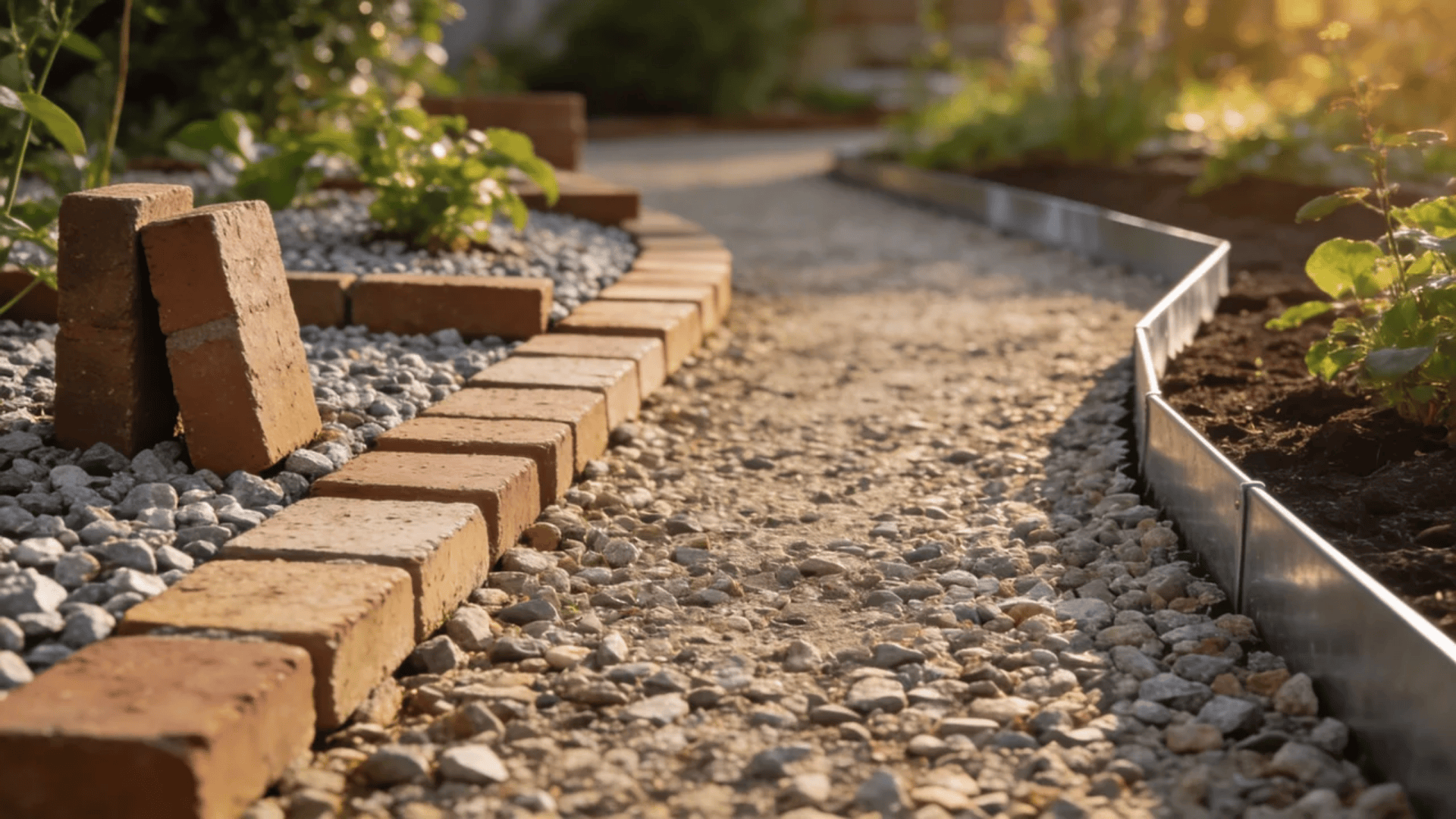
A brick border helps keep a gravel path neat and well-defined. Place bricks upright or flat along both sides of the path to hold the gravel or mulch in place.
This prevents material from spreading into nearby garden beds. It also gives the path a clean and structured look.
For a sharper finish, metal edging like steel or aluminum can be used. This simple addition makes a basic path look more planned and complete.
Tip: Use brick edging to keep gravel pathways organized and prevent materials from shifting over time.
17. Cobblestone Path for a Classic Look
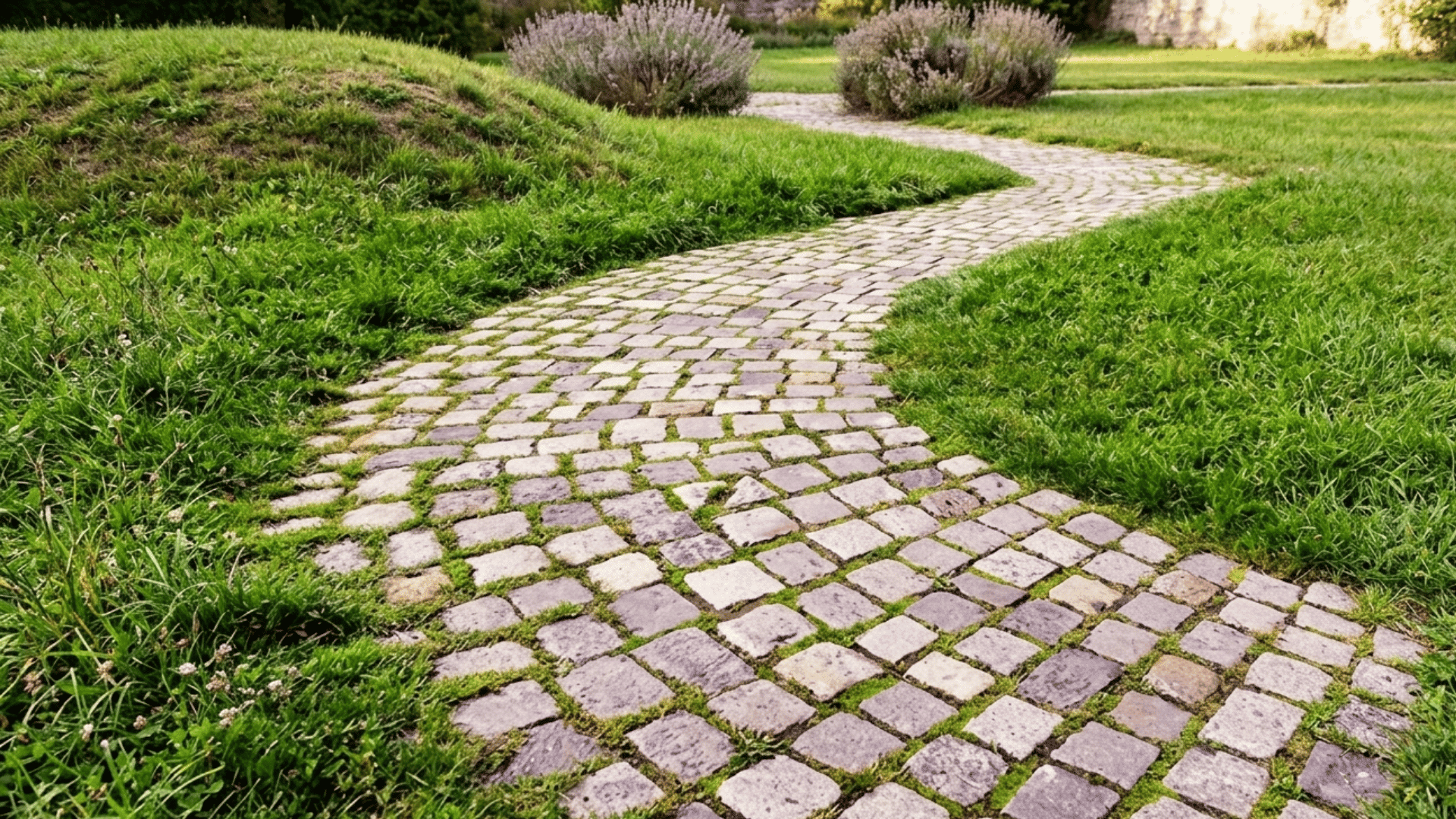
Cobblestones are small, rounded stones that have been used in garden and street design for centuries. They create a textured, old-world surface that looks especially good in traditional or cottage-style gardens.
I remember seeing a cobblestone pathway in my uncle’s backyard garden, and it gave the whole space a charming old-world feel.
Lay them tightly together on a sand base for a stable surface, or leave small gaps and fill them with gravel for a more relaxed finish.
Cobblestone paths hold up well in all weather conditions and rarely need replacing once properly set.
Tip: Lay cobblestones on a compact sand base to improve durability and reduce movement over time.
18. Grass Strip Path Between Pavers
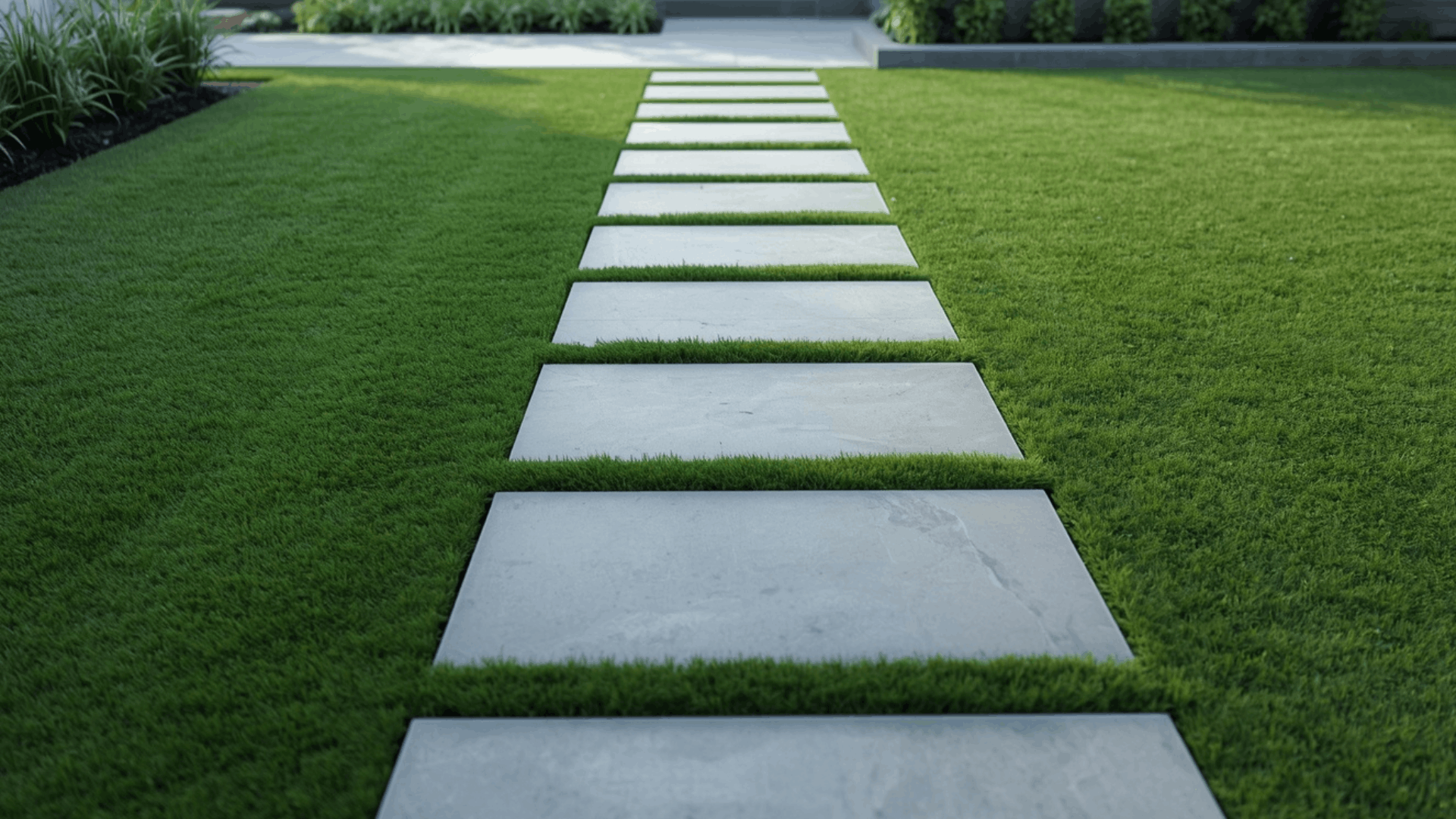
Alternate concrete or stone pavers with narrow strips of grass to create a path that blends hardscaping with greenery.
This design works especially well in open backyard spaces where a fully paved path would look too heavy or formal. The grass stays low with regular mowing and fills in naturally over time.
Use a straight-edged spade to keep the grass lines clean on both sides.
This is a low-cost idea that creates a strong visual effect and keeps the garden feeling alive and connected to the surrounding lawn.
Tip: Keep grass strips between pavers evenly trimmed to maintain a clean and modern pathway appearance.
Permeable Pathway Materials for Better Drainage
Permeable garden pathways allow water to drain naturally into the soil rather than pooling on the surface. They help reduce water runoff, prevent puddles, and improve overall drainage in outdoor spaces.
These pathways are made from materials such as gravel, crushed stone, permeable pavers, or spaced stepping stones that allow rainwater to pass through easily.
This helps protect the garden from erosion and keeps pathways safer to walk on after heavy rain.
Permeable paths also support healthier soil by allowing moisture to reach plant roots naturally.
In addition to being practical, they are an eco-friendly option that reduces pressure on drainage systems and works well in both small and large gardens.
Many homeowners choose permeable pathways because they combine good drainage, low maintenance, and a more natural outdoor appearance.
Quick Comparison of Affordable Garden Pathway Ideas
Choosing the right garden pathway depends on your budget, maintenance needs, and garden style. Some materials are more affordable and easier to install, while others offer better durability and long-term value.
| Pathway Material | Cost Level | Best For | Maintenance | Durability |
|---|---|---|---|---|
| Pea Gravel | Low | Informal garden paths | Low | Moderate |
| Mulch/Wood Chips | Very Low | Natural garden areas | Medium | Low |
| Recycled Bricks | Low | Rustic and classic gardens | Low | High |
| Concrete Stepping Stones | Low to Medium | Modern garden layouts | Low | High |
| Pallet Wood | Very Low | DIY rustic walkways | Medium | Moderate |
| Crushed Stone | Low | High-traffic pathways | Low | High |
| Broken Concrete | Low | Creative DIY pathways | Low | High |
Best Low-Cost Materials for Garden Pathways
Garden pathway materials do not have to be expensive to look good and last for years. Many affordable options are easy to install, low-maintenance, and work well in different garden styles.
- Pea Gravel: A budget-friendly material that provides good drainage and works well for casual garden paths.
- Mulch or Wood Chips: Soft underfoot, easy to spread, and ideal for natural or informal garden spaces.
- Recycled Bricks: Reused bricks create a classic pathway look without the high cost of new materials.
- Concrete Stepping Stones: Affordable and durable, these stones can be spaced with gravel or grass for a simple design.
- Pallet Wood: Recycled pallet planks can be used to create rustic walkways in dry garden areas.
- Crushed Stone: Smaller crushed stones create a firm, affordable, durable, and easy-to-maintain surface.
- Broken Concrete: Reused concrete pieces can form unique “crazy paving” paths while reducing material costs.
Why Choosing the Right Garden Path Matters?
Choosing the right garden path improves both the function and appearance of your outdoor space. The right design makes walking easier, protects plants, and helps the garden feel more organized and complete.
A well-planned pathway also affects how much maintenance your garden will need over time. Materials like stone and concrete work better in high-traffic areas, while gravel and mulch are better suited for decorative spaces.
The right path can improve drainage, reduce muddy areas, and make outdoor spaces safer to walk through year-round.
It also helps connect different sections of the yard in a natural way.
By selecting materials and designs that match your garden style and budget, you can create a pathway that looks attractive, lasts longer, and adds value to the overall landscape.
A thoughtfully designed garden path can also improve curb appeal and make the outdoor space feel more welcoming.
Common Mistakes to Avoid when Building a Garden Pathway
Even simple pathway ideas can fail without proper planning. Avoiding these mistakes can save time, money, and effort.
- Skipping the weed barrier: Laying material on bare soil allows weeds to grow through quickly, so always use landscape fabric first
- Choosing the wrong path width: A narrow path feels uncomfortable, so aim for at least 24 inches for single use and wider for main paths
- Using plastic instead of fabric: Plastic blocks drainage and breaks down fast, while fabric allows water flow and lasts longer
- Buying materials without measuring: Not measuring leads to waste or shortage, so check the length and width before buying
- Ignoring drainage and slope: Poor drainage causes water buildup, so keep a slight slope and use proper base material
- Choosing style over function: A path should be safe and stable first, then focus on how it looks
- Skipping edge restraints: Without edging, materials spread out and lose shape, so use borders for a clean and lasting finish.
Conclusion
I’ve seen that building a great garden path doesn’t require a big budget. What matters most is choosing the right material for your space, planning the layout, and taking time to do it right.
Even a simple path can change how your garden looks and feels.
This guide covered many options, from natural stone for long-term use to gravel and mulch for easy setup.
Recycled materials add a creative touch, while plants help soften the overall look. Each idea fits a different need and style.
If you found this blog helpful, share which pathway idea you plan to try in the comments. You can also share this post with others who are planning their garden path.
Frequently Asked Questions
What Is the Best Width for a Garden Pathway?
A garden path is usually 2 to 4 feet wide, allowing easy walking and enough space for two people if needed.
Can a Garden Pathway Be Built without Professional Help?
Yes, many pathways can be built as a DIY project using simple tools and basic materials.
How Do You Stop Weeds from Growing on Pathways?
Using landscape fabric under the path and regular cleaning helps reduce weed growth.
Is Drainage Important for Garden Pathways?
Yes, proper drainage prevents water buildup, which can damage the path over time.
Can Garden Pathways Be Used in Small Spaces?
Yes, narrow and simple designs work well in small gardens and help improve movement and layout.