

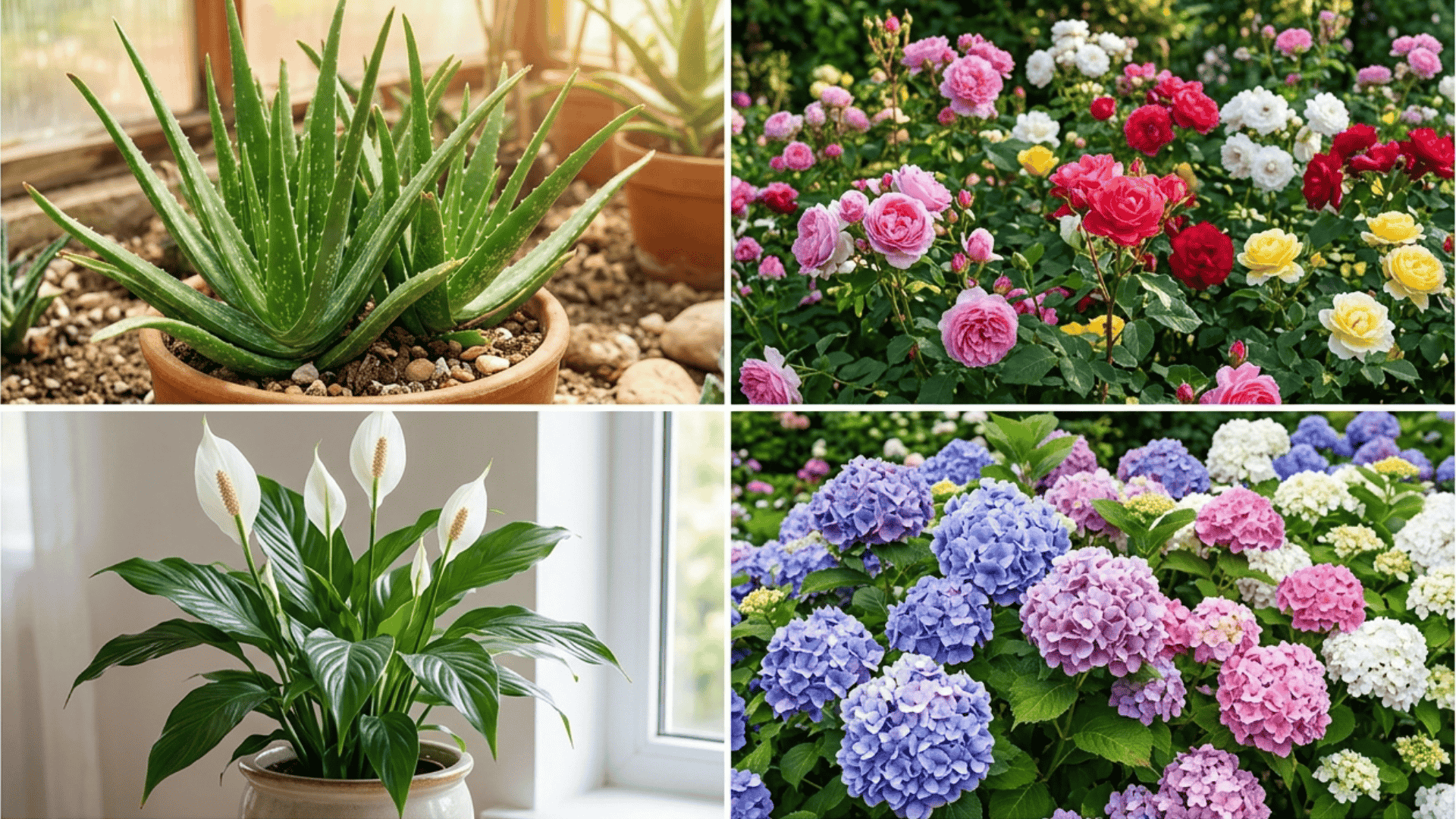
I’ve tested a lot of simple plant care tips, and one question I kept seeing was about using coffee grounds. You might be wondering what indoor plants like coffee grounds, and if it really helps them grow better.
The truth is, some plants love it, while others don’t do well with it at all.
Today, I’m sharing which indoor plants like coffee grounds and why. You’ll also learn the right way to use them, how much to add, and what mistakes to avoid.
You’ll also see which plants should avoid coffee grounds, so you don’t accidentally cause damage.
Are Coffee Grounds Good for Plants?
Yes, coffee grounds can be good for plants when used in small amounts and the right way.
They add a bit of nitrogen, which helps leaves grow strong and green. Nitrogen matters because it’s a core building block of chlorophyll, the compound that makes leaves green and powers photosynthesis.
Without enough nitrogen, leaves often turn pale or yellow. Coffee grounds release it slowly as they break down, so the benefit builds gradually rather than all at once.
One important detail before you start: this guide is about used (spent) coffee grounds; the leftovers from a brewed cup. Used grounds sit close to neutral on the pH scale, which makes them safe for occasional use on most plants. Fresh, unused grounds are far more acidic and can shock roots if applied directly.
Coffee grounds can also improve soil texture and help it hold moisture longer. They feed the microbes in your soil, too; bacteria that break down organic matter into forms plant roots can actually absorb.
That said, not every plant responds well. Some don’t like acidic conditions at all, and too many grounds can compact the soil and block airflow.
The best approach is to mix a small amount into the soil or add it to compost first. Avoid piling it on top.
One more thing worth knowing: soil pH affects how well your plants can use nutrients. pH runs on a scale from 0 to 14.
Most indoor plants grow well around 6.0 to 7.0, slightly acidic to neutral.
Plants like azaleas and African violets prefer the lower end, around 5.5 to 6.5. That’s where coffee grounds give them an edge.
What Indoor Plants Like Coffee Grounds?
Many indoor plants can benefit from coffee grounds when used sparingly. The ones that respond best tend to prefer slightly acidic, nutrient-rich soil.
1. Azaleas
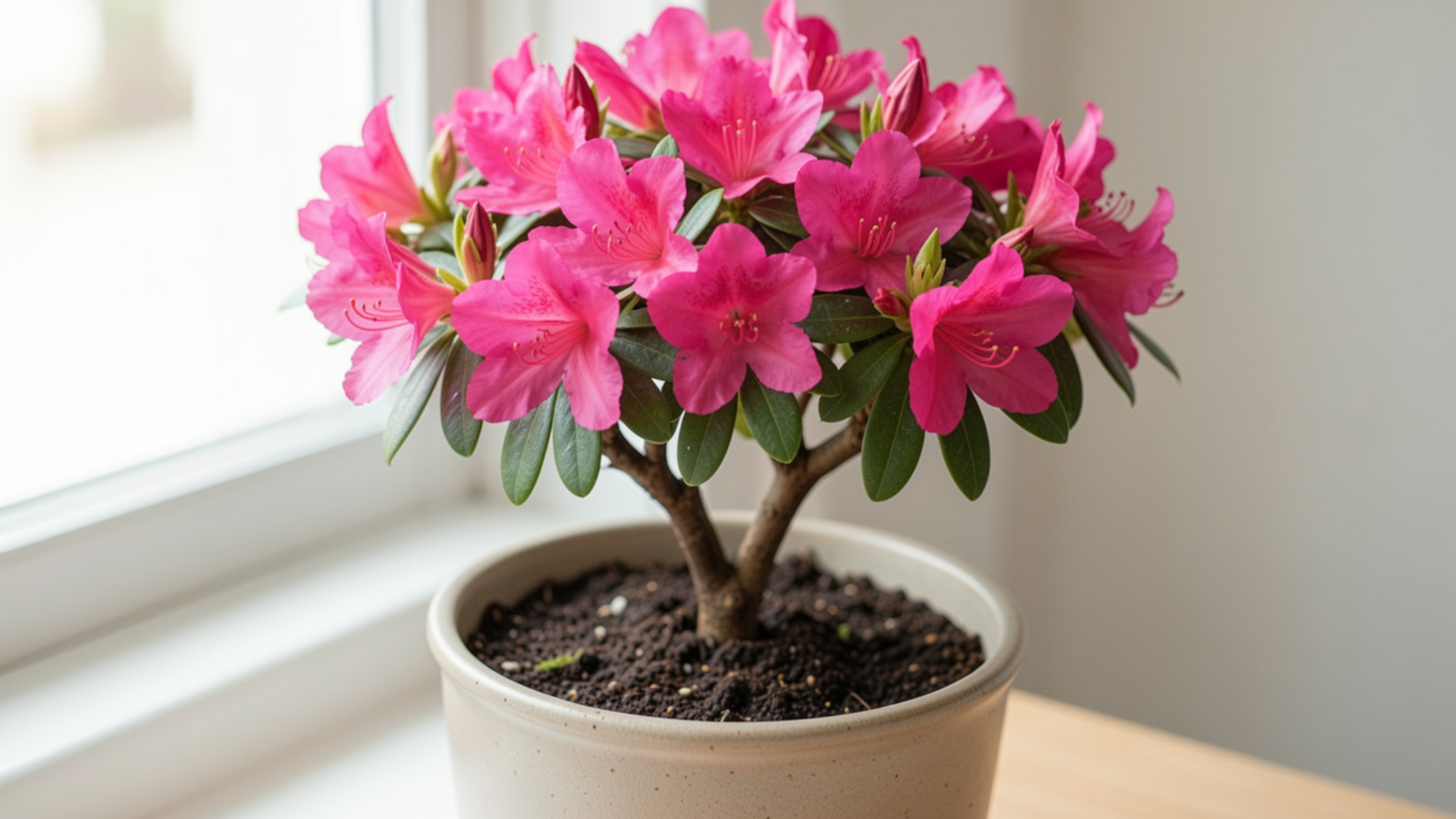
Azaleas prefer slightly acidic soil, and coffee grounds can help maintain those conditions when used in moderation. The nitrogen supports healthy foliage, and you may notice better blooms over time.
Mixing small amounts into the topsoil improves texture and helps retain moisture. Overuse compacts the soil and can stress roots, so keep it light.
Tip: Use dried grounds and mix them lightly into the topsoil; never add fresh, wet grounds directly.
2. Hydrangeas
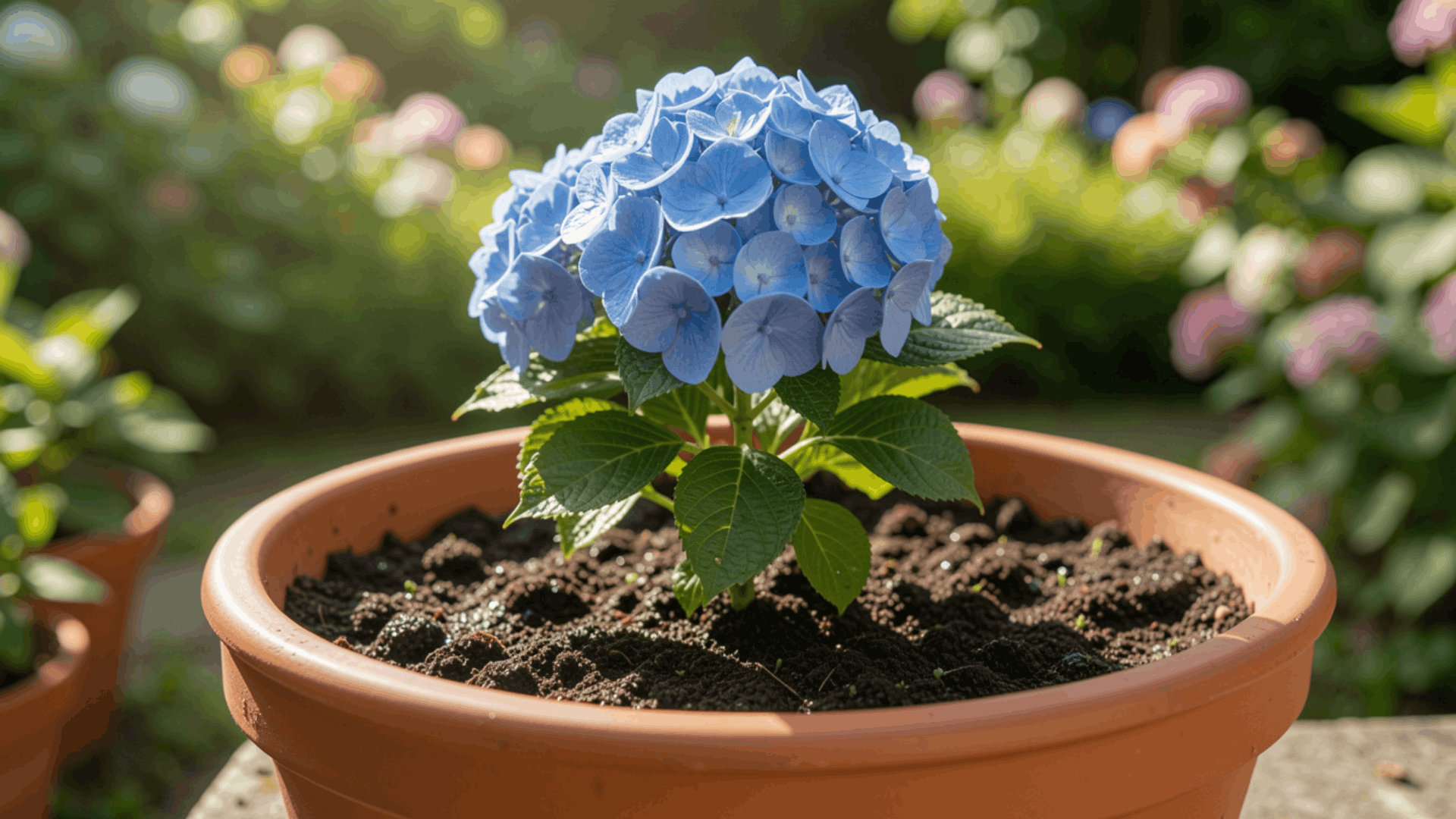
Hydrangeas respond well to soil enrichment, and coffee grounds add organic matter that supports steady growth. They can also shift bloom color, more acidic soil tends to push flowers toward blue tones.
My neighbor added small amounts around their hydrangeas over a season, and the flowers came back noticeably more vibrant. Keep applications occasional so drainage stays intact.
Tip: Combine coffee grounds with compost for a more balanced soil boost.
3. Peace Lilies
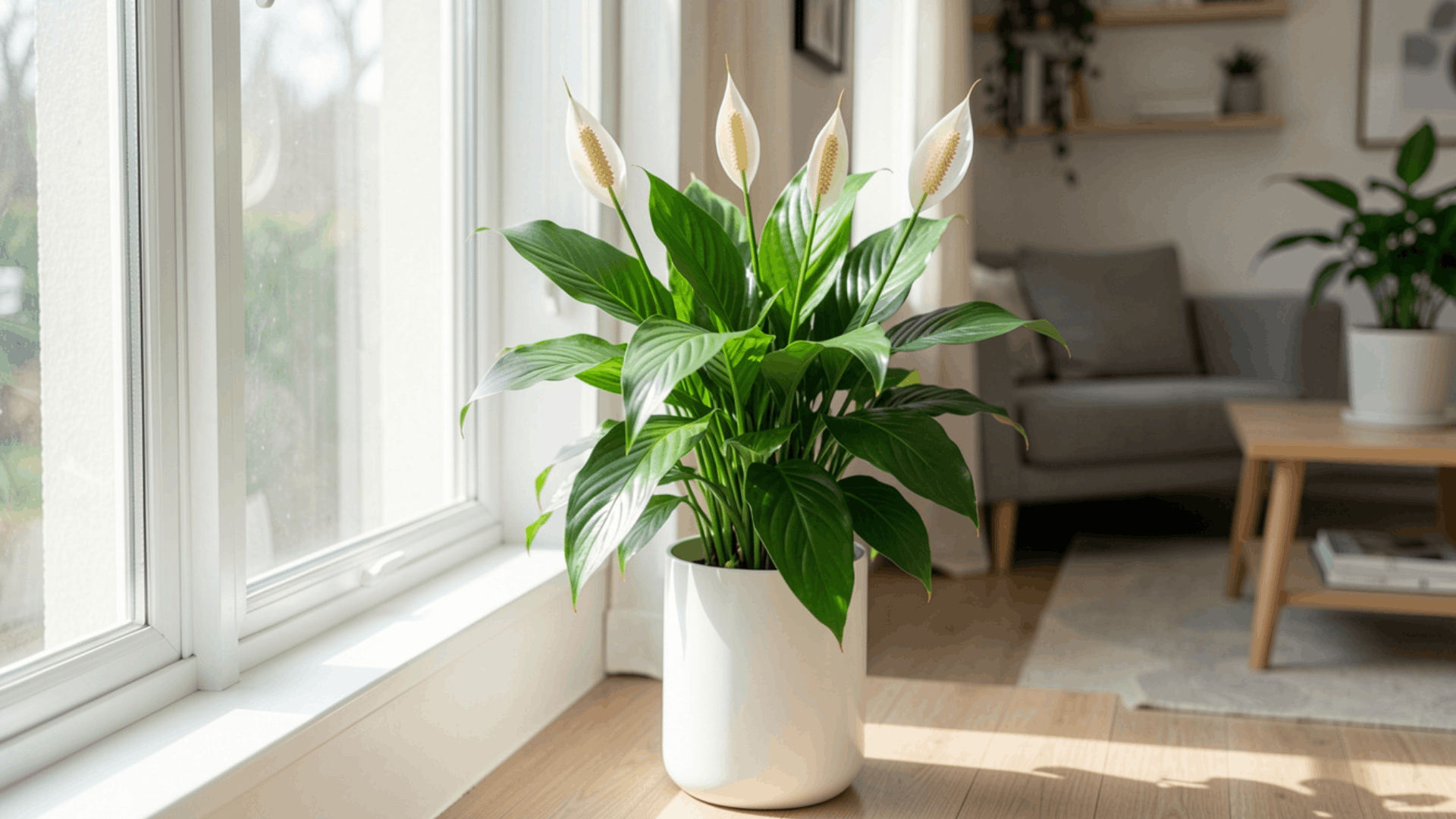
Peace lilies thrive in nutrient-rich soil, and coffee grounds can offer a mild nitrogen boost that supports leaf growth. They also help the soil hold moisture a little longer.
Too much, though, and the soil becomes dense. Roots need airflow; once that’s compromised, growth slows noticeably.
Tip: Always mix coffee grounds into the soil rather than placing them on top.
4. Philodendrons
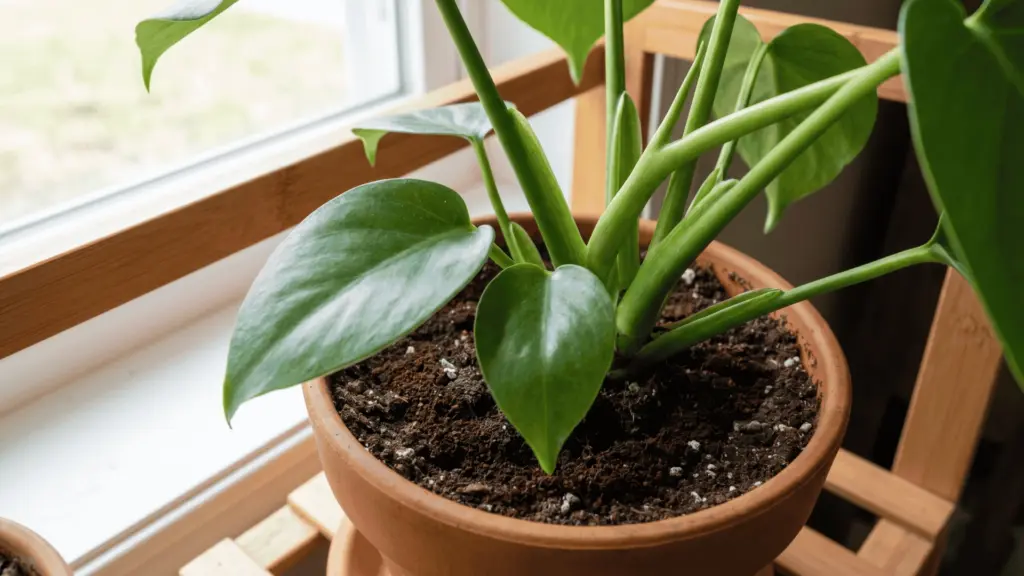
Philodendrons are fast growers with a healthy appetite for nutrients. A small amount of coffee grounds mixed into the soil can support greener leaves and stronger growth over time.
Too much compacts the soil and limits the drainage these plants need. Keep applications occasional, not routine.
Tip: Use coffee grounds every few weeks at most; not as a regular part of every watering routine.
5. Roses

Roses benefit from organic matter in the soil, and coffee grounds can improve texture while adding a slow nitrogen release. In my uncle’s garden, mixing a small amount into the soil led to noticeably stronger stems and fuller blooms after a few months.
Balance matters here. Too much tips the soil acidic, which works against roses rather than for them.
Tip: Mix coffee grounds with compost rather than using them alone, it keeps the balance right.
6. African Violets
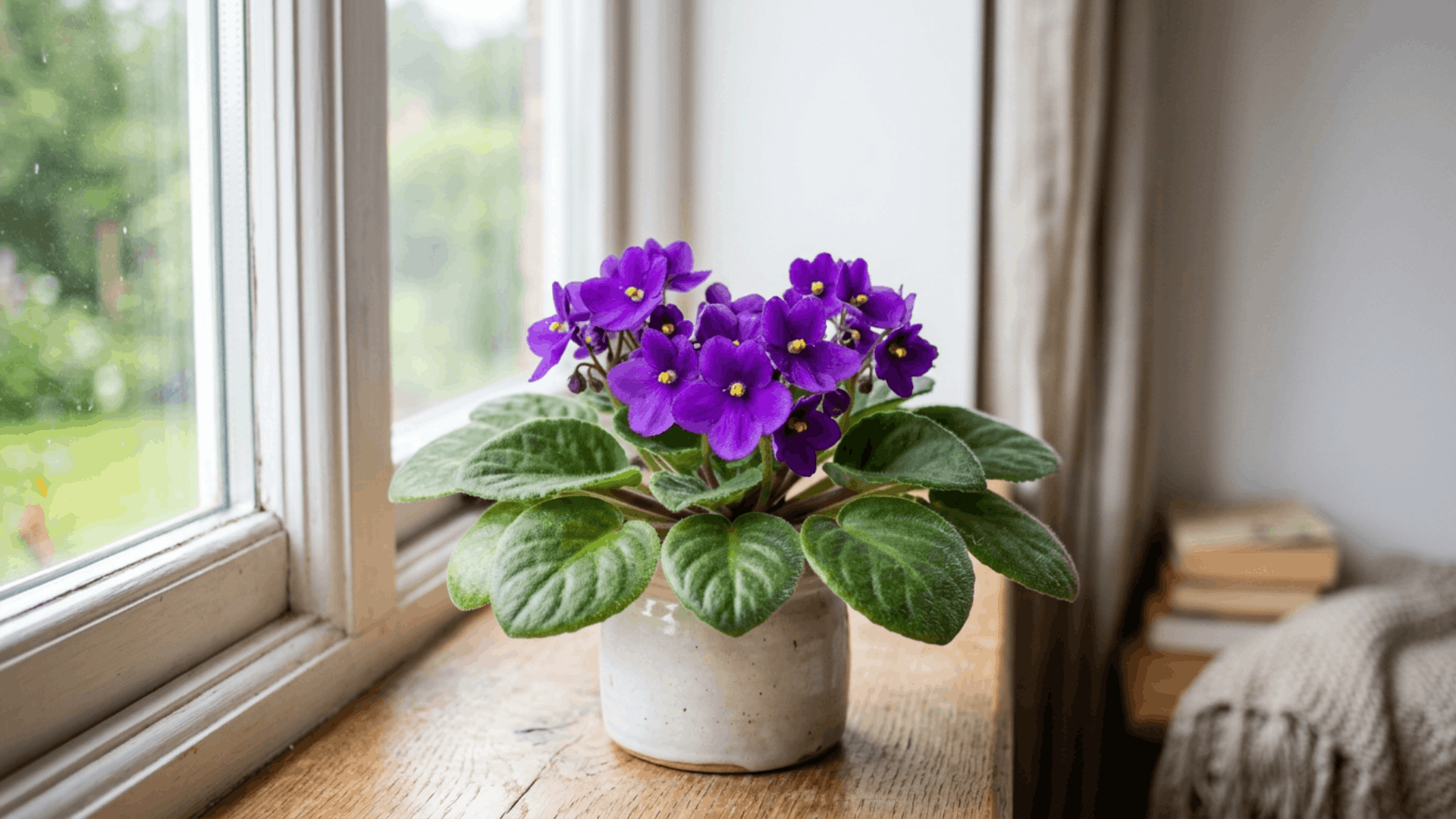
African violets prefer slightly acidic soil, making them a good fit for occasional coffee ground use. A light mix can support vibrant blooms and improve soil texture without adding excess weight.
Too much makes the soil dense and cuts off airflow around the roots. Mix it in rather than sprinkling on top.
Tip: Combine a small amount of grounds with compost or potting mix to keep the soil light and airy.
7. Blueberries
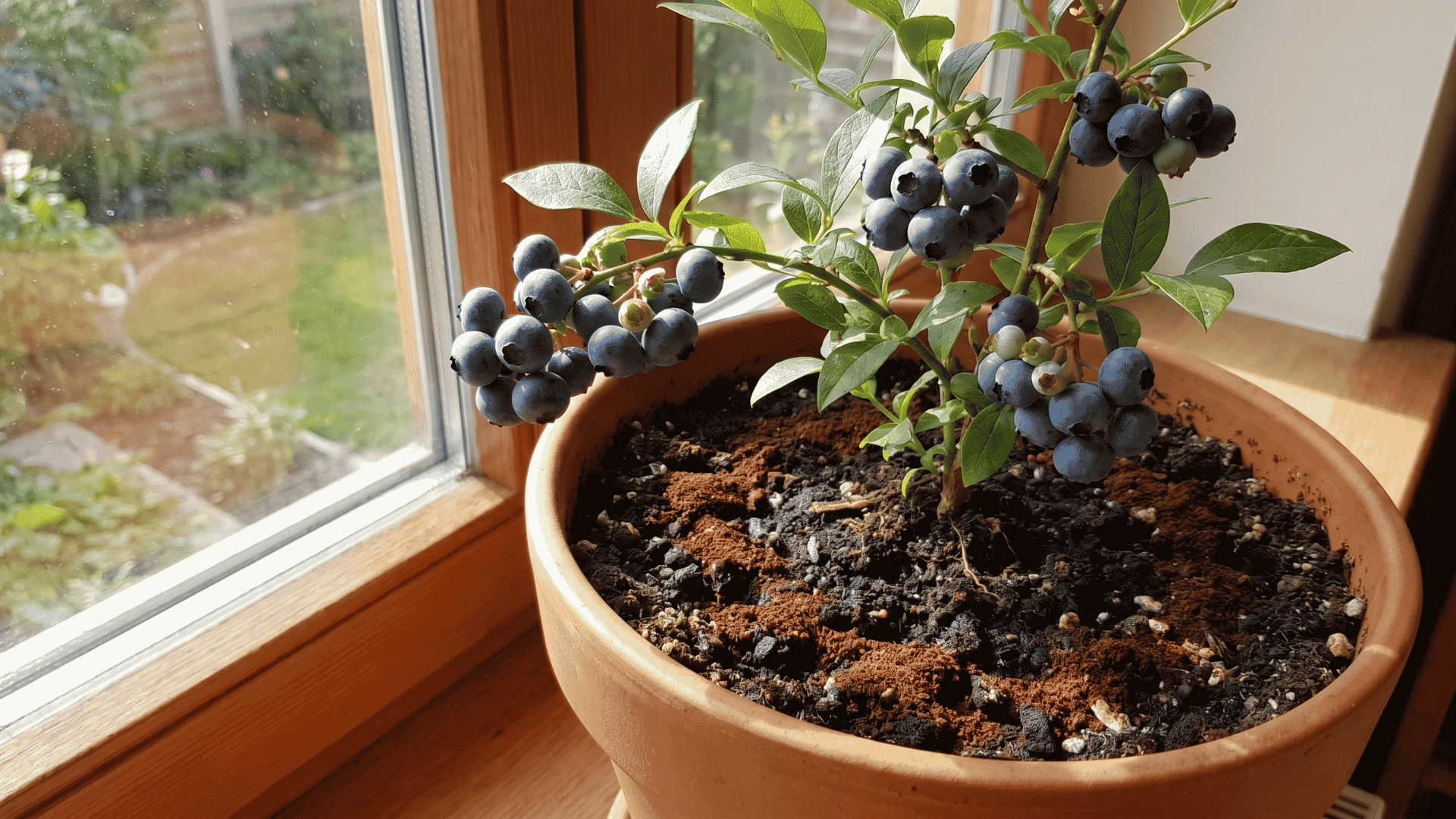
Blueberries grow best in acidic soil, ideally around pH 4.5 to 5.5, so coffee grounds are a natural fit. They support the soil conditions that favor both plant health and fruit production.
A friend added small amounts throughout one growing season, and the plant looked healthier with noticeably better fruit. Still, moderation applies; buildup over time can affect drainage and root health.
Tip: Apply occasionally and mix well into the soil rather than letting grounds accumulate on the surface.
8. Camellias
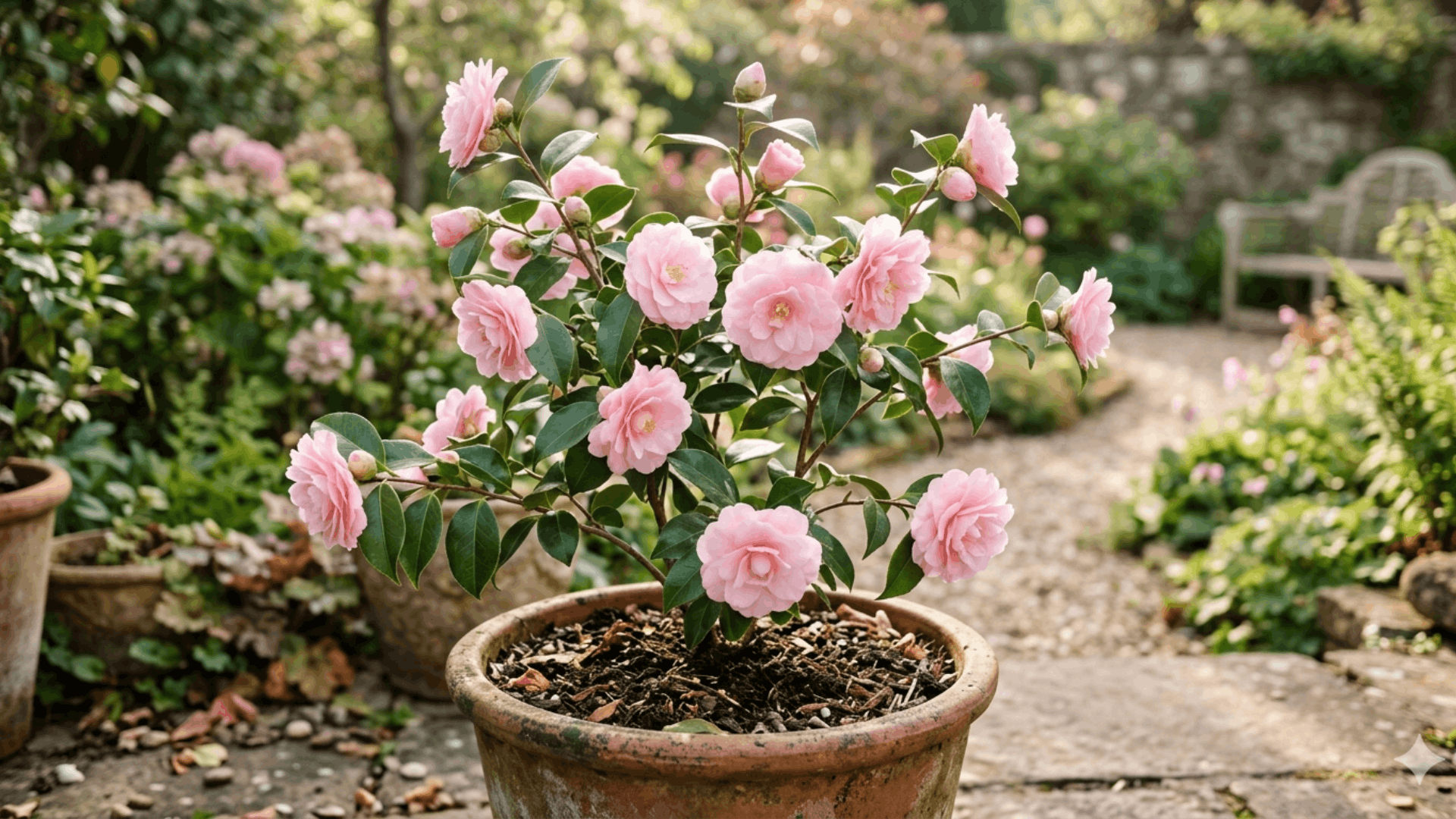
Camellias prefer slightly acidic, rich soil, which makes coffee grounds a reasonable option when used carefully. Small amounts improve soil structure and deliver gentle nutrients as they break down.
Overuse affects drainage, and poor drainage is one of the fastest ways to stress camellia roots.
Tip: Let grounds dry completely before adding them; dry grounds mix more evenly and are less likely to clump.
9. Christmas Cactus
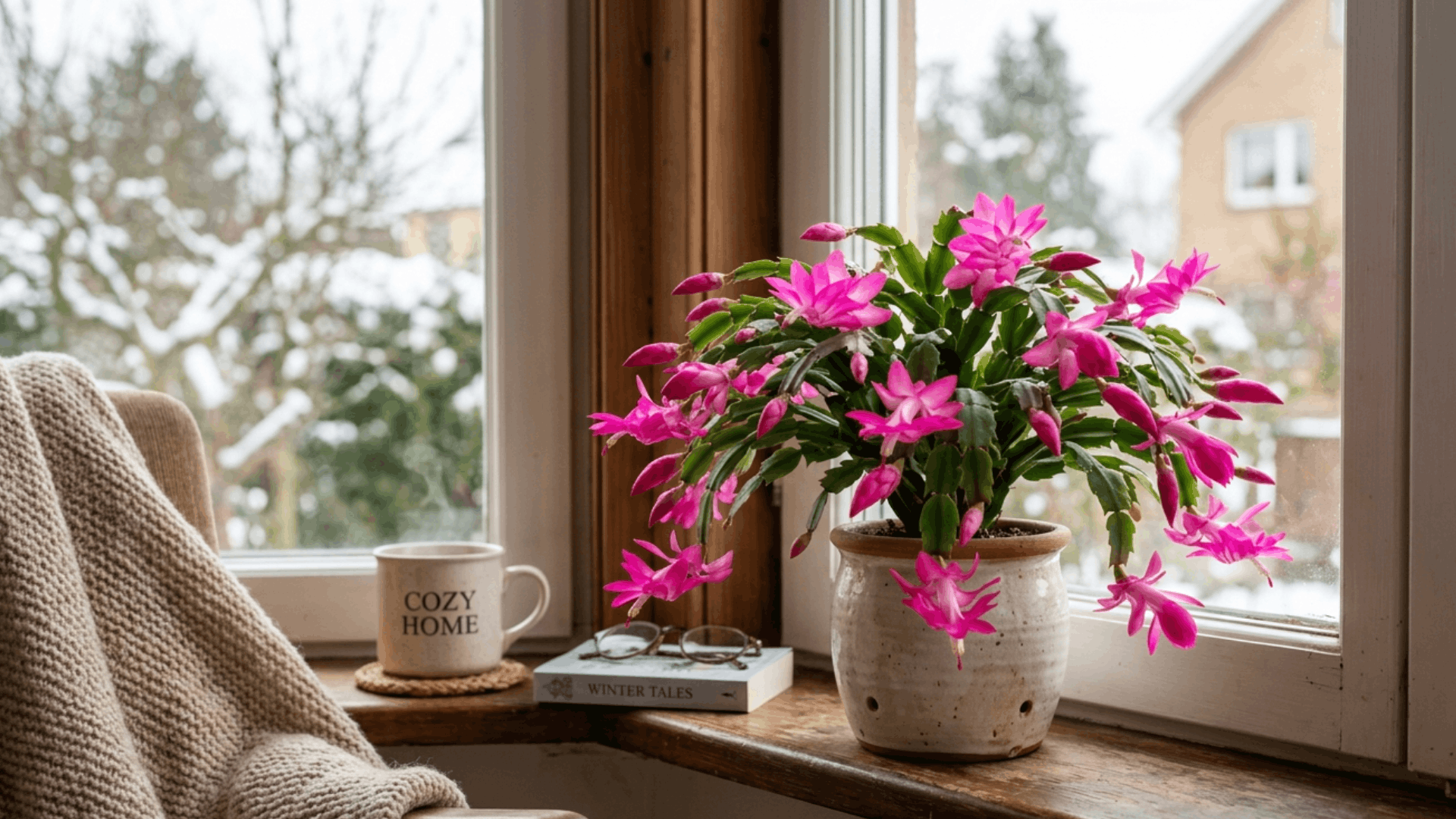
Christmas cactus plants can handle small amounts of coffee grounds mixed into their soil. It improves moisture retention and adds a light nutrient boost that supports flowering.
They still need well-draining soil, so keep the amount minimal. Too much holds water against roots that don’t want it.
Tip: Mix a small amount with potting mix; never use grounds alone as a top dressing.
10. Aloe Vera
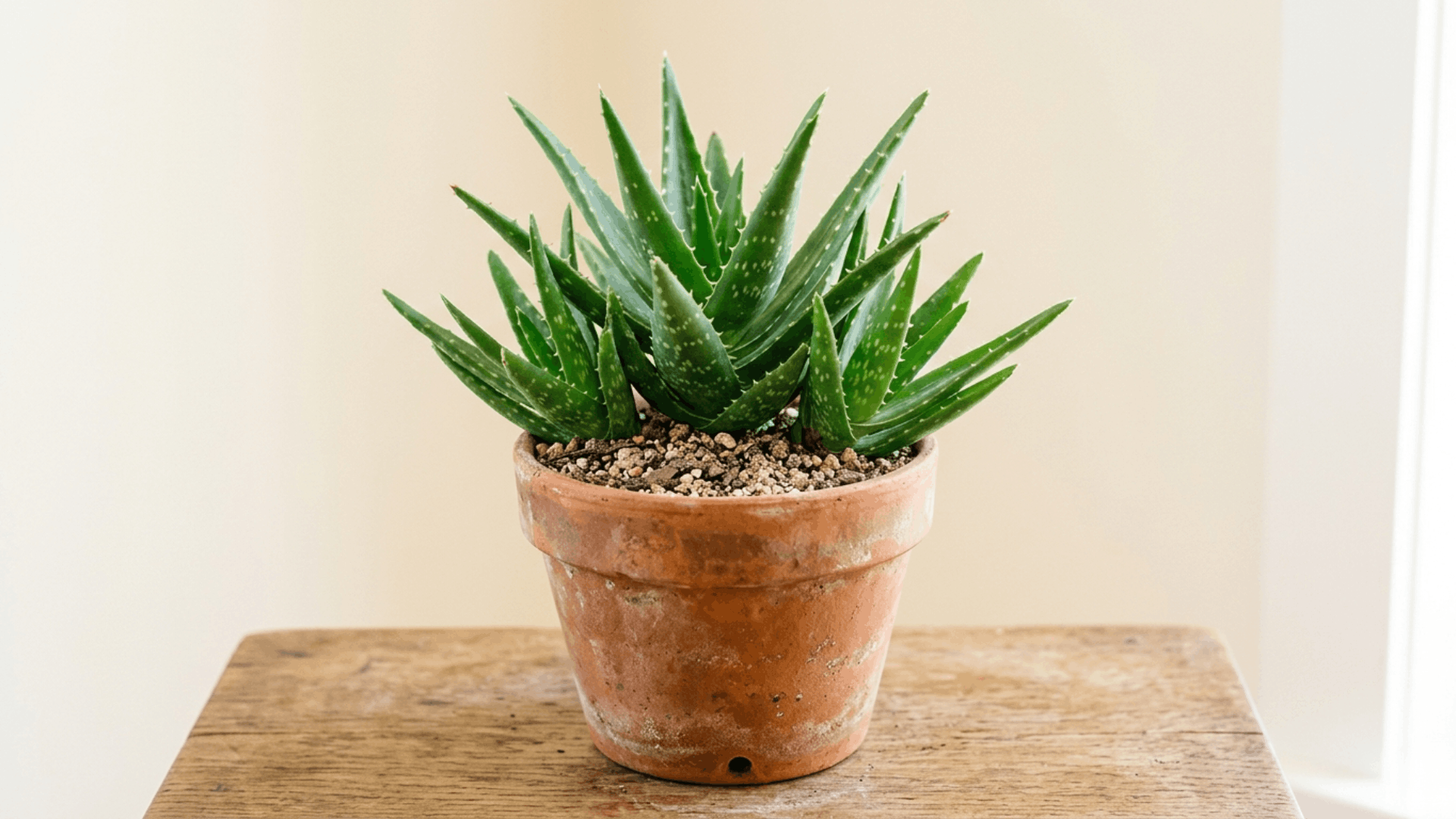
Aloe vera prefers dry, well-drained soil; use coffee grounds here with real caution. A tiny amount may add trace nutrients, but any excess traps moisture and the roots will rot quickly.
Aloe is a succulent, meaning it stores water in its leaves. The soil should dry out fully between waterings. Anything that slows that process works against the plant.
Tip: If you use grounds at all, keep it to a pinch mixed into the soi, and make sure the pot has strong drainage.
11. Bromeliads
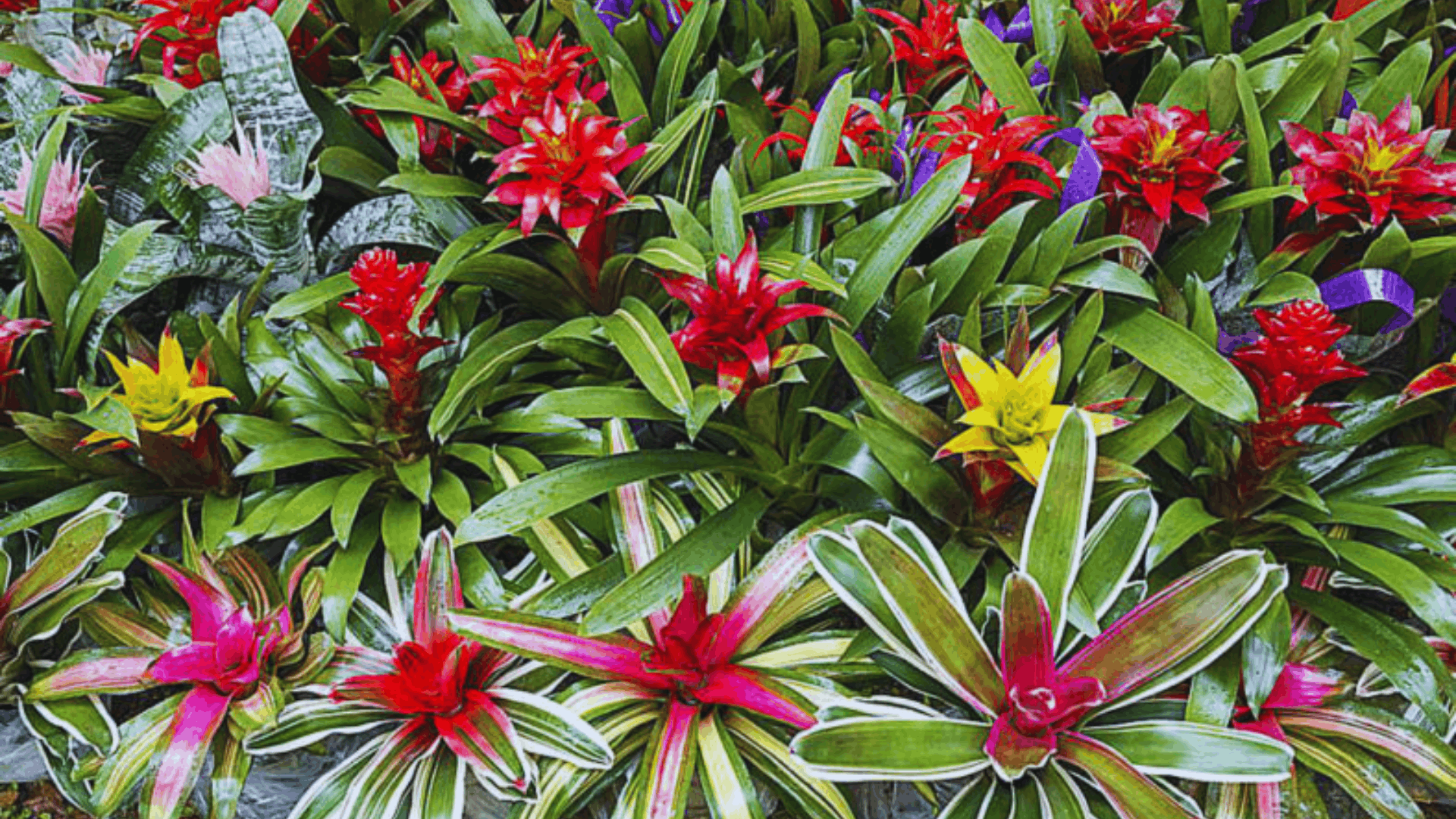
Bromeliads can tolerate small amounts of coffee grounds when blended into a soil mix. They benefit from light nutrients but are sensitive to anything that reduces airflow or drainage.
A well-mixed, minimal amount supports gentle growth. Too much and the soil tightens up, which is the opposite of what bromeliads need.
Tip: Blend grounds into the soil mix before potting rather than adding them to the surface later.
How Coffee Grounds Help Plant Growth
Coffee grounds support plant growth in a few practical ways, but only when used in moderation. Understanding what they actually do helps you use them at the right time.
Nitrogen is the most valuable contribution. It’s essential for chlorophyll production; the compound that keeps leaves green and drives photosynthesis. Coffee grounds release nitrogen slowly as they break down, so the benefit is gradual. You won’t see a sudden change, but over several weeks, leaves tend to look fuller and greener.
Beyond nitrogen, coffee grounds add organic matter that improves soil texture. Roots spread more easily through well-structured soil, and water moves through it more consistently.
They also feed soil microbes; bacteria that break down organic material into nutrients plant roots can actually absorb. More microbial activity generally means more available nutrition over time.
Moisture retention is another benefit, though it cuts both ways. For plants that like consistently moist soil, it helps. For succulents and cacti, that same moisture-holding tendency becomes a problem.
Note: Too many grounds compact the soil, block airflow, and hold excess water. The benefits only show up when the amount stays small.
Best Ways to Use Coffee Grounds for Houseplants
How you apply coffee grounds matters as much as how much you use. These methods give you the benefits without the common pitfalls.
- Mix into Soil: Work a small amount directly into potting soil before planting or during a repot. This distributes nutrients evenly and prevents surface buildup.
- Add to Compost: The most reliable method. Composting first balances the acidity and makes the nutrients more stable before they reach your plants.
- Use as a Liquid Feed: Soak used grounds in water overnight, strain out the solids, and apply the liquid as a mild feed. It delivers a gentle nutrient boost without any risk of soil compaction.
- Blend with Potting Mix: Mix grounds with coco peat, perlite, or compost before filling a pot. The other materials keep the soil airy and prevent clumping.
- Apply in Small Amounts: A little goes a long way. Too much blocks airflow and traps moisture — both of which harm roots over time.
- Dry Before Use: Wet grounds clump and can encourage mold. Dried grounds mix more evenly and are easier to work with.
If you’re unsure which method suits your plant, start with the liquid feed. It’s the most forgiving option and easy to control.
Indoor Plants that Do Not Like Coffee Grounds
Not every plant benefits from coffee grounds. The ones below either prefer dry soil, alkaline conditions, or are simply too sensitive to handle the extra moisture and acidity.
| Plant | Reason for Avoidance | Alternative Fertilizer | Care Tip |
|---|---|---|---|
| Succulents | Excess moisture causes rot | Cactus fertilizer (diluted) | Water sparingly, bright light |
| Cacti | Disrupts fast-draining needs | Balanced 10-10-10 | Full sun, minimal watering |
| Orchids | Sensitive to acidity | Orchid bark fertilizer | Use orchid pots for drainage |
| Lavender | Requires alkaline soil | Lime-based amendments | Well-draining gritty soil |
| Snake Plant | Prefers alkaline to neutral soil | Balanced liquid fertilizer | Low light, water infrequently |
| Jade Plant | Prone to rot from dampness | Succulent fertilizer | Bright light, dry between waters |
| Bromeliads | Needs airflow, not density | Bromeliad fertilizer | Flush the central cup regularly |
| ZZ Plant | Needs very dry soil | Slow-release pellets | Low light, water infrequently |
| Rubber Plant | Sensitive to overwatering; dense soil risks root rot | Diluted balanced fertilizer | Bright indirect light, let soil dry |
| Ponytail Palm | Roots rot in damp conditions | Palm fertilizer | Bright indirect light |
If your plant isn’t on the recommended list, treat it as a caution plant and skip the grounds entirely.
How Much Coffee Grounds Is Safe for Plants?
Less is always better. A small amount supports growth; anything beyond that starts working against the soil.
As a practical guide: use no more than 1–2 teaspoons for small pots (4-inch), around a tablespoon for medium pots (6–8 inch), and a thin layer, no more than half an inch, mixed into the top few inches of soil for larger containers. Always mix the grounds into the soil rather than leaving them on the surface.
Once every 2–4 weeks is enough. More frequent use leads to buildup that compacts the soil over time.
If you’re starting out, use half the amount and watch how the plant responds before increasing. Some plants show stress quickly; yellowing leaves or waterlogged soil are signs to pull back.
Mistakes to Avoid When Using Coffee Grounds for Indoor Plants
- Adding Too Much at Once: Dense soil blocks airflow and slows root growth. Even plants that like coffee grounds can suffer if the amount is too high.
- Placing Grounds on Top of Soil: A surface layer dries into a crust that stops water from penetrating and cuts off air to the roots. Always mix grounds in rather than leaving them on top.
- Using Wet Coffee Grounds: Wet grounds clump easily and create the right conditions for mold and fungal growth on the soil surface. Dry them on a paper towel or tray before use.
- Ignoring Mold on the Soil Surface: Even with dry grounds, a dense layer against moist soil can develop white mold over time. If you see a fuzzy white layer forming, remove it, let the topsoil dry out, and bury future applications deeper.
- Not Mixing with Soil or Compost: Applied directly in one spot, grounds create pockets of dense, acidic material. Mixed in, the effect spreads evenly across the root zone.
Conclusion
Coffee grounds can give your indoor plants a real boost, but only when you use the right amount on the right plants. Too much causes more problems than it solves.
From my own experience, small amounts of dried spent grounds worked in occasionally made a noticeable difference. Leaves looked stronger, soil texture improved, and nothing was stressed by the process.
Every plant reacts a little differently, so start small and watch what happens. If you try this, start with a pinch; you may notice healthier leaves or better soil texture within a few weeks. Those small signs tell you it’s working.
Frequently Asked Questions
Can Coffee Grounds Attract Pests in Indoor Plants?
Yes, coffee grounds can attract pests, particularly fungus gnats, if you use too much or leave wet grounds sitting on the soil surface. Dry grounds mixed into the soil are far less likely to cause any pest issues.
Should Coffee Grounds Be Rinsed Before Using on Plants?
No, you don’t need to rinse used coffee grounds before applying them. Just let them dry fully first, then mix them into the soil as normal.
Can Coffee Grounds Be Stored for Later Use?
Yes. Spread them out to dry completely, then store them in a sealed container. They’ll keep well for several weeks and can be used whenever needed.
Do Coffee Grounds Smell Bad in Indoor Soil?
Not when used correctly. A small amount mixed into the soil won’t produce any noticeable smell. If you detect an odor, it’s usually a sign that too much was applied or that wet grounds were left on the surface.
Can Coffee Grounds Be Mixed with Other Kitchen Waste for Plants?
Yes, combining coffee grounds with other compost materials like vegetable scraps or eggshells works well. Composting them together balances the acidity and produces a richer, more stable amendment for your plants.