

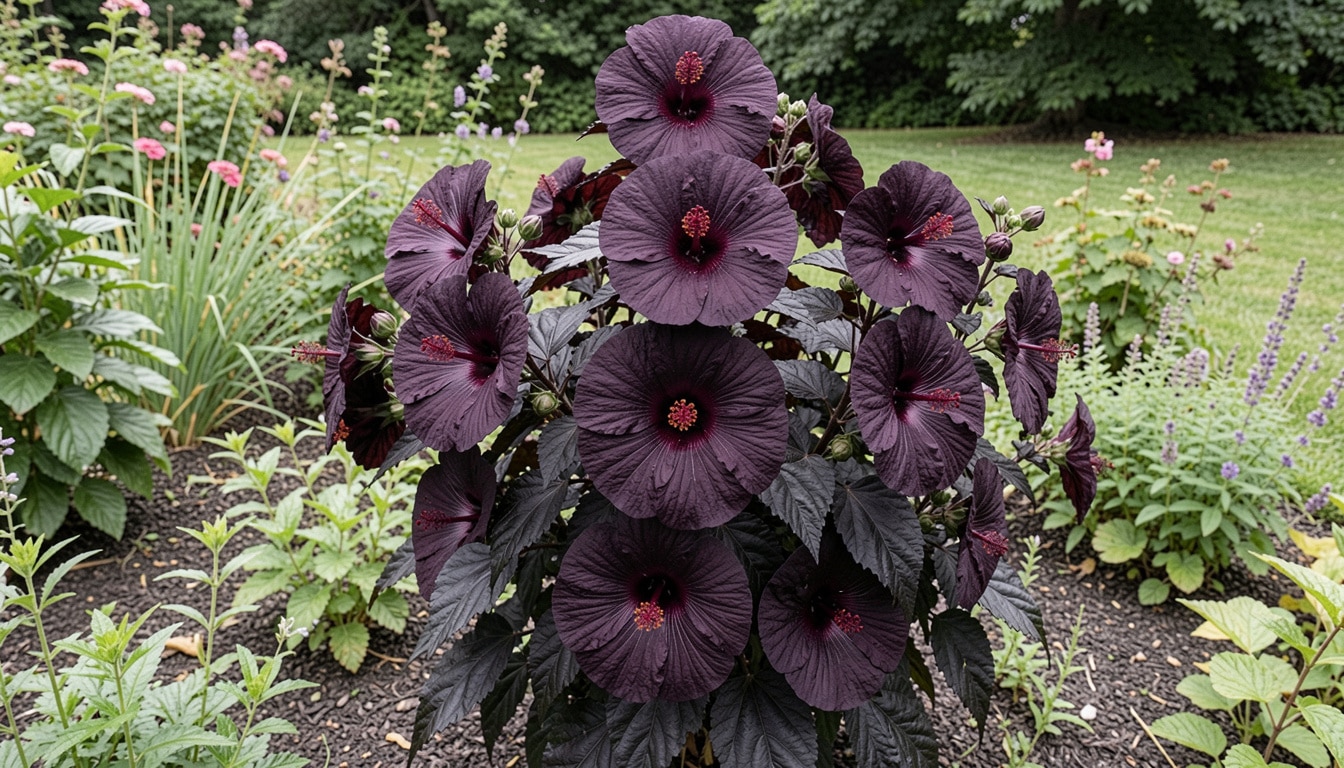
| Plant Name | Hardy Hibiscus (Hibiscus moscheutos, H. coccineus, H. syriacus) |
| USDA Zones | 4 to 9, depending on species and cultivar |
| Sunlight | Full sun |
| Water Needs | Moderate to high; keep soil consistently moist |
| Bloom Season | Mid-summer through early fall |
| Best Use | Perennial borders, rain gardens, flowering hedges |
Big summer flowers are easy to love, but choosing the wrong hibiscus can leave you with a plant that struggles in your yard.
If you are comparing hardy hibiscus varieties, size, cold tolerance, foliage, moisture needs, and growth habit matter just as much as flower color. I like to start with the space and growing conditions first because that quickly rules out poor matches.
You can then compare compact perennials, taller rose mallow types, Texas star hibiscus, and Rose of Sharon with more confidence.
I also cover planting, seasonal care, winter behavior, and common problems, so you can match the right plant to the right spot and care for it with fewer surprises.
How Do Hardy Hibiscus Varieties Differ in Size, Foliage, and Bloom?
Three main traits help separate hardy hibiscus varieties: mature size, foliage color, and bloom characteristics. Because these plants stay in place for years rather than one season, comparing them takes more care than sorting through perennial versus annual plants you might swap out every spring.
Size can range from compact plants around 3 feet tall to larger varieties that reach 5 feet or more. Foliage may stay classic green or shift toward bronze, burgundy, and near-black shades. Flowers also vary in size, color, petal shape, and center patterns.
One common mistake is assuming a smaller plant will always produce smaller blooms. ‘Angel Eyes’ proves otherwise. This compact variety stays around 3 to 4 feet tall but can still produce impressive 8-inch white flowers with a deep raspberry center.
Terms like “compact” and “large” are useful for spotting general trends, but they are not exact measurements. Cultivars within the same group can still grow differently, so always check the expected mature size before planting.
The combination of plant size, foliage, and bloom traits tells you far more about a variety than its category name alone.
Hardy Hibiscus Varieties Worth Comparing
Each variety below follows the same comparison points, making it easier to see how cultivars differ in size, flowers, foliage, and overall growth habit without jumping between multiple sources.
Nearly all of them want full sun, so if you are still weighing sun-loving perennial picks for a bed that bakes in summer heat, the traits below should help narrow things down.
1. Cherry Choco Latte
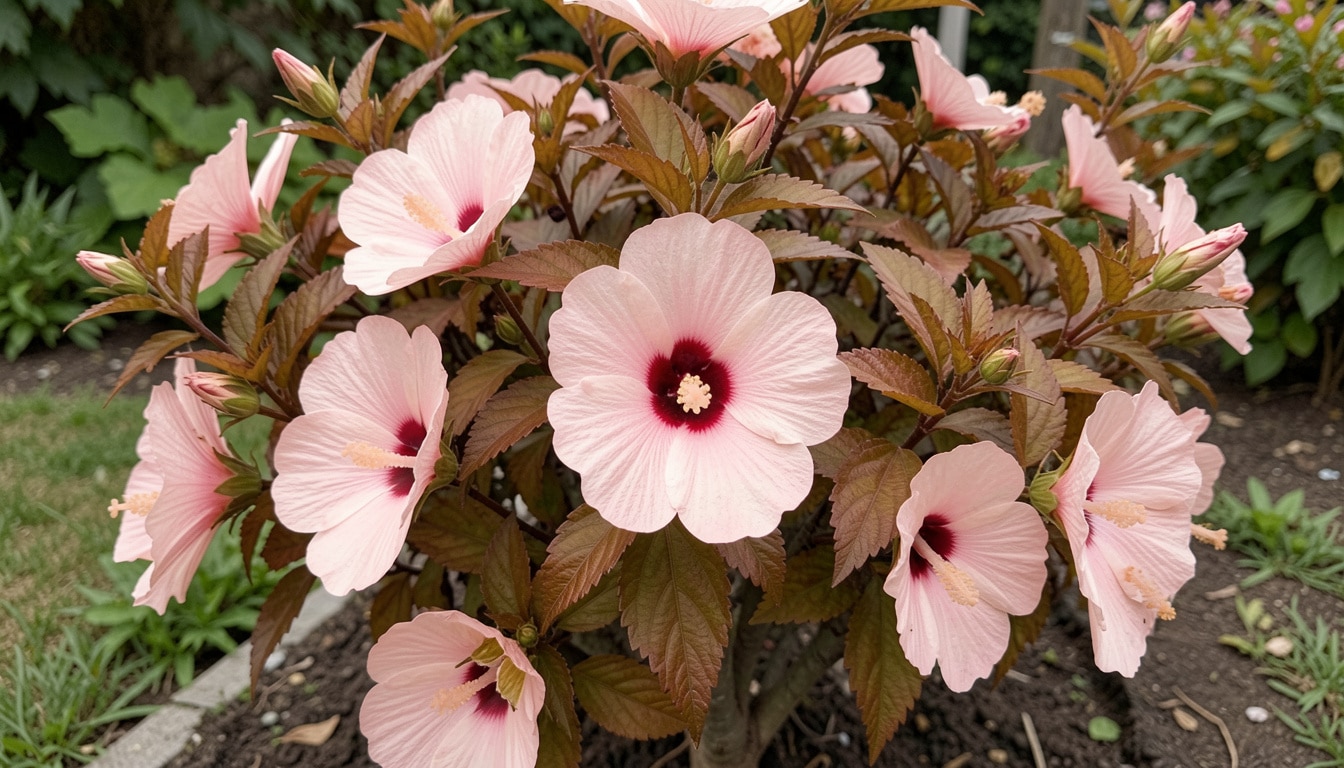
Cherry Choco Latte shows that compact plants can still produce impressive flowers. Its bronze-tinged foliage adds contrast to its soft-colored blooms, giving it a different look from many traditional green-leaved varieties.
| Trait | Details |
|---|---|
| Height | 3 to 4 feet |
| Spread | 3 to 4 feet |
| Flowers | Creamy pink blooms, 8 to 9 inches wide, with a dark red eye |
| Foliage | Dark olive-green to bronze |
| Hardiness | Zones 4-9 |
| Plant Habit | Compact |
Compared with Midnight Marvel, it offers similar dark foliage appeal while staying more manageable in size.
2. Midnight Marvel
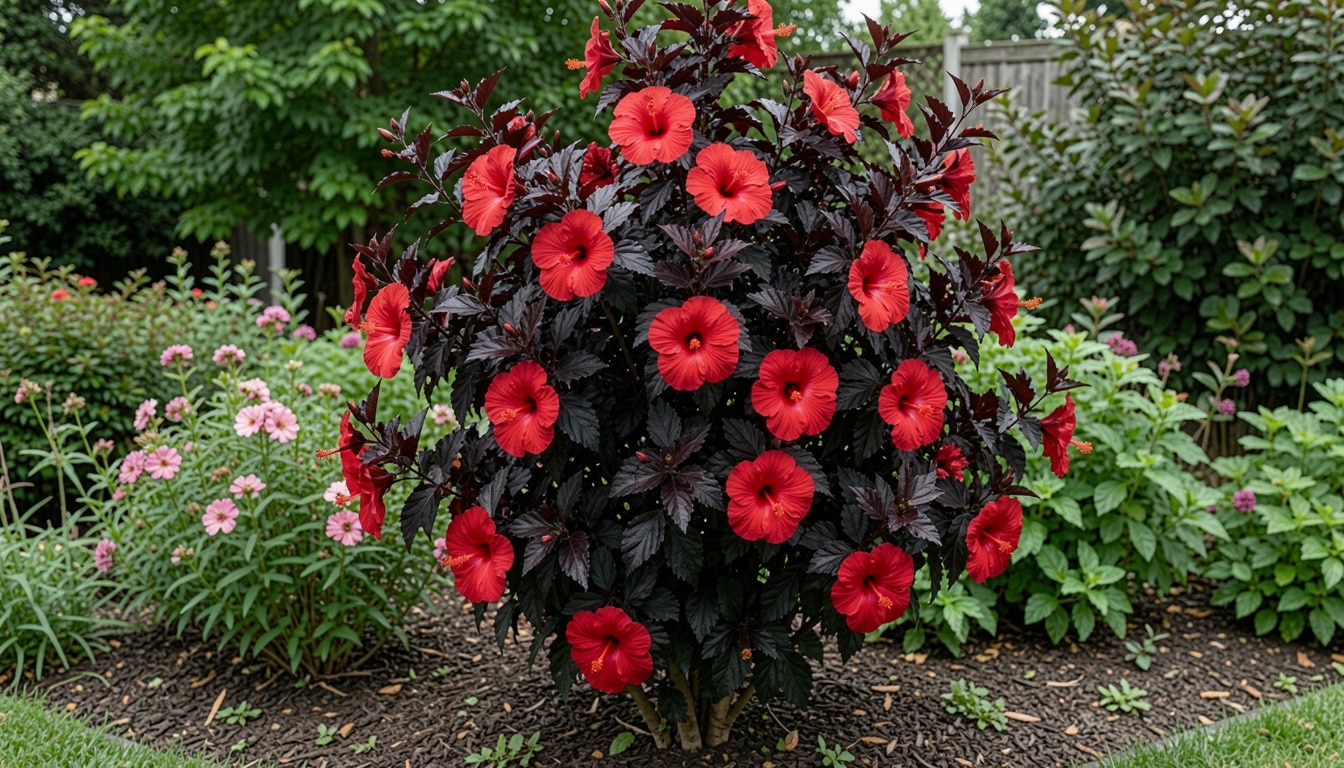
Midnight Marvel is known for its dramatic foliage and large flowers, but its size is easy to underestimate. While the near-black leaves stand out, this cultivar grows larger than many compact hardy hibiscus selections.
| Trait | Details |
|---|---|
| Height | 4 to 5 feet |
| Spread | 4 to 5 feet |
| Flowers | Scarlet-red, large dinner-plate blooms |
| Foliage | Deeply lobed, near-black |
| Hardiness | Zones 4-9 |
| Plant Habit | Large |
For gardeners who want dark foliage but less height, Edge of Night offers a more compact option.
3. Edge of Night
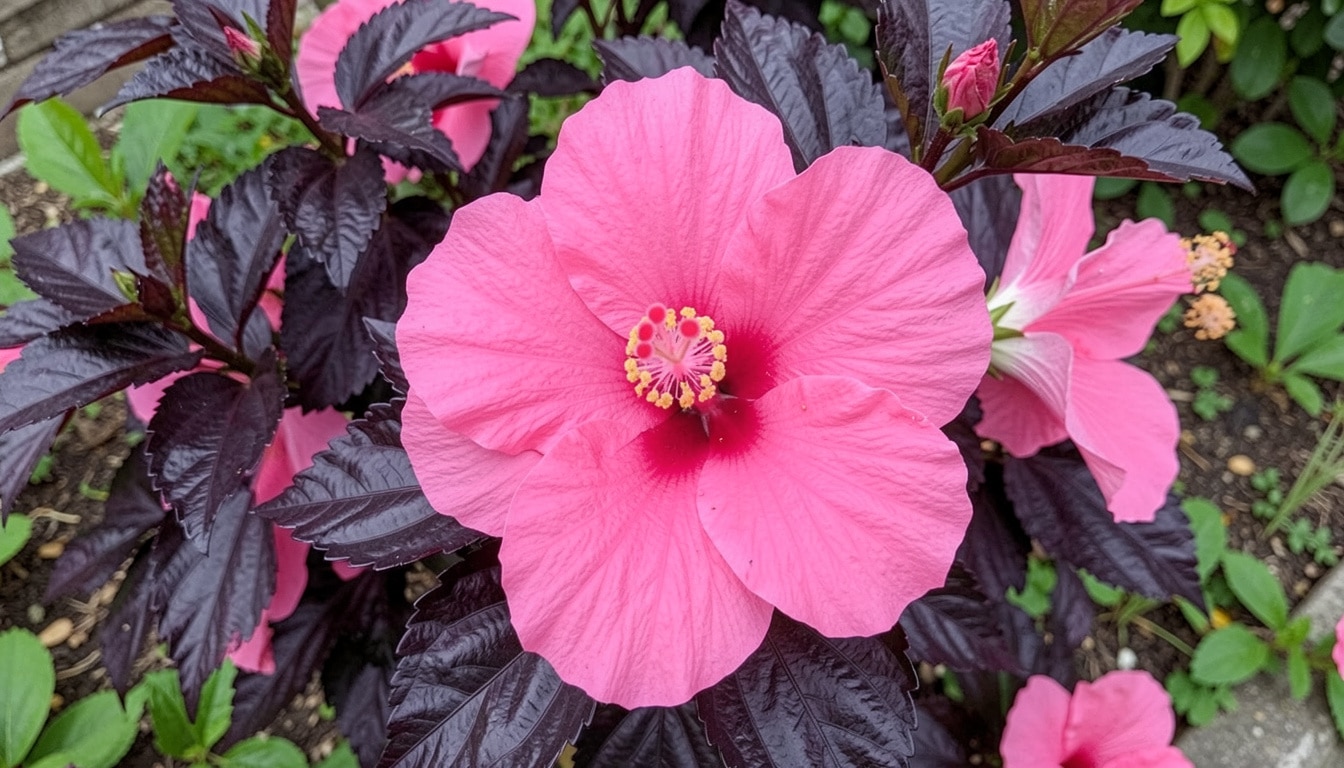
Edge of Night combines dark foliage with a smaller growth habit, making it one of the better choices for gardeners comparing compact cultivars. Its deep-colored leaves provide interest even when flowers are not open.
| Trait | Details |
|---|---|
| Height | Around 3 feet |
| Spread | Around 3 feet |
| Flowers | Bubblegum pink |
| Foliage | Dark purple-black |
| Hardiness | Zones 4-9 |
| Plant Habit | Compact |
Its smaller size separates it from taller dark-leaved cultivars like Midnight Marvel.
4. Angel Eyes
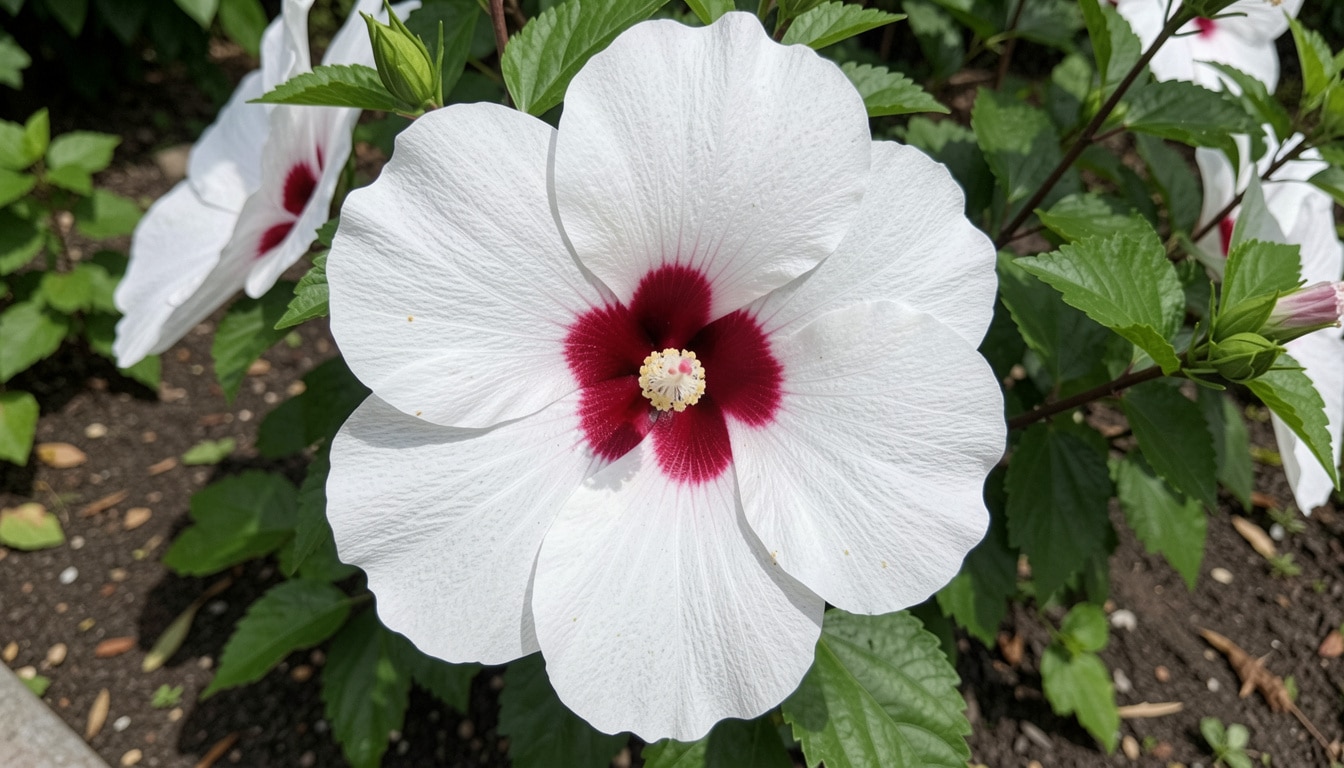
Angel Eyes challenges the idea that compact hardy hibiscus plants produce smaller flowers. Despite its shorter height, it can produce blooms that match much larger cultivars.
| Trait | Details |
|---|---|
| Height | 3 to 4 feet |
| Spread | 3 to 4 feet |
| Flowers | White blooms around 8 inches wide with a deep raspberry-red center |
| Foliage | Green |
| Hardiness | Zones 4-9 |
| Plant Habit | Compact |
It is a strong example of why mature size and flower size should be compared separately.
5. Luna Rose
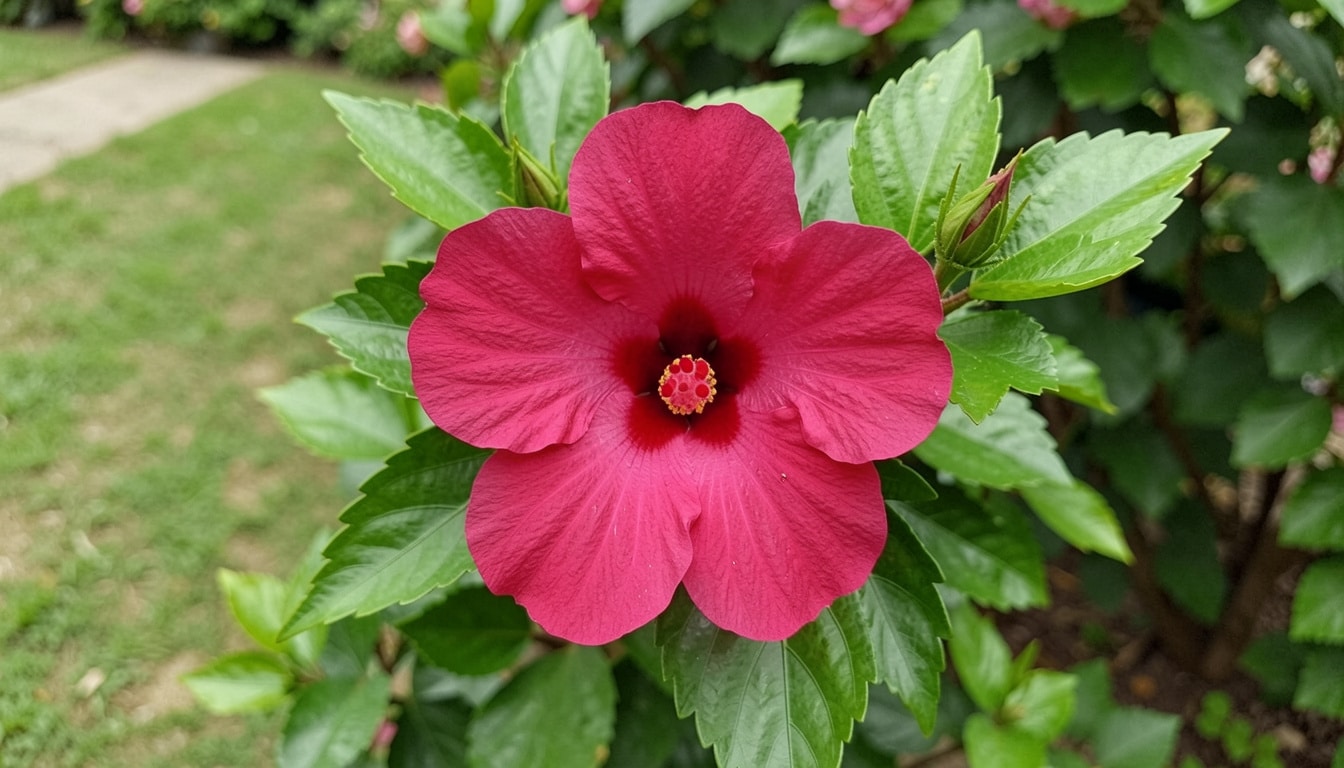
Luna Rose belongs to the Luna series and is one of the shorter hardy hibiscus cultivars available. Its smaller footprint makes it easier to compare with other compact selections.
| Trait | Details |
|---|---|
| Height | 2 to 3 feet |
| Spread | 2 to 3 feet |
| Flowers | Deep rose-pink blooms with a ruby center |
| Foliage | Green |
| Hardiness | Zones 4-9 |
| Plant Habit | Compact |
It stays smaller than Angel Eyes while keeping the classic large-flower hardy hibiscus look, and its tight footprint makes it easy to slot into an existing bed without redoing your entire planning a flower bed layout from scratch.
6. Ballet Slippers
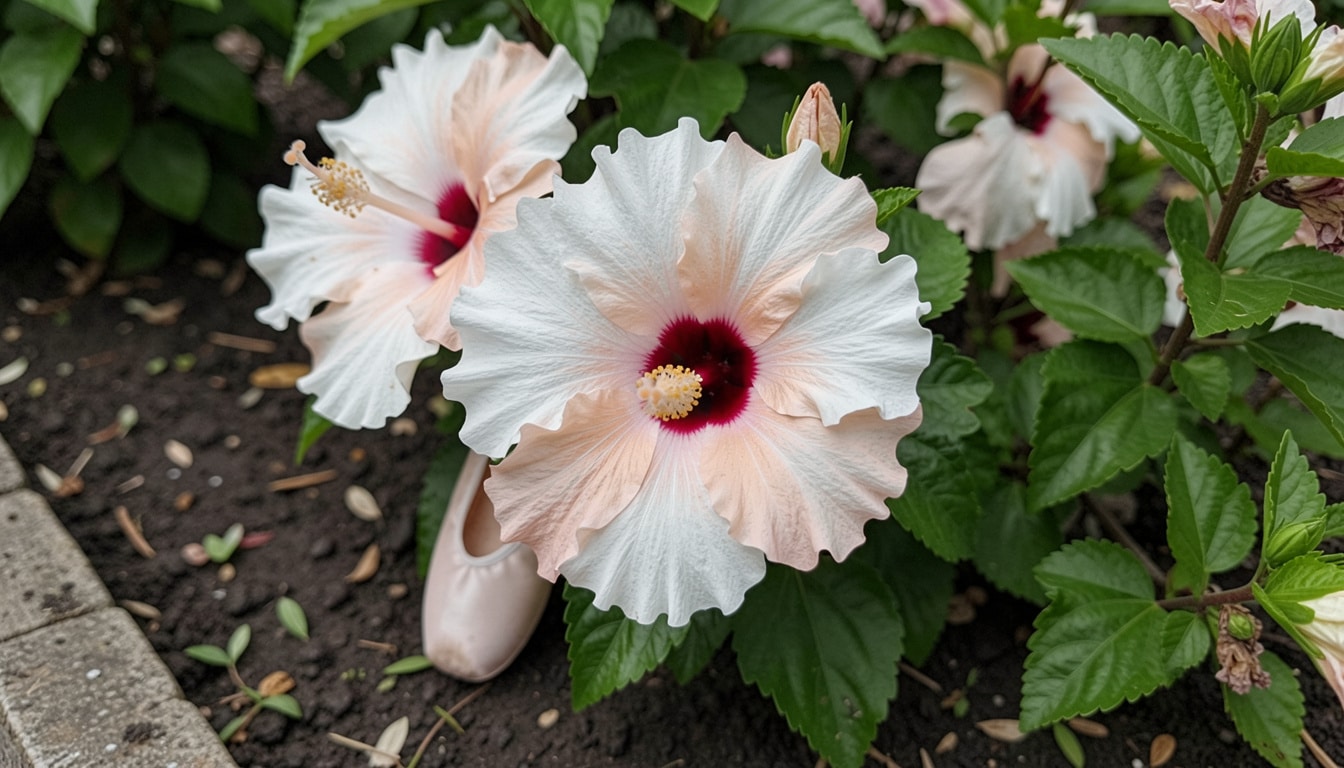
Ballet Slippers stands apart with softer coloring and ruffled blooms. Instead of the stronger reds found in many cultivars, it offers a lighter flower pattern with a contrasting center.
| Trait | Details |
|---|---|
| Height | 3 to 4 feet |
| Spread | 3 to 4 feet |
| Flowers | White to blush blooms with a deep red eye and ruffled petals |
| Foliage | Green |
| Hardiness | Zones 4-9 |
| Plant Habit | Medium |
Its flower style makes it a useful comparison against darker foliage varieties.
7. Summer in Paradise
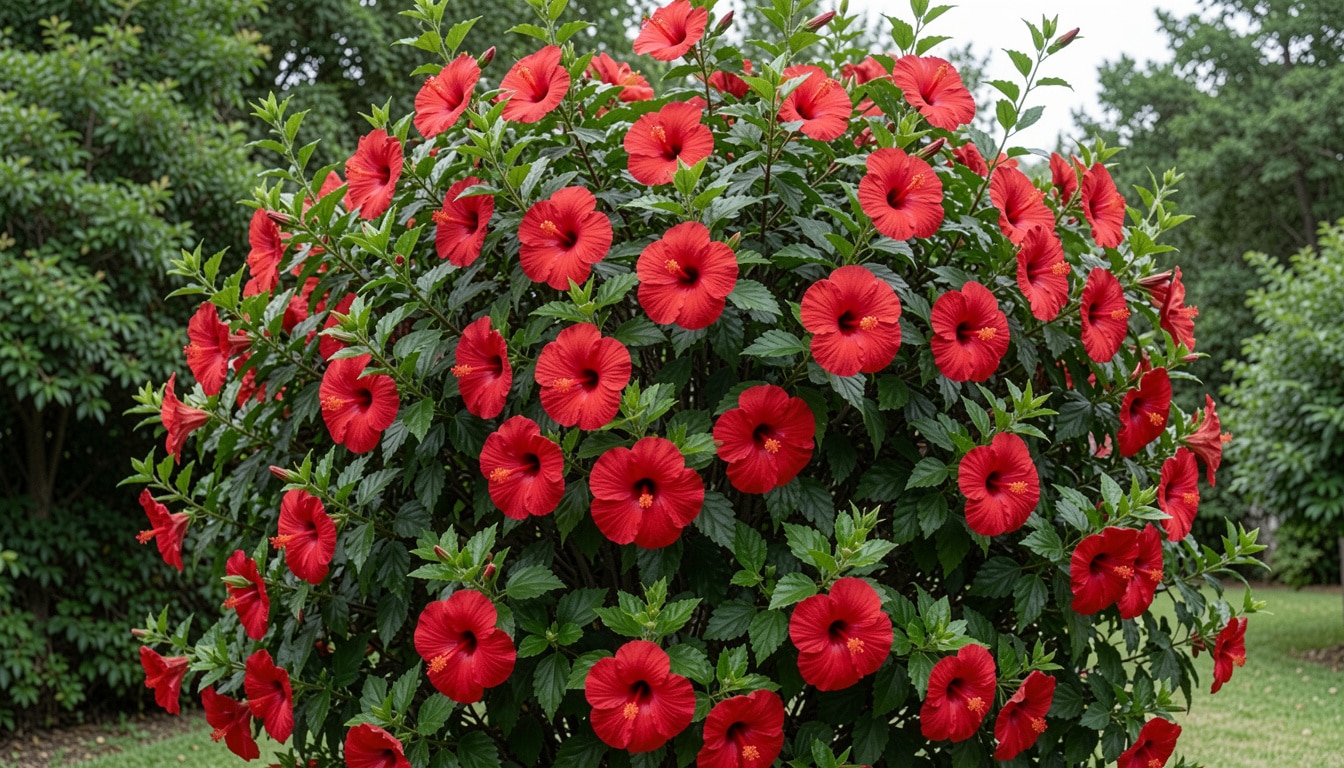
Summer in Paradise is valued for producing many flowers throughout the blooming season. It has a taller habit and a strong flowering display compared with many compact selections.
| Trait | Details |
|---|---|
| Height | 4 to 5 feet |
| Spread | 3 to 4 feet |
| Flowers | Intense red blooms with heavy flowering |
| Foliage | Green |
| Hardiness | Zones 4-9 |
| Plant Habit | Large |
It is a better fit for gardeners comparing larger plants with a fuller bloom display.
8. Holy Grail
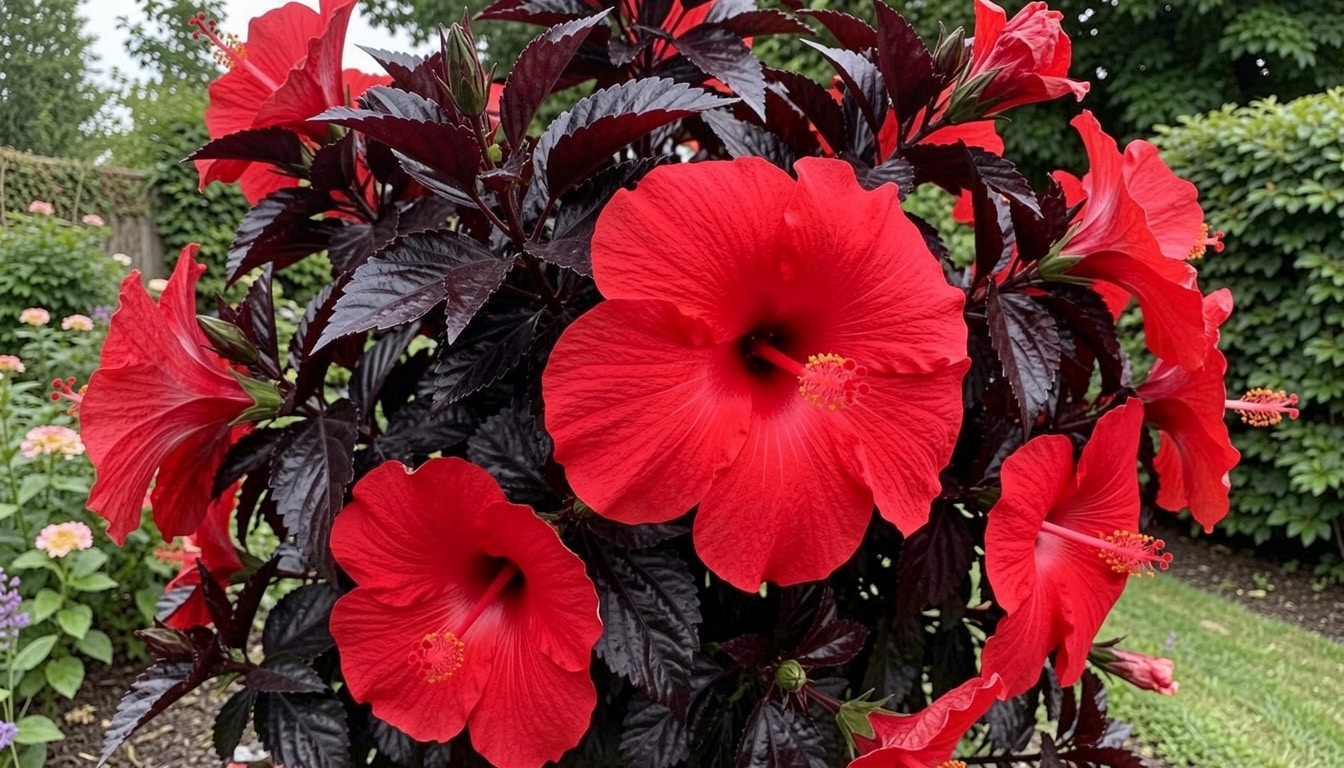
Holy Grail combines bold red flowers with dark foliage, creating one of the strongest contrasts among hardy hibiscus cultivars. The leaves are a major part of its appeal.
| Trait | Details |
|---|---|
| Height | 4 to 5 feet |
| Spread | 3 to 4 feet |
| Flowers | Red, large blooms |
| Foliage | Near-black |
| Hardiness | Zones 4-9 |
| Plant Habit | Large |
Its balance of flower color and dark leaves makes it easy to distinguish from green-leaved varieties.
9. Mars Madness
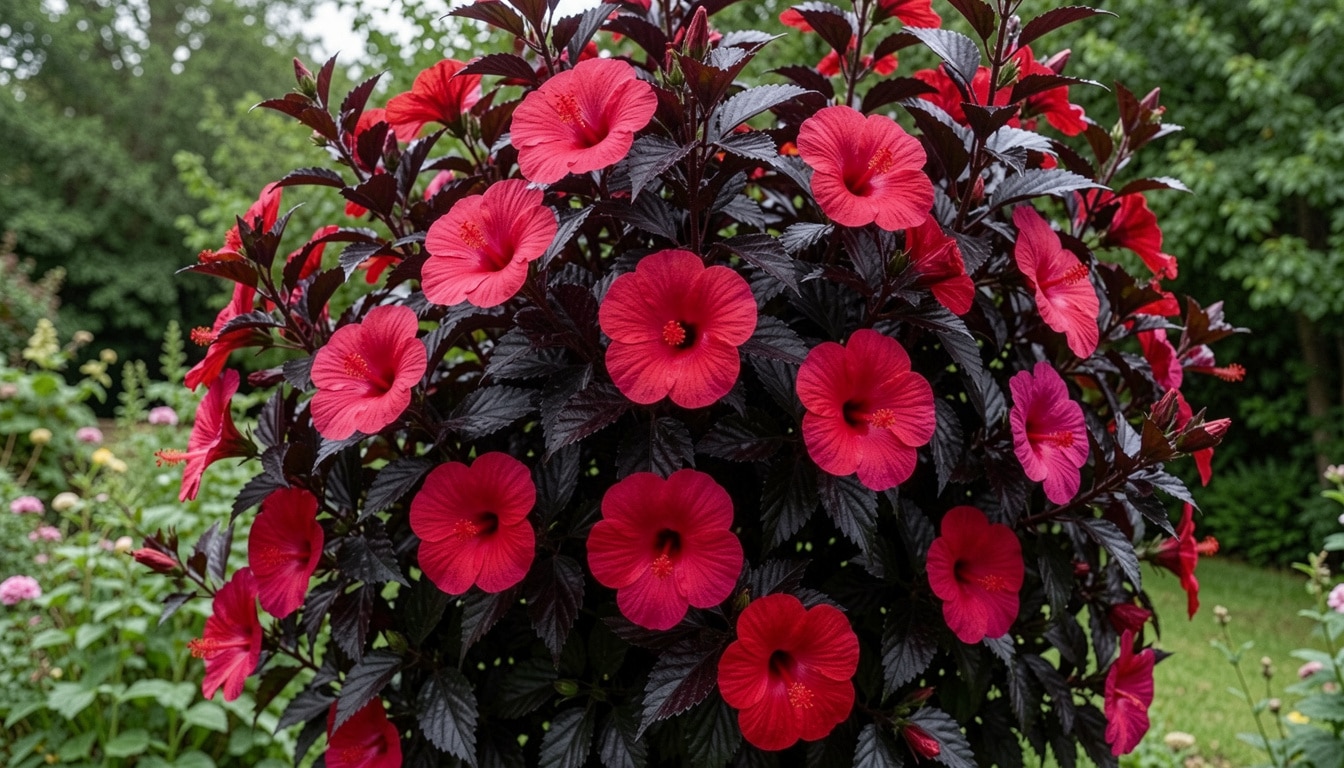
Mars Madness is another option for gardeners comparing dark-leaved hardy hibiscus. Its flower color sits between red and magenta, giving it a slightly different appearance from Midnight Marvel.
| Trait | Details |
|---|---|
| Height | 4 to 5 feet |
| Spread | 3 to 4 feet |
| Flowers | Red to magenta blooms |
| Foliage | Dark, near-black |
| Hardiness | Zones 4-9 |
| Plant Habit | Large |
It shares a similar size range with other dark-foliage cultivars but has its own flower tone.
10. Spinderella
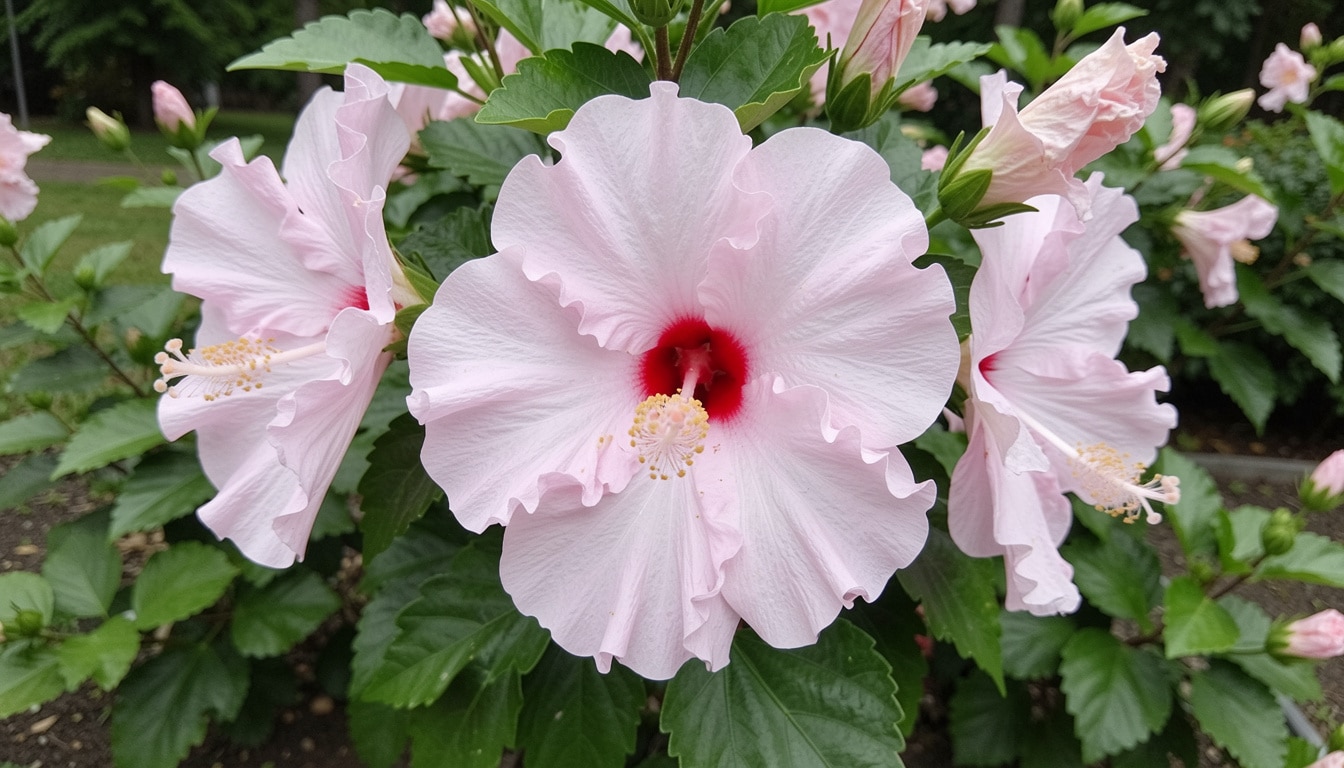
Spinderella stands out because of its ruffled petals and lighter flower pattern. Its bloom shape separates it from many large red-flowered hardy hibiscus varieties.
| Trait | Details |
|---|---|
| Height | 4 to 5 feet |
| Spread | 3 to 4 feet |
| Flowers | Pale pink blooms with a red eye and ruffled edges |
| Foliage | Green |
| Hardiness | Zones 4-9 |
| Plant Habit | Large |
Its flower form makes it more comparable to Ballet Slippers than darker cultivars.
11. Pink Teacups
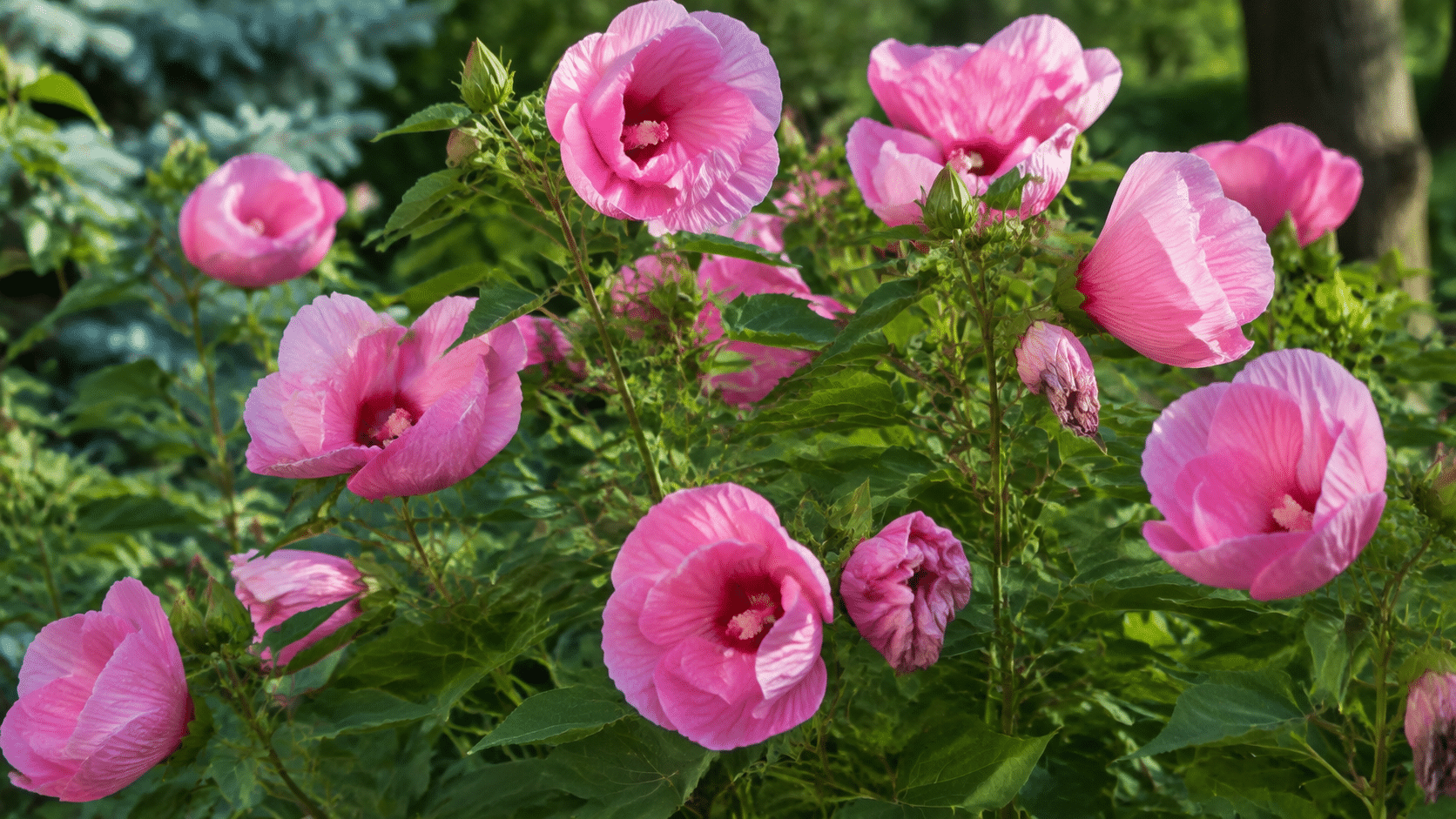
Pink Teacups connects modern garden selections with the broader rose mallow group. Its rounded flower shape and taller growth habit give it a different profile from many compact hybrids.
| Trait | Details |
|---|---|
| Height | 4 to 6 feet |
| Spread | 3 to 4 feet |
| Flowers | Pink, cup-shaped blooms |
| Foliage | Green |
| Hardiness | Zones 5-9 |
| Plant Habit | Large |
It is among the taller options in this comparison.
12. Watermelon Ruffles
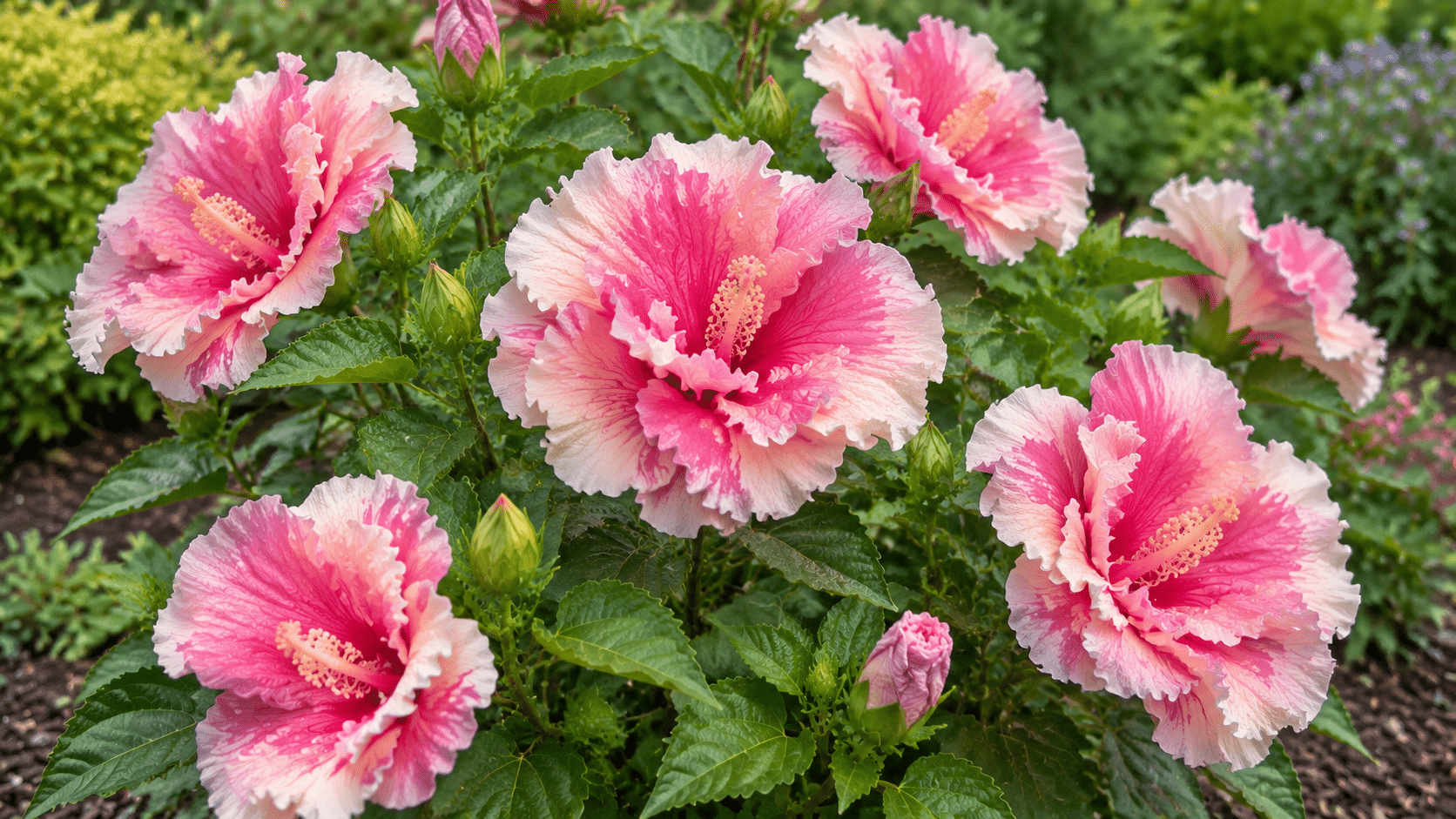
Watermelon Ruffles finishes the list with a flower pattern that stands apart from the solid-color cultivars. Its ruffled, two-tone petals are the main feature.
| Trait | Details |
|---|---|
| Height | 3 to 4 feet |
| Spread | 3 to 4 feet |
| Flowers | Pink and cream blooms with ruffled petals |
| Foliage | Green |
| Hardiness | Zones 4-9 |
| Plant Habit | Medium |
Although its size is similar to Cherry Choco Latte, the flower shape creates a completely different look.
Twelve varieties, twelve different combinations of size, foliage, and bloom. The right one comes down to which traits matter most in your garden.
What Types of Hardy Hibiscus Exist?
Hardy hibiscus includes several plant types that differ in size, growth habit, flower shape, and winter behavior. Knowing these groups makes choosing the right variety easier.
- Rose Mallow: Hibiscus moscheutos is an herbaceous perennial with very large flowers. Its stems die back in winter, and like most perennials returning each spring, it regrows from the roots once the soil warms.
- Texas Star Hibiscus: Hibiscus coccineus grows tall with narrow, deeply cut leaves and bright red flowers. It prefers moist soil and works well near ponds or rain gardens.
- Rose of Sharon: Hibiscus syriacus grows as a woody deciduous shrub rather than a die-back perennial. It produces summer flowers and works well in borders, screens, or hedges.
Each type suits a different garden setting, so compare mature size, moisture needs, winter growth, and plant form before choosing a hardy hibiscus.
How to Choose the Right Hardy Hibiscus Variety
A good choice should fit the planting site after it reaches full size. I would compare these points before deciding based on flower color alone.
- Cold Hardiness: Check your USDA zone against the cultivar rating. Some perennial selections tolerate Zone 4, while many others begin at Zone 5.
- Mature Size: Compact plants such as ‘Luna Red’ stay around 2 to 3 feet tall, while Texas star hibiscus can reach 6 to 8 feet.
- Plant Form: Pick herbaceous rose mallow for a perennial bed or Rose of Sharon when a permanent woody shrub suits the site better.
- Foliage Color: ‘Kopper King’, ‘Perfect Storm’, and ‘Midnight Marvel’ provide darker leaves that add interest beyond flowering.
- Soil Moisture: Rose mallows generally perform best when their soil remains evenly moist instead of repeatedly drying out, so picking the right soil before you plant saves you from fighting drainage problems later.
I find size especially important because a hibiscus that looks small at the nursery can fill several feet of garden space after it matures.
How to Plant Hardy Hibiscus: Spacing and Depth
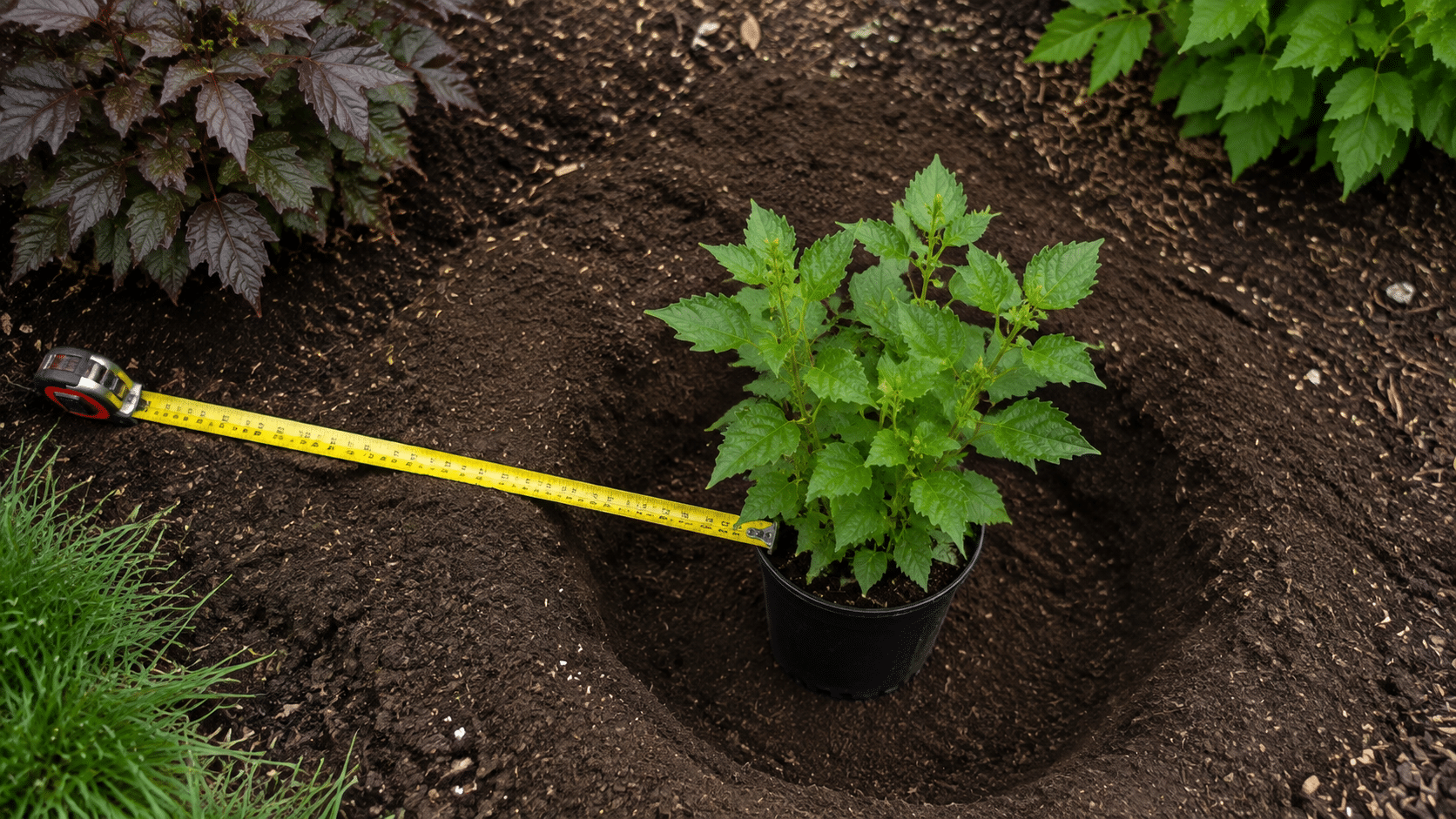
Set the crown of the plant level with the surrounding soil surface rather than burying it, and backfill gently around the root ball so no air pockets remain. Water thoroughly right after planting, then add a two to three inch layer of mulch to hold moisture and buffer the roots against early cold snaps.
Spacing depends on the mature spread of the cultivar, not the size of the nursery pot. Compact selections such as Luna Rose need roughly 2 to 3 feet between plants, while larger cultivars like Midnight Marvel or Pink Teacups should be given 3 to 4 feet so air can move freely between the leaves once they fill out.
Spring planting gives roots the longest window to establish before the first freeze, though container-grown hardy hibiscus can go in the ground through early summer as long as you keep the root zone consistently watered for the first several weeks.
Hardy Hibiscus Growing Conditions
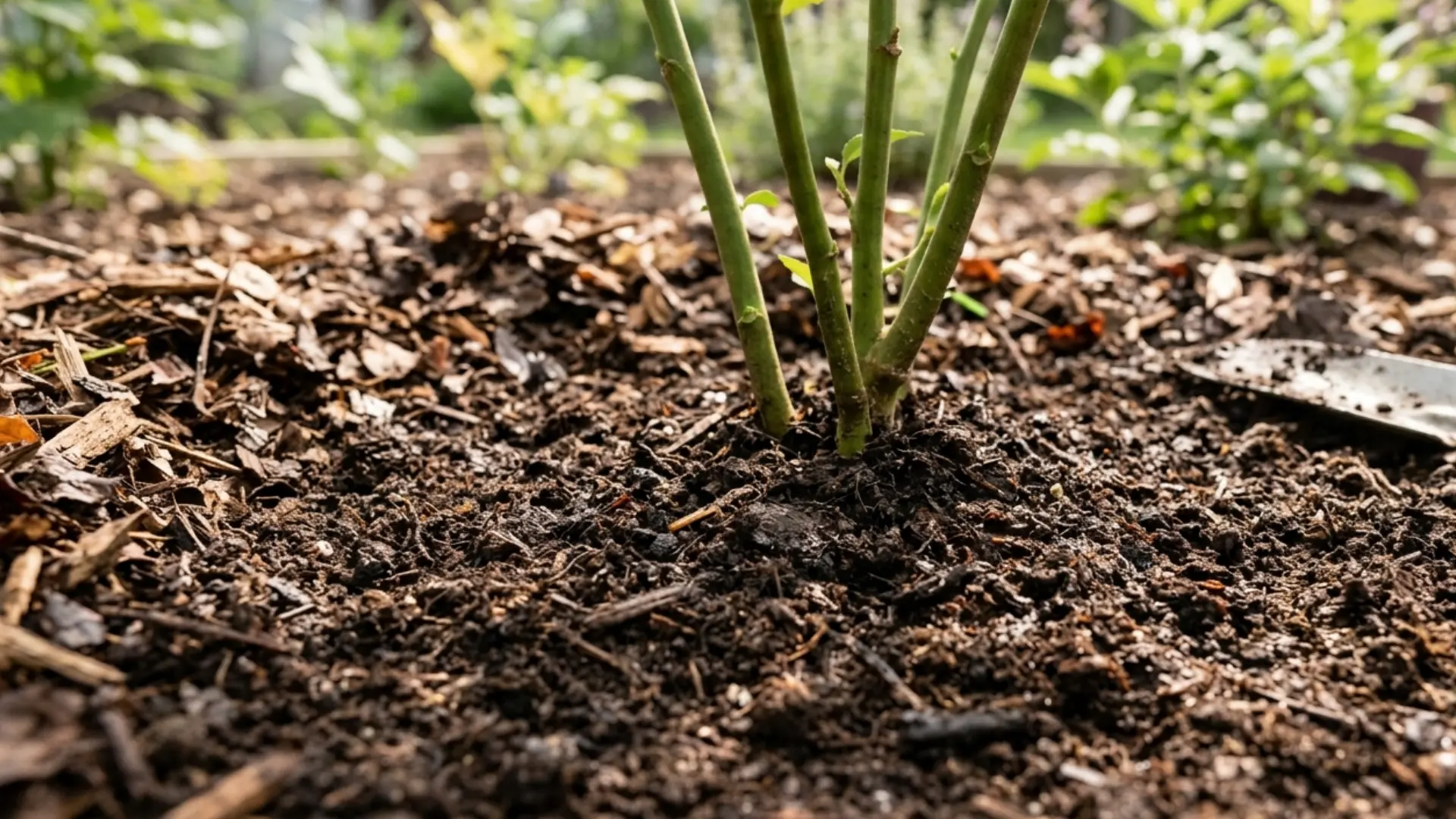
Healthy plants usually need plenty of sun, dependable moisture, and enough room for air to move between stems.
1. Sunlight
Perennial hardy hibiscus generally performs best in full sun, although some types tolerate light or partial shade. Strong sunlight supports better flowering, sturdier stems, and fewer fungal leaf problems.
Rose of Sharon also handles partial shade, but a sunny location commonly supports heavier flowering.
2. Soil
Rose mallow favors moist, organically rich soil with a slightly acidic pH, but it can grow in ordinary garden soil as long as that soil does not become too dry. Working a few inches of compost into the planting area before you set the plant in the ground helps it hold moisture through the summer.
Rose of Sharon prefers moist, well-drained ground and can handle a wider range of conditions once established.
3. Water
Consistent moisture is especially important for perennial hibiscus. Dry soil can cause stress and leaf scorch, so deep watering may be needed during hot periods without rain.
Rose of Sharon usually needs less moisture once established than swamp or rose mallow types.
4. Spacing and Airflow
Check mature width rather than the size of the nursery pot. Enough space between plants reduces crowding, lowers the risk of fungal leaf spot in humid weather, and allows each plant to develop its natural shape.
| Tip: Do not judge a hardy hibiscus by its first-year size. I have seen gardeners crowd young plants only 18 inches apart, then spend the third season pruning and dividing to fix a mistake that better initial spacing would have avoided entirely. |
Seasonal Care Calendar for Hardy Hibiscus
Hardy hibiscus follows a fairly predictable rhythm through the year, and knowing what to expect at each stage keeps you from second-guessing a plant that is actually doing fine.
Early Spring: Resist the urge to clear the bed too soon. New shoots often do not appear until well after other perennials wake up, so wait for visible growth at the soil line before cutting back last year’s stems.
Late Spring: Once new growth is 4 to 6 inches tall, apply a balanced, slow-release fertilizer and refresh the mulch layer.
Summer: Water deeply during dry stretches, watch for chewed or skeletonized leaves, and deadhead spent blooms if you prefer a tidier look, though it is not required for reblooming.
Fall: Some gardeners cut dormant stems to the ground after the first hard frost, while others leave them standing through winter for extra insulation and to shelter beneficial insects.
Winter: Leave the crown undisturbed and resist digging near the base. The roots are alive even when the top growth looks completely dead.
Common Pests and Diseases in Hardy Hibiscus
Hardy hibiscus is generally a tough, disease-resistant plant, but a few pests show up often enough to watch for.
- Japanese Beetles: These metallic beetles chew ragged holes in flowers and foliage during summer. Hand-picking them into a cup of soapy water once or twice a day works well for light infestations.
- Hibiscus Sawfly Larvae: Small green caterpillar-like larvae feed on the undersides of leaves and can skeletonize them quickly. Check leaf undersides regularly and remove larvae by hand or treat with insecticidal soap.
- Aphids and Whiteflies: These sap-feeding pests are usually minor and can often be managed by encouraging ladybugs and other beneficial insects rather than reaching for a spray.
- Fungal Leaf Spot: Crowded plants with poor airflow are more prone to leaf spot in humid climates. Proper spacing and watering at the soil line instead of overhead usually prevents it.
Common Hardy Hibiscus Growing Mistakes
- Assuming the plant died over winter: Hardy hibiscus is one of the last perennials to emerge in spring. Digging up a bed too early because nothing has sprouted yet is the single most common mistake I see.
- Underestimating mature spread: Planting cultivars like Midnight Marvel or Pink Teacups at the same spacing as a compact selection leads to overcrowding within two seasons.
- Letting the soil dry out repeatedly: Rose mallow types are not drought-tolerant plants, and skipping water during hot spells shows up quickly as scorched or dropped leaves.
- Buying tropical hibiscus by mistake: Garden centers often display hardy and tropical hibiscus side by side. Always check the plant tag for the botanical name and hardiness zone before buying.
How Hardy Hibiscus Survives Winter
A hardy perennial hibiscus may look dead after freezing weather, but that does not mean the plant is lost. The top stems of rose mallow die after the growing season, while the crown and roots remain underground.
New shoots form from below the soil rather than from the previous year’s stems. These plants are also known for starting late in spring, so avoid assuming an empty-looking spot means the roots died.
Pruning advice can vary. Some growers cut dormant stems down in fall, while Proven Winners recommends leaving stems through winter and cutting them back in spring.
Rose of Sharon behaves differently. It is a deciduous shrub, so the leaves fall but the woody branches stay in place through winter.
Hardy Hibiscus vs. Tropical Hibiscus
Hardy and tropical hibiscus may both produce large flowers, but they handle cold weather very differently.
| Feature | Hardy Hibiscus | Tropical Hibiscus |
| Cold tolerance | Many cultivars survive Zones 4 to 9 | Poor tolerance of freezing conditions |
| Growth habit | Perennial clump or deciduous shrub | Tender evergreen shrub in warm climates |
| Winter behavior | Perennials may die to the ground | Cold can seriously damage or kill plants |
| Common examples | Rose mallow, Texas star, Rose of Sharon | Hibiscus rosa-sinensis |
| Outdoor use | Suitable for many cold-winter gardens | Best where winters remain warm |
The plant label is the safest way to confirm which type you are buying, especially when garden centers sell tropical and hardy hibiscus beside one another. Hardy perennial hibiscus and Rose of Sharon are specifically sold for much colder USDA zones.
Final Verdict
The best hardy hibiscus varieties depend on more than the bloom you like first. Compact plants such as ‘Luna Red’ and ‘Perfect Storm’ fit smaller beds, while ‘Lord Baltimore’ and Texas star hibiscus provide more height.
Rose of Sharon works better when a permanent flowering shrub is the goal.
I would start with available space, USDA zone, and soil moisture before comparing flower colors. My preference is also to check foliage because cultivars such as ‘Kopper King’ can add color even between blooms.
Pick the right plant for the site, and summer flowers become the reward rather than the only reason it works
Frequently Asked Questions
Which hibiscus is the hardiest?
Cultivars rated to USDA Zone 4 sit at the coldest end of the hardy hibiscus range. Individual cultivars within the same series do not always share the same minimum zone, so always check the specific plant tag before planting.
Can I leave my hardy hibiscus outside in winter?
Yes, as long as it is planted within its rated USDA zone. The top growth dies back completely once temperatures drop, which is normal. The roots stay alive underground and send up new stems once the soil warms.
How can you tell a hardy hibiscus from a tropical hibiscus?
Hardy hibiscus loses its stems every winter and regrows from the roots each spring, while tropical hibiscus keeps its woody stems year-round and cannot handle frost. Growth habit is the most reliable way to tell them apart at a nursery.
Do hardy hibiscus grow back every year?
Yes, established plants send up new stems from their roots each spring without fail. They are often slower to show growth than other perennials, so do not assume yours died just because the bed looks bare in early spring.
How much sun does hardy hibiscus need?
Most hardy hibiscus varieties need at least 6 hours of direct sun daily for strong flowering and sturdy stems. Some rose mallow types tolerate light afternoon shade, but flowering usually drops off noticeably in shadier spots.
Why are my hardy hibiscus leaves turning yellow?
Yellowing leaves usually point to inconsistent watering, either too dry or waterlogged soil. Check drainage first, then rule out aphids or spider mites on the undersides of the leaves before assuming a nutrient problem.
What is the best fertilizer for hardy hibiscus?
A balanced, slow-release fertilizer applied once new growth reaches 4 to 6 inches in spring is usually enough. Heavy nitrogen feeding pushes leafy growth at the expense of the large blooms these plants are grown for.