

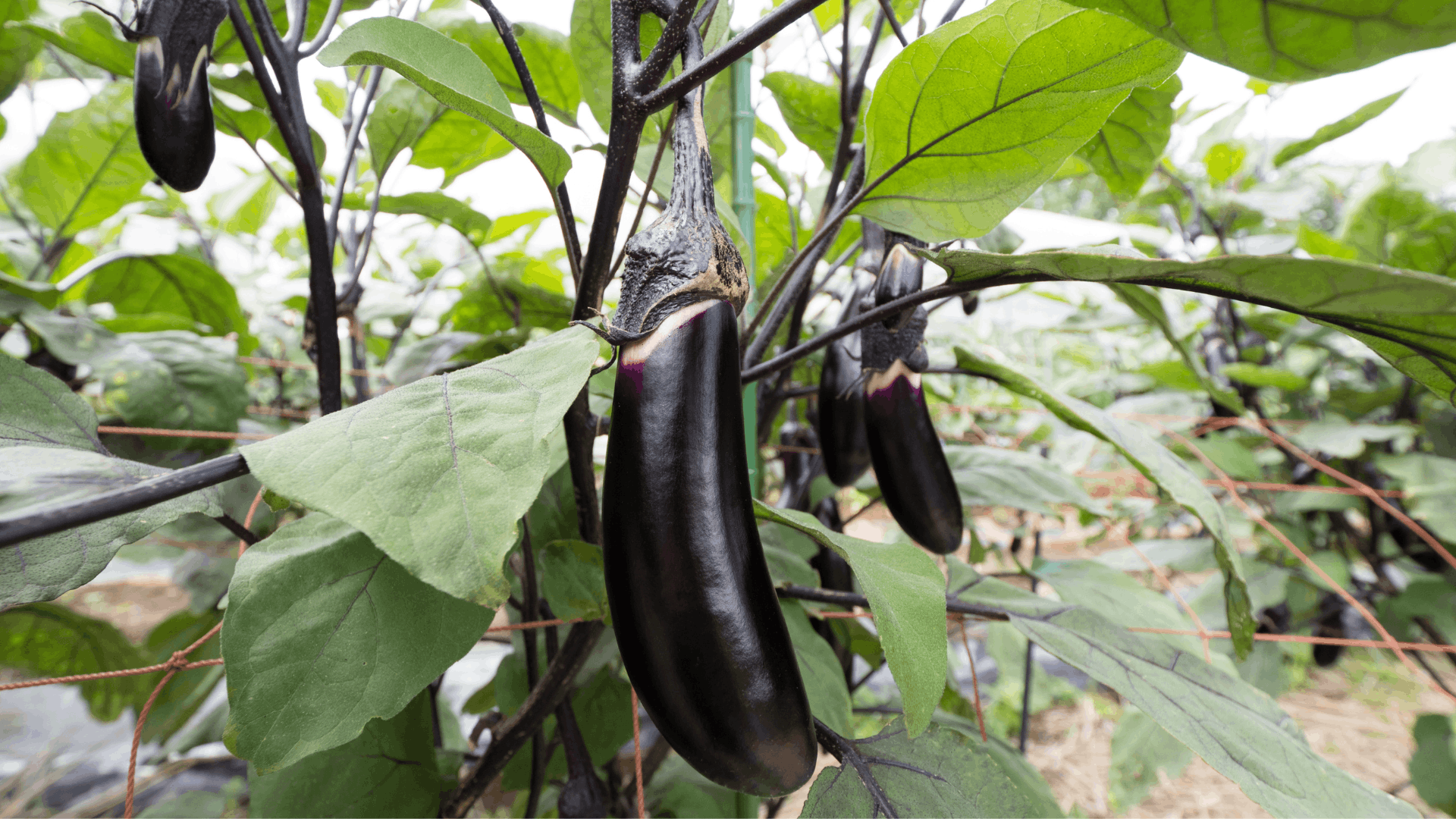
If you’ve ever searched for the best eggplant companion plants, you’ve probably noticed that gardeners rarely agree on just one answer.
Some recommend basil for healthier plants; others swear by marigolds for keeping pests away; while many home gardeners report success with beans, nasturtiums, or leafy greens.
These differing opinions often stem from personal experience, as every garden has its own climate, soil, and pest challenges.
Companion planting is a helpful technique, but it works best when paired with healthy soil, proper watering, crop rotation, and good spacing.
Find out which companion plants pair well with eggplants, why these combinations are popular among gardeners, which plants can cause problems, and how to arrange them for the best results.
Understanding Eggplant Growing Needs
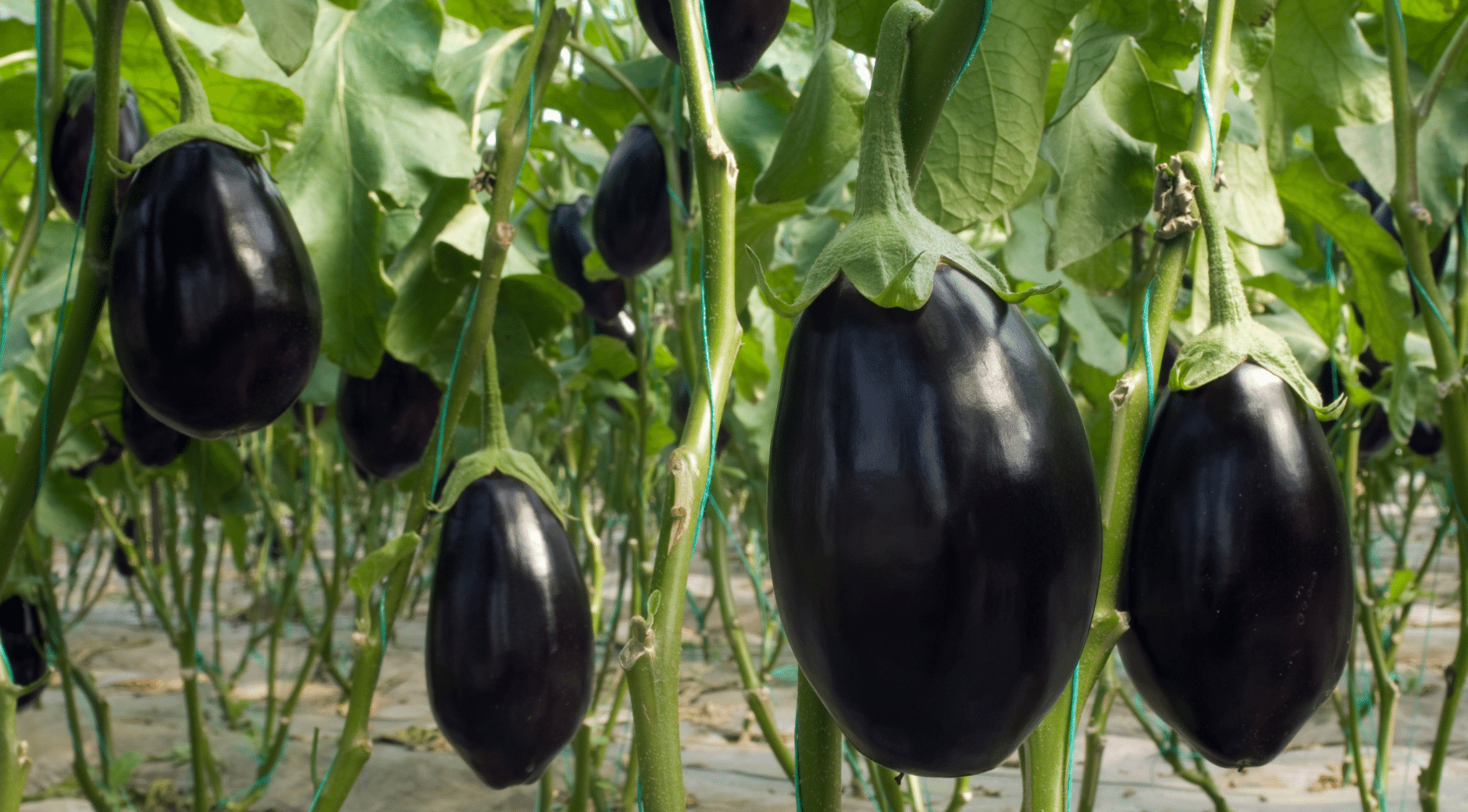 Choosing the right eggplant companion plants starts with understanding how eggplants grow and what they need to stay healthy.
- Full Sun Is Essential: Eggplants grow best with 6–8 hours of direct sunlight each day. Choose companion plants that also thrive in sunny locations to avoid shading the crop.
- Rich, Well-Drained Soil: They prefer fertile, well-drained soil with ample organic matter and a pH of 0–6.8 (slightly acidic to neutral). Healthy soil supports stronger growth for both eggplants and their companions.
- Consistent Moisture: Keep the soil evenly moist throughout the growing season. Pair eggplants with plants that have similar watering needs to simplify care and reduce stress.
- Allow Plenty of Space: Most varieties grow into bushy plants about 2–4 feet tall. Proper spacing improves airflow, reduces disease risk, and gives companion plants enough room to develop.
- Match Growth Habits: Low-growing crops like lettuce and spinach work well beneath taller eggplants, while herbs and flowers are best planted around the edges where they won’t block sunlight.
- Watch for Common Pests: Eggplants commonly attract flea beetles, aphids, whiteflies, spider mites, hornworms, and Colorado potato beetles.
- Be Aware of Diseases: Verticillium wilt, bacterial wilt, early blight, and powdery mildew can affect eggplants. Good spacing, crop rotation, and healthy growing conditions remain the most effective ways.
- Choose Compatible Neighbors: The best eggplant companion plants share similar light, soil, and water requirements.
Why Do These Needs Affect Companion Plant Choices?
Understanding how eggplants grow makes it much easier to decide which neighboring plants are likely to help rather than compete.
The best companion plants share similar sunlight and watering requirements, occupy different levels of the garden, or contribute something beneficial to the surrounding environment.
Some improve biodiversity by attracting pollinators, while others provide ground cover that reduces weed growth or helps the soil retain moisture.
Nitrogen-fixing plants can also contribute to long-term soil health without directly competing for resources.
Instead of choosing companion plants simply because they’re popular online, considering the specific needs of eggplants allows you to build combinations that are more balanced, practical, and suited to your own growing conditions.
Best Eggplant Companion Plants
Not every plant offers the same benefits when grown near eggplants. Some attract pollinators, others improve soil health, and a few help create a more diverse garden that supports beneficial insects.
1. Basil
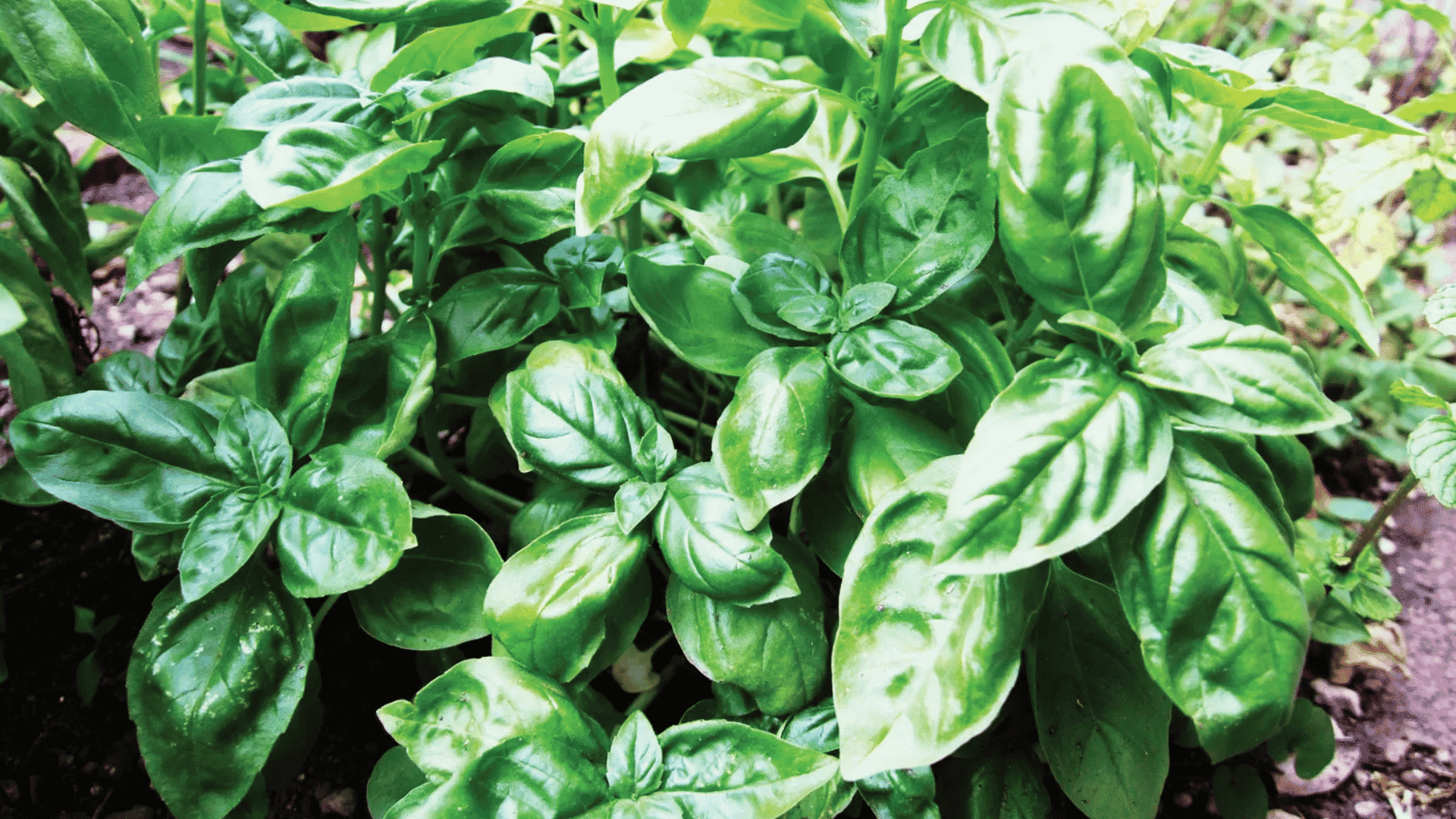
Basil is one of the most popular eggplant companion plants, and for good reason. Both plants thrive in full sun, fertile soil, and consistent moisture, making them easy to grow together.
Many gardeners believe basil helps create a healthier growing environment by attracting pollinators and beneficial insects while adding diversity to the garden bed.
Although research on its pest-repelling ability is mixed, basil remains a favorite because of its compatibility with eggplants.
Plant basil about 10 to 12 inches away from the base of each eggplant so both plants have enough room to mature without competing for airflow or sunlight.
2. Marigolds
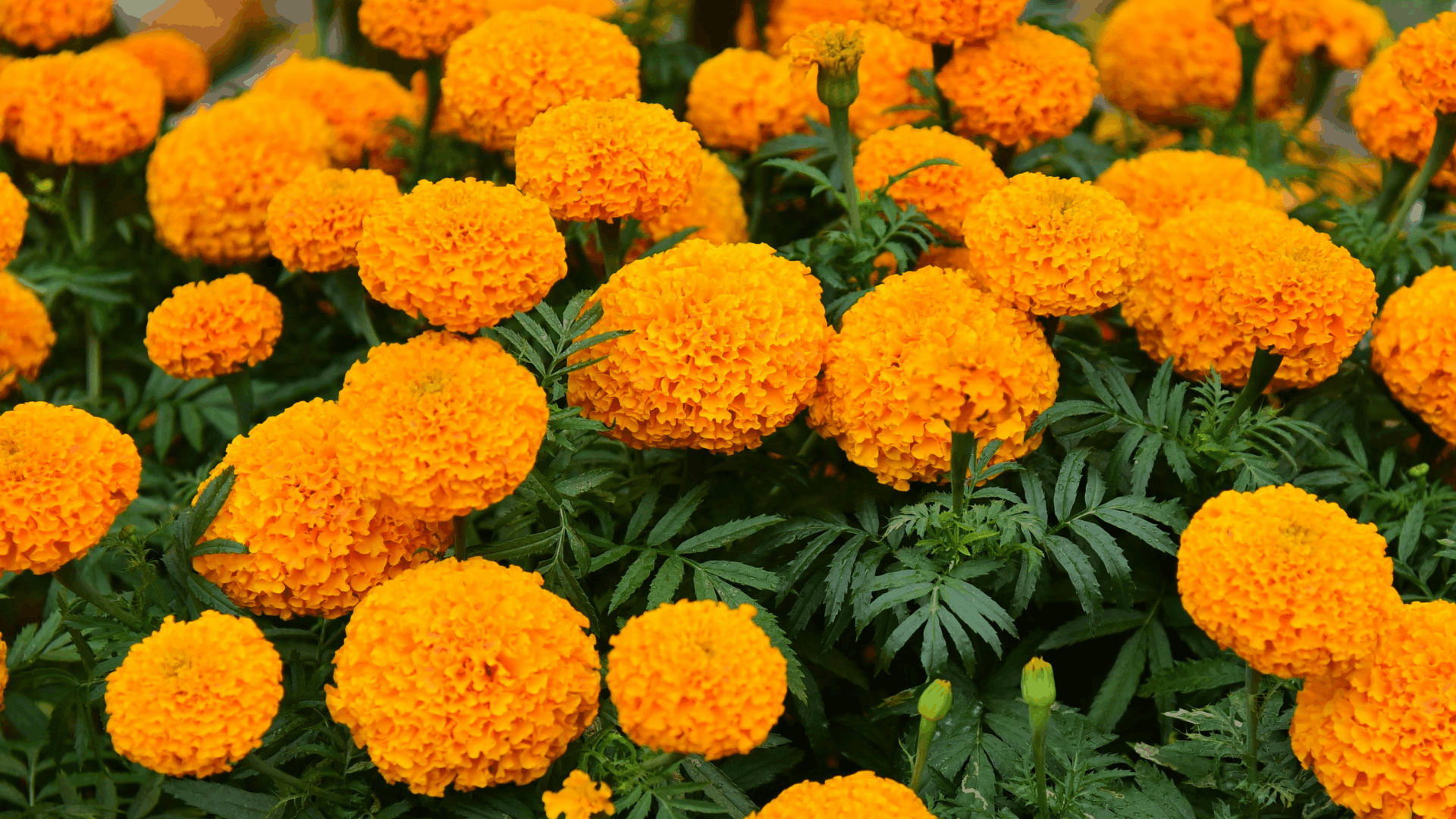
Marigolds are a classic companion plant found in many vegetable gardens. Their bright flowers attract bees, hoverflies, and other beneficial insects that contribute to a balanced garden ecosystem.
Many gardeners also grow marigolds because they believe the flowers help reduce certain pest pressures, although results vary depending on local conditions.
Since marigolds stay relatively compact, they fit easily around eggplants without competing for space. Plant them along the edges of beds or between rows where they receive full sun.
Avoid overcrowding, as good airflow remains essential for keeping eggplants healthy throughout the growing season.
3. Nasturtiums
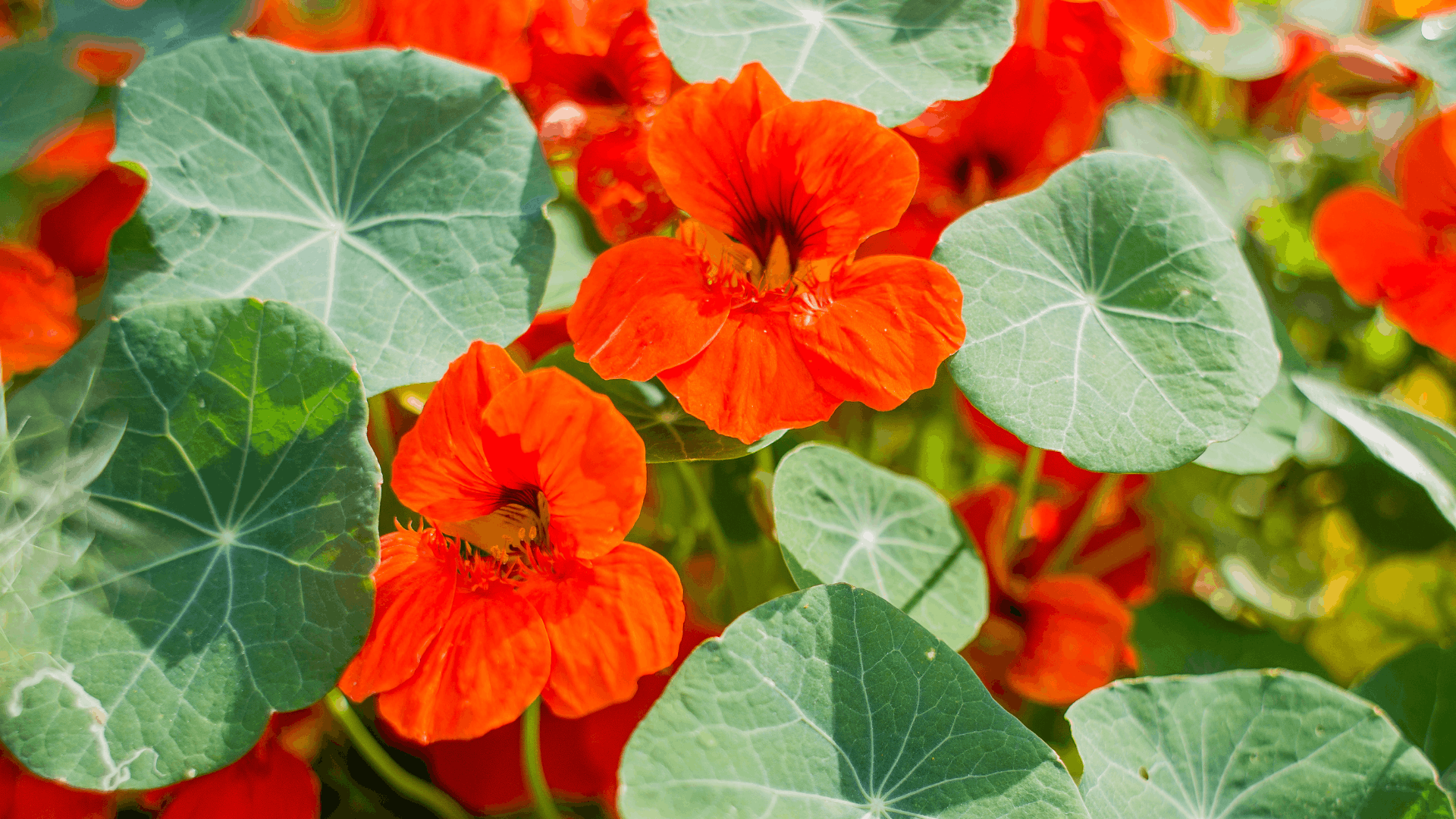
Nasturtiums are valued for both their colorful blooms and their ability to attract pollinators and beneficial insects.
Some gardeners also use them as a sacrificial crop because aphids are often drawn to their foliage rather than to nearby vegetables.
Whether or not this strategy works depends on local pest populations, but many home gardeners continue to recommend the pairing.
Nasturtiums spread across the ground, helping cover bare soil and reduce weed growth. Because of their trailing habit, they are best planted around the outer edge of the bed where they can spread naturally without climbing over young eggplants.
4. Borage
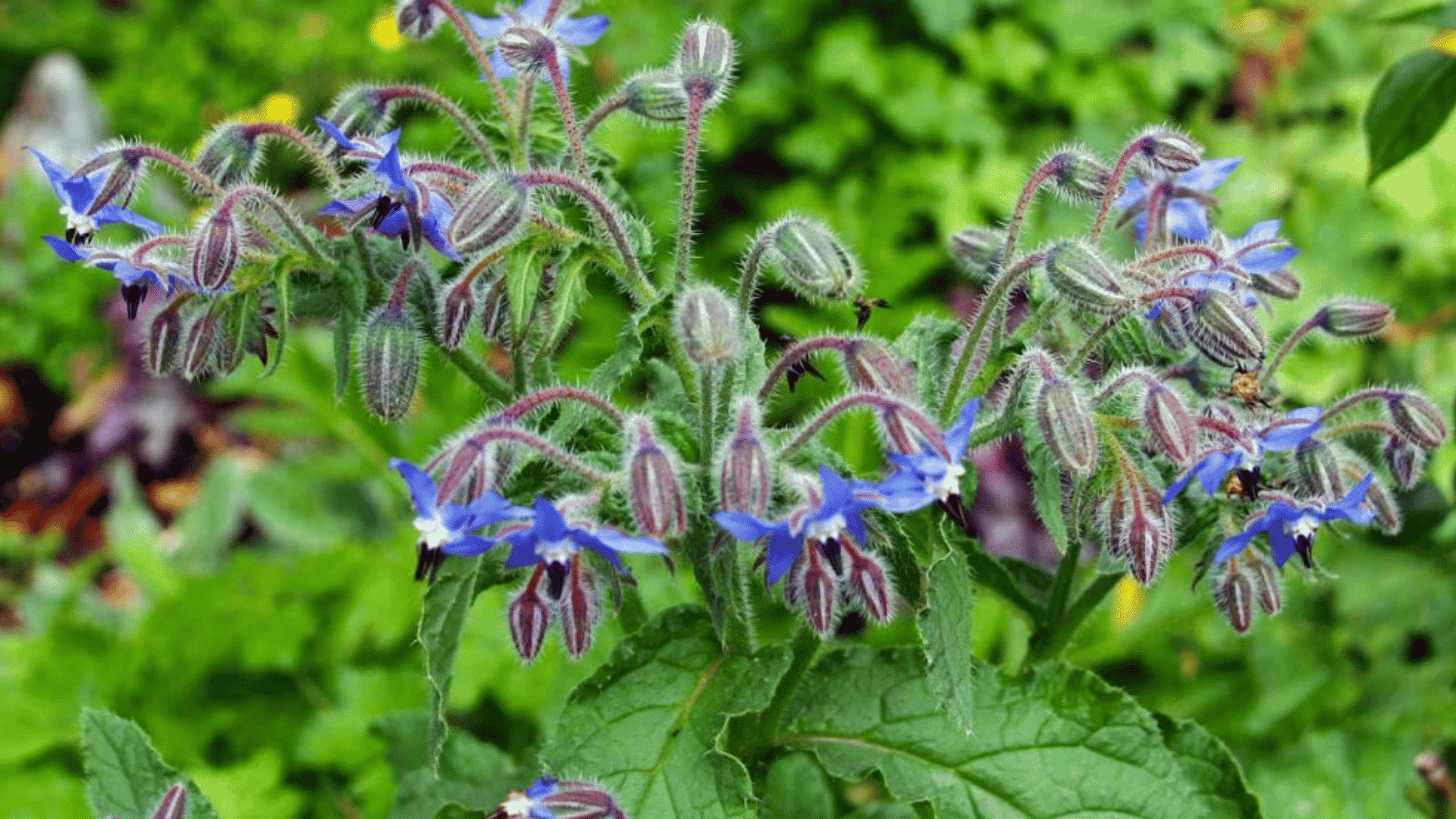
Borage is an excellent addition to an eggplant bed if your goal is to attract pollinators. Its blue, star-shaped flowers bloom over a long period and are highly attractive to bees and other beneficial insects.
Many gardeners notice increased pollinator activity after adding borage to vegetable gardens. The plant also develops deep roots that may help improve soil structure over time.
Since mature borage can become fairly large, leave enough room between it and your eggplants to maintain good airflow.
Planting it along the border of the garden usually provides the best balance between accessibility and growth.
5. Dill
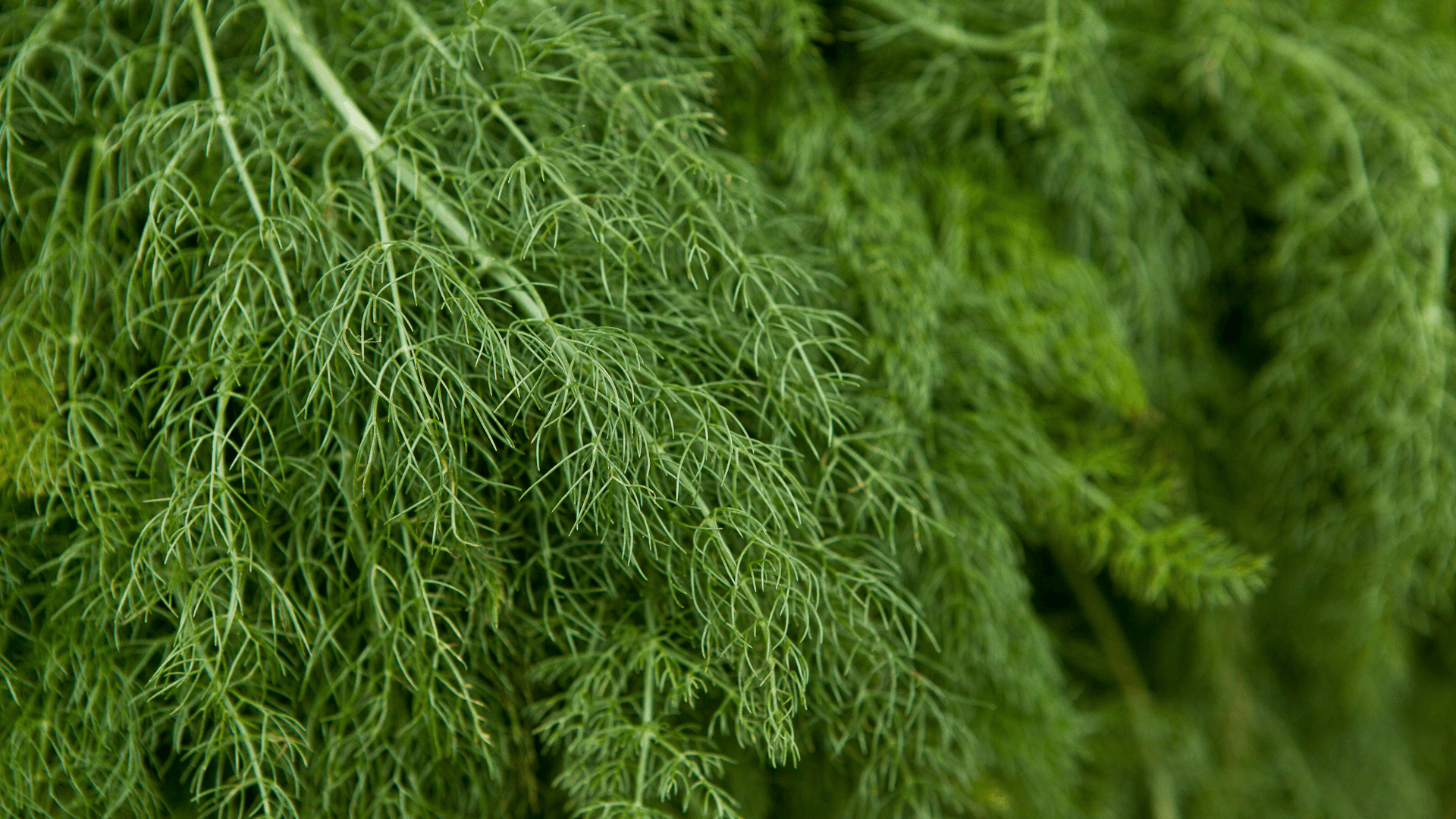
Dill serves multiple purposes in the vegetable garden. When allowed to flower, it attracts beneficial insects such as ladybugs, lacewings, and parasitic wasps that feed on common garden pests.
Young dill plants generally grow well beside eggplants because they share similar sunlight needs. However, mature dill can become tall and may cast shade if planted too close.
To avoid this, position dill behind eggplants or toward the north side of the bed in the Northern Hemisphere.
Regular harvesting also helps keep dill compact while encouraging fresh, leafy growth throughout the season.
6. Thyme
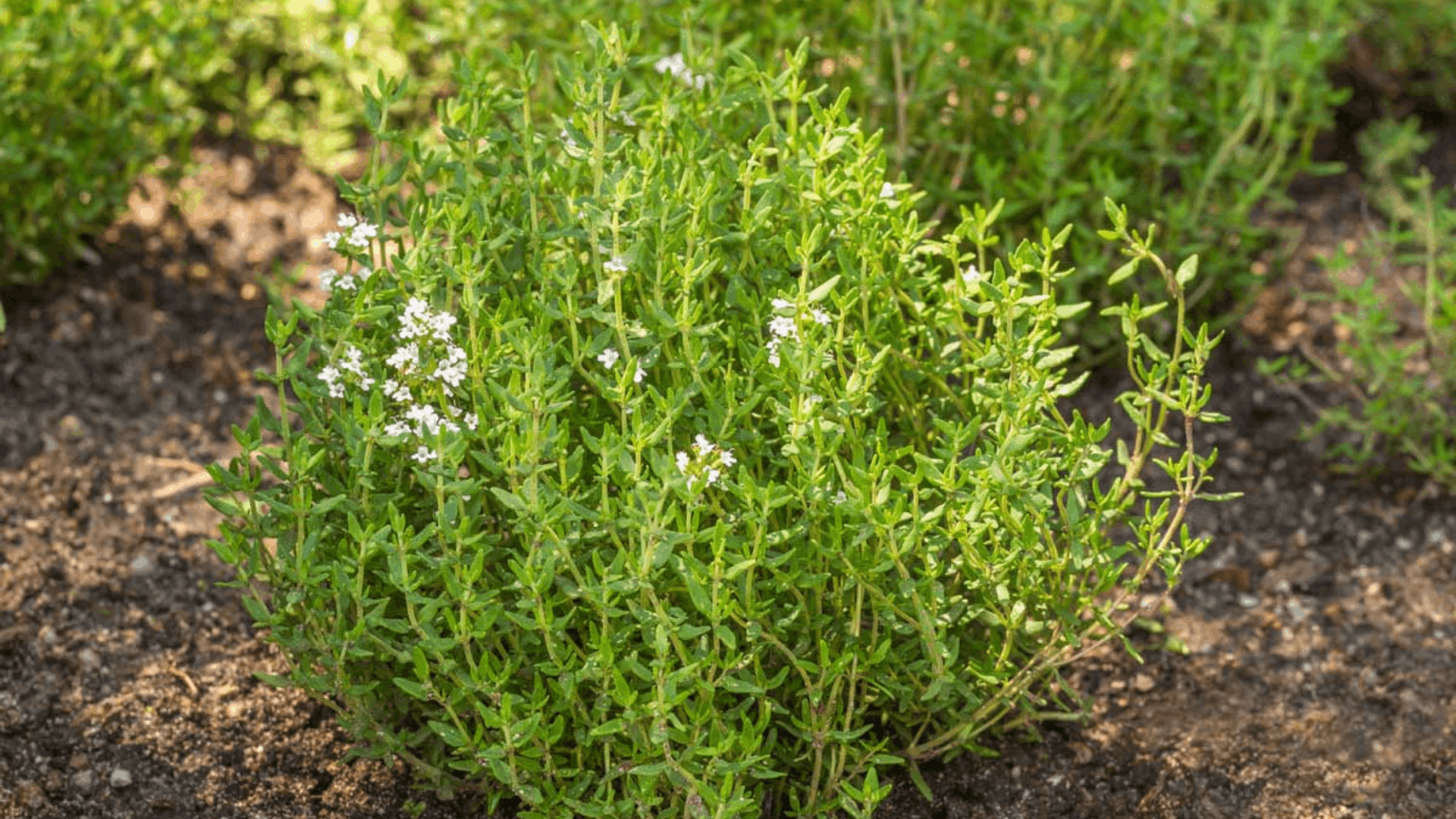
Thyme is a compact herb that fits well into almost any vegetable garden. It enjoys sunny conditions and well-drained soil, making it compatible with eggplants once both plants are established.
Because thyme forms a low-growing mat, it helps cover exposed soil while leaving plenty of room around taller vegetables.
Its flowers also attract bees and other pollinating insects during the growing season.
One consideration is that thyme prefers slightly drier soil than eggplants, so avoid overwatering established thyme plants. Growing it near the edges of the bed usually provides the right balance for both crops.
7. Oregano
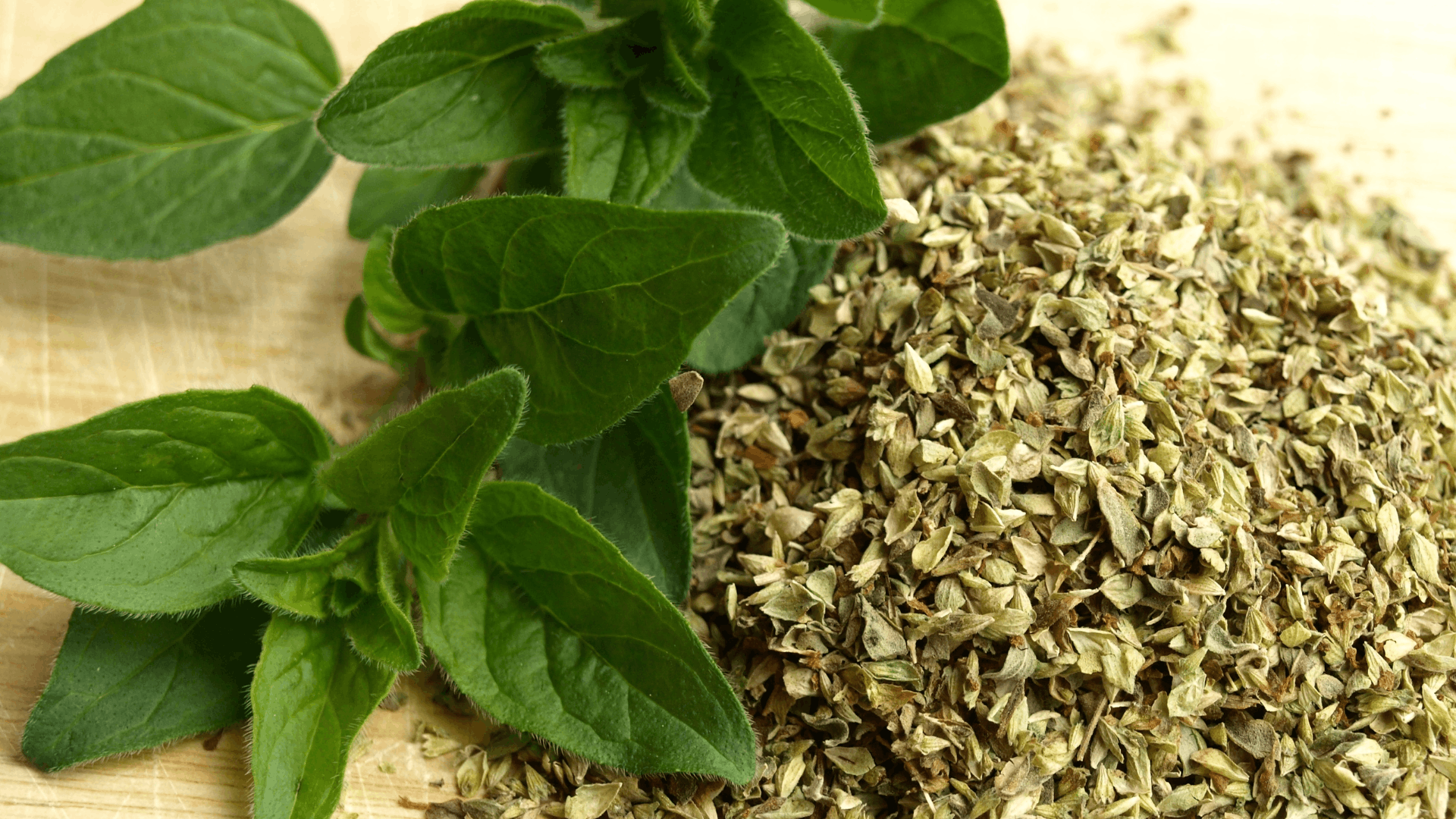
Oregano is another herb frequently recommended as an eggplant companion. Its dense growth habit helps cover bare soil, while its small flowers attract pollinators and beneficial insects when allowed to bloom.
Oregano is perennial in many climates, so keep its long-term growth in mind before planting. Without occasional trimming, it can spread beyond its intended space.
Plant oregano along the border of the bed or in nearby containers if you want to control its spread.
Regular pruning keeps the plant compact and prevents it from competing with nearby eggplants for growing space.
8. Chives
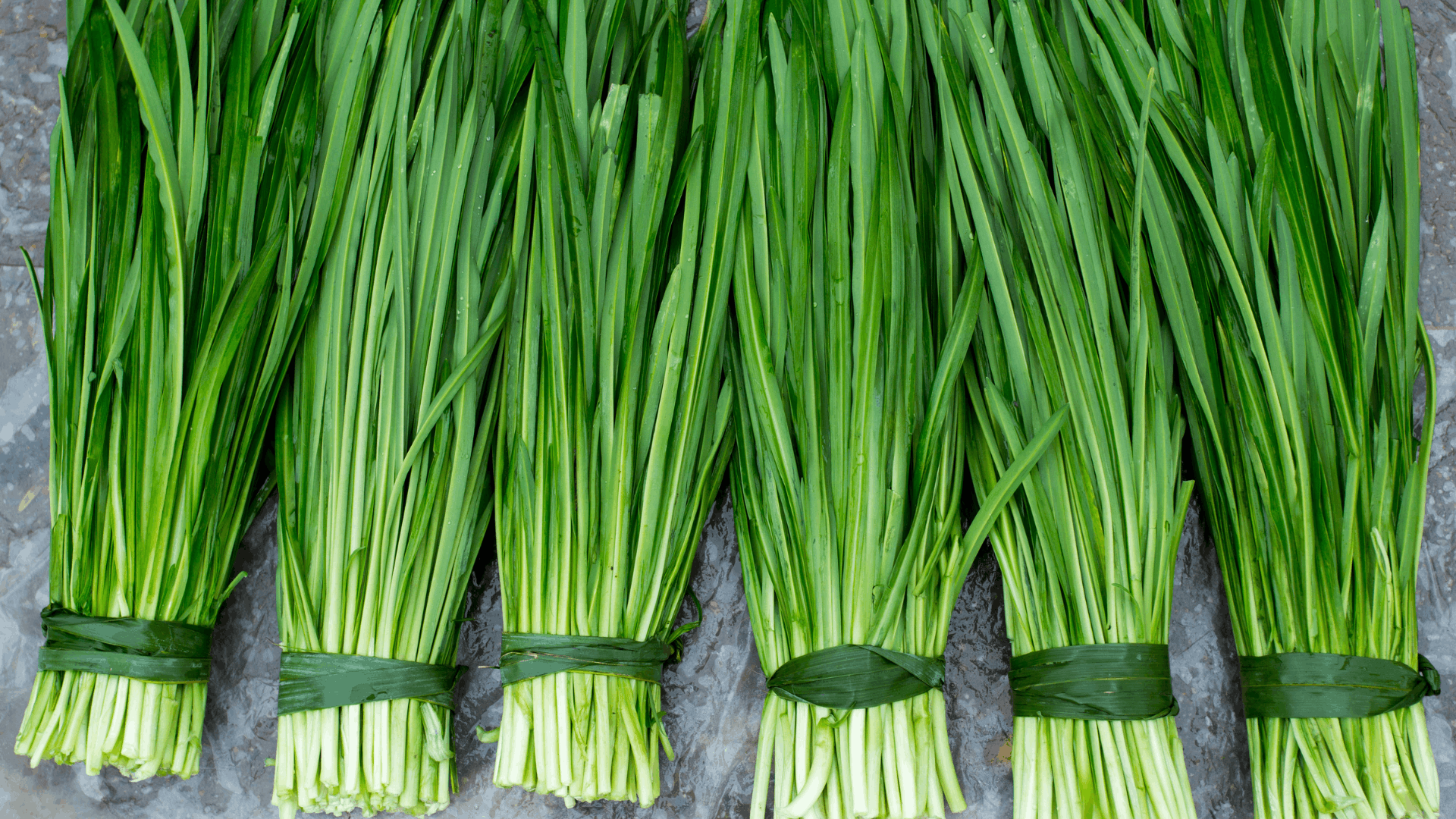
Chives are easy to grow and take up very little room, making them an excellent companion for eggplants. Their purple flowers attract bees and other beneficial insects, while their upright growth habit allows plenty of sunlight to reach surrounding plants.
Many gardeners include chives throughout vegetable beds simply because they fit into small spaces and require minimal maintenance.
Since chives form compact clumps, they can be planted around the edges of eggplant beds or between larger vegetables. Dividing mature clumps every few years keeps the plants healthy and prevents overcrowding.
9. Garlic
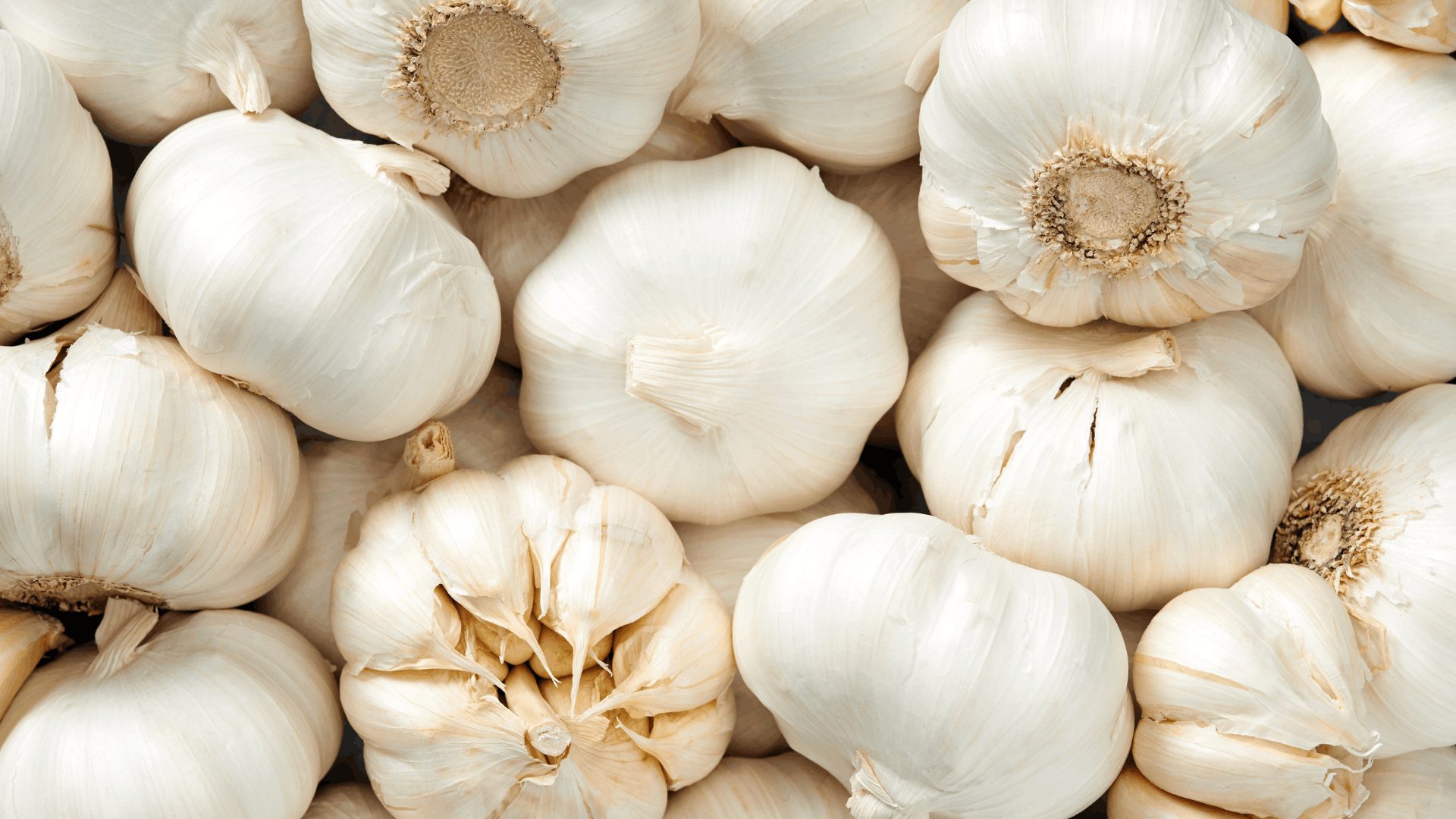
Garlic is commonly grown alongside vegetables because it occupies very little surface area and develops underground. Since its upright leaves cast minimal shade, garlic fits easily between larger crops such as eggplants.
Many gardeners appreciate that garlic matures earlier than eggplants in many regions, freeing additional space as summer progresses.
It also shares similar sunlight requirements, making care relatively simple.
Plant garlic around the perimeter of the bed or between widely spaced eggplants, rather than directly beneath the canopy, to allow enough room for both crops to develop normally.
10. Onions
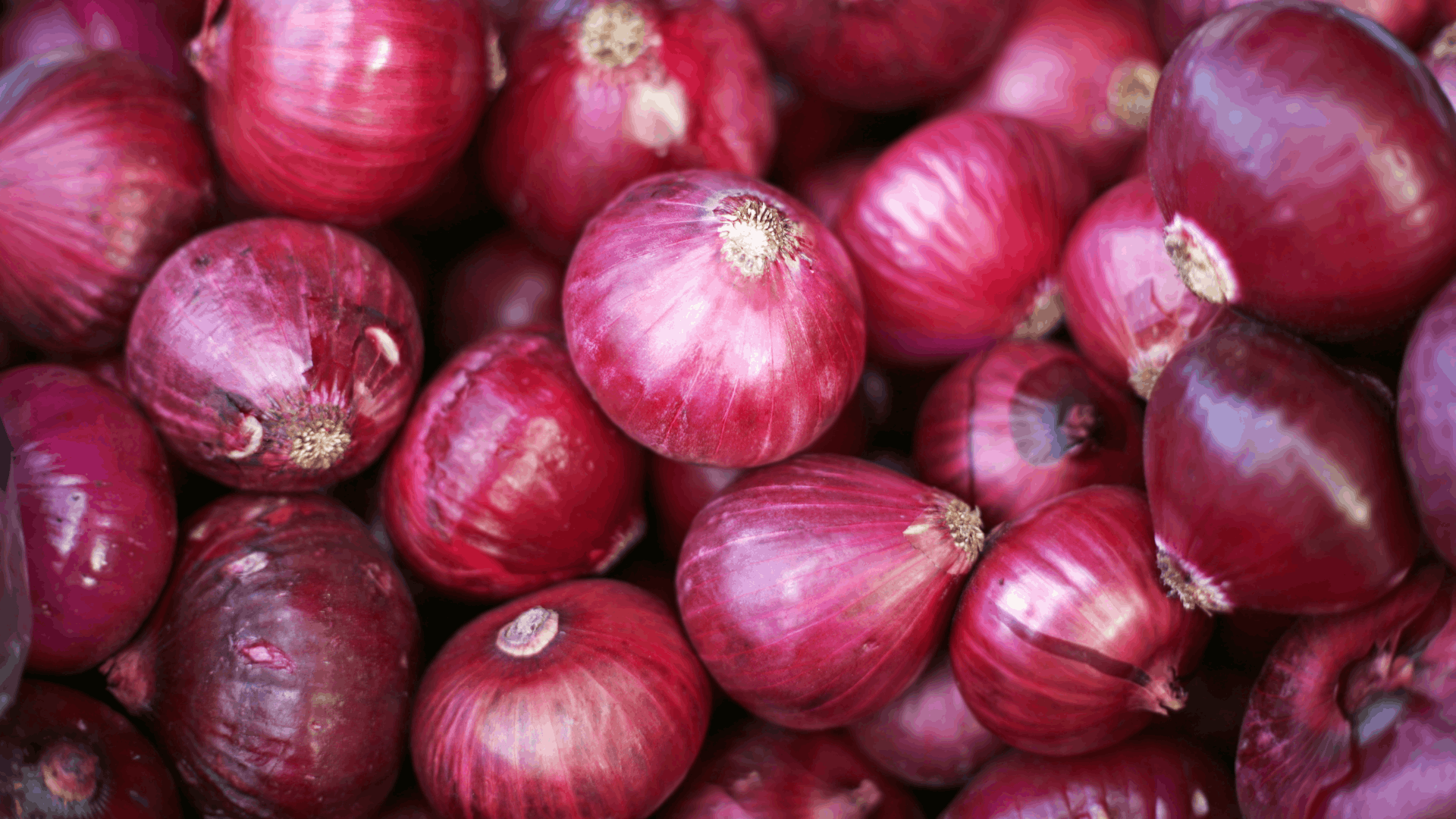
Onions make practical companions because they grow upright without spreading across the garden bed. Their compact growth allows gardeners to maximize available space while maintaining good airflow around eggplants.
Like garlic, onions are easy to tuck between larger plants as long as adequate spacing is maintained.
They also enjoy similar growing conditions, including full sun and well-drained soil.
Avoid planting onions too densely around eggplants, as both crops still require access to water and nutrients. A border planting or staggered arrangement generally works well in most vegetable gardens.
11. Beans
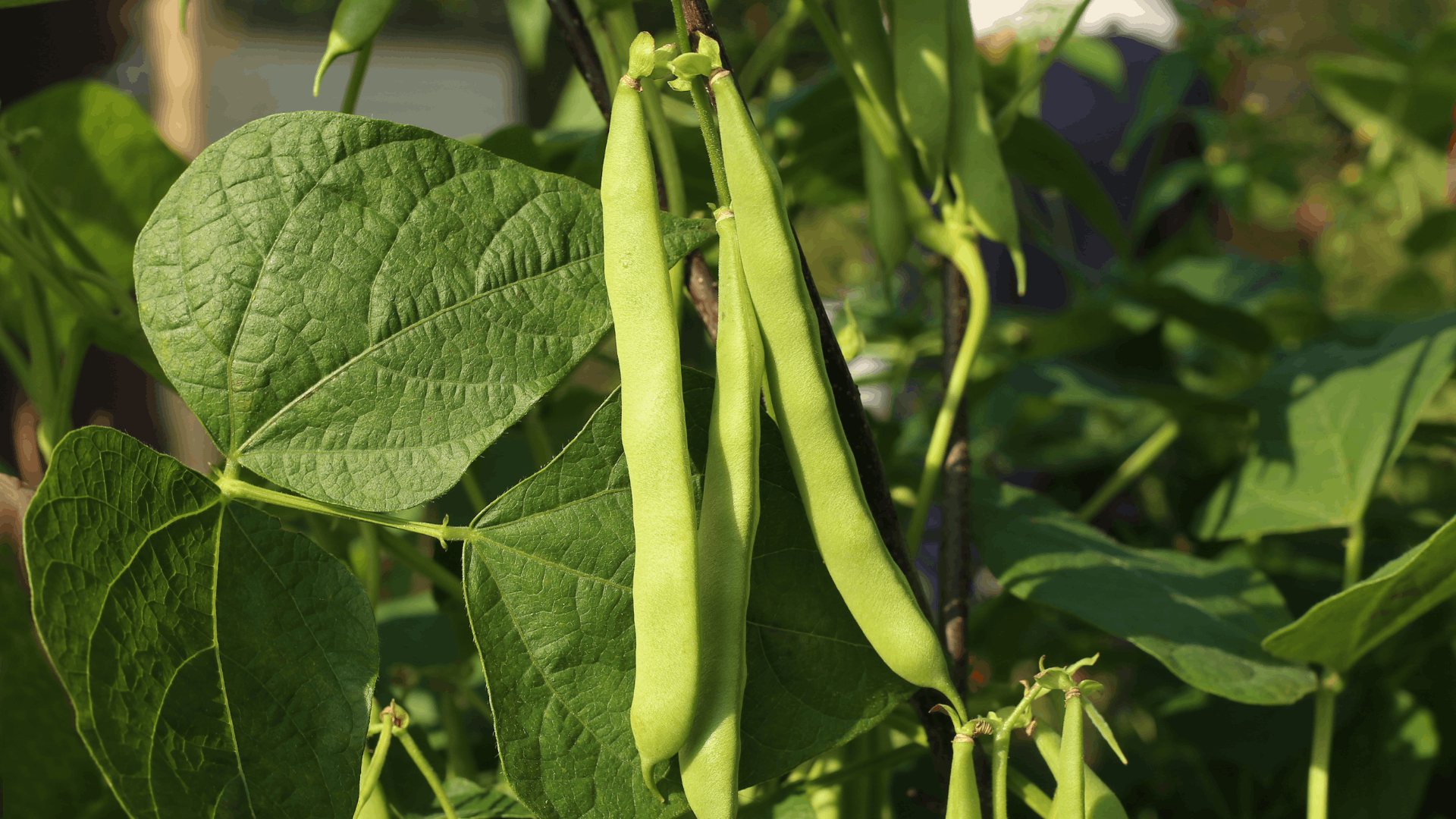
Beans are often recommended because they are legumes the form symbiotic relationships with beneficial soil bacteria to fix atmospheric nitrogen.
While eggplants are heavy feeders, nitrogen fixed by beans is primarily available only after plant residues decompose, contributing to long-term soil fertility rather than providing an immediate nutrient boost.
Bush beans usually make better companions than climbing varieties because they require less support and are less likely to shade nearby crops.
Plant them a short distance from eggplants to avoid crowding while still making efficient use of available garden space.
12. Peas
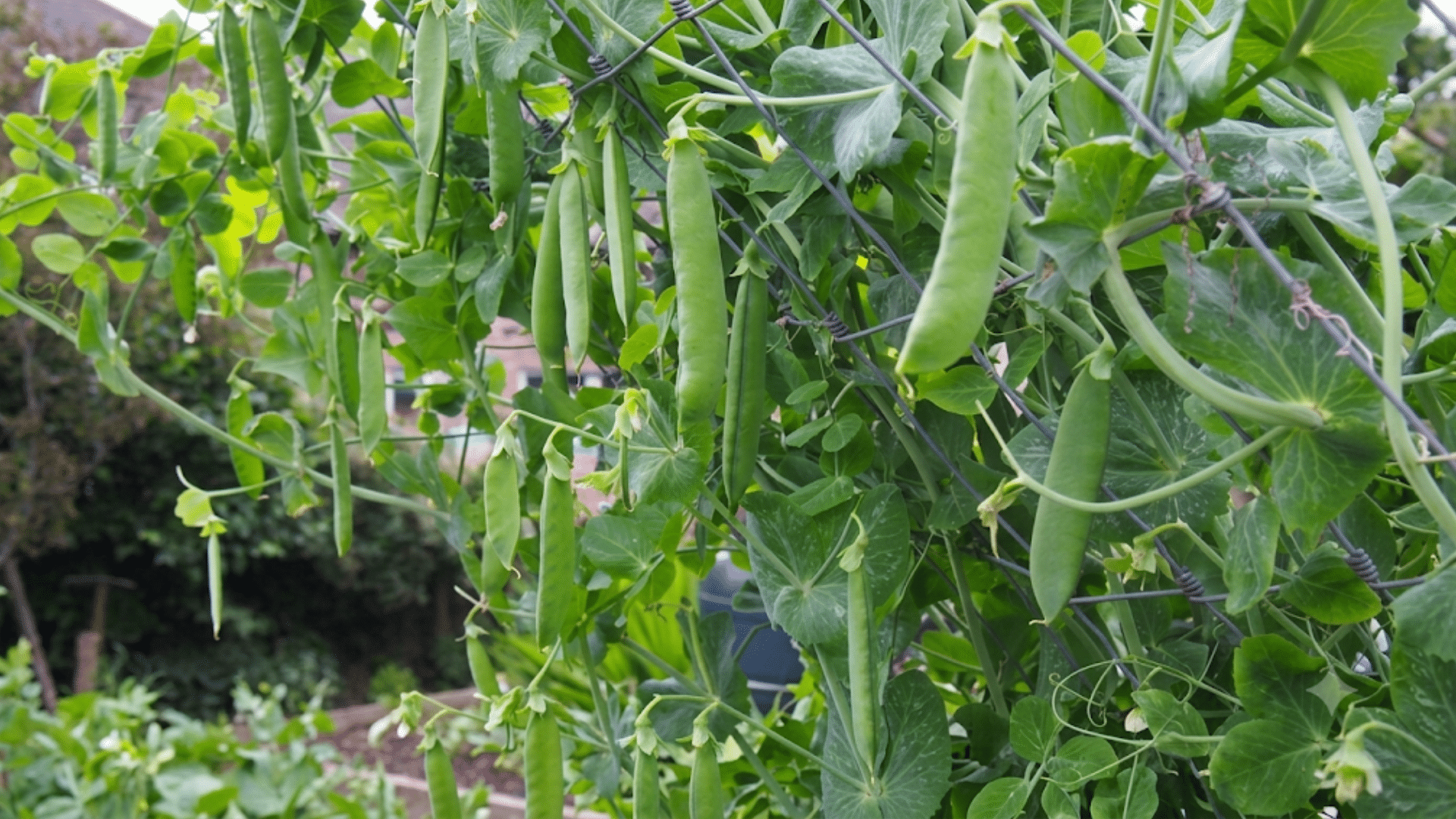
Peas offer many of the same long-term soil benefits as beans while growing well during the cooler part of the season.
In many regions, peas finish producing before eggplants reach their full size, making them useful for succession planting.
After harvesting peas, the remaining space can be used by expanding eggplants later in the summer.
If growing climbing peas, position supports where they will not block sunlight.
Bush varieties are often easier to manage in mixed vegetable beds and reduce the chance of shading young eggplant plants.
13. Spinach
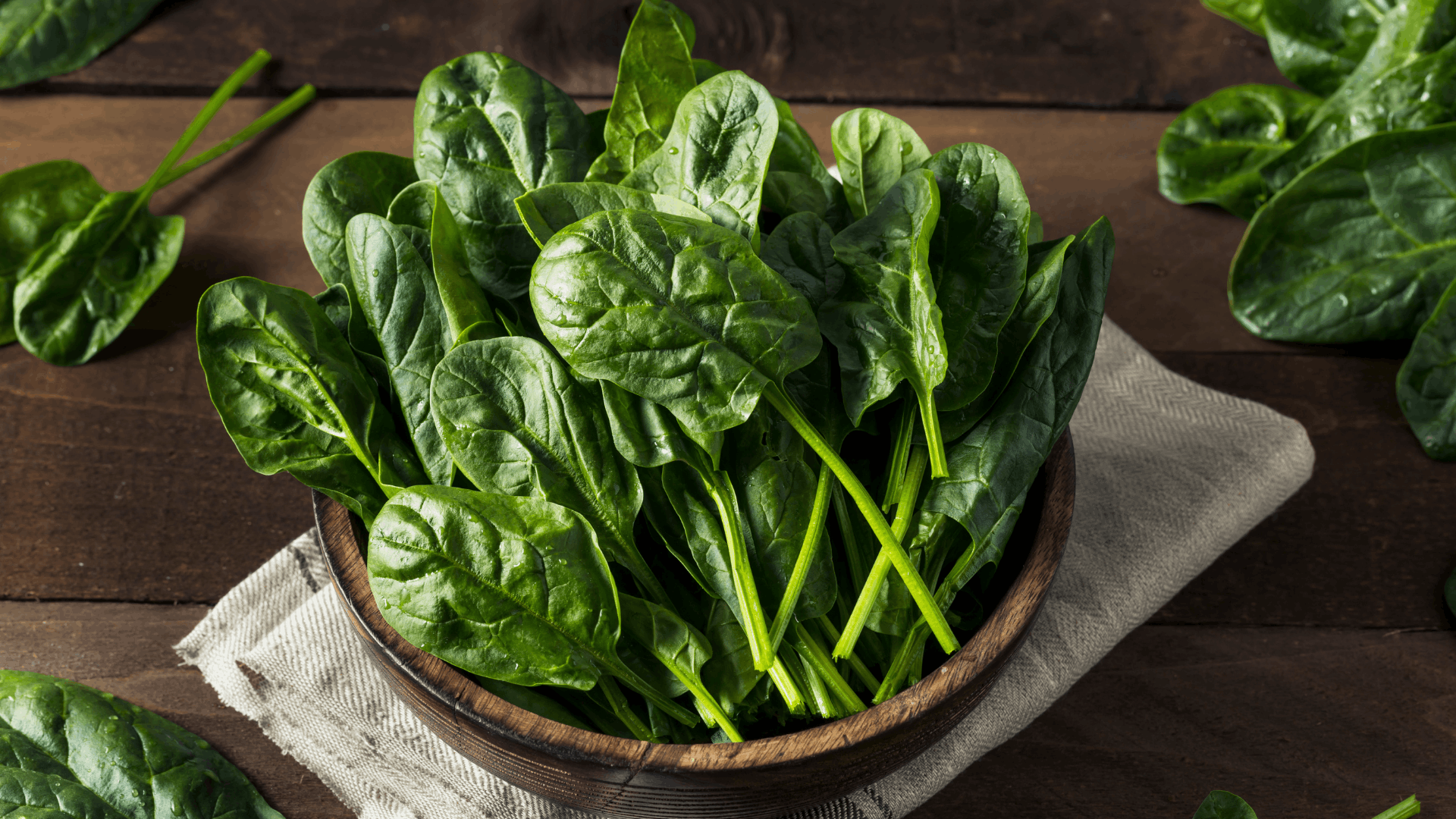
Spinach works well beneath taller vegetables because of its compact growth and shallow root system.
It helps cover exposed soil, reducing moisture loss and slowing weed growth during the early part of the growing season.
Since spinach prefers cooler temperatures, it often performs best before eggplants reach full size.
As summer heat increases, the larger eggplant canopy can provide some afternoon shade, extending spinach harvests slightly in warmer climates.
Harvest spinach regularly to prevent overcrowding and maintain good airflow around the eggplant stems.
14. Lettuce
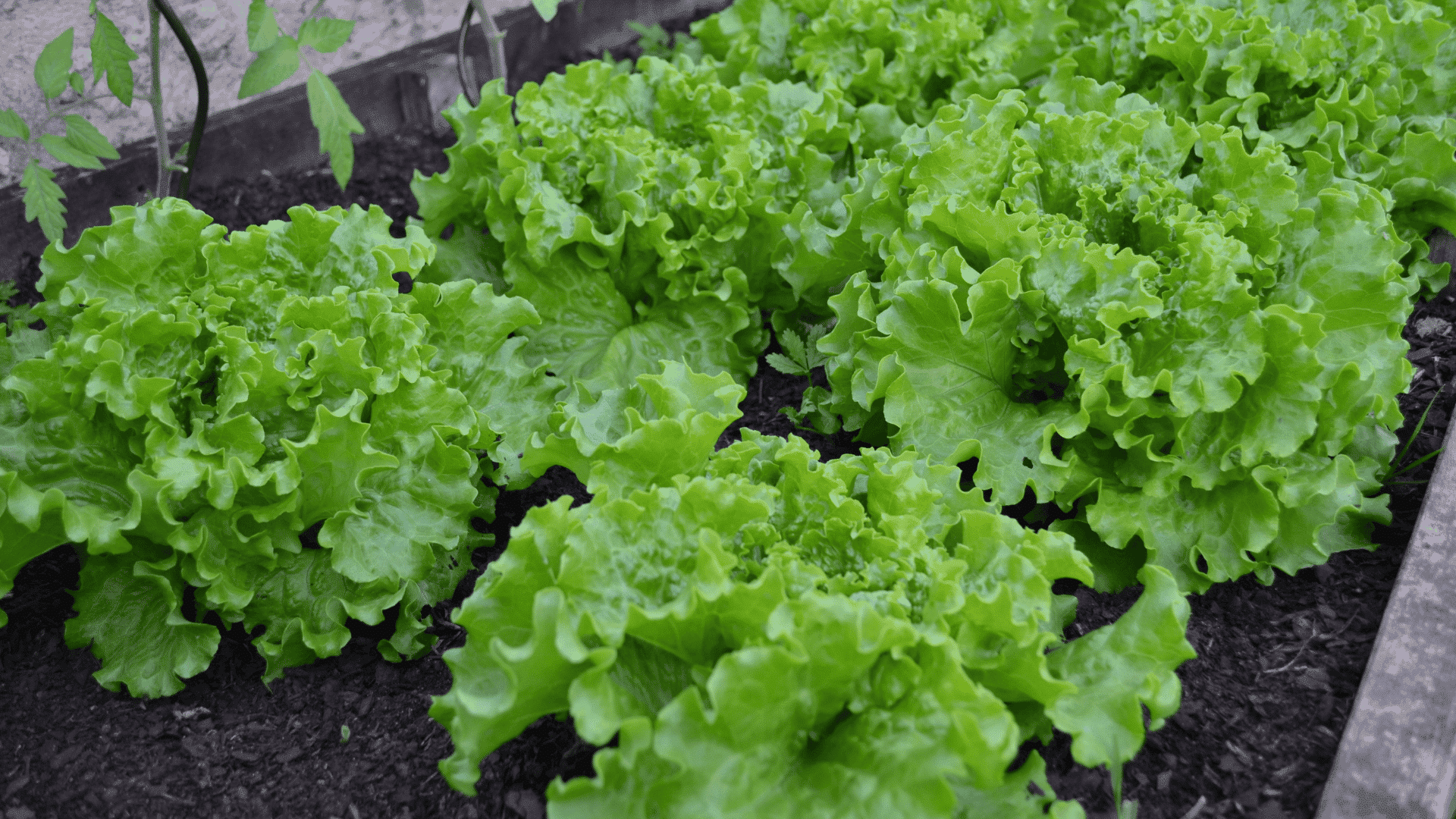
Lettuce is another excellent living mulch for eggplant beds. Its shallow roots compete very little with the deeper root system of established eggplants, while its leafy growth shades the soil and helps conserve moisture.
Gardeners with limited space often interplant lettuce between young eggplants because the lettuce is usually harvested before the larger plants fully mature.
This makes efficient use of every part of the garden bed without reducing productivity. Choose loose-leaf varieties if you plan to harvest continuously throughout the growing season.
15. Radishes
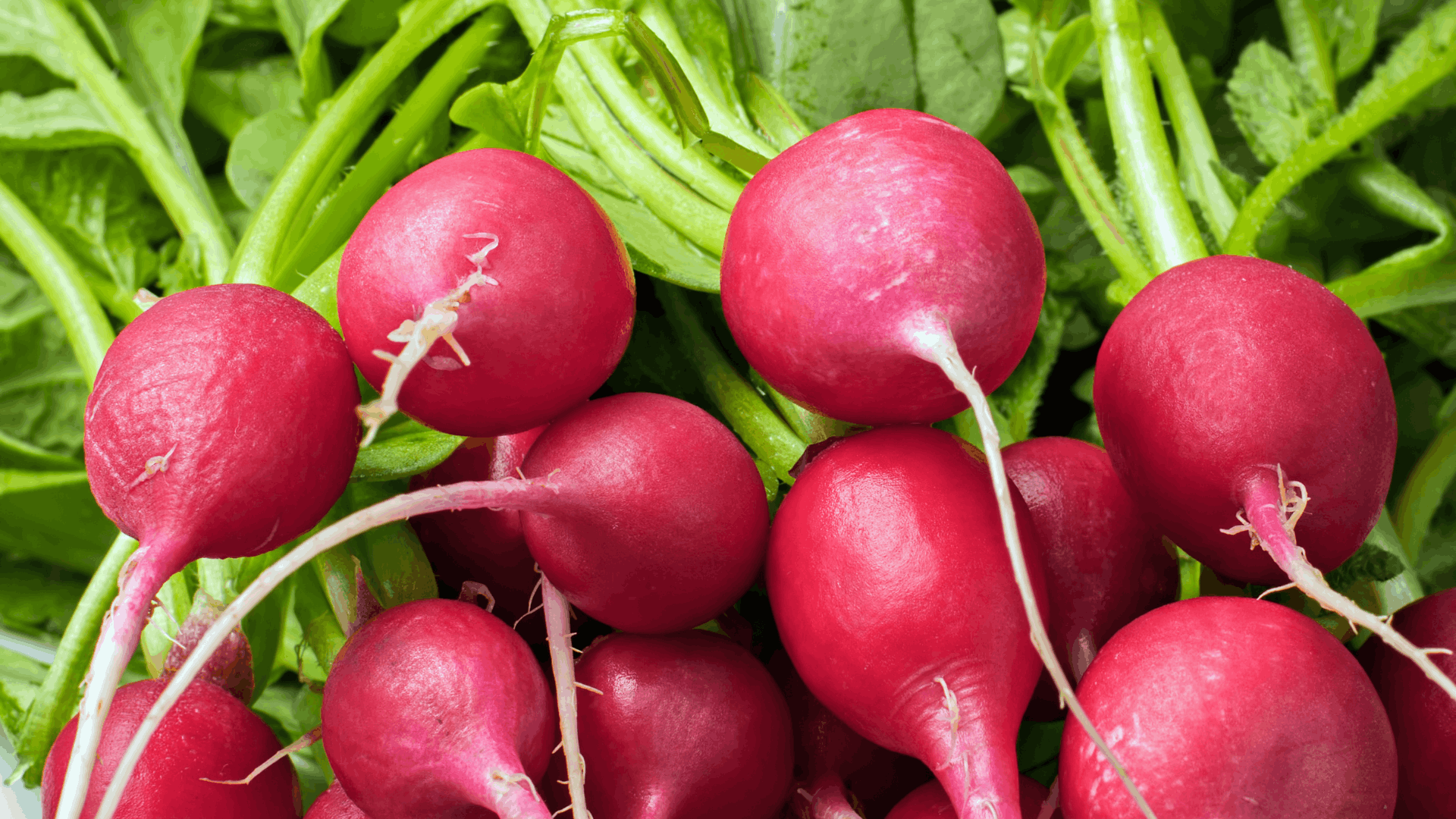
Radishes are fast-growing vegetables that fit easily into almost any planting plan. Since they mature within a few weeks, they can be harvested long before eggplants require additional growing space.
Their quick growth also helps gardeners maximize productivity during the early part of the season.
Because radishes develop below the soil while eggplants grow above it, the two crops generally compete very little for space.
Plant radishes between young eggplants or along row edges, then harvest them promptly to keep the bed open as the eggplants continue to grow.
Choose Companion Plants Based on Your Gardening Goal
Different companion plants offer different benefits. Instead of planting every recommended companion, choose the ones that best match your gardening goals.
| Gardening Goal | Best Companion Plants | Why They Work | Best Choice |
|---|---|---|---|
| Natural Pest Control | Marigolds, Nasturtiums, Basil, Chives, Dill | Attract beneficial insects, support natural predators, and help manage common garden pests. | Grow a mix of flowers and herbs for more balanced pest management. |
| Attracting Pollinators | Borage, Dill, Marigolds, Nasturtiums, Chives | Produce nectar-rich flowers that attract bees and other pollinators, improving pollination. | Combine two or three flowering plants for blooms throughout the season. |
| Improving Soil Health | Beans, Peas, Borage, Leafy Greens | Legumes fix nitrogen, deep-rooted plants improve soil structure, and leafy greens help retain moisture. | Plant beans or peas alongside eggplants for long-term soil improvement. |
| Small Gardens & Containers | Basil, Thyme, Oregano, Chives, Lettuce, Spinach | Compact plants share similar growing needs, so they don’t overcrowd eggplants. | Herbs and leafy greens are ideal for containers and raised beds. |
| Living Mulches & Ground Covers | Lettuce, Spinach, Nasturtiums | Cover exposed soil, reduce weeds, and help conserve soil moisture. | Harvest leafy greens before eggplants reach full size to maintain growing space. |
| Best Herbs for Eggplants | Basil, Thyme, Oregano, Chives, Dill | Fit well into vegetable beds, attract beneficial insects, and thrive under similar growing conditions. | Basil, thyme, and chives make a practical, low-maintenance combination for most home gardens. |
Plants You Should Not Grow with Eggplants
Not every plant makes a good neighbor for eggplants. Some compete heavily for water and nutrients, while others share the same pests and diseases or grow large enough to reduce airflow and sunlight.
- Fennel: Contains natural compounds that may inhibit nearby plant growth and develops a large root system that competes for water and nutrients. It’s best grown in a separate bed.
- Potatoes: As fellow nightshades, potatoes share many of the same pests and diseases as eggplants, including flea beetles and fungal infections. They also compete for nutrients.
- Corn: Tall corn plants can shade eggplants, restrict airflow, and create conditions that encourage fungal diseases. Grow them in separate areas whenever possible.
- Heavy-Feeding Crops: Squash, pumpkins, melons, and some brassicas require large amounts of water and nutrients, increasing competition with eggplants in limited space.
- Tomatoes and Peppers: Although they grow under similar conditions, they share many pests and diseases with eggplants. If grown together, provide generous spacing, maintain good airflow, and practice crop rotation to reduce potential problems.
Companions for Common Eggplant Issues
These suggestions work best when combined with proper watering, healthy soil, crop rotation, and regular garden monitoring.
|
Common Problem |
Companion Plants That May Help |
How They May Help |
|
Aphids |
Nasturtiums, Chives |
Nasturtiums may attract aphids away from crops, while flowering chives attract beneficial insects. |
|
Flea Beetles |
Marigolds, Basil |
These commonly recommended companions help increase garden diversity and attract beneficial insects. |
|
Spider Mites |
Dill, Flowering Herbs |
Flowering herbs attract predatory insects that feed on small garden pests. |
|
Whiteflies |
Marigolds |
Marigolds encourage beneficial insects and increase biodiversity around vegetable beds. |
|
Poor Pollination |
Borage, Dill |
Their flowers attract bees and other pollinators that regularly visit vegetable gardens. |
|
Weed Growth |
Lettuce, Spinach |
Low-growing plants act as living mulch by covering exposed soil and reducing weed development. |
|
Nitrogen Deficiency |
Beans, Peas |
Legumes gradually improve soil fertility through nitrogen fixation, benefiting future soil health. |
How Does Companion Planting Work?
Every plant interacts differently with the environment around it, and companion planting takes advantage of those natural relationships.
Flowering plants can attract bees, butterflies, and other pollinators, increasing activity throughout the garden, while certain herbs provide nectar that attracts beneficial insects such as ladybugs, lacewings, and hoverflies.
Legumes such as beans and peas work with nitrogen-fixing bacteria, helping improve soil fertility over time.
Ground-cover crops can shade the soil, reducing moisture loss and slowing weed growth between larger plants.
Rather than relying on one dramatic effect, companion planting combines several small ecological benefits that together create a more diverse, resilient, and productive growing space for eggplants and neighboring crops.
Reddit Discussions on Eggplant Companion Plants
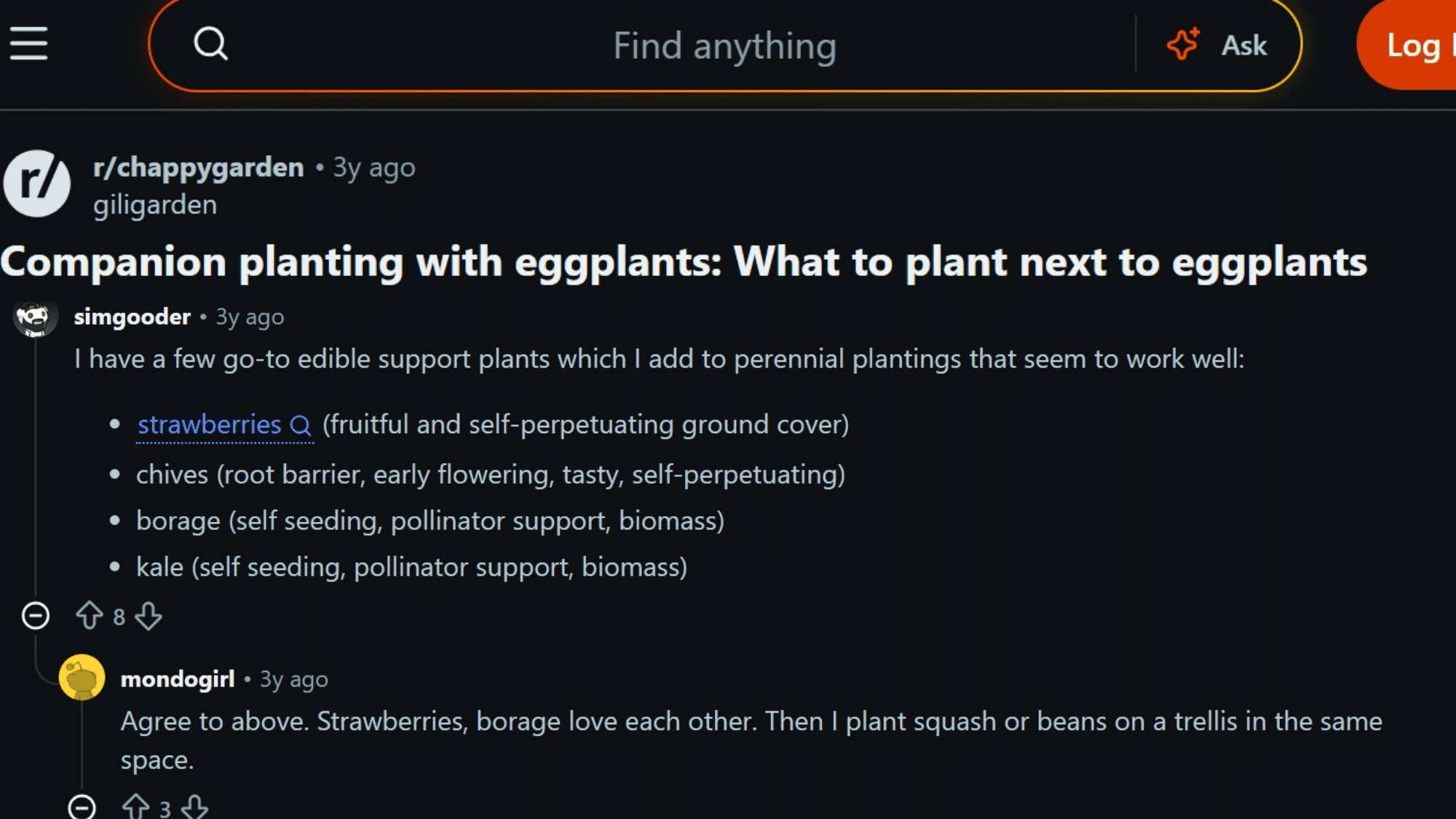
Reddit discussions show no universal agreement on the best eggplant companion plants.
While many home gardeners frequently recommend basil, marigolds, borage, beans, and chives, others believe that healthy soil, proper spacing, and overall plant diversity have a greater impact than any single companion plant.
Several gardeners also report success using lettuce and spinach as living mulch to conserve soil moisture, while flowering plants like borage are often praised for attracting bees and other beneficial insects.
Interestingly, some users have had positive results with pairings that are traditionally discouraged, suggesting that climate, soil type, and local pest pressure can influence outcomes.
The overall consensus is to use companion planting as one part of a well-managed garden, experiment with different combinations, and observe which pairings perform best in your own growing conditions.
Why Do Gardeners Get Different Results with Companion Planting?
While some gardeners recommend basil, others achieve better results with marigolds, beans, or other companions. These differences are usually influenced by climate, soil, pest pressure, and growing conditions.
- Climate Differences: Temperature, humidity, rainfall, and the length of the growing season all affect how companion plants and eggplants perform.
- Soil Quality: Gardens with poor drainage or low organic matter may not experience the same benefits as gardens with well-maintained soil.
- Local Pest Populations: Pest problems vary widely by location. Companion plants that appear effective in one area may have less impact in areas with different insects or much higher pest pressure.
- Garden Size: Large gardens naturally support more companion plants and beneficial insects. In small gardens or containers, proper spacing is essential to avoid overcrowding and maintain healthy plant growth.
- Companion Planting Is Supportive, Not a Guaranteed Solution: Proper watering, crop rotation, soil improvement, mulching, and regular pest monitoring remain essential for growing healthy eggplants.
- Why Community Experiences Often Vary: Gardeners grow different eggplant varieties in different climates, using different soil types and maintenance routines.
Common Companion Planting Myths
Companion planting can be helpful, but many popular claims are based on personal experience rather than consistent scientific evidence.
| Myth | Fact |
|---|---|
| Companion plants completely repel pests. | Companion plants may help attract beneficial insects or support a balanced garden ecosystem, but they cannot eliminate pest problems on their own. |
| Growing one companion plant guarantees healthier eggplants. | Plant health depends on several factors, including soil quality, watering, sunlight, spacing, and overall garden care. |
| Every flowering plant is a good companion for eggplants. | Good companions should also have similar sunlight, water, and space requirements, not just attractive flowers. |
| Companion planting replaces pest control methods. | Companion planting works best when paired with regular monitoring, proper maintenance, and integrated pest management practices. |
| Companion planting produces the same results in every garden. | Results vary depending on climate, soil conditions, local pests, and the plant varieties being grown. |
| More companion plants always mean better growth. | Overcrowding can reduce airflow and increase competition for light, water, and nutrients, potentially affecting plant health. |
Benefits of Growing Companion Plants with Eggplants
While companion planting isn’t a complete solution to every gardening challenge, it can promote healthier growth by attracting beneficial insects, improving soil health, and maximizing garden space.
- Natural Pest Management: Flowers and herbs such as marigolds, nasturtiums, basil, and chives may attract beneficial insects or support integrated pest management by increasing garden diversity.
- Attracting Pollinators: Nectar-rich flowers encourage bees, butterflies, and other pollinators to visit the garden, supporting flower activity throughout the growing season.
- Improving Biodiversity: A mixture of vegetables, herbs, and flowers creates a more diverse ecosystem that supports beneficial insects and improves overall garden resilience.
- Better Use of Garden Space: Pairing upright eggplants with lower-growing vegetables or compact herbs helps gardeners maximize available planting space without overcrowding.
- Soil Improvement with Nitrogen-Fixing Plants: Beans and peas work with beneficial soil bacteria to add usable nitrogen over time, supporting healthier soil for future growth.
- Weed Suppression and Moisture Retention: Leafy crops such as lettuce and spinach cover exposed soil, helping reduce weed growth while slowing moisture loss during warm weather.
Conclusion
Eggplant companion plants attract pollinators, save space, and improve soil health.
Basil, marigolds, nasturtiums, borage, beans, and leafy greens are among the most popular companions, while plants like fennel, potatoes, and large heavy feeders are generally better kept separate.
Remember that companion planting works best as part of a complete gardening approach rather than a standalone solution.
Healthy soil, consistent watering, proper spacing, crop rotation, and regular garden observation all play an important role in growing strong, productive eggplants.
Try a few plant combinations and share what works best in the comments.
Frequently Asked Questions
Do Eggplants Grow Better with Herbs?
Many herbs, including basil, thyme, oregano, chives, and dill, grow well with eggplants because they require similar conditions and attract pollinators and beneficial insects.
Can Eggplants and Beans Be Grown Together?
Yes. Bush beans are excellent companions for eggplants because they occupy little space and contribute to long-term soil fertility through nitrogen fixation.
Do Eggplants Need Pollinators?
Eggplants are self-pollinating, but visits from bees and other pollinators can improve pollination and may increase fruit production.
What Is the Best Flower to Plant with Eggplants?
Borage and marigolds are among the best flowers to grow with eggplants. They attract bees and beneficial insects while adding biodiversity to the vegetable garden.
Can Companion Planting Prevent Eggplant Pests?
No. Companion planting supports a healthier garden ecosystem but should be combined with crop rotation, healthy soil, proper spacing, and regular pest monitoring as part of an integrated pest management approach.