

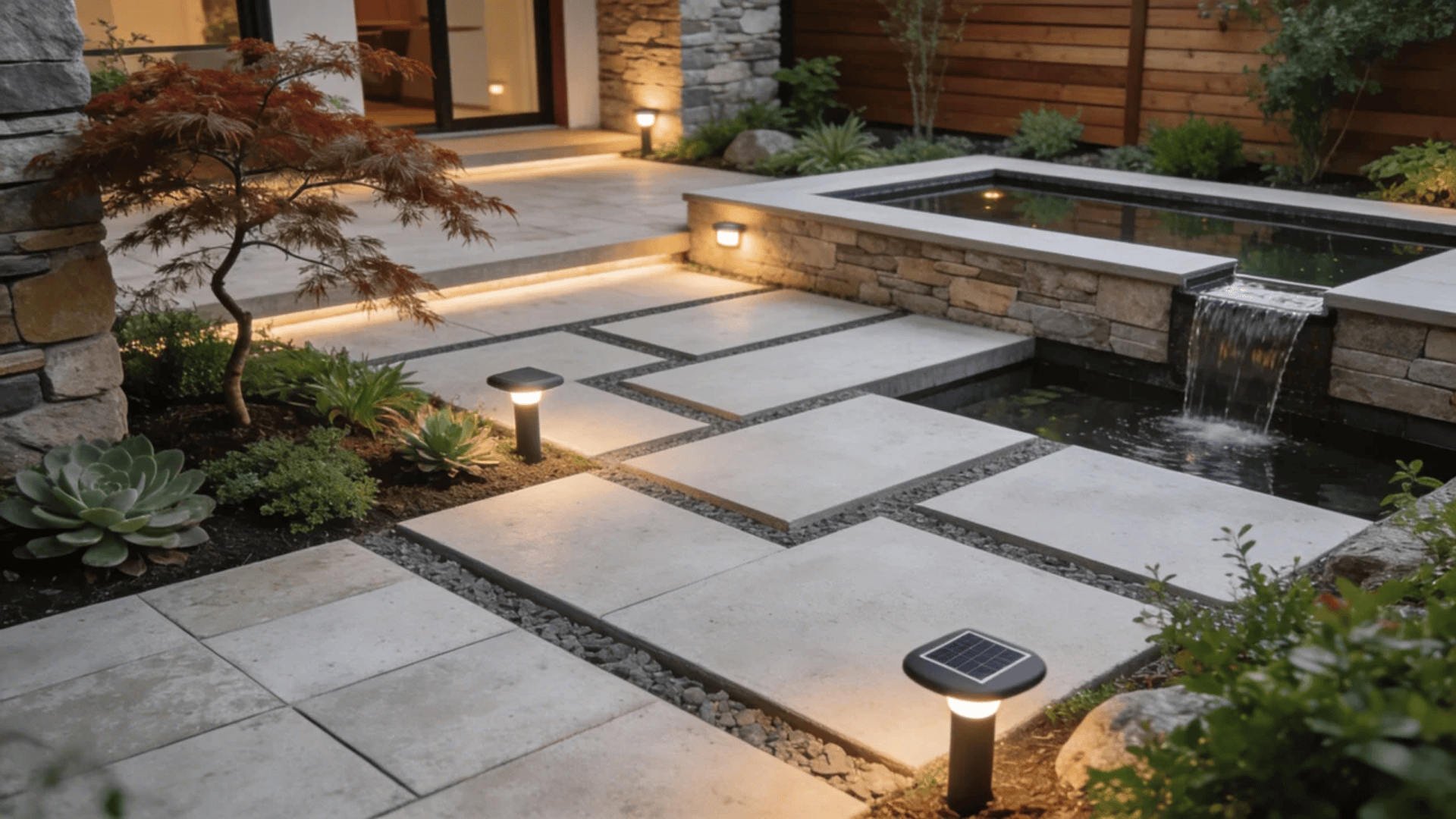
Upgrading your outdoor space doesn’t have to be complicated. I remember looking at my yard and feeling unsure where to start, it felt messy, uneven, and a bit outdated.
I kept putting it off because I thought it would take too much time and money. But once I started small and made a few simple choices, everything began to come together.
Modern landscaping is all about clean design, simple layouts, and easy upkeep. You don’t need a full redesign to see a real difference.
In this guide, you’ll learn what the style really means, how to achieve it on a budget, and the top trends you can use to improve your space step by step.
What Is Modern Landscaping?
Modern landscaping focuses on clean lines, simple layouts, and a balanced look. Instead of filling your yard with too many plants or decorations, it keeps things neat and intentional.
You’ll often see straight pathways, open spaces, and a mix of greenery with stone or wood. The goal is a calm, organized outdoor area that’s easy to maintain.
The foundation of the style is hardscaping: the non-plant elements like pathways, patios, edging, and retaining structures. In modern landscaping, hardscaping does most of the structural work, and plants are placed within that framework rather than defining it.
A concrete path sets the line. An ornamental grass or a single shrub follows it. That relationship between hard materials and greenery is what gives modern yards their organized, intentional look.
Unlike traditional landscaping, which tends to be more detailed and layered, modern landscaping works with fewer elements — placed deliberately to create something stylish and functional.
Can You Create Modern Landscaping on a Budget?
Simple choices and smart planning can still give you great results.
Here are five practical ways to keep costs down without compromising the look.
- Start Small: Focus on one area, like a front yard or a small backyard corner, to keep costs low.
- Use Simple Materials: Gravel, stones, and basic planters can create a clean and modern look without spending much.
- Choose Fewer Plants: Using fewer plants saves money and keeps the design simple and neat.
- Leave Open Space: Empty areas help create a modern, uncluttered appearance.
- Plan Before You Buy: Knowing exactly what you need before you shop prevents costly impulse purchases.
As a rough starting point, simple front yard updates, gravel ground cover, two or three plants, and basic edging can often be done for under $300 if you do the work yourself. That’s a meaningful change without touching most of the yard.
Top Modern Landscaping Trends
Modern landscaping covers a wide range of styles and approaches. These are the trends shaping outdoor design right now, from sustainable choices to smart tech and flexible layouts.
1. Sustainable & Climate-Resilient Landscaping
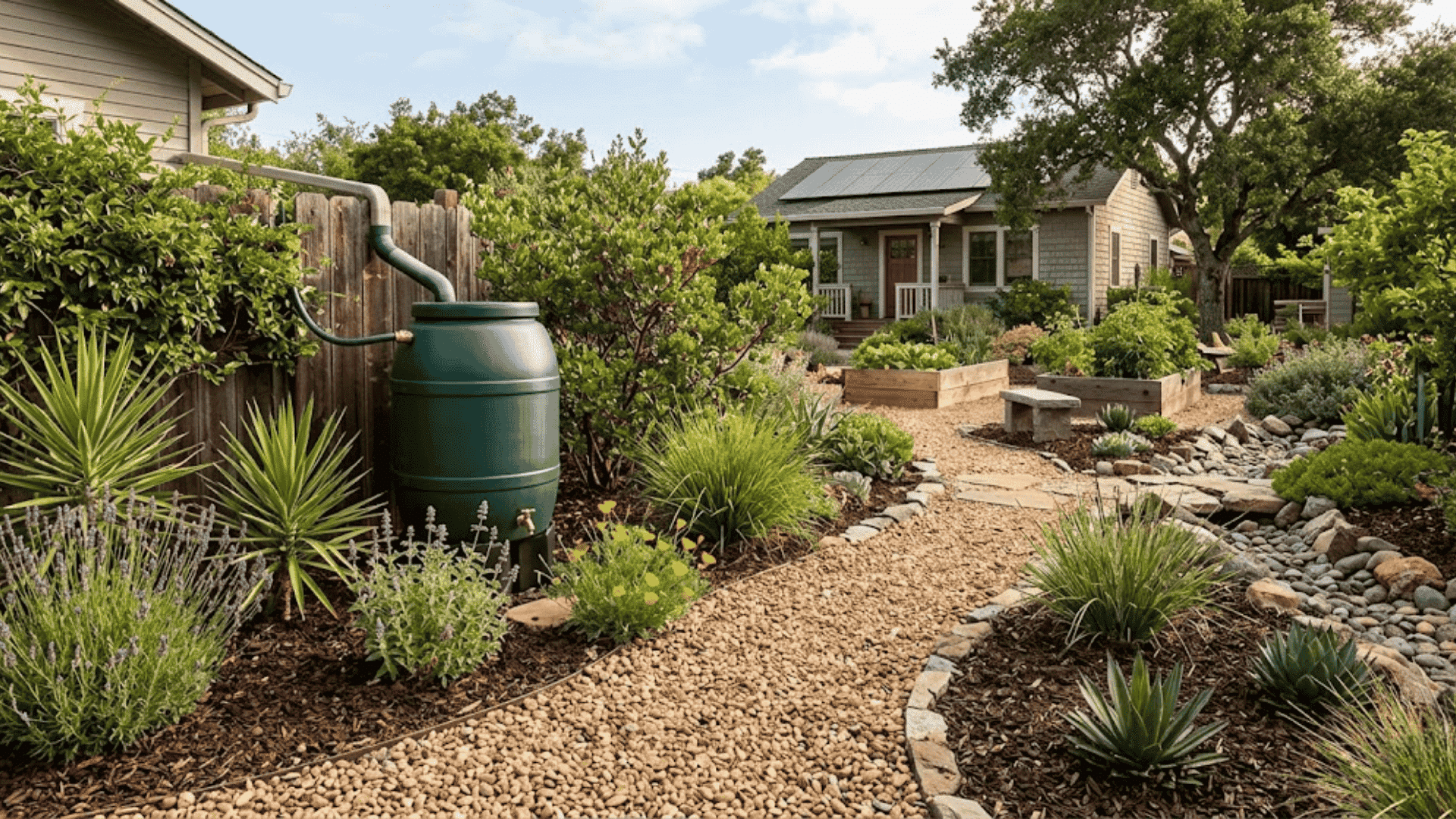
Sustainability is shaping modern landscaping in a strong and practical way. These landscapes are built to handle changing weather while staying healthy and attractive.
Rainwater harvesting reduces how often you need to water. Adding compost to beds helps soil hold moisture between rains, so plants stay healthy with less effort from you.
2. Low-Water (Xeriscape) Gardens
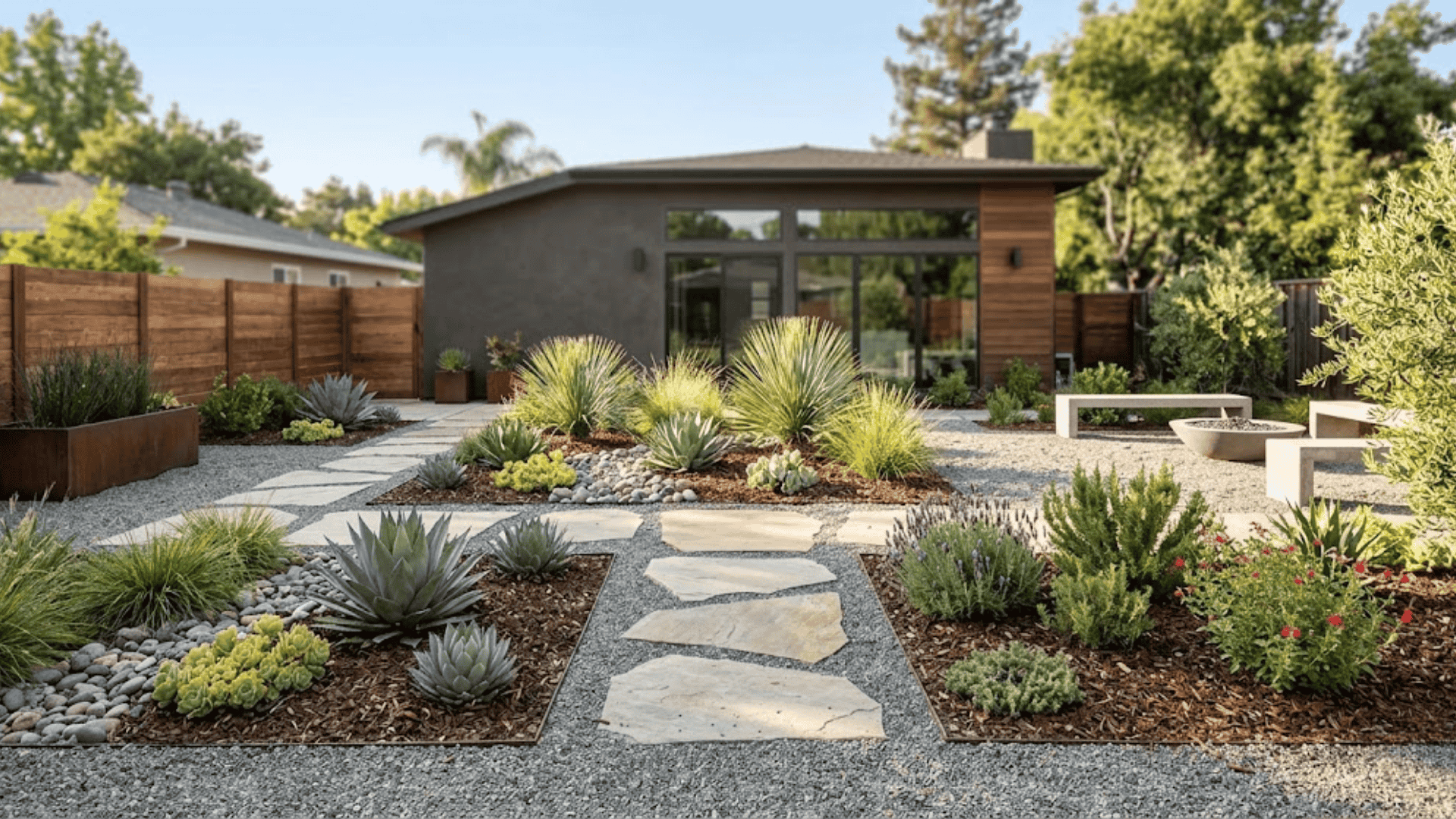
Low-water gardens are becoming a popular replacement for traditional lawns. These designs use gravel, mulch, and drought-tolerant plants that need very little watering.
Xeriscaping works especially well in hot and dry areas where water is limited. Even with fewer plants, these gardens look clean and modern, simple layouts and natural textures do the heavy lifting.
3. Geometric Hardscaping Patterns
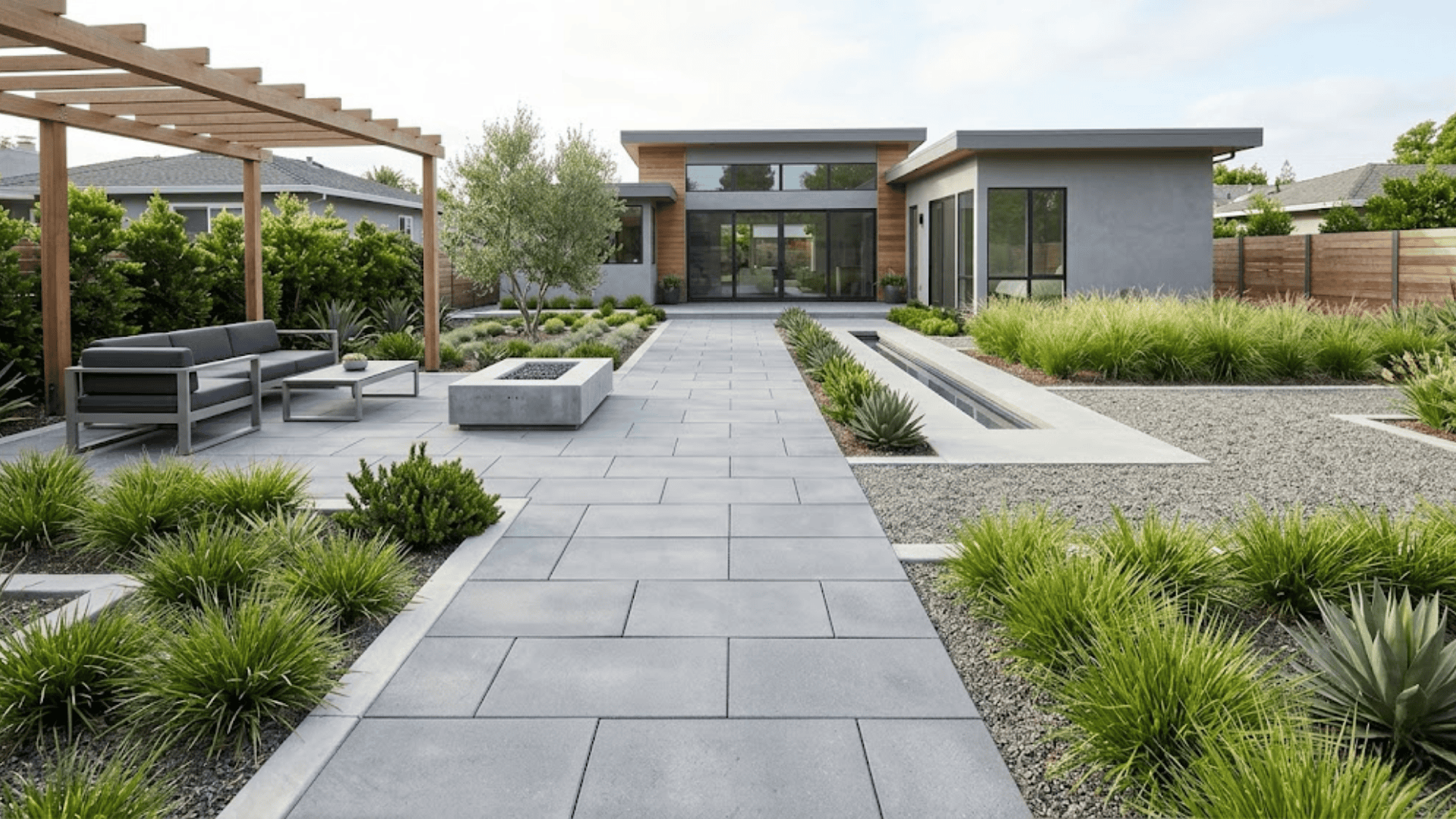
Structured patterns are becoming a defining feature in modern landscaping. Walkways, patios, and driveways now use geometric layouts to create an organized, intentional look.
My cousin used simple rectangular paving in their yard, and it made the whole space feel more put-together without adding a single extra plant. Geometric hardscaping defines areas within the yard while keeping the overall design balanced.
4. Outdoor Living Spaces
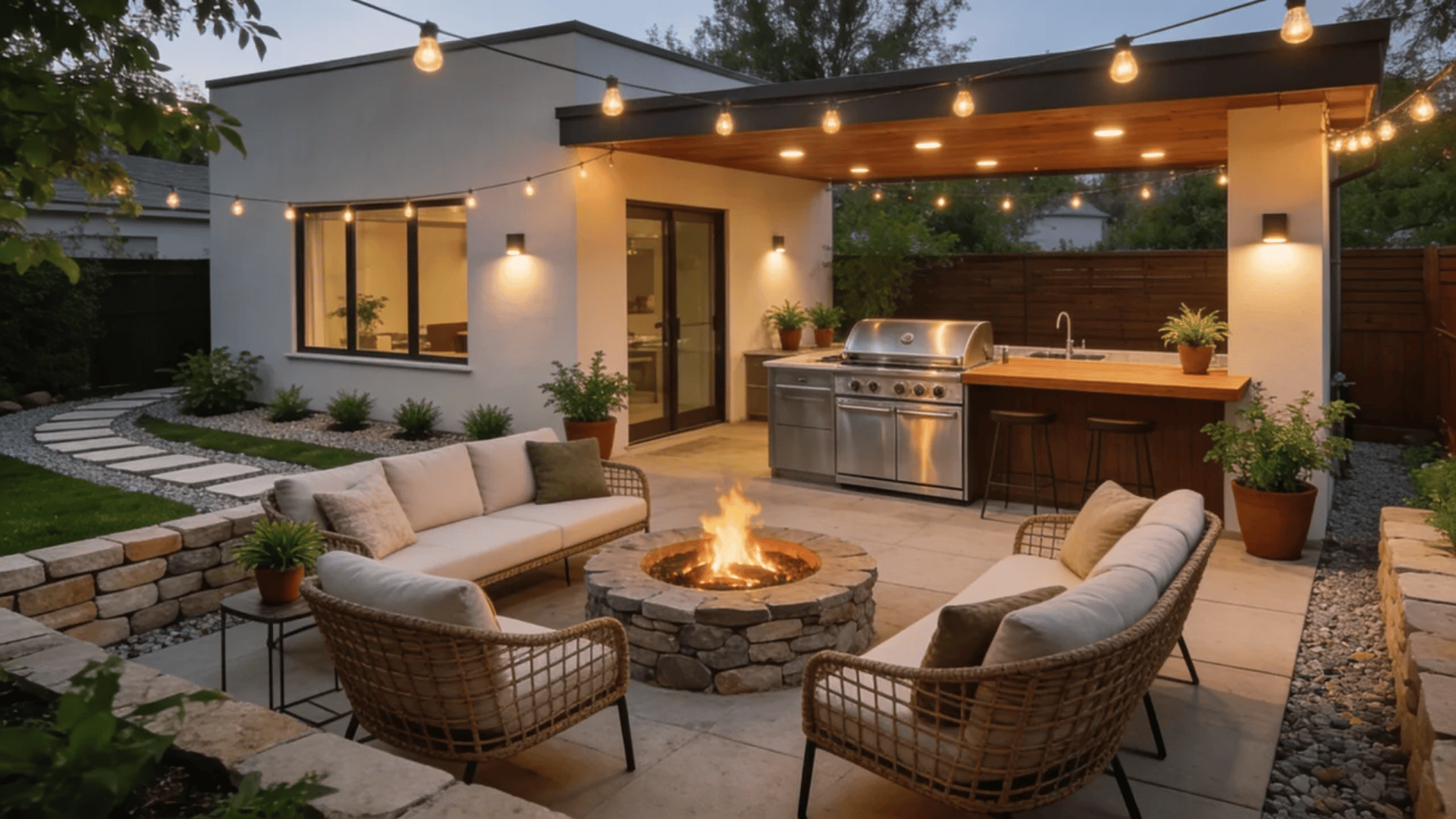
Backyards are no longer just for plants. Homeowners are designing them as full outdoor living spaces — with kitchens, fire pits, and seating areas built to last.
These spaces are planned to feel like a natural extension of the home. The result is a yard that actually gets used instead of just looked at.
5. Seasonal Color Planning
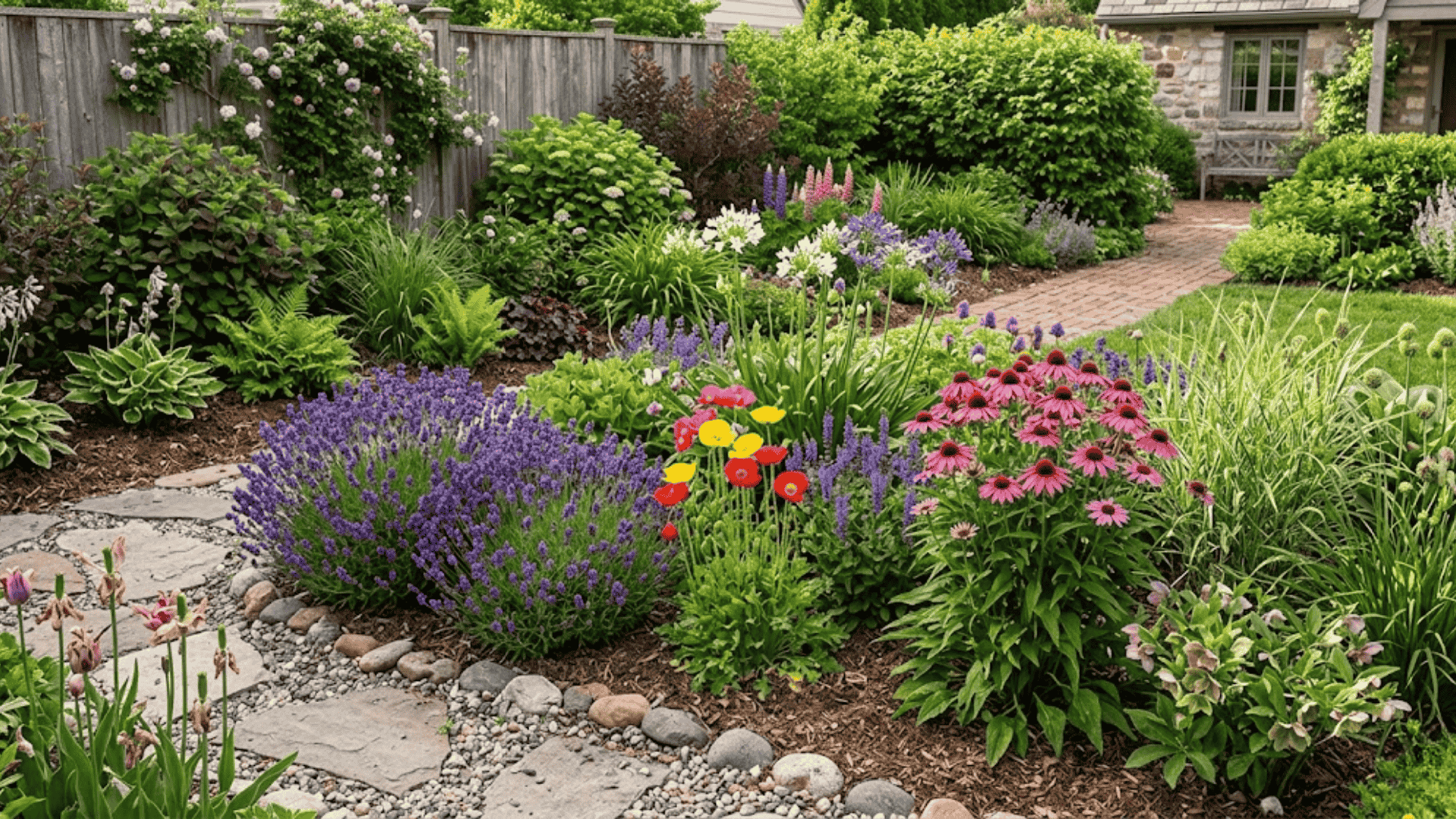
Instead of random planting, homeowners are planning gardens around seasonal color changes. Different plants bloom at different times, so the garden looks fresh all year without major replanting.
I noticed this at a neighbor’s home; their garden looked different every few months, but it always felt deliberate rather than accidental. That consistency comes from planning up front, not constant upkeep.
Pro tip: Mix early, mid, and late-season bloomers to keep color consistent year-round.
6. Wellness & Sensory Gardens
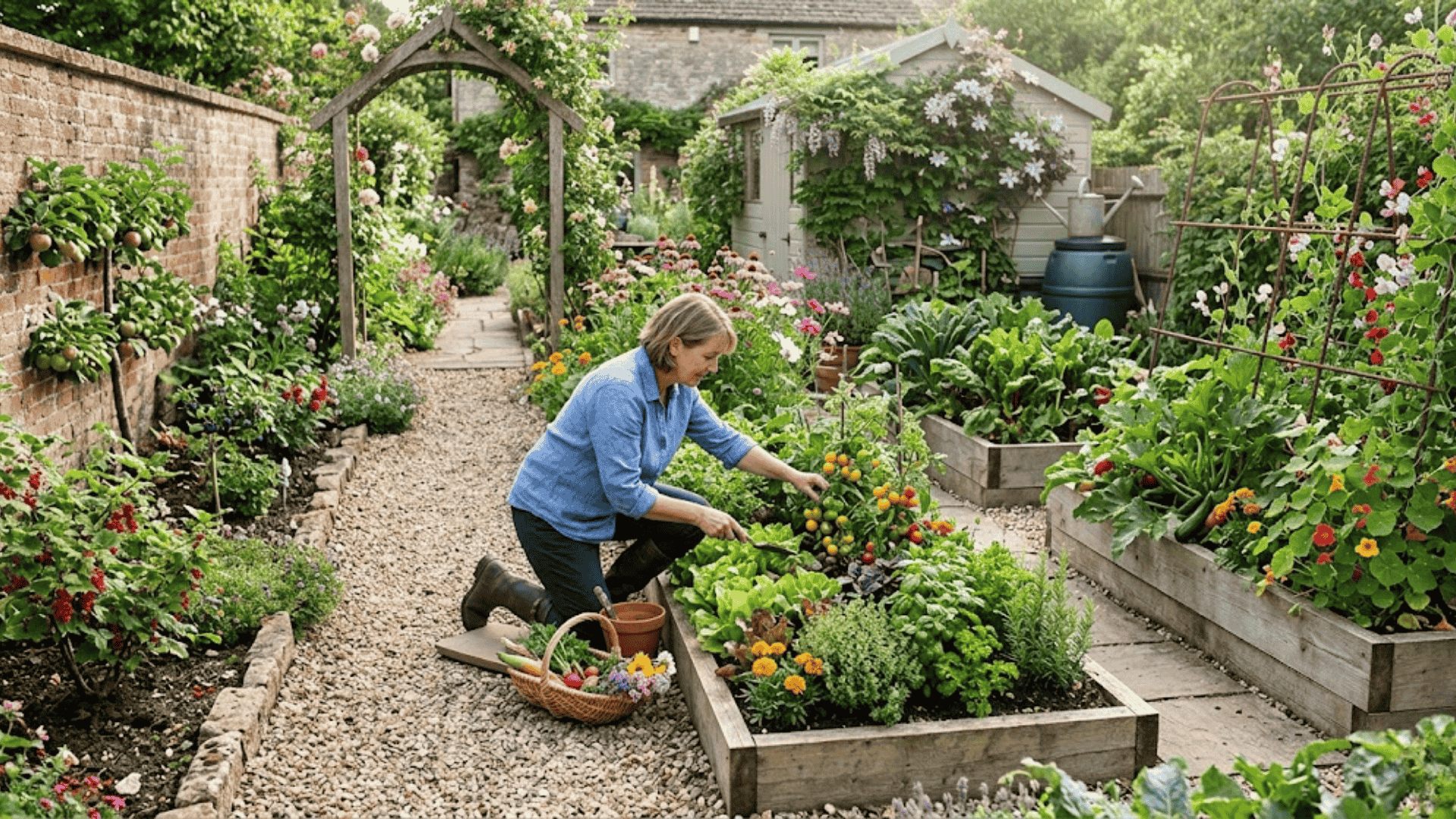
Wellness-focused landscaping is one of the fastest-growing trends. Homeowners are designing spaces specifically to support mental calm; adding shade structures, quiet seating areas, and small reflection ponds for more ambitious projects.
The idea is simple: your yard should feel like a break, not another thing to manage. Soft textures, gentle sounds, and shaded spots work together to create that effect without a complex layout.
7. Edible Landscaping (Foodscaping)
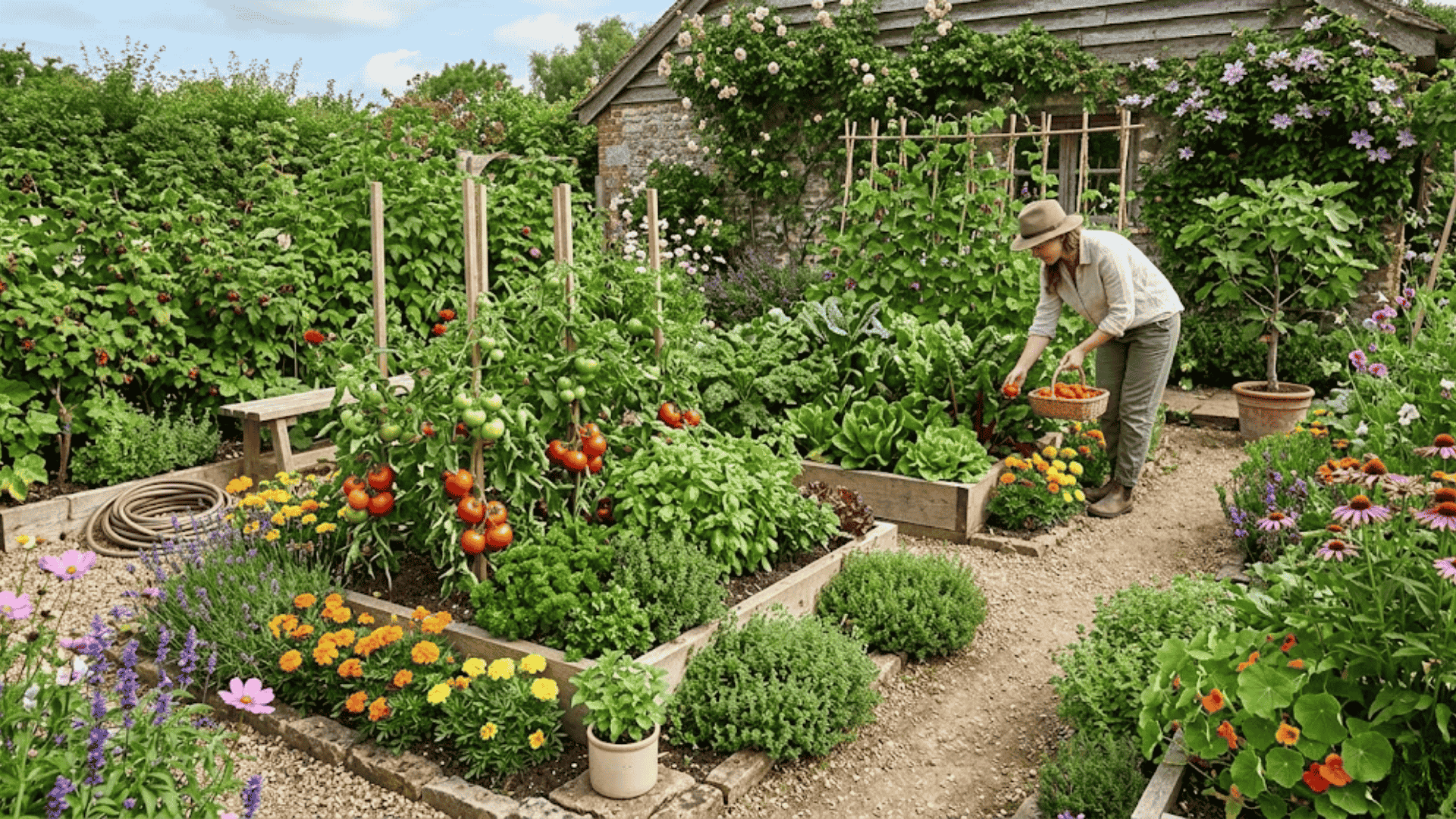
Edible landscaping blends visual appeal with everyday use, making gardens both attractive and productive. Homeowners are growing herbs, fruits, and vegetables alongside decorative plants instead of keeping them separate.
It can also reduce grocery expenses over time. The garden earns its space rather than just filling it.
Pro tip: Start with herbs — they’re easy to grow, look good in any layout, and useful every day.
8. Minimalist & Structured Designs
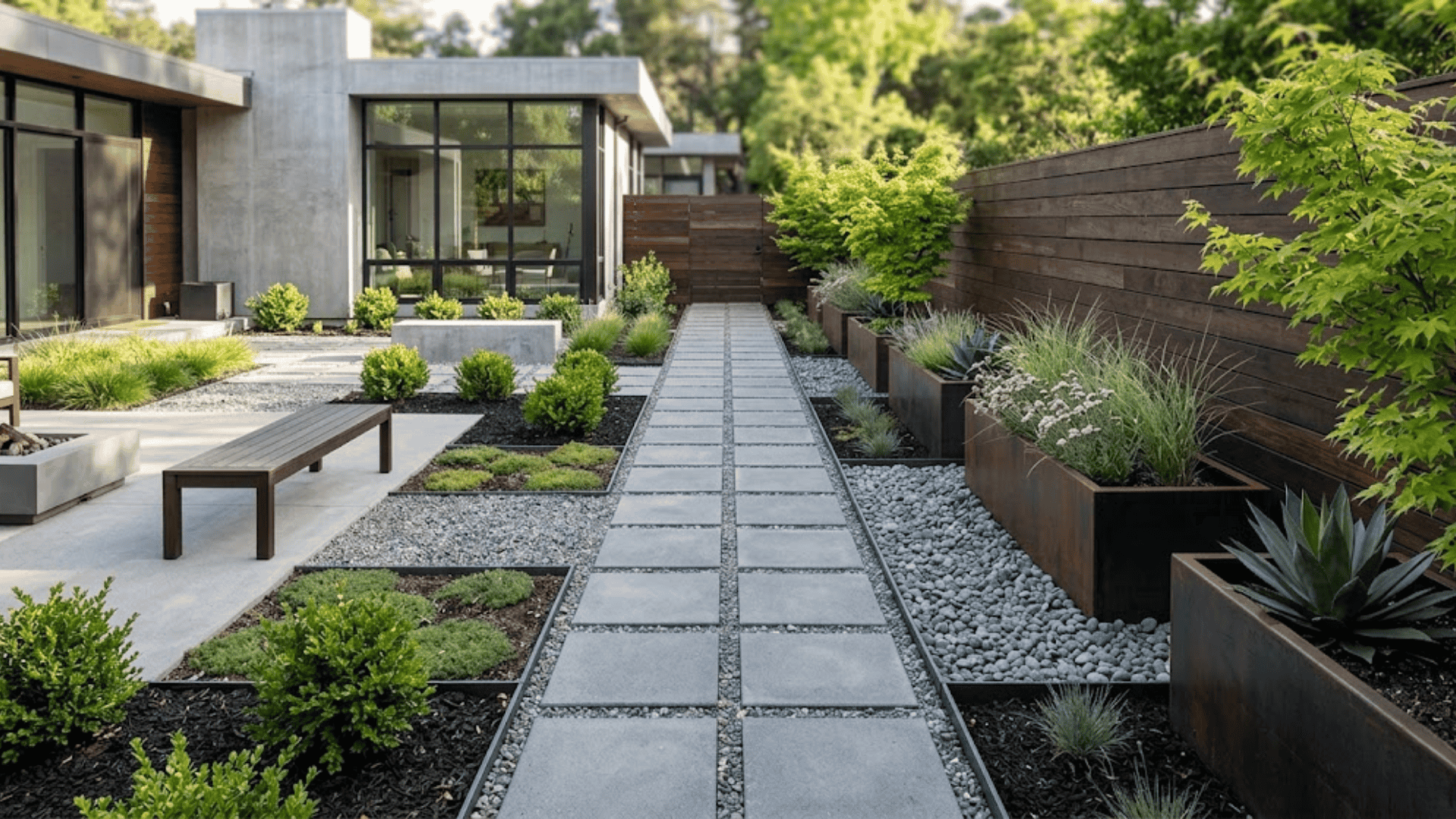
If there’s one idea running through every trend on this list, it’s this one. Straight lines, geometric shapes, and open space — a few carefully placed elements doing more than a crowded yard ever could.
This approach reduces maintenance while keeping the space looking neat all year. It works especially well with modern homes and suits anyone who wants a yard that stays manageable.
Pro tip: Leave some empty space — it helps the design feel clean and balanced, not bare.
9. Pet-Friendly Landscaping
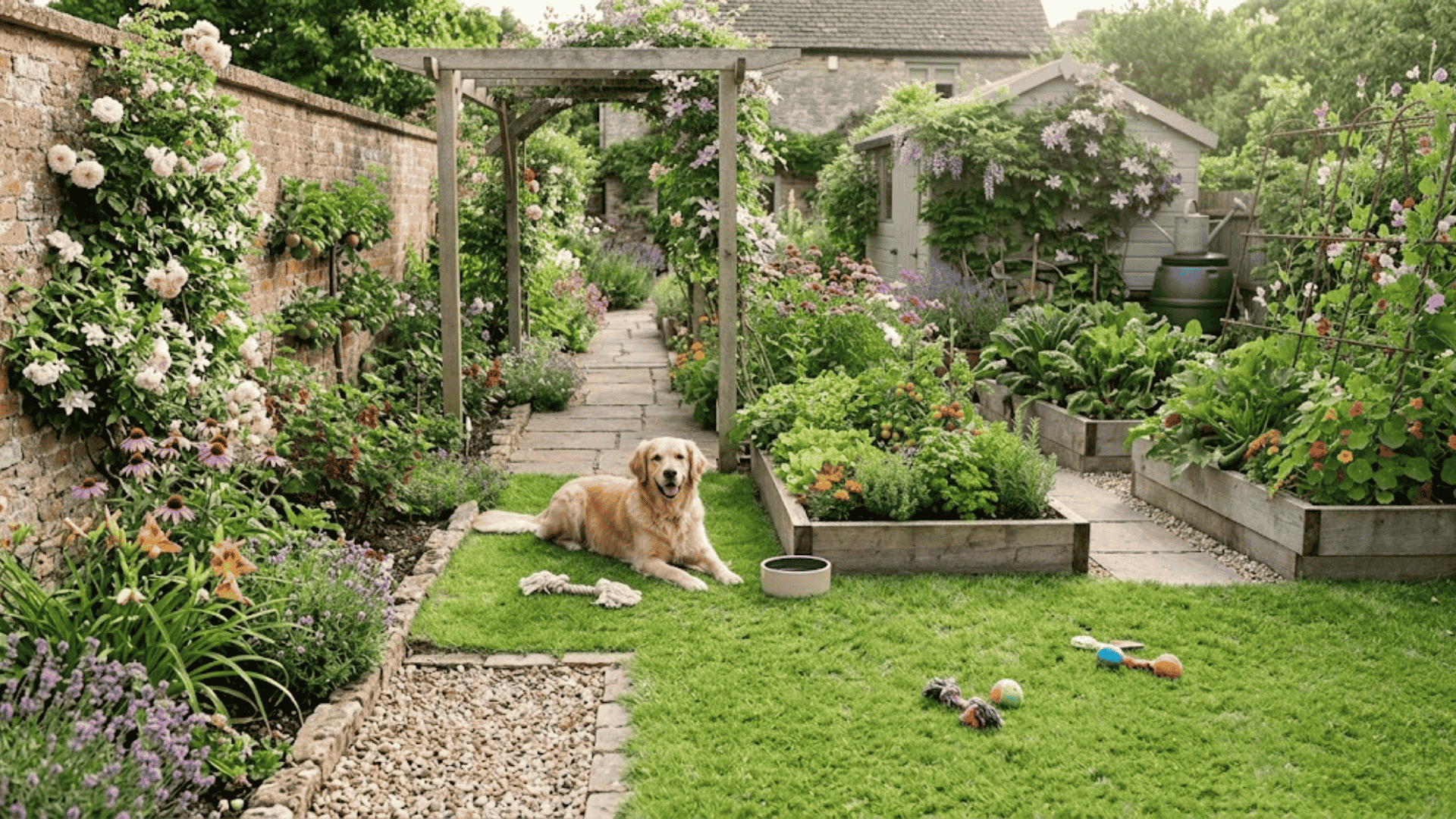
More people are designing gardens with pets in mind — using non-toxic plants, durable grass, and safe pathways that hold up to daily use.
I’ve seen that without a dedicated pet area, lawns wear out fast. Planning one section for your pet keeps the rest of the yard in much better shape. The design still looks good — it just accounts for real life.
Pro tip: Choose durable ground cover that can handle frequent movement without turning to mud.
10. Rewilding & Mini-Meadows
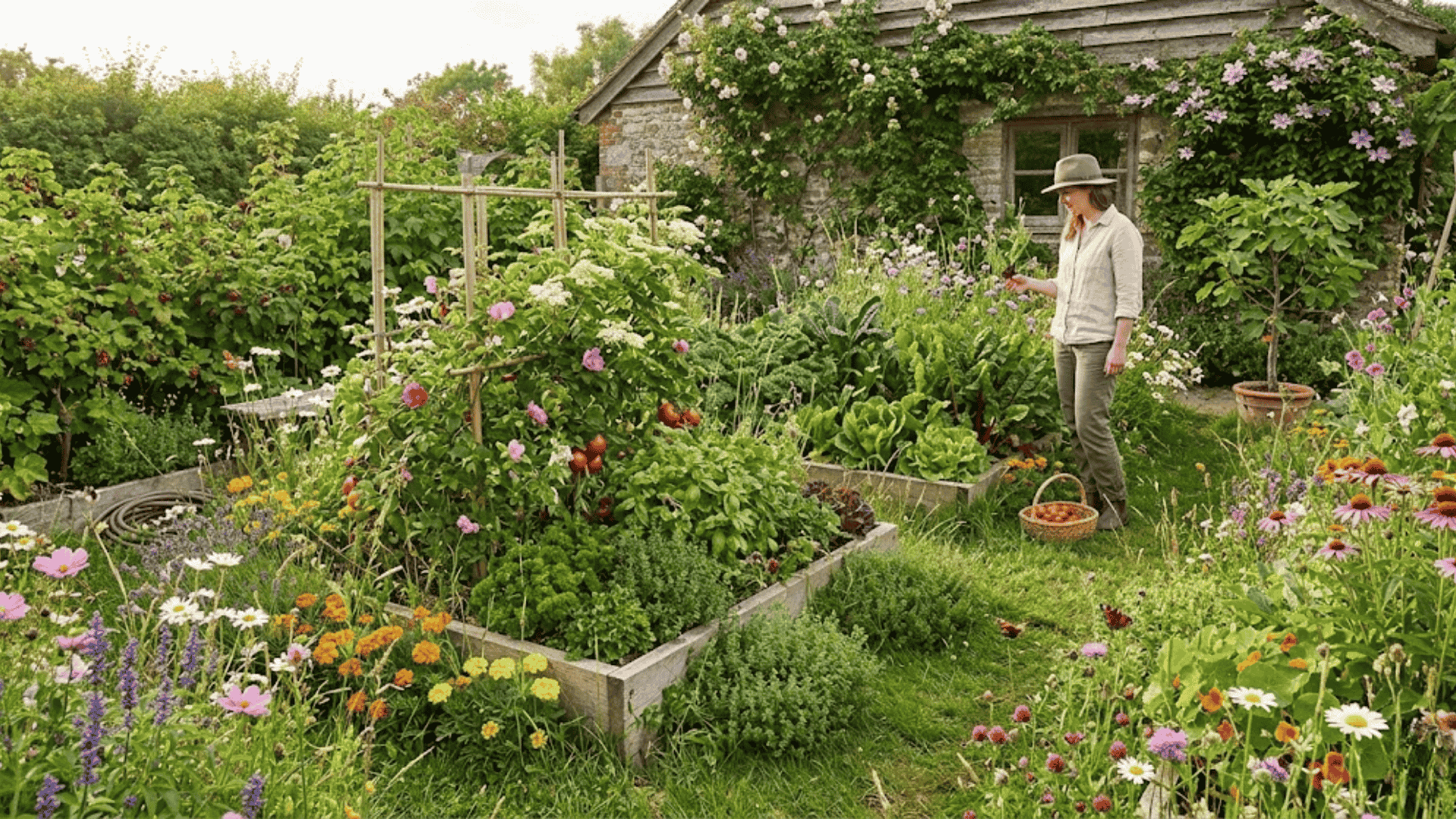
Instead of perfectly trimmed lawns, many homeowners are choosing a more natural garden style. Wildflower areas and mini-meadows are gaining popularity for their relaxed, organic look.
Pollinators like bees and butterflies move in quickly — which means less mowing doesn’t come at the cost of a bare or lifeless yard. The seasonal color that follows is a side effect, not something you have to plan for. Working with the natural growth pattern of your region is the whole idea.
Pro tip: Let one small section grow naturally before converting your entire yard.
11. Intentional Lighting Design
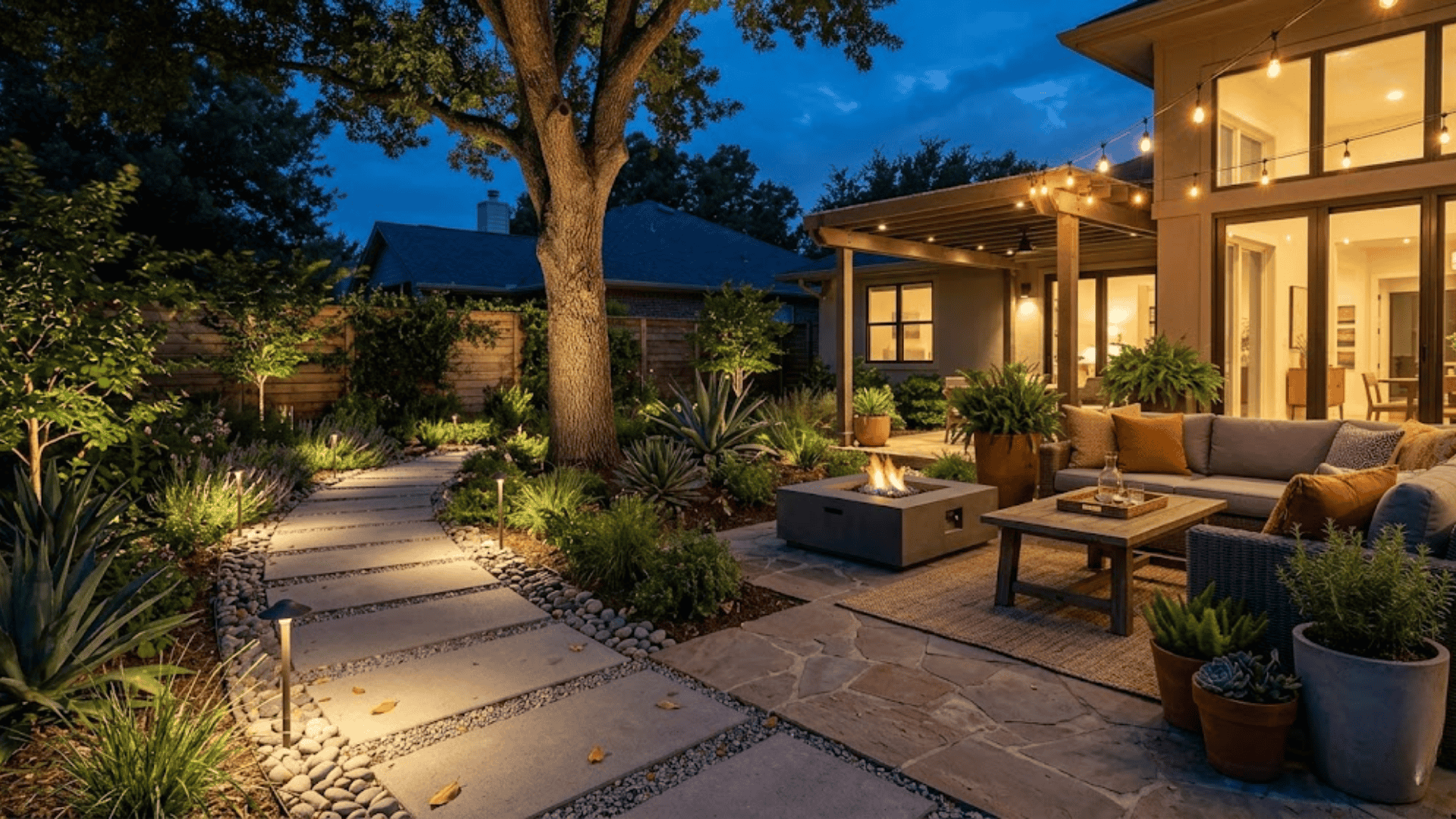
Outdoor lighting is now designed to be subtle and intentional. Instead of harsh brightness, homeowners use soft path lights, uplighting, and gentle ambient lighting to highlight key areas.
This improves safety while creating a calm, welcoming atmosphere at night. It also extends how long the space can actually be used — warm light after sunset turns a yard into somewhere you want to be.
Pro tip: Use warm-toned bulbs instead of bright white — the difference in feel is immediate.
12. Vertical Gardens & Green Walls
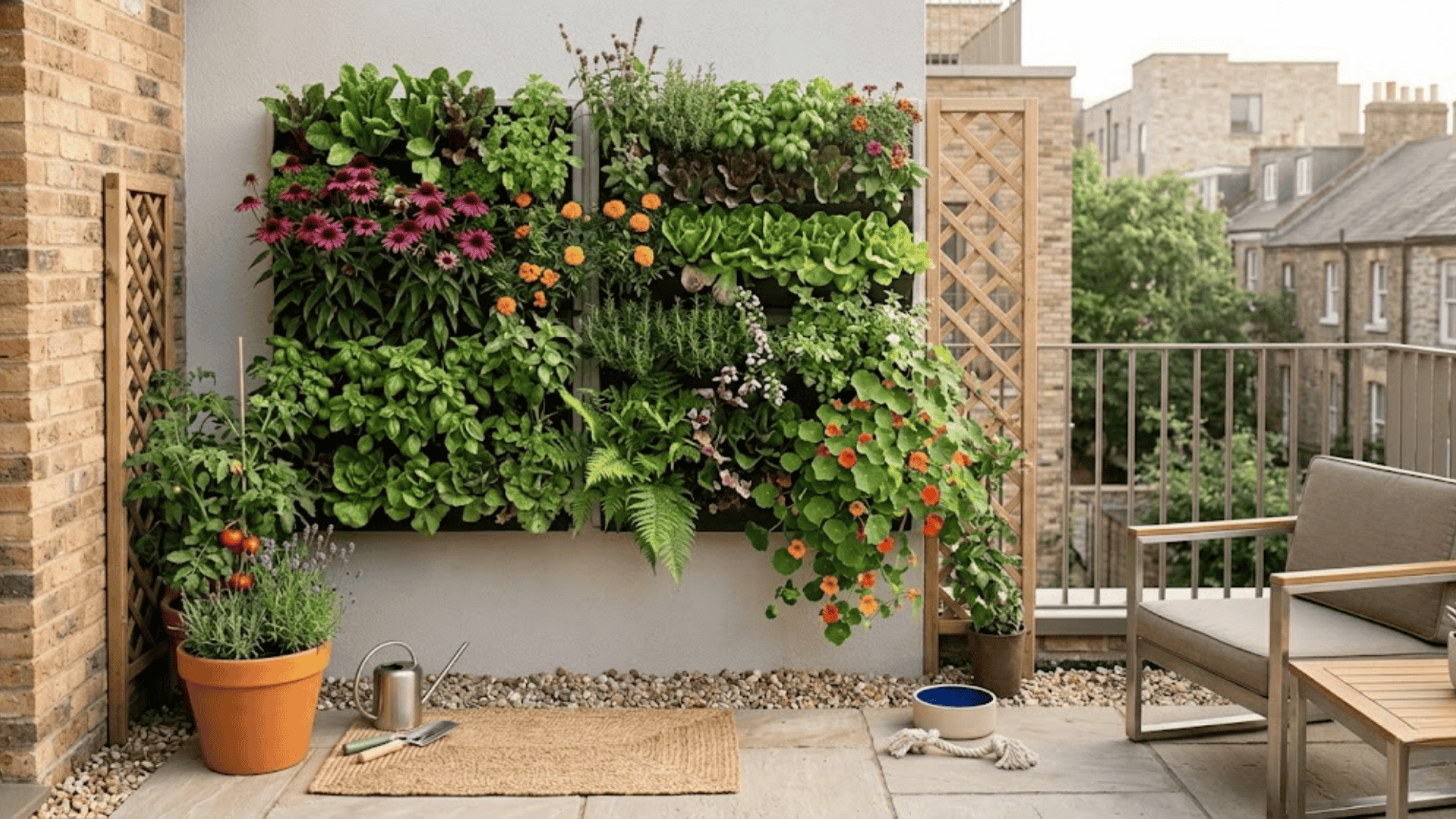
Vertical gardens are a practical solution for homes with limited space. Plants grow on walls, fences, or vertical structures — adding greenery without using any floor area.
This works especially well in urban settings where yard space is tight. Beyond the look, vertical gardens improve air quality and bring life to plain exterior walls.
Pro tip: Install proper drainage behind the structure — water damage to walls is the most common issue.
13. Multi-Functional Outdoor Zones
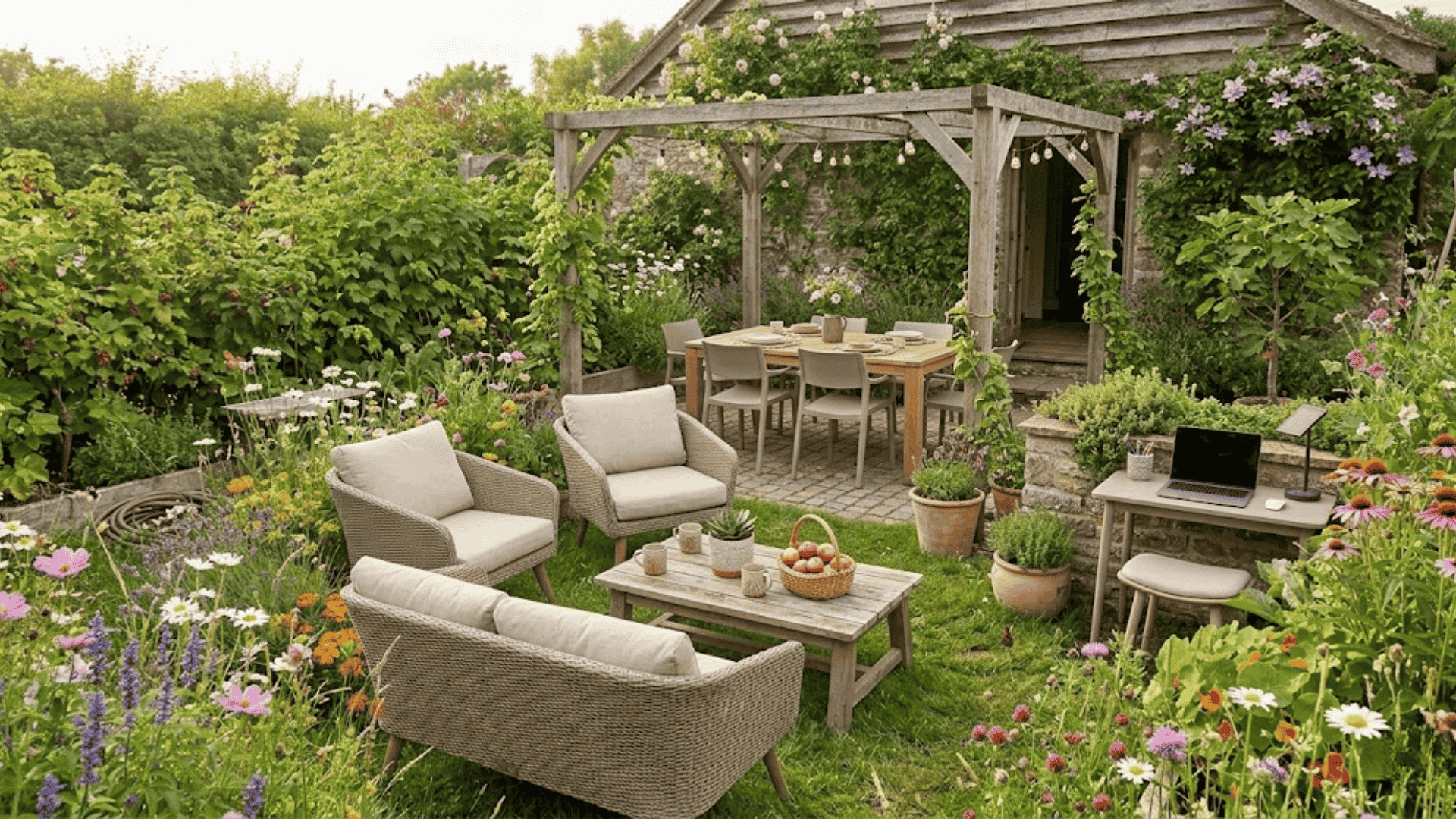
Modern landscapes are designed to serve more than one purpose. A single outdoor space can handle dining, relaxing, and even working from home — without feeling cramped or confused.
Flexible furniture and smart layouts make it easy to shift between uses. Clear zones within one area give the space structure without requiring separate builds for each function.
Pro tip: Use rugs or planters to visually separate zones — it works better than you’d expect.
14. Natural Water Features
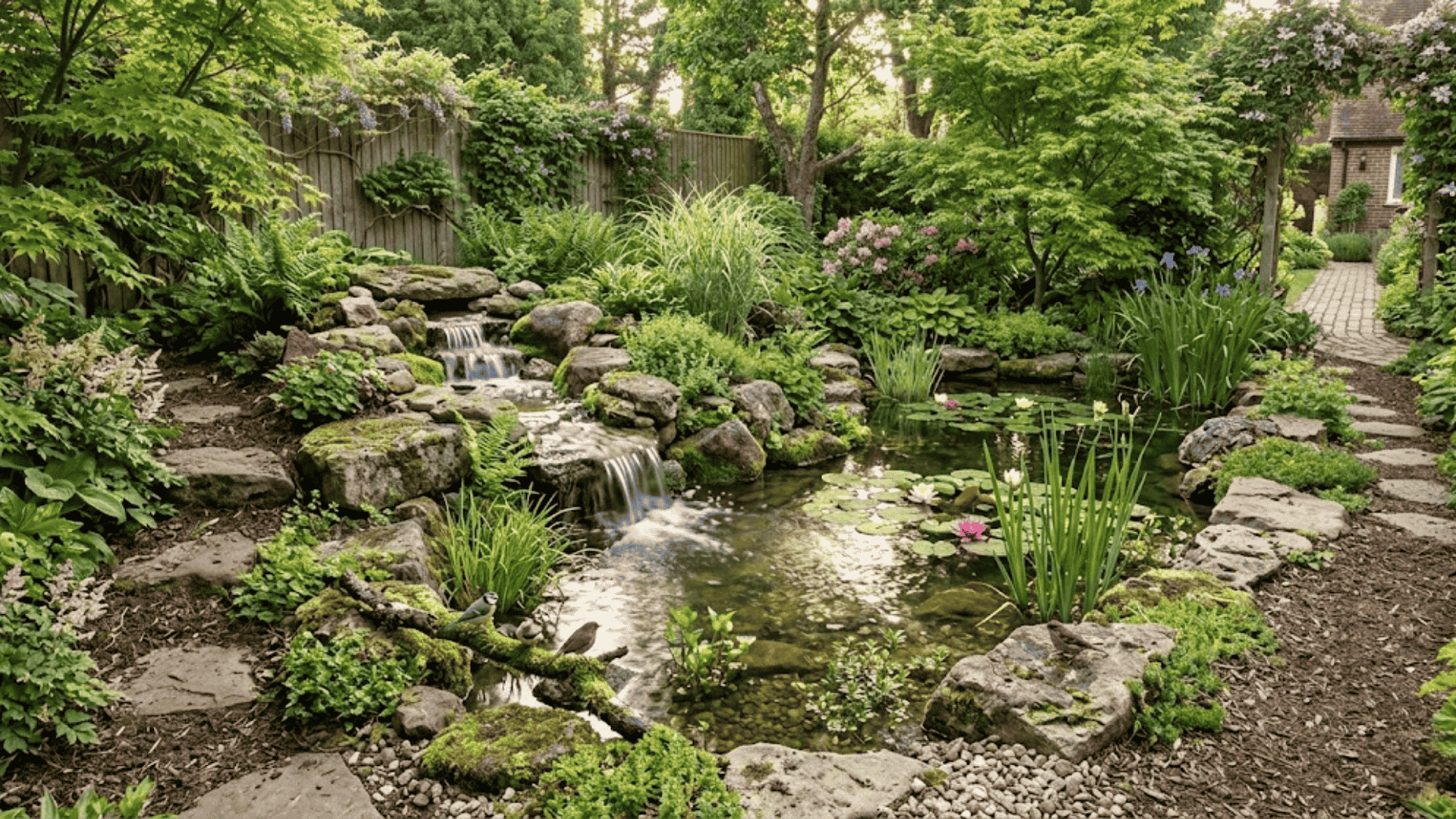
Water features are now designed to look natural rather than formal. Instead of traditional fountains, homeowners prefer ponds, small streams, or gentle waterfalls that blend into the landscape.
These features attract birds and beneficial wildlife, and add sound and movement that no plant or hardscape element can match. A well-placed water feature changes the atmosphere of the whole yard.
Pro tip: Keep water moving, still water attracts mosquitoes, moving water stays clean.
15. Ornamental Grasses & Soft Landscaping
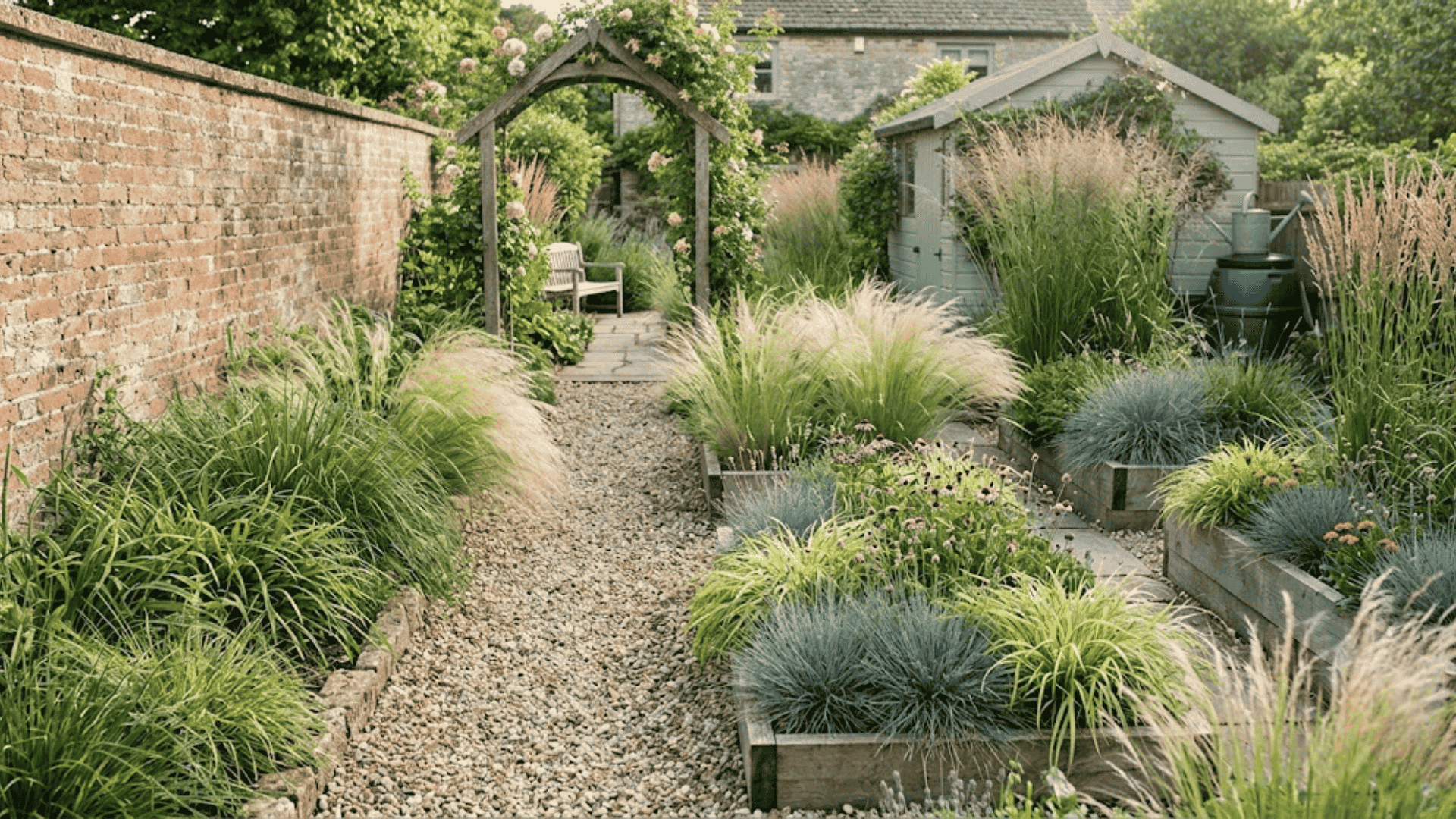
Ornamental grasses are becoming a popular alternative to traditional flower beds. They bring natural movement, soft texture, and a relaxed feel without demanding much attention.
These plants adapt well to different climates and stay attractive even when nothing is in bloom. They’re one of the easiest ways to add year-round interest to a modern layout.
Pro tip: Choose grasses suited to your local climate; the wrong variety means more work, not less.
16. Mixed Textures & Layered Materials
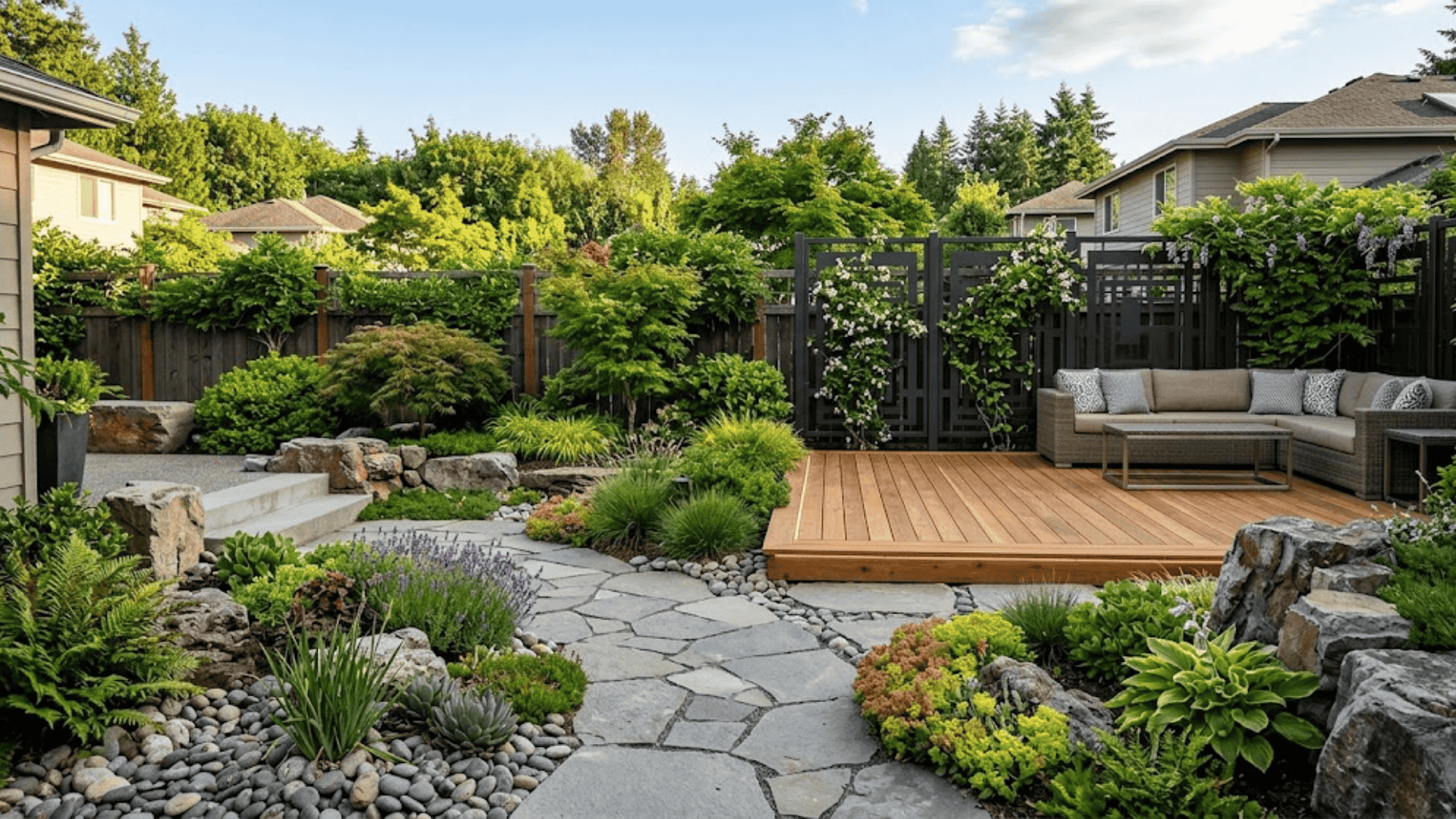
Combining different materials is a defining feature of modern landscaping. Stone, wood, metal, and greenery layered together create depth and visual interest that a single material never achieves on its own.
The key is restraint, blending two or three materials thoughtfully produces a space that feels considered rather than busy.
Pro tip: Limit yourself to 2–3 material types to keep the design cohesive.
17. Shade-Focused Landscaping
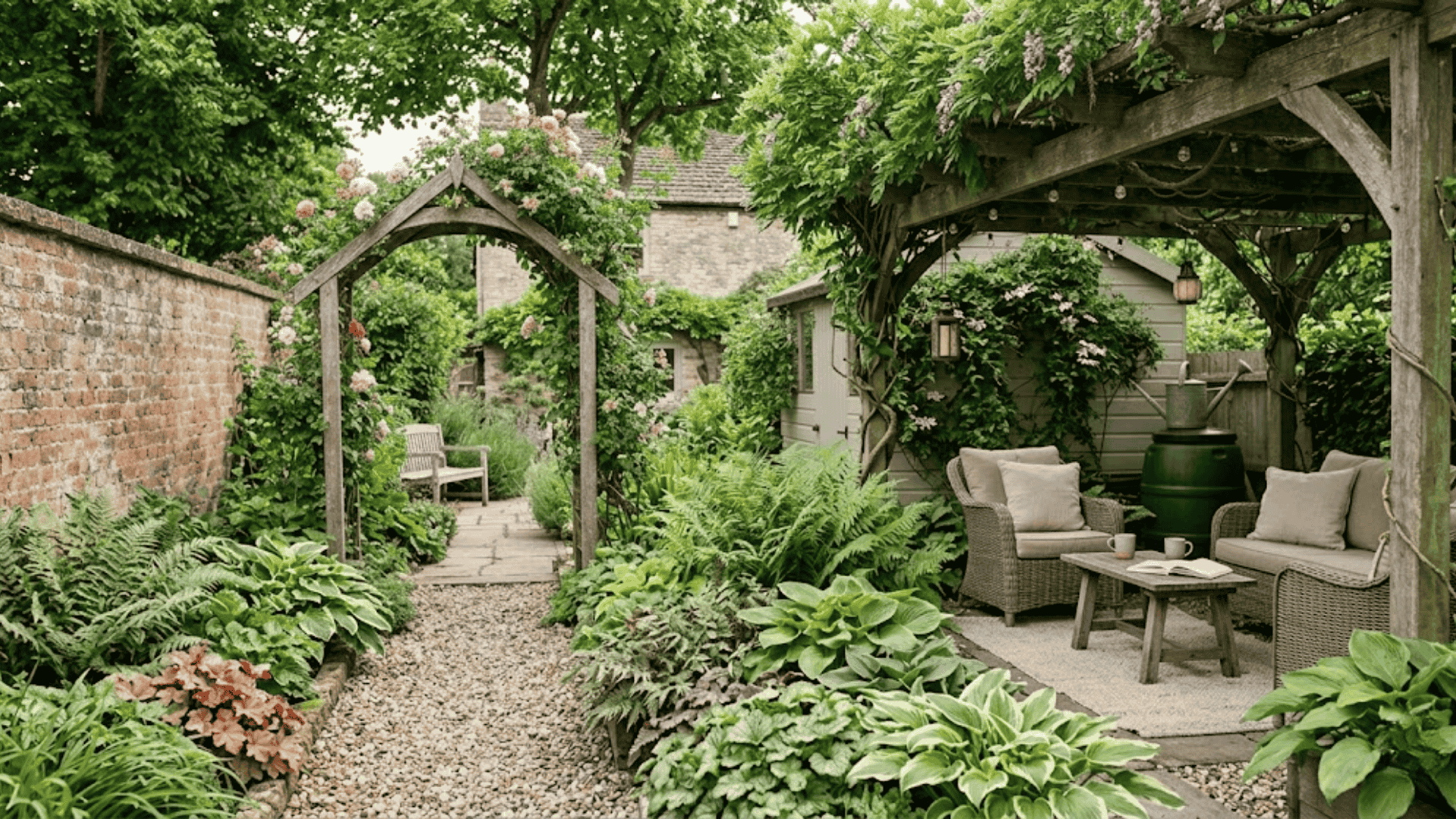
Homeowners are using trees, pergolas, and shade sails to create cooler zones that extend how long outdoor spaces can actually be used.
Deciduous trees work especially well; they block summer sun and let light through in winter. Positioning shade over seating areas or patios makes the biggest practical difference and ties comfort directly into the layout.
Pro tip: Use trees or pergolas instead of temporary shade structures, they add long-term value and outlast seasonal alternatives.
18. Modular & Flexible Design
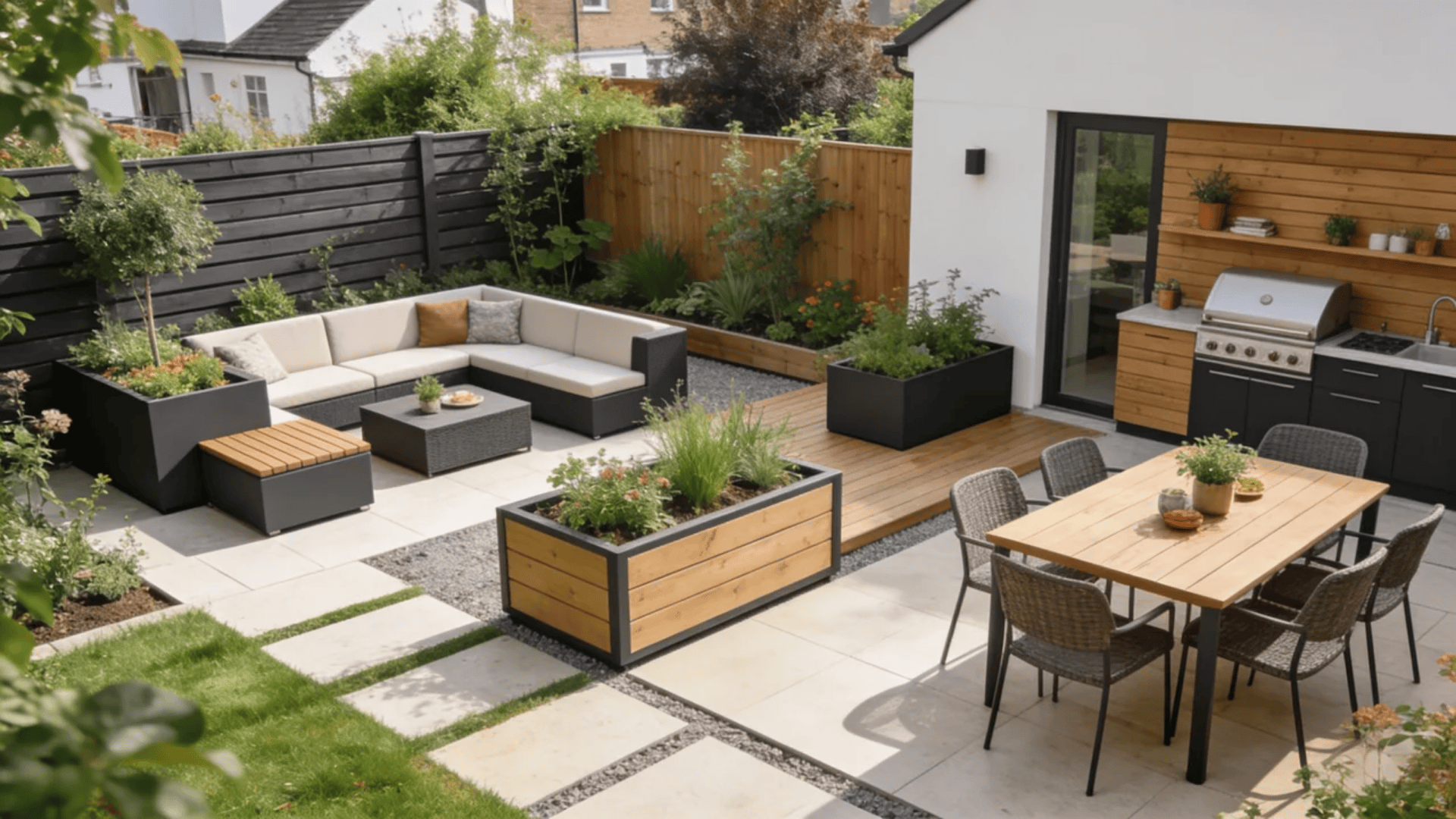
Flexible landscaping makes it easy to update your outdoor space as your needs change. Movable planters, modular seating, and adjustable layouts let you rearrange without much effort or cost.
This is especially useful for small yards where every area needs to work hard. You can shift from a relaxed seating setup to a dining arrangement in minutes — no tools, no rebuilding.
Pro tip: Invest in lightweight furniture so rearranging is actually something you’ll do.
19. Monochrome Plant Palettes
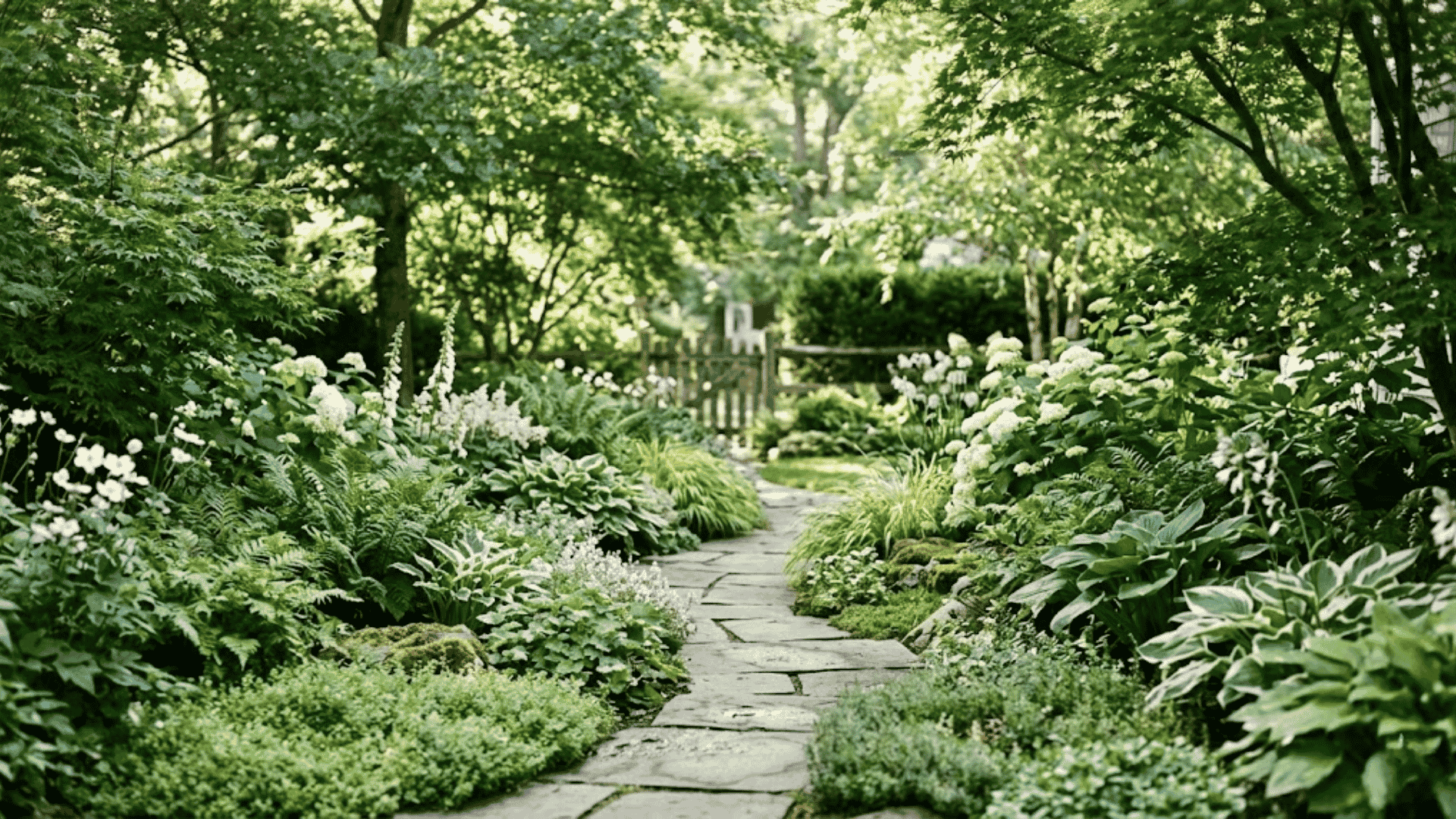
Using a single color theme is becoming a popular choice in modern landscaping. Many gardens now focus on shades of green, white, or soft neutral tones to create a calm, organized look.
This approach reduces visual clutter and shifts attention to texture and shape rather than color. A monochrome palette feels timeless and is genuinely easier to maintain than a mixed-color garden.
Pro tip: Mix textures within the same palette; it keeps the space from reading as flat or unfinished.
20. Container Gardening
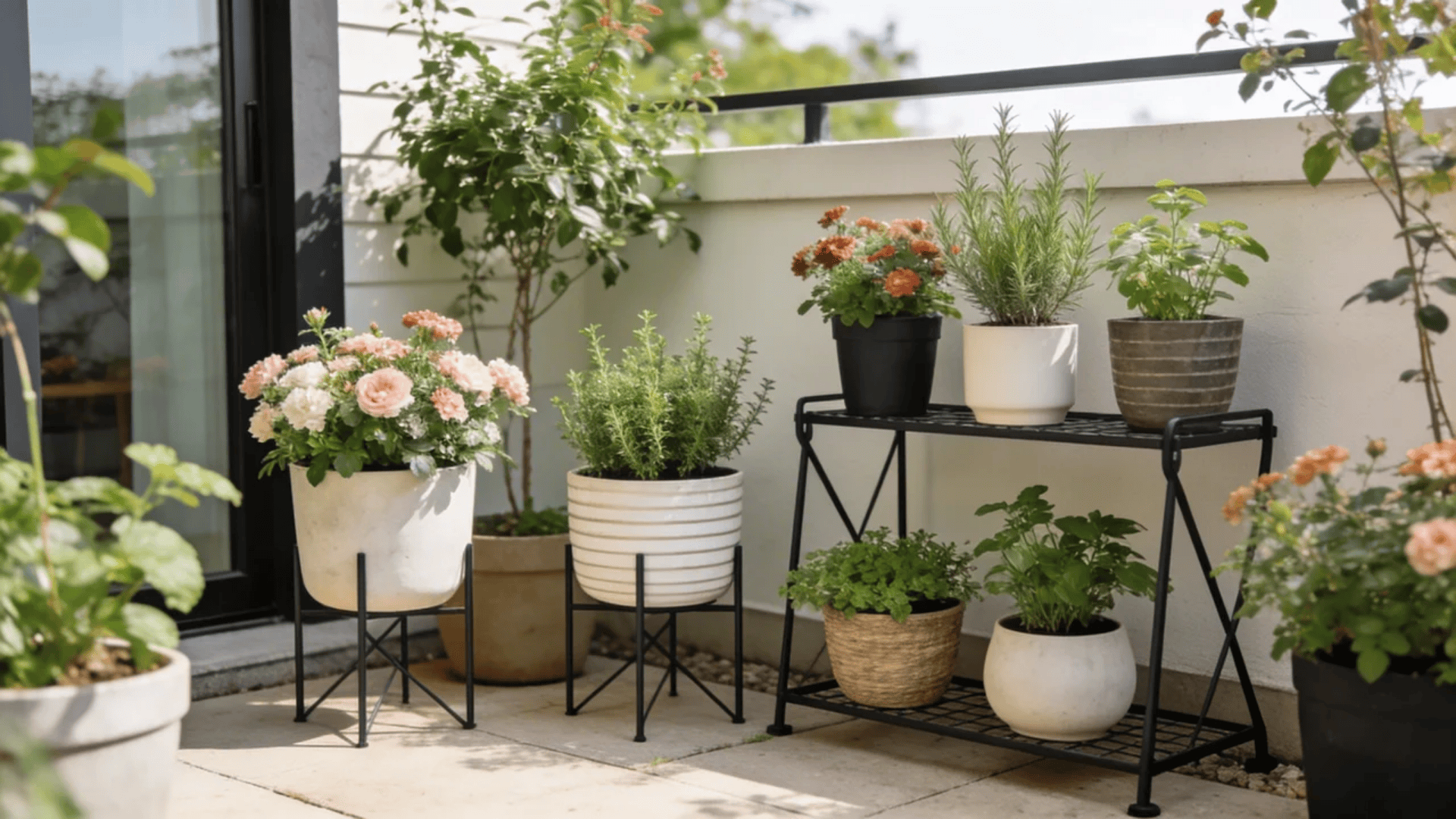
Container gardening is a practical choice for small or flexible outdoor spaces. Plants in movable pots let you adjust for sunlight, weather, or a simple design refresh without replanting from scratch.
It works well on patios, balconies, and compact yards. With the right containers, the pots themselves become part of the design, not just holders for plants.
Pro tip: Use pots with drainage holes, without them, root rot is a matter of when, not if.
21. Carbon-Conscious Landscaping
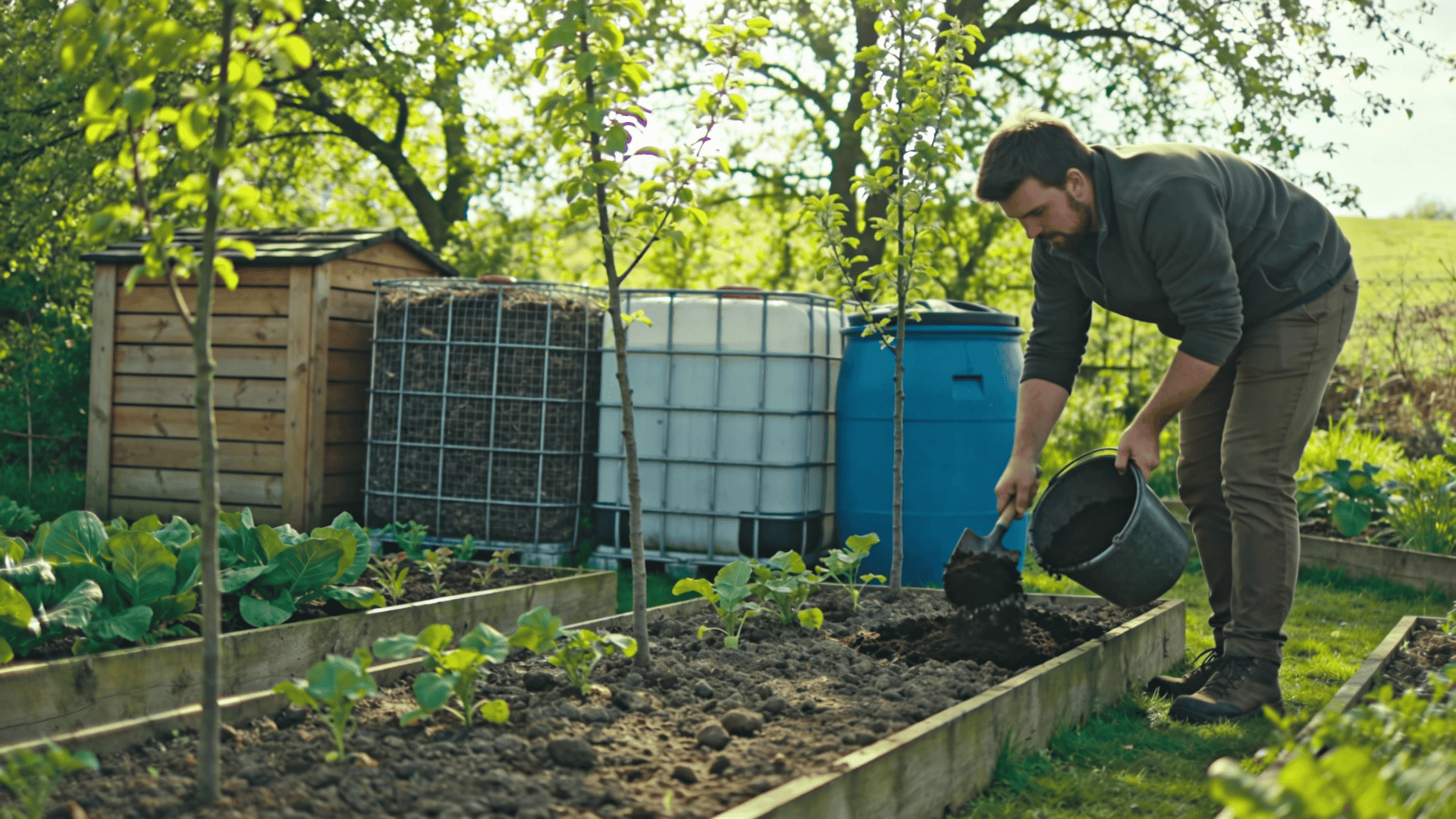
More people are paying attention to how their gardens affect the environment. Carbon-conscious landscaping focuses on planting more trees, reducing large lawns, and managing the yard without harsh chemicals.
Composting kitchen waste improves soil quality and cuts down on what you send to landfill. Small shifts in how you manage the yard add up over a season.
How to Choose the Right Plants for Modern Landscaping?
Choosing the right plants is one of the most important decisions in a modern layout. The best choices for this style are often called architectural plants; varieties selected for their strong, defined shape rather than their flowers.
Think upright ornamental grasses, clipped boxwood, columnar evergreens, or agave. These plants hold their form all year, which keeps the design looking structured between seasons.
| Factor | What To Choose | Why It Works |
|---|---|---|
| Plant Type | Ornamental grasses, shrubs, and small trees | Adds structure and keeps the design clean |
| Color Choice | Simple greens and neutral tones | Creates a calm and modern look |
| Texture Mix | Soft grasses with firm shrubs | Adds visual interest without clutter |
| Plant Quantity | Fewer plant varieties | Keeps the space minimal and organized |
| Maintenance Level | Low-maintenance plants | Saves time and keeps the yard looking fresh |
| Overall Design | Balanced and simple layout | Helps achieve a modern landscaping style |
When in doubt, choose fewer varieties and let the hardscaping carry the structure. Plants should support the layout, not compete with it.
Final Thoughts
Modern landscaping doesn’t have to be difficult or expensive. Even small changes can make a big difference in how a space looks and feels.
I saw this firsthand when a friend updated just a small corner of their yard with simple plants and clean edging. It instantly made the whole space feel more put-together.
Start with one area, keep the layout simple, and add elements gradually. You don’t need to redo your entire yard at once.
Frequently Asked Questions
How to Make Your Front Yard Look Expensive?
Use clean landscaping, symmetry, trimmed plants, good lighting, and simple materials like stone or gravel to give a high-end look.
What are the Top Modern Landscaping Trends?
Popular trends include low-water gardens, smart tech, outdoor living areas, wellness corners, and natural materials like stone and reclaimed wood.