

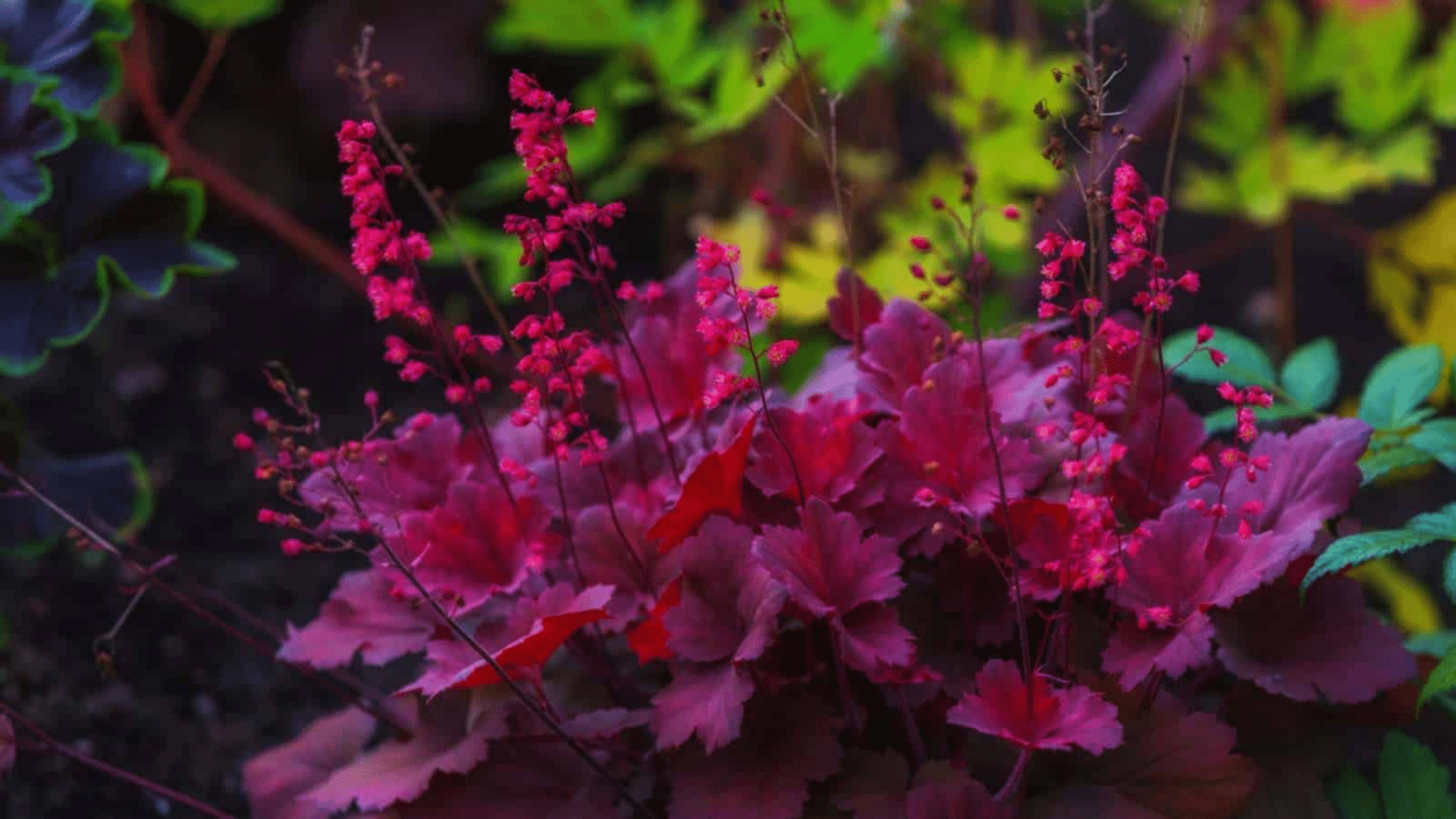
Many gardens need a plant that adds color without demanding constant attention. Coral bells are a great choice because their leaves stay colorful for much of the year, and the flowers attract pollinators during the growing season.
Coral bells care is fairly simple once you know the basics.
Give them well-draining soil, the right amount of sunlight, regular watering, and seasonal maintenance to keep them healthy.
In this care plan, I’ll share how to grow and care for a heuchera plant, where to plant it, and simple winter care so you can enjoy healthy plants year after year.
Coral Bells Plant Overview
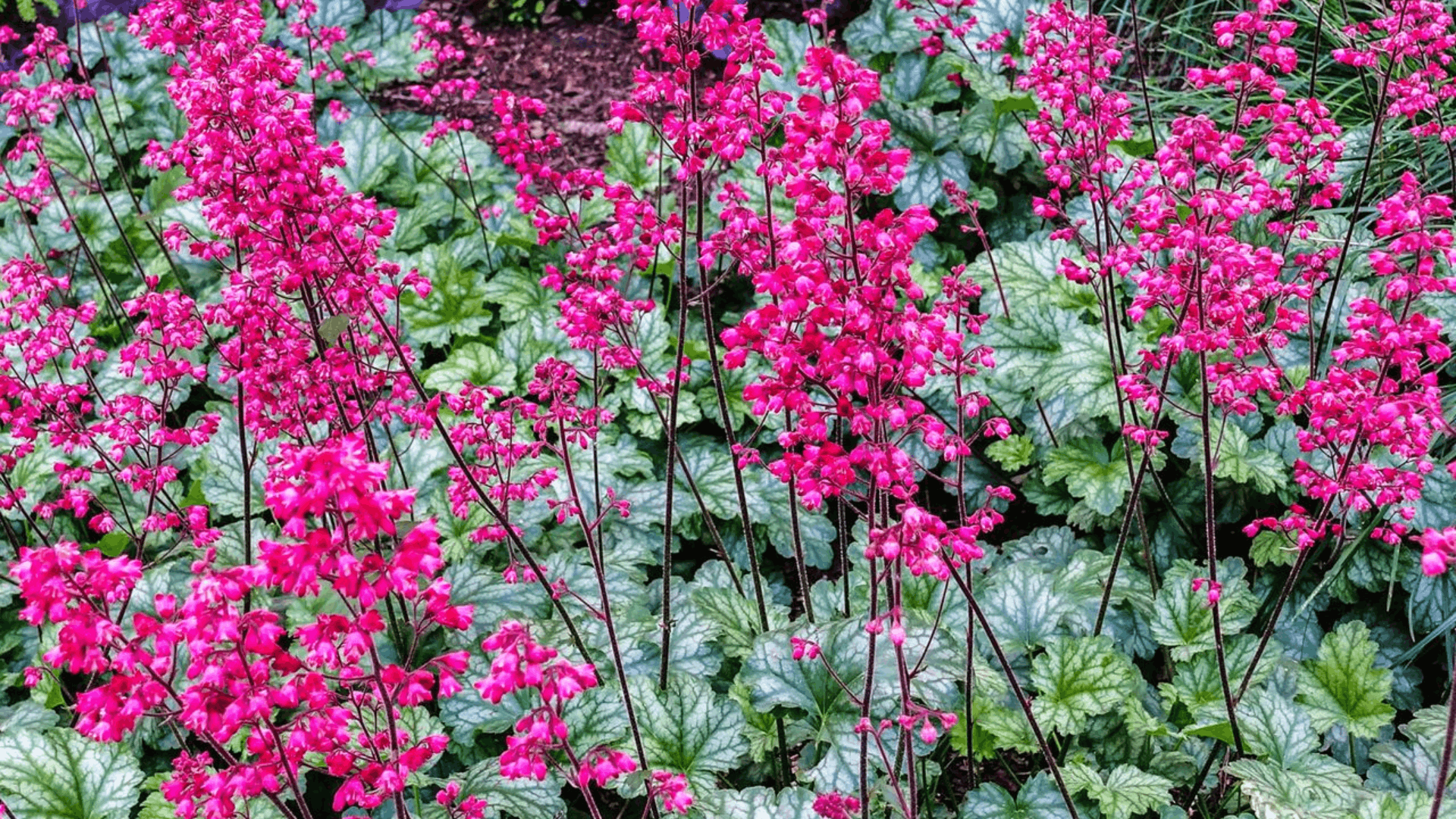
Coral bells (Heuchera) are hardy North American perennials grown mainly for their colorful foliage rather than their small, bell-shaped flowers.
Their rounded leaves come in shades of lime green, silver, bronze, deep purple, and nearly black, adding long-lasting color from spring through fall, with wide varieties remaining attractive through winter.
In late spring or summer, slender flower stalks rise above the foliage, producing clusters of white, pink, or red blooms that attract hummingbirds and other pollinators.
Coral bells grow 8 to 18 inches tall and suit borders, containers, woodland gardens, and shaded areas.
Their compact growth makes them easy to combine with other perennials without crowding nearby plants. They thrive in USDA Hardiness Zones 4 through 9.
How to Plant Coral Bells?
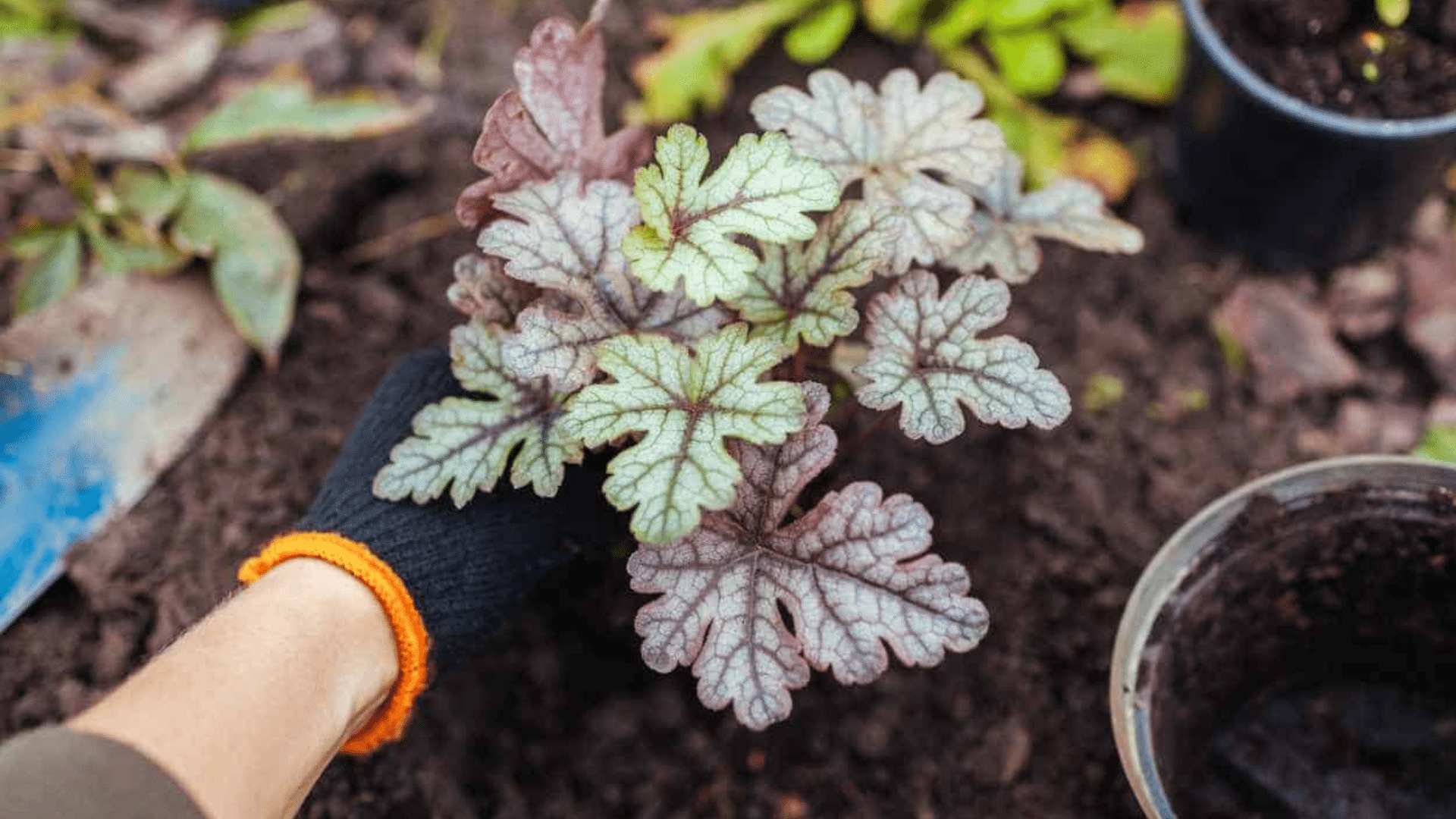
Planting coral bells correctly gives them the best chance to grow into healthy, colorful plants. Following these simple steps helps the roots establish quickly and supports steady growth throughout the year.
1. Pick the Right Time to Plant
Plant coral bells in spring or early fall when temperatures are mild and the soil is easy to work.
These seasons give the roots enough time to establish before summer heat or winter freezes arrive.
Avoid planting during periods of extreme heat because young plants lose moisture more quickly and may struggle at the roots.
Starting at the right time reduces transplant stress, encourages faster root development, and helps the plant produce healthy new foliage.
2. Choose the Best Location
Select a planting site that receives morning sun and afternoon shade if you live in a warmer climate. In cooler regions, coral bells can usually tolerate more direct sunlight throughout the day.
Choose a location with good air circulation so the foliage dries quickly after rain or watering.
Avoid low-lying areas where water collects because constantly wet soil increases the risk of root and crown rot.
The right location supports healthier growth and brighter foliage.
3. Prepare the Soil
Coral bells grow best in fertile, well-drained soil enriched with organic matter. Before planting, loosen the soil to improve root penetration and mix in compost to boost drainage and fertility.
If your garden has heavy clay, amend it thoroughly or plant in a raised bed to prevent excess moisture from collecting around the roots.
Well-prepared soil encourages stronger root development, improves water movement, and creates the conditions needed for healthy foliage and long-term plant performance.
4. Dig the Planting Hole
Dig a planting hole that is about twice as wide as the root ball and roughly the same depth as the nursery container.
A wider hole allows new roots to spread more easily into the surrounding soil, helping the plant establish faster. Avoid digging too deep because the crown should remain level with the soil surface after planting.
Proper hole depth improves drainage around the crown and supports steady growth during the first growing season.
5. Position the Plant Correctly
Carefully remove the coral bells from its container and gently loosen any circling or tightly packed roots before planting.
Place the plant in the hole so the crown sits level with the surrounding soil, not below it.
Planting too deeply can trap moisture around the crown, while planting too high may expose the roots to drying or winter damage.
Correct positioning encourages healthy root establishment and reduces the risk of common planting problems.
6. Space the Plants Properly
Leave about 12 to 18 inches between coral bells, depending on the mature size of the variety you are growing.
Proper spacing allows each plant to develop a full mound of colorful foliage without competing for water, nutrients, or sunlight.
It also improves air circulation, helping leaves dry more quickly after rain and reducing the chance of fungal diseases.
Adequate spacing makes watering, pruning, and seasonal maintenance much easier as the plants mature.
7. Water Thoroughly
Water deeply immediately after planting to settle the soil around the roots and eliminate trapped air pockets.
Continue watering regularly during the first few weeks as the plant establishes, keeping the soil evenly moist but never soggy.
As new growth appears, gradually reduce watering and allow the top inch of soil to dry slightly between waterings.
A consistent watering routine encourages stronger roots and helps coral bells adjust successfully to their new growing location.
8. Add Mulch Around the Base
Apply a 2 to 3-inch layer of organic mulch, such as shredded bark, pine needles, or leaf mulch, around the base of the plant after watering.
Mulch helps retain soil moisture, suppress weeds, and protect the roots from sudden temperature changes throughout the year.
Leave a small gap around the crown rather than covering it completely, as trapped moisture can lead to crown rot.
Refresh the mulch as needed to maintain its protective benefits.
What Are the Benefits of Growing Coral Bells?
Coral bells offer year-round interest with very little upkeep. Their colorful foliage, compact size, and wide range of varieties make them a favorite for many home gardens.
- Colorful foliage: Leaves come in shades of green, purple, bronze, silver, caramel, and lime, adding color long after many flowers have faded.
- Low maintenance: Once established, coral bells need only regular watering during dry periods, light pruning, and occasional dividing every few years.
- Pollinator-friendly: Their delicate flower spikes attract hummingbirds, bees, and butterflies during late spring and summer.
- Works in many spaces: Grow them in garden borders, woodland beds, containers, rock gardens, or along walkways without taking up much room.
- Long growing season: The foliage stays attractive from spring through fall, and a wide variety of plants remain colorful during mild winters.
- Easy to pair with other plants: Their different leaf colors make them an excellent companion for hostas, ferns, hydrangeas, ornamental grasses, and other shade-loving perennials.
Key Coral Bells Care Requirements
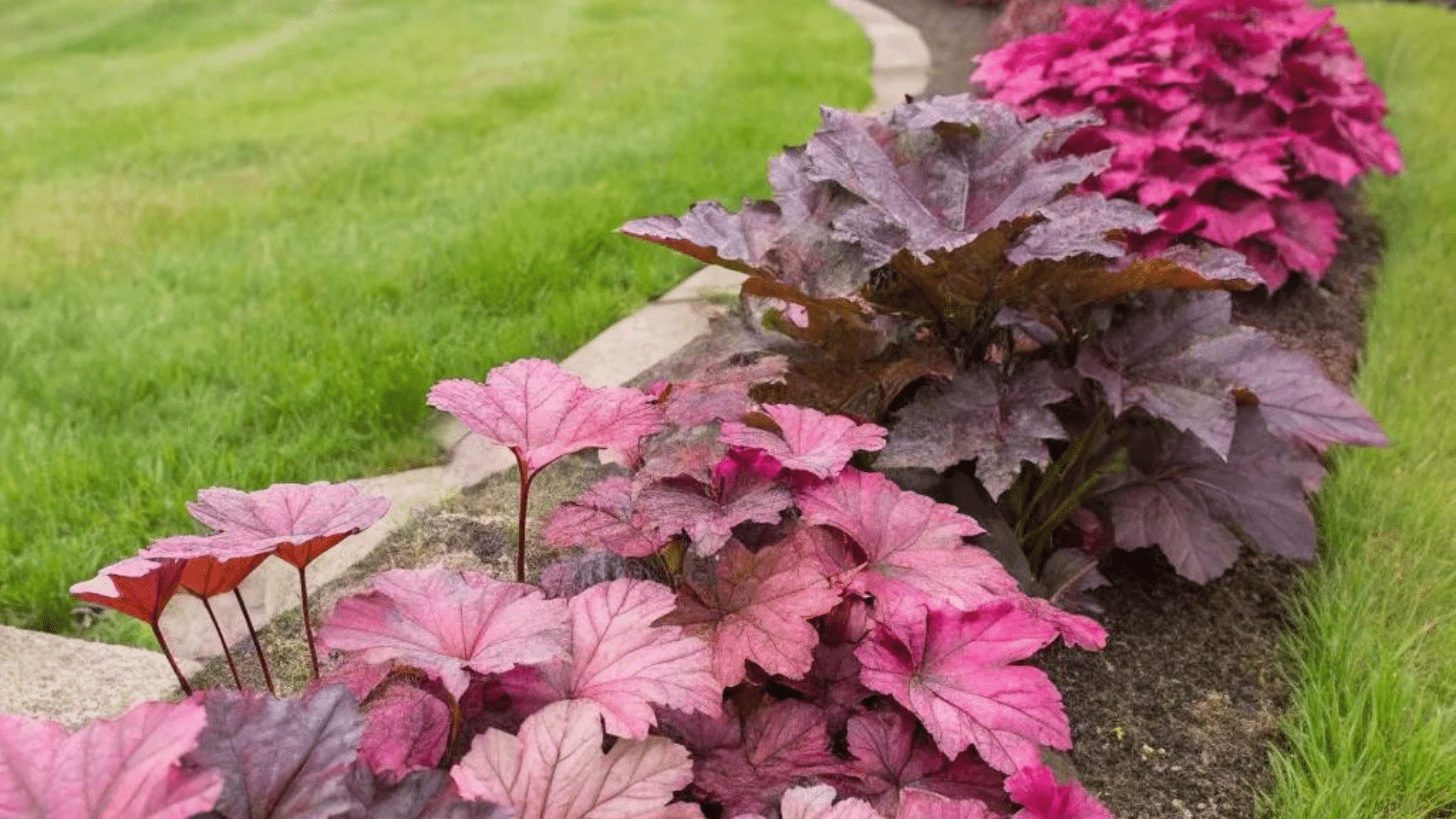
Once your coral bells are planted, keeping them healthy comes down to meeting a few basic growing needs. Small adjustments based on your climate will help the plants stay full and colorful throughout the season.
1. Watering
Newly planted coral bells need regular watering until their roots become established. Water deeply once or twice a week during dry weather, rather than giving small amounts every day.
Established plants tolerate short dry periods, but the soil should stay evenly moist without becoming soggy.
Overwatering is one of the main causes of root and crown rot. Water early in the morning at the base of the plant to reduce evaporation and help keep the foliage dry.
2. Sunlight
Most coral bells grow best with morning sun and afternoon shade, especially in warmer regions. In cooler northern climates, wide varieties tolerate full sun if the soil remains consistently moist.
Dark-leaved cultivars generally handle stronger sunlight better than lighter-colored ones.
During periods of intense summer heat, providing shade in the afternoon helps prevent leaf scorch and fading.
Choosing the right light conditions encourages fuller growth and keeps foliage colors bright throughout the season.
3. Soil
A heuchera plant grows best in loose, fertile soil that drains well and is rich in organic matter. Heavy clay soils often hold excess moisture around the roots, increasing the risk of crown rot.
Mixing compost into the soil before planting improves both drainage and fertility.
Applying a light layer of mulch helps conserve moisture and regulate soil temperature. Keep mulch a few inches away from the crown to prevent trapped moisture and reduce disease problems.
4. Temperature
Coral bells perform best in temperatures between 60°F and 75°F (16°C to 24°C) during the growing season.
Most varieties are hardy in USDA Zones 4 through 9 and tolerate freezing winters once established. During hot weather above 85°F (29°C), provide afternoon shade and maintain even soil moisture to reduce heat stress.
In colder regions, winter mulch helps protect the roots from repeated freezing and thawing while keeping the crown stable.
5. Humidity
Coral bells adapt well to average outdoor humidity across most parts of the United States. They also perform well in moderately humid climates when air circulates freely around the foliage.
Proper spacing allows leaves to dry quickly after rain or watering, lowering the risk of fungal diseases.
Avoid overcrowding plants and water directly at the base rather than overhead. Good airflow keeps foliage healthier and helps maintain an attractive appearance throughout the growing season.
6. Fertilizer
Coral bells are light feeders and usually do not require heavy fertilization. Apply a balanced, slow-release fertilizer or mix compost into the soil in early spring to support healthy new growth.
Avoid using too much nitrogen, as it encourages soft leaves rather than strong roots.
If your soil is already fertile, a yearly application is often enough. Overfeeding can reduce the plant’s overall vigor and make it more susceptible to disease.
7. Mulching
A thin layer of organic mulch helps coral bells retain moisture, suppress weeds, and keep soil temperatures more consistent throughout the year.
Shredded bark, pine needles, or leaf mulch work well around the plants. Keep the mulch a few inches away from the crown to prevent excess moisture from causing rot.
Refresh the mulch each spring as needed, but avoid piling it too deeply, especially in areas with frequent rainfall.
8. Pruning and Cleanup
Coral bells need only light pruning to stay healthy and attractive. Remove damaged, faded, or dead leaves throughout the growing season to encourage fresh foliage and improve airflow.
In early spring, trim away winter-damaged leaves before new growth begins.
Avoid cutting back healthy evergreen foliage in the fall, as it helps protect the crown during winter. Regular cleanup also reduces hiding places for pests and keeps the plant looking neat in garden beds
Popular Coral Bells Varieties
Coral bells are available in many foliage colors and sizes. Here are some of the most popular Heuchera varieties for home gardens.
| Variety | Leaf Color | Sun Preference | Best Feature |
|---|---|---|---|
| Palace Purple | Deep purple | Part shade to full sun | Classic purple foliage |
| Caramel | Caramel peach | Part shade | Excellent heat tolerance |
| Lime Marmalade | Bright lime green | Part shade | Eye-catching foliage color |
| Obsidian | Nearly black | Part shade | Glossy dark leaves |
| Fire Alarm | Bright red | Morning sun to part shade | Vibrant red foliage |
| Berry Smoothie | Pink to magenta | Part shade | Large colorful leaves |
| Silver Gumdrop | Silver with purple veins | Part shade | Silver foliage and pink blooms |
| Georgia Peach | Peach with silver tones | Part shade | Color changes through seasons |
Landscaping with Coral Bells
Coral bells fit into many garden spaces because they stay compact and bring steady foliage color. They are especially useful in shaded or partly shaded areas where flowering plants may be limited.
- Border edges: Plant coral bells along the front of flower beds to create neat, colorful edges without blocking taller plants behind them.
- Woodland gardens: Use them under trees or near shrubs where partial shade helps protect the leaves from hot afternoon sun.
- Mixed perennial beds: Pair different leaf colors with flowering perennials to add contrast before and after bloom season.
- Container gardens: Grow coral bells in pots with trailing plants and seasonal flowers for long-lasting color on patios or porches.
- Rock gardens: Place compact varieties near stones or low-growing plants where their foliage can stand out without crowding the space.
- Walkways and entryways: Use coral bells beside paths, steps, or front doors where their tidy shape and colorful leaves are easy to see.
Best Companion Plants for Coral Bells
Many shade-loving plants share similar growing conditions with coral bells. Growing them together creates beds with varied colors, textures, and bloom times.
| Plant | Why It Pairs Well | Growing Conditions |
|---|---|---|
| Hosta | Large leaves contrast with coral bells | Part shade, moist, well-draining soil |
| Ferns | Fine texture complements rounded foliage | Shade to partial shade |
| Astilbe | Adds colorful flower plumes | Moist, fertile soil |
| Hydrangea | Shrubs provide height behind coral bells | Morning sun, afternoon shade |
| Japanese Forest Grass | Soft texture adds movement | Partial shade |
| Hellebore | Early blooms extend seasonal interest | Shade to part shade |
| Brunnera | Silver foliage pairs well with darker leaves | Cool, partially shaded areas |
| Bleeding Heart | Spring flowers combine well with foliage | Rich, moist soil |
| Lungwort | Speckled leaves provide extra contrast | Partial to full shade |
| Columbine | Spring flowers attract pollinators | Well-draining soil with partial sun |
Common Mistakes to Avoid when Growing Coral Bells
Even easy-care plants can struggle when their basic needs are missed. Avoiding these mistakes will help your coral bells stay healthy and colorful through the year.
- Planting in poorly drained soil: Coral bells dislike standing water around their roots. Heavy clay or wet soil can lead to crown rot.
- Giving too much afternoon sun: Hot afternoon sun can scorch the leaves, especially in warmer parts of the United States.
- Watering too often: Constantly wet soil does more harm than slightly dry soil between waterings.
- Covering the crown with mulch: Mulch is helpful, but piling it over the crown can trap moisture and cause rot.
- Forgetting to divide older plants: Mature plants may become woody in the center after several years and need dividing.
Coral Bells Care Do’s and Don’ts
Healthy coral bells need a few steady care habits. This checklist helps you avoid common problems.
| Do’s | Don’t |
|---|---|
| Plant in well-draining soil | Let roots sit in wet soil |
| Water deeply when the top inch feels dry | Water lightly every day |
| Remove damaged leaves | Cut back all healthy winter foliage |
| Keep mulch away from the crown | Bury the crown under mulch |
| Divide older plants every few years | Ignore woody or raised crowns |
| Give afternoon shade in hot climates | Plant light-colored varieties in harsh sun |
Signs Your Coral Bells Are Healthy
Healthy coral bells show clear signs of growing under the right conditions. Checking your plants every few weeks helps you spot small problems before they become bigger ones.
- Rich leaf color: The foliage stays bright and matches the natural color of the variety, no matter if it is green, purple, bronze, or silver.
- Fresh new leaves: New growth appears regularly during spring and early summer, showing that the plant is actively growing.
- Firm crown: The crown feels solid and sits at soil level without becoming soft, mushy, or lifting too far above the ground.
- Strong flower stems: Healthy plants produce upright flower stalks that hold blooms above the foliage instead of drooping early.
- Healthy root system: When divided or replanted, the roots are light-colored, firm, and free of foul odors or decay.
- Clean foliage: Leaves have very few holes, brown spots, or damaged edges, showing the plant is free from major pest or disease problems.
Seasonal Coral Bells Care
Coral bells need slightly different care as the seasons change. A few simple tasks throughout the year help keep the plants healthy.
| Season | Care Tasks |
|---|---|
| Spring | Remove damaged leaves, divide older plants if needed, and apply compost or a light slow-release fertilizer. |
| Summer | Water during dry spells, provide afternoon shade in hot climates, and remove faded flower stalks if desired. |
| Fall | Clean around the plants and refresh mulch, keeping it a few inches away from the crown. |
| Winter | Leave healthy foliage in place for natural protection. After the ground freezes, apply a light layer of mulch around the plant, avoiding the crown. |
Common Coral Bells Pests and Diseases
Coral bells are generally hardy, but pests and diseases can still affect growth, foliage color, and plant health. Regular checks help you catch problems early.
- Vine Weevils: Adults chew notches in leaf edges, while larvae feed on roots. Hand-pick adults and use beneficial nematodes for larvae.
- Crown Rot: This happens when the crown stays too wet. Plant in well-drained soil, avoid overwatering, and keep mulch away from the crown.
- Powdery Mildew: White or gray powder appears on leaves in humid, poorly ventilated areas. Improve spacing and water at the base.
- Leaf Spot: Brown, black, or purple spots appear on foliage. Remove affected leaves and avoid splashing water on the plant.
- Slugs and Snails: These pests chew irregular holes in leaves. Remove them by hand and clear debris where they hide.
- Rust: Orange or reddish-brown spots form under leaves. Remove infected foliage and improve airflow around the plant.
Conclusion
Coral bells are a dependable choice if you want colorful foliage without spending much time on maintenance.
Plant them in well-draining soil, give them the right amount of sunlight, water when the soil begins to dry, and protect the crown during winter.
A little seasonal care goes a long way in keeping your plants healthy year after year.
If you’re growing a single heuchera plant in a container or using landscaping with coral bells throughout your garden, these simple care tips will help you get the best results.
Keep these tips handy whenever your plants need a little extra attention.
Frequently Asked Questions
Can Coral Bells Bloom?
Yes, coral bells bloom from late spring to early summer. They produce small bell-shaped flowers on tall stems above the foliage, attracting hummingbirds and pollinators.
What Are the Ideal Growing Conditions for Coral Bells?
Coral bells grow best in partial shade, well-drained soil rich in organic matter, and consistently moist conditions. They also tolerate morning sun in cooler climates.
How Do You Plant Coral Bells?
Plant coral bells with the crown slightly above the soil surface. Space plants 12–18 inches apart and water well after planting to help establish healthy roots.
When Is the Best Time to Plant Coral Bells?
The best time to plant coral bells is in spring or early fall. Mild temperatures allow the roots to establish before summer heat or winter frost.
Can You Plant Coral Bells in Full Sun?
Yes, some coral bell varieties can grow in full sun if they receive enough moisture. In warmer regions, partial shade helps protect the foliage from scorching.