

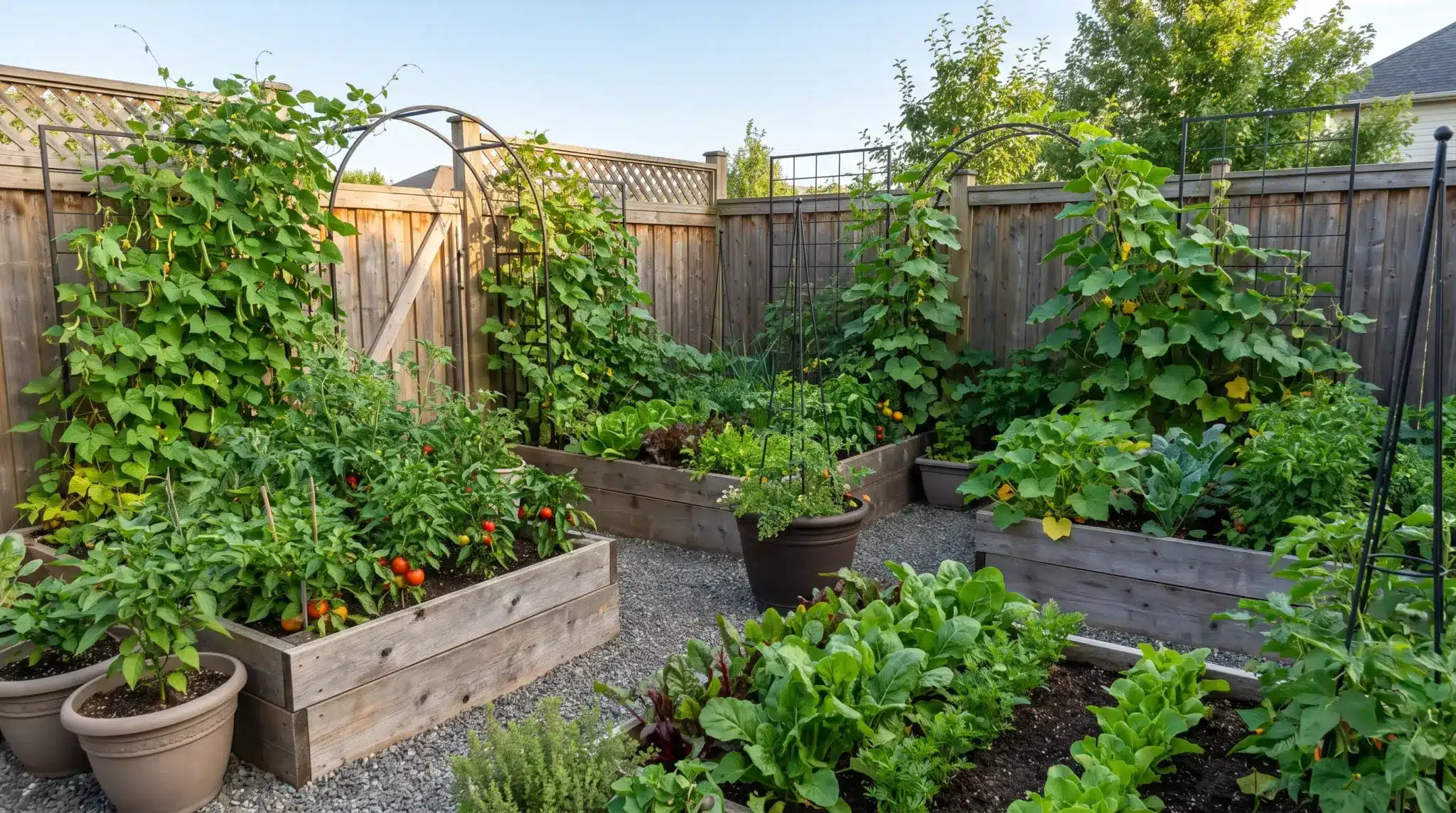
A garden can look full and still leave you with a disappointing harvest. You may have good soil, healthy plants, and plenty of effort invested, yet unused corners, poor spacing, or uneven planting times can hold back your results.
Improving garden productivity is less about adding more plants and more about using your space with purpose.
I’ll show you how smarter crop choices, better soil care, efficient layouts, succession planting, and consistent watering can increase yield without creating extra work.
You’ll also learn how to prevent common problems, track performance, and make practical changes that keep your beds, containers, or small backyard producing steadily throughout the growing season.
Garden Productivity Starts With a Smart Plan
A productive garden begins with careful planning, not simply adding more plants or expanding your growing space.
Every decision, from selecting the right location to improving soil and choosing suitable crops, affects how much your garden produces.
A well-planned layout helps plants receive enough sunlight, water, and airflow while making maintenance easier throughout the season. It also reduces wasted space by matching each crop to the best growing conditions.
Planning ahead allows you to practice crop rotation, succession planting, and efficient watering, all of which support healthier plants and better harvests.
When every part of your garden has a purpose, you can grow more food, reduce unnecessary work, and enjoy consistent harvests season after season without needing a larger garden.
Plan a Productive Garden for Better Yield and Space Use
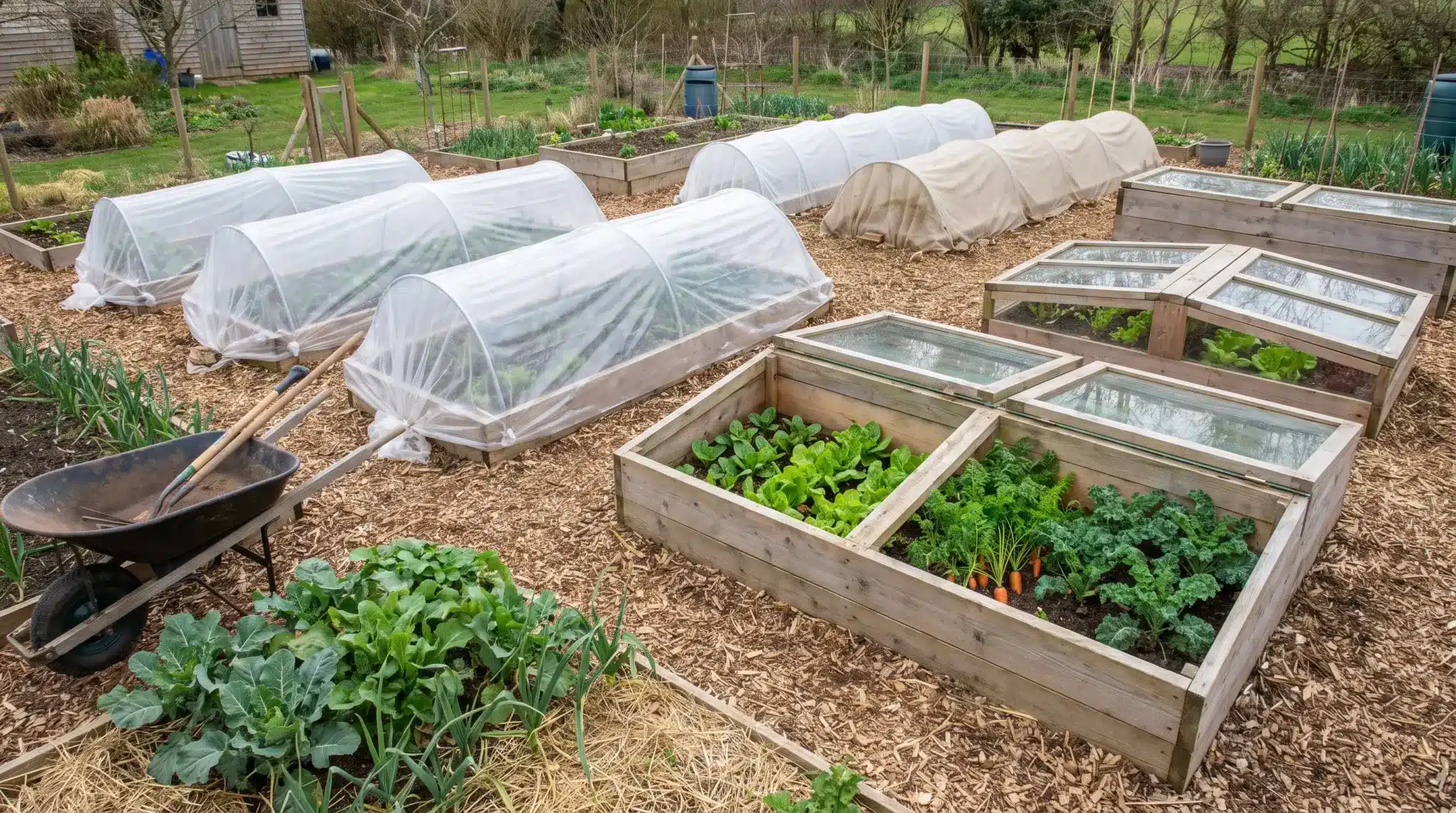
Careful planning matches crops with sunlight, soil, water, and available space, helping garden beds produce healthier plants and larger harvests.
1. Assess Sunlight and Growing Conditions
Observe your garden throughout the day to understand how sunlight moves across the space and identify areas of full sun, partial shade, and deep shade.
Different crops require different light levels, so matching plants to suitable spots improves growth and yield. Also evaluate wind exposure, soil drainage, nearby structures, and areas where water collects after rain, as these factors influence plant health and overall garden productivity.
Gardeners who want more consistent control over these conditions year-round often turn to a controlled greenhouse setup, which manages light and temperature more precisely than an open bed can.
2. Set Clear Growing Goals
Define what you want your garden to produce before selecting crops, as clear goals help guide efficient planning and space use. You may aim for fresh salads, cooking herbs, high-yield vegetables, or long-term storage crops.
Prioritizing foods you regularly use ensures that valuable growing space is not wasted on plants that may go unharvested, helping maintain a productive and practical garden throughout the season.
3. Measure the Available Space
Carefully measure all available growing areas, including beds, containers, pathways, fences, and unused corners, before designing your layout. Accurate measurements help prevent overcrowding and ensure efficient use of space.
Consider vertical growing opportunities such as trellises, walls, arches, and railings, which allow climbing plants to grow upward, increasing productivity without requiring additional ground space or expanding the garden footprint.
If you want a support sized to your own bed, building a garden trellis yourself lets you match the height and width to whatever you are growing.
4. Create a Seasonal Planting Plan
Develop a seasonal planting plan by recording sowing dates, expected harvest times, and suitable replacement crops for each bed. This approach prevents all crops from maturing at once and helps maintain continuous production.
Planning ahead allows you to quickly replant harvested areas with new crops, keeping garden space active and productive throughout the growing season without unnecessary gaps or delays.
Choose Crops That Produce More
Some crops provide a better return for the space and time they require. Repeated-harvest vegetables are often more productive than large crops that produce only once.
| Garden goal | Suitable crops | Main benefit |
|---|---|---|
| Fast harvests | radishes, lettuce, spinach | mature in a short period |
| Repeated picking | tomatoes, beans, peppers | produce for several weeks |
| Small spaces | herbs, spring onions, leafy greens | need limited growing room |
| Vertical growing | cucumbers, peas, pole beans | use height instead of ground space |
| Long storage | onions, potatoes, winter squash | remain useful after harvest |
| Cool-season growing | kale, carrots, chard | extend seasonal production |
Choose crops according to climate, available sunlight, garden size, and household eating habits.
Pairing compatible plants can also stretch a bed’s output further; gardeners growing leafy greens often tuck in pest-repelling herbs nearby, a strategy covered in this guide to companion planting for spinach. A productive garden should grow food that will actually be harvested and used.
Design the Garden for Maximum Yield
An efficient layout increases growing space while keeping plants accessible. The goal is to use the available area carefully without creating overcrowded beds.
1. Use Raised Beds Efficiently
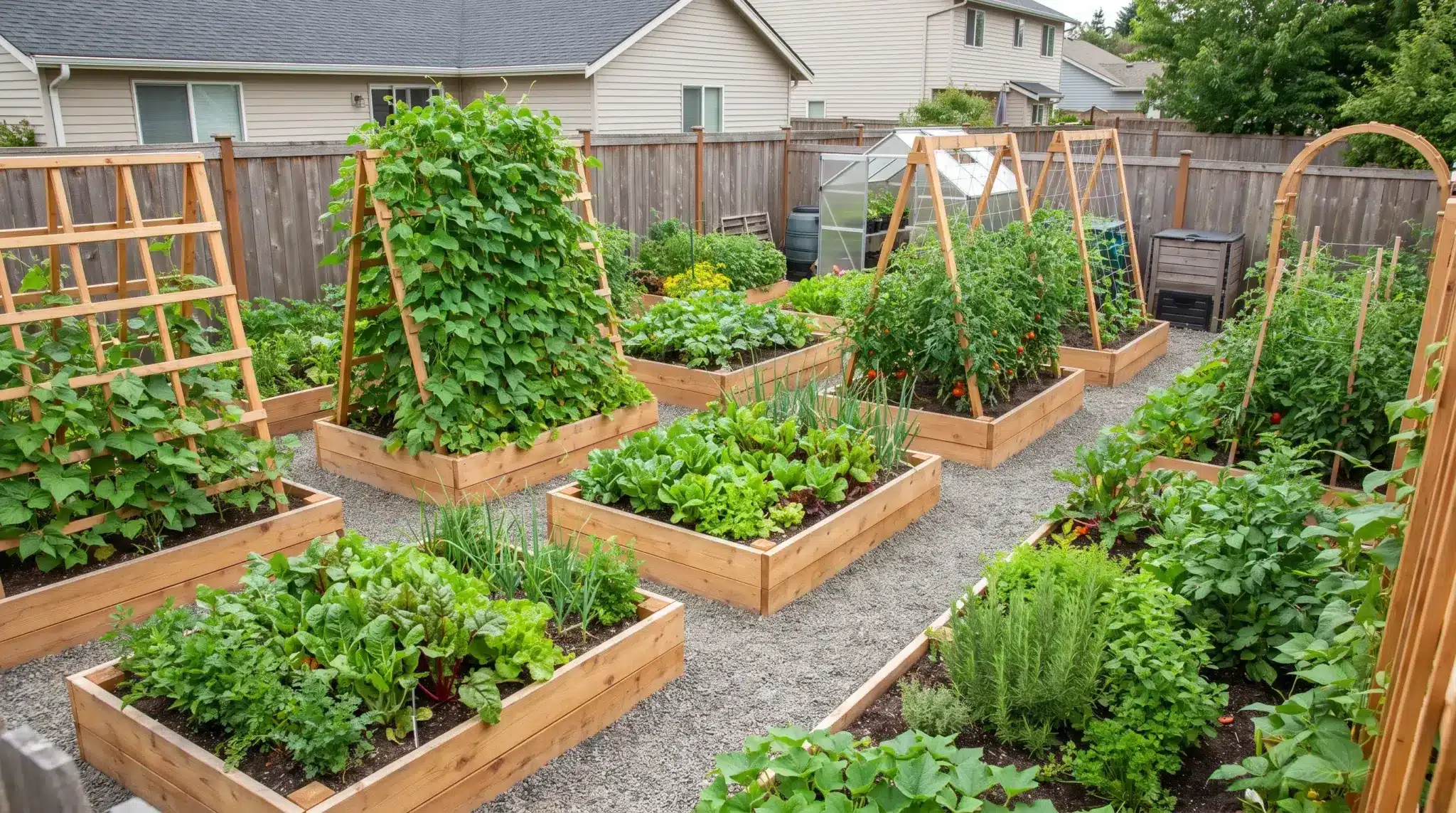
Raised beds improve soil control, drainage, and overall plant health while maximizing usable growing space. Keep beds narrow enough to reach the center without stepping inside, which helps prevent soil compaction and protects root systems.
To work out the actual dimensions and plant placement before you build, many gardeners start with a 4×8 layout blueprint that simplifies spacing decisions from day one.
Organize crops by height and growth habits within each bed to ensure efficient use of space, proper airflow, and easier maintenance throughout the growing season.
2. Use Intensive Spacing Carefully
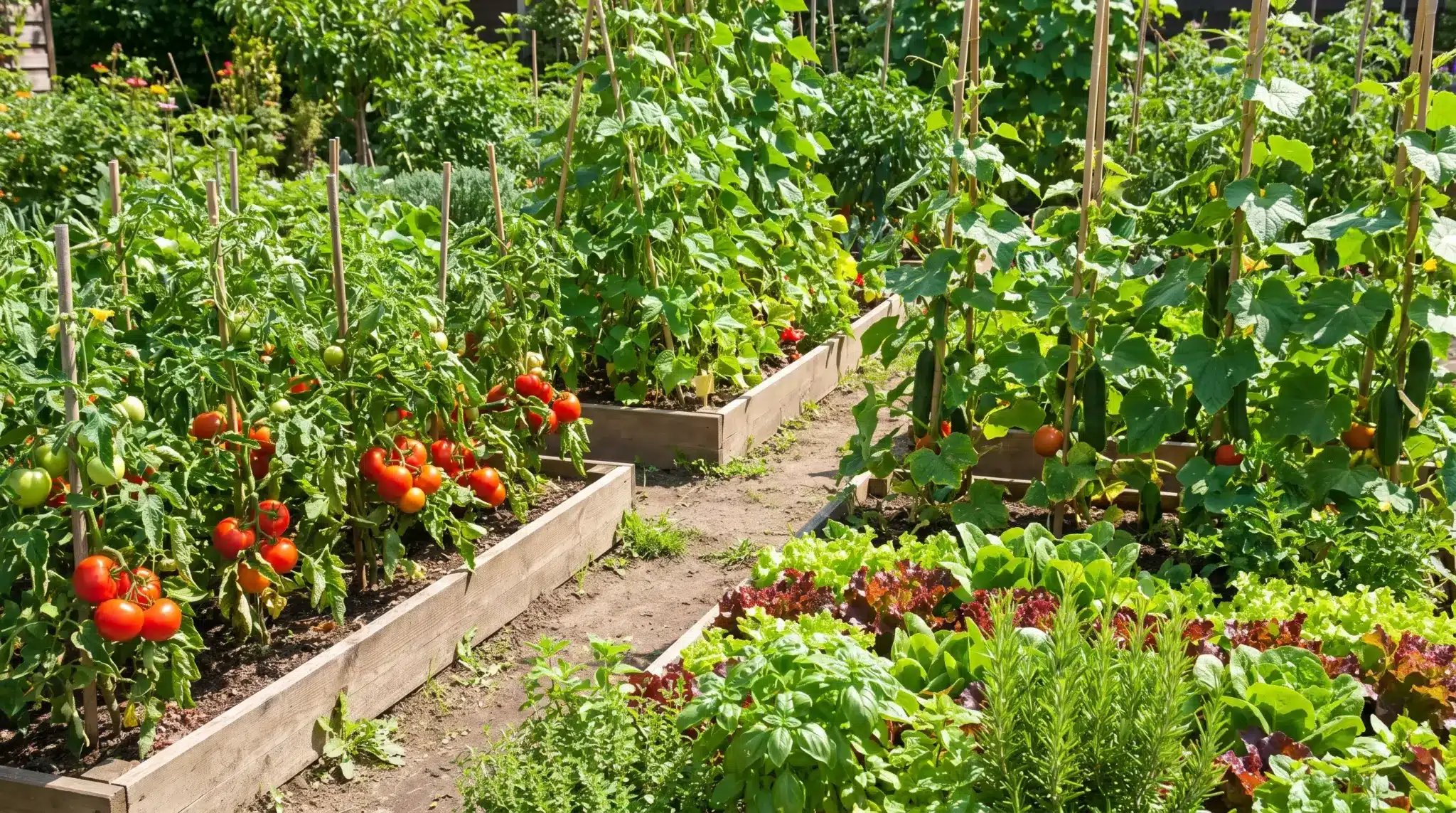
Intensive spacing increases yield by planting crops closer together, but it must be done thoughtfully. Consider the mature size of each plant to avoid overcrowding, which can limit airflow and increase disease risk.
Proper spacing ensures roots have enough room to grow and access nutrients. Balance density with plant health to achieve higher productivity without sacrificing crop quality or increasing maintenance challenges.
4. Place Taller Crops Strategically
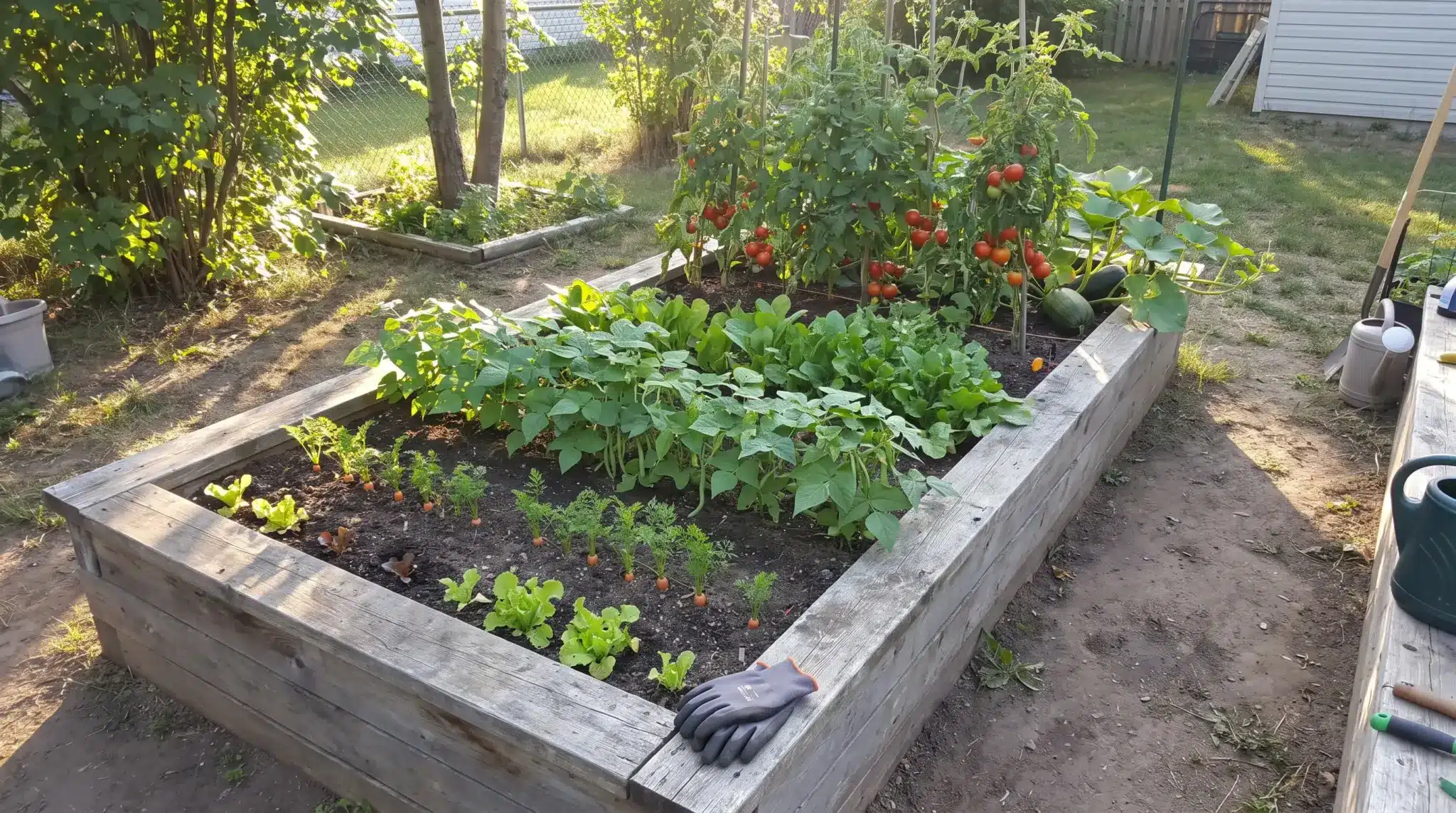
Tall crops should be positioned carefully to prevent them from shading shorter plants. Place them on the north side of the garden or where they will not block sunlight during peak hours.
Consider seasonal sun movement, nearby structures, and plant growth patterns. This same idea of grouping plants by their light and mature-size needs shows up in these flower garden design plans, which apply similar logic to ornamental beds.
Strategic placement ensures all crops receive adequate light, promoting even growth and maximizing overall garden productivity throughout the season.
Build Healthy Soil for Stronger Plant Growth
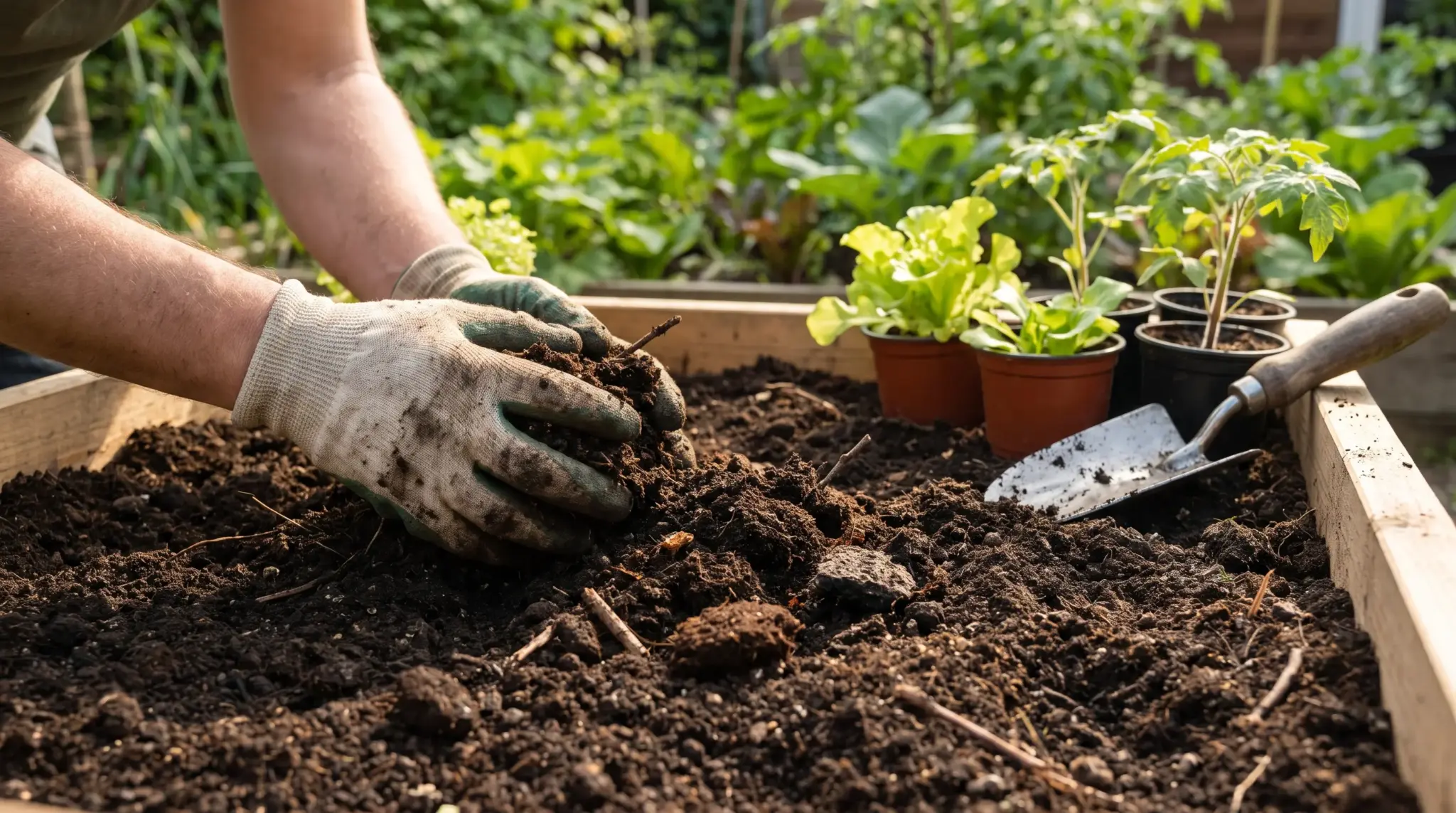
Healthy soil is the foundation of a productive garden, supporting strong roots, steady plant growth, and efficient nutrient uptake.
Improving soil begins with understanding its current condition through simple testing, which helps identify pH levels and nutrient deficiencies. Adding organic matter such as compost, aged manure, or leaf mould enhances soil structure, boosts microbial activity, and improves moisture retention.
Mulching further protects soil by reducing evaporation, controlling weeds, and maintaining stable temperatures. It is also important to avoid overfertilizing, as excess nutrients can harm plants and disrupt soil balance.
Practicing crop rotation each season helps prevent soil depletion, reduces pest buildup, and maintains long-term fertility.
By consistently caring for soil health, gardeners can create a more resilient growing environment that supports higher yields and healthier plants.
Keep Garden Beds Productive With Succession Planting
Succession planting keeps garden beds active by replacing harvested crops or staggering planting dates.
Instead of sowing all lettuce, radishes, beans, or greens at once, plant smaller batches every few weeks. This creates a steadier harvest rather than one short period of oversupply.
Succession planting may involve:
- sowing the same crop at different times
- replacing spring crops with summer vegetables
- planting autumn crops after summer harvests
- growing quick vegetables before slower crops need the space
- starting replacement seedlings before a bed becomes empty
Local frost dates, summer temperatures, and crop maturity times should guide each planting decision.
Manage Water Efficiently for Consistent Growth
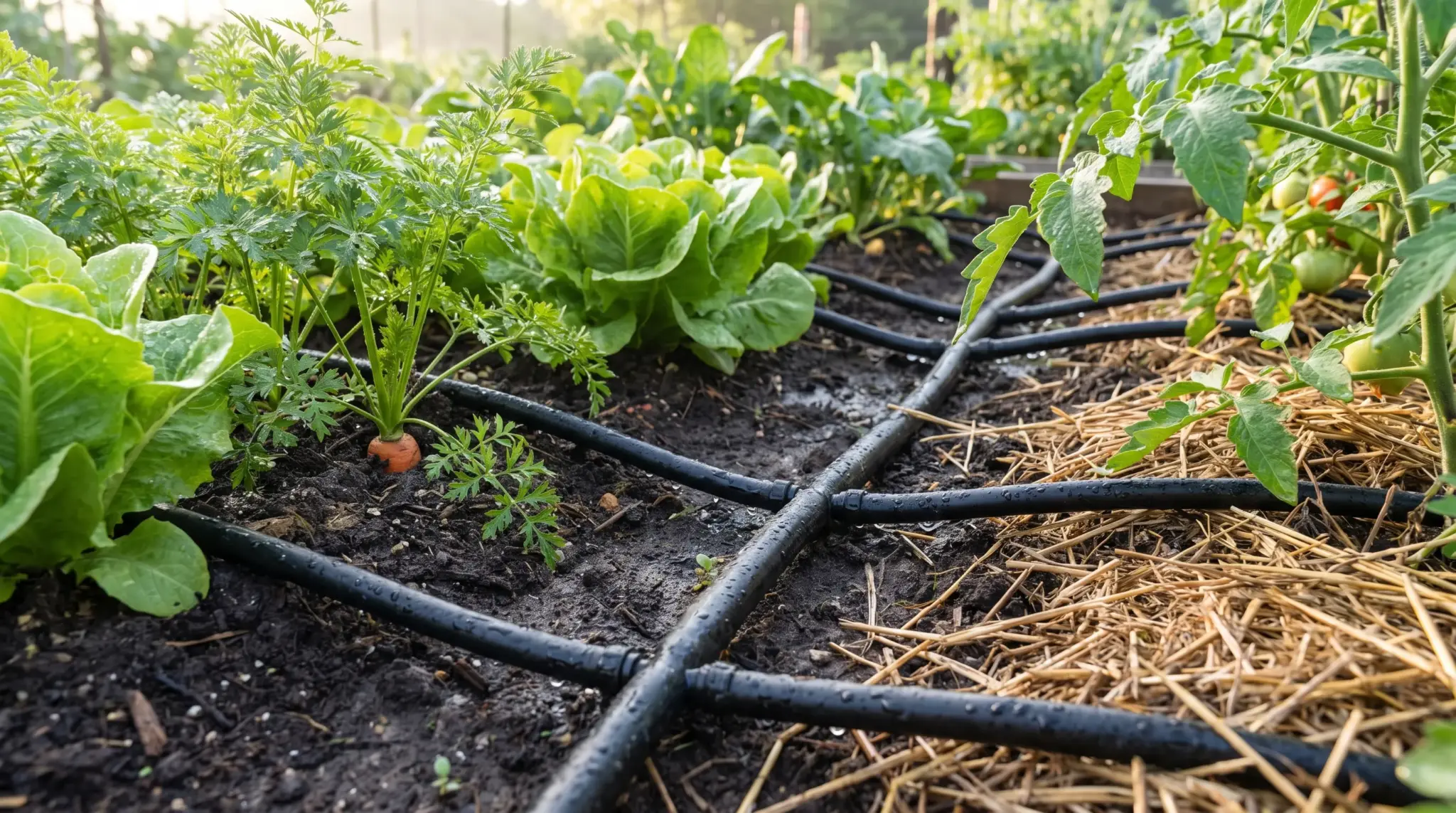
Consistent watering supports root development, flowering, fruit production, and steady plant growth.
Check the soil before watering rather than following a fixed schedule. The surface may appear dry while deeper soil still contains enough moisture.
Drip irrigation and soaker hoses deliver water near the root zone while reducing evaporation and keeping leaves drier. Applying mulch around plants can further limit moisture loss.
Water deeply enough to reach the roots rather than lightly wetting only the soil surface. Containers need more frequent checks because their limited soil volume dries quickly.
Morning watering is generally more effective because plants can absorb moisture before the hottest part of the day.
Reduce Problems Before They Start
Pests, diseases, weeds, and poor airflow can reduce harvests before the damage becomes obvious. Inspect plants regularly and address small problems before they spread across the garden.
Helpful preventive measures include:
- removing damaged or diseased leaves
- leaving enough space between mature plants
- controlling weeds around beds
- cleaning reusable containers and supports
- rotating plant families
- using row covers before pests arrive
- checking the undersides of leaves
- identifying problems before applying treatments
Accurate identification matters because pest damage, disease, watering problems, and nutrient deficiencies can produce similar symptoms.
How to Measure Garden Productivity
Garden records show which crops, beds, planting dates, and methods produce the strongest results.
| Track this | What it reveals |
| Best-performing plants | which crops deserve more space |
| Yield per bed or container | whether space is being used efficiently |
| Underperforming areas | where soil, sunlight, or spacing needs attention |
| Planting and harvest dates | which seasonal timings work best |
| Water use | whether watering matches plant needs |
| Recurring pests | which problems require earlier prevention |
| Unused produce | which crops may not be worth growing again |
Keep simple notes throughout the season. Record planting dates, harvest amounts, plant performance, weather challenges, and recurring problems.
These records make it easier to improve the garden each year instead of repeating the same layout and mistakes.
Common Garden Productivity Mistakes to Avoid
A garden can appear full while still producing a disappointing harvest. Several common habits reduce output without immediately looking serious.
- Planting too many crops at once: Plants may mature together, creating temporary oversupply followed by empty beds.
- Ignoring soil problems: Poor structure, drainage, pH, or nutrient balance can restrict growth regardless of daily care.
- Crowding plants too closely: Overcrowded crops compete for sunlight, nutrients, water, and airflow.
- Growing unsuitable plants: Crops that do not match the local climate or available light often struggle despite extra attention.
- Leaving beds empty: Harvested crops should be removed and replaced when enough growing time remains.
- Skipping regular harvests: Mature vegetables left on the plant may slow further production.
- Adding fertilizer without testing: Unnecessary nutrients can create imbalances and damage plant growth.
- Ignoring mature plant size: Small seedlings may eventually shade or overwhelm neighboring crops.
Fixing these habits can increase production without requiring more land, water, or gardening time.
Conclusion
A more productive garden comes from thoughtful choices, not from filling every open space with another plant.
When you improve the soil, match crops to the right conditions, water consistently, and plan for continuous harvests, each bed can work harder without becoming harder to manage.
Garden productivity also improves when you prevent problems early and track what performs best each season.
I recommend starting with one clear change, such as adding compost, adjusting spacing, or planning a second crop after harvest. Small improvements are easier to maintain and often create the strongest long-term results.
Try one of these strategies this season, note what changes, and share which method helped your garden produce more.
Frequently Asked Questions
How can I increase my garden productivity in a small space?
Small gardens can produce more by using vertical growing methods, raised beds, containers, and succession planting. Choosing compact, high-yield crops helps you get more harvests from limited space.
What is the fastest way to improve garden productivity?
Improving soil quality is one of the quickest ways to support better growth. Adding compost, correcting nutrient issues, and choosing suitable plants can improve results throughout the growing season.
How often should I change my garden layout?
A garden layout should be reviewed each season based on plant performance, available space, and crop rotation needs. Small adjustments can improve sunlight, airflow, and overall productivity over time.
Can flowers really improve vegetable garden productivity?
Yes. Flowers attract pollinators and beneficial insects that support vegetable growth. Adding flowering plants near vegetables can improve pollination and create a healthier garden environment.