


Growing spinach taught me that what you plant nearby really matters. I used to focus only on soil, water, and sunlight.
But over time, I noticed that some plants helped my spinach grow better, stay healthier, and even attract helpful insects.
That is when I started learning about spinach companion plants and how simple pairings can improve a garden.
In this guide, you will see some of the spinach companion plants that work well together in the garden.
I will share which plants support spinach growth, which ones help with pests, and which crops share the same growing conditions.
If you want healthier spinach and a more productive garden bed, these plant pairings can help.
I will keep everything simple and practical so you can easily decide what to plant next to your spinach this season.
How Companion Planting Works for Spinach?
Companion planting works by placing plants together that support each other’s growth. Spinach grows best in cool soil with steady moisture, so plants with similar needs work well nearby.
Some companions help by attracting helpful insects that eat pests like aphids or leaf miners.
Others give light shade for spinach, which keeps the soil cooler and slows bolting in warm weather. Certain plants also improve soil health by adding nutrients or covering bare ground to hold moisture.
Spinach itself has shallow roots, so pairing it with plants that grow deeper in the soil helps reduce competition.
Good plant spacing and shared growing needs make the system work.
When you choose the right neighbors, spinach grows stronger, pests are easier to manage, and the garden bed stays balanced without needing extra effort or chemicals.
The Best Spinach Companion Plants
Spinach grows well with certain plants that help keep pests away and improve soil health. Adding the right companions near spinach can also support better growth and harvest.
1. Garlic
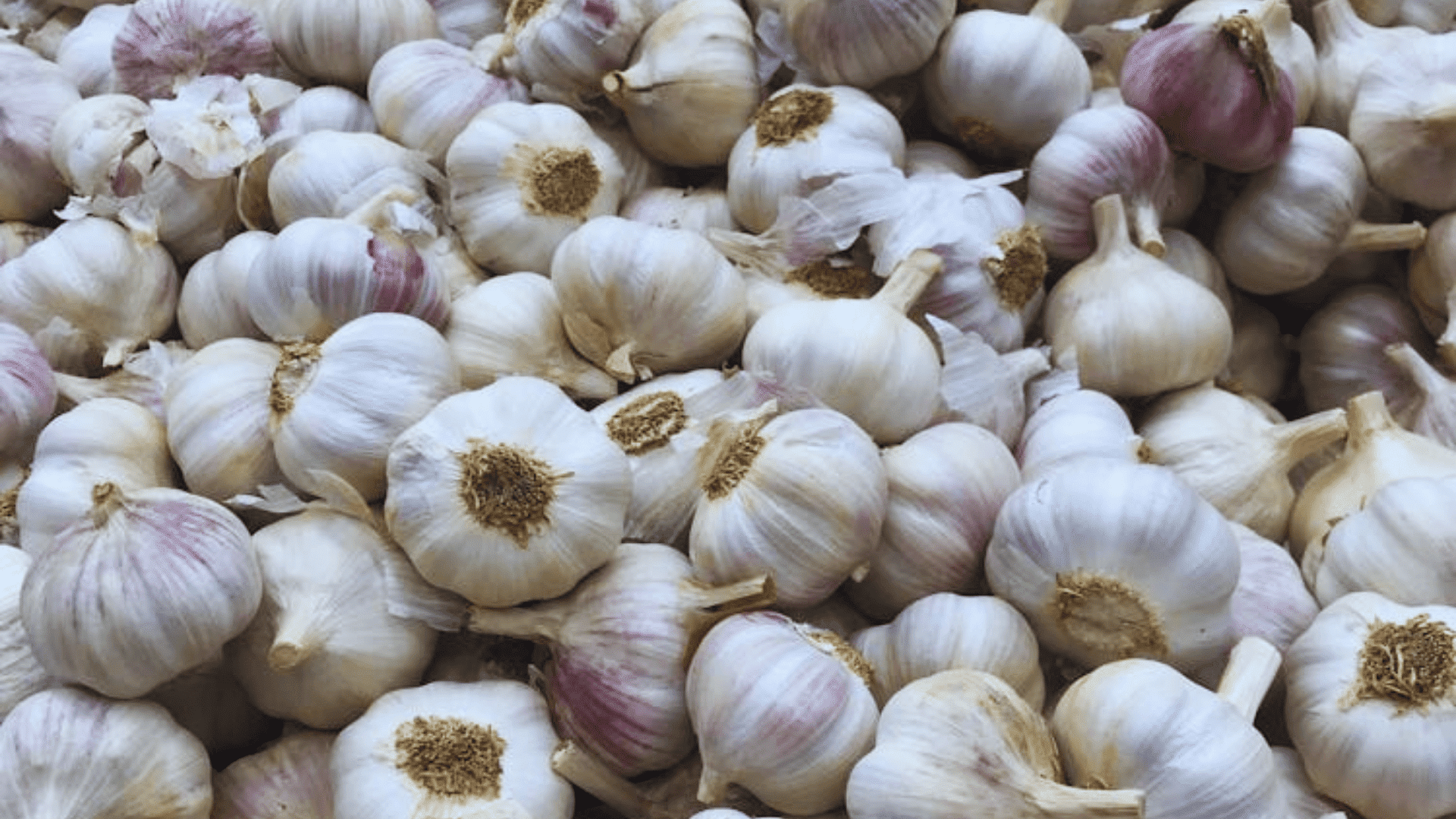
Garlic is one of the easiest companion plants to grow next to spinach. Its strong smell naturally keeps aphids, spider mites, and other leaf-feeding insects at a distance.
Planting garlic around the edges of a spinach bed in fall gives it time to settle in before the spring growing season begins.
It stays compact, does not steal nutrients from nearby plants, and needs very little care once in the ground.
For gardeners who want simple, low-maintenance pest protection for their spinach, garlic is a great place to start.
2. Onions
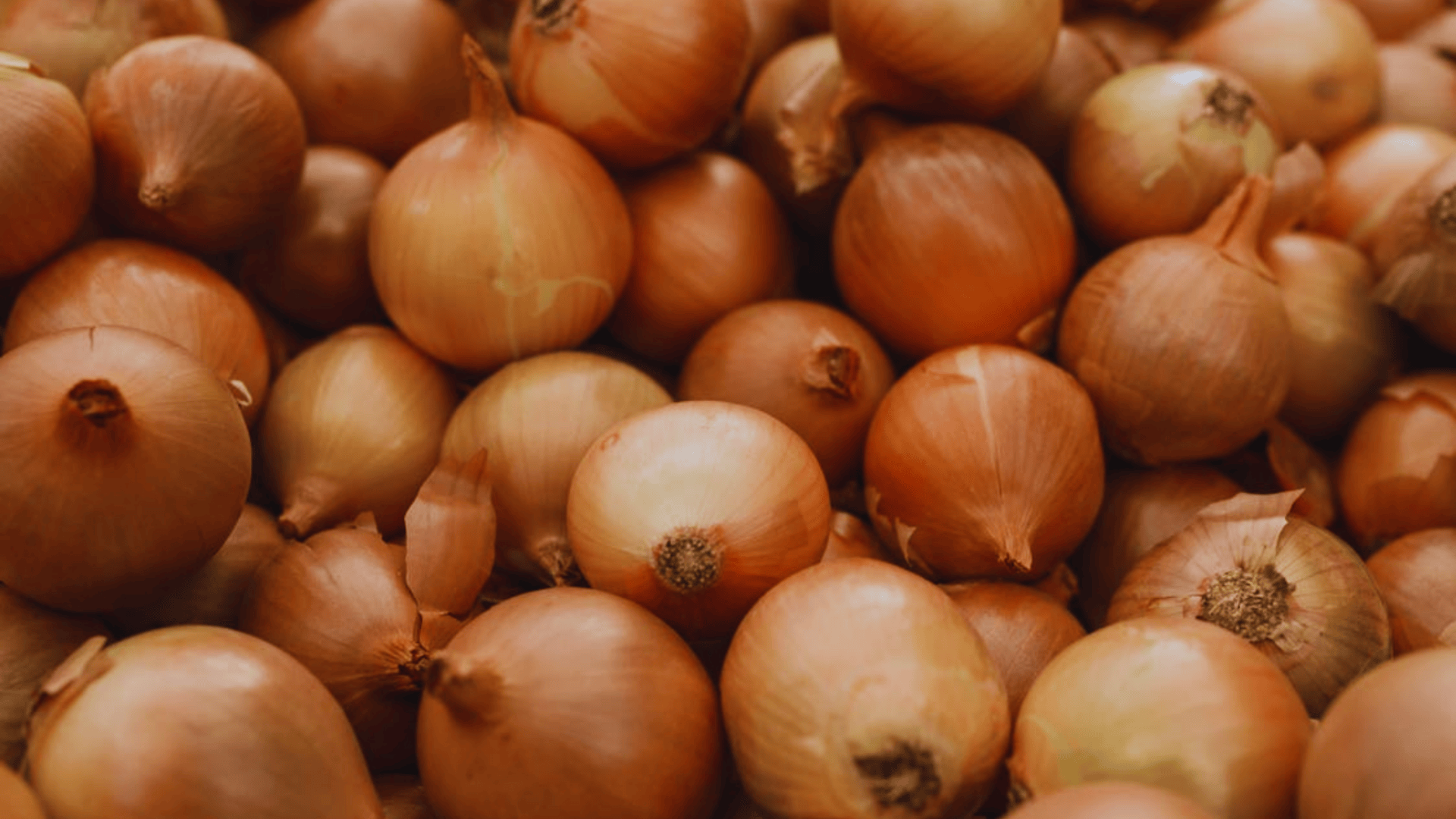
Onions work similarly to garlic. Their sharp smell makes it hard for insects to find and attack spinach plants.
They are especially useful against aphids and thrips. Plant them around the border of a spinach patch or scatter them throughout the bed.
Onions grow well in the same cool conditions that spinach prefers.
Their upright growth does not shade or crowd nearby spinach plants, making them a simple and effective companion with minimal effort required to maintain them.
3. Strawberries

Strawberries and spinach grow well together. Both plants stay low to the ground and do best in cool weather, so they share space without getting in each other’s way.
Strawberries act as a ground cover, helping to hold moisture in the soil and keep weeds down around spinach.
This pairing works especially well in raised beds where space is tight.
Just make sure both plants get enough light and airflow to stay healthy and productive throughout the growing season without crowding each other out.
4. Peas

Peas are one of the best plants to grow near spinach if the goal is to improve soil health.
As legumes, they pull nitrogen from the air and return it to the soil, providing spinach with a steady, natural source of nutrients. This reduces the need for added fertilizer.
Peas grow upward on a trellis, so they do not take up ground space around spinach.
Plant them on the north side of the bed so their vines do not block too much sunlight from reaching the spinach below.
5. Bush Beans

Bush beans fix nitrogen in the soil just like peas, which directly helps spinach grow strong and healthy.
They grow in a compact shape that does not shade or crowd nearby plants. Bush beans are warm-season plants, so they work well as a follow-up crop after a spring spinach harvest.
The nitrogen they leave behind in the soil then feeds a fall spinach planting.
This simple rotation makes good use of the same garden bed without needing any added fertilizer between plantings.
6. Radishes

Radishes grow quickly and take their place next to spinach. They are ready to harvest in as little as three to four weeks, making them a great space-filler while spinach is still getting established.
Radishes help keep flea beetles at bay, which are a common problem on spinach leaves.
Their roots also loosen compacted soil as they grow, which improves drainage for nearby plants.
Letting a few radishes flower will attract helpful insects to the garden bed and add even more value to this easy pairing.
7. Lettuce
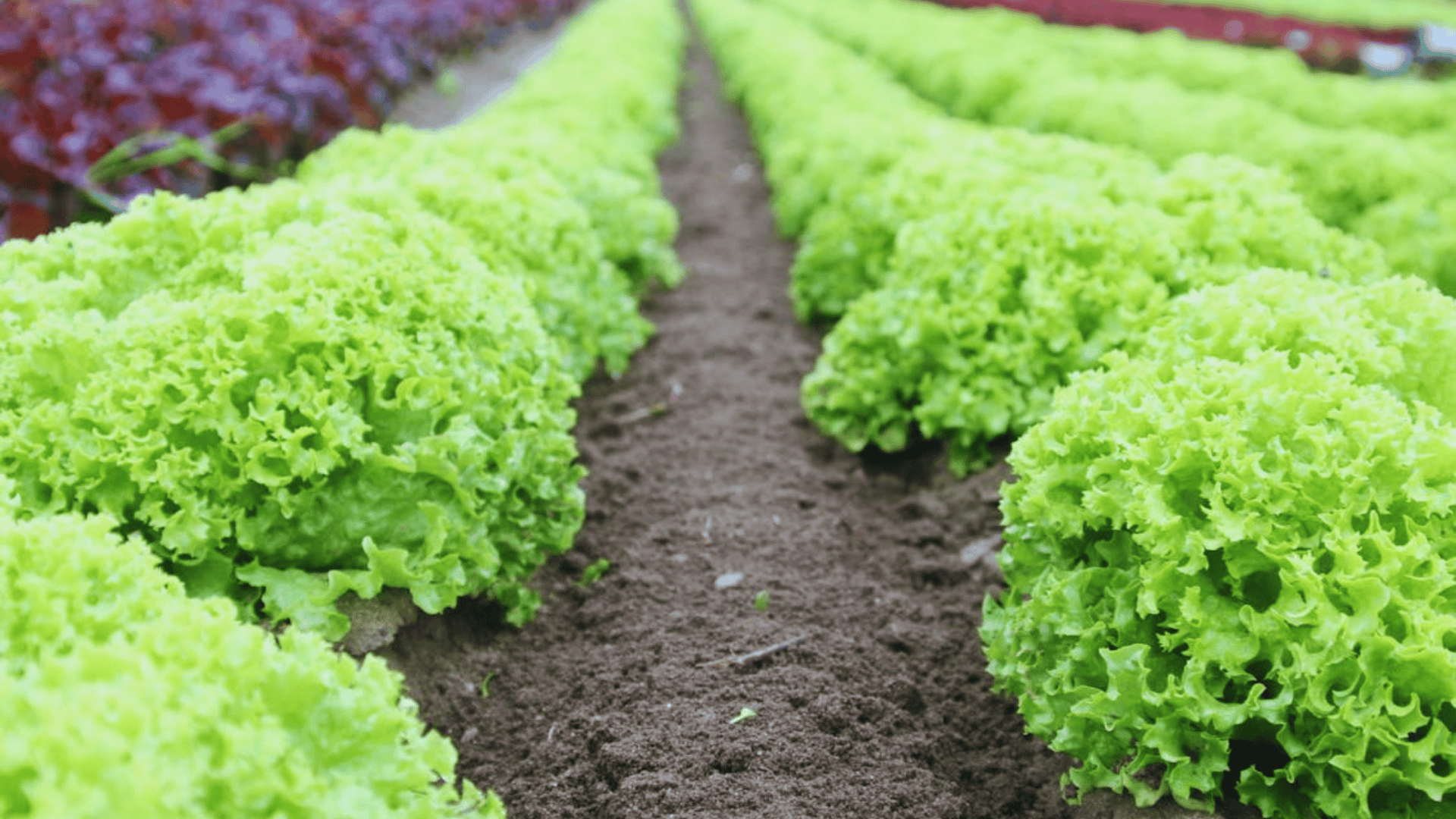
Lettuce is one of the most natural companions for spinach because both plants need the same things: cool weather, steady moisture, and some shade tolerance.
They do not compete aggressively for nutrients or space, which makes them easy to grow side by side.
Different lettuce varieties can be mixed with spinach to get the most out of a raised bed.
Keep spacing in mind so there is good airflow between plants, which helps prevent the fungal problems that can develop in dense, crowded patches of leafy greens.
8. Cilantro
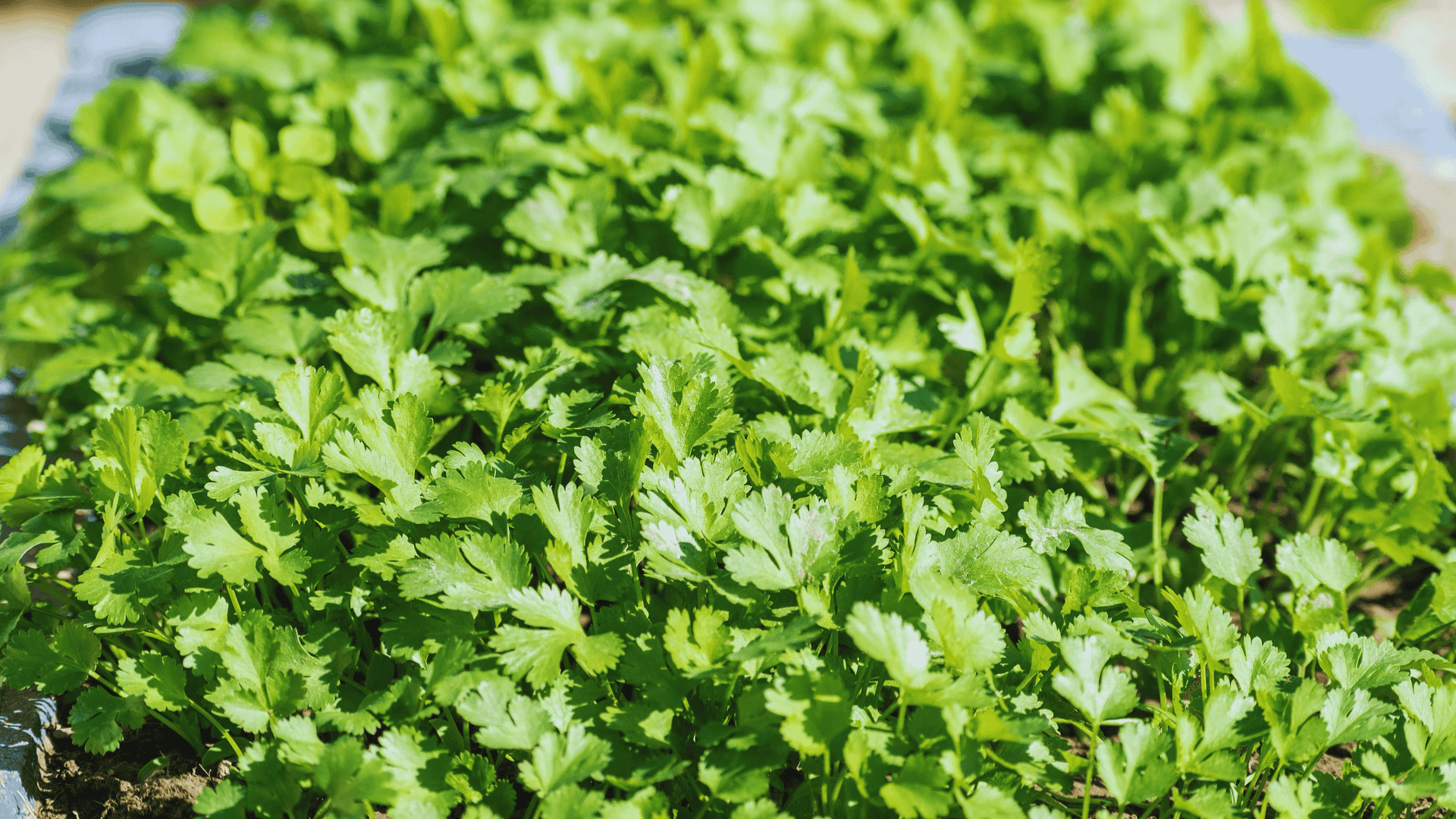
Cilantro becomes most useful as a companion plant once it starts to flower.
Its small blooms attract beneficial insects such as parasitic wasps and hoverflies, which feed on aphids and other pests that target spinach.
Young cilantro plants give little pest protection. Letting a few flower helps attract helpful insects to the garden.
Cilantro grows quickly, takes up little space, and tucks easily into gaps in a spinach bed without causing any problems for nearby plants.
9. Nasturtiums
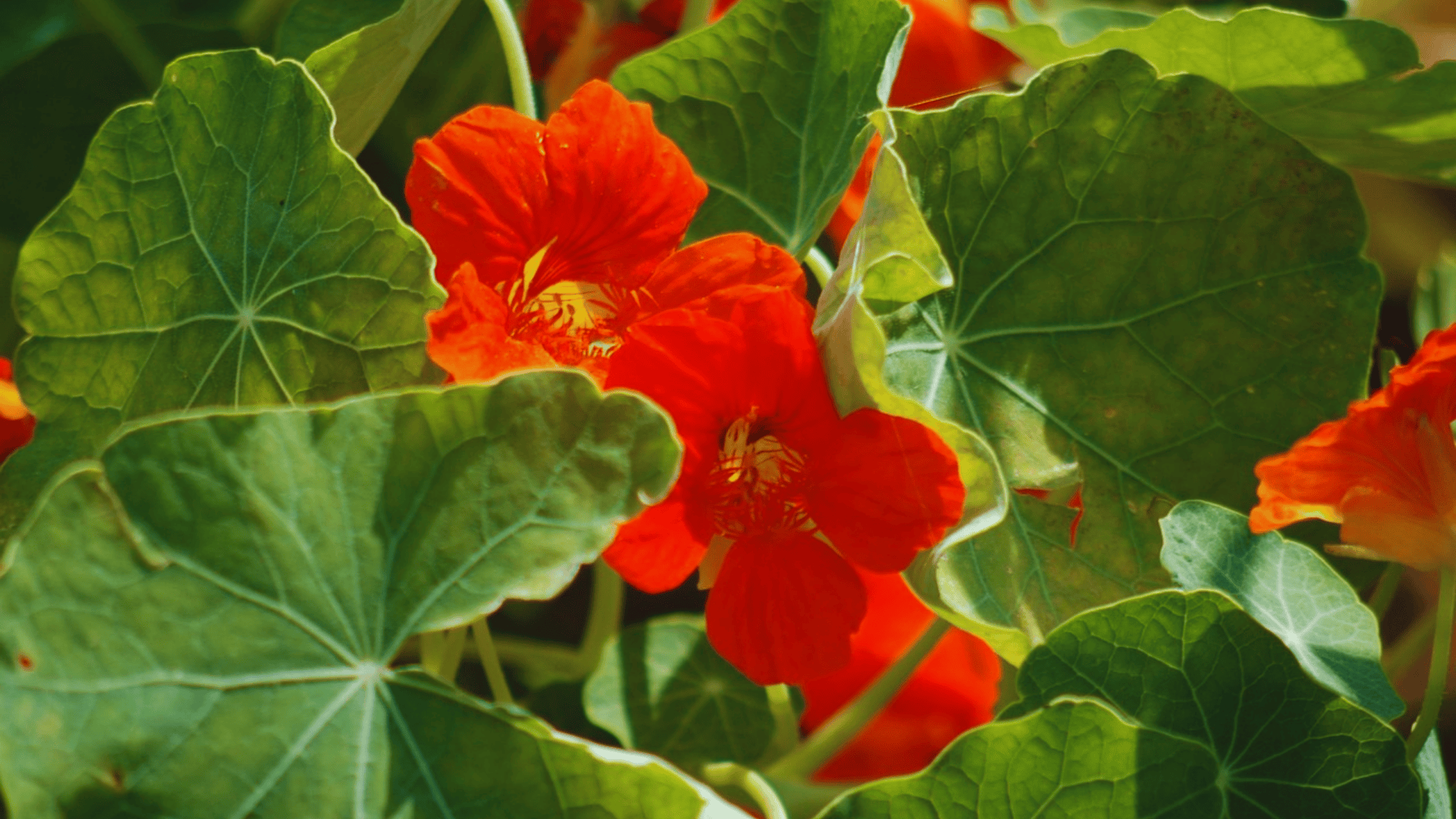
Nasturtiums are one of the most practical companion plants for spinach. Their bright flowers attract aphids, diverting them from spinach and serving as a natural trap crop.
At the same time, they draw in predatory insects that feed on those pests.
Plant nasturtiums at the edges of a spinach bed rather than in the middle so they do not crowd the growing area.
They are easy to grow from seed, need very little care once established, and the flowers and leaves are both edible, adding extra value to the garden.
10. Chives
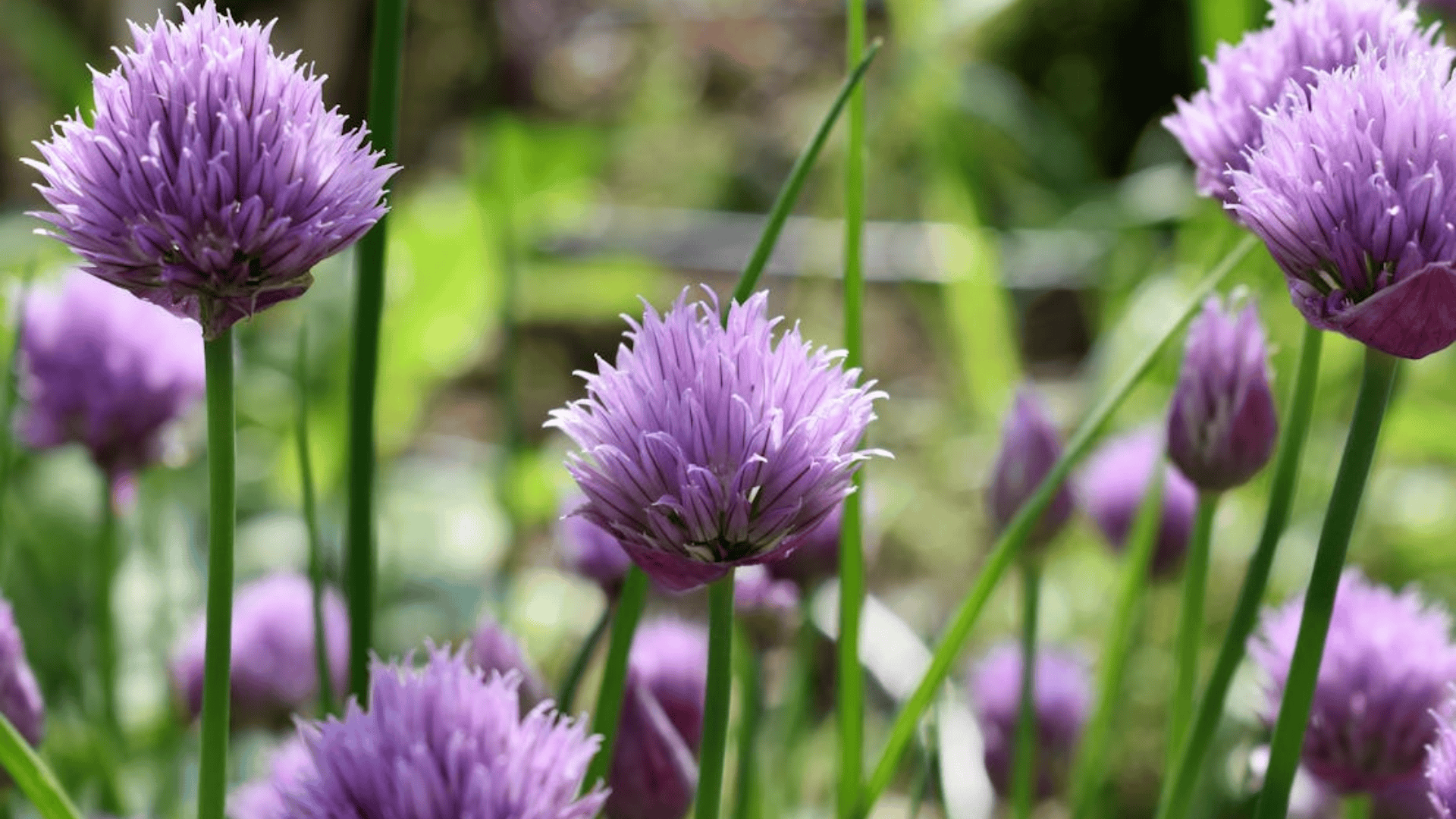
Chives are a low-maintenance herb that works hard as a companion plant for spinach.
Their mild onion-like scent repels aphids and keeps other insects away from nearby leafy greens.
Chives grow in tidy clumps that fit well along bed borders without spreading or taking over. When they flower, they attract pollinators that benefit the wider garden.
They are easy to divide, come back every year, and stay compact throughout the season.
Planting a few clumps around a spinach bed is a simple way to provide reliable pest protection with minimal upkeep.
11. Dill
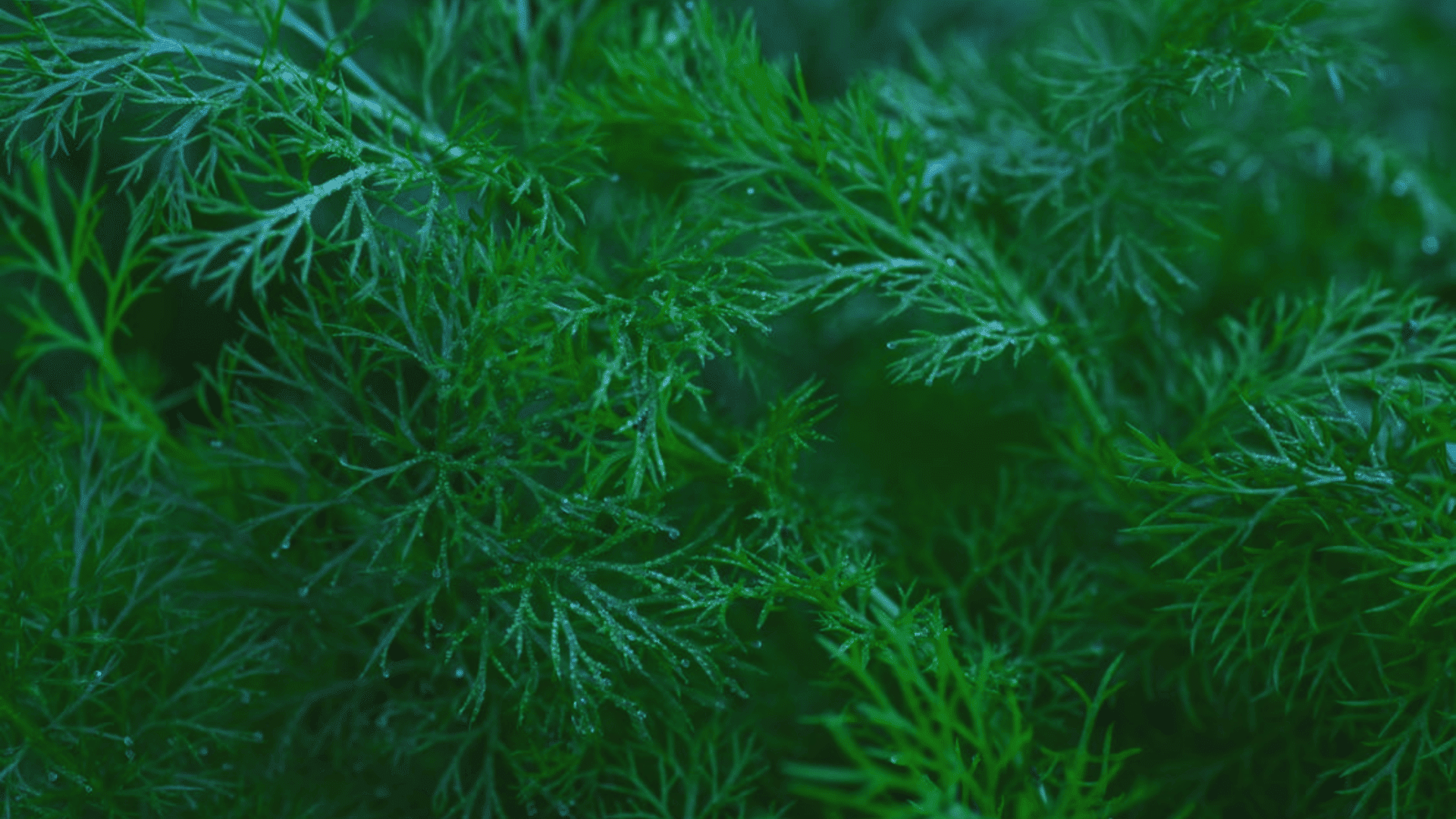
Dill becomes most helpful as a companion once it reaches the flowering stage.
Its wide, flat blooms attract beneficial insects, such as lacewings and parasitic wasps, which prey on aphids and caterpillars, both common pests of spinach.
Young dill can also help keep spider mites away. One thing to keep in mind is that mature dill can slow the growth of some nearby plants, so giving it a little space, about a foot away from spinach, is a safe distance.
Used carefully, dill provides effective pest control in any garden bed.
12. Chamomile

Chamomile is a gentle companion plant that supports soil health and brings helpful insects to the garden.
Its small flowers attract hoverflies and parasitic wasps that help keep aphid numbers down near spinach.
Chamomile is also thought to improve the health of neighboring plants, though more research is needed to determine exactly how this works.
What is clear is that it grows easily, does not compete aggressively with spinach, and adds useful insect activity to the bed. It is a low-maintenance plant that fits well into almost any cool-season garden.
13. Beets
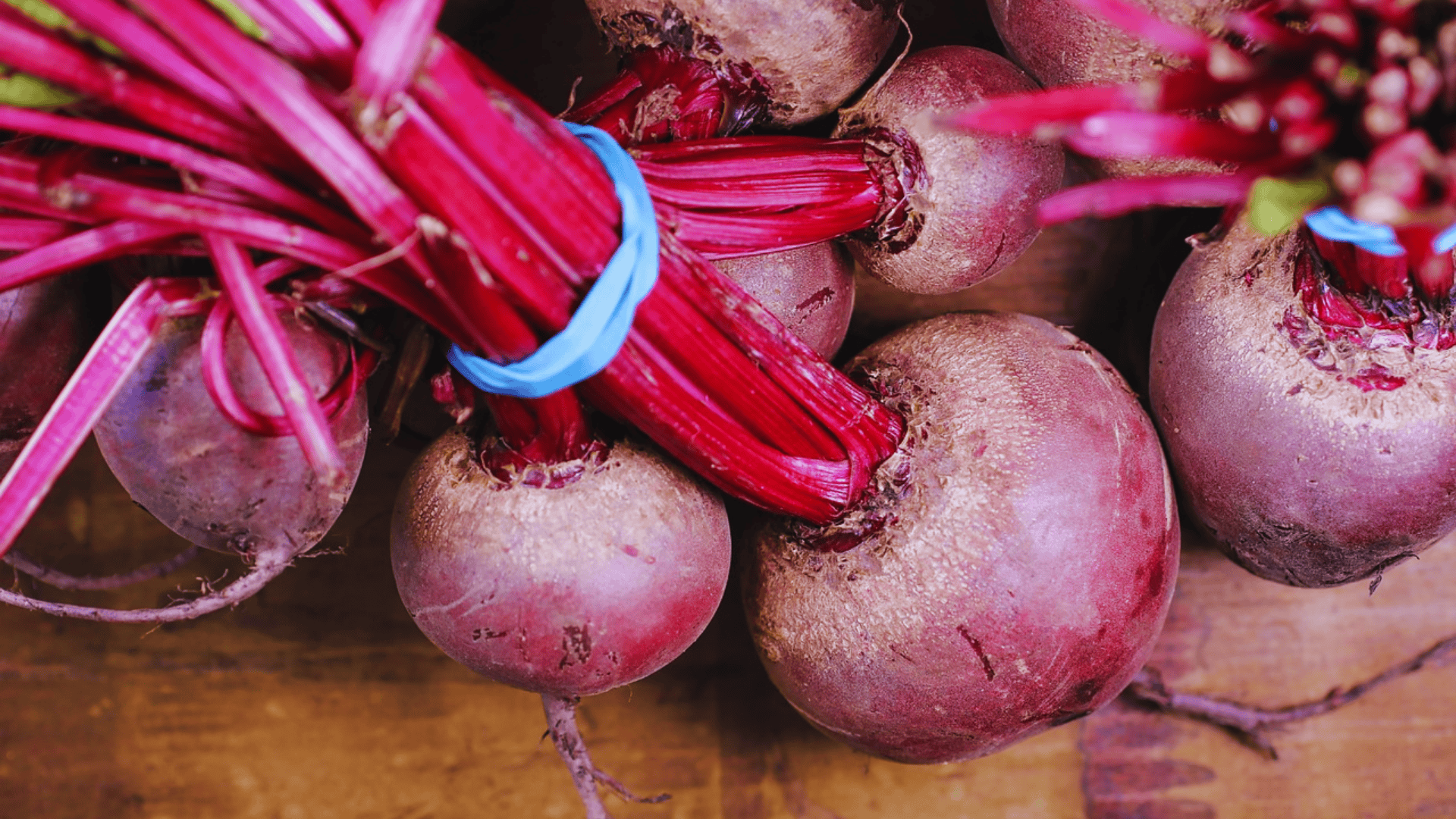
Beets and spinach are a natural pairing in the garden. Both are cool-season crops with similar water and light requirements, making them easy to manage together in the same bed.
Beets grow underground, so they do not compete with spinach for space above the soil.
Their leafy tops can provide a little shade on warmer days, which helps slow spinach from bolting too soon.
Growing them together in a raised bed is a practical way to use space well. Just thin both crops properly so neither one gets too crowded as they grow.
14. Carrots

Carrots are a quiet, practical companion to spinach. Their deep roots break up hard soil layers below the surface, which improves drainage and airflow for shallow-rooted plants like spinach growing nearby.
Carrots grow downward rather than outward, so they take up very little surface space and compete less for nutrients.
Both plants prefer similar light and water conditions, making them easy to care for together.
Sowing them in the same bed in early spring yields a productive, space-efficient planting that works well through the cooler months.
15. Celery
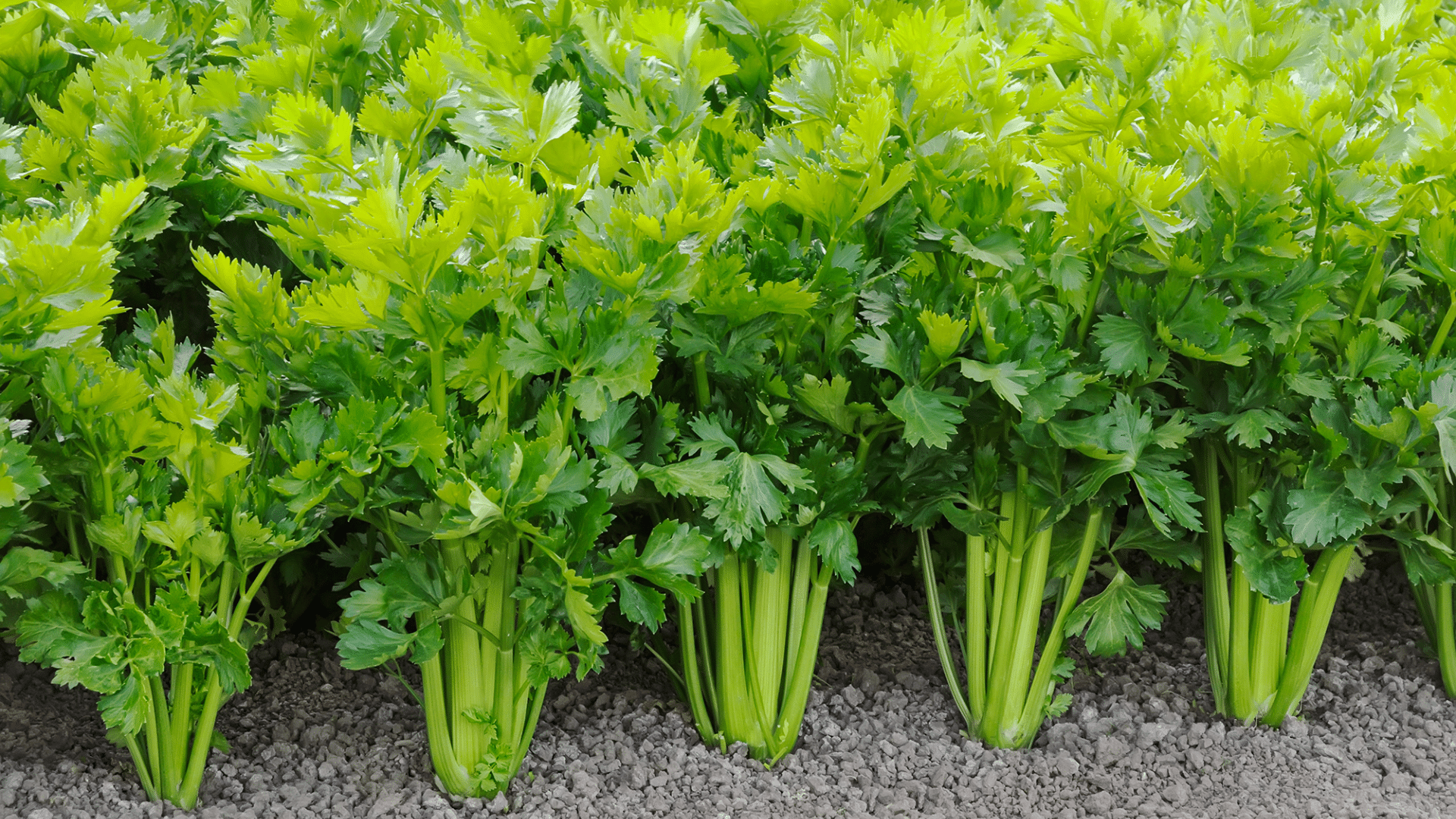
Celery is a useful companion for spinach because it helps repel white cabbage moths and other flying insects that can damage leafy greens.
It grows upright without spreading, so it fits well along the edges of a spinach bed without taking over. Both plants prefer cool temperatures and steady moisture, which makes them easy to manage together.
Celery takes longer to mature than spinach, so planning the planting schedule in advance is important.
Starting celery indoors and transplanting it alongside spinach seedlings is a practical approach that works well in most growing climates.
16. Parsley
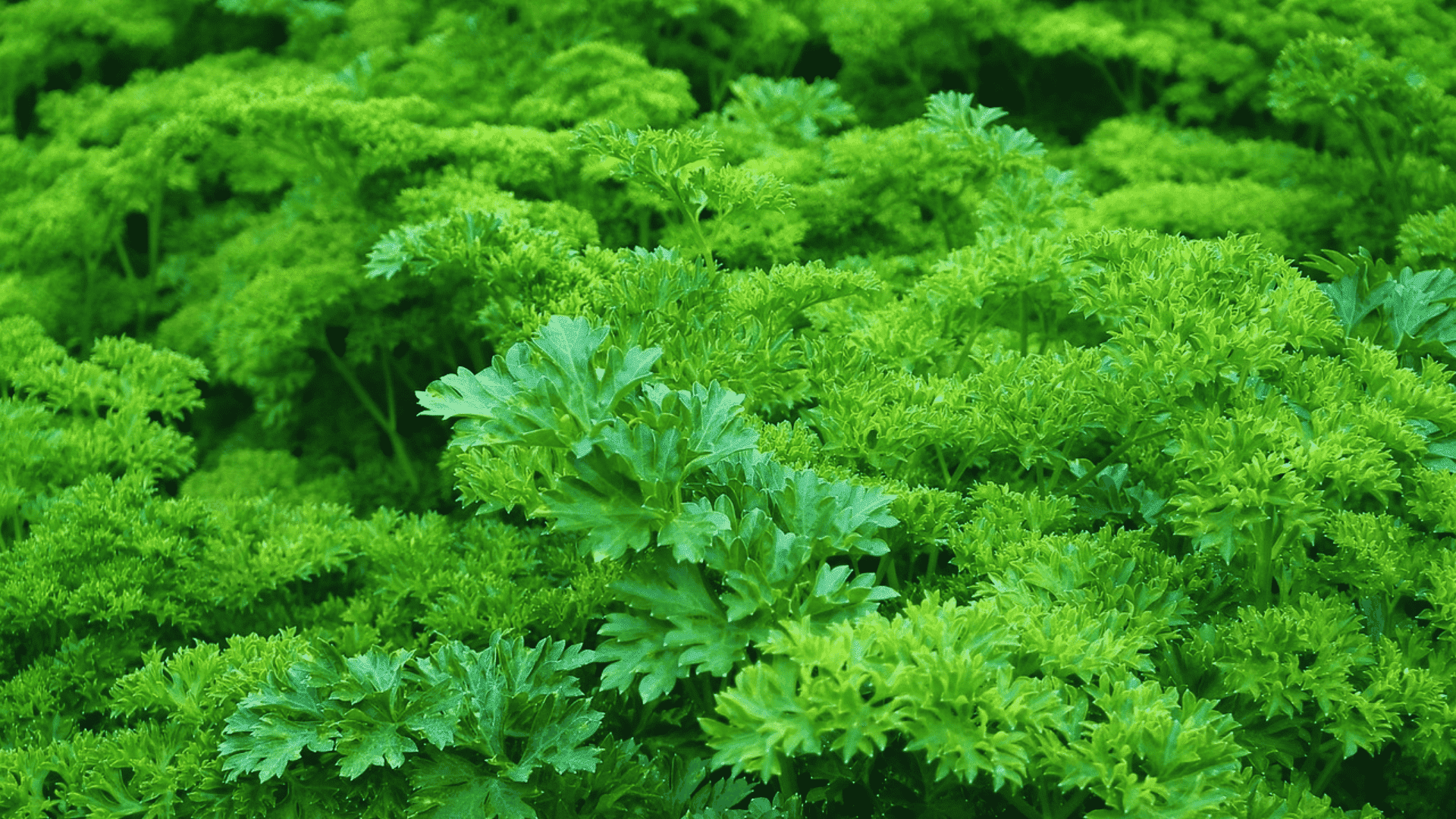
Parsley is a dependable cool-season herb that grows well alongside spinach without causing much competition.
Once it flowers, parsley attracts helpful insects, including predatory wasps and hoverflies that help keep aphid numbers down.
It is a slow grower, so starting it indoors a few weeks before transplanting it near spinach works best. Parsley stays compact, does not spread aggressively, and tucks neatly into the edges of a garden bed.
It is a simple, low-fuss companion that quietly supports a healthier growing environment for spinach throughout the season.
17. Marigolds

Marigolds are one of the most well-known companion plants for good reason; they work. Their strong scent deters many common garden pests, including aphids, whiteflies, and soil nematodes.
Planting marigolds around the border of a spinach bed creates a natural pest barrier without taking up much growing space.
They are easy to grow from seed, thrive in cool to warm conditions, and bloom for a long time.
Planting them each season is a low-cost, reliable way to reduce pest pressure across vegetable beds without using any chemical sprays or treatments.
18. Borage
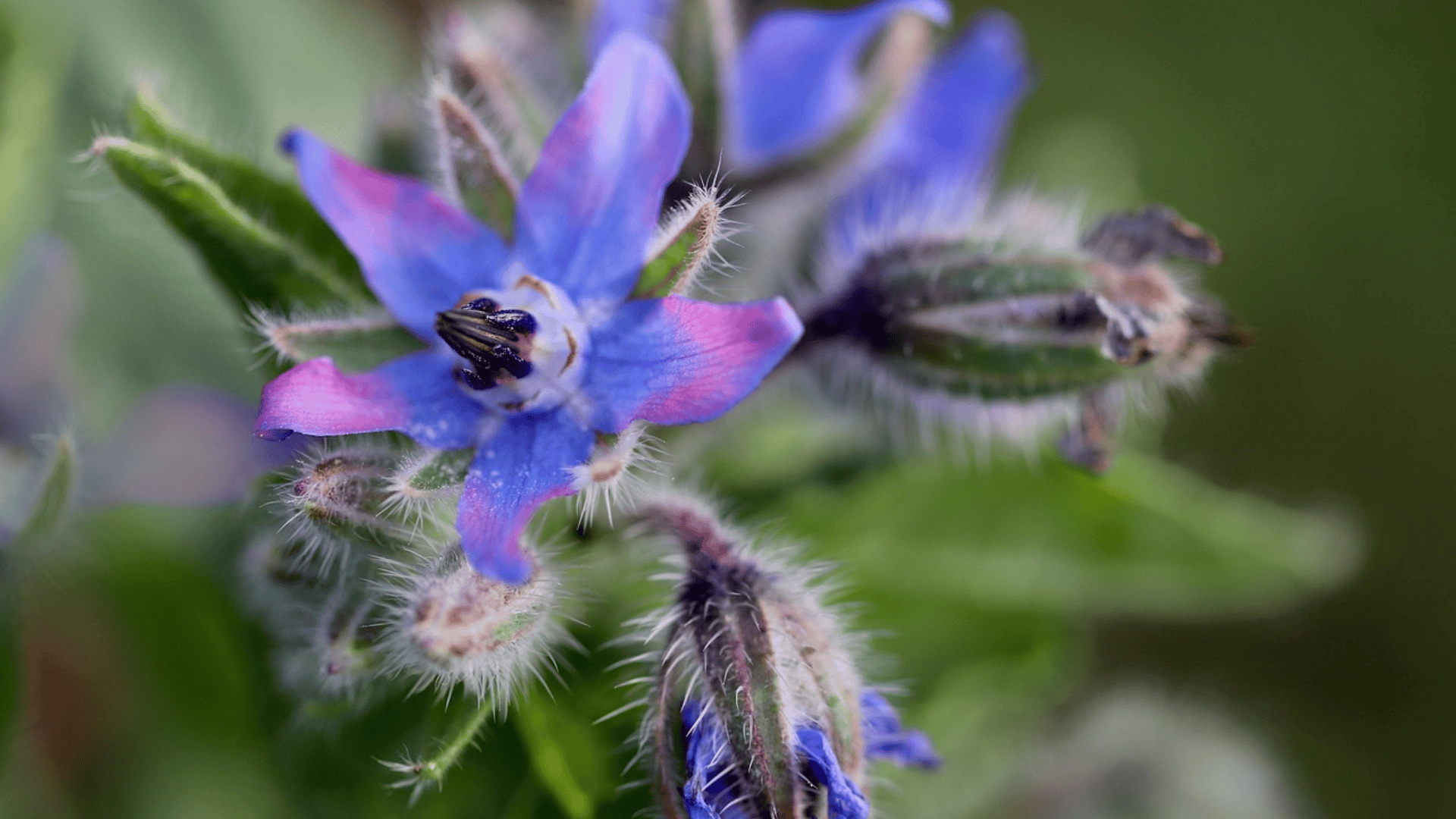
Borage is a tough, easy-to-grow plant that brings real benefits to a spinach bed. Its bright blue flowers attract pollinators and helpful insects throughout the season.
Borage also repels tomato hornworms and cabbage worms, which can sometimes damage spinach and nearby crops.
It grows fairly tall, so planting it on the north side of the bed helps prevent it from shading smaller plants.
Borage self-seeds freely, which means once it is planted, it tends to come back on its own each year with very little extra effort.
19. Mint
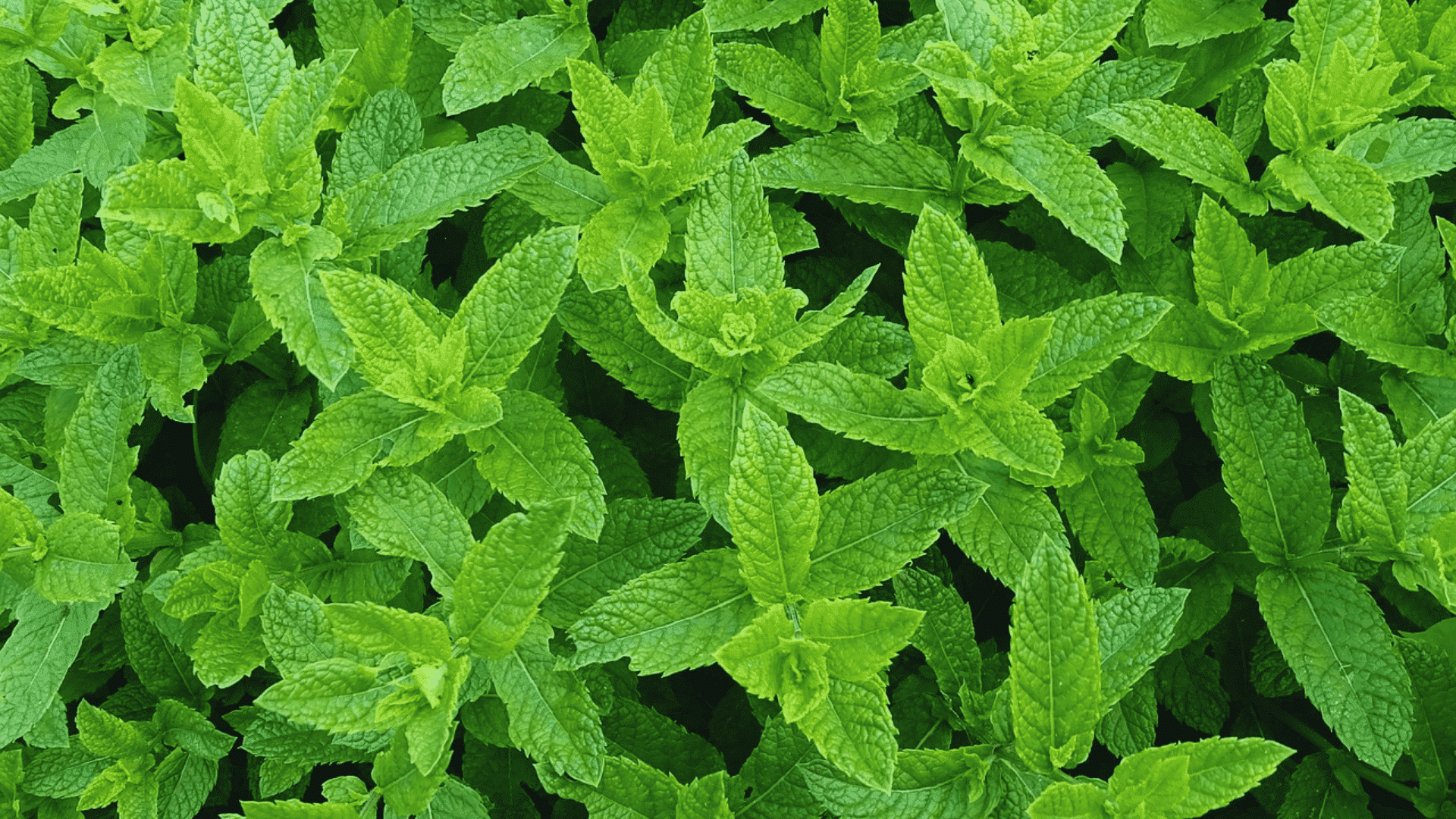
Mint is a strong pest deterrent that works well near spinach, but it needs to be managed carefully.
It spreads very aggressively and will take over an open garden bed quickly if planted directly in the ground.
The best approach is to grow mint in a container and place it near the spinach bed rather than planting it in the soil. Its sharp scent repels aphids, flea beetles, and ants effectively.
Even when grown nearby in a pot, mint provides solid pest protection without becoming a problem or competing with spinach for space and nutrients.
20. Thyme
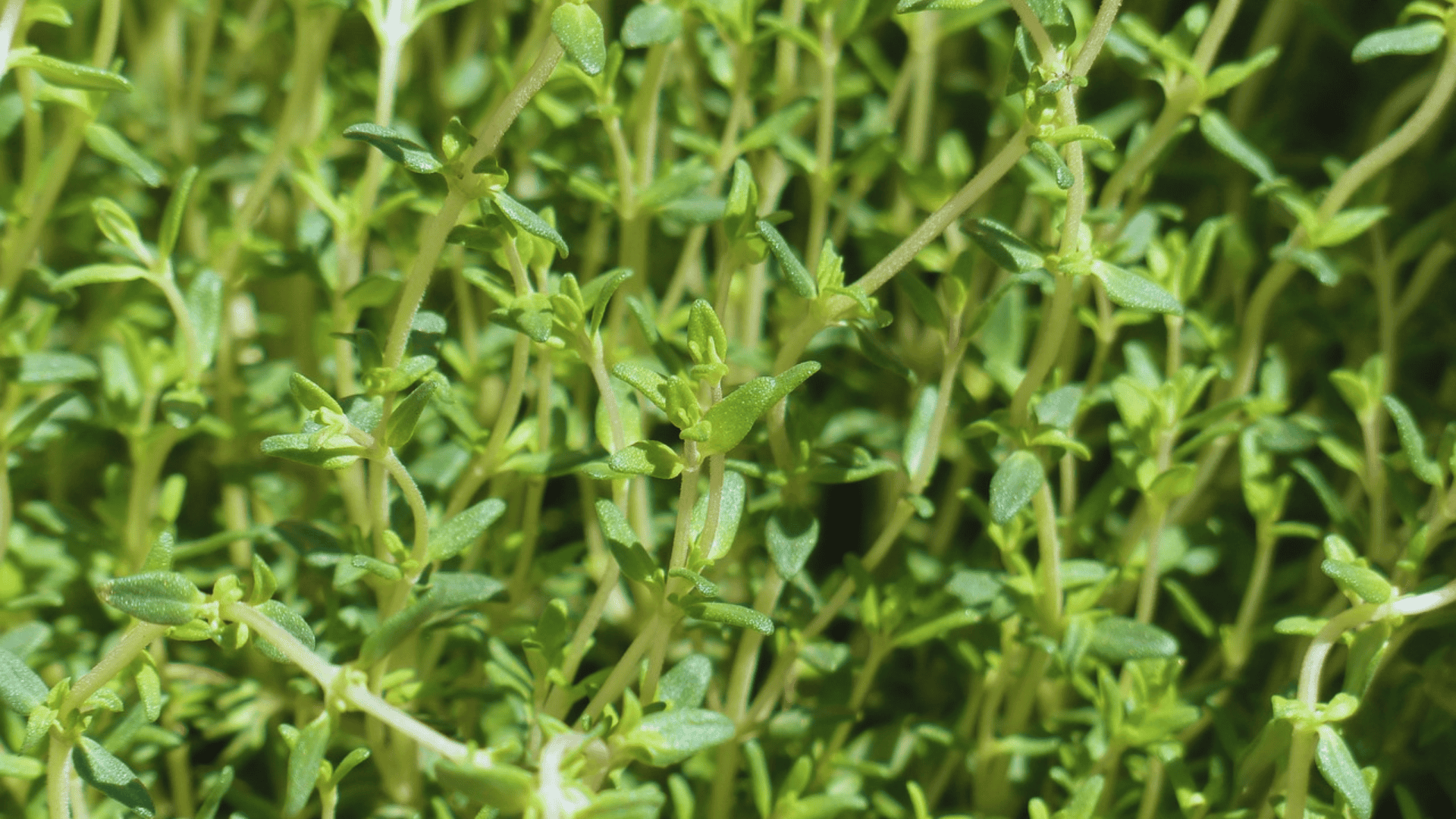
Thyme is a low-growing herb that works well as a companion plant along garden borders. Its strong scent repels whiteflies, cabbage worms, and other insects that go after leafy greens like spinach.
Once established, thyme is drought-tolerant and needs very little care. It stays compact and will not shade or crowd nearby spinach plants.
Planting thyme along the edges of a vegetable bed creates a tidy, pest-deterring border that stays in place all season.
It is one of the easiest and most reliable herbs to use as a companion plant in a cool-season garden.
21. Sage

Sage is a useful herb to grow near spinach because its strong smell deters flea beetles, cabbage moths, and other insects that target leafy greens.
It grows into a small, woody plant that works well as a long-term border plant in a vegetable garden.
Sage prefers drier soil than spinach, so it is best planted along a dry border edge nearby rather than in the middle of a moist spinach bed.
This placement lets spinach get pest protection without overwatering sage.
22. Tansy
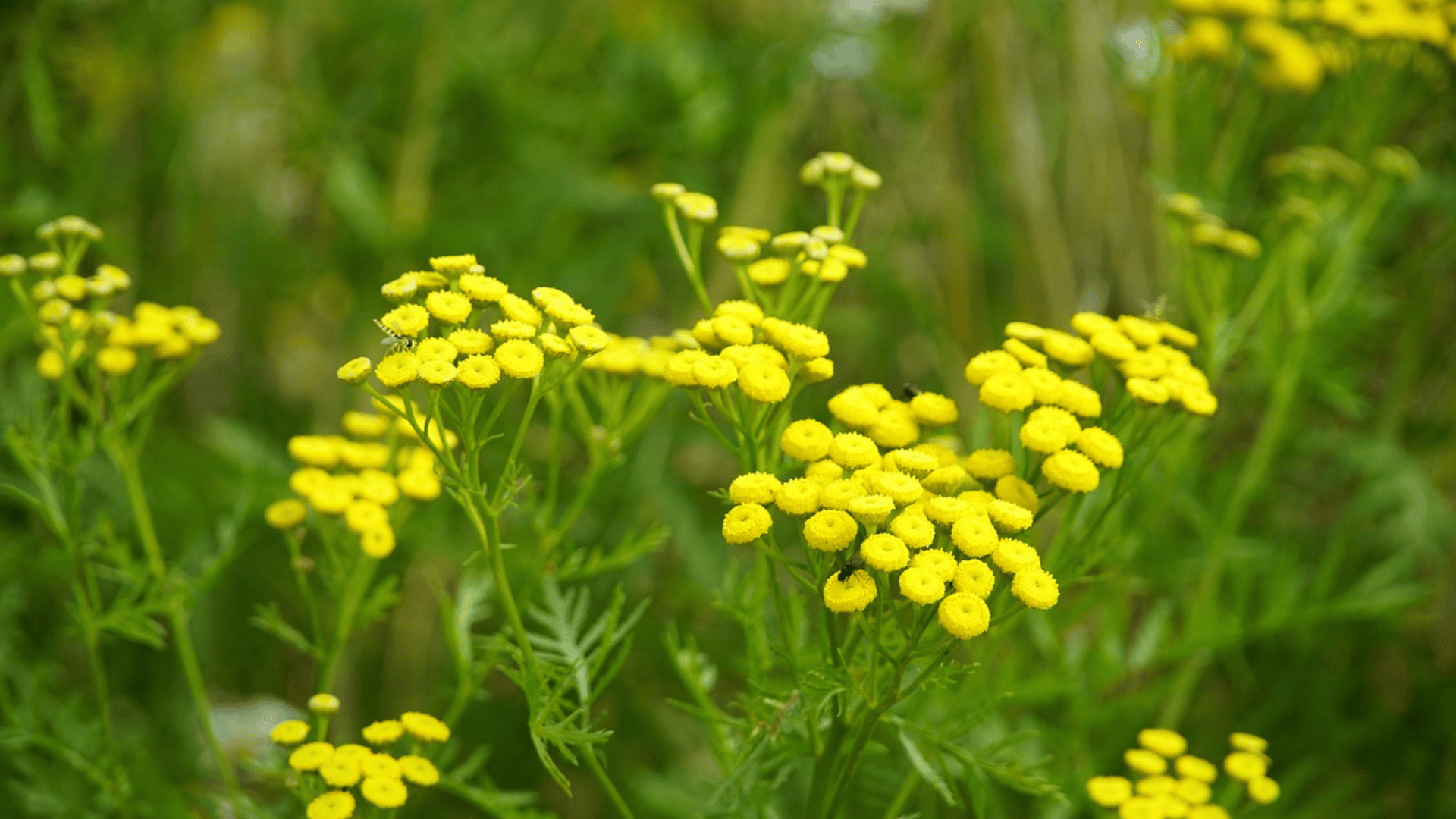
Tansy is a strong-scented plant that repels a wide range of garden pests, including flea beetles and squash bugs.
Planting it along the edges of a spinach bed helps create a natural pest barrier without interfering with spinach growth.
Tansy grows tall and can spread over time, so keeping it at the garden’s outer edge works best.
It is also worth noting that tansy is toxic if eaten, so it should be planted with care in a food garden. Used thoughtfully, it is a low-maintenance and effective pest deterrent.
23. Catnip
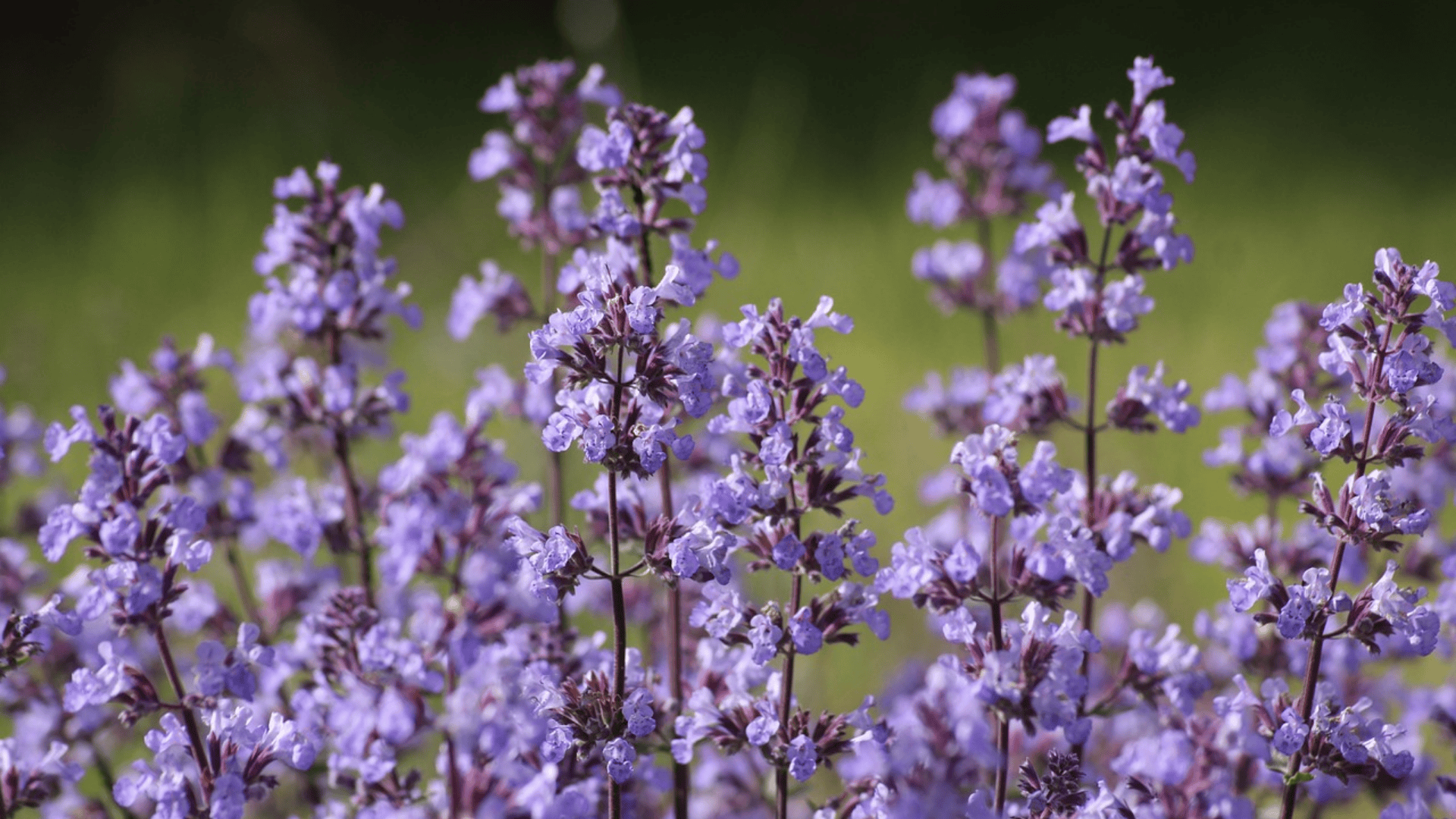
Catnip is a surprisingly effective pest deterrent for the vegetable garden. Research has shown it can repel flea beetles, aphids, and squash bugs quite well.
For spinach, it is especially helpful against flea beetles, which punch small holes in leaves and reduce plant quality.
Like mint, catnip spreads quickly, so growing it in a container near the spinach bed is the most practical option.
The main tradeoff is that it may attract neighborhood cats to the garden. But for pest control, it is a simple and genuinely useful companion plant that is easy to maintain.
24. Leeks
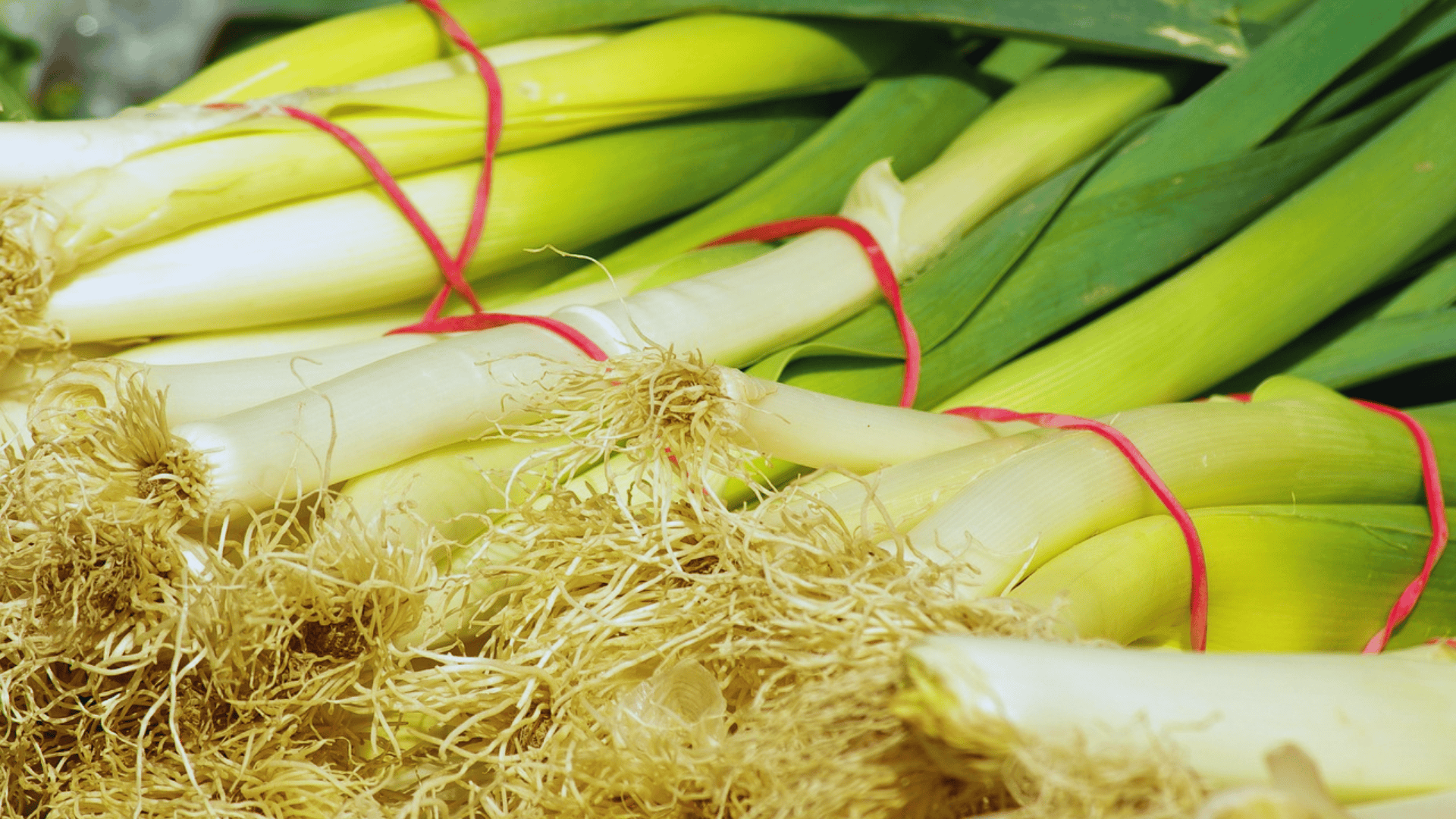
Leeks are a calm, easygoing companion that grows well in the same cool-season conditions as spinach.
They have a small footprint and grow upright, so they do not shade or crowd nearby plants.
Leeks have a mild repellent effect on carrot flies and some aphid species, providing a small layer of protection for a spinach bed. They mature slowly, so planning the planting schedule in advance is helpful.
In a mixed bed, leeks neatly fill the vertical space while spinach fills the lower-growing zone, making them a tidy and compatible pair.
25. Turnips
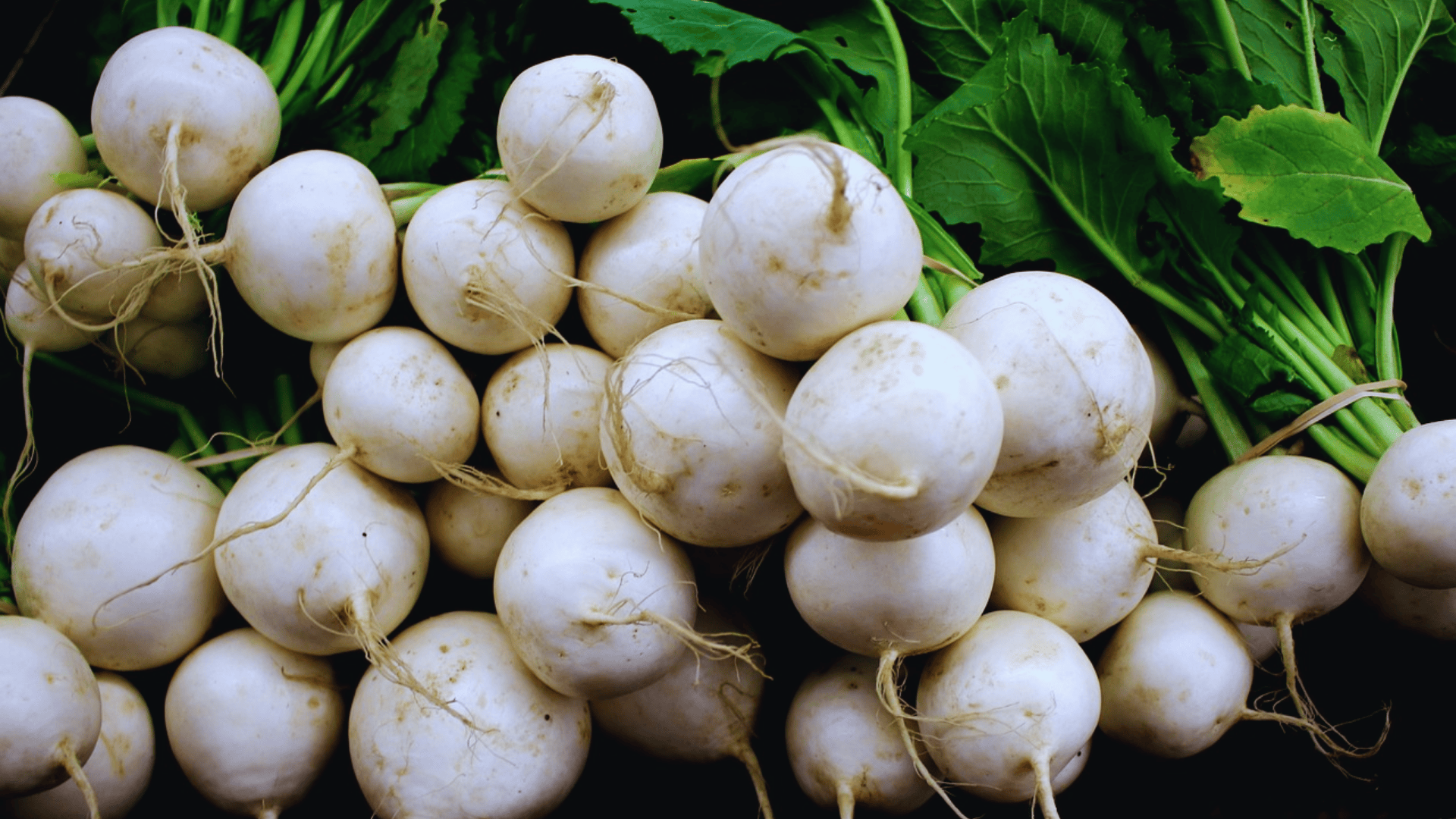
Turnips are an easy cool-season companion for spinach since both grow well in cool temperatures, steady moisture, and well-drained soil.
Turnips grow mostly underground, so they do not compete with spinach for light or space above the soil.
Their leafy tops can offer a bit of natural shade on warmer days, which helps slow spinach from bolting too soon.
They are especially useful in fall garden beds where making the most of available space before the first frost is a priority.
26. Kale
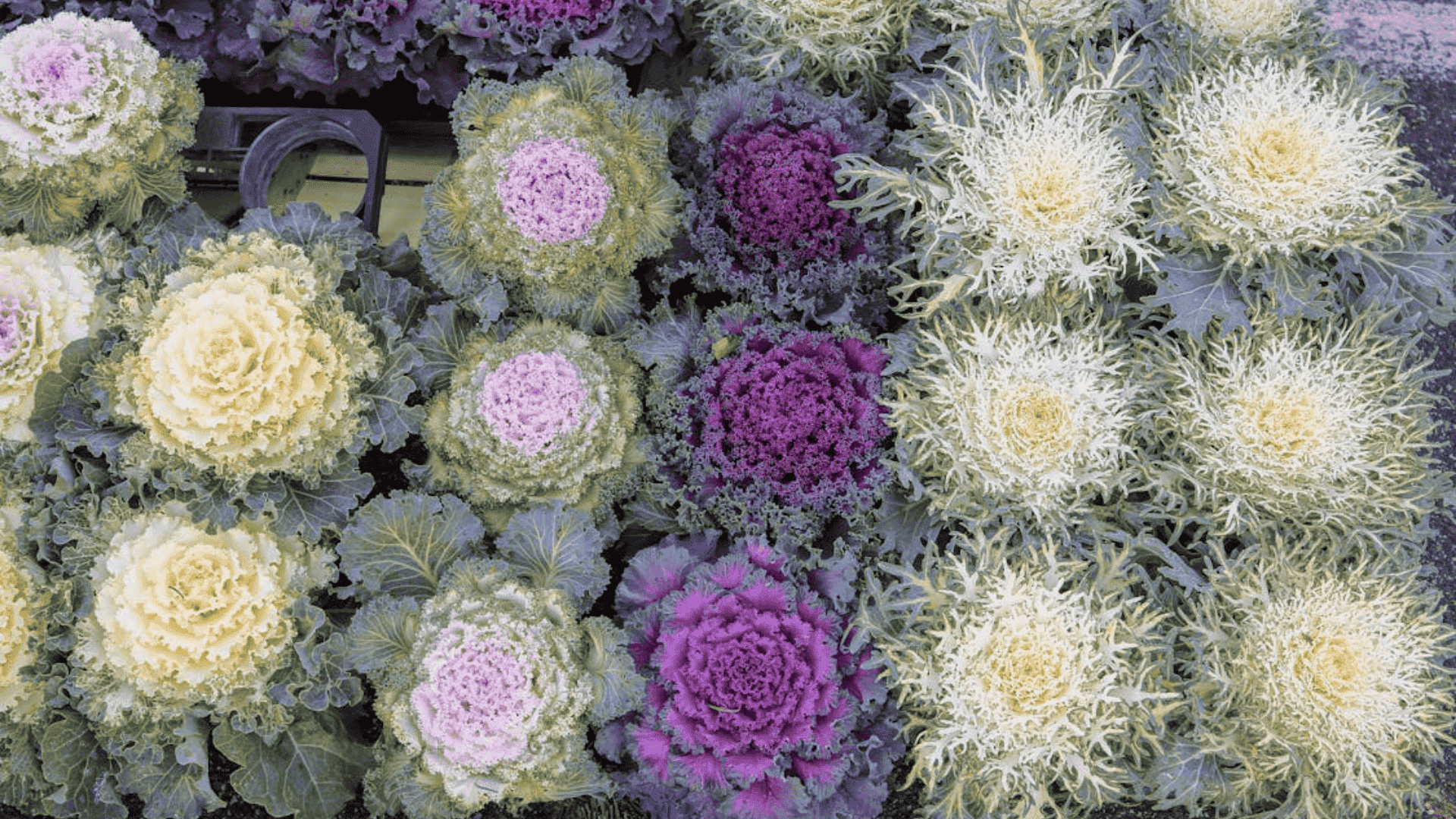
Kale can act as a light shade provider for spinach during warmer parts of the growing season.
Its larger leaves help reduce direct sunlight on spinach, slowing bolting and extending the harvest window slightly.
Both plants grow well in cool weather and can be planted side by side without much conflict. Since both are leafy greens, it’s helpful to check regularly for common pests such as aphids and cabbage worms.
Giving them enough space for good airflow and keeping a close eye on pest activity will help get the most out of this pairing.
27. Pansies

Pansies are edible flowers that do quite useful work in a spinach garden bed. They attract pollinators and fill open gaps without competing for nutrients or crowding out nearby spinach.
Their low-growing habit makes them a neat border plant that does not interfere with other crops.
They do not provide strong pest control but attract a variety of insects that help support plant health.
Planting pansies along the edges of raised beds is a practical and tidy option; they take up little space and serve a gentle but helpful role.
28. Calendula
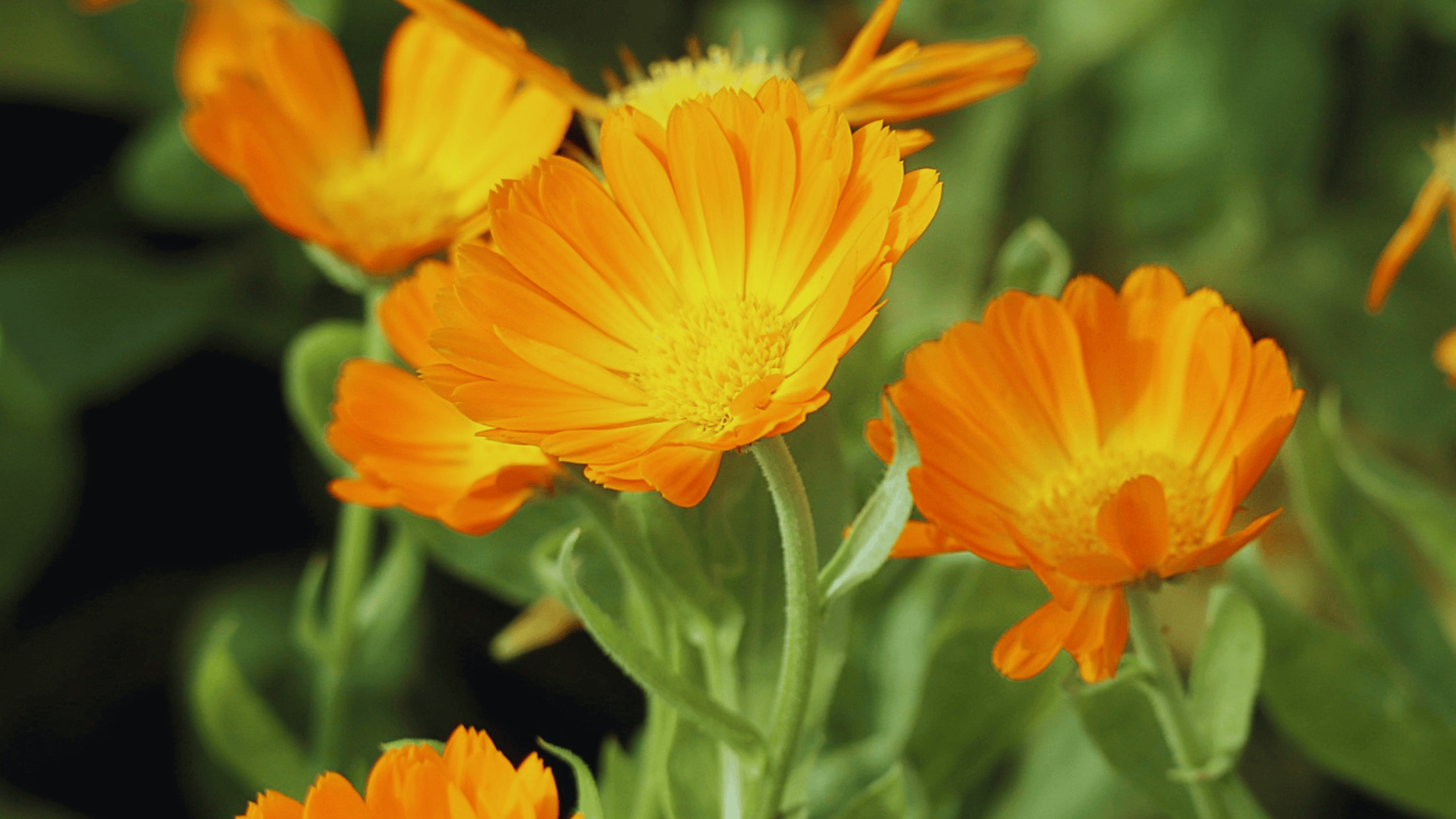
Calendula is one of the hardest-working companion plants to add near spinach. Its bright flowers attract helpful insects, including hoverflies and parasitic wasps, that prey on aphids and other small pests.
Calendula also acts as a trap crop, attracting aphids to its sticky stems and diverting them from spinach.
It is easy to grow from seed, blooms for a long time, and self-seeds on its own each year.
Planting calendula at the corners and edges of spinach beds every season is a low-effort way to reduce pest pressure while keeping the garden looking colorful.
29. Sweet Alyssum
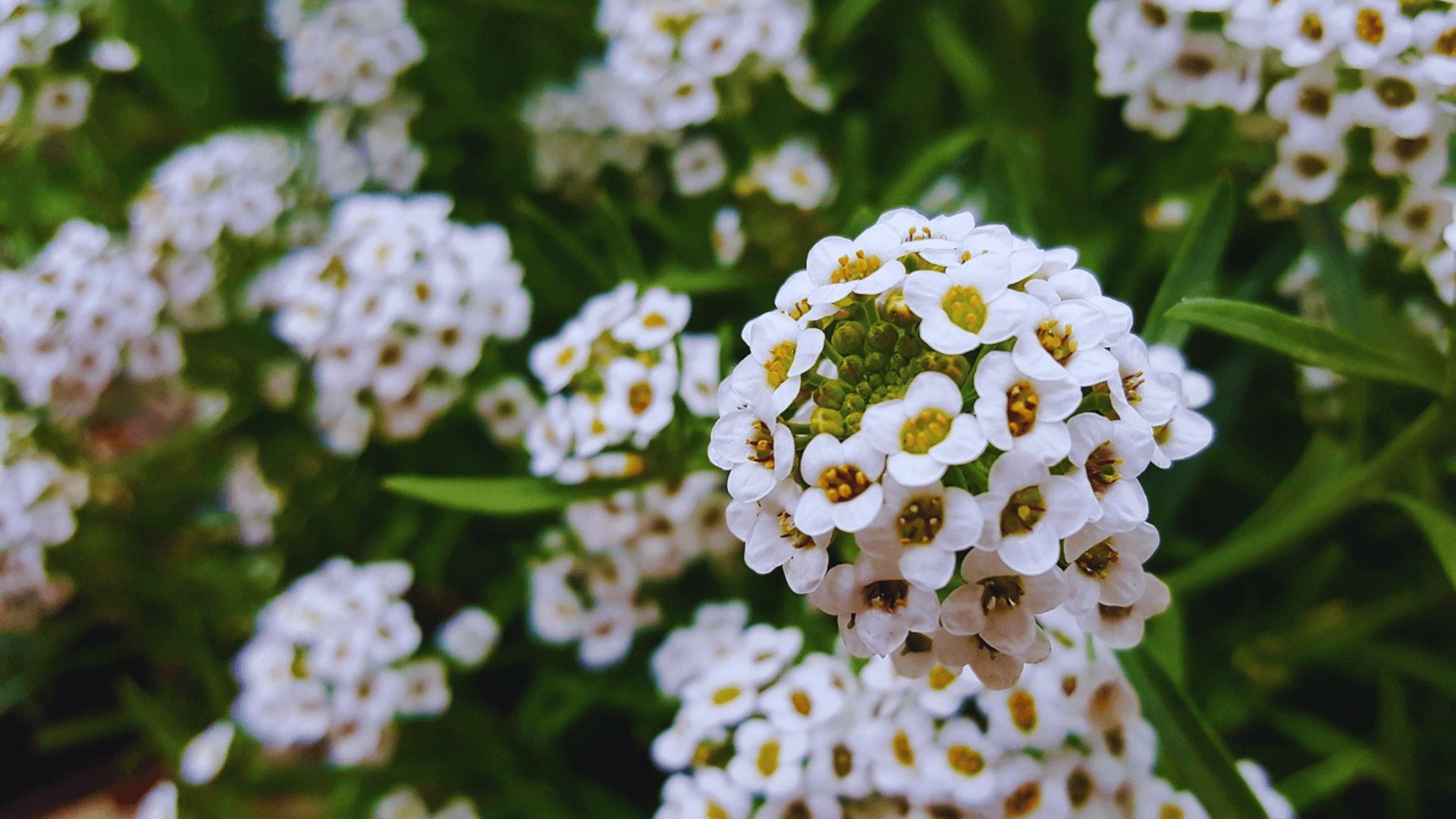
Sweet alyssum is a small flowering plant that offers more pest control than its size suggests. Its tiny blooms produce nectar that attracts hoverflies, whose larvae feed heavily on aphids.
Planting sweet alyssum along spinach bed edges attracts helpful insects all season.
It grows low and compact, so it does not block light or interfere with spinach growth.
It is also very easy to grow from seed and can be tucked into almost any open gap in the bed without taking up valuable growing space.
30. Clover
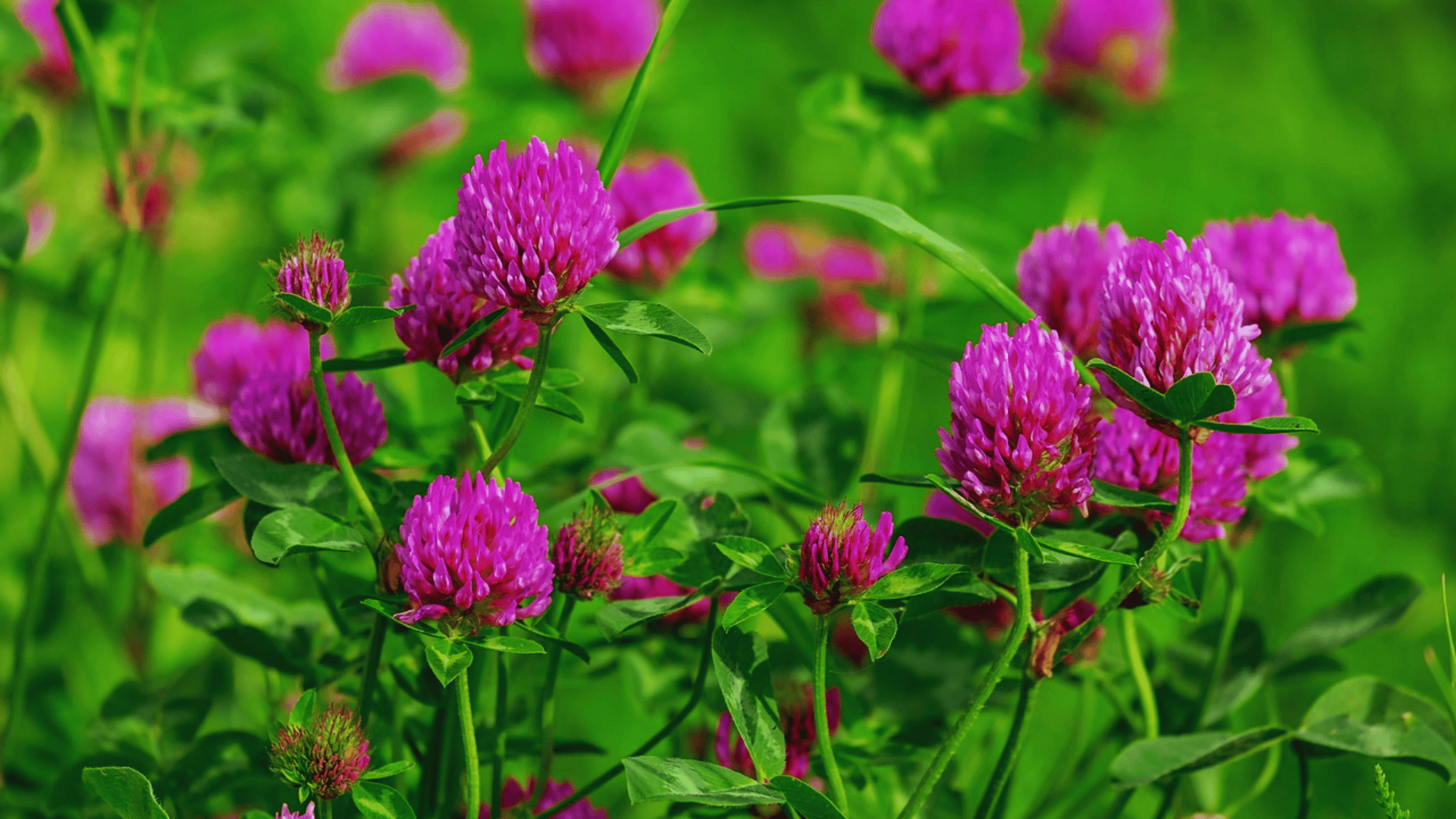
Clover is an excellent ground cover companion for spinach. As a legume, it pulls nitrogen from the air and releases it into the soil, which naturally feeds nearby spinach plants.
It also keeps soil moisture by covering bare ground and reducing evaporation, which helps shallow-rooted crops like spinach.
White clover stays low and does not compete aggressively with garden plants. Using it to fill open spaces between spinach rows in larger beds is a practical approach.
It improves soil health, reduces weeding, and keeps the growing area more stable over time.
31. Fennel
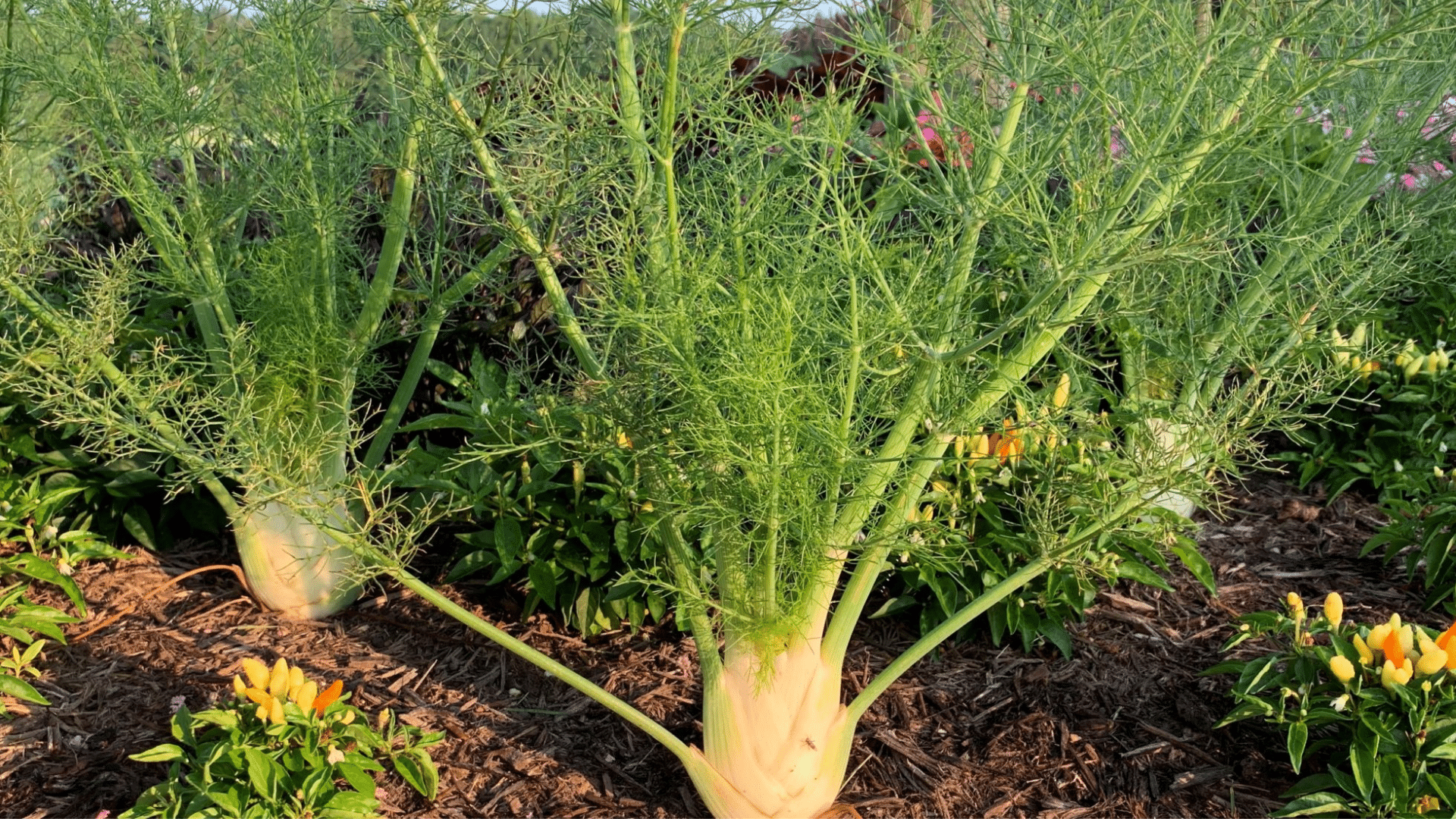
Fennel is the only plant on this list with a clear warning. It releases compounds through its roots that can slow or stop the growth of many garden plants, including spinach.
For this reason, planting fennel directly in or next to a spinach bed is not a good idea.
However, if grown at a safe distance of at least three to four feet away, fennel flowers can attract helpful insects, such as parasitic wasps and hoverflies, to the wider garden.
If fennel is part of the garden plan, keep it in its own separate spot well away from spinach.
Companion Planting Tips for a Healthier Spinach Bed
The right plants only do their job when they are placed and timed correctly. Use these practical tips to set up your spinach bed the right way.
- Mind the Spacing: Give spinach and its companions enough room so they don’t crowd each other. At least 6 inches between plants works well for most pairings.
- Choose the Right Planting Style: Low-growing companions like radishes and chives can be mixed directly into the spinach bed. Taller or spreading plants, like marigolds, work better when planted along the outside edge.
- Match Plants to the Season: Spinach grows best in cool weather, so pair it with cool-season plants like garlic, peas, and lettuce. Avoid planting warm-season crops beside it.
- Prep the Soil Before You Plant: Spinach does best in loose, well-drained soil with good moisture. Mix in some compost before planting to give both spinach and its companions a strong, healthy start.
- Water Smart: Spinach needs steady moisture, but too much water can cause problems. Water deeply a few times a week and plant thyme or sage at the bed’s edge where it stays drier.
Conclusion
Companion planting does not have to be complicated. Growing the right plants next to spinach helps keep pests away, improves the soil, and gives you a better harvest, all without much extra work.
If you are just getting started, pick one or two companions and see how they do.
Garlic, radishes, and marigolds are all easy to grow and a great place to begin. You do not need to change everything at once.
Over time, you will figure out what works best in your garden. Every season teaches you something new. Now it is your turn to choose one companion plant from this list and try it out this season.
Then come back and let us know how it went in the comments below. What worked well for your spinach?