

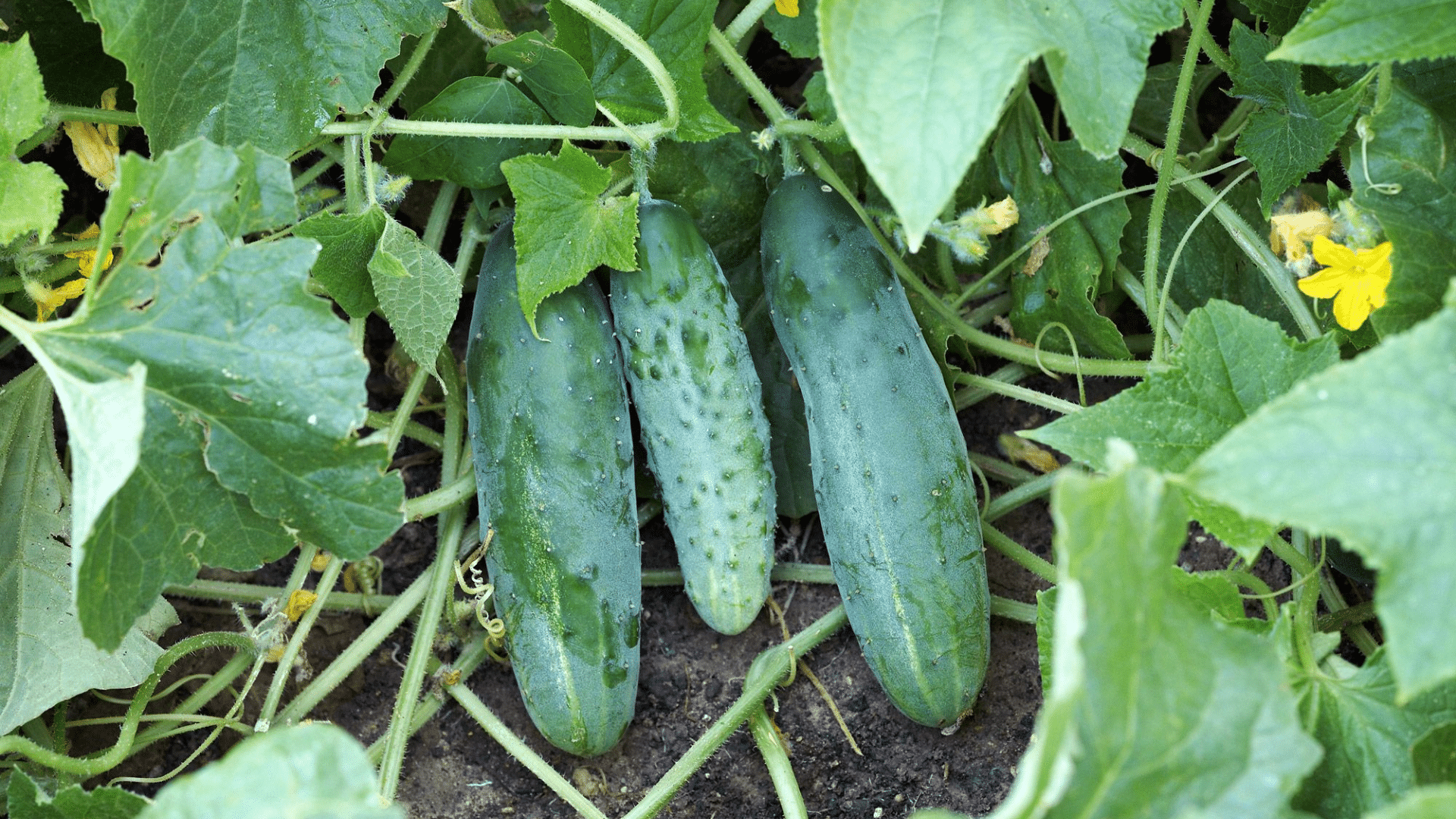
Cucumbers are a great addition to any garden, but choosing the right companions is key to their success.
Some plants don’t pair well with cucumbers, either competing for resources or attracting pests that harm your crop.
In this article, I will share what to plant with cucumbers and what to avoid planting with them to ensure a successful garden.
You’ll learn which plants can stunt cucumber growth, increase the risk of disease, or just not grow next to them.
I’ll also share tips on creating a balanced garden where cucumbers can grow strong and healthy.
By understanding which plants to keep away from cucumbers, you’ll make smarter choices, save time, and enjoy a better harvest.
If you’re new to gardening or an experienced grower, this guide will help you grow the best cucumbers possible.
Why Companion Planting Works for Cucumbers?
Companion planting is a gardening technique where certain plants are grown together to benefit each other.
For cucumbers, this approach can promote healthier growth, increase yields, and reduce pest pressure.
Some plants help cucumbers by attracting beneficial insects, like pollinators and natural predators of pests. Others, like herbs, can even enhance the flavor of your cucumbers.
Additionally, companion plants can provide shade or serve as natural barriers, protecting cucumbers from harsh weather and pests.
For example, planting marigolds or nasturtiums alongside cucumbers can help keep harmful insects at bay.
On the other hand, some plants can help improve soil quality, ensuring cucumbers get the nutrients they need to grow strong.
By choosing the right companions, you create a more balanced, supportive environment for your cucumbers.
Top Companion Plants for Cucumbers
Cucumbers grow when paired with the right companion plants. These plants not only support cucumber growth but also protect against pests, improve soil health, and enhance the overall garden environment.
1. Marigolds
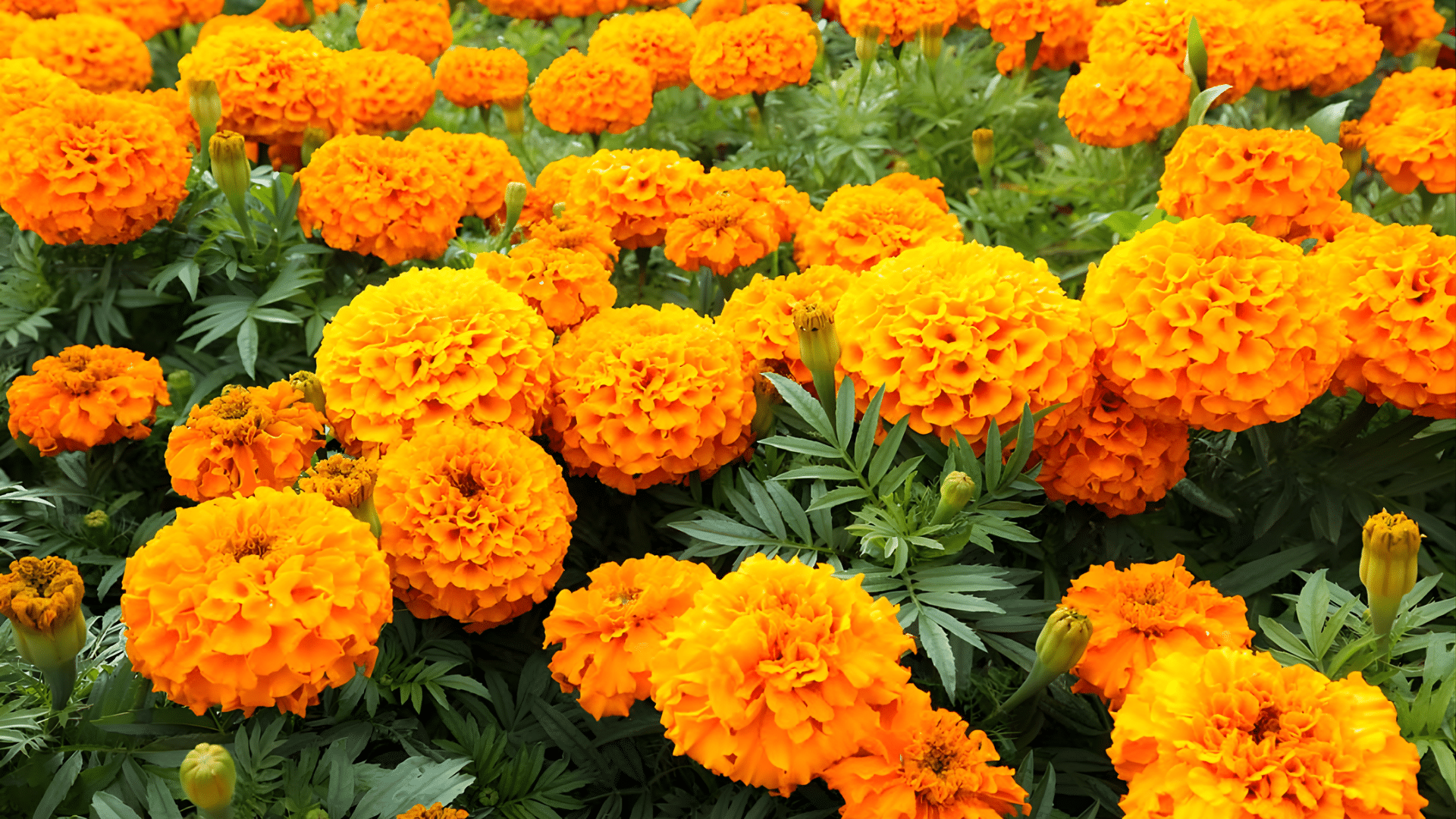
Marigolds are a powerful companion plant for cucumbers. Their strong scent repels common pests such as aphids, nematodes, and cucumber beetles, which can damage your cucumber plants.
Additionally, marigolds attract beneficial insects, such as pollinators and predatory insects, which help with cucumber pollination and pest control.
These flowers also add a splash of color to your garden, making them both functional and visually appealing.
By planting marigolds near cucumbers, you create a healthier garden environment, leading to improved cucumber growth and higher yields.
2. Nasturtiums
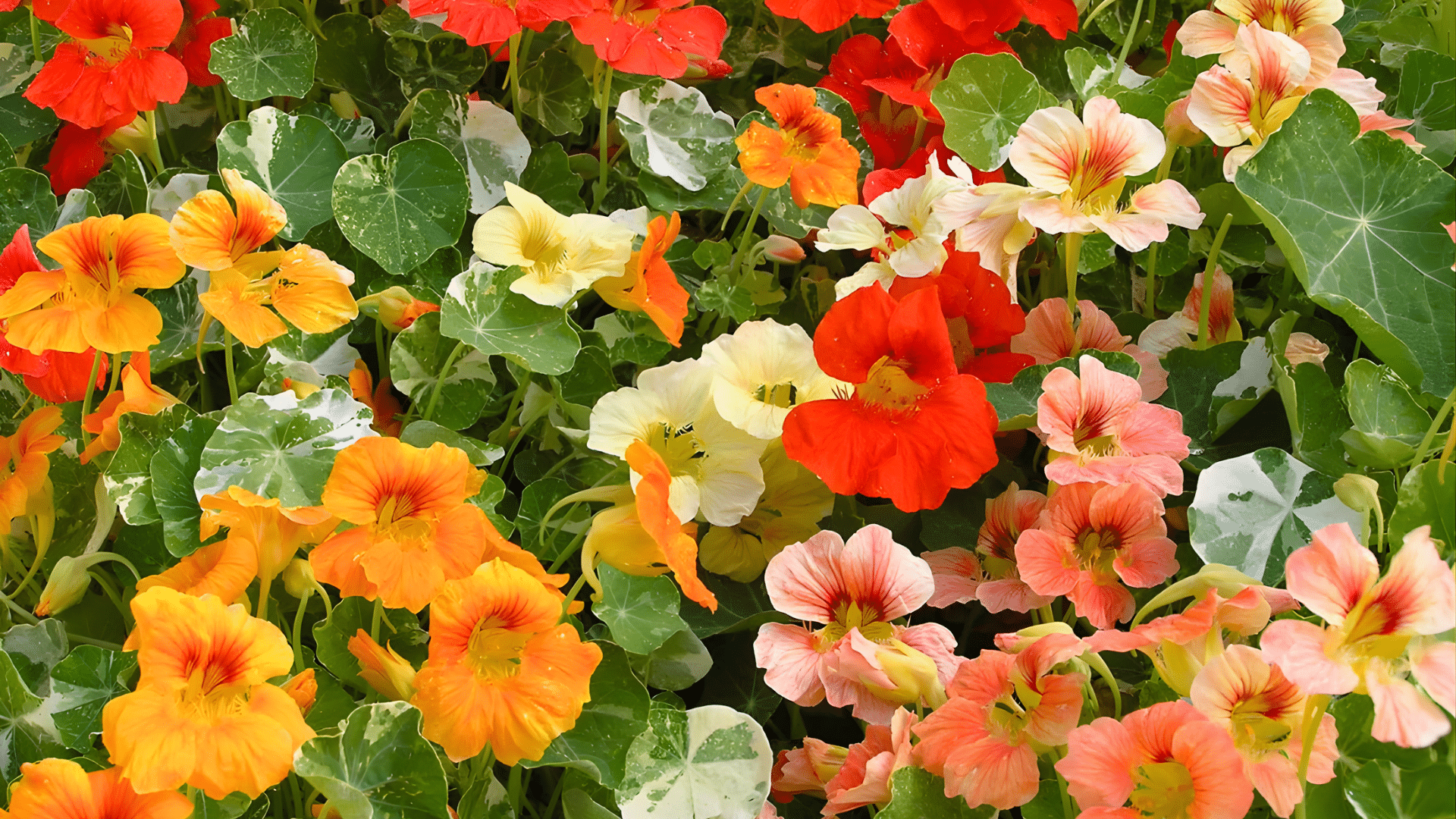
Nasturtiums are excellent companion plants for cucumbers due to their ability to attract aphids and other pests away from cucumber vines.
These vibrant flowers act as a natural trap crop, attracting pests away from the cucumbers.
Nasturtiums also help enrich the soil by fixing nitrogen, a nutrient that cucumbers require for healthy growth. Their bold colors and sprawling vines make them a beautiful and functional addition to your garden.
3. Radishes
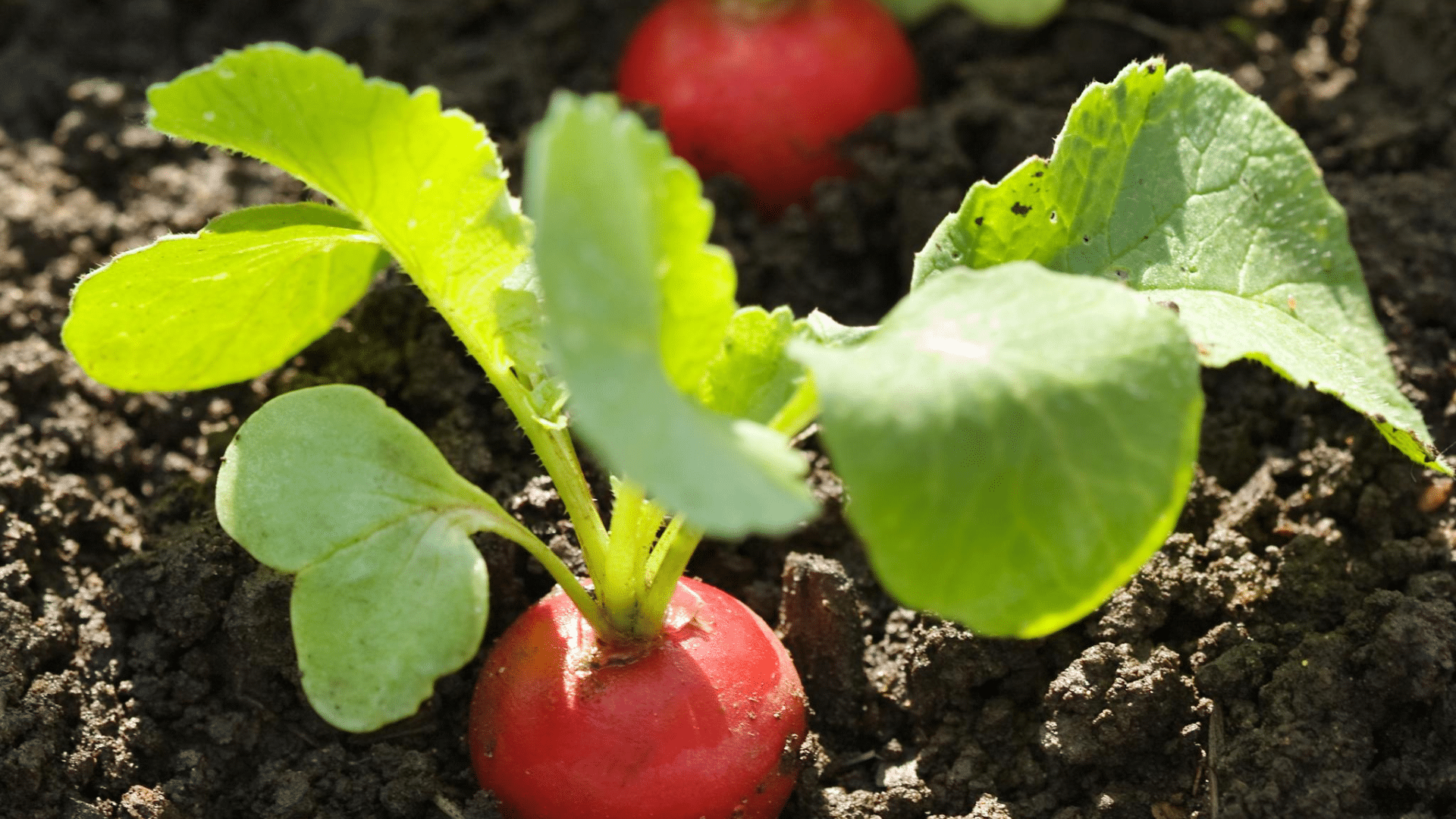
Radishes are a great companion for cucumbers, as they help improve soil structure.
Their fast-growing nature breaks up compacted soil, allowing cucumbers’ roots to spread more freely.
Radishes also attract pest-eating insects such as ladybugs, which help keep aphids and other cucumber pests under control.
Additionally, radishes provide shade to the soil, keeping the roots of your cucumber plants cool during hot weather, promoting healthier growth and better fruit production.
4. Beans
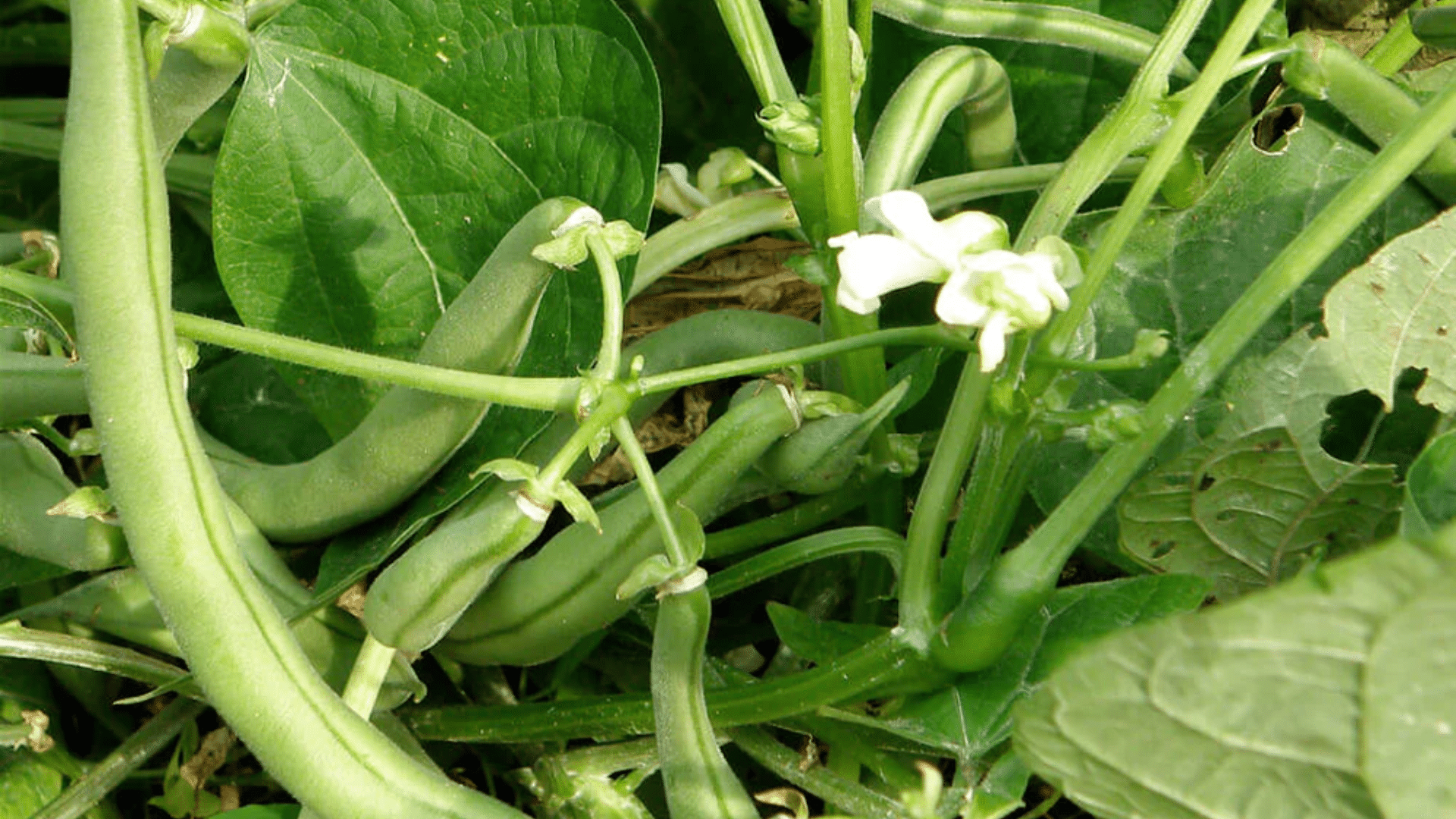
Beans are fantastic companions for cucumbers because they are nitrogen-fixing plants.
This means they enrich the soil with nitrogen, a vital nutrient for cucumber growth.
Beans can also serve as a natural trellis for cucumbers to climb, saving space and supporting the cucumber vines as they grow.
By planting beans alongside cucumbers, you not only provide nutrients but also reduce the need for additional supports, encouraging stronger, healthier cucumber plants.
5. Sunflowers
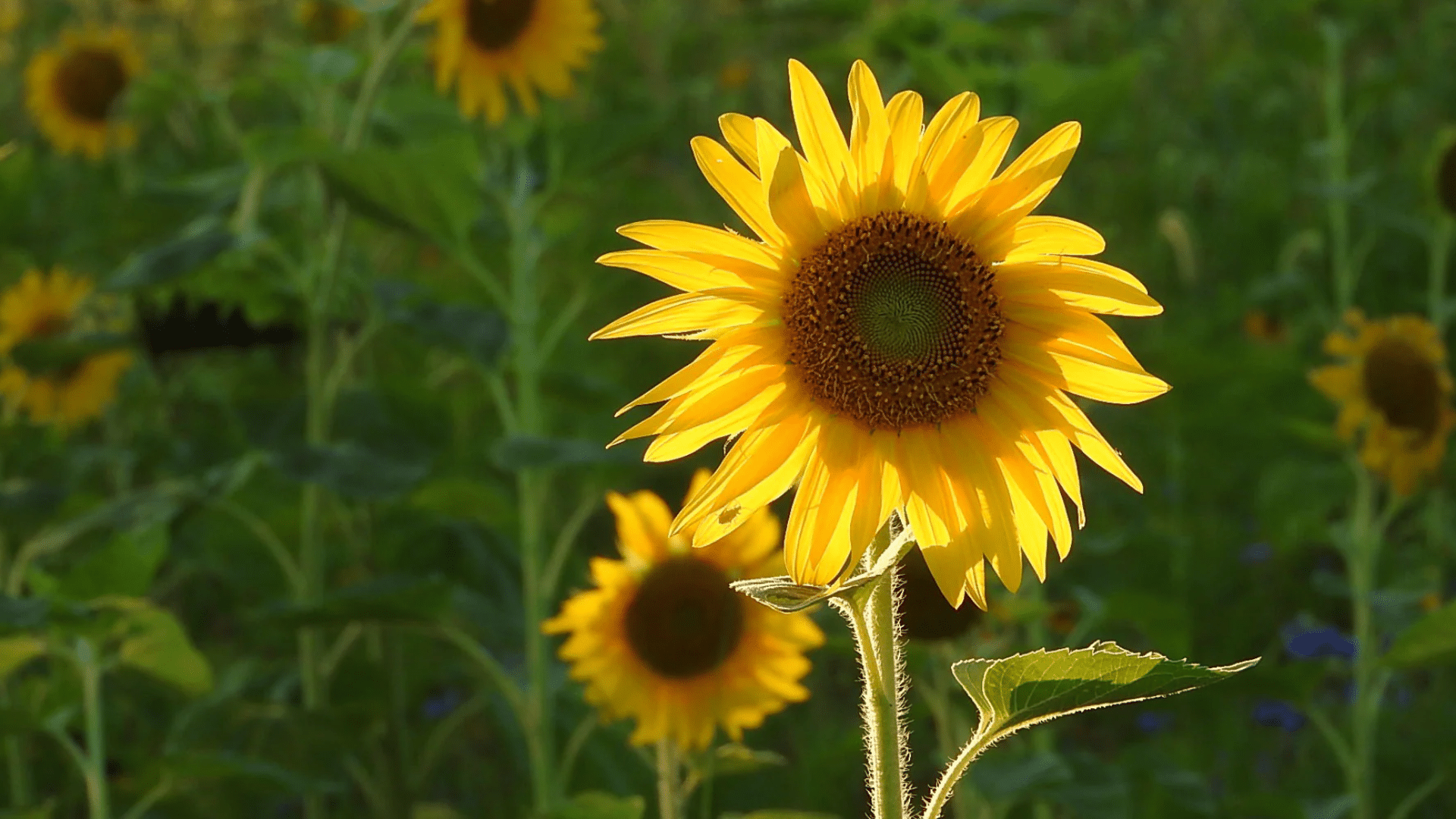
Sunflowers are beneficial companions for cucumbers because they act as a natural trellis.
Their tall, sturdy stems provide support for cucumber vines to climb, saving garden space while keeping your cucumbers off the ground.
Sunflowers provide support and attract pollinators like bees, crucial for cucumber flower production and plant health.
They also help protect cucumbers by attracting beneficial insects that prey on pests harmful to cucumber plants.
6. Oregano
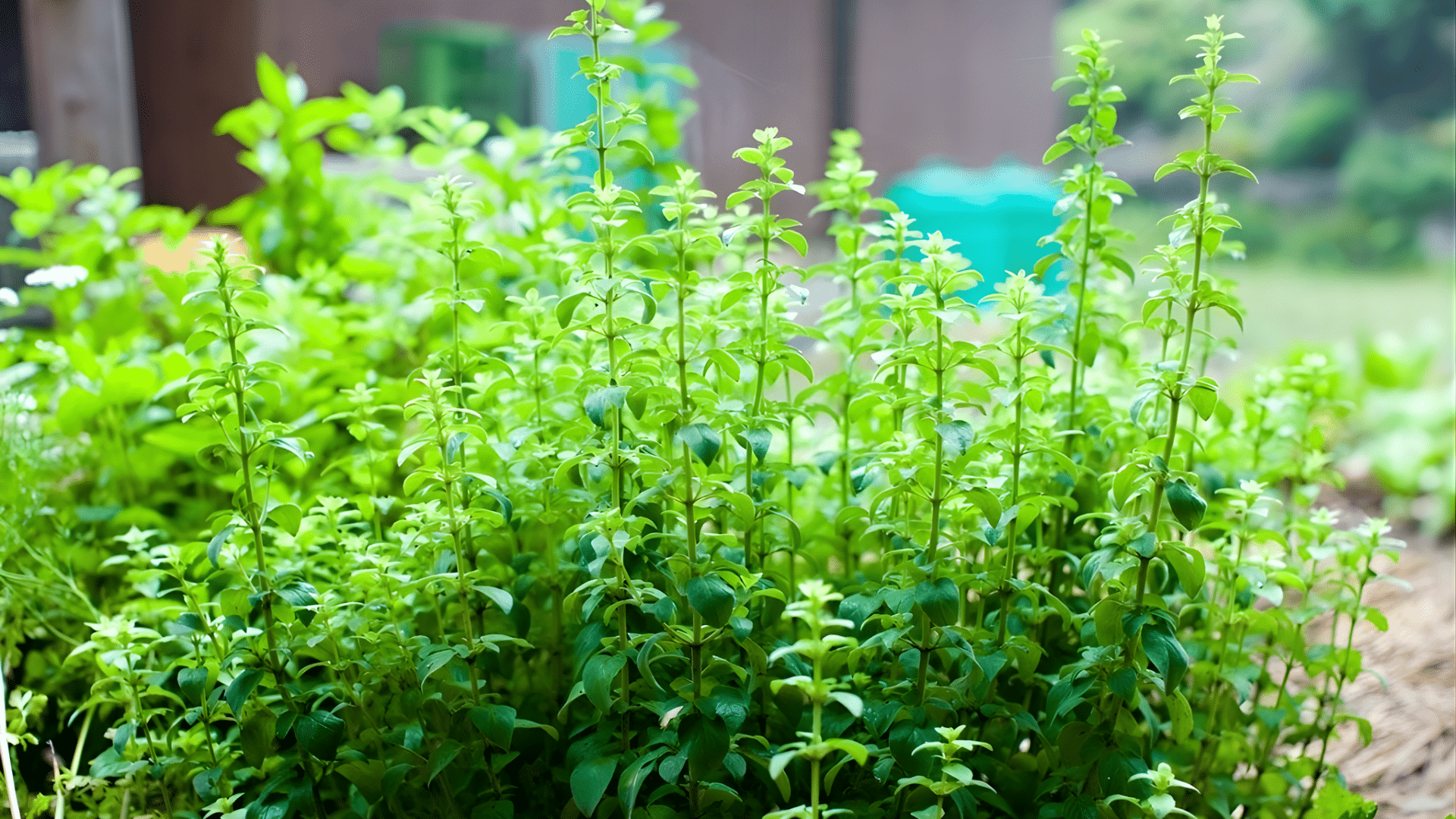
Oregano is a powerful herb for companion planting with cucumbers, as it helps repel common cucumber pests such as aphids, cucumber beetles, and whiteflies.
Its strong scent deters insects, protecting your cucumber plants.
Additionally, oregano acts as a ground cover, reducing weed growth and helping to maintain moisture in the soil, which is crucial for cucumbers.
The herb’s low-growing nature won’t compete with cucumbers for space, making it an ideal companion plant.
7. Dill
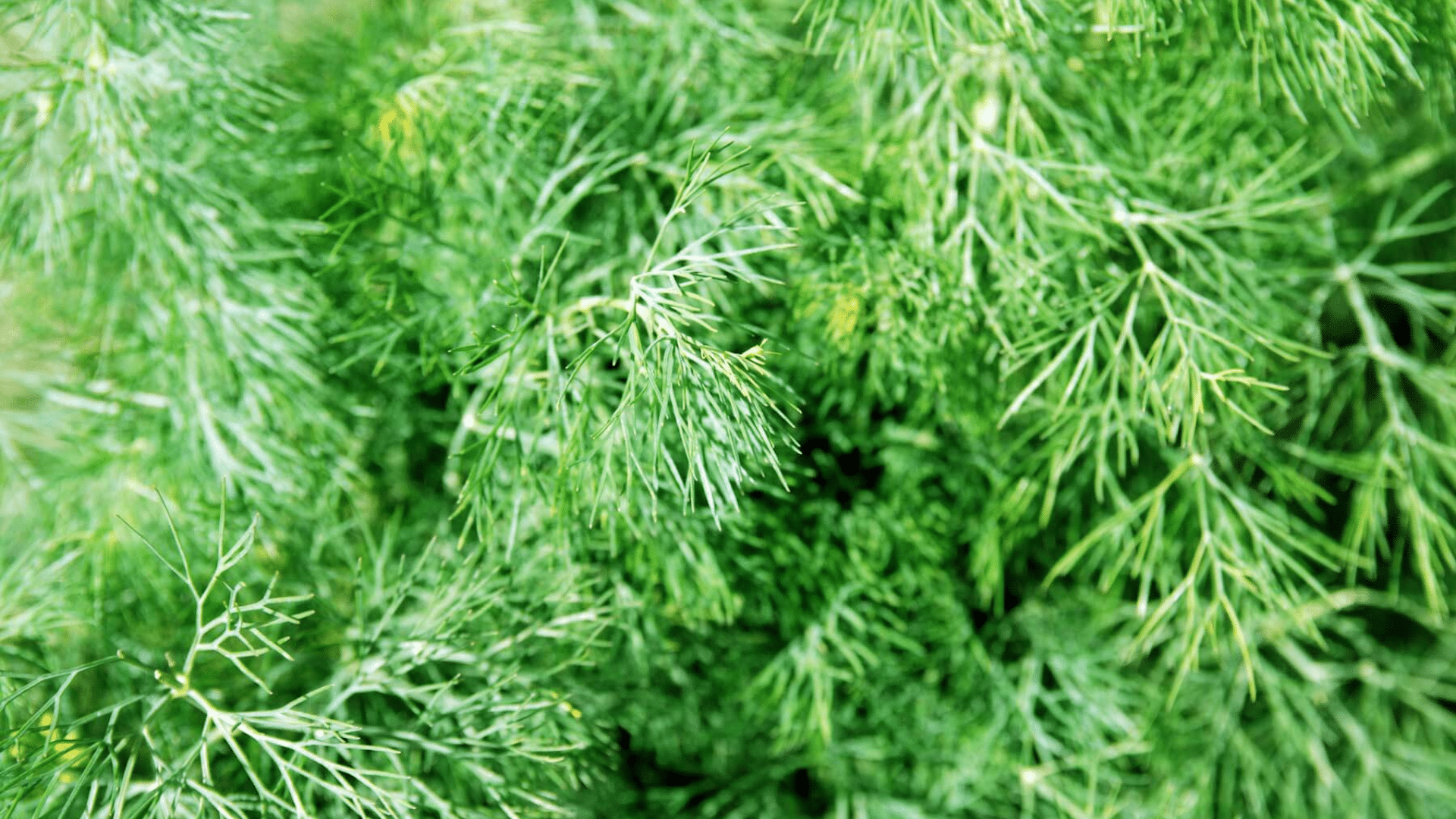
Dill is a fantastic companion for cucumbers because its attracts beneficial insects like ladybugs, which feed on aphids and other pests that threaten cucumber plants.
The tall, feathery dill plants provide shade for cucumber vines and can also act as a natural trellis for climbing cucumbers.
Moreover, dill enhances the flavor of cucumbers when planted nearby.
Which makes it an excellent choice for gardeners looking to improve both pest control and the taste of their cucumbers.
8. Peas
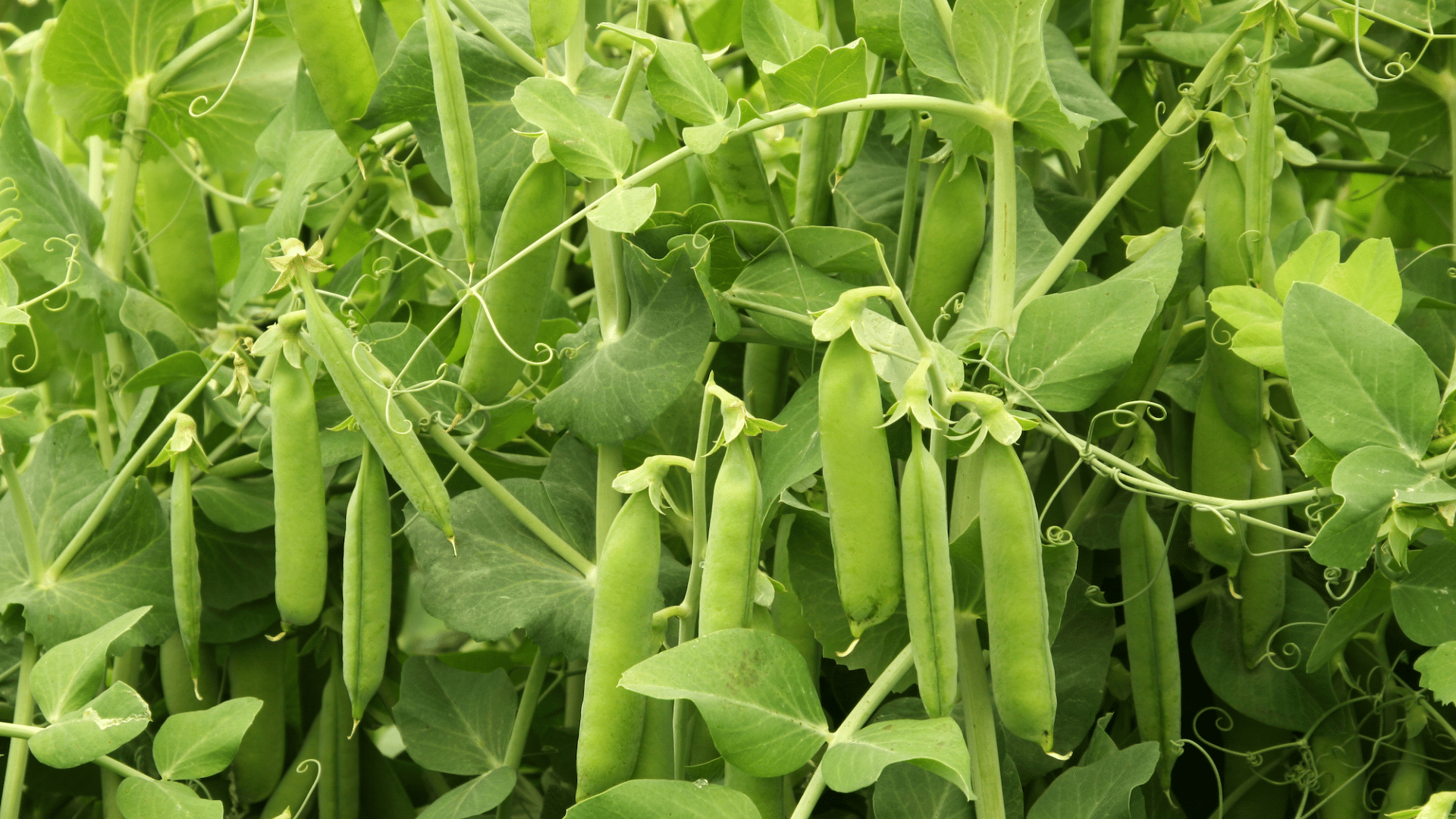
Peas are great companions for cucumbers because they improve soil health by fixing nitrogen, which cucumbers need for strong growth.
Peas also provide natural shade for cucumber plants, helping keep the soil cool and preventing cucumbers from getting too much sun during hot summer months.
The climbing vines of peas can also offer vertical support for cucumbers, reducing the space needed for both plants to grow.
Their symbiotic relationship makes them an ideal companion.
9. Tansy
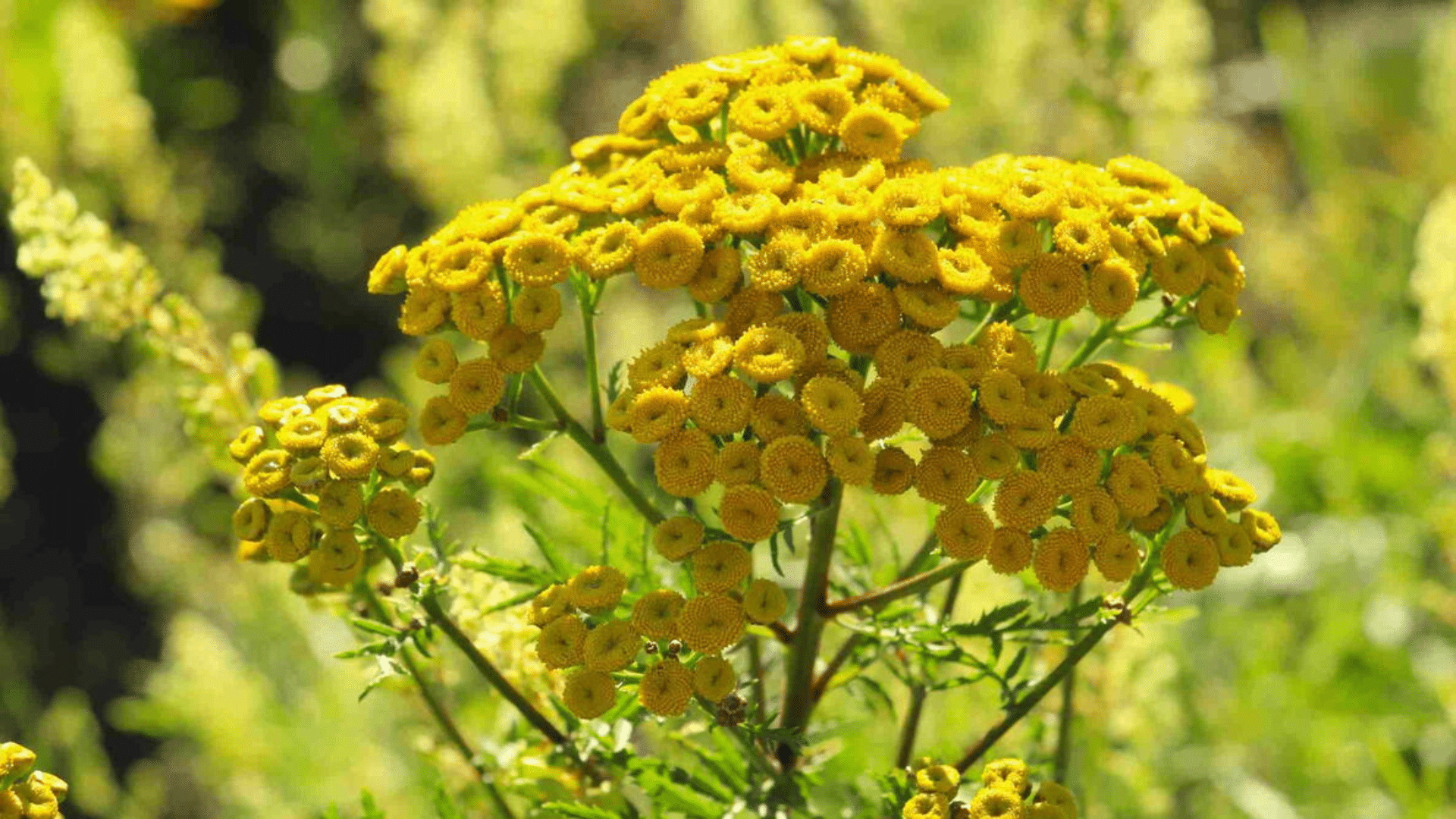
Tansy is a powerful pest-control plant, especially for cucumber crops.
Its strong-smelling leaves repel a variety of pests, including aphids, ants, and cucumber beetles, which are common threats to cucumber plants.
Tansy also attracts beneficial insects such as ladybugs and parasitic wasps, which help control pest populations.
Additionally, this perennial herb helps improve the soil by releasing nutrients and acting as a natural weed suppressant, making it a valuable companion for cucumbers.
10. Borage
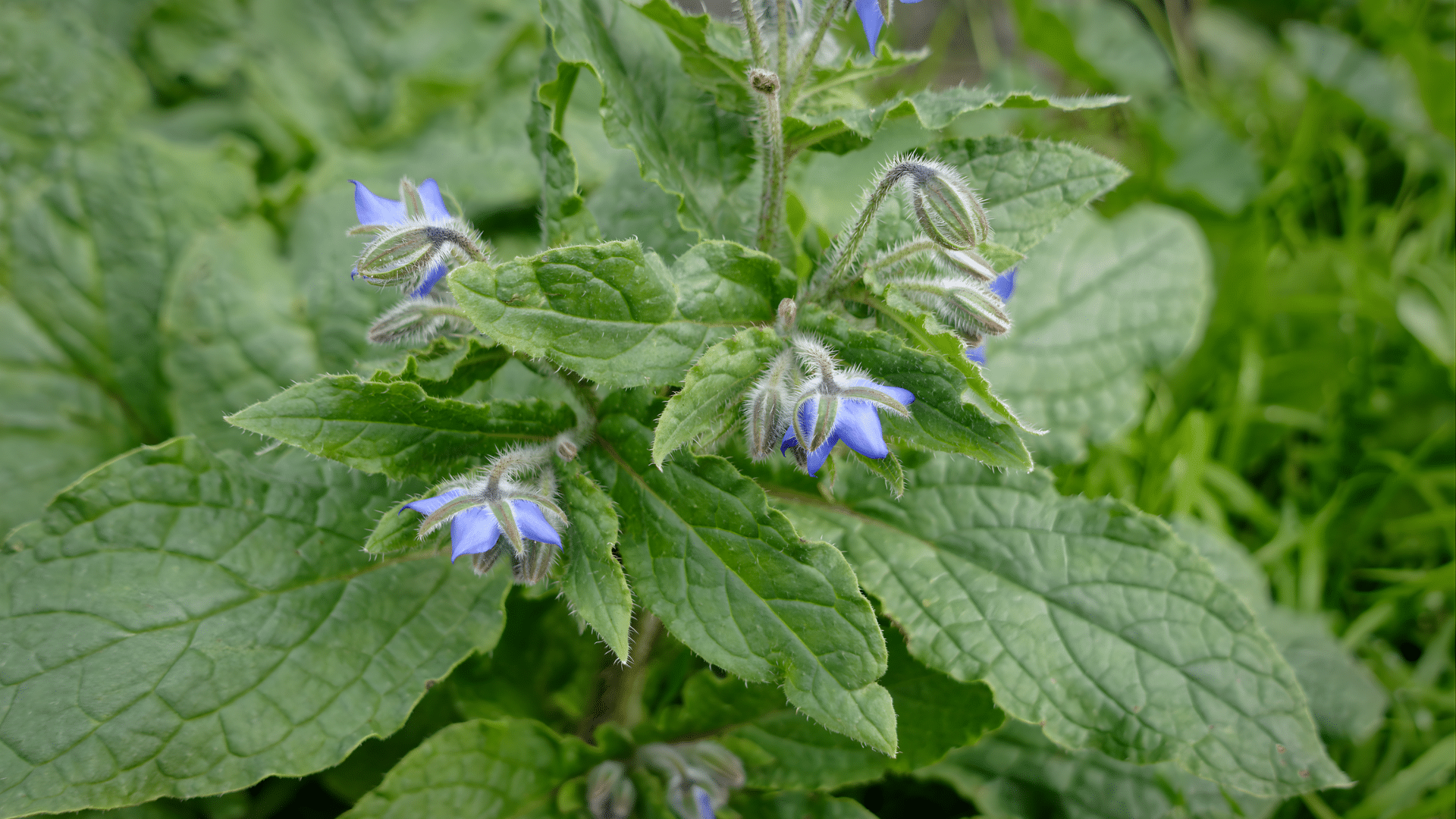
Borage is a fantastic companion for cucumbers because it attracts pollinators, such as bees, which are essential for fertilizing cucumber flowers.
The plant’s vibrant blue flowers also draw beneficial insects that help keep pests in check.
Borage’s deep roots help improve soil structure, allowing cucumbers to access vital nutrients.
Moreover, borage’s leaves act as a natural mulch, retaining moisture and protecting the soil from extreme temperatures.
It’s a perfect all-around companion for cucumbers in the garden.
11. Lettuce
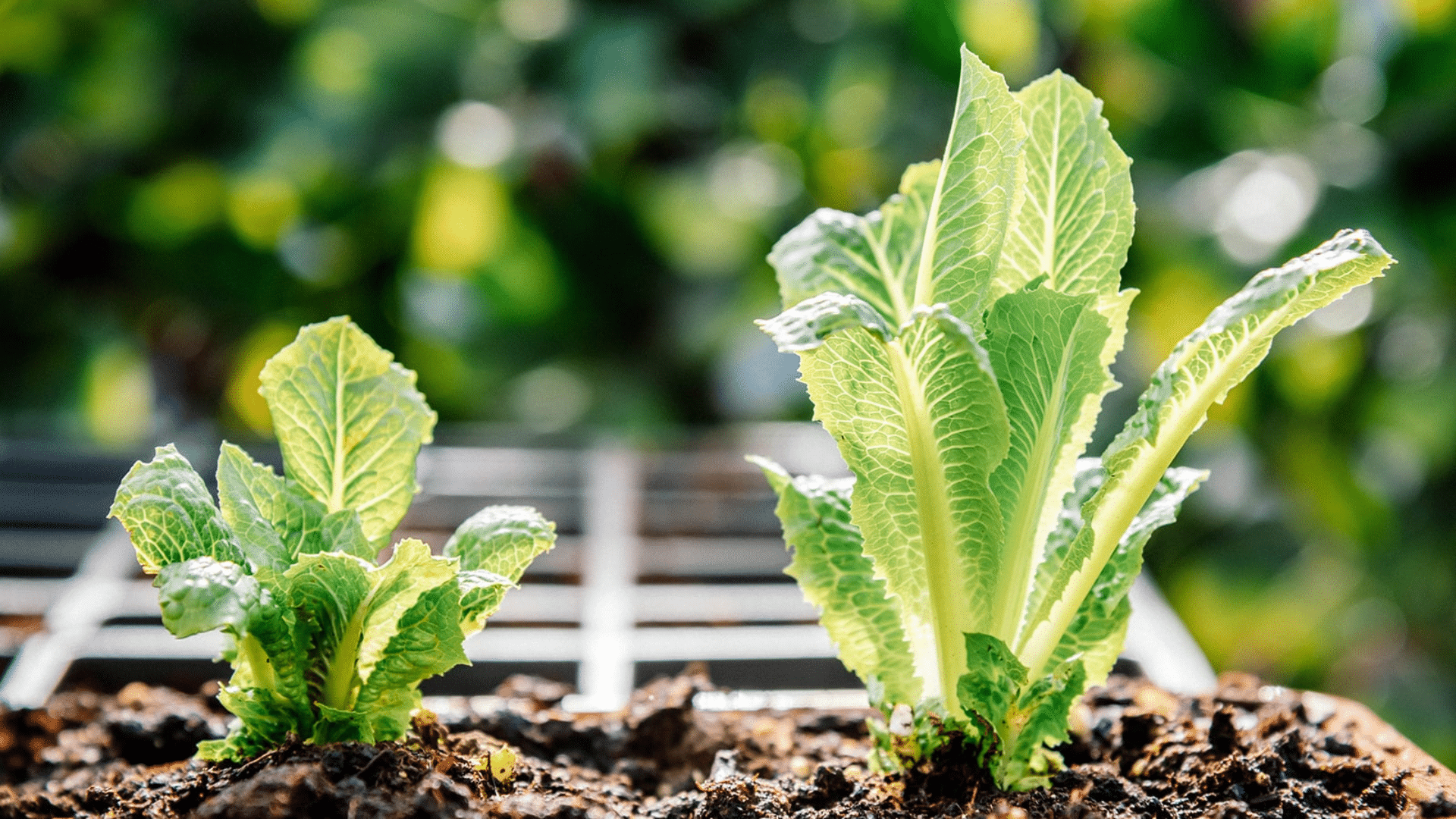
Lettuce is a great companion plant for cucumbers because its provides shade for cucumber roots, helping keep them cool during hot weather.
This shade can also prevent the soil from drying out, promoting healthier cucumber growth.
Lettuce’s shallow roots won’t compete with cucumber vines for nutrients or space, and its quick-growing nature allows it to mature early in the season.
Lettuce can be harvested before cucumbers fully mature, making it an excellent space-saving option.
12. Thyme
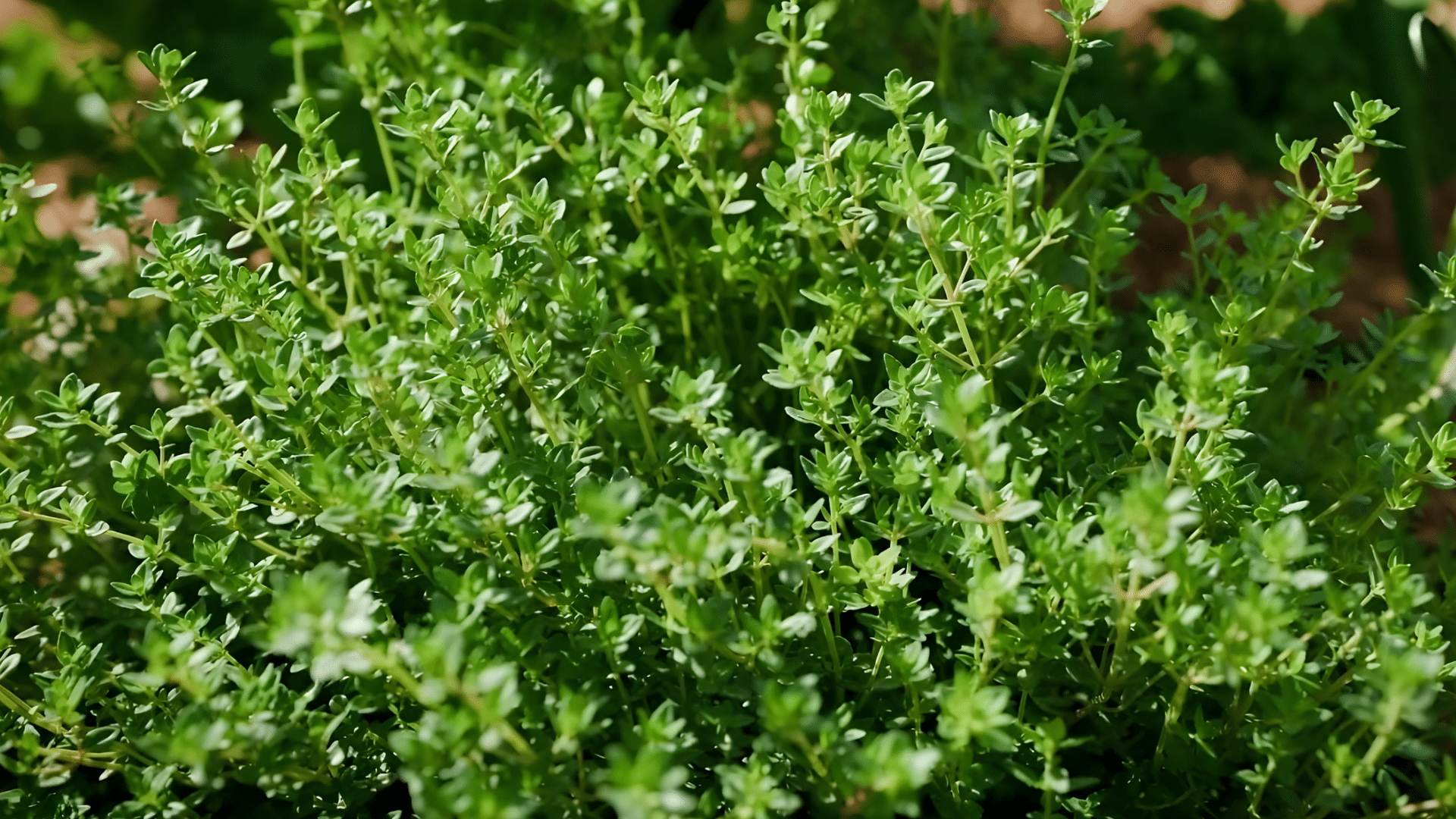
Thyme is an aromatic herb that acts as a natural pest repellent, particularly against aphids, cabbage worms, and whiteflies, which can damage cucumber plants.
Its small growth habit makes it ideal for planting around cucumbers without crowding the space.
The scent of thyme can mask the smell of cucumbers, helping reduce pest attraction.
Additionally, thyme attracts beneficial insects that can help with pest control and pollination, making it a valuable companion plant in your cucumber garden.
13. Cilantro
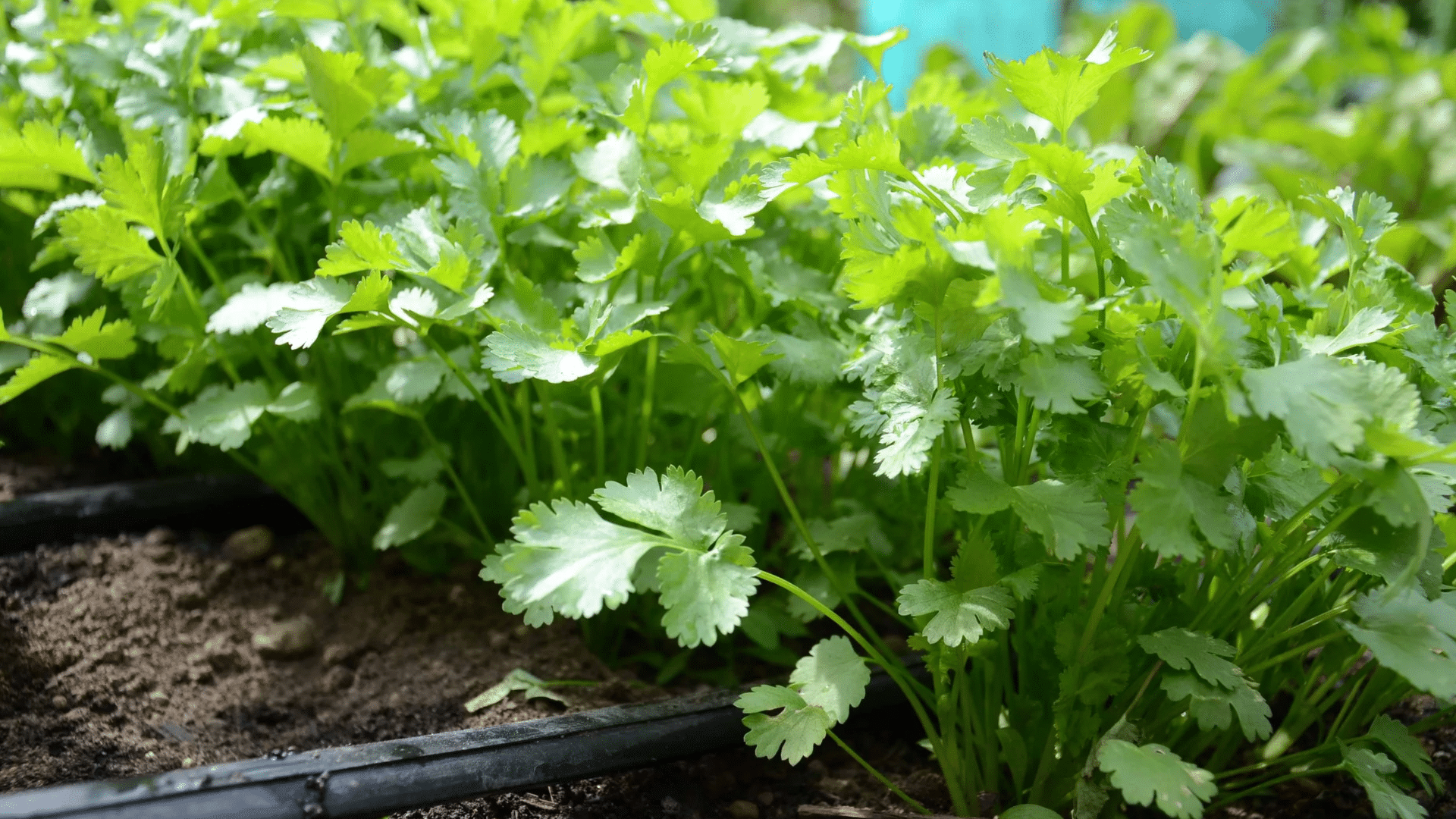
Cilantro is another herb that benefits cucumbers by attracting beneficial insects, such as ladybugs, which feed on aphids and other pests that may harm cucumber plants.
Cilantro grows quickly, and its delicate leaves provide ground cover, helping to reduce weed competition.
It can also help enhance the flavor of cucumbers when planted nearby.
Although cilantro bolts in hot weather, it provides short-term protection for cucumbers and helps create a balanced garden ecosystem that reduces pest pressures.
14. Carrots
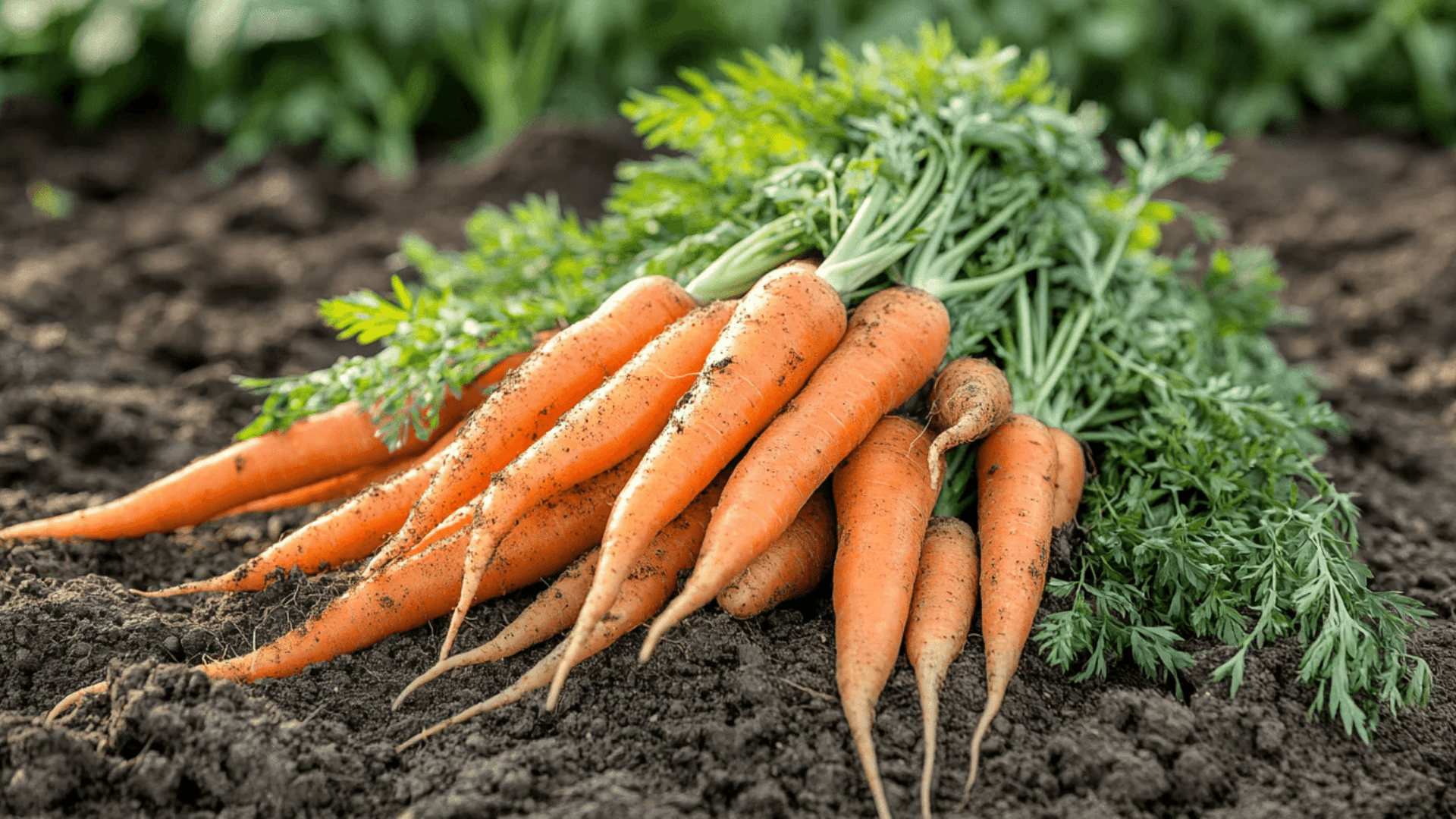
Carrots are great companion plants for cucumbers because their deep roots help aerate the soil, improving drainage and overall soil structure.
This is especially beneficial for cucumbers, which need loose, well-drained soil for healthy growth.
Carrots’ shallow growth habit won’t compete for space with cucumbers, allowing both plants to grow in the same area.
Additionally, carrots can help keep the soil moist, which is important for cucumbers, especially in warmer weather.
15. Calendula
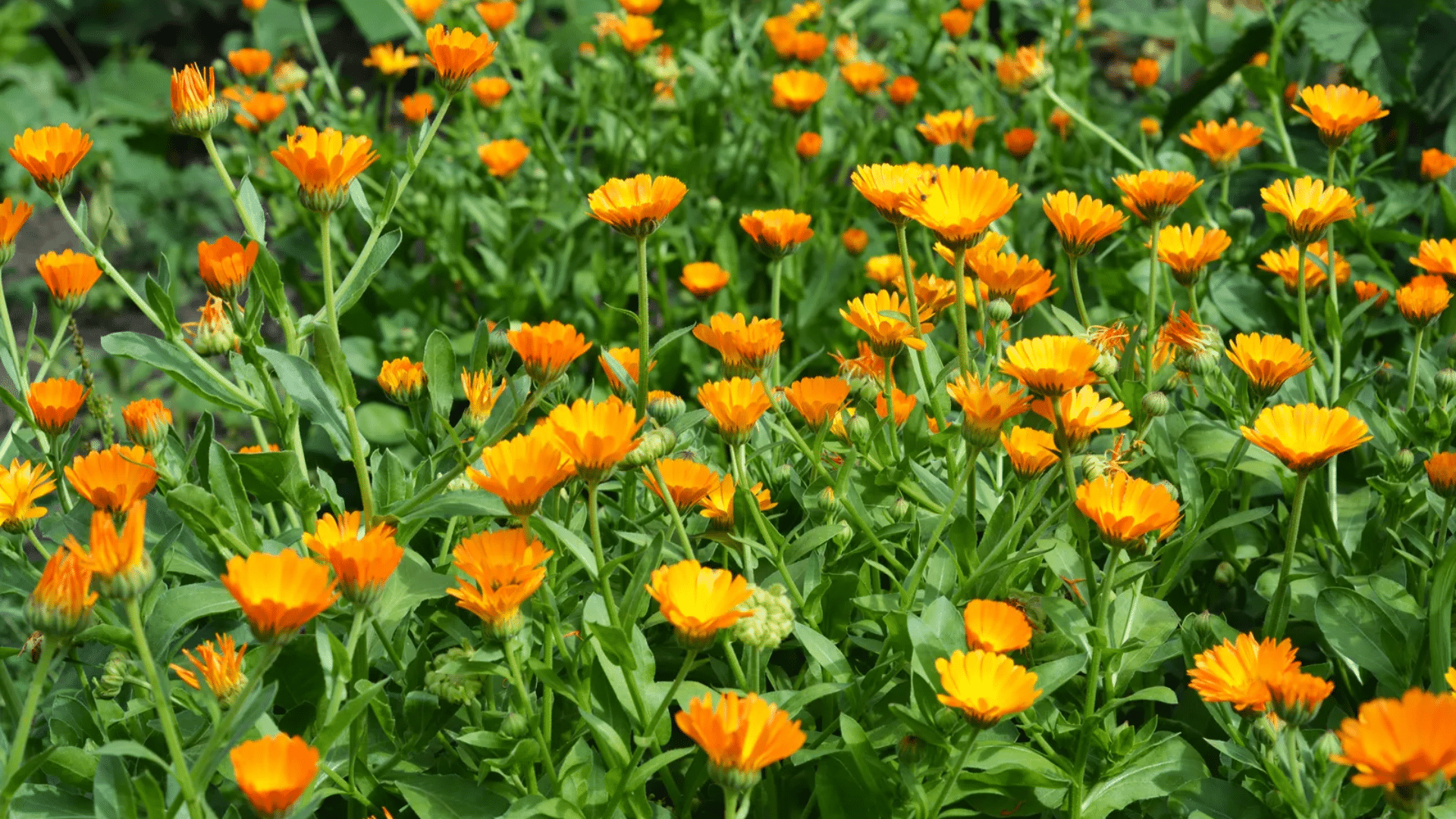
Calendula is an excellent companion plant for cucumbers because its repels pests such as aphids, beetles, and nematodes.
The bright, cheerful flowers of calendula also attract pollinators that help fertilize cucumber flowers.
Calendula’s strong scent deters pests while attracting beneficial insects, creating a healthier environment for cucumbers.
This plant also helps improve soil health by adding organic matter as its leaves decompose, providing additional nutrients for your cucumber plants.
16. Swiss Chard
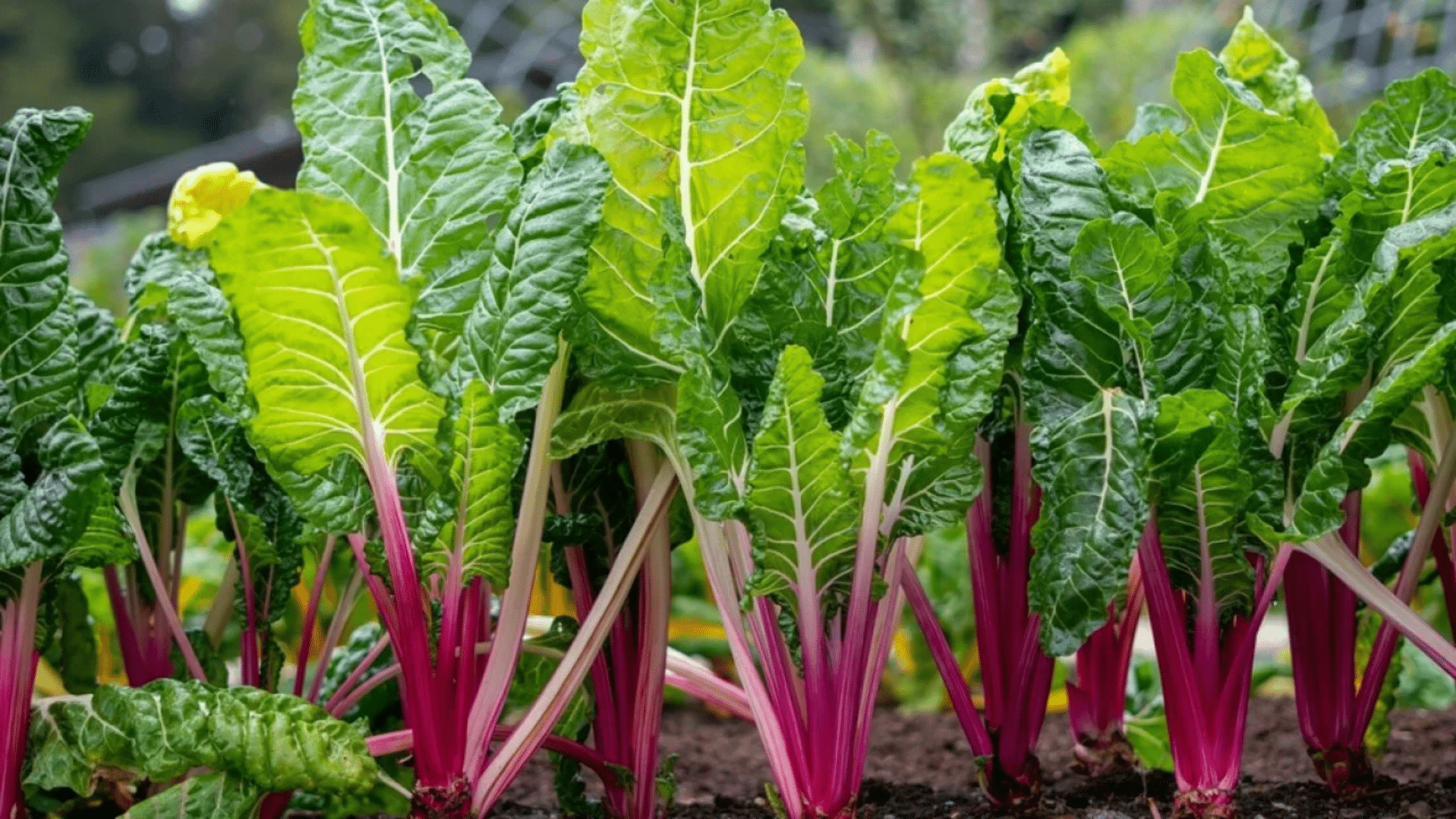
Swiss chard works well with cucumbers by providing shade for the soil, helping keep cucumber roots cool and hydrated.
The leafy plants of Swiss chard also act as a natural barrier against weeds, reducing competition for resources.
Swiss chard has deep roots that help improve soil aeration, promoting healthier cucumber growth.
The two plants share similar growing conditions, making them easy to care for together while enhancing the garden’s overall productivity and health.
17. Corn
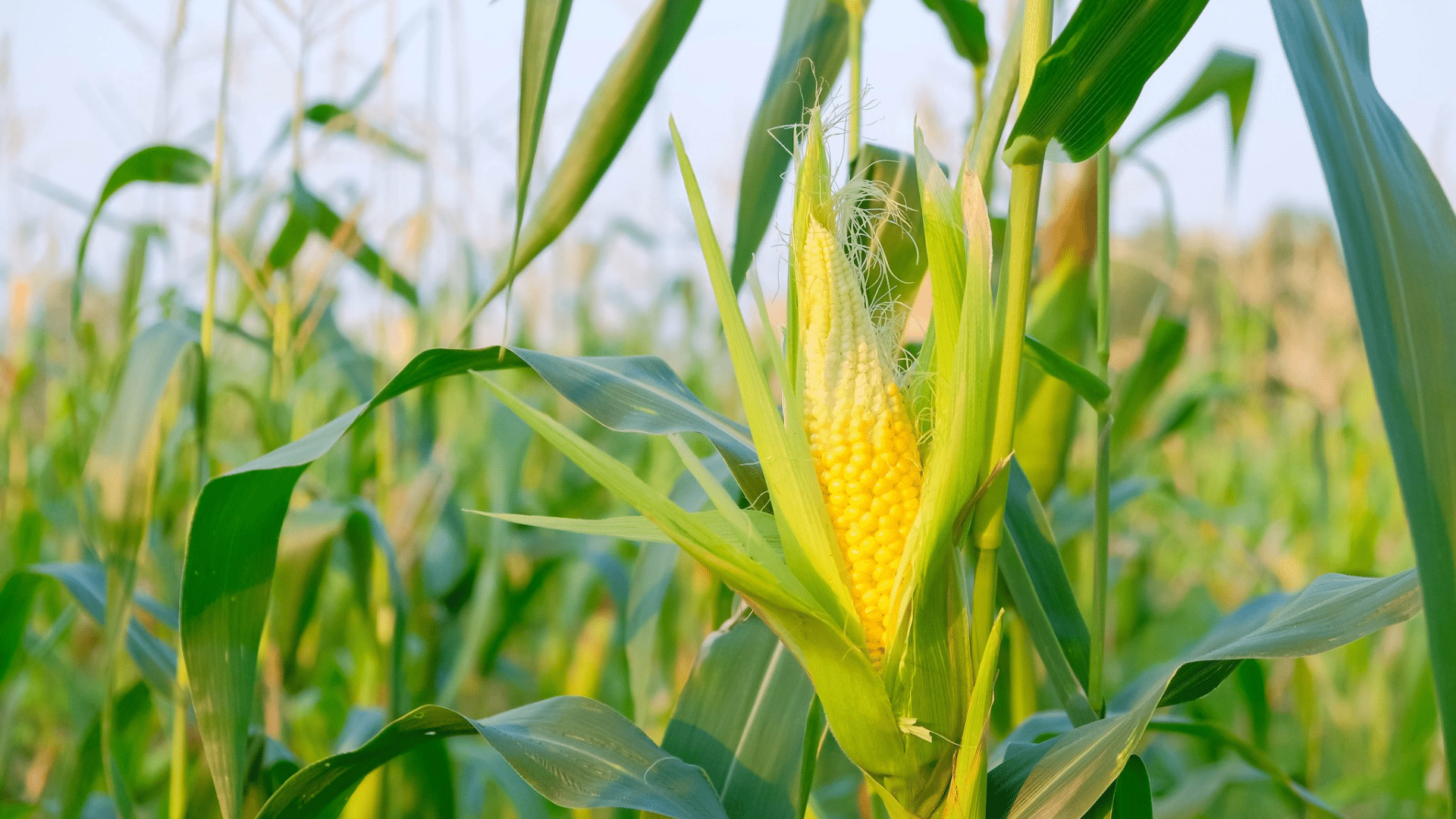
Corn is a natural companion for cucumbers because its tall stalks provide shade and shelter for the cucumber vines.
This shade helps protect cucumbers from excessive sun exposure, which can cause them to wilt or yield poorly.
Corn’s roots also contribute to soil structure, which benefits cucumbers by promoting healthy root growth. Additionally, corn attracts pollinators, which support cucumber fruiting.
Planting corn alongside cucumbers creates a mutually beneficial relationship that maximizes garden space.
18. Zucchini
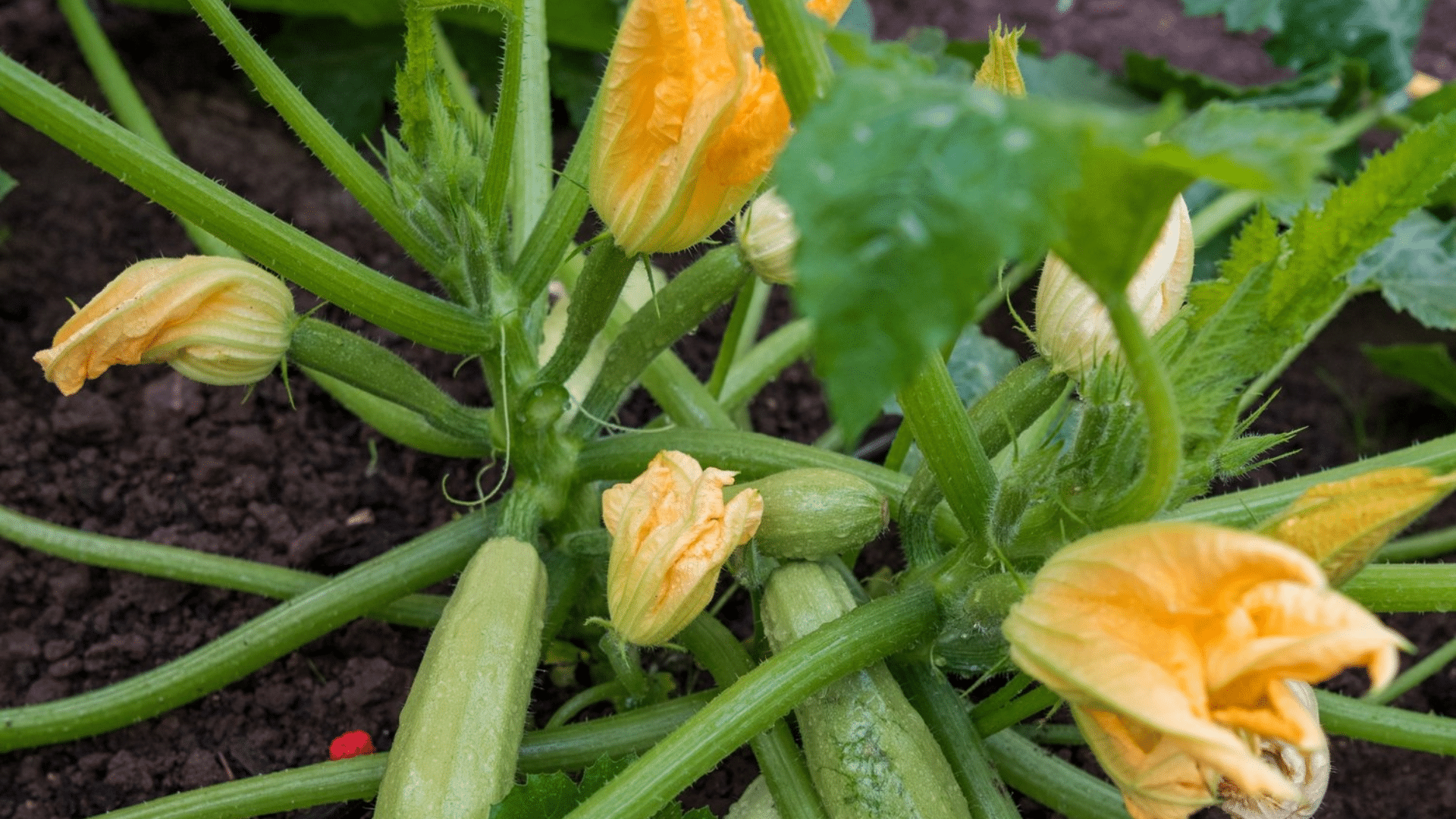
Zucchini is a great companion for cucumbers as they both grow in similar growing conditions.
Zucchini’s broad leaves provide shade for cucumber plants, helping to protect them from sunburn and maintaining consistent moisture levels in the soil.
Both plants also attract pollinators, improving fruit production.
As an added benefit, zucchini’s large leaves can help suppress weed growth around cucumbers, creating a more manageable and productive garden.
19. Mustard Greens
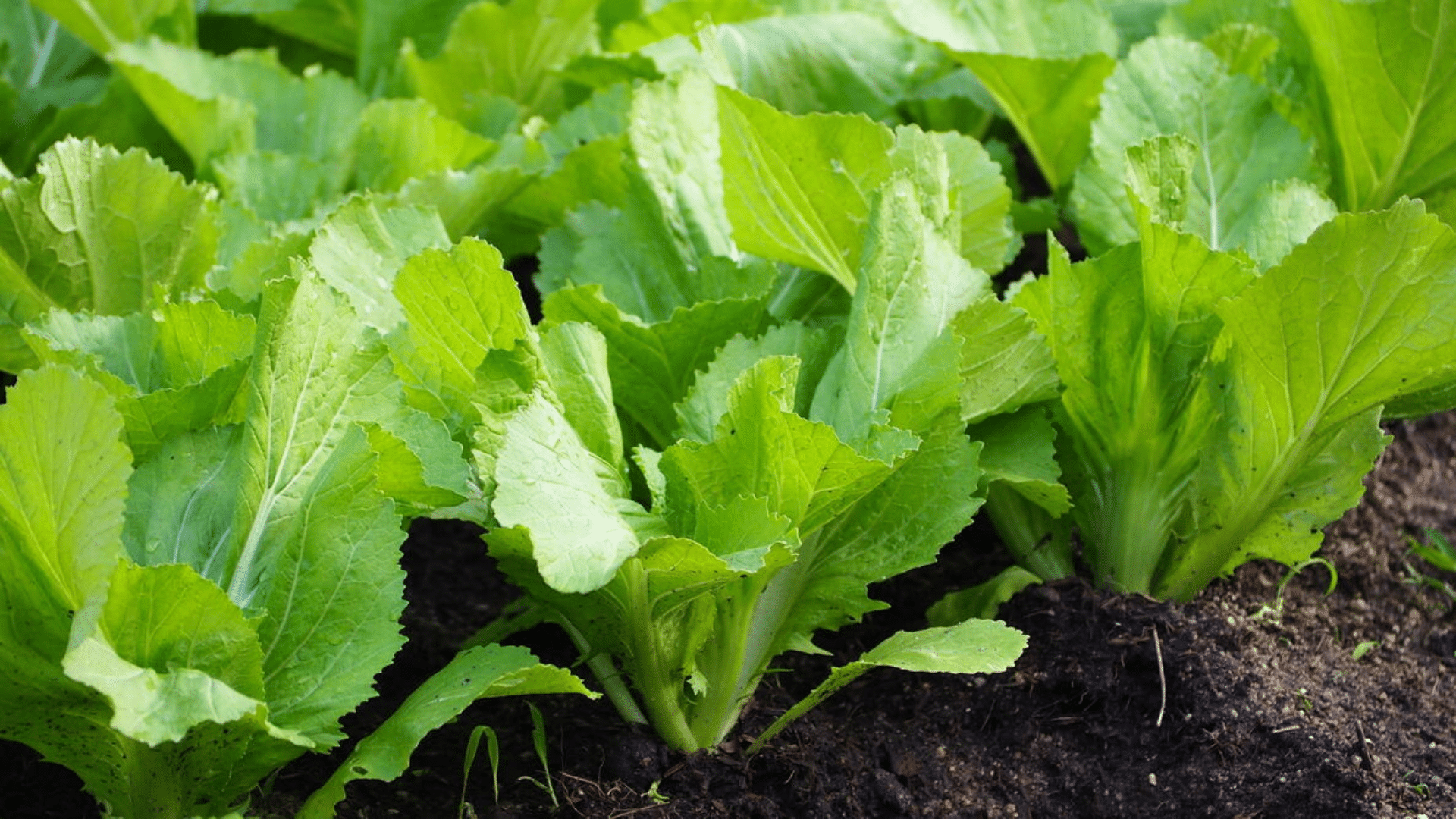
Mustard greens are helpful companions for cucumbers, as they improve soil quality and structure.
Their deep roots aerate the soil, allowing cucumbers to access nutrients more easily.
Mustard greens also provide some shade for cucumber plants, helping to keep the soil cool and moist during hot weather.
Additionally, mustard greens attract beneficial insects, such as ladybugs, which help keep pest populations under control. They’re a great option for gardeners looking to maximize cucumber growth.
20. Basil
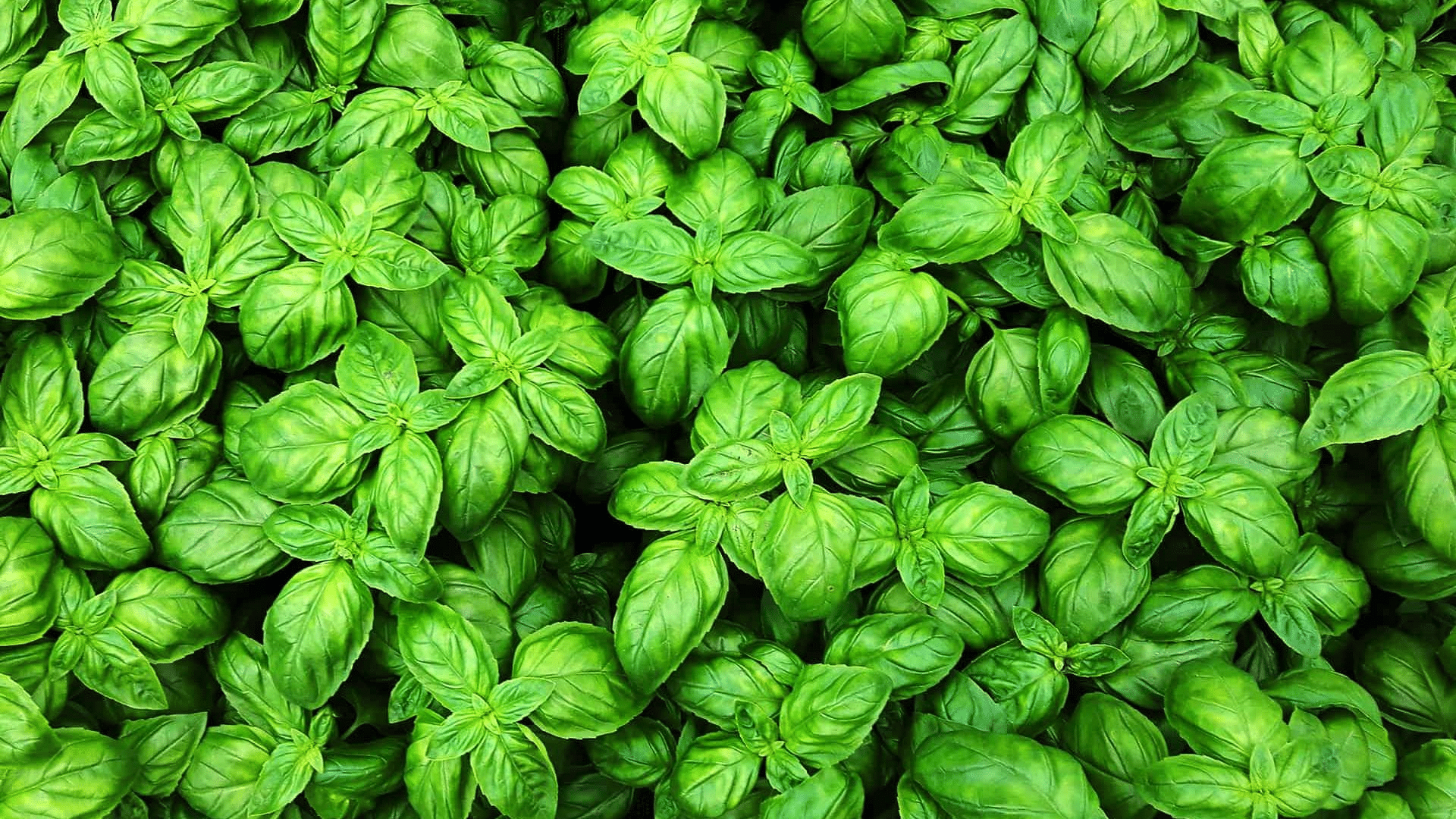
Basil is a fantastic companion for cucumbers, as it helps repel pests like aphids, mosquitoes, and whiteflies, which are common threats to cucumber plants.
Its strong aroma acts as a natural insect deterrent, keeping pests away from cucumbers.
Basil also attracts pollinators, which help boost cucumber flower production.
Basil’s small size fits well around cucumbers, offering pest control and flavor enhancement, making it a valuable garden addition.
21. Horseradish
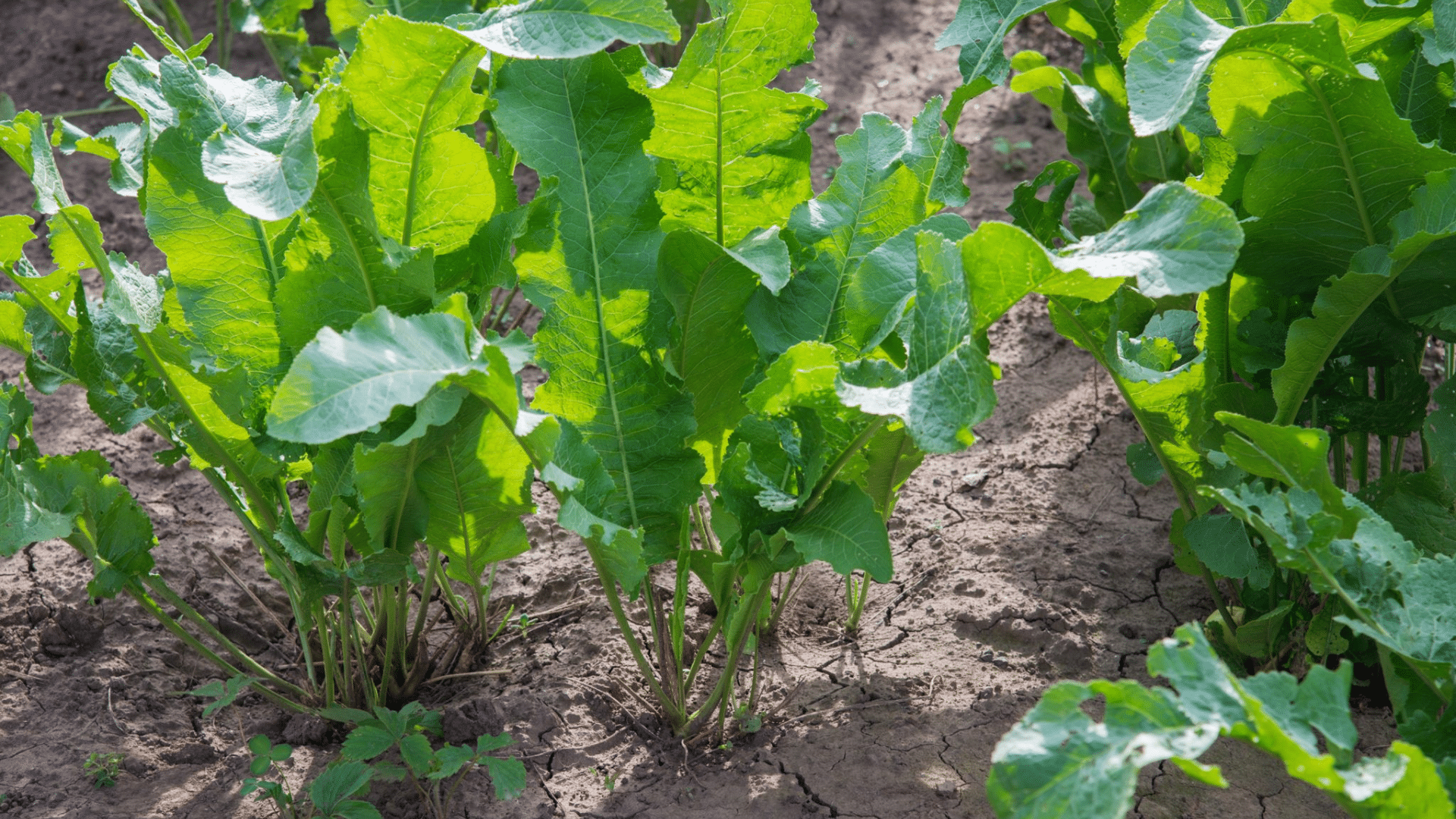
Horseradish can be planted near cucumbers to repel pests like cucumber beetles.
Its strong smell and spicy leaves act as a natural deterrent, keeping harmful insects away from your cucumber plants.
Additionally, horseradish’s deep roots can help break up compacted soil, improving drainage and making it easier for cucumbers to grow.
While horseradish can be invasive if not controlled, when planted in moderation, it makes an excellent companion plant that can improve cucumber health and protect against pests.
How Companion Planting Enhances Cucumber Growth?
Companion planting enhances cucumber growth by creating a more supportive and balanced garden environment.
When cucumbers are paired with the right plants, they benefit from improved soil health, increased pollination, and natural pest control.
Marigolds and nasturtiums repel pests like aphids and cucumber beetles, protecting vines and boosting yields.
Nitrogen-fixing plants like beans enrich the soil, providing cucumbers with the nutrients they need for stronger, healthier growth.
Additionally, taller companion plants like sunflowers offer shade, keeping cucumber vines cool during hot weather.
Companion planting boosts cucumber growth, reduces the need for chemicals, and creates a more sustainable, eco-friendly garden.
Tips for Successful Companion Planting with Cucumbers
Successful companion planting with cucumbers can lead to healthier growth, better yields, and fewer pests. By carefully selecting compatible plants, you can create a thriving garden environment.
- Choose Compatible Plants: Select plants that complement cucumbers, such as sunflowers and basil, to enhance growth and flavor.
- Spacing is Key: Ensure proper spacing to allow cucumbers and their companions to grow without crowding each other.
- Avoid Competing Plants: Stay away from plants that compete for resources, like potatoes or other sprawling crops.
- Attract Pollinators: Include flowers like marigolds to attract bees, which help with cucumber pollination.
- Improve Soil Health: Use nitrogen-fixing plants like beans to improve soil quality and benefit cucumber growth.
- Watch for Pests: Plant pest-repelling companions like nasturtiums to reduce the risk of cucumber beetles and aphids.
Conclusion
Incorporating companion planting with cucumbers can change your garden into a thriving, pest-free space.
By choosing the right plants, you not only help your cucumbers grow strong and healthy but also create a more balanced, productive garden ecosystem.
Marigolds, beans, and sunflowers support cucumber growth by repelling pests, fixing nitrogen, and attracting pollinators.
The beauty of companion planting lies in its simplicity and natural approach to boosting your harvest.
Have you tried planting cucumbers with any of these companions, or do you have other tips that worked well for you?
Share your experience in the comments below, what’s been successful in your garden!
And if you found this guide helpful, don’t forget to share it with fellow gardeners who could benefit from these planting tips.