

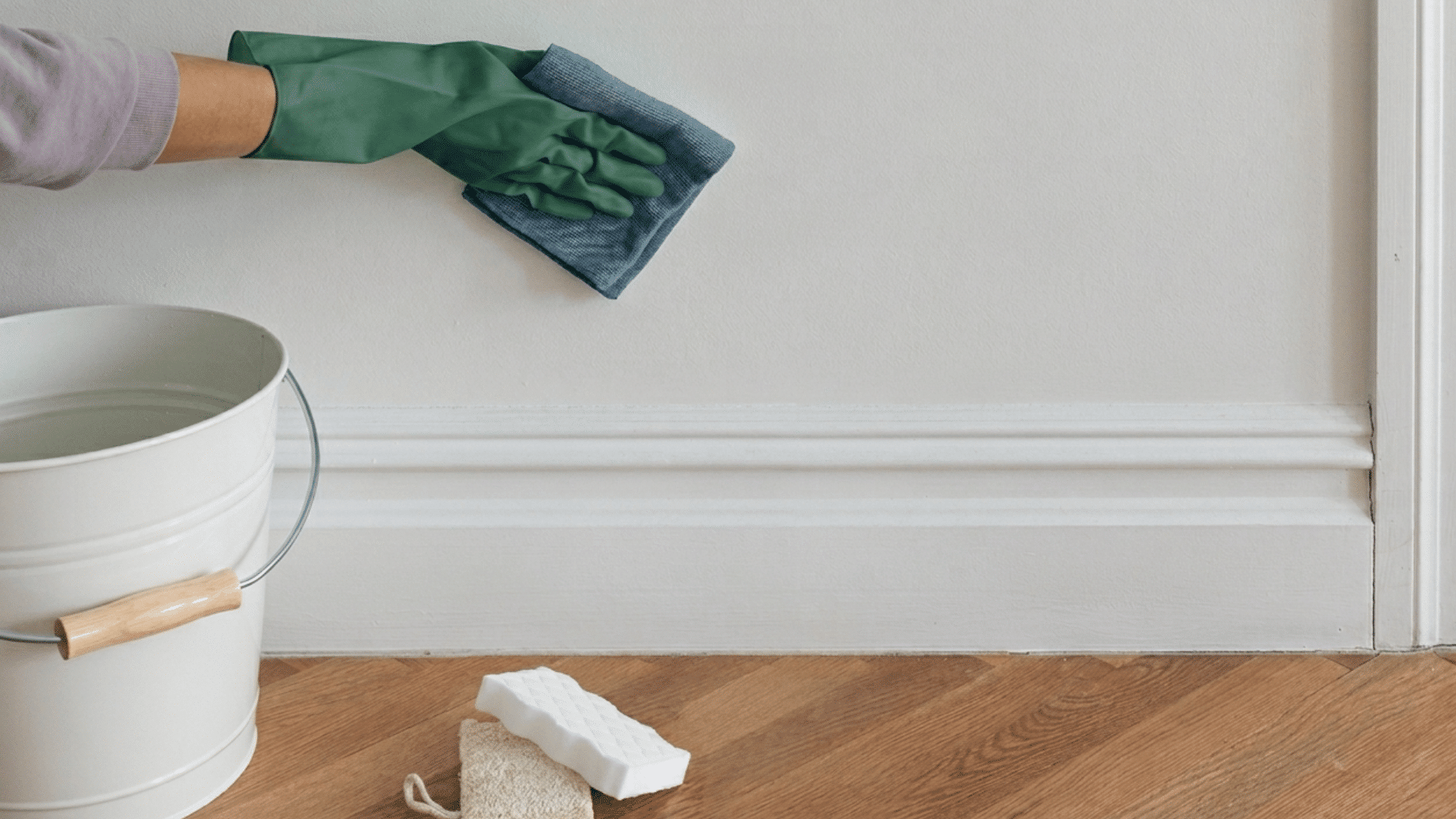
Walls may look clean at first, but over time they accumulate dust, fingerprints, smudges, and small stains. This happens in almost every home.
Hands touch the wall, furniture rubs against it, and tiny dust particles settle on the surface day after day.
When marks build up, the room can start to look dull. Regularly cleaning your walls helps keep your space bright, neat, and pleasant.
In this blog, I will share the best way to clean walls safely without damaging the paint or surface.
You will learn how different wall types need different care, how to handle light dirt or tougher stains, and what simple tools and cleaning methods work best.
By the end, you will know how to keep your walls looking clean and well cared for.
Quick Answer: What Is the Best Way to Clean Walls?
The best way to clean walls is to start with a bucket of warm water and a small squeeze of mild dish soap. For most painted walls, a small amount of mild dish soap works well to remove dirt, fingerprints, and light stains.
Wipe the wall gently instead of scrubbing hard, since rough cleaning can damage the paint.
Always test the cleaner on a small, hidden spot first. Dry the wall with a clean towel to stop water marks from forming.
Avoid using strong chemicals, bleach, or rough scrub pads because they can fade paint or leave scratches. For tough marks, a damp magic eraser can help, but use it lightly.
Regular light cleaning keeps walls fresh without harming the paint.
Tools and Supplies Needed to Clean Walls
Using the right cleaning tools helps remove dust and marks from walls while keeping the surface safe.
- Microfiber cloths: Soft cloths that pick up dust and dirt without scratching paint or leaving lint behind.
- Soft sponge: Helps wipe away smudges and light stains while remaining gentle on the wall surface.
- Baking soda for marks: Useful for removing small scuffs and stubborn spots when used gently.
- Mop or wall washer for tall areas: Makes it easier to clean high walls without climbing often.
- Extendable duster: Helps remove dust from upper walls and corners before washing.
How to Clean Painted Walls without Damaging Paint?
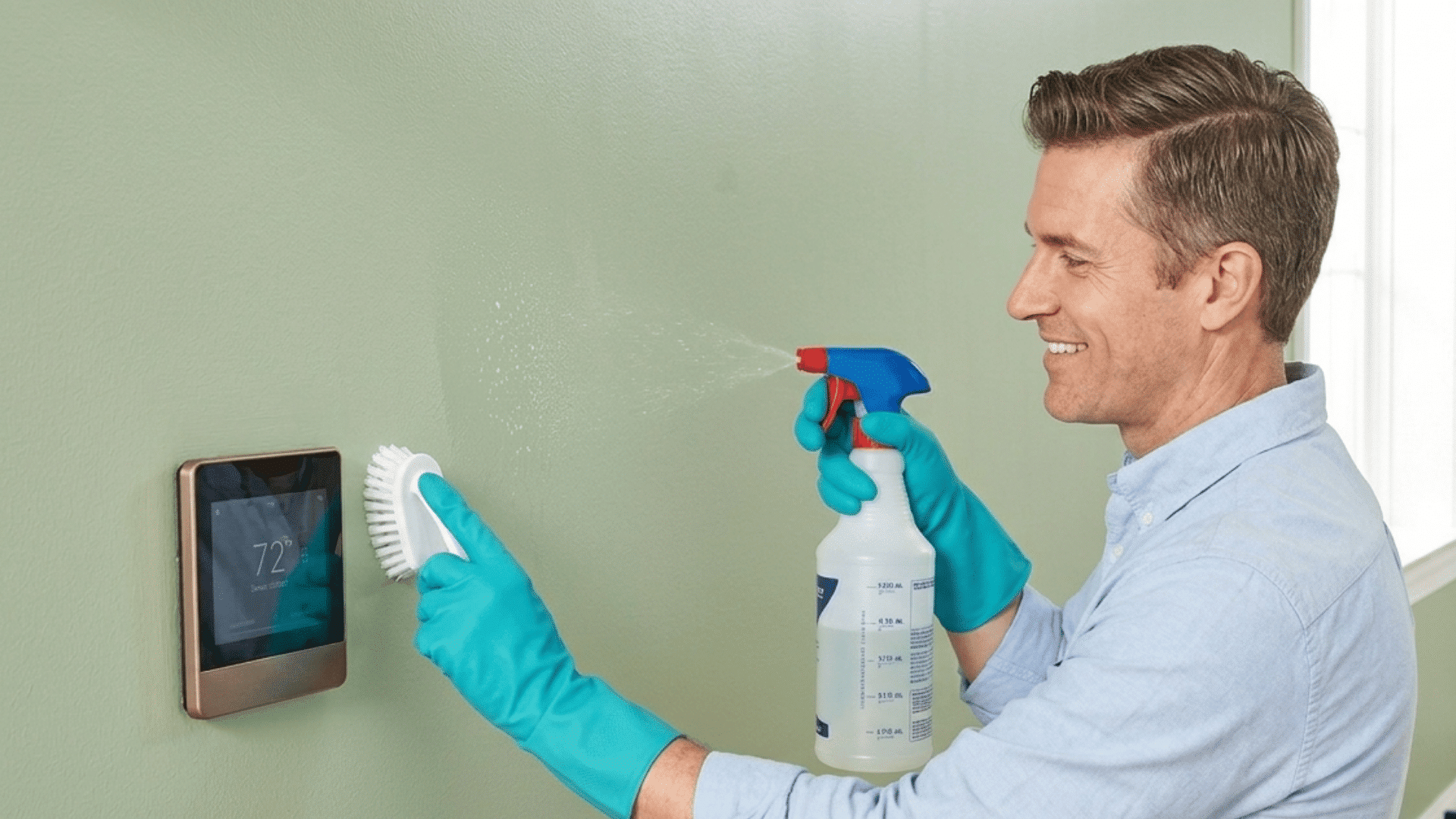
Keeping painted walls clean helps your home look fresh and bright. Using the right cleaning method also protects the paint from fading, peeling, or scratches.
1. Gather the Right Cleaning Supplies
Before cleaning your walls, collect soft and gentle cleaning tools. A microfiber cloth, soft sponge, bucket of warm water, and mild dish soap usually work best for painted walls.
Avoid steel wool, hard brushes, or strong cleaners because they can scratch or dull the paint.
Dust the walls first so dirt does not spread while cleaning. Keeping the right supplies ready makes the job faster and safer.
Simple tools often clean walls well without causing any damage to the paint surface over time.
2. Test a Small Hidden Area First
It is always smart to test your cleaner before washing the whole wall. Pick a small hidden area behind furniture or near a corner.
Wipe it gently with your cleaning mix and wait a few minutes to check the paint.
Some paints react badly to strong soap or too much water. Testing first helps you avoid stains, fading, or peeling later.
This small step only takes a minute but can save you from damaging a large painted area that may be hard or expensive to fix.
3. Use Gentle Cleaning Motions
When cleaning painted walls, soft pressure works much better than hard scrubbing. Dip your sponge or cloth in warm water and squeeze out extra water before wiping the wall.
Clean in small circles or smooth up-and-down motions. Too much force can remove paint or leave shiny spots on flat walls.
Work slowly on dirty areas instead of rubbing hard in one place.
Gentle cleaning keeps the wall looking even and smooth. It also helps protect the paint finish so your walls stay clean and fresh longer.
4. Dry the Walls After Cleaning
After washing the wall, use a dry microfiber cloth or soft towel to remove moisture.
Leaving water on painted walls for too long may cause streaks, marks, or peeling paint in some areas.
Drying also helps the wall look cleaner and smoother after washing. Start from the top and move downward so water does not drip across dry sections.
This step is simple but important for keeping painted walls in good condition. Drywall also lowers the chance of dirt sticking back onto damp surfaces later.
5. Remove Stains Carefully
Some wall marks need extra attention, especially fingerprints, crayon marks, or grease spots. Use a soft sponge with mild soap first before trying stronger cleaning tools.
A magic eraser may help with hard stains, but use it lightly because too much rubbing can fade paint.
Never spray harsh chemicals directly onto the wall. Instead, apply cleaner to the cloth first.
Cleaning stains slowly and carefully protects the paint while still removing marks. Safe stain removal keeps your walls looking neat without causing dull spots or damaged paint patches.
Tips to Prevent Wall Damage While Cleaning
Cleaning walls the right way helps keep paint and finishes in good condition while still removing dirt and stains.
- Test cleaners on a hidden area first to make sure the product does not cause discoloration or damage to the paint.
- Avoid harsh chemicals and rough scrubbing since they can remove paint or leave dull patches on the wall.
- Use soft cloths or sponges to gently clean the surface without scratching or wearing down the finish.
- Don’t oversaturate walls with water, as excess moisture can weaken paint and leave watermarks.
- Allow freshly painted walls to cure before cleaning so the paint has enough time to fully dry and harden.
How to Clean Different Types of Wall Paint?
Different paint finishes have different tolerances for moisture and cleaning products. Using the wrong method on the wrong finish is one of the most common reasons paint gets damaged during cleaning.
| Paint Finish | Durability | Cleaning Method | What to Avoid |
|---|---|---|---|
| Flat / Matte | Low | Barely a damp cloth, very gentle pressure | Wet cloths, scrubbing, and strong soaps |
| Eggshell | Moderate | Lightly damp cloth, mild soap solution | Abrasive cleaners, rough sponges |
| Satin | Good | Damp cloth with mild soap, wipe dry | Bleach-based products |
| Semi-Gloss | High | Damp cloth or sponge, most mild cleaners are safe | Steel wool or abrasive pads |
| Gloss | Very High | Warm water with dish soap, wipe clean | Rough cloths that may dull the sheen |
How Often Should You Clean Your Walls?
Regular wall cleaning helps rooms look fresh and keeps dirt from building up over time. The right cleaning schedule also helps painted walls last longer and stay in good shape.
- Living Room Walls: Clean every 2–3 months. Dust, fingerprints, and light marks often collect in busy areas like living rooms. Wipe walls with a dry microfiber cloth often and do a deeper clean every few months.
- Kitchen Walls: Clean once a month. Kitchen walls collect grease, smoke, and food splatters faster than other rooms. Clean small stains quickly before they become harder to remove.
- Bathroom Walls: Clean every 1–2 months. Steam and moisture can leave marks on bathroom walls. Gentle cleaning helps stop buildup and keeps paint from peeling in damp areas.
- Kids’ Room Walls: Check and clean weekly. Crayon marks, fingerprints, and dirt show up quickly in children’s rooms. Spot cleaning every week helps walls stay neat without needing heavy scrubbing later.
- Hallways and Entry Walls: Clean every 2 months. These walls get touched often and may collect shoe marks or dust. Light cleaning keeps the paint looking fresh and even.
- Walls Near Pets: Clean as needed. Pets may leave fur, nose marks, or scratches on lower wall areas. Use soft cloths and mild soap to clean these spots safely.
Conclusion
Clean walls make a home feel brighter and fresher. Use mild cleaners, soft tools, and the right method for your wall finish instead of harsh chemicals or hard scrubbing.
When you clean gently and regularly, you remove dust, fingerprints, and stains without harming the paint.
Simple habits like light dusting and occasional spot cleaning can help your walls stay neat for a long time.
Taking a little extra care during cleaning protects both the color and the surface of your walls. Over time, these small efforts keep your space looking well-maintained and inviting.
Have you tried these wall cleaning tips? Share your experience or questions in the comments below.
Frequently Asked Questions
Can Wall Cleaning Improve Indoor Air Quality?
Dust, pet dander, and airborne particles often settle on walls. Gentle cleaning removes these particles, which can help reduce indoor dust levels and support a fresher indoor environment.
Are Painted Accent Walls Cleaned Differently from Regular Walls?
Accent walls are usually painted the same color as the rest of the walls. Cleaning methods remain similar, but extra care is needed to prevent fading or dull spots on darker or bolder paint colors.
Do Textured Walls Require Special Cleaning Methods?
Textured walls can trap dust and dirt in small grooves. A soft brush, a microfiber duster, or a vacuum with a brush attachment helps remove debris before any light washing.
Can Frequent Wall Cleaning Affect Paint Lifespan?
Excessive or aggressive cleaning may gradually weaken the paint finish. Gentle cleaning only when needed helps maintain paint quality while keeping walls looking neat and well-maintained.
Is Professional Wall Cleaning Necessary for Homes?
Professional cleaning is usually unnecessary for routine wall care. Regular dusting, mild cleaning solutions, and proper tools typically keep most residential walls clean and presentable.