

A rising power bill can be hard to explain.
You may not be using the heater more. You may not have bought new appliances. Your daily routine may feel the same. But your bill still keeps creeping up.
One possible reason is your hot water system.
Hot water can use a lot of energy in the home. So when the system works harder than it should, the cost can rise before you notice a clear problem.
Your System May Be Working Harder Than Before
A hot water system does not have to stop working to become expensive.
It may still give you hot showers. It may seem fine each day. But behind the scenes, it may be using more energy to heat the same amount of water.
This can happen when the system is older, worn, or no longer running well.
You may notice:
- Water takes longer to heat
- Hot water runs out faster
- The system makes new sounds
- The water is only lukewarm
- The bill rises without a clear reason
These small changes can be easy to miss.
Older Systems Can Cost More to Run
Hot water systems do not stay efficient forever.
As they age, parts can wear down. The system may take longer to heat water or need to heat more often. This can increase energy use over time.
An older system may also lose heat faster. That means it has to keep reheating the water, even when no one is using it.
This does not always mean replacement is needed right away. But if bills keep rising, the age of the system is worth checking.
Sediment Can Build Up Inside the Tank
Storage hot water systems can collect sediment over time.
Sediment is made from tiny minerals and particles in the water. It can settle at the bottom of the tank.
When this happens, the system may need more energy to heat the water. It may also hold less hot water than it used to.
Signs can include:
- Rumbling or popping sounds
- Hot water running out sooner
- Water taking longer to heat
- Uneven water temperature
- A higher energy bill
This is one hidden issue homeowners often miss. The system may still work, but not work well.
A Small Leak Can Waste More Than Water
A leak does not always look like a major problem.
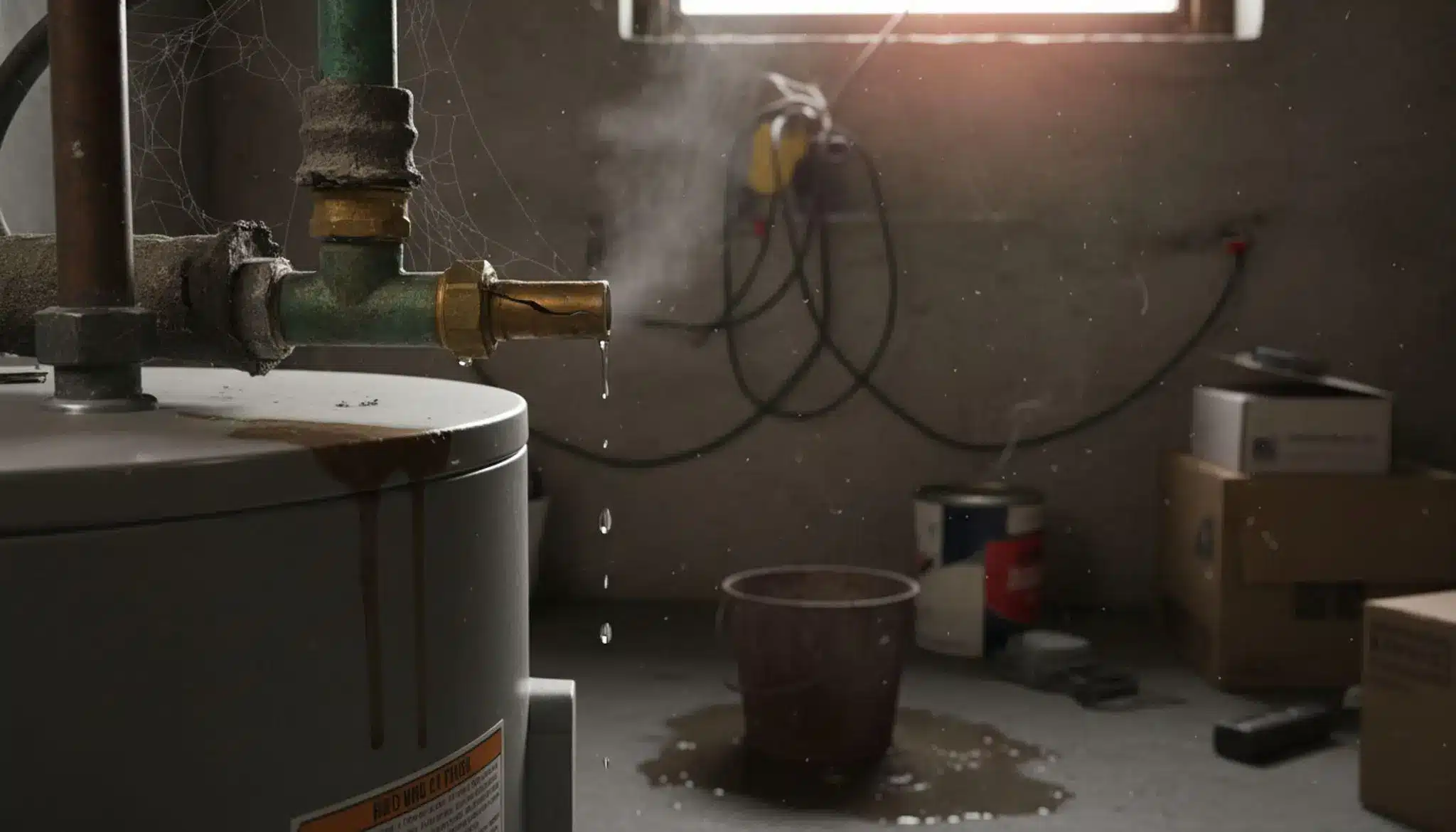
Sometimes it is just a slow drip from a valve, pipe, or tank. But even a small leak can waste hot water. When hot water is lost, the system needs to heat more water to replace it.
That means more energy is being used.
Look for:
- Water near the base of the system
- Damp patches on walls or floors
- Dripping valves
- Rust marks
- Hissing sounds
- A sudden rise in water use
A leak should not be ignored. It can affect both water use and energy use.
The Thermostat Setting May Be Wrong
The thermostat controls how hot the water gets.
If it is set too high, the system may use more energy than needed. If it is not working properly, the system may keep heating when it should not.
A thermostat issue can also cause water to feel too hot, too cool, or uneven.
Homeowners should not try to repair electrical parts themselves. Hot water systems can be dangerous if handled the wrong way.
If the water temperature has changed, or the system seems to be running more than usual, it is worth getting it checked.
Your Household May Be Using More Hot Water
Sometimes the system is not the problem.
The household may simply be using more hot water than before. This can happen slowly, so it is easy to miss.
Hot water use can rise when:
- More people live in the home
- Teenagers take longer showers
- Guests stay over
- The washing machine is used more often
- Baths are used more often
- A new bathroom or appliance is added
Even small changes can add up across a month.
The System May Be the Wrong Size
A hot water system needs to suit the home.
If it is too small, it may work harder to keep up. If it is too large, it may heat more water than the household needs.
Both can lead to wasted energy.
This is common when a household changes over time. A system chosen years ago may no longer suit the way the home is used today.
What Homeowners Often Miss
Many homeowners only think about hot water when it stops working.
But rising bills can be an early warning sign that the system is not running well.
The clues may be small:
- The bill keeps rising
- The water takes longer to heat
- The system sounds different
- Hot water runs out sooner
- The water temperature changes
- The system looks older or worn
These signs are worth paying attention to.
When to Get Advice
A high bill once may not mean there is a hot water problem.
But if the cost keeps rising and nothing else has changed, the system may be worth checking.
A professional can look at the age, size, condition, leaks, settings, and heating parts of the system.
If you are worried about rising hot water costs, getting the system checked early may help you understand what is happening before the problem becomes bigger.
Small Issues Can Add Up
A hot water system can waste energy quietly.
An old part, a small leak, sediment in the tank, or the wrong system size may not seem urgent at first. But over time, these issues can add to the cost of running the home.
The best step is to notice changes early.
Check your bill. Watch how long hot water lasts. Listen for new sounds. Look for leaks. Think about whether your household use has changed.
A rising bill is not always just bad luck. Sometimes it is a sign that your hot water system needs attention.