

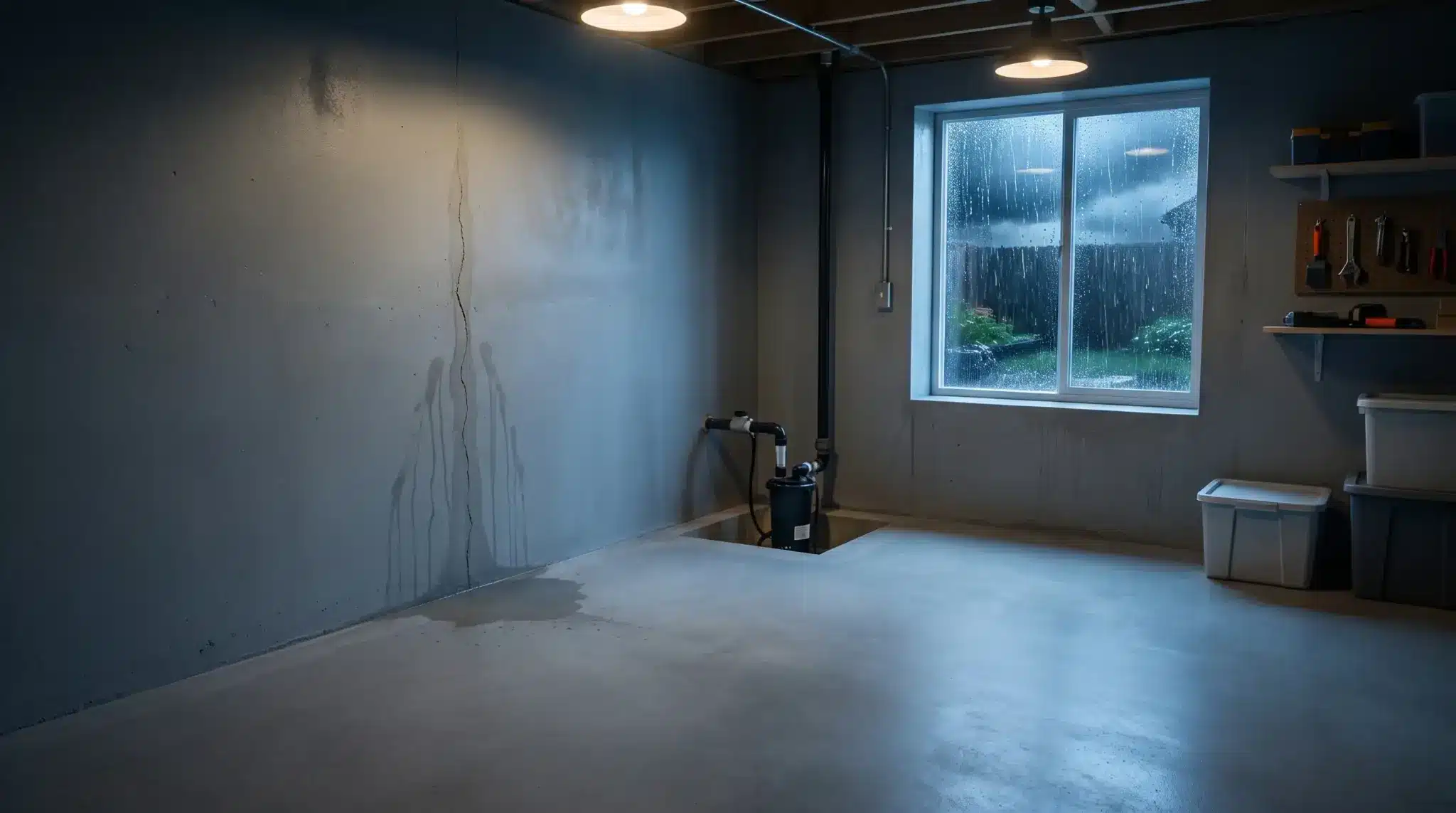
Rainy season can be refreshing for your yard and garden, but it can also put serious stress on your home, especially your basement. When heavy rain hits, water builds up in the soil around your foundation, increasing the risk of leaks, moisture, and even flooding.
The tricky part is that many basement issues do not show up until the rain is already pouring. By then, small problems can quickly turn into bigger, more expensive repairs.
The good news is that a little preparation goes a long way. Taking the time to get your basement ready before rainy season starts can help you avoid water damage and keep your home dry and protected.
Why Rainy Season Is Tough on Basements
Basements sit below ground level, which makes them especially vulnerable when the soil becomes saturated with water. As rain accumulates, pressure builds around your foundation, pushing moisture toward any weak points.
Water can enter through:
- Small foundation cracks
- Floor and wall joints
- Basement windows or window wells
- Gaps around pipes and utility lines
Even homes that have never had issues before can experience leaks during periods of heavy or prolonged rain.
Step 1: Clean and Inspect Your Gutters
Your gutter system is your first line of defense against rainwater.
When gutters are clogged with leaves and debris, water overflows and falls directly next to your foundation. This creates the perfect conditions for basement leaks.
Before rainy season:
- Clear out all debris from gutters
- Check for sagging or damaged sections
- Make sure water flows freely through downspouts
Properly functioning gutters help move water away from your home instead of letting it collect near your foundation.
Step 2: Extend Downspouts Away from Your Home
Even if your gutters are clean, short downspouts can still cause problems. If water is discharged too close to your home, it will seep into the soil and increase pressure against your basement walls.
A simple fix is to extend downspouts at least 6 feet away from your foundation. This small adjustment can significantly reduce the risk of water pooling around your home.
Step 3: Check the Grading Around Your Foundation
Take a walk around your home and observe how the ground slopes.
Ideally, the soil should slope away from your foundation so rainwater naturally drains outward. If the ground is flat or sloping toward your home, water can collect and slowly work its way inside.
If needed, adding soil and regrading the area can help improve drainage and protect your basement during heavy rain.
Step 4: Inspect Your Basement for Early Warning Signs
Before the rain starts, do a thorough inspection of your basement.
Look for:
- Damp spots on walls or floors
- Water stains or discoloration
- Musty odors
- Small cracks in the foundation
These early warning signs often indicate areas where water could enter once the ground becomes saturated.
Addressing them early gives you a better chance of preventing leaks altogether.
Step 5: Seal Cracks and Vulnerable Areas
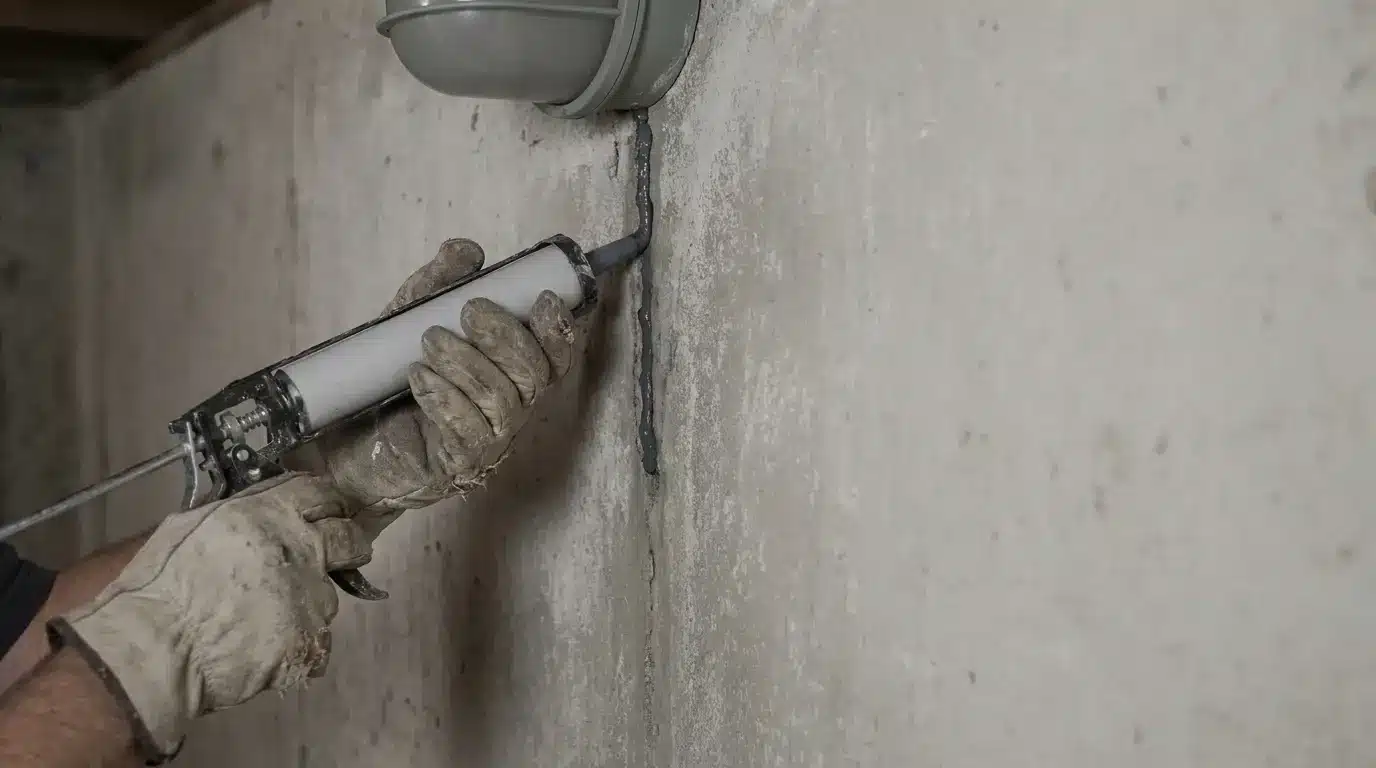
Small cracks may not seem urgent, but they can quickly become entry points for water during heavy rain.
Use waterproof sealants or epoxy to close minor cracks and gaps. Pay special attention to areas around:
- Pipes
- Utility lines
- Basement windows
If cracks appear large or continue to grow, it is best to have them evaluated professionally.
Step 6: Protect Basement Windows and Window Wells
Window wells can easily fill with water during a storm, especially if they do not have proper drainage.
To prevent issues:
- Install window well covers
- Clear out debris from inside the wells
- Make sure water can drain properly at the bottom
This helps keep water from building up and leaking into your basement through window frames.
Step 7: Test Your Sump Pump
If you have a sump pump, now is the time to make sure it is ready.
Before rainy season:
- Pour water into the sump pit to ensure it activates
- Check that water is being pumped away from your home
- Listen for unusual noises or delays
A working sump pump can make all the difference during heavy rainfall. It is also worth considering a backup system in case of power outages.
Step 8: Control Indoor Humidity
Rainy weather often brings higher humidity levels, which can affect your basement even if there are no leaks.
Excess humidity can lead to:
- Condensation on walls and pipes
- Mold and mildew growth
- A damp, uncomfortable environment
Using a dehumidifier helps maintain a balanced moisture level and keeps your basement feeling dry and fresh.
When to Bring in a Professional
If your basement has had issues in the past or you notice signs of water intrusion during your inspection, it may be time to take a more proactive approach.
A company like Blue Umbrella Waterproofing can evaluate your home and recommend solutions designed to handle heavy rain, such as:
- Interior drainage systems
- Sump pump installation or upgrades
- Exterior waterproofing solutions
- Foundation crack repairs
Addressing these concerns before rainy season begins can help you avoid emergency repairs later.
Get Ahead of the Rain
Preparing your basement for rainy season does not have to be complicated. A few simple checks and preventative steps can go a long way in protecting your home.
By focusing on drainage, sealing vulnerable areas, and maintaining key systems, you can reduce the risk of leaks and keep your basement dry even during the heaviest storms.
Taking action now means less stress later and gives you peace of mind knowing your home is ready for whatever the season brings.