

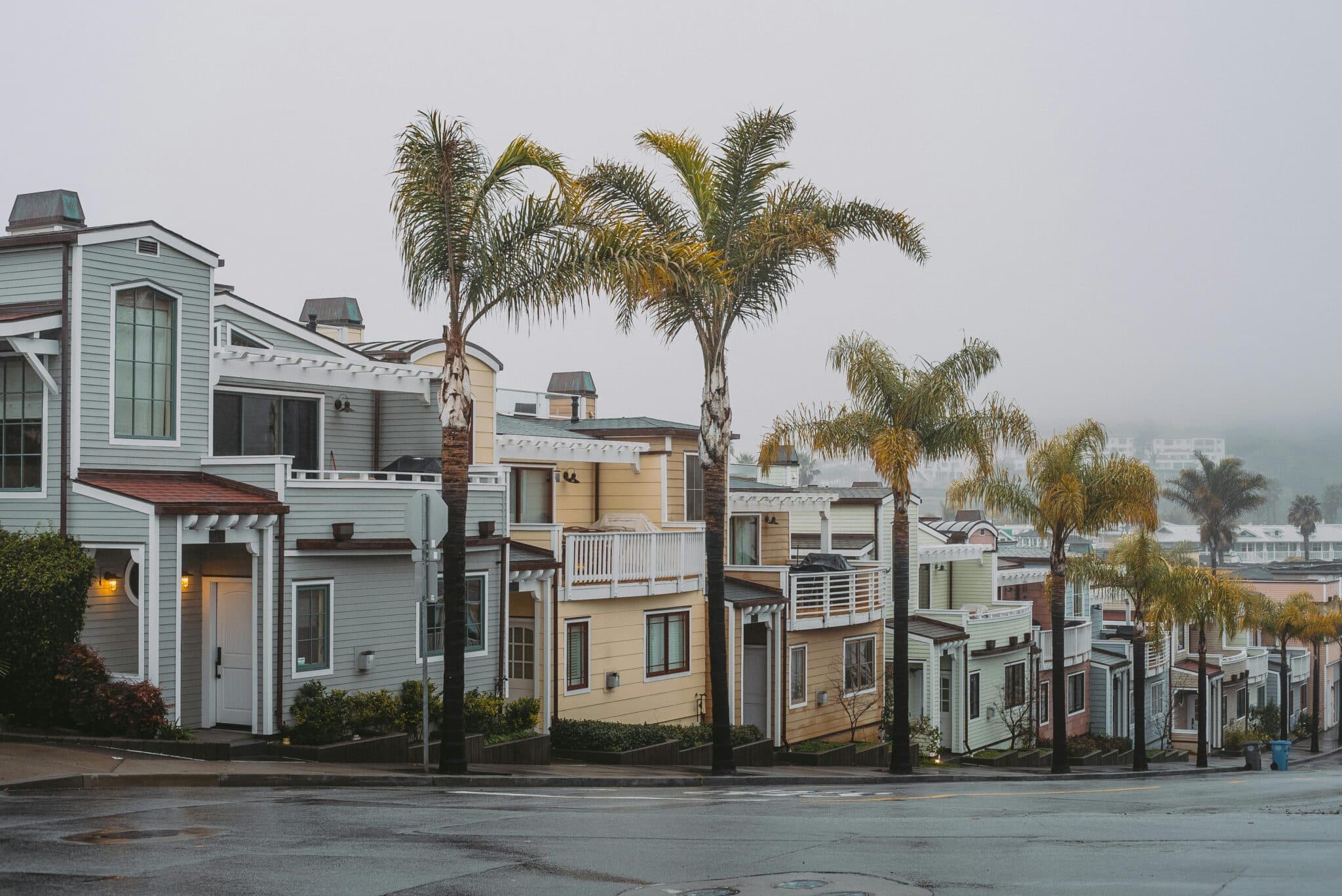
California’s rental market in 2026 looks nothing like it did five years ago. Vacancy rates across the major metros have stabilized between 4.8% and 6.2%. Institutional buyers who spent 2020–2022 piling into single-family rentals have largely paused acquisition, thanks to cap rate compression and insurance volatility. Yet in one niche of the state’s housing supply, the numbers keep working: accessory dwelling units.
ADU rental income in California is quietly beating traditional rental property investment on almost every meaningful metric. The returns are higher, the capital required is lower, and the tax treatment is better. Here’s what the 2026 data actually shows.
The return gap
Traditional single-family rental acquisition in California right now: cap rates between 4.2% and 5.8% depending on metro. A $900,000 home generating $4,200 a month in rent, after taxes, insurance, and maintenance, nets roughly $32,000 a year. That’s a 3.5% unlevered return. Leveraged at 75% LTV with current interest rates, most of these deals cash-flow slightly negative or break even.
ADU economics for the same investor, building on property they already own: a $310,000 backyard build generating $2,800 a month in rent nets roughly $25,000 a year after expenses. On deployed capital — just the construction cost, since the land was already owned — that’s an 8% unlevered return. Leveraged with a construction loan, cash-on-cash returns frequently hit 12% to 15%.
The punchline: for homeowners with equity, building an ADU produces roughly twice the return of buying a comparable rental property. Same tenant, same market, dramatically different math.
Why the gap exists
Three structural advantages drive the outperformance.
No land acquisition cost. Every dollar of traditional rental investment pays for land you already can’t build anything else on. ADU investment is pure improvement — the capital goes entirely into income-producing structure.
Lower operating overhead. One property. One roof to maintain. One landscaping bill. One insurance policy (usually). The per-unit operating cost on a property with an ADU runs 30% to 40% below owning two separate rental properties.
Tax treatment advantage. The IRS treats ADU rentals the same as any rental property for depreciation and expense deductions. But the depreciation base — your construction cost — is concentrated in the improvement portion, which depreciates over 27.5 years. A $310,000 construction cost produces roughly $11,300 annually in depreciation deductions, which typically wipes out the tax liability on the rental income for the first decade.
The financing environment
Construction loan rates for ADU projects in California in 2026 are sitting between 8.25% and 9.75% depending on borrower profile. That sounds high. It’s actually manageable when you factor in two things: construction loans convert to permanent mortgages once the project completes, and the post-construction appraisal typically raises the property value enough to refinance the debt at market mortgage rates.
CalHFA’s ADU Grant Program, expanded again in late 2024, now offers up to $40,000 toward predevelopment costs for qualifying owners. HELOCs at 8.5–9.5% work for owners with sufficient equity. Cash-out refinances remain an option for homeowners who locked in low mortgage rates but have substantial appreciation to tap.
The bottom line on financing: rates aren’t the problem. The projects pencil. Understanding the real cost to build an ADU— including financing, utility hookups, permits, and the carrying cost through construction — is what separates realistic investors from the ones who bail out halfway through.
Market outlook by metro
Los Angeles
Permit issuance up 14% year-over-year. Rent growth on small units: 3.2% annualized. Garage conversions dominating the mix.
San Diego
The strongest absolute rent growth in the state — 4.1% on studios and one-bedrooms. Limited land supply combined with strong tech and defense employment keeps demand resilient.
Bay Area
Slower permit growth (construction costs are brutal) but the highest per-unit rents. A detached ADU in Sunnyvale or Palo Alto commands $3,400 to $4,600 monthly. Returns remain strong despite the higher cost basis.
Sacramento
The dark horse. Permit costs lower than coastal markets, labor more available, rent growth 3.8% annualized. Best risk-adjusted ADU returns in the state for 2026.
Inland Empire
Riverside and San Bernardino quietly producing 15%+ cash-on-cash returns for owners who can build at $240,000 or less. Soft spot: rent volatility during economic cycles.
The shift institutional buyers are making
The smart institutional money has noticed. Several family offices and small REITs are now offering capital partnerships with homeowners — the institutional money funds construction in exchange for a share of rental income and equity appreciation. The homeowner keeps majority control and primary residence status. The institution gets exposure to residential rental income at attractive returns without the overhead of buying separate properties.
This model didn’t exist at scale three years ago. By 2027 it will be mainstream.
Where the model can break
Three risks worth naming.
Rent control expansion. If California extends statewide rent control beyond AB 1482’s current framework, returns on new ADU builds could compress. Watch the 2026 legislative session.
Insurance availability. California’s homeowners insurance market remains in flux. Some carriers won’t insure properties with ADUs at all. Others charge significant premiums. Confirm insurance before pulling permits.
Local permitting backlogs. Despite state-level reform, some city planning departments remain bottlenecked. Projects in Berkeley, West Hollywood, and parts of Orange County are running 10 to 14 months just for permit approval before any construction begins.
The takeaway for investors
The rental property model that worked from 2012 to 2022 — buy a single-family home, rent it out, wait for appreciation — isn’t dead, but the math has gotten thin. ADU investment offers what traditional rentals used to offer a decade ago: double-digit unlevered returns, meaningful tax advantages, and equity creation on day one.
For homeowners sitting on equity in a California property, the question in 2026 isn’t whether to invest in real estate. It’s whether the next rental unit gets built somewhere else, or in the backyard where the land is already paid for.
The spreadsheet answers that one pretty clearly.