


There’s nothing quite like the panic of a burst pipe spraying water across the kitchen floor at 11pm, or a toilet that simply won’t stop overflowing. Plumbing emergencies never seem to happen at a convenient time, and how you respond in the first few minutes can make a real difference to the amount of damage your home sustains.
Fortunately, help is never far away. Calling an emergency plumber Brisbane households trust means a qualified technician can be on-site quickly, any time of day or night. But there are several practical steps you can take while you wait that will protect your property and make the repair process faster once help arrives.
Take Control of the Situation Immediately
Staying calm and knowing your home’s plumbing basics can prevent a bad situation from becoming a genuine disaster. Here’s what experienced plumbers recommend doing first.
Locate and Shut Off Your Water Supply
Every Brisbane home should have an accessible main water shut-off valve, usually near the water meter at the front boundary or under the house. Knowing exactly where this is before an emergency happens is one of the simplest ways to limit damage.
Turning off the mains stops water flow throughout the entire property, buying you time until professional help arrives. If the emergency is isolated to one fixture, such as a leaking dishwasher or washing machine, you may only need to shut off the individual isolation valve behind that appliance.
Switch Off Electricity to Affected Areas
Water and electricity are a dangerous combination. If water is pooling near power points, appliances, or light fittings, switch off the relevant circuit at your switchboard before doing anything else. Never step into standing water near electrical outlets.
Contain the Water and Protect Belongings
While waiting for your plumber, use towels, buckets, and any waterproof containers to limit the spread of water. Move furniture, rugs, electronics, and valuables away from the affected area wherever it’s safe to do so. A few practical steps include:
- Rolling up rugs and carpets to prevent them from soaking through completely.
- Placing towels along skirting boards to stop water tracking into adjoining rooms.
- Using a wet/dry vacuum if you have one, to remove standing water safely.
Document the Damage for Insurance Purposes
Before you begin cleaning up, take clear photos and short videos of the affected areas. This documentation is invaluable if you need to make an insurance claim later, as it provides evidence of the extent of the damage at the time it occurred.
Keep Children and Pets Away From the Area
Wet floors are a slip hazard, and in the case of sewage backups, contaminated water carries genuine health risks. Keep the affected area cordoned off until your plumber has assessed and resolved the issue.
Common Emergency Plumbing Scenarios
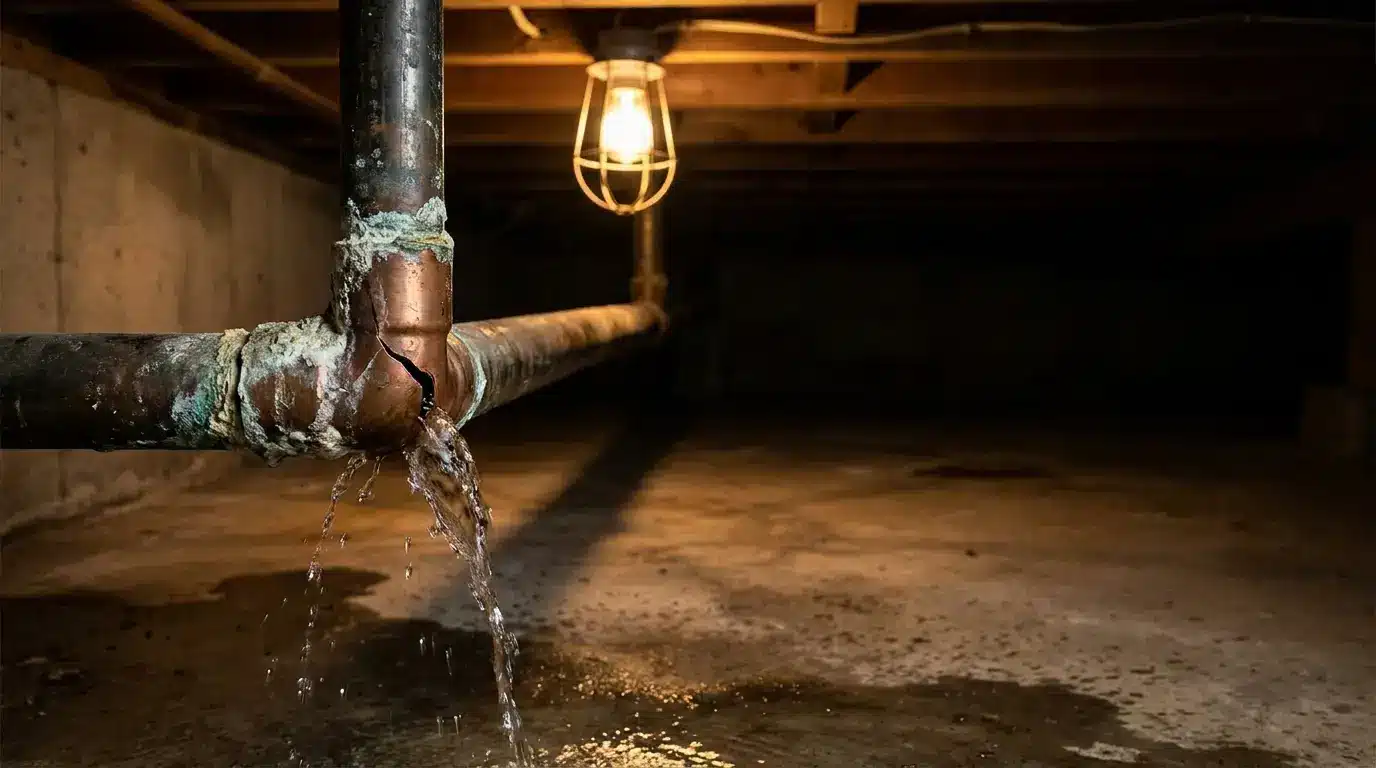
Understanding the range of situations that typically require an emergency callout can help you recognise when immediate action is genuinely warranted. Burst pipes, overflowing toilets, gas leaks, and complete loss of hot water in the middle of winter are among the most frequent triggers. Sewage backups also fall firmly into this category, given the health risks involved, and should never be treated as something that can simply wait until regular business hours resume.
After the Immediate Crisis Is Resolved
Once your emergency plumber has addressed the immediate issue, it’s worth asking whether the underlying cause has also been identified and resolved, rather than just the visible symptom. A burst pipe, for example, might be a one-off event, or it could be a sign of broader corrosion throughout your home’s plumbing system. A thorough emergency plumber will typically offer to conduct a broader assessment once the immediate danger has passed, helping you avoid a repeat emergency down the track.
Why Choosing a 24/7 Provider Matters
Not every plumbing business offers genuine round-the-clock emergency service, and it’s worth clarifying this before an emergency ever strikes rather than discovering the limitation at 2am. Some providers advertise emergency services but only offer them within extended business hours, or charge significantly higher rates for true after-hours callouts. Understanding a provider’s actual availability, typical response time, and any after-hours pricing structure ahead of time means you’re not left making these decisions under pressure during an actual crisis. Keeping a saved contact for a genuinely 24/7 local emergency plumber is one of the simplest pieces of home preparedness any Brisbane homeowner can put in place.
Keeping a Home Emergency Kit on Hand
A small, dedicated emergency kit near your main water shut-off valve can make those first stressful minutes considerably easier to manage. Useful items include a torch, a pair of work gloves, several old towels set aside specifically for spills, and a laminated card noting your plumber’s number along with the location of your electrical switchboard. Having these basics ready before an emergency occurs means less time searching the house in a panic and more time actually limiting the damage while help is on the way.
Reviewing Your Home Insurance Policy for Water Damage
Many homeowners don’t realise the specific terms of their water damage cover until they’re in the middle of making a claim. Taking time to review your policy ahead of any emergency, particularly around sudden versus gradual damage, helps set realistic expectations about what will and won’t be covered, and avoids added stress on top of an already difficult situation.
Final Thoughts
A plumbing emergency is stressful, but knowing these simple steps can significantly reduce the damage to your home while you wait for help. Shutting off water and power, containing the spread, and documenting everything for insurance are all within your control, even before a professional arrives.
When the unexpected happens, having a reliable emergency plumbing team on speed dial means you’re never left dealing with a crisis alone, day or night.