

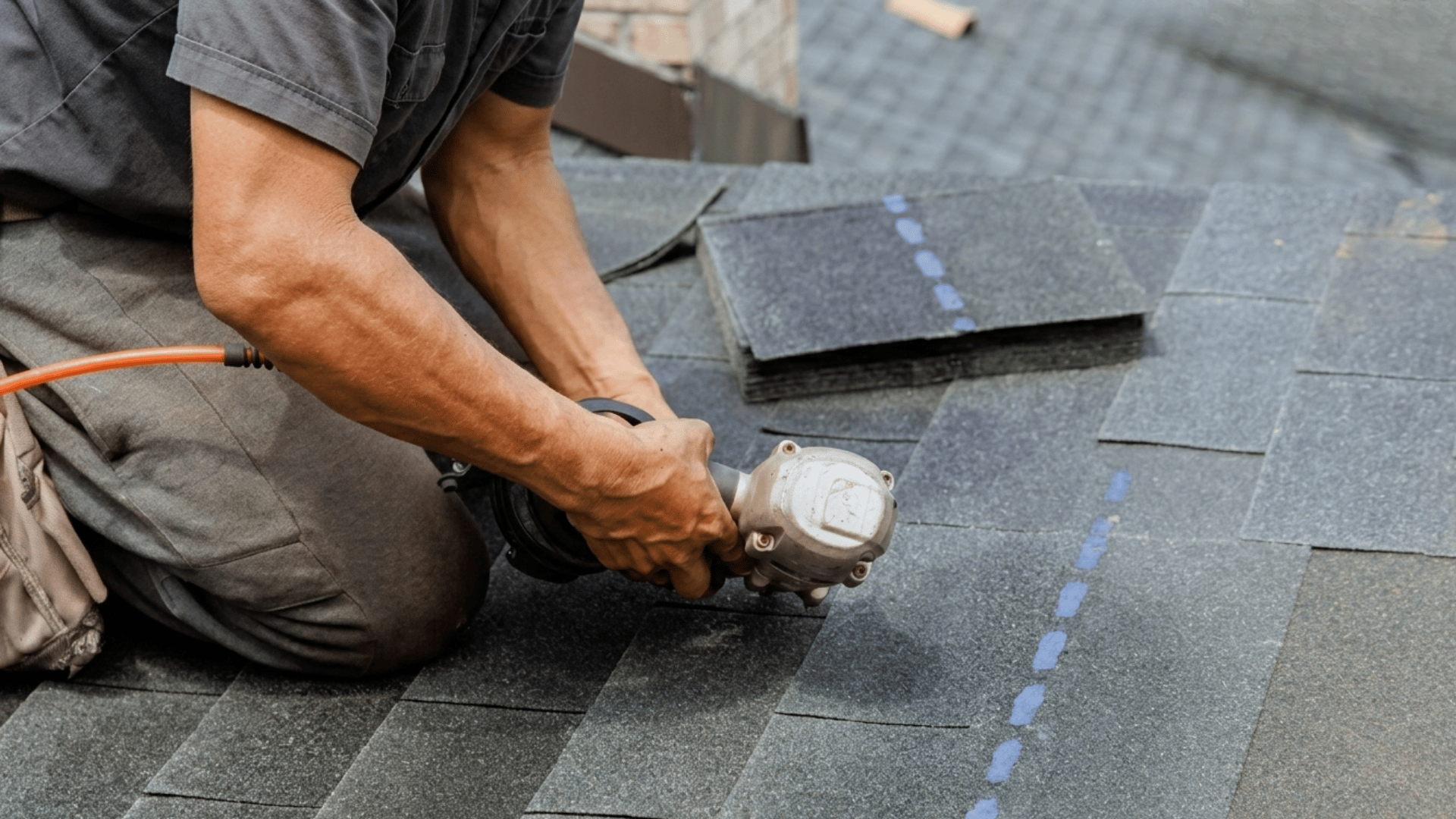
Your roof protects your home every day, but many people do not think about it until problems start showing up.
Missing shingles, leaks, and water stains can quickly turn into expensive repairs if they are ignored.
I have seen firsthand how confusing contractor quotes can be. Prices vary widely, and without a baseline, it is easy to overpay or pick the wrong material for your climate.
In this guide, I will help you understand roof shingle replacement cost in a simple and clear way.
You will learn what affects the total price, how different roofing materials compare, and what to expect before starting the project.
I’ll also share what I learned from contractors and bids, so you can choose with confidence and avoid overpaying.
How Much Does Roof Shingle Replacement Cost?
Roof shingle replacement usually costs between $5,000 and $15,000, but larger or more complex roofs can cost much more.
The total price depends on roof size, shingle type, labor, and any hidden damage found during the project.
Asphalt shingles cost less, while metal, slate, and tile roofs cost more due to longer life and special installation needs. Steep roofs and homes with multiple angles also increase labor costs.
In some cases, roofers may need to replace damaged wood under old shingles, which adds to the final bill.
Roofing prices also vary by location due to labor rates, weather conditions, and material demand.
Homeowners in the Northeast and Pacific Coast generally pay 15 to 25 percent more than the national average, while those in the South and Midwest tend to see lower bids.
I suggest getting quotes from at least three local roofers to compare prices, warranties, and services.
Signs Your Roof Shingles Need Replacement
Your roof usually gives small warning signs before bigger problems start. I always tell homeowners to pay attention to changes after storms, heavy rain, or strong heat.
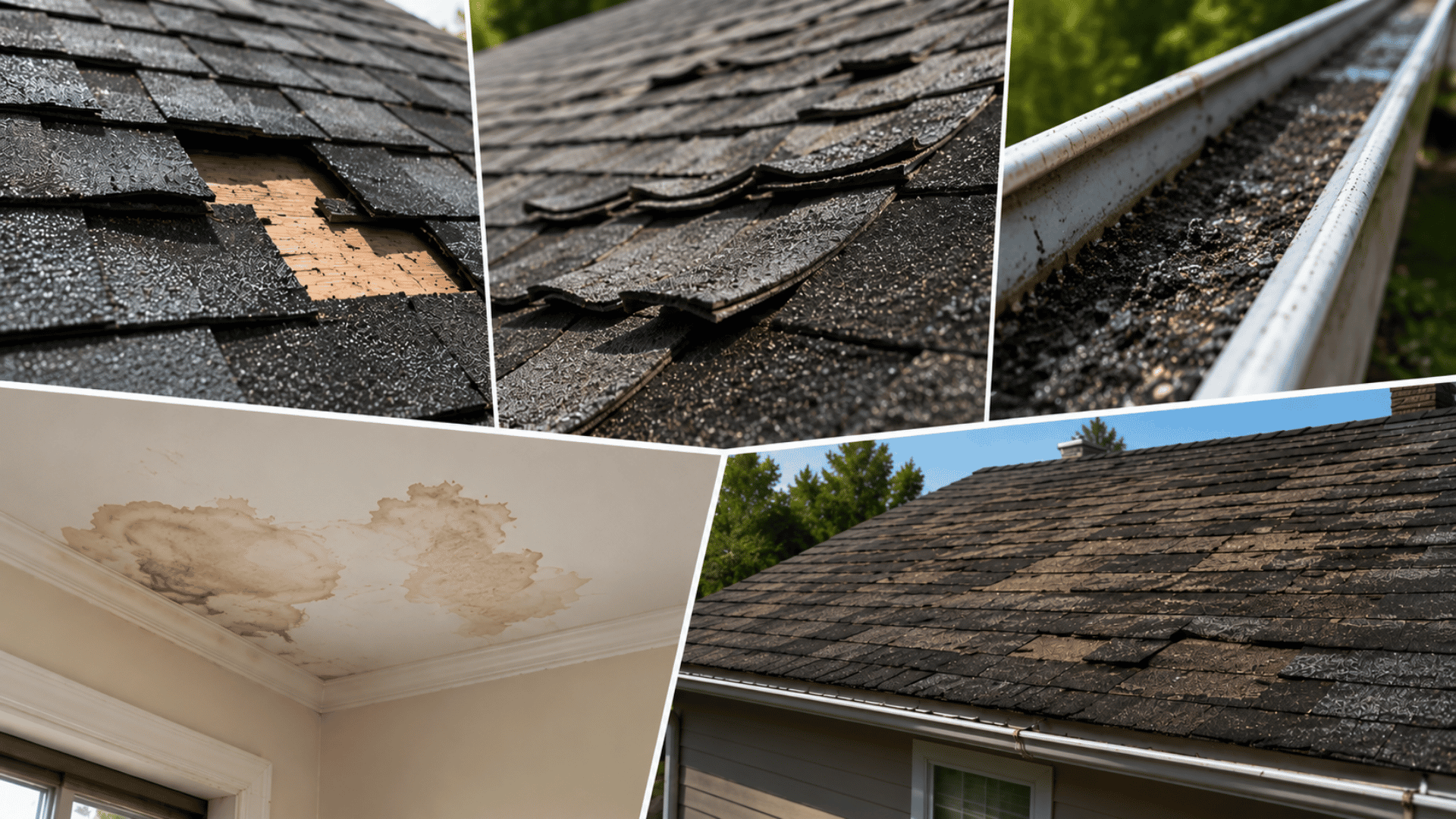
1. Missing Shingles After Storms
Strong winds and heavy rain can loosen or completely remove roof shingles over time. When shingles go missing, water can slip underneath the roof and cause leaks inside the home.
Even a small bare spot can turn into bigger damage if ignored for too long.
Missing shingles also make nearby shingles weaker, which can lead to more roofing problems during future storms.
I always recommend a visual check from the ground after any storm with winds over 50 mph. A quick scan takes five minutes and can catch problems before they require a full replacement.
2. Curling or Bent Shingles
Curling shingles are a common sign that the roof is starting to wear out with age. Heat, sunlight, and changing weather conditions slowly weaken roofing materials over time.
Once shingles begin bending at the edges, they cannot properly protect the roof from water and wind anymore.
Curled shingles also crack more easily during storms or cold weather conditions. This type of damage often spreads across larger roof sections if left untreated.
Replacing worn shingles early can help prevent leaks, moisture buildup, and expensive roofing problems later
3. Granules Collecting in Gutters
Roof shingles contain protective granules that help block sun damage and improve durability. Over time, older shingles begin losing these granules, especially after heavy rain or storms.
Homeowners may notice dark sand-like particles collecting inside gutters or near downspouts.
This is often a sign that the shingles are wearing out and nearing the end of their lifespan. Granule loss leaves shingles exposed to heat and moisture, causing faster damage over time.
If your gutters keep filling with them, the shingles may be wearing out. This usually means the roof is getting close to the end of its lifespan.
4. Water Stains on Ceilings
Water stains inside the house often point to roofing problems above the ceiling. Brown marks, peeling paint, or damp spots may mean water is leaking through damaged shingles or weak roof areas.
Even small leaks can slowly damage insulation, wood, and drywall if left untreated for too long.
Moisture buildup may also lead to mold growth and indoor air quality problems. Roof leaks rarely stay small for long, and hidden water damage can spread quickly throughout the home.
Early repairs help prevent larger and more expensive roofing problems later.
5. Your Roof Is Getting Old
Most asphalt shingle roofs last around 20 to 25 years before major wear starts showing. Older roofs naturally weaken from years of sunlight, rain, heat, and changing temperatures.
Even if the roof still looks fine from the ground, hidden damage may already exist underneath the shingles.
Aging roofs are more likely to leak, crack, or lose shingles during storms and rough weather.
Older roofing materials also become less effective at protecting the home from moisture and temperature changes, making replacement more necessary as the roof continues aging.
Average Cost by Roofing Material
Roofing materials can change both the price and lifespan of your roof. Some materials cost less upfront but need repairs sooner over time. Others cost more at first but can last for decades with less maintenance.
| Roofing Material | Average Cost Per Sq Ft | Lifespan | Best For |
|---|---|---|---|
| Asphalt Shingles | $4 to $8 | 20–25 years | Most climates, budget-conscious buyers |
| Metal Roofing | $8 to $16 | 40–70 years | Storm-prone areas, long-term value |
| Wood Shingles | $6 to $12 | 25–30 years | Dry climates, traditional aesthetics |
| Slate Roofing | $15 to $30 | 75–150 years | Premium homes, low-maintenance priority |
| Clay or Concrete Tiles | $10 to $20 | 50+ years | Hot climates, Southwest-style homes |
3-Tab vs. Architectural vs. Premium Asphalt Shingles
Asphalt is by far the most common choice, but not all asphalt shingles are the same.
Three-tab shingles are the most affordable option, running $4 to $5 per square foot, but they have a shorter lifespan and offer less wind resistance.
Architectural (dimensional) shingles cost $5 to $7 per square foot and are the most popular upgrade.
They last longer, look better, and carry stronger wind warranties. Premium designer shingles can reach $8 or more, but mimic the look of slate or wood without the weight.
For most homeowners replacing a standard residential roof, architectural shingles offer the best combination of cost, durability, and curb appeal.
Labor Costs for Roof Shingle Replacement
Labor is one of the biggest parts of a roof replacement project. Several factors can affect your total labor cost:
- Roof pitch: Steep roofs are harder and more dangerous to work on. Roofers usually charge more because the job takes extra time and safety equipment.
- Roof style: Roofs with multiple angles, bends, or sections cost more to install. Complex roof designs often require more labor and planning.
- Shingle material: Some roofing materials are harder to install than others. Metal, slate, and clay shingles usually come with higher labor charges.
- Shingle removal: Old shingles often need to be removed before new ones go on. Tear-off and disposal costs can add around $1,000 to $5,000 to the project.
- Permit and inspection fees: Many cities require roofing permits and inspections. Permit costs usually range from $250 to $500, while inspections may cost around $200.
- Flashing and roof repairs: Roofers sometimes find damaged flashing or roof decking underneath. These repairs can increase costs from about $150 to nearly $1,000.
- Roof accessibility: Tall homes or difficult landscapes can slow down roofing work. Hard-to-reach roofs often increase labor costs because the job takes longer.
Does Homeowners Insurance Cover Roof Shingle Replacement?
Insurance usually covers shingle damage from hail, wind, or fallen trees, but you still pay the deductible.
Normal wear and age-related deterioration are almost never covered.
Before filing a claim, get an independent inspection from a licensed roofer who is not affiliated with your insurance company.
I have seen homeowners accept low settlement offers because they did not know the full scope of the damage. A second opinion often makes a meaningful difference in what gets approved.
Roof Repair vs Full Shingle Replacement
Knowing the difference between roof repair and full shingle replacement can help you save money and avoid future problems. The table below compares cost, damage level, and when each option makes more sense.
| Factor | Roof Repair | Full Shingle Replacement |
| Best For | Small damage or minor leaks | Older roofs with major damage |
| Common Issues Fixed | Missing shingles, small leaks, storm damage | Widespread leaks, curling shingles, and sagging areas |
| Roof Age | Works best on newer roofs | Better for roofs over 20–25 years old |
| Cost Range | A few hundred to a few thousand dollars | Usually $5,000–$15,000 or more |
| Time Required | Faster project | Takes longer to complete |
| Long-Term Value | Good short-term solution | Better long-term investment |
| Repair Frequency | Occasional repairs | Eliminates repeated repair costs |
| Energy Efficiency | Little improvement | Can improve insulation and efficiency |
| Home Value Impact | Minor impact | May increase home value |
| Main Benefit | Lower upfront cost | Long-lasting solution |
| Main Drawback | Problems may return later | Higher upfront expense |
| Recommended When | The roof is mostly in good condition | The roof has a repeated problem |
How to Decide: A Simple Rule of Thumb
A general rule used in the industry is the 50 percent test. If the repair cost is more than half the price of a full replacement, the replacement usually makes more financial sense, especially on a roof that is over 15 years old.
I apply this thinking to every restoration project I consult on.
Short-term patch jobs on aging roofs often cost more over five years than replacing the whole roof once and getting a full warranty on the work.
How Long Does Roof Shingle Replacement Take?
Most roof shingle replacement projects take one to three days to finish. Simple roofs usually move much faster than large or complex roofing projects.
1. Weather Can Delay Roofing Work
Bad weather is one of the biggest reasons roofing projects take longer than expected. Rain, strong winds, and storms create unsafe working conditions for roofing crews.
Contractors may pause work until the weather improves to protect workers and roofing materials.
Wet conditions can also damage exposed roof areas during installation. In some cases, several days of poor weather may push the project timeline back further.
Homeowners should expect possible delays during rainy or storm seasons since roofing work depends heavily on safe and dry weather conditions.
2. Roof Tear-Off Timeline
Removing old shingles is usually the first step in roof replacement. This process can take several hours or even a full day on larger roofs.
Roofs with multiple old shingle layers often take longer to tear off.
Extra cleanup and disposal work can also slow the timeline slightly.
The tear-off time depends a lot on the roof condition and size. Damaged decking underneath can also delay the installation process.
3. Small Roofs vs Large Roofs
Larger roofs take more time because workers install more materials. Steep roofs and multiple roof sections can also slow the project down.
| Roof Size | Average Timeline |
| Small Roof | 1 to 2 Days |
| Medium Roof | 2 to 3 Days |
| Large Roof | 3 to 5 Days |
| Complex or Steep Roof | 5+ Days |
4. Final Inspection and Cleanup
Most roofing jobs end with a final inspection and full cleanup, including removing nails, old shingles, and debris.
Magnetic tools are often used to collect hidden nails from driveways and lawns for safety. Some cities may also require an official building inspection after installation is complete.
This inspection helps confirm the roof follows local building and safety codes correctly.
A final walkthrough also allows homeowners to review the work and ensure that the cleanup and installation quality meet expectations properly.
Common Mistakes to Avoid During Roof Replacement
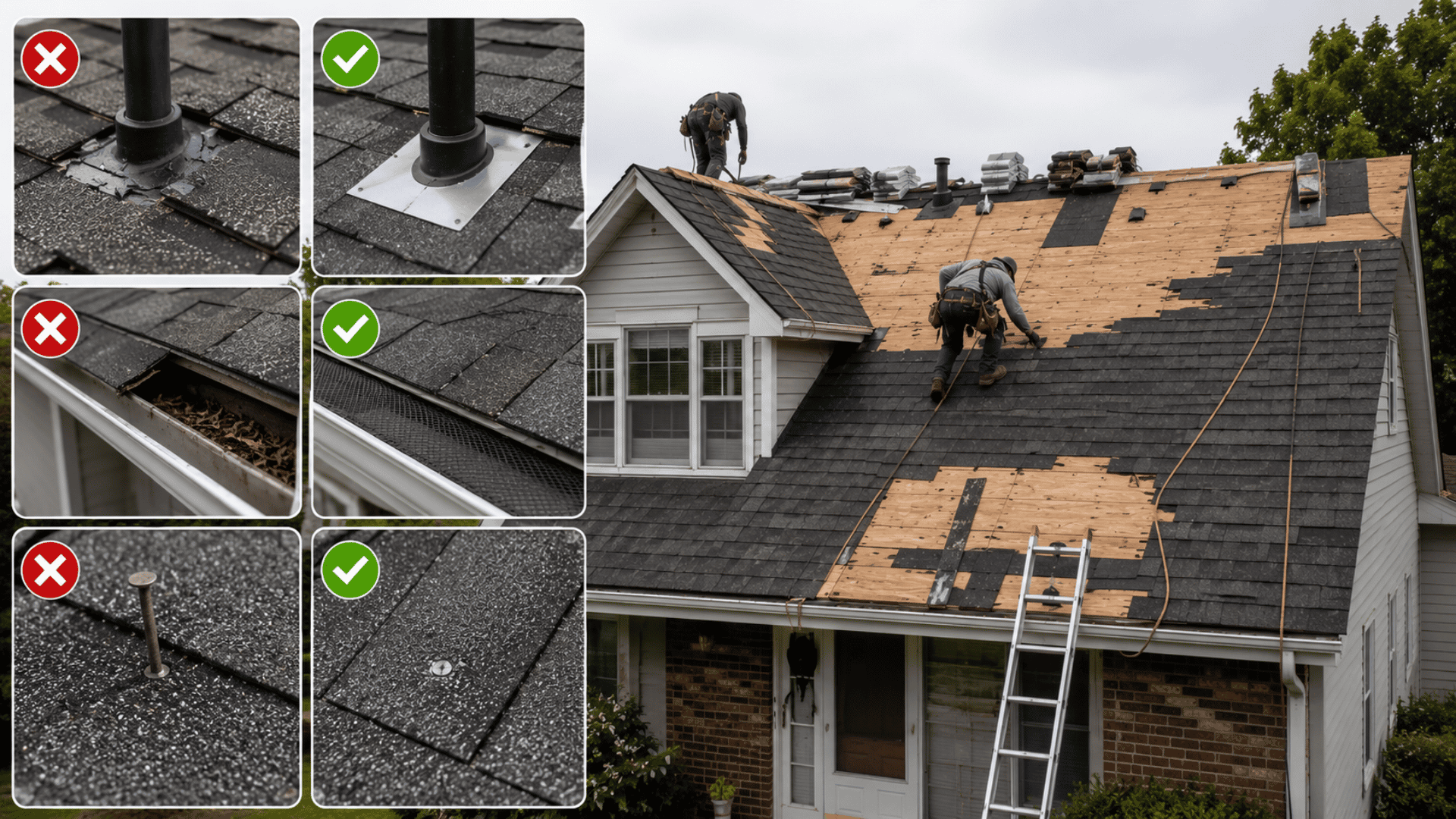
A roof replacement is a big investment, so small mistakes can lead to higher costs later. Paying attention to materials, contractors, and installation details can help the project go smoothly.
- Choosing the cheapest quote too fast: Low quotes can look tempting at first. Some contractors leave out cleanup, warranties, or quality materials to lower the price.
- Ignoring warranty details: Not all roofing warranties cover the same things. Checking both material warranties and contractor workmanship coverage.
- Skipping a roof inspection: Some homeowners replace shingles without checking the roof underneath. Hidden leaks or damaged decking can turn into bigger problems later.
- Using low-quality roofing materials: Cheap materials may save money upfront. They often wear out faster and lead to more repairs over time.
- Not checking contractor reviews: A roofing company may look good online at first glance. Read reviews and check past customer experiences carefully.
- Not asking for a detailed estimate: Some quotes only show the total price. A detailed estimate helps you understand labor, materials, and extra charges clearly.
- Paying the full amount too early: Large upfront payments can be risky for homeowners. Most trusted contractors use payment schedules instead of full advance payments.
Best Roofing Materials for Your Budget
Choosing the right roofing material is not only about price. Some roofing materials cost less upfront but need repairs sooner.
| Roofing Need | Best Material | Why It Works |
| Low Budget | Asphalt Shingles | Affordable and easy to install |
| Long-Term Value | Metal Roofing | Lasts longer with lower maintenance |
| Hot Climates | Clay Tiles | Handles heat and sunlight very well |
| Storm-Prone Areas | Metal Roofing | Strong against wind and heavy rain |
| Premium Long Lifespan | Slate Roofing | Can last for decades with proper care |
Conclusion
Roof shingle replacement is a major home project, and understanding the costs can help homeowners make smarter decisions before work begins.
Roof size, materials, labor, weather conditions, and hidden damage all affect the final price.
This guide covered roof replacement costs, repair vs replacement decisions, project timelines, and common signs that shingles may need replacing.
Comparing materials, reviewing contractor quotes, and thinking about long-term value can make the process easier.
A strong roof protects your home, so choosing the right option matters.
Taking time to plan the project properly can help homeowners avoid unexpected costs and feel more confident when hiring a roofing contractor.
Frequently Asked Questions
What Is the Cheapest Time of Year for a New Roof?
Late fall and winter are often the cheapest times for roof replacement. Roofing companies may offer lower prices during slower work seasons.
What is the Weakest Part of a Roof?
Roof valleys are usually the weakest part because water flows through them constantly. Poor flashing or damaged shingles in valleys can lead to leaks quickly.
What Type of Roof Is Least Likely to Leak?
Metal roofs are less likely to leak when installed correctly by professionals. They have fewer seams and handle heavy rain better than many roofing materials.
How Long Do Asphalt Shingle Roofs Last?
Most asphalt shingle roofs last between 20 and 25 years on average. Weather conditions and roof maintenance can significantly affect the lifespan of the roof.