

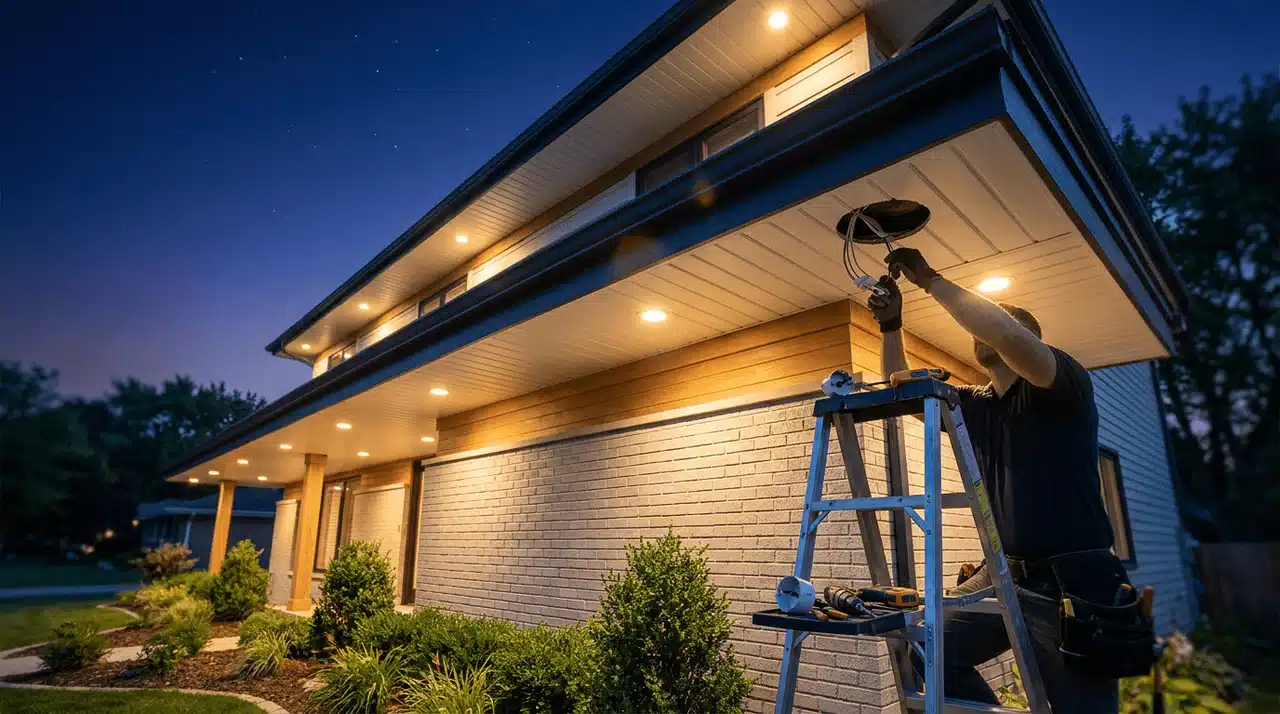
Home remodels often expose lighting problems that were easy to ignore before. A kitchen may need brighter light for counters and cooking areas. A basement may have low ceilings where bulky fixtures feel unsuitable.
Hallways and bathrooms may need safer, more even illumination. Older homes may also have limited ceiling space, making traditional recessed cans harder to install. For homeowners, the goal is better visibility, a cleaner ceiling, and lighting that fits daily routines. For electricians, the right fixture format can reduce installation complexity.
Amico is one example of a residential LED recessed lighting brand that covers several common fixture formats, including canless wafer-style downlights, gimbal lights, retrofit downlights, and disk lights.
For many remodel and new-install projects, Amico canless LED recessed lights are often practical because they are thin, low-profile, and do not require a traditional recessed can housing. Amico’s canless LED recessed lights fit into this category.
Common Recessed Lighting Formats for Remodels: Examples From Amico
Amico’s recessed lighting lineup includes several fixture types for different residential situations. Understanding the basic differences can help homeowners and electricians choose the right format before focusing on size, color temperature, and installation details.
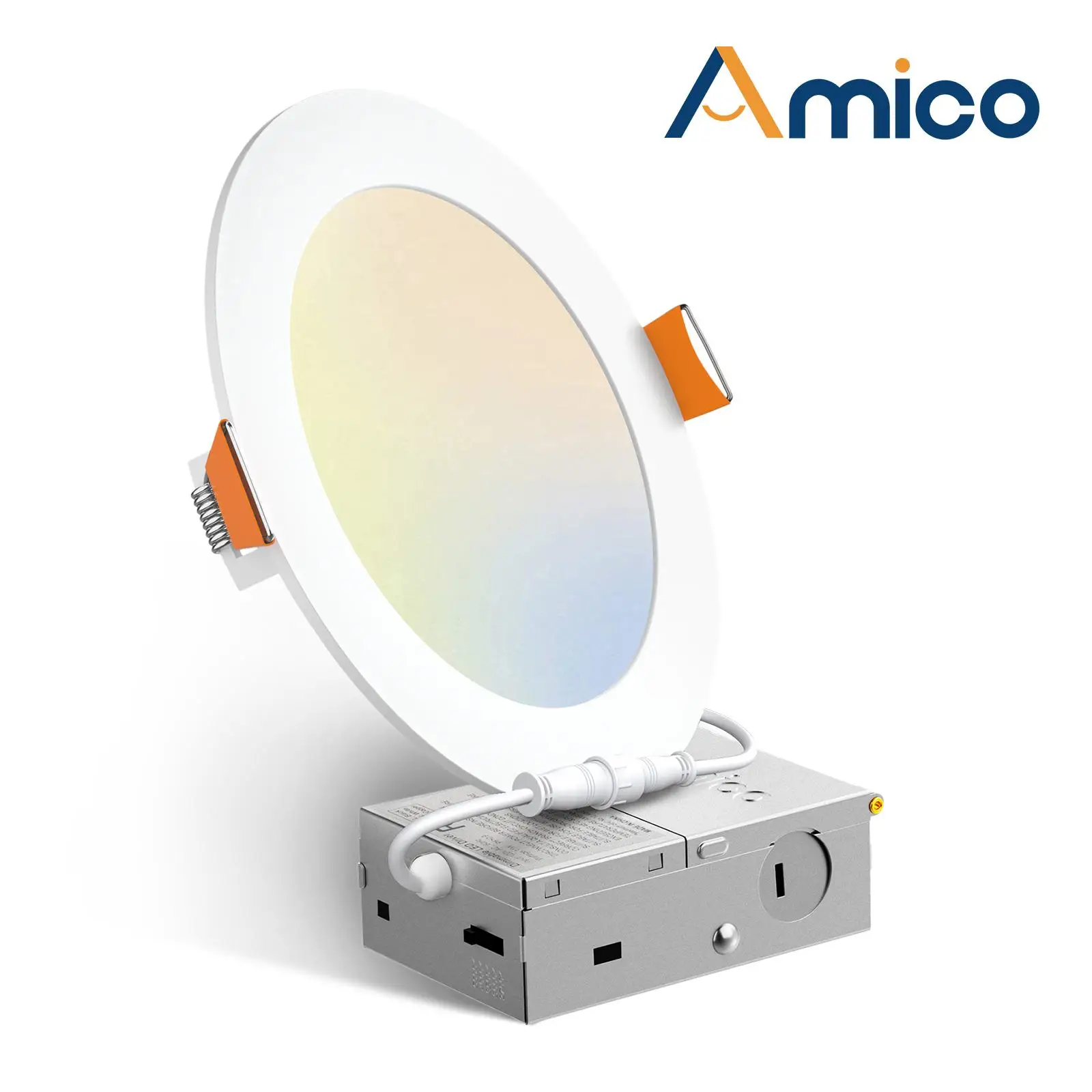
Canless wafer-style downlights are often the primary choice for remodels, finished ceilings, basements, and rooms with limited ceiling depth. They do not require a traditional recessed can housing, which gives installers more flexibility when working around joists or shallow ceiling spaces.
Gimbal lights are useful when directional lighting is needed. They can help with accent lighting, wall washing, sloped ceilings, or areas where the light beam needs to be aimed toward a specific feature.
Retrofit downlights are designed for upgrading existing recessed can housings. They can be a practical option when a home already has traditional recessed cans, and the goal is to update the lighting to LED.
Disk lights are suitable for low-profile ceiling applications where a simple, surface-style fixture is preferred.
While each format has its place, canless wafer-style downlights are especially relevant for many modern remodels because they solve several common installation challenges without adding a bulky ceiling fixture.
Why Canless Wafer-Style Downlights Work Well in Remodels
Canless wafer-style downlights work well in remodels because they do not need a large housing above the ceiling. This makes them helpful in basements, finished ceilings, rooms below another floor, and older homes where ceiling depth may be limited.
For homeowners, the benefit is a cleaner, more modern ceiling appearance without a bulky fixture. A basement can feel brighter without making the ceiling feel lower. A hallway can become safer at night. A kitchen can gain even more light over counters, sinks, and walkways.
For electricians and installers, the thin design can make layout planning more flexible, especially when working around framing, ducts, joists, or other remodel conditions.
Choosing Between 4-Inch and 6-Inch Canless Downlights
Amico canless wafer-style downlights are available in common residential sizes, including 4-inch and 6-inch options. A 4-inch fixture usually creates a more subtle ceiling appearance. It can work well in hallways, closets, bathrooms, smaller rooms, and accent or task areas.
A 6-inch fixture is often better suited for general lighting in larger areas, such as kitchens, living rooms, basements, open-plan rooms, and larger bedrooms. However, the best choice depends on more than fixture size. Consider ceiling height, fixture spacing, lumen output, room layout, wall color, and how the room will be used.
How 5CCT Selectable Lighting Helps Homeowners
One useful feature in many Amico LED recessed lighting products is 5CCT selectable lighting. This means the color temperature can be adjusted instead of being fixed to one tone. Common selectable options include 2700K, 3000K, 3500K, 4000K, and 5000K.
This flexibility matters because the final look of a room can change after a remodel is complete. Paint color, flooring, cabinets, countertops, furniture, and natural light can all affect how warm or cool the lighting feels.

A warmer setting, such as 2700K or 3000K, can work well in bedrooms, dining rooms, and living rooms where comfort is important. A middle setting, such as 3500K or 4000K, may suit kitchens, bathrooms, laundry rooms, and closets where clearer visibility is helpful.
A brighter daylight-style setting, such as 5000K, may be useful in garages, utility rooms, workshops, or home offices where focus and detail matter.
For homeowners, selectable color temperature makes it easier to fine-tune the lighting after the room is finished. For electricians, it can reduce the risk of installing a fixed color temperature that later feels too warm, too cool, or mismatched with the completed space.
Installation Considerations for Homeowners and Electricians
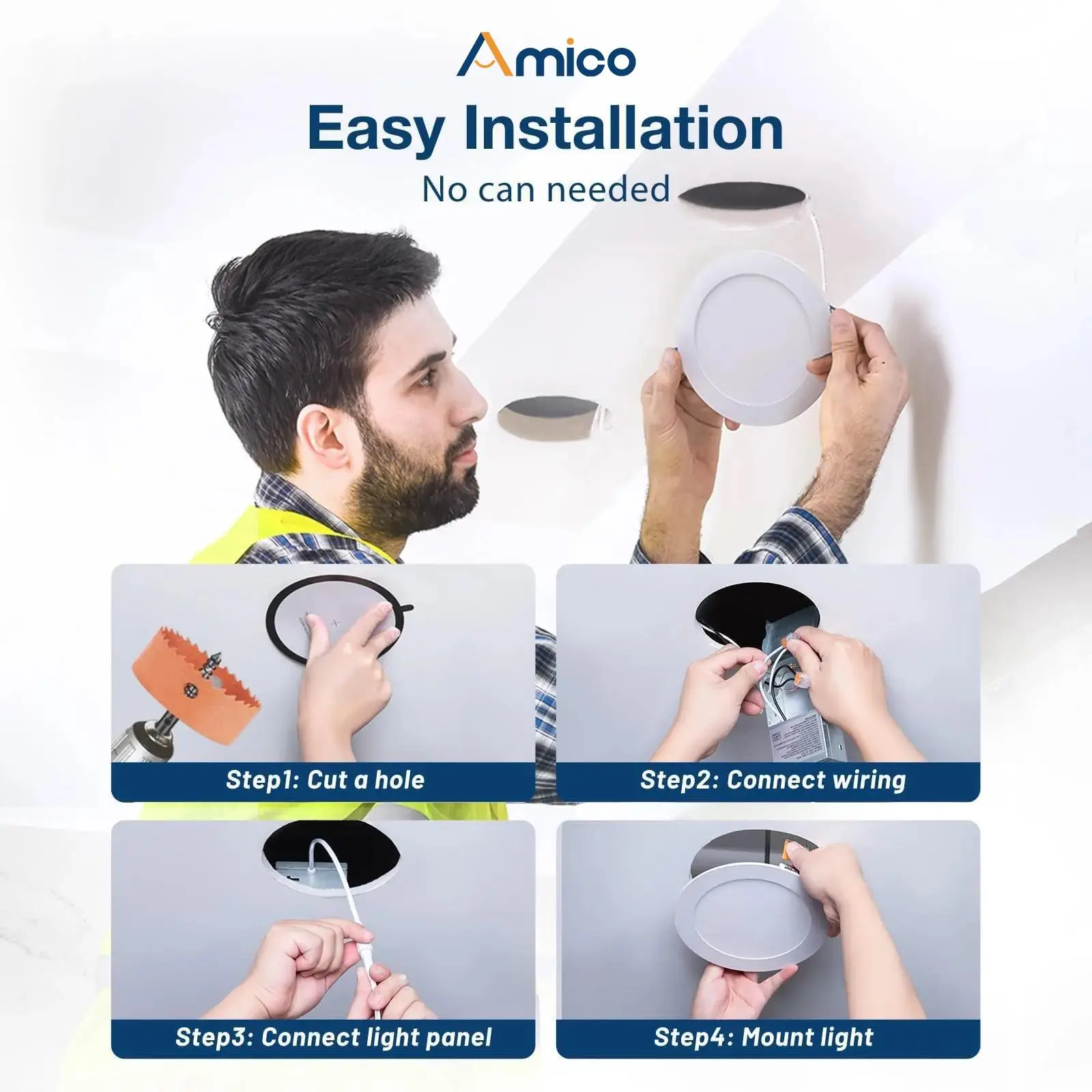
For homeowners, easier installation can mean less disruption during a remodel and a cleaner finished result. For electricians, canless wafer-style fixtures can provide more flexibility when working around joists, limited ceiling depth, or finished ceilings. This is why they are often considered a practical choice for easy-install recessed lighting for contractors handling residential remodels.
This is helpful when the lighting layout must adapt to basement height limits, kitchen framing, ductwork, or narrow ceiling space in hallways and bathrooms. Even with a flexible fixture, installation should still follow the manufacturer’s instructions and proper electrical practices.
What to Check Before Choosing Recessed Lighting
Before choosing recessed lighting, buyers should check practical details, not only appearance. Important points include safety listing or compliance marks such as ETL and FCC where applicable, IC rating if insulation contact is a concern, damp- or wet-location suitability where needed, dimmer compatibility, installation instructions, correct size, and color temperature options.
Warranty coverage should also be reviewed. Amico’s recessed lighting products commonly include 5-year warranty coverage. Overall, the Amico lineup is designed around practical home lighting needs, including flexible sizing, selectable color temperature, and everyday use.
What Buyers Often Notice in Practice
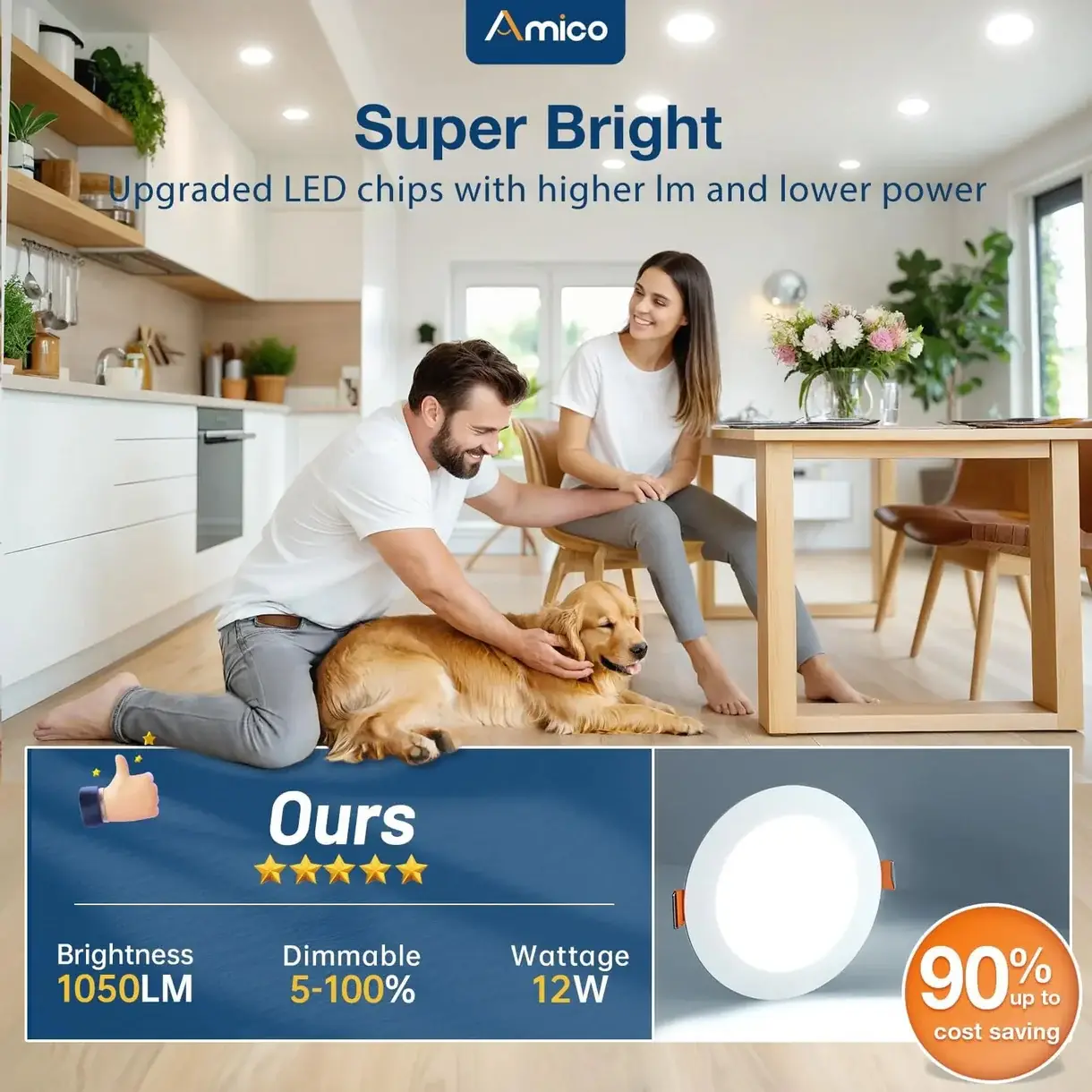
In buyer feedback for ultra-thin recessed lights, common points often include installation convenience, brightness, low-profile appearance, and selectable color temperature. These are also practical factors homeowners can compare when looking at Amico canless wafer-style downlights or similar fixtures.
A slim fixture can help in ceilings with limited space. Good brightness can improve kitchens, basements, hallways, and work areas. Selectable color temperature can help the lighting feel more natural after the remodel.
Conclusion
Choosing recessed lighting for a remodel is about how the home will function after the work is finished. A kitchen needs clear task lighting, a hallway needs safe visibility, a bedroom needs comfort, and a basement needs brightness without making the ceiling feel crowded.
For many residential remodels, canless wafer-style downlights offer a practical balance of clean design, installation flexibility, and everyday performance. Amico provides one example, but the main decision should be based on ceiling conditions, room layout, color temperature needs, and how the space will be used every day.