

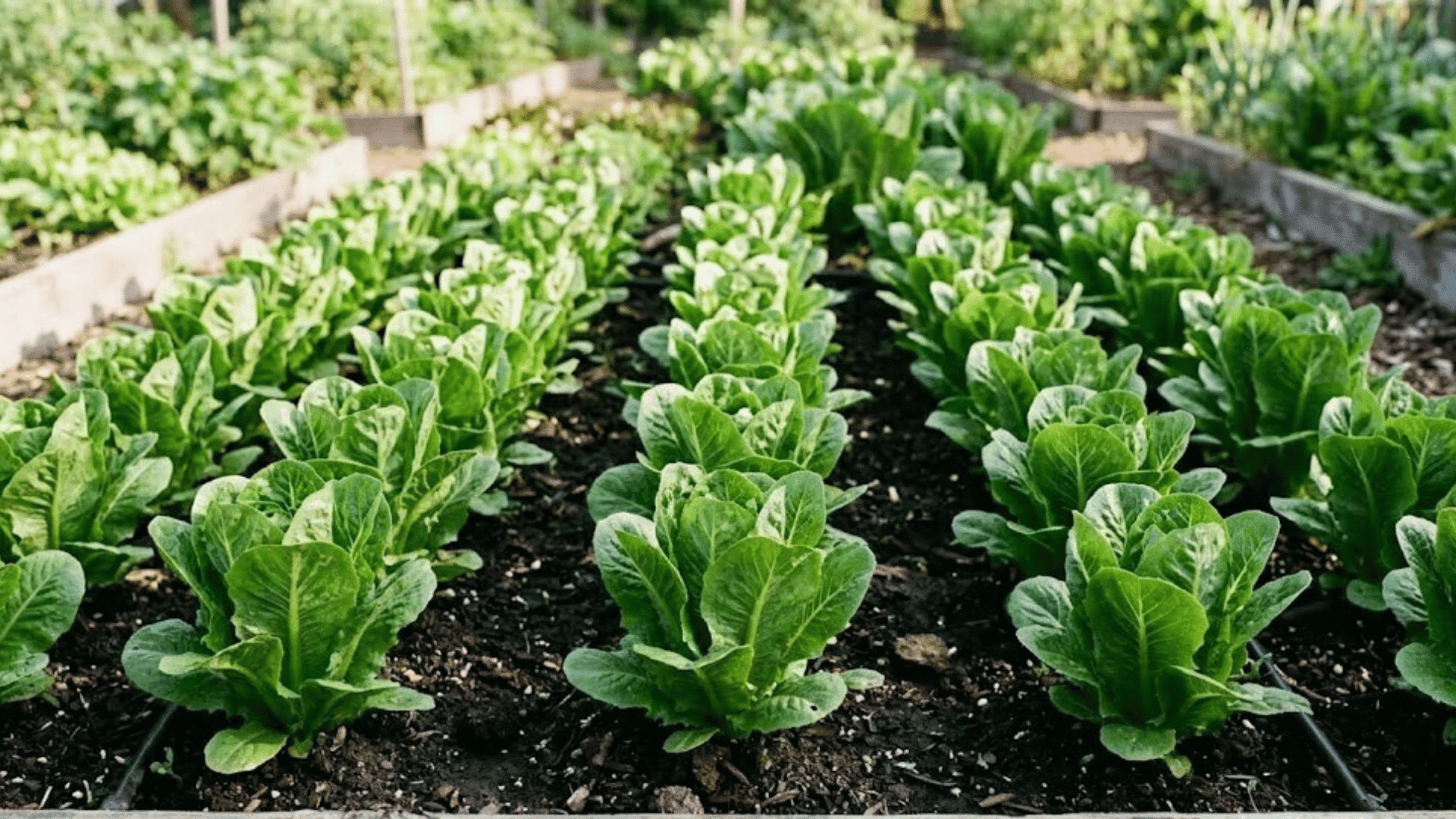
I started growing romaine lettuce from seed a few years ago because I wanted fresh greens without the weekly grocery run.
It took a little trial and error, but once I got the basics down, it became one of the easier things I grew.
If you are thinking the same, learning how to easily grow romaine lettuce from seed is a great place to begin.
It is simple, quick, and does not need much space or tools, which makes it perfect for beginners. In this guide, I will share how easy it is to grow romaine lettuce.
You will learn how to choose good seeds, prepare the soil, plant them the right way, and care for your plants as they grow.
I will also share a few simple tips that helped me get better results at home.
By the end, you will feel ready to grow fresh romaine lettuce on your own without stress.
How to Choose the Right Romaine Lettuce Seeds?
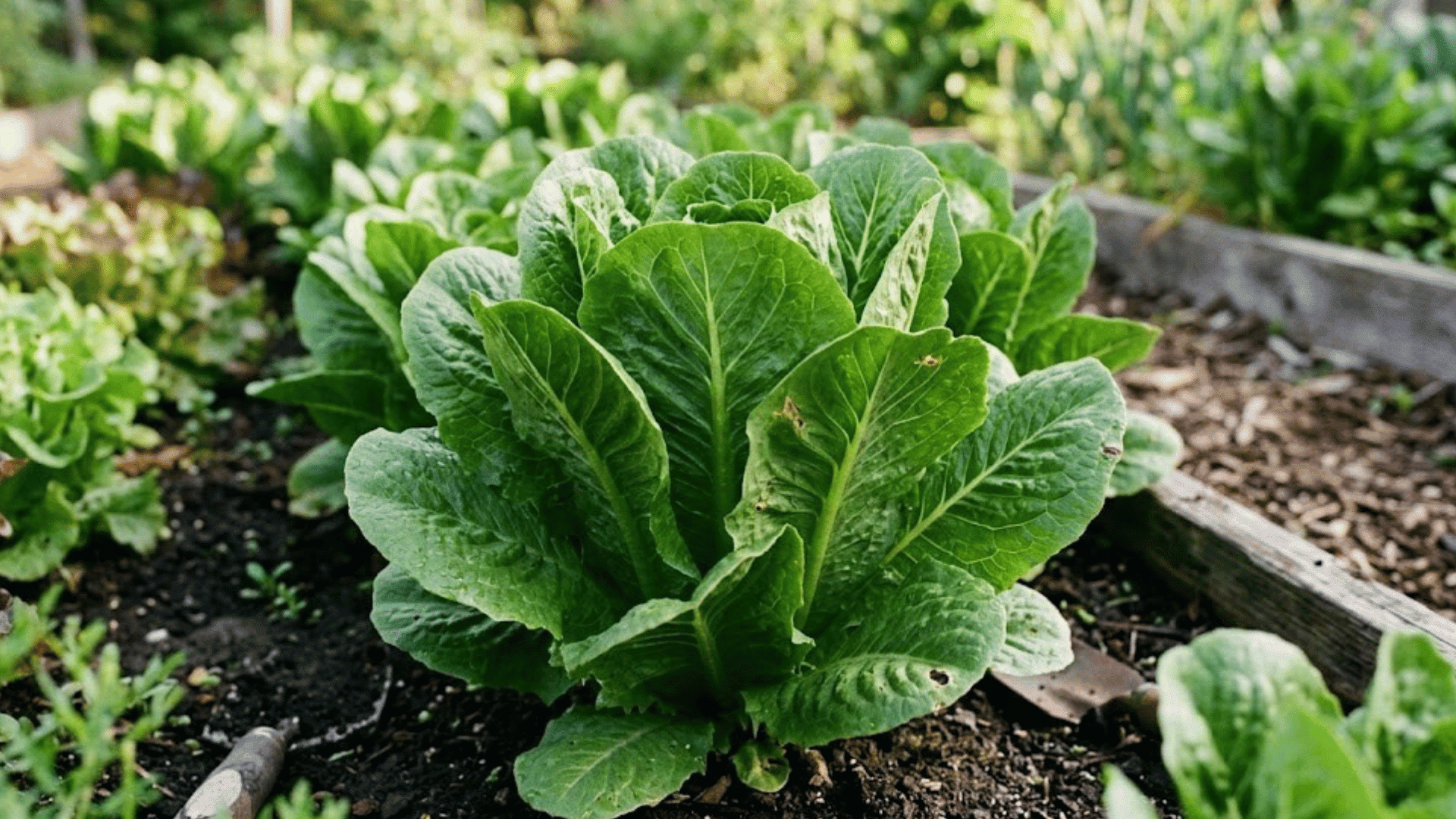
Picking the right seeds helps your plants grow better and saves time later. A few simple checks can make a big difference in your results.
- Seed Type: Choose between loose-leaf or head varieties based on your needs. Some grow faster, while others give larger heads.
- Trusted Brands: Buy from well-known seed companies to get better germination and fewer growing problems.
- Growing Season: Check if the seeds suit cool or warm weather so they match your local climate.
- Days to Harvest: Look at how long the seeds take to grow so you can plan your planting time.
- Freshness: Always check the packaging date to make sure the seeds are not old or weak.
- Space Needs: Pick compact types if you plan to grow in pots or small garden areas.
- Organic Options: Go for organic seeds if you want to grow without chemicals and keep things natural.
When to Plant Romaine Lettuce for Best Results?
Timing makes a big difference when growing romaine lettuce. I’ve found it grows best in cool weather, not heat.
The ideal time to plant is early spring or fall when temperatures stay mild. You can start seeds about 2–4 weeks before the last frost in spring.
In the fall, plant about 6–8 weeks before the first frost. Cool temperatures help leaves stay crisp and prevent early bolting.
If it gets too hot, lettuce can turn bitter and grow too fast. That’s why choosing the right season matters.
For warmer areas, try planting in partial shade or during cooler months. Planting at the right time gives you healthier plants and better harvests.
Ideal Conditions for Growing Romaine Lettuce
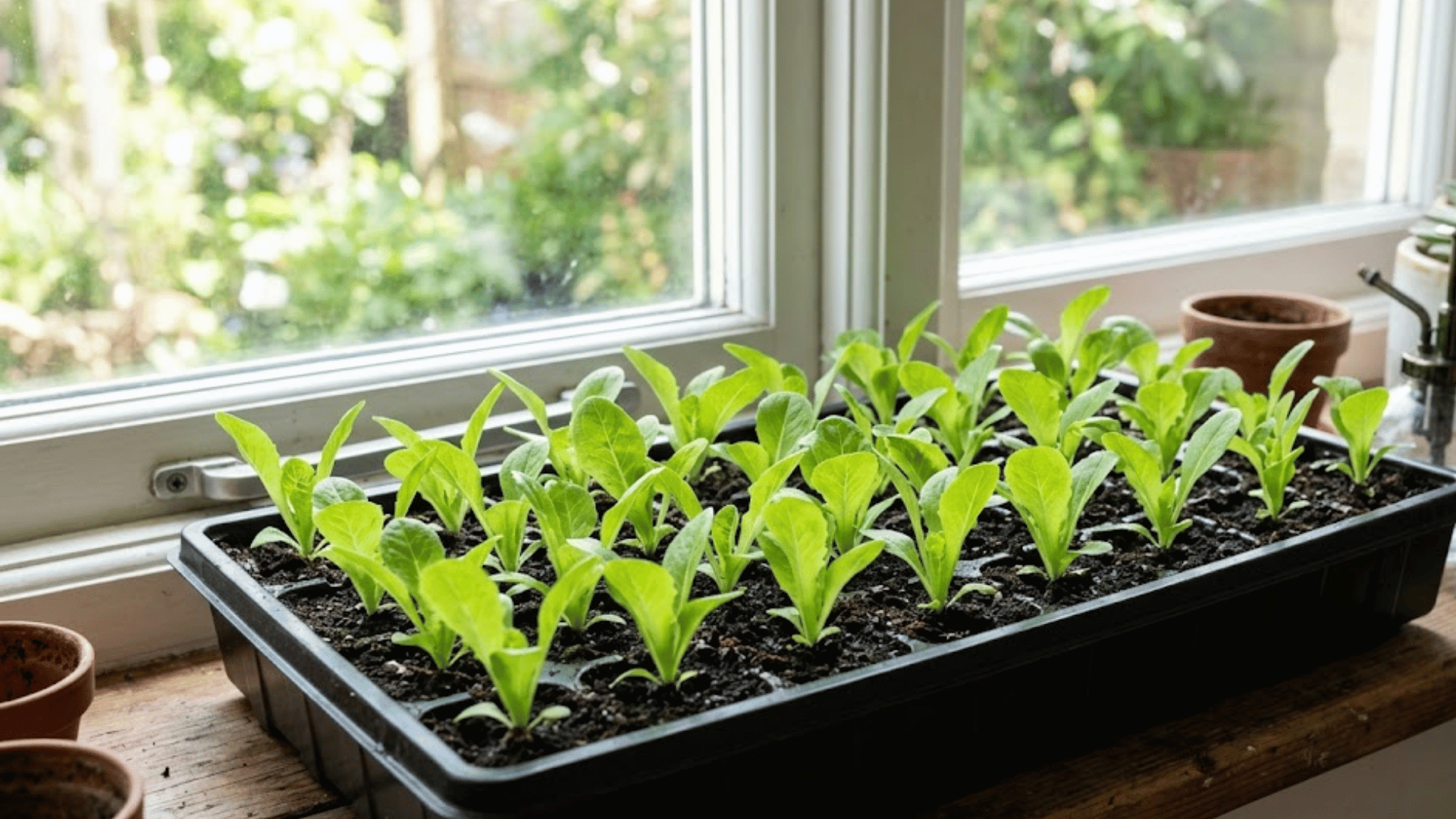
Romaine lettuce grows best when the basic conditions are right from the start. Getting these factors right will help you grow healthy and crisp leaves.
1. Cool Temperature Range
Romaine lettuce grows best in cool weather, usually between 10°C and 20°C.
I have noticed that high heat can cause the plant to bolt, which means it starts flowering early and turns bitter.
If you plant during spring or early fall, you will get better results. Keeping the temperature steady helps the leaves grow crisp and fresh.
Avoid planting during extreme summer heat, as it can stress the plant and slow down its growth significantly.
2. Well-Drained Soil
Romaine lettuce needs soil that drains well but still holds some moisture. Make sure the soil is loose and not too compact, so roots can grow easily.
Adding compost helps improve soil quality and gives nutrients to the plant.
Poor drainage can lead to root rot, which damages the plant quickly.
A balanced soil mix helps the lettuce grow evenly and stay healthy. Good soil is one of the most important parts of growing strong plants.
3. Adequate Sunlight
Romaine lettuce needs about 4 to 6 hours of sunlight each day to grow well. Prefer placing it where it gets morning sun and some shade in the afternoon.
Too much direct heat can damage the leaves and affect the taste.
Partial sunlight works best, especially in warmer areas.
If you are growing indoors, placing it near a bright window can help. Proper light helps the plant grow faster and keeps the leaves fresh and green.
4. Consistent Watering
Romaine lettuce needs steady watering to stay healthy and avoid stress. Ensure the soil stays slightly moist but not too wet.
Dry soil can cause the leaves to become tough and bitter. Overwatering, on the other hand, can lead to root problems.
Watering early in the day helps the plant absorb moisture better.
Keeping a regular watering schedule helps the lettuce grow evenly and prevents sudden growth issues during the growing period.
5. Good Air Circulation
Good airflow around the plants helps prevent diseases and keeps them healthy. I always leave enough space between plants so air can move freely.
Crowded plants can trap moisture, which increases the risk of mold and pests.
Outdoor planting usually provides natural airflow, but indoor setups may need extra care. Proper spacing and airflow help the leaves stay dry and clean.
This simple step can improve plant health and reduce common growing problems.
Growing Romaine Lettuce: Ideal Conditions at a Glance
These basic growing conditions play a big role in how well your romaine lettuce grows. Focus on keeping each one balanced so the plants stay healthy, grow evenly, and produce crisp, fresh leaves.
| Factor | What Works Best | Quick Tip |
| Soil | Loose, well-draining, rich in nutrients | Mix compost into the soil before planting |
| Sunlight | 6–8 hours of light daily | Give partial shade in hot weather |
| Watering | Evenly moist, not soggy | Water lightly but often |
| Feeding | Light fertilizer every few weeks | Avoid overfeeding to prevent weak growth |
| Location | Cool, airy spot with good airflow | Avoid crowded or very hot areas |
How to Care for Romaine Lettuce as It Grows?
Once your lettuce starts growing, daily care keeps it healthy and strong. I focus on simple habits that make a big difference.
Keep the soil slightly moist, but not soggy. Too much water can harm the roots.
Check your plants often. Remove weeds so they don’t steal nutrients. Healthy soil and clean space help plants grow better.
You can add a light fertilizer if growth looks slow. Romaine doesn’t need much, so don’t overdo it.
Also, watch for pests like aphids. If you spot them early, they’re easier to manage.
As leaves grow, give plants enough space for airflow. Good spacing helps prevent disease and keeps leaves fresh.
Common Growing Problems and Simple Fixes
Even with good care, small issues can come up while growing romaine lettuce. Keep an eye on early signs so I can fix problems quickly and protect the plants.
| Problem | What It Looks Like | Simple Fix |
| Yellow Leaves | Leaves turn pale or yellow | Check watering and add light fertilizer |
| Bolting | The plant grows tall and tastes bitter | Provide shade and harvest early |
| Pests (Aphids) | Tiny bugs on leaves | Rinse with water or use mild soap spray |
| Slow Growth | Plants stay small for too long | Improve the soil and ensure enough sunlight |
| Wilting | Leaves look limp or droopy | Water regularly, but avoid overwatering |
| Leaf Damage | Holes or chewed edges | Check for insects and remove them early |
When and How to Harvest Romaine Lettuce?
Romaine lettuce is ready to harvest when the heads feel firm and the leaves look full. This usually happens around 60 to 75 days after planting.
I like to check my plants every few days, so I don’t miss the best time.
You have two simple options when harvesting. You can cut the whole head at the base, or pick the outer leaves one by one.
Picking outer leaves helps the plant keep growing longer and gives you more harvests.
Always use clean scissors or a sharp knife. This keeps the plant healthy and avoids damage.
Try to harvest early in the morning when the leaves are crisp and fresh.
If you wait too long, the leaves may turn bitter. Harvest at the right time for the best flavor and texture.
Tips for Growing Romaine Lettuce All Season
Growing romaine through the year is possible with a few simple adjustments. I focus on timing, spacing, and small adjustments that help keep plants healthier longer.
- Succession Planting: Plant new seeds every 2–3 weeks. This keeps a steady supply of fresh lettuce rather than a single big harvest.
- Choose Heat-Tolerant Varieties: Pick seeds made for warmer weather. These types resist bolting and grow better when temperatures rise.
- Provide Partial Shade: Protect plants during hot days. A little shade helps keep leaves tender and slows down stress.
- Water consistently: Keep soil evenly moist. Regular watering prevents bitterness and supports steady growth.
- Use Mulch: Add a thin layer around plants. This helps hold moisture and keeps roots cool in warm conditions.
- Rotate Planting Spots: Avoid using the same soil each time. This reduces disease risk and keeps your plants healthier over time.
Conclusion
Growing your own romaine lettuce from seed may feel new at first, but once you try it, it becomes simple and rewarding.
You don’t need a big garden or special tools, just the right steps and a little care each day. From choosing good seeds to harvesting crisp leaves, every stage gives you a chance to learn and improve.
What I like most is how fresh and clean homegrown lettuce tastes. It’s a small effort with a real payoff.
Even if your first batch isn’t perfect, you’ll get better each time you grow. Now it’s your turn to give it a try. Start small, follow the basics, and stay consistent.
If you’ve already grown romaine or plan to soon, share your experience, tips, or questions in the comments below. I’d love to hear from you.
Frequently Asked Questions
How to Thin and Space Seedlings Correctly?
Thin seedlings when they are a few inches tall. Keep the strongest ones and remove the rest. Leave about 8–12 inches between plants, so they have enough space, light, and airflow to grow healthy leaves.
How to Prevent Bolting in Romaine Lettuce?
Grow romaine in cool weather and avoid heat stress. Add shade during hot days and keep the soil moist. Harvest on time, as older plants are more likely to bolt and develop a bitter taste.
Does Romaine Lettuce Grow Back After Cutting?
Yes, romaine lettuce can grow back after cutting if you leave the base intact. New leaves will regrow from the center, but the second harvest is usually smaller and less crisp.