

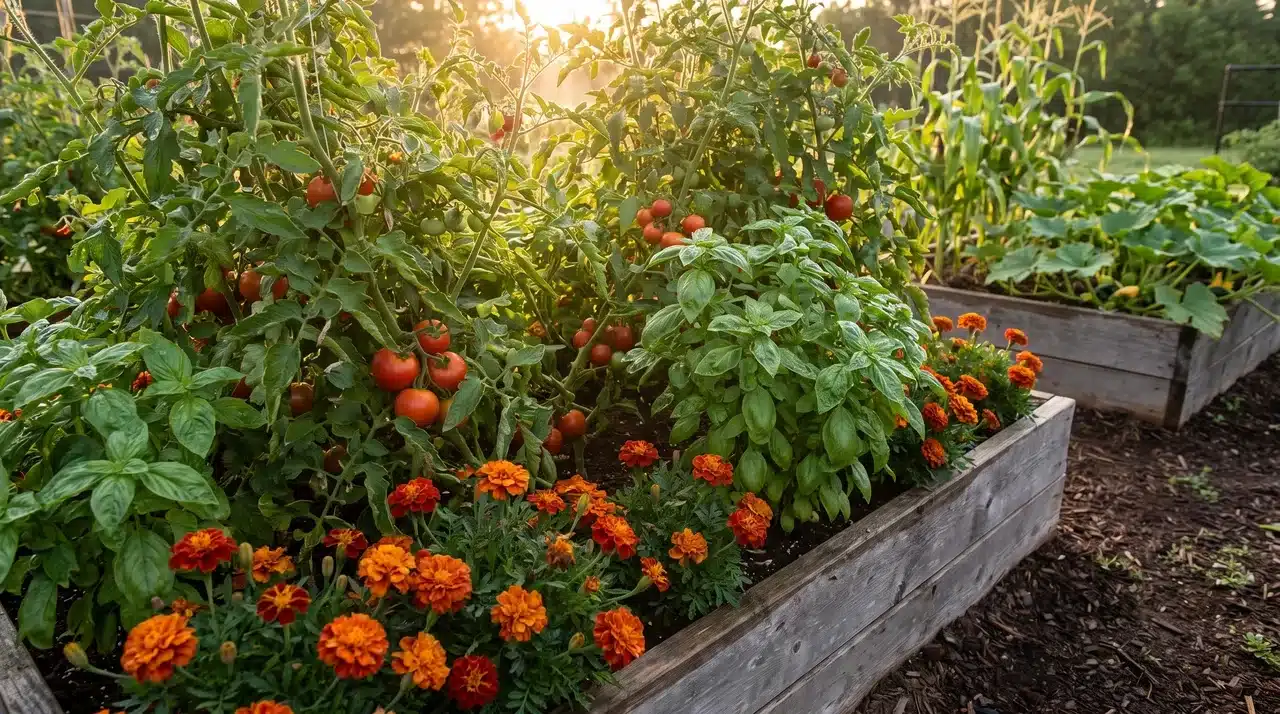
Ever notice how some garden beds seem to thrive with almost no effort while others struggle through the whole season? More often than not, it comes down to which plants are growing next to each other.
Certain plants actively help their neighbors by blocking pests, feeding the soil, or making better use of shared space. Others quietly work against everything around them.
This companion planting chart breaks down exactly which vegetables, herbs, and flowers belong together, which combinations to avoid, and the simple science behind why it all works.
What Is Companion Planting and What Can It Actually Do?
Companion planting simply means growing certain plants together because they benefit each other. Some repel pests, others improve soil nutrients, and some share space efficiently without causing crowding.
The tricky part is that many gardeners expect companion planting to work like a magic fix. Like plant basil next to your tomatoes, and suddenly no more pests, no more problems. That’s not really how it works.
Experienced gardeners treat it more like a smart grouping strategy, something that gives your plants a better chance when combined with good soil, proper spacing, and regular watering.
Without those basics, companion planting won’t save your garden. Treat the chart as a guide, not a rulebook. Some pairings have strong science behind them, while others come from generations of gardener experience.
Companion Planting Chart for Vegetables, Herbs and Flowers
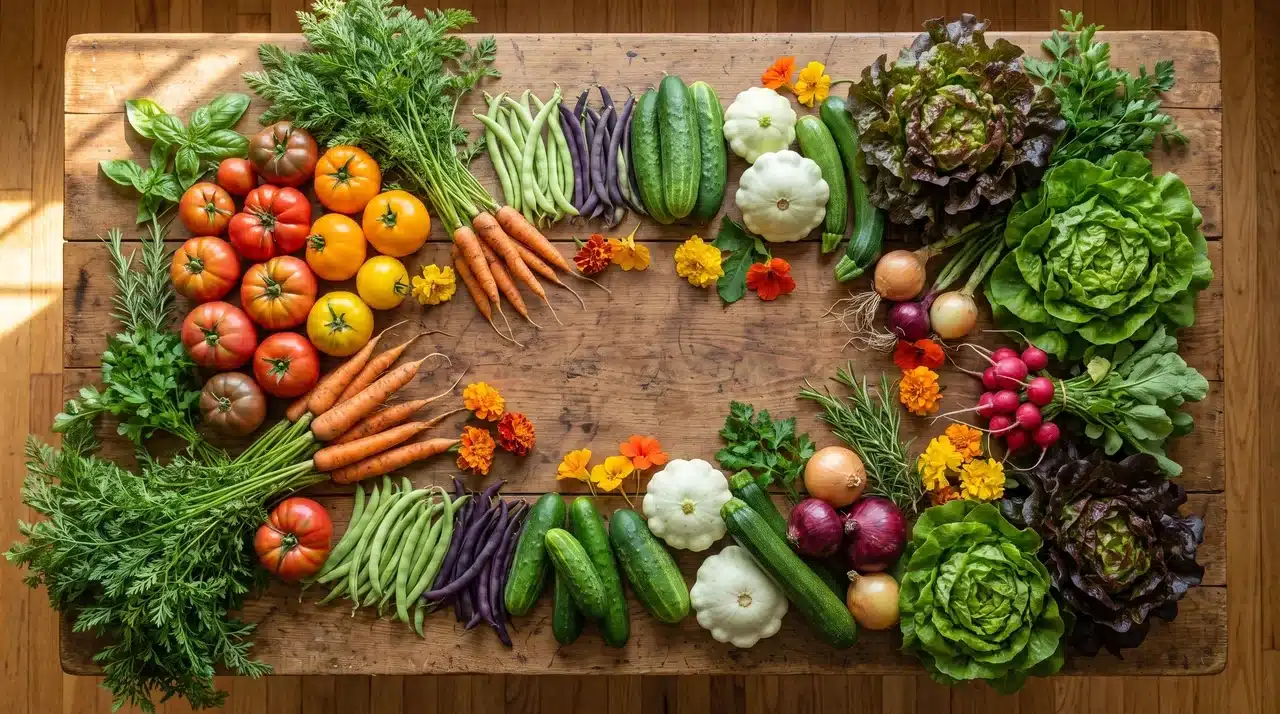
This chart covers the vegetables, herbs, and flowers that come up most often in home gardens, with the combinations that actually matter flagged clearly so you can plan with confidence
How to Read This Chart
When I first looked at companion planting charts, the hardest part was treating them like a set of rules instead of a helpful guide. The real value is understanding why certain plants work well together, not just memorizing every pairing.
Each crop in the chart has “Grows Well With” and “Keep Apart From” columns. Short mechanism notes explain why top pairings work, helping you make better choices beyond the chart.
Keep in mind that these pairings are general guidance. Your soil, climate, and local pest pressure will always affect how well a combination performs in your own garden.
The Companion Planting Chart
One thing the chart cannot show you is timing. Some companion relationships only work when both plants are in the ground at the same time.
| Crop | Grows Well With | Keep Apart From | Why It Works |
|---|---|---|---|
| Tomatoes | Basil, Marigolds, Carrots, Parsley | Fennel, Brassicas, Potatoes | Basil may deter aphids and whiteflies at close planting density; marigolds reduce nematode pressure in the surrounding soil over time |
| Beans | Corn, Squash, Carrots, Cucumbers | Onions, Garlic, Fennel | Beans fix atmospheric nitrogen through root bacteria, feeding heavy feeders like corn planted nearby |
| Carrots | Tomatoes, Rosemary, Onions, Lettuce | Dill, Parsnips | Onions and rosemary emit scents that confuse carrot fly, reducing egg-laying near the crop |
| Cucumbers | Beans, Corn, Nasturtiums, Radishes | Potatoes, Aromatic Herbs | Nasturtiums act as a trap crop, drawing aphids away from cucumber plants |
| Squash | Corn, Beans, Nasturtiums, Marigolds | Potatoes, Brassicas | The large squash leaves shade the soil, keeping moisture in and weeds down around companion crops |
| Peppers | Basil, Carrots, Marigolds, Spinach | Fennel, Brassicas | Marigolds deter thrips and other common pepper pests through root and foliage compounds |
| Onions | Carrots, Beets, Lettuce, Chamomile | Beans, Peas, Asparagus | Onion scent masks the chemical signals that carrot fly and aphids use to locate nearby crops |
| Lettuce | Carrots, Radishes, Strawberries, Chives | Celery, Parsley | Radishes grow fast and loosen soil around lettuce roots, improving water penetration |
| Radishes | Cucumbers, Squash, Lettuce, Nasturtiums | Hyssop | Radishes planted near squash draw cucumber beetles away, acting as a sacrificial trap crop |
| Basil | Tomatoes, Peppers, Oregano | Sage, Thyme | Volatile oils in basil leaves interfere with the navigation of common flying pests |
| Marigolds | Tomatoes, Peppers, Cucumbers, Beans | None significant | Root secretions released over a full growing season reduce soil nematode populations around nearby plants |
| Corn | Beans, Squash, Cucumbers, Melons | Tomatoes, Brassicas | Corn provides a natural trellis for beans to climb, while beans replenish the nitrogen corn pulls from the soil |
Marigolds need a full growing season to reduce nematode populations in the soil, so planting them the same week as your tomatoes is far more effective than adding them halfway through summer.
Why These Pairings Work: The Science Behind the Chart
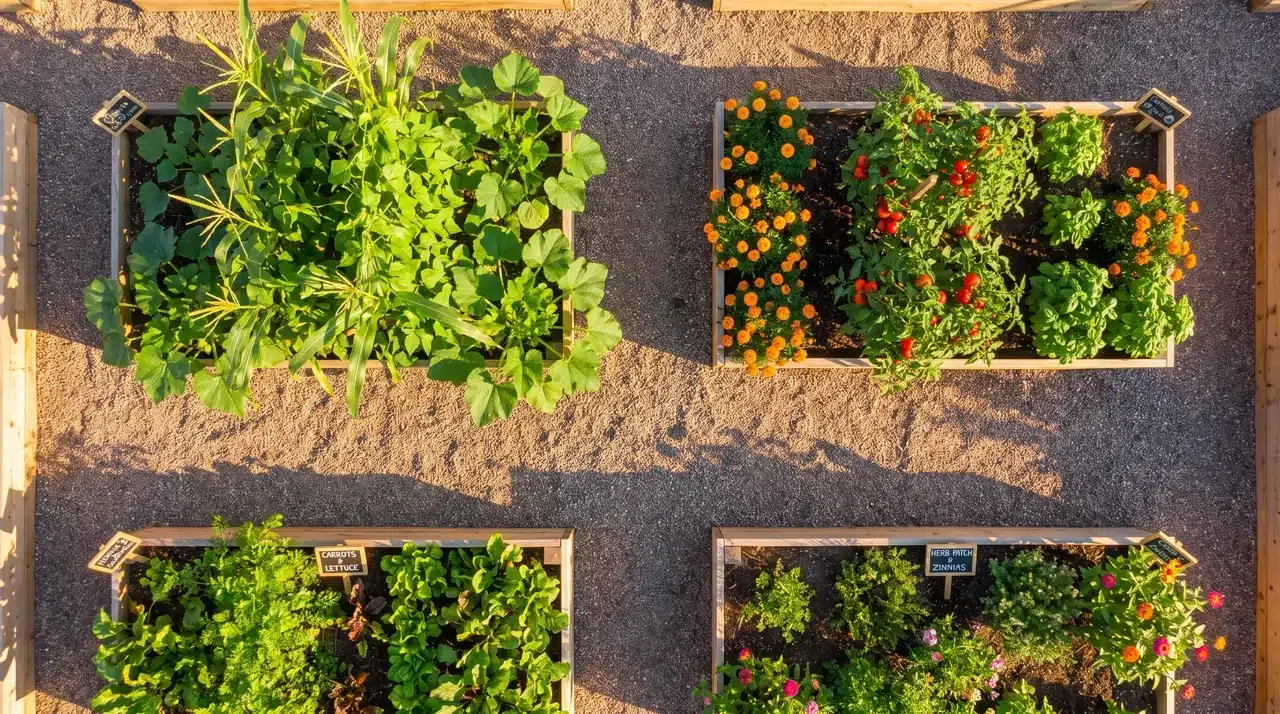
Understanding the biology behind companion planting is what separates gardeners who use a chart from gardeners who actually understand it.
Nutrient Sharing and Natural Pest Protection
Beans and peas work with helpful root bacteria to turn nitrogen from the air into a form plants can use. This improves the soil, which helps heavy feeders like corn and squash grow nearby. I’ve seen this work best as part of a larger planting plan, not as a quick fix for poor soil.
Some plants protect nearby crops by confusing pests. Basil, marigolds, and rosemary release natural compounds that can make it harder for insects to find their target plants. Planting them in groups or along borders usually works best.
These compounds can make it harder for some pests to find nearby crops. Planting them in groups or borders can create a stronger effect.
Which Plants Block Weeds, Redirect Pests, and Attract Pollinators
Dense foliage from squash shades out weeds and locks in soil moisture. Nasturtiums and radishes attract specific pests away from more valuable crops, taking the hit so neighboring plants don’t have to.
Some companion plants help in a different way by bringing flowering companions like calendula and chamomile draw bees and other beneficial insects into the garden, increasing pollination rates for nearby fruiting crops like tomatoes, cucumbers, and peppers.
Once you recognize which mechanism a pairing relies on, you can apply that same logic to new combinations your chart never even listed.
How to Plan a Garden Layout Using This Chart
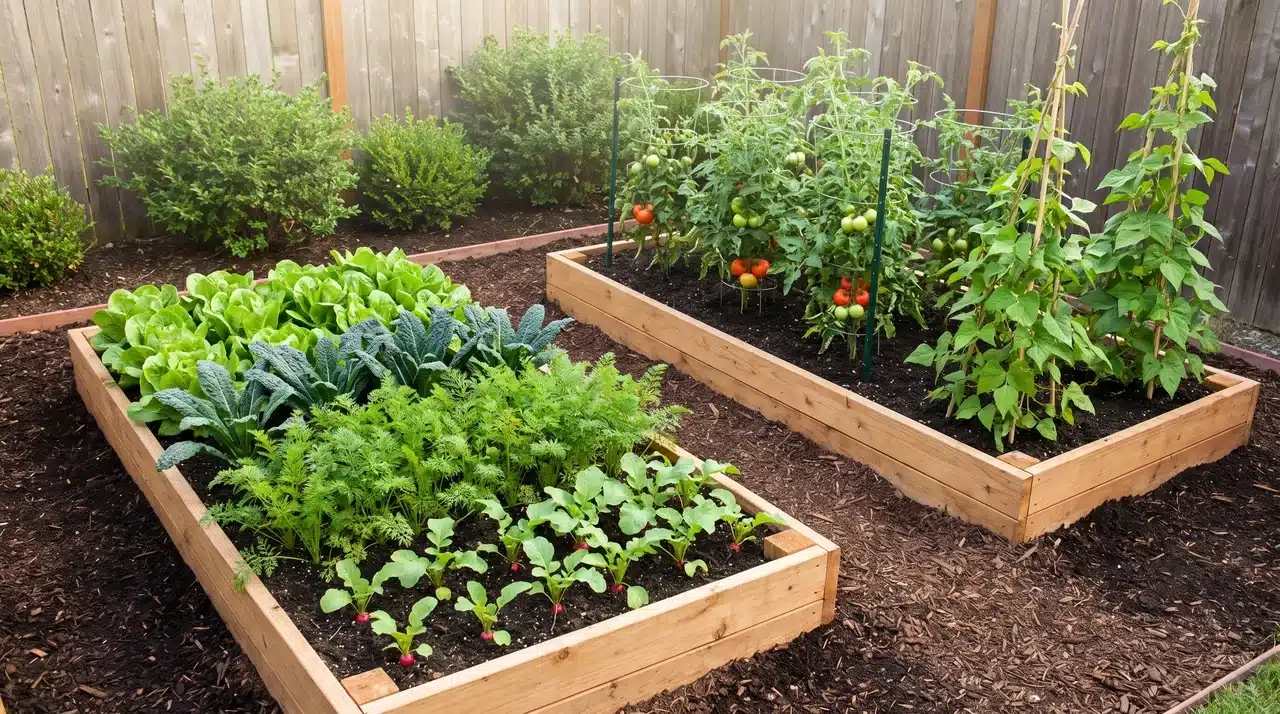
Getting your companion planting chart onto paper is one thing, but turning it into an actual garden layout takes a little more thinking.
- Start with your anchor crops: Pick the vegetables you absolutely want to grow, things like tomatoes, squash, or corn, and place these first on your layout. Every other planting decision builds around them.
- Check the chart for each anchor crop: Once your main crops are placed, look up each one in the chart and note which companions offer the strongest documented benefit, nitrogen fixers near heavy feeders, pest deterrents around vulnerable crops.
- Assign companions to the edges and gaps: Place companion plants in the spaces between anchor crops or along bed borders, rather than scattering them randomly. Borders work better than isolated plants for scent-based deterrents.
- Respect spacing even between good companions: Two plants listed as compatible still need enough air circulation between them. Crowding compatible plants together creates damp conditions that allow fungal disease to spread quickly.
- Separate known antagonists by at least one full bed: Onions near beans, or fennel near almost anything, can quietly suppress growth over a full season without any obvious symptoms until yields drop.
- Adjust for your bed dimensions: Raised beds typically run three to four feet wide, which limits how many companions realistically fit around one anchor crop. Prioritize the pairings with the clearest mechanism behind them and skip the rest.
Note: A good layout does not need to be complicated, it just needs to reflect what the chart is actually telling you about which plants belong near each other.
Common Companion Planting Mistakes
Even a good companion planting chart cannot help if the basic growing conditions and plant relationships are ignored.
- Planting compatible crops too close together: Even good companion plants need enough space for airflow and sunlight. Crowded plants create damp conditions that encourage fungal diseases.
- Relying on one pest-repelling plant: A single basil or marigold plant usually will not provide strong pest protection. Scent-based deterrence works better with larger groupings, borders, or repeated plantings.
- Ignoring plants that harm each other: Focusing only on beneficial pairings can lead to problems. Some plants, like fennel, release compounds that can slow the growth of nearby crops.
- Using companion planting to fix poor soil: Companion plants support healthy gardens but cannot replace proper soil care. Beans may add nitrogen, but they cannot solve major nutrient problems alone.
- Following companion charts too strictly: Companion planting is a helpful guide, not a fixed rule. Your climate, soil quality, growing space, and pest problems should influence your planting choices.
Avoiding these mistakes helps you use companion planting as a practical tool rather than relying on it as a guaranteed solution.
Conclusion
You now know which vegetables, herbs, and flowers grow well together, which combinations to avoid, and the biological reasons behind those relationships.
That is really what a companion planting chart is for: taking the guesswork out of planning so your garden has a better chance from day one.
Pick one or two pairings from the chart above, try them this season, and see what your garden shows you.
Frequently Asked Questions
What Plants Should Never Be Planted Next to Each Other?
A few pairings consistently cause problems worth avoiding. Fennel is the most notorious offender and does best when grown on its own, since it suppresses the growth of almost every vegetable it grows near. Onions stunt beans and peas noticeably throughout the season. Potatoes and tomatoes share the same blights and diseases, so keeping them separated protects both crops from wiping each other out.
Does Companion Planting Actually Work, or Is It Mostly Anecdotal?
Honestly, it depends on the pairing. Nitrogen fixation by legumes is backed by solid science and works reliably across most garden conditions. Pest deterrence by aromatic plants is less consistent. Some studies support it, but results vary depending on planting density, local pest species, and your specific growing conditions. Treating companion planting as a helpful bonus rather than a guaranteed pest solution is the most realistic approach.
Can I Use a Companion Planting Chart for Raised Beds?
A companion planting chart works just as well for raised beds with one practical adjustment. Raised beds typically run three to four feet wide, which limits how many companions can realistically fit around one anchor crop. Prioritize pairings with the clearest benefit, legumes near heavy feeders and marigolds as a border, and resist the urge to crowd extra companions just because the chart says they are compatible.
What Are the Best Companion Plants for Tomatoes?
Basil planted in clusters at the base of tomato plants is the pairing gardeners recommend most consistently, since its volatile oils may deter aphids and whiteflies at higher densities. Marigolds along the bed border help reduce nematode pressure in the surrounding soil throughout the season. Carrots and parsley grow alongside tomatoes without competing for nutrients in any significant way. Fennel and brassicas are the two to keep well away from your tomato bed.