

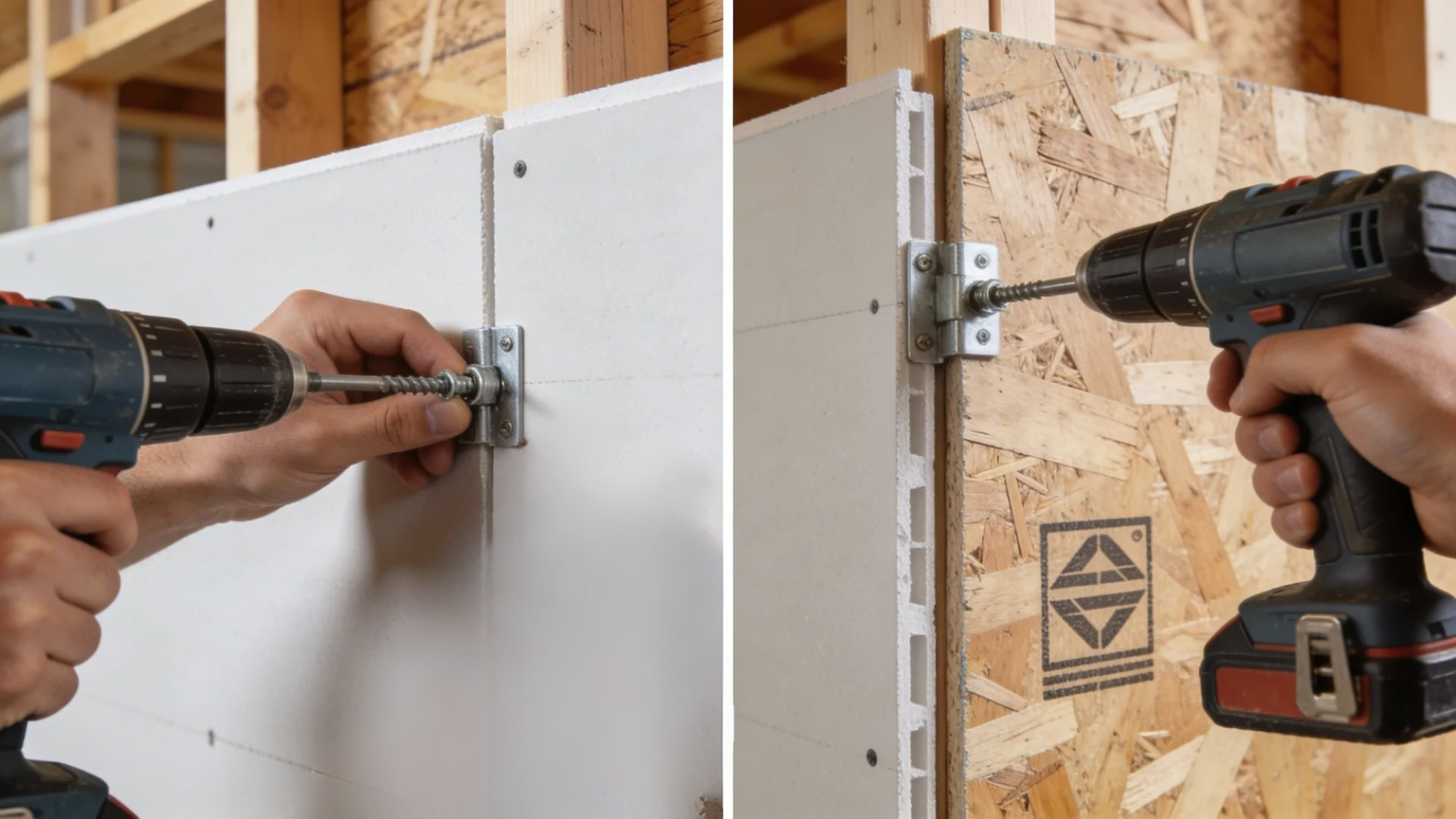
If you’re planning a home project, you’ve probably come across the terms drywall and Sheetrock.
But are they actually different things? Short answer, not really.
Sheetrock is a brand of drywall the way Kleenex is a brand of tissue. But there are a few real differences in consistency, specialty options, and price worth knowing before you buy. This guide covers all of them.
What Are Drywall and Sheetrock?
Both terms get used interchangeably on job sites and in hardware stores. Here is exactly what each one means before you confuse the two on your next project.
What is Drywall?
Drywall is the standard material used to build walls and ceilings. It’s a gypsum mineral core pressed between two layers of heavy paper, cut into flat panels.
It replaced older methods like lath and plaster because it’s faster and easier to install. Panels come in standard 4×8 foot sheets and screw directly onto wall studs.
Once the panels are up, seams get covered with paper tape and joint compound, giving you a smooth surface. After that dries, the wall is ready for paint or wallpaper.
What is Sheetrock?
Sheetrock is a brand of drywall made by USG, United States Gypsum Corporation. USG has produced it for over a century, which is why the name became so widely used.
The material is identical to generic drywall. What USG controls tightly is how it’s made, keeping every panel the same thickness and density for consistent results on the job.
USG also makes specialty versions under the Sheetrock name, like Mold Tough and Type X fire-rated panels. These are often called out by name in commercial building specs and contractor quotes.
Drywall vs. Sheetrock: Quick Comparison
A side-by-side look at how the two compare across the factors that actually affect your buying decision.
| Aspect | Drywall | Sheetrock |
|---|---|---|
| Definition | General term for gypsum-based wall panels. | A brand name of drywall made by USG (United States Gypsum Corporation). |
| Brand | Refers to the material category. | One specific brand within that category. |
| Manufacturers | Many manufacturers produce drywall. | Only produced by USG. |
| Material Composition | Gypsum core between two layers of heavy paper. | Same gypsum core with paper layers. |
| Types Available | Standard, moisture-resistant, fire-rated, mold-resistant, soundboard. | Same categories, with USG-branded versions (e.g., Mold Tough, Type X). |
| Cost (per 4×8 panel) | ~$8–$15 | ~$0.45–$0.70 per sq ft | ~$10–$20 | ~$0.50–$0.80 per sq ft |
| Price Premium | Baseline | Typically 10–25% higher |
| Labor Cost (installed) | $1.00–$2.70 per sq ft | Same labor rates don’t change by brand |
| Manufacturing Consistency | Varies by manufacturer. | Tightly controlled; uniform panel thickness and density. |
| Installation | Score, snap, screw to studs; tape and mud the seams. | Identical process; some specialty panels include features for easier handling. |
Key Differences Between Drywall and Sheetrock
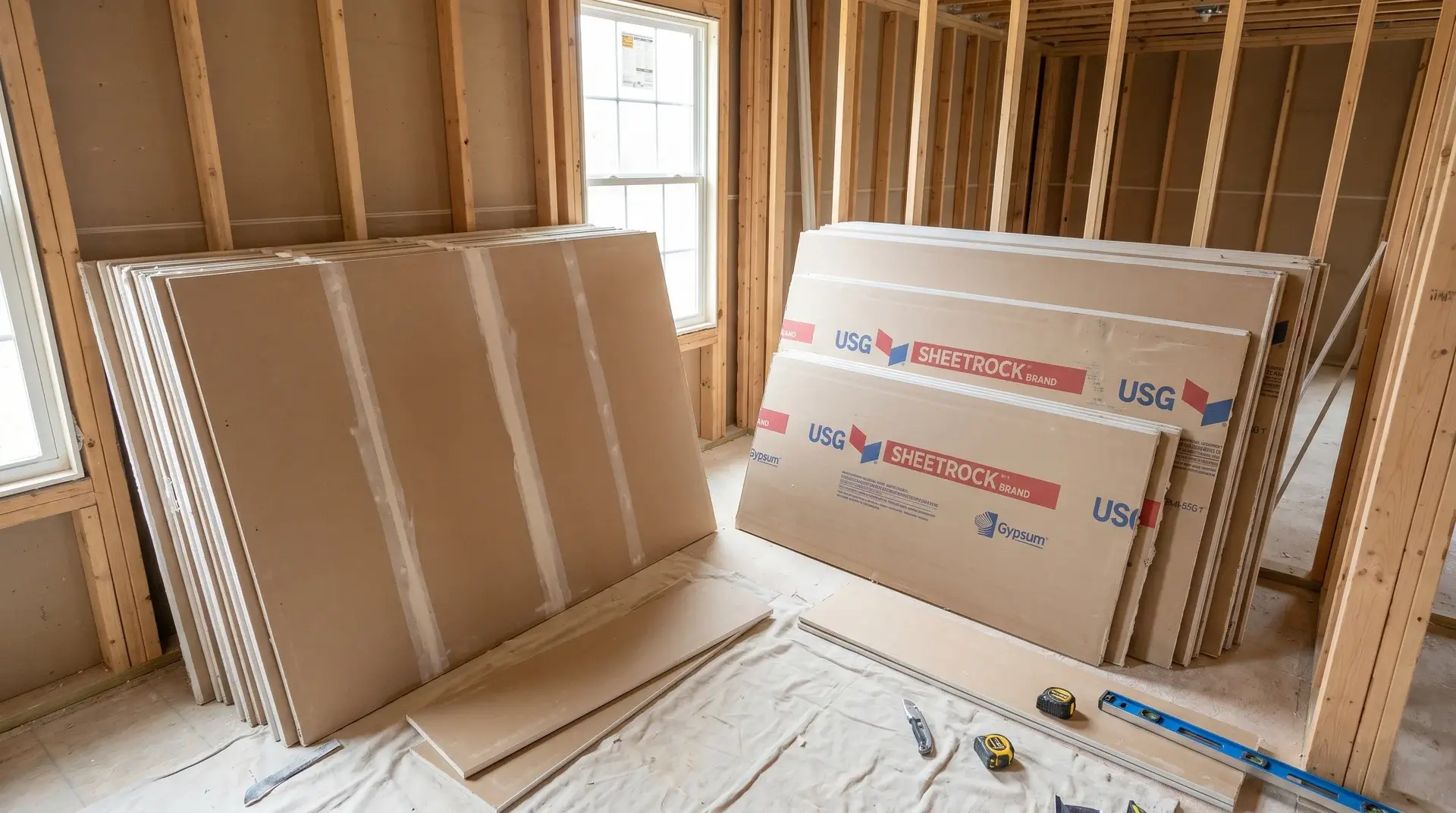
1. Brand vs. Material
Drywall is the material category. Sheetrock is a brand made exclusively by USG. All Sheetrock is drywall, but not all drywall is Sheetrock.
The brand became so dominant people use it as the generic term. That’s where the confusion starts and why the distinction matters when reading a quote or product label.
2. Quality, Consistency, and Long-Term Performance
For most home projects, there’s no functional difference. Both install, finish, and last the same way on a standard interior wall.
Where it separates: manufacturing consistency.
USG controls panel thickness and surface density tightly, so joint compound adheres evenly across the job.
Generic drywall varies in thickness, and those uneven seams are the first places hairline cracks appear as a building settles.
Cosmetic, not structural, but it means more patching over time.
The other risk: sulfur content.
Some low-cost imported drywall emits sulfur odors over time, corroding screws and affecting air quality. Sheetrock doesn’t. Reputable domestic brands generally don’t either.
In high-impact or moisture-prone areas, panel type matters far more than brand.
3. Panel Types: The Decision That Actually Matters
The type of panel you choose matters more than the brand. Both Sheetrock and major generic brands make versions across every category.
- White (standard): General walls and ceilings in dry interior spaces.
- Green (moisture-resistant): Bathrooms, laundry rooms, and basements. An oil-based coating slows moisture absorption into the panel.
- Purple (mold and moisture-resistant): Higher-humidity spaces or anywhere greenboard has previously failed. Sheetrock’s version is called Mold Tough.
- Blue (soundboard): Uses wood fibers to improve acoustics. Best for media rooms or walls shared between units.
- Red / Type X (fire-rated): Required by code in garages, stairwells, and rooms adjacent to attached garages.
For soundproofing, check the STC rating. Standard drywall scores 30-34 STC. Specialized panels reach 50 STC, roughly the difference between clearly hearing a conversation versus barely noticing it.
Sheetrock’s specialty panels perform to clearly documented standards, useful when working to a spec or demonstrating code compliance.
4. Cost
Sheetrock typically runs 10-25% more than comparable generic panels. On a standard 12×12 room, that’s roughly a $20-$60 material difference.
The premium makes more sense on large jobs where panel consistency saves finishing time, or where a USG certification is required by spec.
5. Availability
Generic drywall is available from dozens of manufacturers at virtually every hardware store. Sheetrock is widely stocked, but inventory varies by location and supplier.
Most contractors buy whatever quality domestic panel is available locally at a fair price. Brand recognition matters more on commercial projects where specs call out USG by name.
Pros and Cons of Drywall
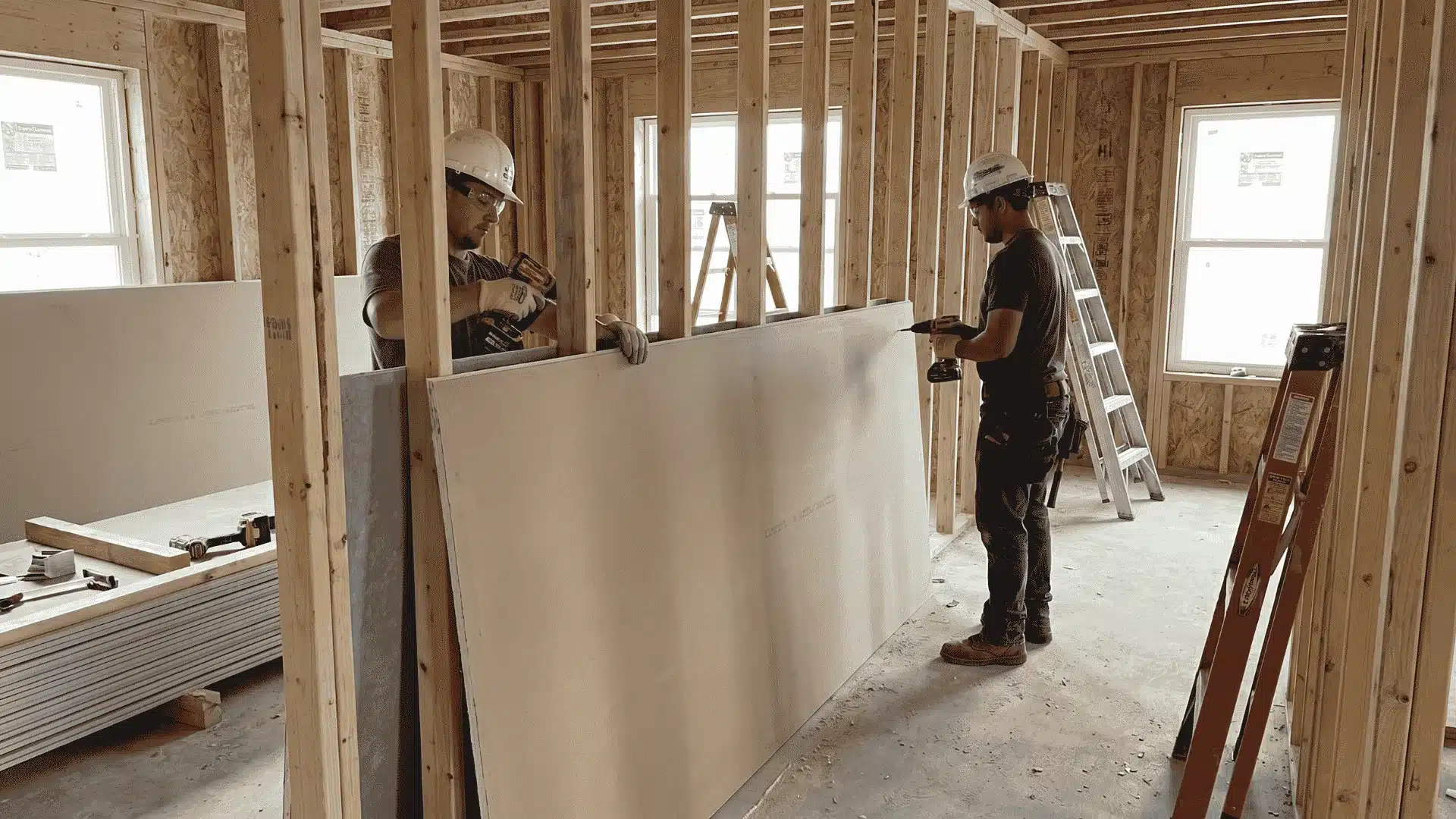
Drywall is the go-to choice for most residential projects. It’s affordable, easy to work with, and available everywhere, but it has real limits worth knowing before you buy.
| Pros | Cons |
|---|---|
| Cheaper than plaster or wood paneling. Competition among manufacturers keeps prices low. | Dents and holes easily in high-traffic areas and door frames. Not a structural material and it shows. |
| Lightweight, score-and-snap cutting, screws directly to studs. A competent DIYer can hang a standard room in a day. | Wicks water when wet, grows mold, and crumbles. Use greenboard or cement board anywhere moisture is a risk. |
| Available ¼ inch to ⅝ inch thickness with moisture-resistant, fire-rated, mold-resistant, and soundboard variants. | Panels from less reputable suppliers vary in thickness, making finishing harder and increasing seam cracking over time. |
Drywall is the practical default for most residential projects. It’s cost-effective, widely available, and performs well when you source from a reputable domestic supplier.
Pros and Cons of Sheetrock
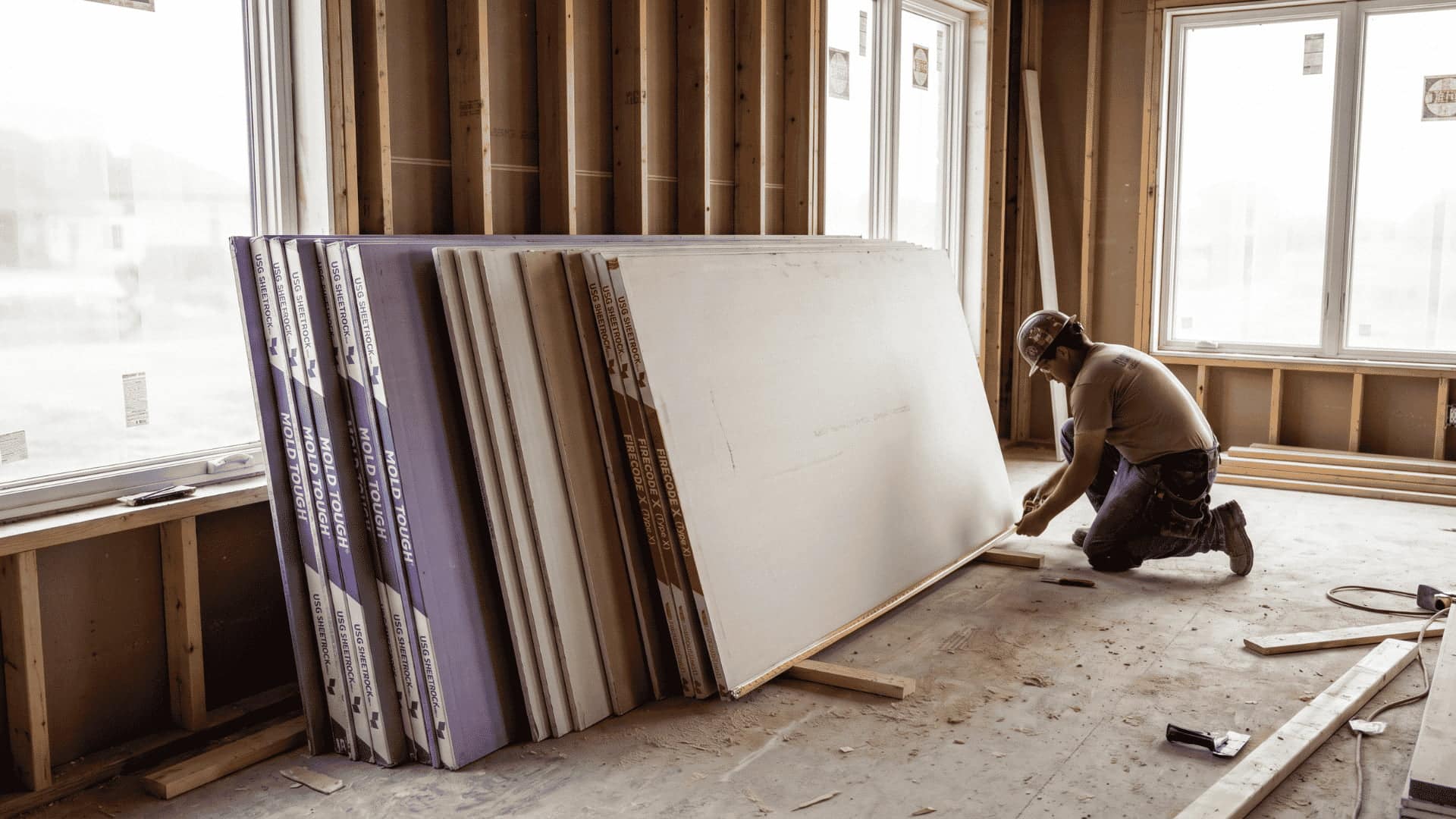
Sheetrock costs more than generic drywall, but it brings tighter quality controls and a documented specialty range. Here is where that premium pays off and where it does not.
| Pros | Cons |
|---|---|
| USG’s tightly controlled manufacturing keeps panel thickness and surface density uniform, which pays off when finishing large jobs. | Brand premium runs 10-25% over comparable generic panels. On a large job, that adds up. |
| Well-documented specialty versions for mold resistance, fire rating, and moisture control. When a spec calls for a named USG product, Sheetrock is it. | Some Sheetrock product lines are denser than standard generic drywall, making overhead installation and solo work harder. |
| Unlike some imported drywall, Sheetrock doesn’t emit sulfur odors that corrode screws and affect air quality. | Standard Sheetrock isn’t waterproof. You still need the right panel type for wet areas. The brand name alone doesn’t change that. |
Sheetrock makes sense on larger jobs where panel consistency saves finishing time, or when a spec requires a documented USG product. You’re paying for reliability and accountability, not a fundamentally different material.
Maintenance Tips for Drywall and Sheetrock
Both materials maintain the same way. The difference is how often you’ll need to do it and where problems typically show up first.
- Patching dents and holes: Small holes take spackle and a putty knife. Larger ones need a patch kit. Sand flush, prime, then paint.
- Repainting: Repaint every 5-7 years in high-traffic areas. Always prime bare compound before painting or the finish will look uneven across the wall.
- Touch-ups: Sheetrock’s consistent surface density makes feathering joint compound easier. Generic panels with thickness variation can leave uneven edges that show through paint.
- Humidity control: Keep indoor humidity below 50% to prevent mold on any gypsum panel. No brand is immune once moisture levels stay consistently high.
- Annual checks: Inspect caulk lines and grout in bathrooms and basements yearly. Moisture always finds the weakest seal before it reaches the wall behind it.
Maintenance is the same for both materials. Sheetrock’s consistency means fewer seam issues long term, but when repairs are needed, the process is identical regardless of brand.
Cost Comparison: Drywall vs. Sheetrock
Here’s a full breakdown of where the costs actually differ material, labor, and long term.
| Aspect | Drywall (Generic) | Sheetrock (USG) |
|---|---|---|
| Panel cost (4×8 ft) | ~$8–$15 per panel | ~$10–$20 per panel |
| Per square foot | ~$0.45–$0.70 | ~$0.50–$0.80 |
| Price premium | Baseline | Typically 10–25% higher |
| Labor cost (installed) | $1.00–$2.70 per sq ft | Same labor rates don’t change by brand |
| Long-term maintenance | May need more frequent patching at seams | Fewer seam issues due to panel consistency |
| Specialty types | Available; pricing varies by supplier | Available; mold-resistant and fire-rated add ~15–30% to panel cost |
For a standard 12×12 room, the total material cost difference between generic drywall and Sheetrock typically runs $20–$60. Labor is the same either way contractors charge by the job, not the brand. The premium is easiest to justify on large projects where finishing consistency saves time, or where a spec requires USG certification.
Conclusion
Drywall and Sheetrock are the same material. Sheetrock is just one brand of it made by USG, known for consistent quality, and priced slightly higher because of it.
For most home projects, a quality generic panel does the job just as well. Where Sheetrock earns its premium is on larger jobs where panel-to-panel consistency matters at finishing, or on specialty applications where USG certification is part of the spec.
Pick the right panel type for the room, that decision matters more than the brand. If you’ve used both on your own projects, drop a comment below. I’d like to hear where you’ve noticed the difference.
Frequently Asked Questions
Is Sheetrock Just a Brand of Drywall?
Yes. Sheetrock is a brand of drywall made exclusively by USG. Drywall is the material category. Sheetrock is one specific product line within it.
Can I Use Drywall and Sheetrock Interchangeably?
In most cases, yes. Same gypsum core, same paper layers, same installation process. For standard interior walls, the functional difference between both is minimal.
What’s the Main Difference Between Drywall and Sheetrock?
Sheetrock has tighter manufacturing controls and a wider documented specialty range. Generic drywall from a reputable domestic supplier performs similarly on most residential jobs.
Which is Better for a Large Renovation Project?
Sheetrock’s panel consistency saves finishing time on larger jobs. The 10-25% brand premium is easier to justify when seam uniformity directly affects the final result.