

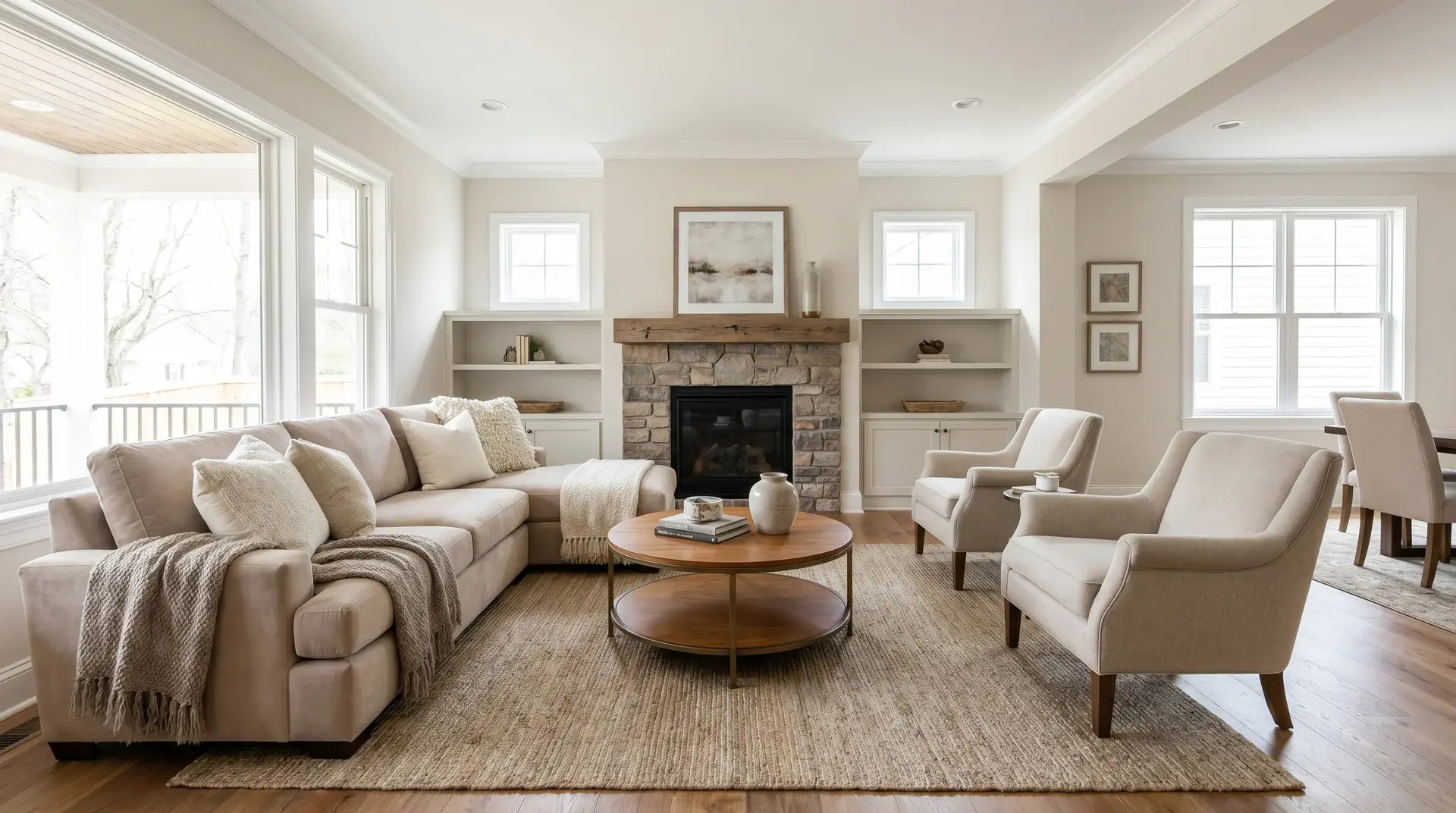
Most homes don’t fit neatly into one style box. That’s exactly where transitional interior design comes in.
It sits right between traditional and modern, blending the warmth of classic decor with the clean look of contemporary spaces. The result? A home that feels comfortable, put-together, and never overdone.
I’ve spent years working with spaces that needed balance, and transitional design always delivers that without much fuss. It works for almost any room, any budget, and any taste.
In this guide, you’ll learn what this style really means and the key features that define it. You’ll also find practical ideas to bring it into your home.
What is Transitional Style?
Transitional interior design is a style that blends traditional and modern elements in a balanced, classic way.
It takes the warmth and comfort of classic design and combines it with the clean, simple look of contemporary spaces. The result is a home that feels both lived-in and well-put-together.
Think of it as the middle ground. Not too formal, not too bare and stiff.
You get cozy, upholstered furniture alongside smooth finishes and simple shapes. Nothing clashes, and nothing feels overdone or out of place.
What ties it all together is balance. Colors stay calm and neutral, and furniture is practical and comfortable.
Every piece earns its spot. It’s a style built for real homes; one that looks considered without requiring perfection to maintain.
Key Characteristics of Transitional Interior Design
Here are the key design elements that define a transitional space. These details work together to create a room that feels both classic and fresh.
- Neutral Colors: Beige, gray, and warm white set a calm base that works with almost any furniture or material you bring in.
- Clean Lines: Simple, straight shapes with just a touch of softness at the edges. They keep things tidy without tipping into cold or stark.
- Mixed Textures: Wood, glass, fabric, and metal each bring a different quality to a room — warmth, lightness, softness, contrast. Layering them is how a transitional space builds depth without adding visual noise.
- Minimal Clutter: The room stays tidy and open without looking bare. A few well-chosen pieces go a long way in keeping things balanced and comfortable.
- Balanced Furniture: Modern and traditional pieces sit together without clashing. The mix creates a look that feels collected over time rather than bought all at once.
When these elements work together, the result is a room that feels put-together without looking staged. That’s what transitional design does at its best.
Transitional Living Room Ideas for a Balanced Space
Use these ideas to bring together comfort and clean design in one space. Each tip helps you mix classic charm with a fresh, modern feel.
1. Neutral Living Room Blend
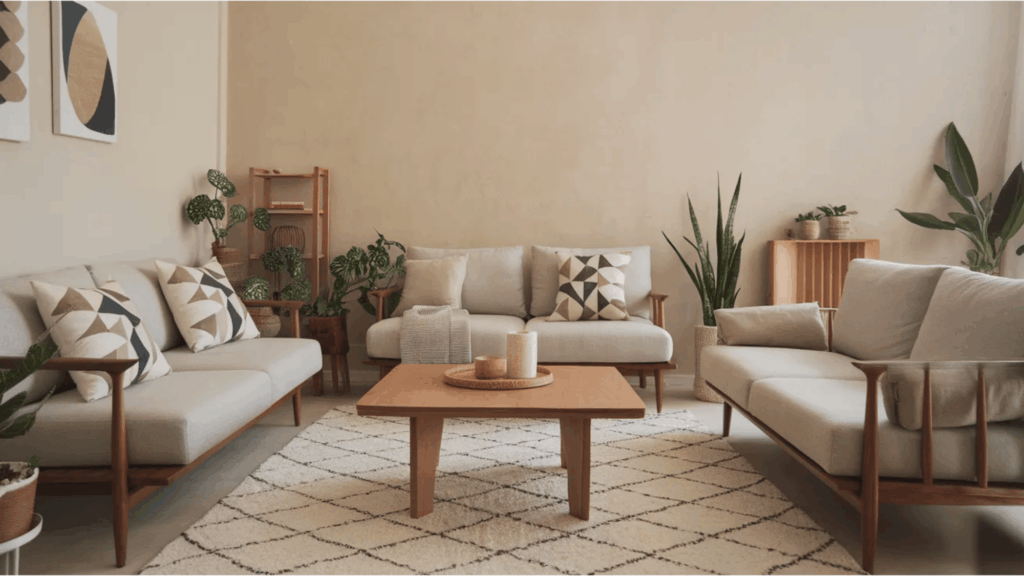
Start with soft wall colors like beige, white, or gray. These shades set a calm, clean base for the whole room and make the space feel open.
Bring in a modern sofa with simple lines, then pair it with a classic wooden coffee table. That mix of old and new is what makes this style work.
Keep decor to a minimum. A few cushions, a simple rug, and one or two accent pieces are all you need for a cozy, put-together space.
2. Classic-Modern Bedroom
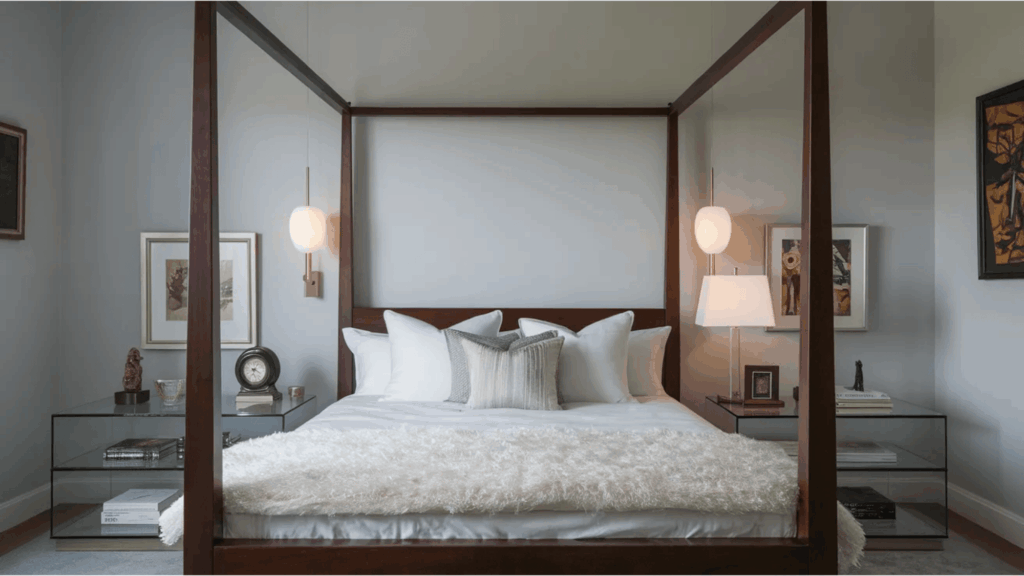
A traditional bed frame instantly adds warmth to any bedroom. Pair it with modern bedside lighting to bring in a contemporary touch.
Keep the bedding soft and simple. Neutral tones like white, cream, or light gray work best.
Avoid heavy patterns or too many decorative pieces. A clean headboard, minimal nightstands, and good lighting are all it takes to strike the right balance.
3. Transitional Kitchen Style
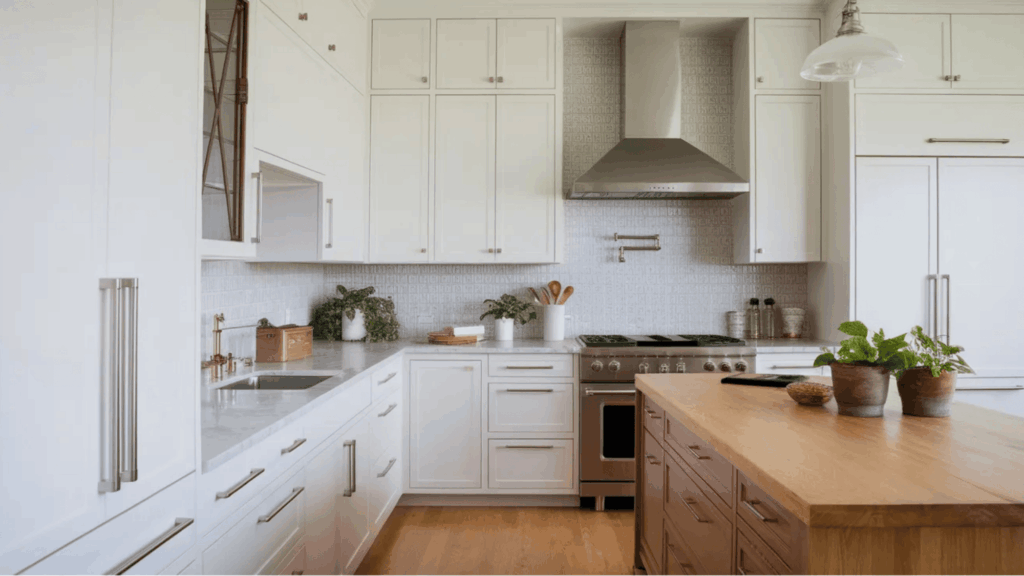
Start with sleek, simple cabinets in white, gray, or a soft neutral tone. Then bring in classic finishes, such as marble countertops or natural wood accents.
These elements add warmth without making the space feel old-fashioned. Choose simple cabinet hardware in brushed nickel or matte black to tie the look together.
The key is keeping things clean and functional. A transitional kitchen feels modern enough to be practical but warm enough to feel welcoming.
4. Cozy Transitional Family Room
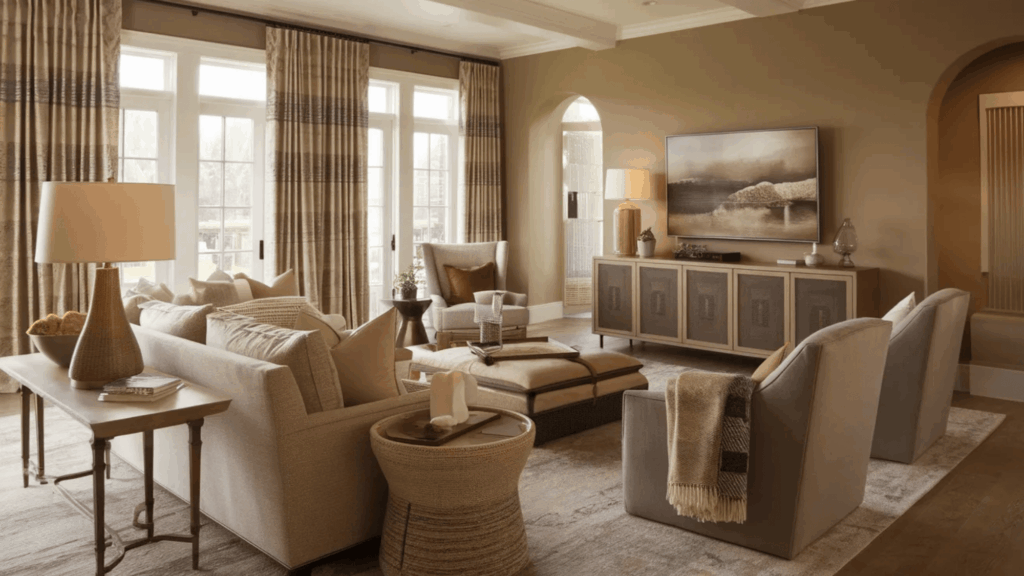
A family room should feel comfortable first. Start with plush, upholstered seating that invites you to sit and stay.
Pair it with clean-lined side tables or a simple media console. Then layer in texture. A soft area rug, a few throw blankets, and some cushions add warmth without making the space feel heavy.
Stick to neutral tones and let the mix of cozy fabrics and simple furniture do the work. The result is a room that looks good and actually lives well.
5. Dining Room Mix
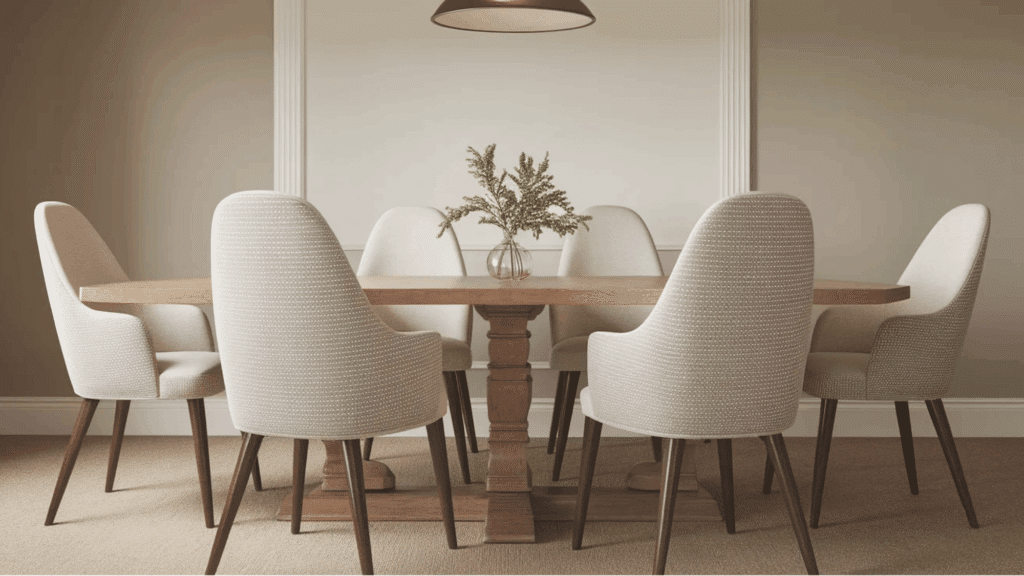
A traditional dining table brings solid, strong character to any dining space. Pair it with modern chairs in a clean shape and neutral fabric. This contrast is subtle but effective.
Keep the lighting simple. An understated pendant light above the table works well without leaning too far in either direction.
Avoid ornate centerpieces or overly minimal setups. A small vase, simple placemats, and clean table settings are enough to complete the look without tipping the balance.
6. Soft Minimalist Transitional Space
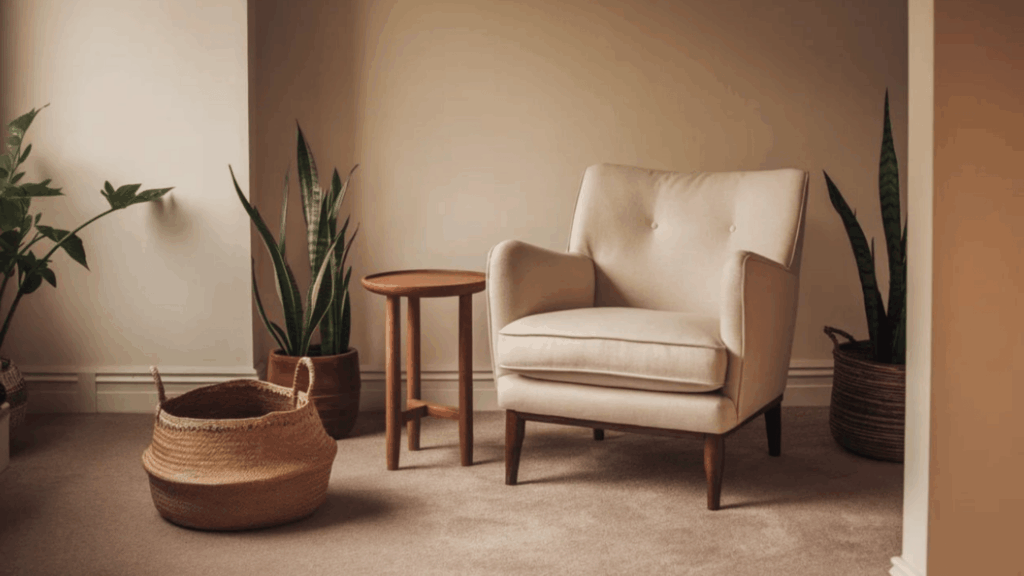
Less is more in a soft, minimalist transitional space, but that doesn’t mean cold or stark. Choose fewer pieces, but make sure each one adds warmth.
A linen armchair, a wooden side table, or a woven basket can do a lot without crowding the room. Stick to neutral tones like cream, warm white, and soft taupe.
Add texture with fabrics and natural materials rather than bold patterns or sharp modern finishes. The space should feel calm, simple, and easy to be in.
7. Transitional Bathroom Design
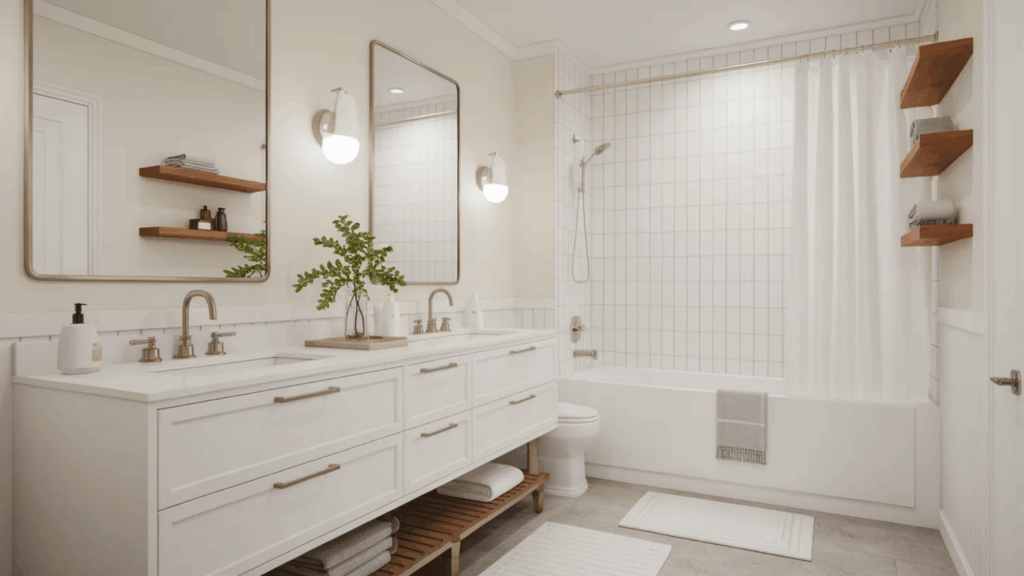
A transitional bathroom feels clean and calm without looking cold. Pair classic tiles in white or soft gray with modern fixtures, such as a sleek faucet or a frameless mirror.
These simple swaps bring both styles together without much effort. Keep the color palette light from floor to ceiling for a fresh feel.
White walls and clean grout lines keep things fresh. A folded towel, a small plant, or a wooden tray adds just enough warmth to make the space feel lived in.
8. Transitional Entryway Style
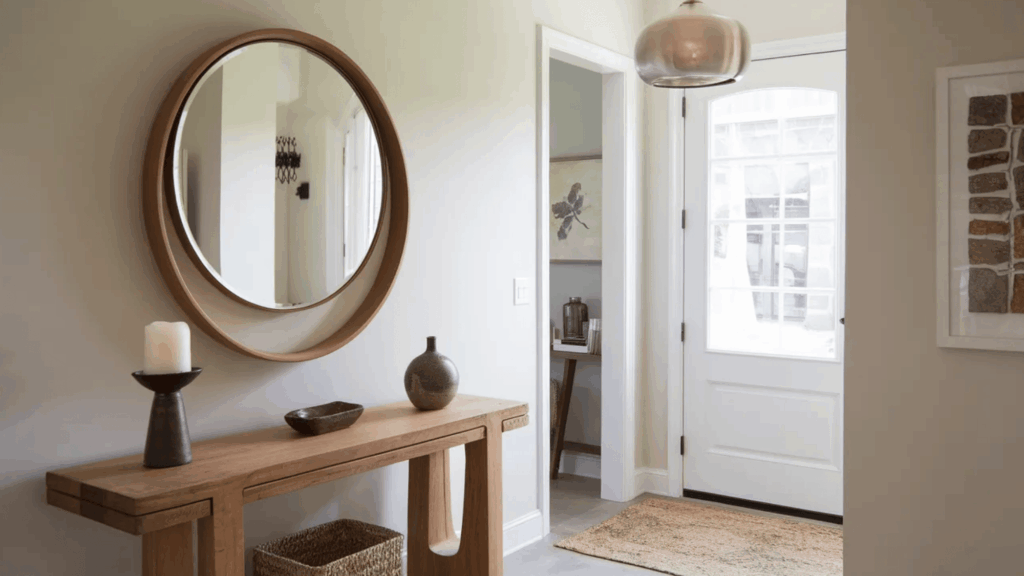
A good entryway sets the tone for the rest of the home. Start with a simple console table in wood or a neutral finish. Hang a clean, mid-sized mirror above it to open up the space.
Keep decor on the table minimal. A small bowl, a candle, or a single vase works well.
Add a modern pendant light or a wall sconce to brighten the area. Together, they make the space feel warm and welcoming the moment you walk in.
9. Textured Transitional Decor
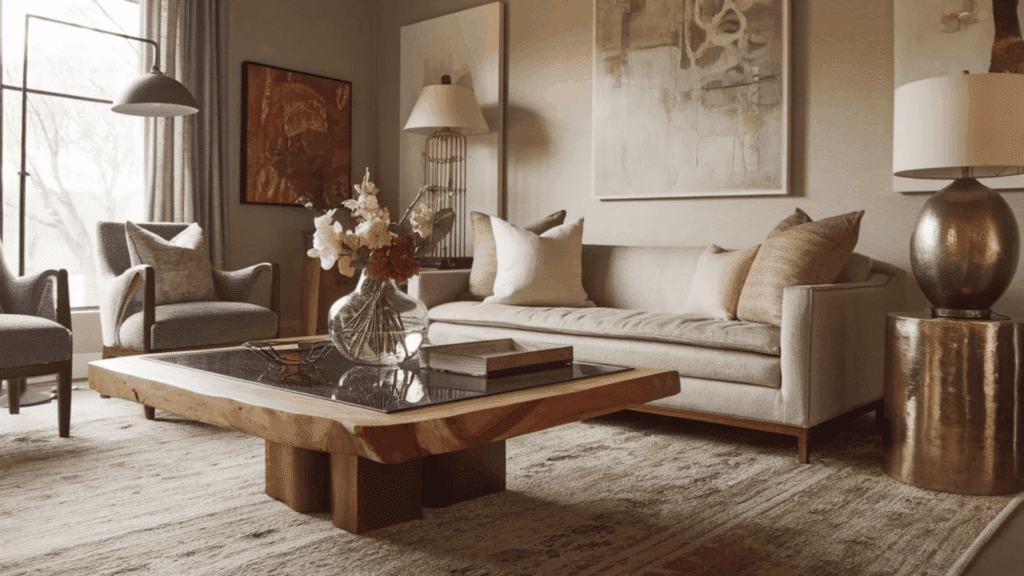
Color doesn’t have to do all the work. In a transitional space, texture adds depth and interest without making things feel busy.
Layer warm wood, metal, glass, and soft fabrics across the room. A wooden table, a metal lamp, a glass vase, and a linen cushion can sit together without clashing.
Keep the color palette simple and let the mix of materials create visual interest. The result feels rich and layered without being overdone.
Transitional Style vs. Traditional vs. Modern
Traditional leans formal, modern leans spare; transitional is where the two find common ground. Here’s how each one breaks down side by side:
| Feature | Traditional Style | Modern Style | Transitional Style |
|---|---|---|---|
| Overall Look | Classic and detailed | Sleek and simple | Balanced mix of both |
| Furniture | Heavy, ornate, carved | Clean lines, minimal | Simple shapes with soft details |
| Colors | Rich, warm tones | Neutral or bold contrast | Soft neutrals with subtle accents |
| Decor | Decorative, layered | Minimal, less decor | Minimal but warm and inviting |
| Materials | Wood, fabric, antique finishes | Glass, metal, steel | Mix of wood, metal, and fabric |
| Feel | Formal and clean | Clean and uncluttered | Comfortable and classic |
| Best For | Classic home lovers | Minimalist lovers | Those who want a balanced, flexible style |
Why Transitional Style Works for Most Homes
One of the best things about transitional style is how easy it is to adapt. It doesn’t demand a complete room overhaul or a big budget.
You can mix pieces you already own with a few new additions and still get a pulled-together look.
It also works across different home sizes and layouts. In a small apartment or a large family home, the principles stay the same.
Neutral colors, balanced furniture, and layered textures work anywhere.
And because it doesn’t follow strict design rules, it ages well over time. Trends come and go, but a transitional space stays fresh.
That’s because the look is anchored in neutral foundations and classic shapes, not trend-specific details. A new cushion, a different lamp, or swapped-out hardware is enough to refresh it.
It’s a practical choice that works in real life, not just for a styled photo shoot.
Common Mistakes to Avoid
- Too Modern: Going too modern strips the warmth out of a space. Clean lines are great, but without soft textures or classic touches, a room can feel cold and unwelcoming.
- Too Traditional: Leaning too far into traditional style can make a room feel heavy and outdated. Too many ornate details or dark wood pieces tip the balance in the wrong direction.
- Overdecorating: More is not always better in a transitional space. Too many accessories, layers, or competing pieces make a room feel cluttered and hard to relax in.
- Ignoring Balance: Transitional design lives and dies by balance. If one style dominates too much, the whole look falls apart, and the space loses its calm, put-together feel.
The goal is a room that feels balanced and easy to live in. When in doubt, pull back; less usually wins in a transitional space.
Conclusion
Transitional interior design is one of the most practical styles you can choose for your home.
It doesn’t lock you into one look or force you to start from scratch. It gives you room to mix what you love.
Classic warmth, clean lines, calm colors, and layered textures, that’s the combination. Avoid going too far in either direction, and your space will always feel fresh, livable, and balanced.
The style works because it’s built around what actually makes a home feel good. Comfort, balance, and the right mix of old and new; that combination holds up.