

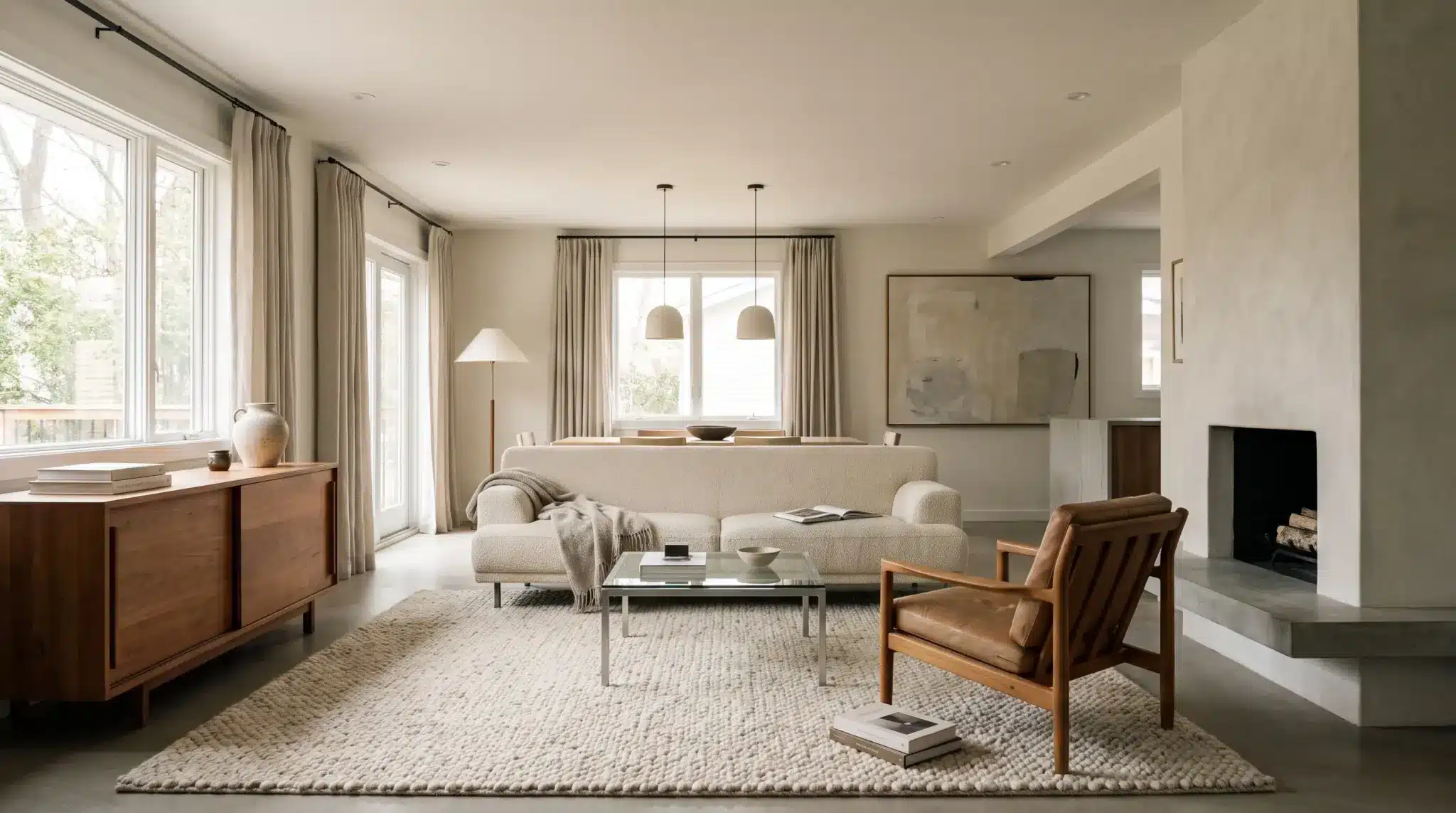
A contemporary room can look simple, but creating one that feels warm and complete is not always easy. You may choose neutral colors and clean furniture, yet the space can still appear cold, plain, or disconnected.
I believe the difference comes from balancing comfort, function, materials, lighting, and open space. Contemporary interior design reflects current ways of living rather than following the rules of one historical period.
This overview explains what defines the style, how it differs from modern design, and which colors, finishes, and furniture choices work best.
You will also learn how to use the style in different rooms while avoiding common mistakes that weaken the final result.
The Meaning of Contemporary Interior Design
Contemporary interior design is a current daecorating style built around clean lines, open layouts, simple forms, and a balanced mix of comfort and function.
Unlike modern design, which belongs to a specific historical period, contemporary style reflects what is popular and practical in homes at the present time.
The look changes as new materials, smart technology, furniture shapes, colors, and building methods become more common in everyday residential design.
It also responds to changing lifestyles, including smaller homes, flexible rooms, remote work, and the growing need for practical storage and energy-efficient features.
How Contemporary Design is Different from Modern Design
Once a client understands that contemporary design has no fixed rulebook, the rest of the decorating decisions get a lot easier. It also explains why a “contemporary” room from ten years ago can look dated today, while a genuinely modern room from the 1950s still reads as modern.
| Feature | Contemporary design | Modern design |
|---|---|---|
| Time period | Reflects current design ideas | Rooted in early to mid 20th century |
| Style rules | Flexible and evolving | More historically defined |
| Furniture | Straight and curved forms | Mainly simple, functional forms |
| Materials | Broad mix of current materials | Wood, steel, glass, and leather |
| Colors | Neutral with changing accents | Warm neutrals and earthy tones |
| Decoration | Selective and trend responsive | Usually restrained |
| Overall feeling | Current, comfortable, adaptable | Structured, functional, timeless |
If you are decorating gradually rather than all at once, this is where it pays off. A fresh coat in a warm gray paint pick can shift a room’s whole feel without touching a single piece of furniture.
Update lighting, textures, and a few accent pieces every year or two instead of gutting the whole room, and the space stays current without another full renovation.
Contemporary Interior Design Characteristics
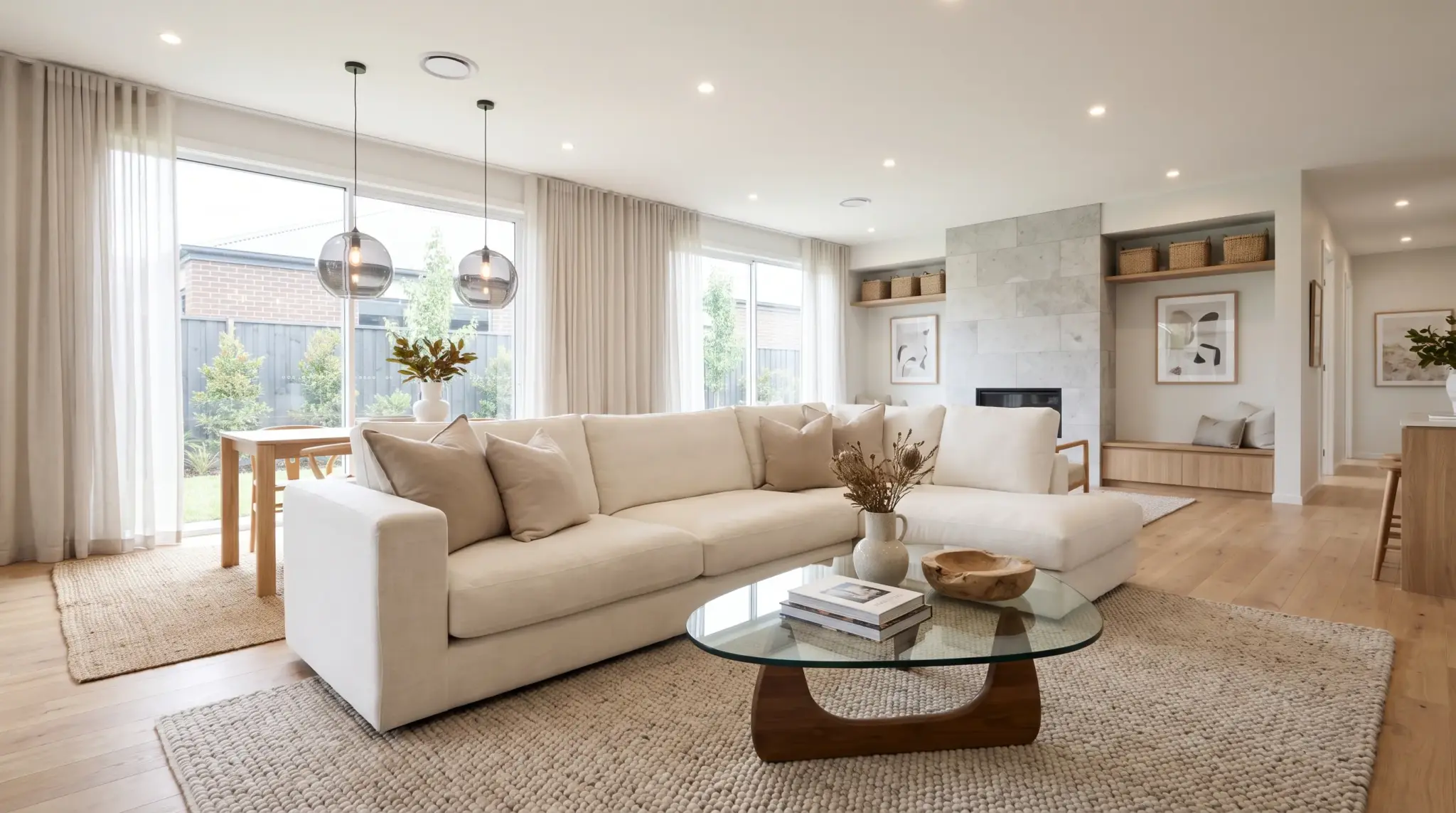
Contemporary interiors combine simple forms, practical layouts, natural materials, and restrained decoration to create spaces that feel current, comfortable, and visually balanced.
- Clean lines: Furniture, cabinetry, and architectural details use simple shapes with limited ornamentation, helping each room appear organized, open, and easy to navigate.
- Neutral colors: White, beige, taupe, grey, and soft earthy shades form a calm foundation that works well with changing accents and materials.
- Open layouts: Clear walkways and flexible furniture arrangements improve movement while allowing living, dining, and working areas to connect naturally.
- Mixed materials: Wood, glass, metal, stone, concrete, and textured fabrics create contrast and prevent the restrained design from feeling flat or unfinished.
- Natural light: Large windows, light curtains, reflective surfaces, and uncluttered spaces allow daylight to move freely and strengthen the open appearance.
- Curved forms: Rounded sofas, arched mirrors, circular tables, and sculptural lighting soften straight lines and introduce gentle visual movement.
- Minimal decoration: Fewer accessories, larger artwork, and carefully selected objects create personality without overcrowding tables, shelves, walls, or other visible surfaces.
- Practical comfort: Contemporary furniture balances clean silhouettes with comfortable proportions, supportive seating, durable fabrics, and features suited to everyday routines.
These traits work best together, and furniture shape often makes the biggest visual difference of the eight. A rounded sectional, along the lines of the oversized cloud-style sofas we have rounded up before, softens a boxy room faster than any accessory swap. Pick one or two and skip the rest, and the room ends up looking unfinished instead of intentionally restrained.
Contemporary Interior Design Color Palette
Contemporary interiors use restrained colors, natural shades, and selective contrast to create rooms that feel current, calm, balanced, and inviting.
| Color group | Common shades | Best use |
|---|---|---|
| Base neutrals | White, cream, beige, taupe | Walls and large furniture |
| Soft greys | Dove, stone, warm grey | Flooring and upholstery |
| Dark accents | Black, charcoal, navy | Frames, lighting, and hardware |
| Earthy tones | Olive, clay, rust, sand | Textiles and decorative pieces |
| Natural finishes | Wood, stone, concrete | Furniture and surfaces |
| Accent colors | Green, blue, terracotta | Artwork, chairs, and cushions |
Pair a quiet base with at least one natural finish and one controlled accent color. Dark trim is one of the easiest ways to build in that contrast, and we walk through why in our piece on bold black trim accents. That combination is what keeps a contemporary palette from tipping into cold and unfinished.
Contemporary Materials and Finishes
Every contemporary room I have designed shares the same short list of traits, even when the finishes and colors are completely different from one project to the next.
- Clean lines: Furniture, cabinetry, and trim use simple shapes with limited ornamentation, so each room reads as organized and easy to move through.
- Neutral colors: White, beige, taupe, gray, and soft earthy shades form a calm base that takes changing accents well.
- Open layouts: Clear walkways and flexible furniture groupings let living, dining, and work zones connect without hard walls between them.
- Mixed materials: Wood, glass, metal, stone, concrete, and textured fabric add contrast so a restrained palette does not read as flat.
- Natural light: Larger windows, light curtains, and reflective surfaces keep daylight moving through the room and reinforce the open feel.
- Curved forms: A rounded sofa, arched mirror, or sculptural light fixture softens all the straight lines and adds visual movement.
- Minimal decoration: Fewer accessories and larger, better-chosen artwork build personality without crowding shelves and tabletops.
- Practical comfort: Clean silhouettes still need supportive seating and durable fabric. A contemporary sofa should hold up to a family, not just look good in a photo.
These traits work best together. Pick one or two and skip the rest, and the room ends up looking unfinished instead of intentionally restrained.
How to Create a Contemporary Interior Step by Step
A contemporary interior develops through careful editing, balanced materials, practical layouts, layered lighting, and deliberate choices that support everyday comfort.
1. Simplify the Existing Room
Begin by removing items that make the room feel crowded, dated, or disconnected. Keep furniture with useful proportions, durable materials, or sentimental value, then decide what can be repaired, repainted, or repositioned.
Pay attention to flooring, windows, built-ins, and architectural details that already suit the space. Simplifying first reveals the room’s strengths, reduces unnecessary spending, and creates a clearer foundation for every design decision that follows throughout the entire process.
2. Establish a Neutral Base
Choose a restrained color foundation before adding smaller decorative accents. Warm white, beige, taupe, soft grey, or muted earthy tones work well across walls, flooring, upholstery, and large furniture.
Keep undertones consistent so the room feels connected rather than patchy. A neutral base does not need to look dull; natural wood, stone variation, subtle patterns, and layered textiles can add warmth, depth, and visual interest throughout the space without monotony.
3. Improve the Layout
Arrange furniture around the room’s main purpose, such as conversation, dining, working, or relaxing. Keep walkways open and avoid placing large pieces where they interrupt doors, windows, or natural movement.
Use rugs, lighting, or furniture groupings to define zones in open spaces. A practical layout should feel balanced from several viewpoints, support daily routines, and leave enough breathing room around major pieces without making the interior appear empty or sparse.
4. Mix Straight and Curved Forms
Balance clean architectural lines with a few softer shapes to prevent the room from feeling rigid. Pair rectangular cabinets, shelves, or tables with a rounded sofa, circular mirror, arched lamp, or sculptural chair.
Curves work best when repeated subtly rather than added everywhere. This contrast creates movement, softens sharp corners, and gives a contemporary room more comfort and personality while preserving its organized, uncluttered character and clear visual structure overall.
5. Layer Materials and Textures
Combine hard and soft surfaces so the room feels dimensional rather than flat. Wood, stone, glass, metal, and concrete provide structure, while linen, wool, leather, boucle, and woven fabrics add warmth.
Repeat selected materials in different areas to create continuity. Avoid using too many unrelated finishes at once. A controlled mix of textures adds depth, highlights individual features, and makes a restrained contemporary palette feel comfortable, rich, and visually complete.
6. Add One Strong Focal Point
Choose one feature that naturally attracts attention and organize the room around it. This may be oversized artwork, sculptural lighting, a fireplace, a distinctive sofa, or an architectural element.
Keep nearby colors, furniture, and accessories quieter so they support rather than compete with the focal point. One clear statement creates hierarchy, strengthens the room’s identity, and prevents the scattered appearance that develops when several bold features demand attention simultaneously.
7. Refine Lighting
Use several light sources to support different activities and create depth after dark. Ambient lighting provides overall brightness, task lighting supports reading or working, and accent lighting highlights artwork, textures, or architectural details.
Choose fixtures with simple forms that complement the room’s materials. Dimmers improve flexibility throughout the day. Layered lighting makes a contemporary interior feel warmer, more functional, and more comfortable than relying on one central ceiling fixture alone.
8. Edit the Final Styling
Finish by reviewing every accessory, surface, and decorative grouping with a critical eye. Remove items that feel repetitive, undersized, or unrelated to the overall palette. Leave open space around artwork, furniture, and selected objects so each one remains visible.
Group smaller accessories in limited arrangements instead of spreading them everywhere. Careful editing creates a polished result, maintains personality, and keeps the room uncluttered without making it appear bare or impersonal.
How to Choose Contemporary Furniture
Choosing contemporary furniture requires attention to shape, comfort, scale, and spacing so each piece supports the room without making it feel crowded.
- Choose clean shapes: Select furniture with simple silhouettes, smooth surfaces, and limited ornamentation to maintain a neat and current appearance.
- Mix lines and curves: Balance straight-edged tables or cabinets with curved chairs, sofas, or mirrors to soften the overall arrangement.
- Prioritize comfort: Choose supportive seating, practical dimensions, and durable materials instead of selecting furniture based only on its visual appeal.
- Avoid matching sets: Combine coordinated pieces with different shapes, textures, or finishes to create a more natural and collected interior.
- Preserve open space: Leave enough room around sofas, tables, and chairs to support comfortable movement and maintain a spacious appearance.
- Select fewer pieces: Use a small number of properly scaled furnishings instead of filling the room with many undersized items.
- Repeat key finishes: Carry one material, color, or metal finish across several pieces to connect the room without making everything identical.
Well-scaled furniture, thoughtful spacing, and repeated finishes create visual balance while keeping a contemporary room practical, comfortable, open, and connected.
Contemporary Interior Design by Room
Contemporary design follows the same basic ideas in every room: simple forms, open space, balanced materials, practical storage, layered lighting, and a limited color palette.
1. Living Room
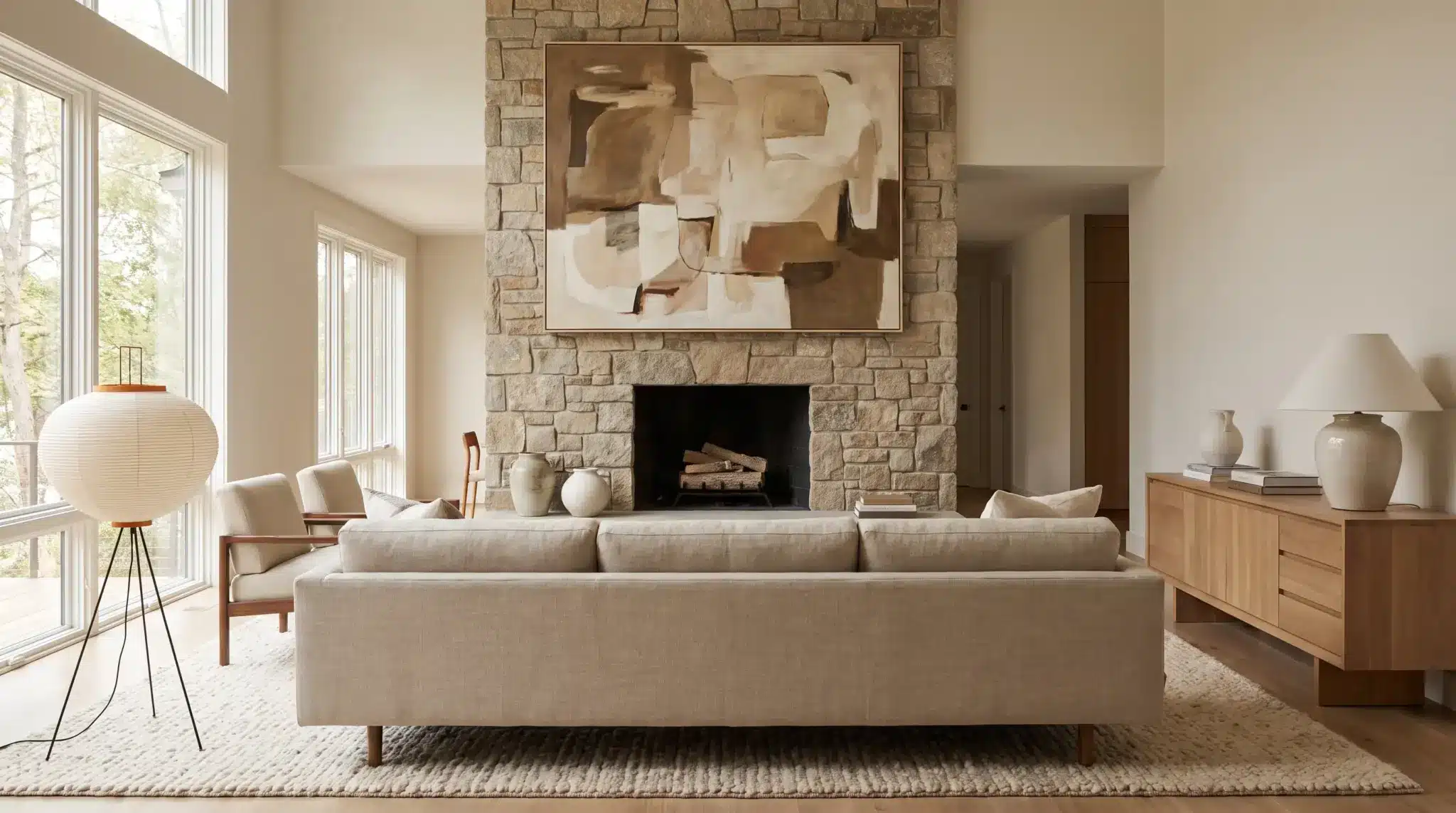
A contemporary living room often includes a neutral sofa, textured rug, sculptural light, and large artwork arranged around one clear focal point.
Keep the layout simple and leave open walking paths. Choose one main feature, then support it with balanced furniture, soft texture, and limited décor.
2. Bedroom
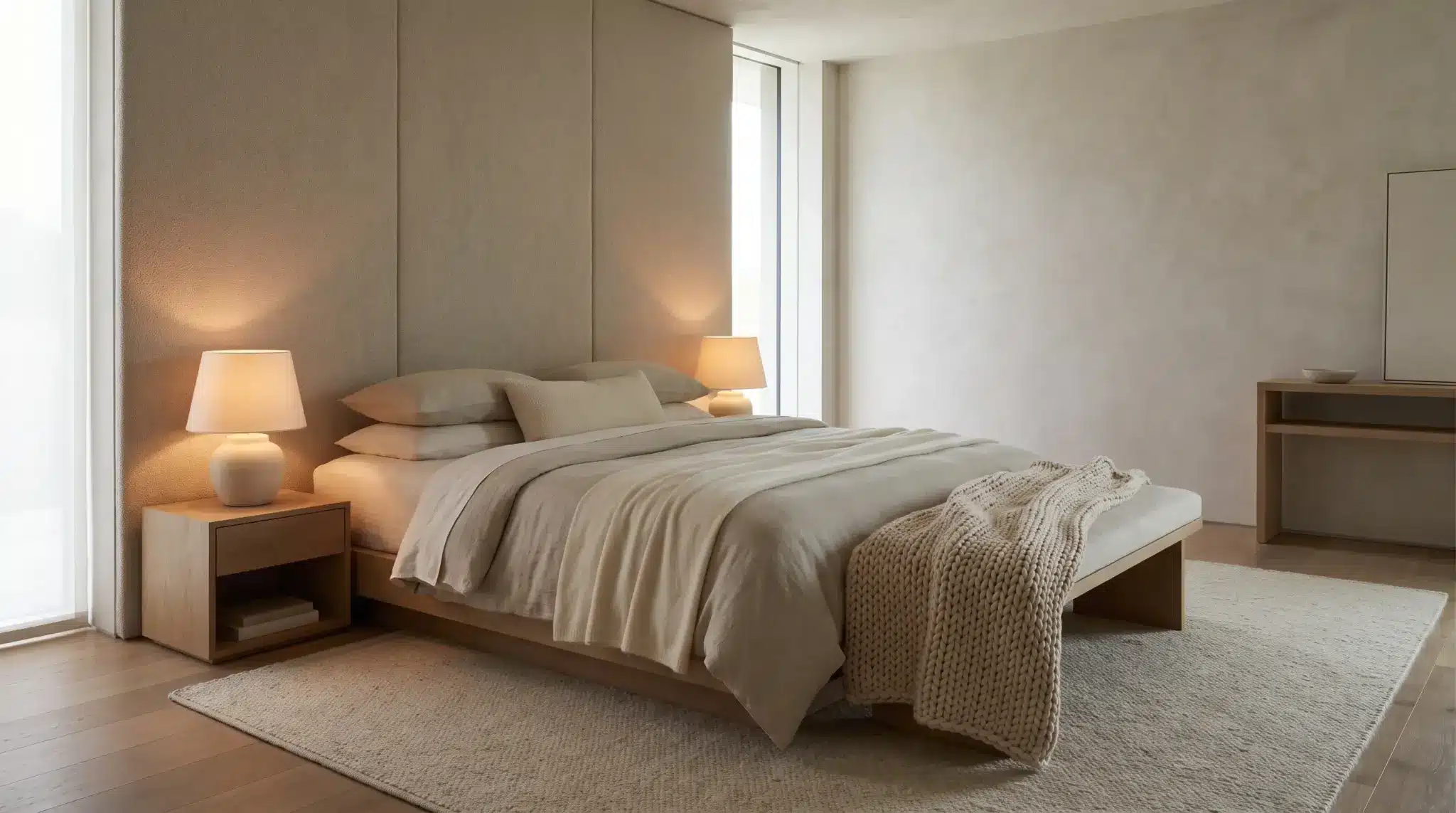
A low-profile bed, soft neutral bedding, limited furniture, and warm bedside lighting create a calm bedroom with a clean and comfortable appearance.
Add depth through linen, wool, upholstered panels, or textured wall finishes. Keep surfaces mostly clear so the room feels restful rather than crowded.
3. Kitchen
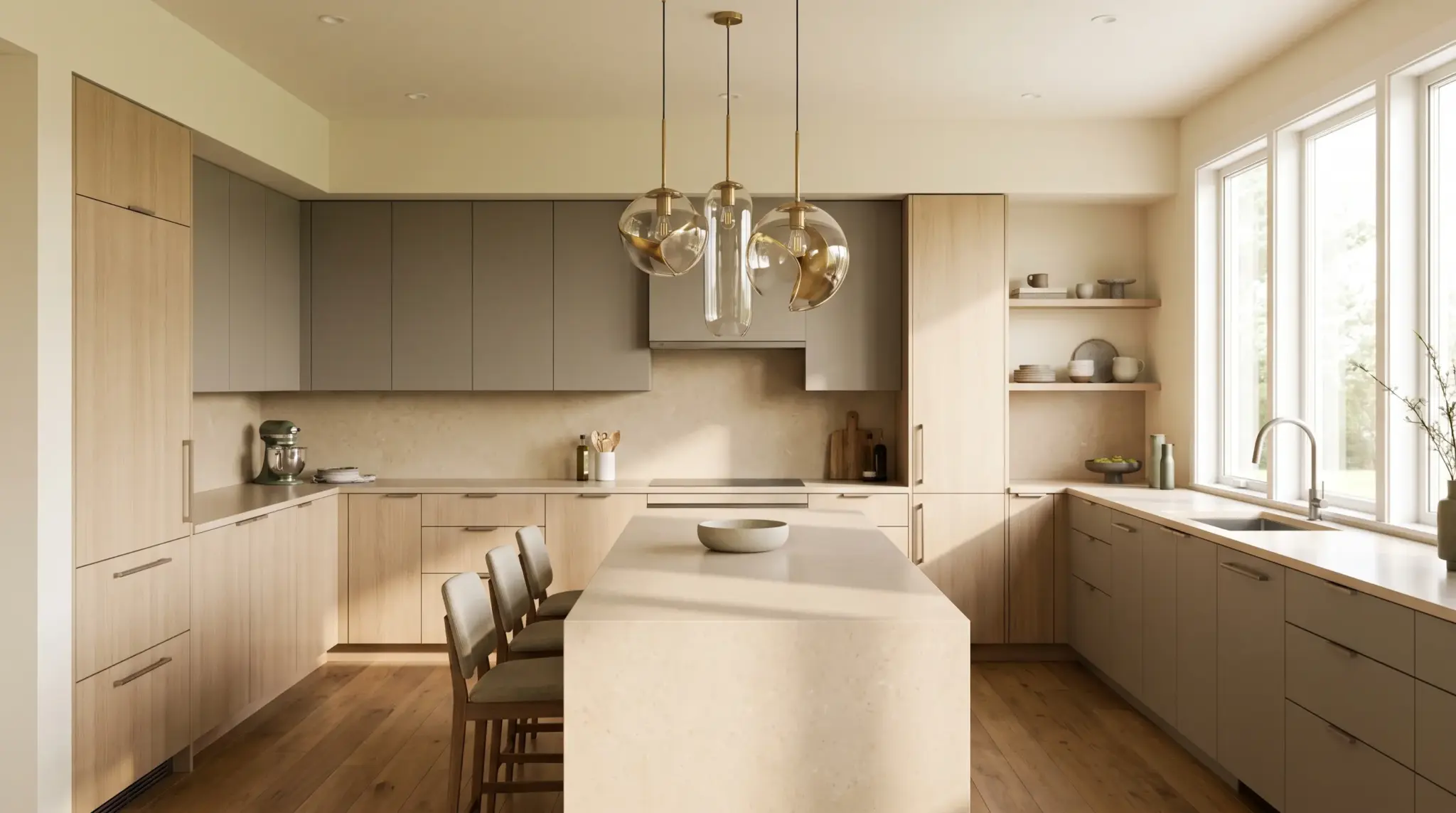
Flat-panel cabinets, simple hardware, integrated appliances, stone countertops, and statement pendants give contemporary kitchens a smooth, organized, and visually connected appearance.
Use wood, warm paint, or colored stools to soften hard surfaces. Keep appliances concealed where possible and limit visible items on countertops.
4. Bathroom
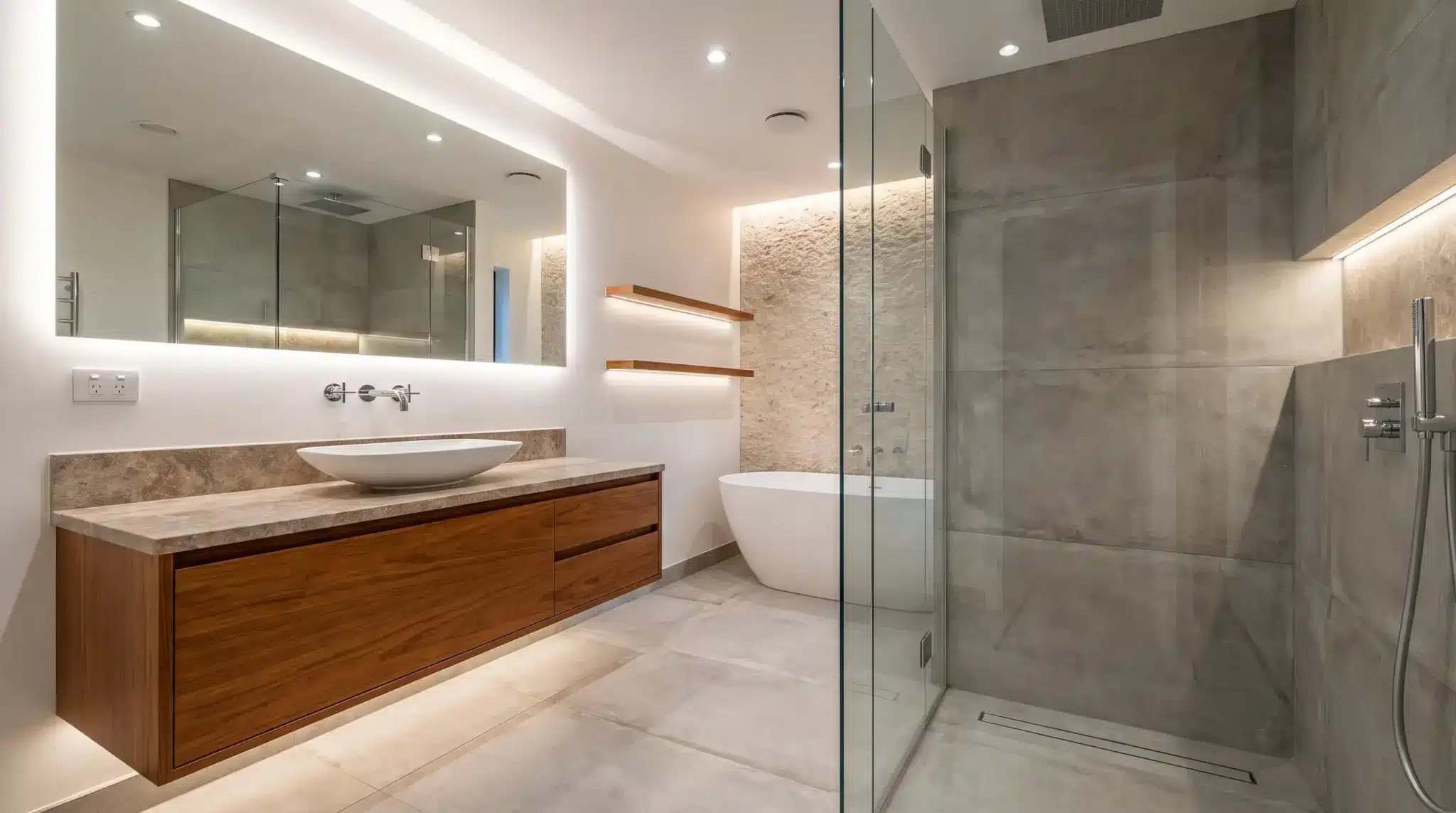
Floating vanities, frameless glass, large-format tiles, and simple fixtures create a streamlined bathroom while making the floor and walls appear more open.
Layer ceiling, mirror, and accent lighting for better function. Add warm wood or textured stone so the space does not feel overly cold.
5. Dining Room
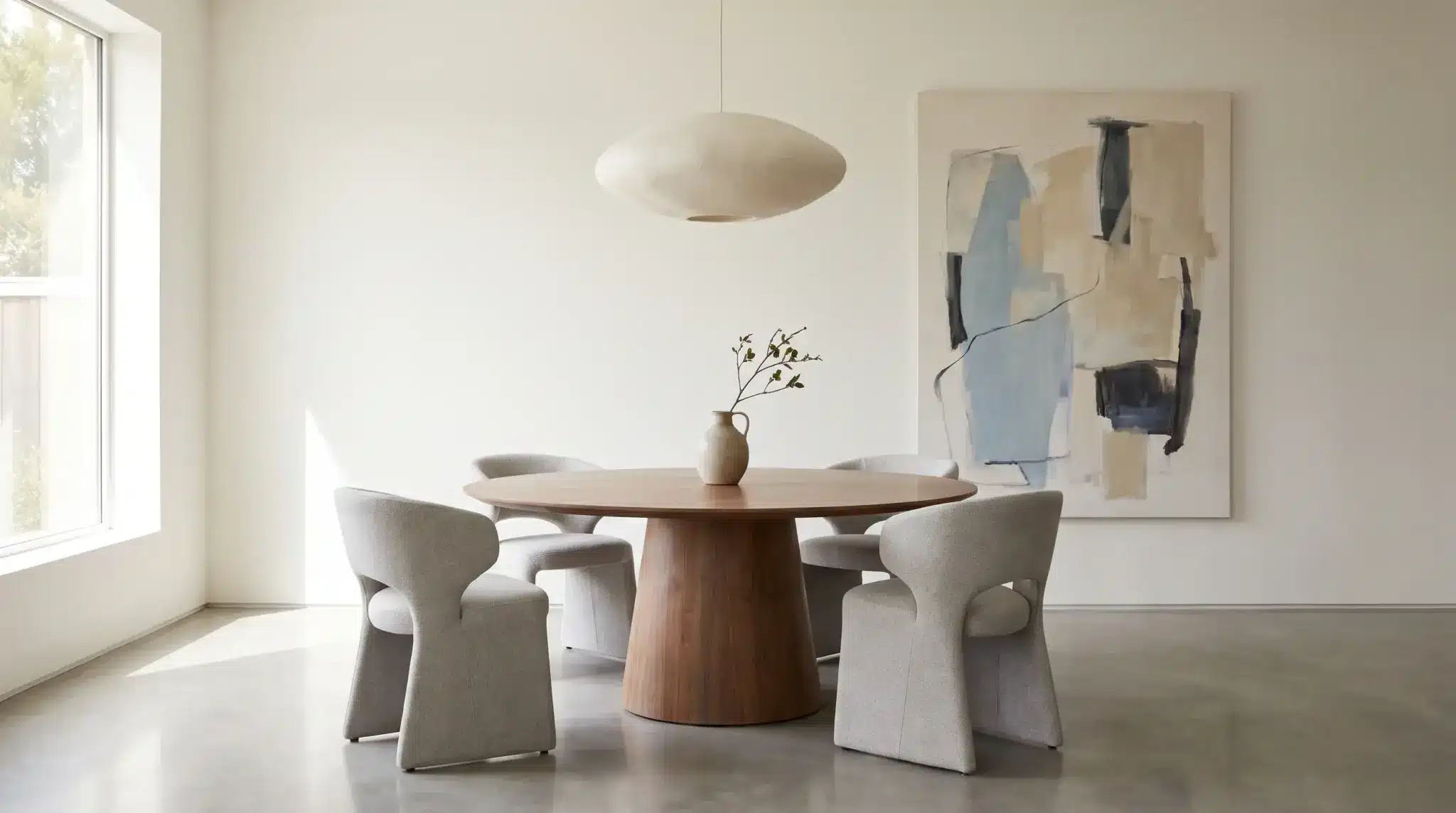
A clear central table, sculptural chairs, one main pendant, and large artwork create a dining space that feels focused without needing excessive decoration.
Match the pendant size to the table and leave room around the chairs. Use one feature wall or artwork as the main visual accent.
6. Home Office
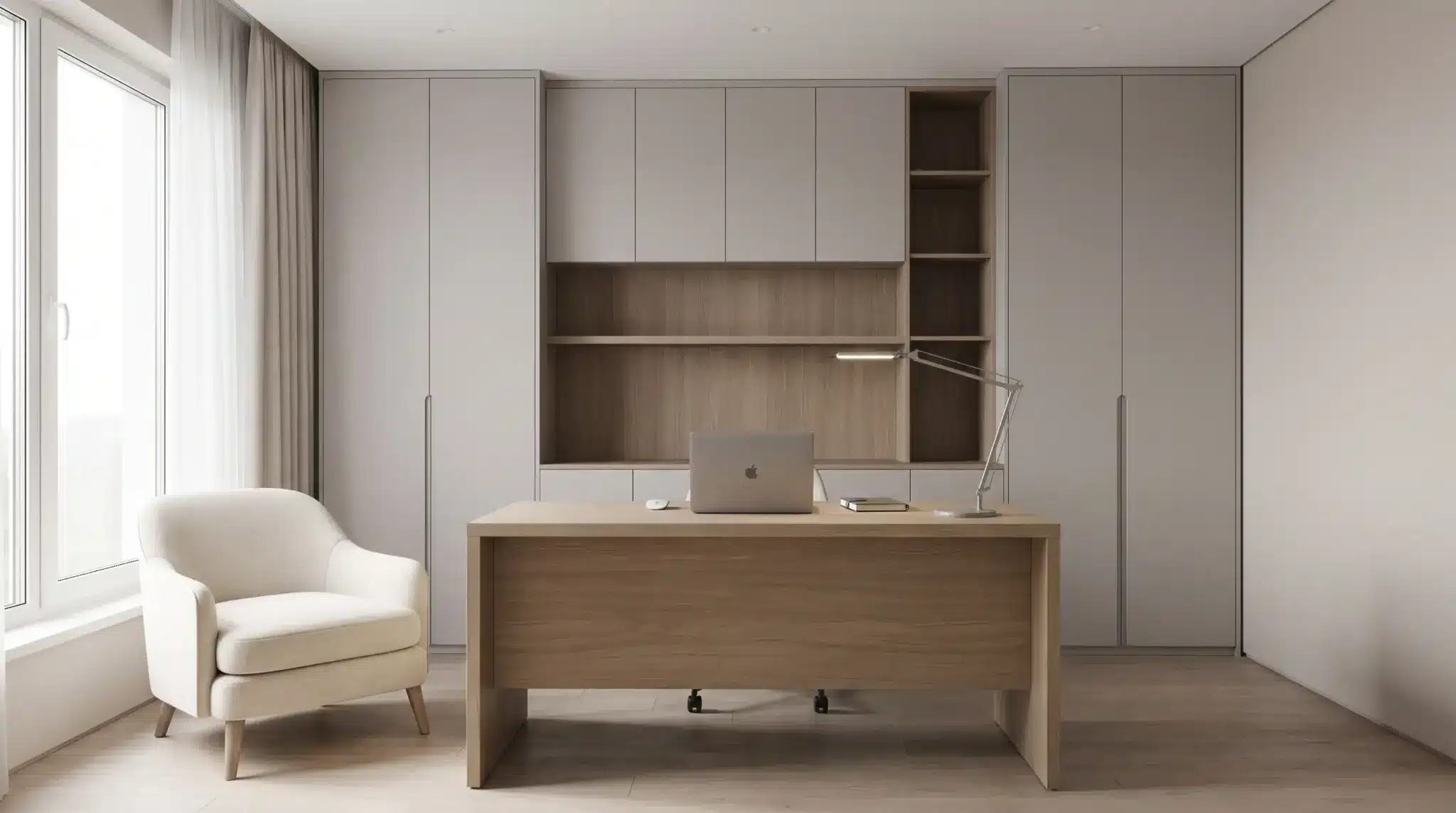
A clean desk, hidden storage, comfortable seating, controlled cables, and focused lighting help a contemporary office feel organized and suitable for daily work.
Place task lighting beside or above the desk, hide chargers and wires, and choose closed cabinets to keep paperwork and supplies out of view.
Common Contemporary Design Mistakes
Small design choices can weaken a contemporary interior. Avoiding common mistakes helps maintain warmth, balance, functionality, and visual interest without making the space feel cold or cluttered.
- Making the room too cold: Add wood, textiles, warm lighting, and softer shapes.
- Following every trend: Choose current details that still suit the home and daily routine.
- Using only neutral colors: Add contrast through black, natural materials, art, or muted accents.
- Buying matching sets: Combine coordinated pieces with different shapes, materials, or origins.
- Removing too much personality: Include meaningful art, books, objects, or vintage pieces.
- Ignoring furniture scale: Measure the room and leave enough open space around each item.
- Overdecorating surfaces: Keep accessories selective and allow negative space to remain visible.
- Confusing contemporary with modern: Remember that contemporary design changes with current preferences.
Final Takeaway
A well-designed contemporary home should feel current without becoming cold, empty, or controlled by short-lived trends. I would begin with a simple layout, a calm color base, and furniture that fits the room properly.
You can then add warmth through wood, stone, textured fabrics, curved shapes, and layered lighting. Contemporary interior design also leaves room for meaningful artwork, books, and personal objects, provided each piece has space to stand out.
The goal is not to remove every detail. It is to create balance between clean forms, practical comfort, and individual character.
Review one room at a time, remove anything that creates unnecessary clutter, and apply the ideas that best suit your home and daily routine.
Frequently Asked Questions
Can contemporary design work in a rental home?
Yes. Use removable wallpaper, large rugs, plug-in lighting, curtains, artwork, and freestanding storage to change the room without permanent renovations. Focus on flexible pieces that can move with you, such as neutral furniture, sculptural lamps, and lightweight accent tables.
What flooring suits contemporary interiors?
Wide-plank wood, polished concrete, large-format tile, natural stone, and simple low-pile carpet all suit contemporary spaces. Choose flooring with limited pattern and a finish that supports the room’s color palette. Consistent flooring between connected areas also improves visual flow.
Can antique furniture fit into a contemporary room?
One or two antique pieces can add character and prevent the room from feeling too uniform. Choose items with strong shapes or quality materials, then surround them with simpler furniture. Repeating a color, wood tone, or metal finish helps old and new pieces feel connected.
What window treatments work best with contemporary design?
Simple curtains, roller shades, Roman blinds, and streamlined shutters work well. Choose lightweight fabrics or clean panels that frame the window without heavy ornamentation. Mounting curtains closer to the ceiling can also make the room appear taller and more open.
How can contemporary interiors remain family-friendly?
Choose stain-resistant fabrics, rounded furniture edges, washable rugs, closed storage, and durable surfaces. A contemporary room does not need to feel delicate or formal. Practical materials and clear layouts can keep the space polished while supporting children, pets, and everyday activity.
How often should a contemporary room be updated?
There is no fixed schedule. Review smaller details every few years and replace only what feels dated or no longer works. Updating cushions, artwork, lighting, or accent colors is usually enough to refresh the room without changing its main furniture or permanent finishes.