

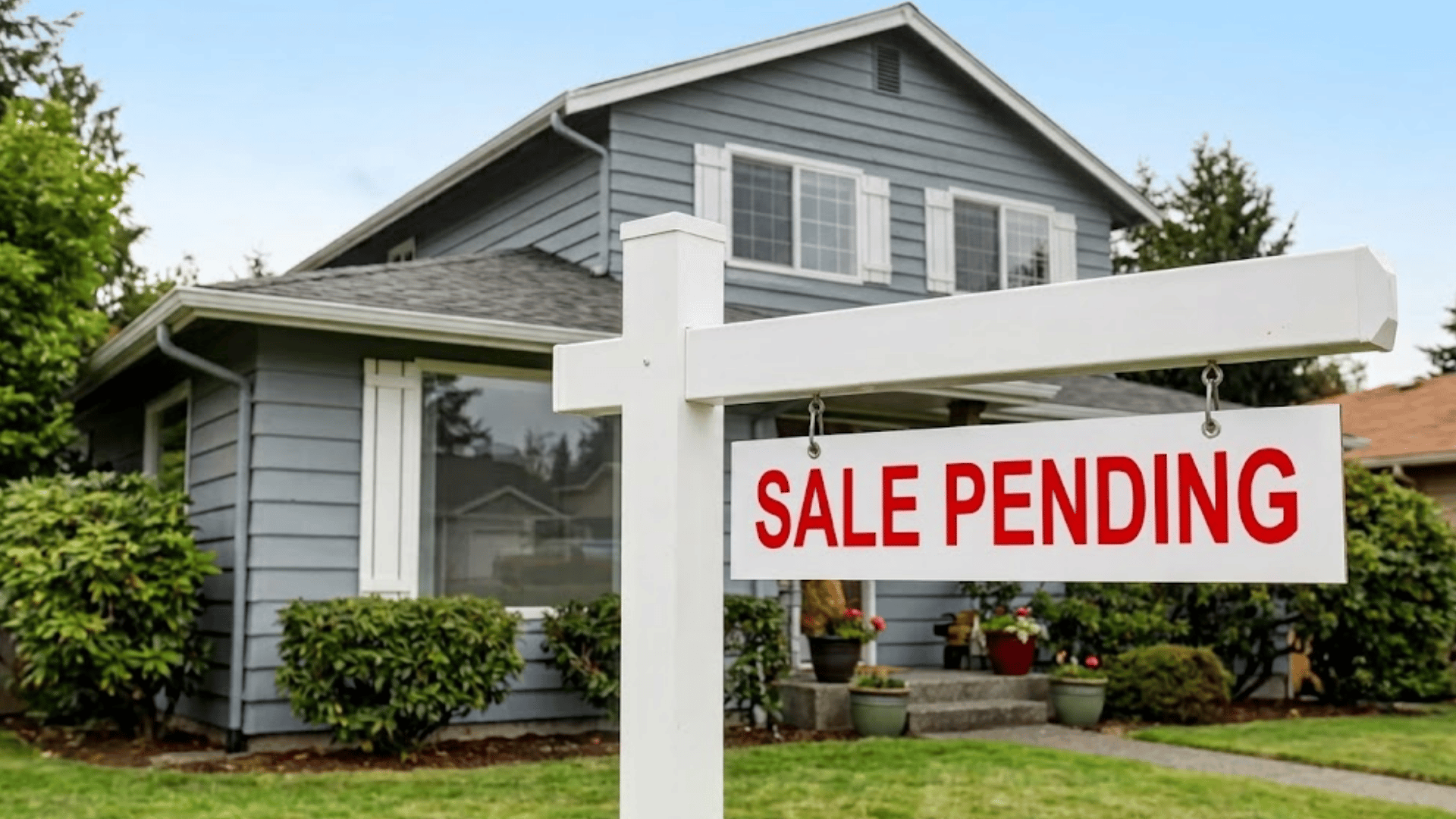
When searching for a home, it is easy to come across listing updates that are not always clear.
One of the most common questions buyers and sellers ask is what pending means in real estate, especially when they also see terms like contingent or under contract.
These statuses may look similar, but they represent different stages of the buying process and can affect your next steps.
In this article, I will explain what each listing status means in simple terms and show you how they compare.
You will learn the differences among pending, contingent, and under contract; what happens after an offer is accepted; if a pending home can still receive offers; and what these updates mean for both buyers and sellers.
By the end, you will have a much clearer understanding of how real estate listing statuses work.
Quick Answer: What Does Pending Mean in Real Estate?
A pending status in real estate means the seller has accepted an offer, and the transaction is moving toward closing, but the sale is not yet complete.
At this stage, most or all contingencies have usually been met or removed, although the deal can still fall through in some cases.
A pending listing is generally further along than a contingent listing, but ownership does not officially transfer until all closing requirements are completed.
How Does a Home Become Pending?
A home reaches pending status after several important steps move the sale closer to closing and most contract conditions are addressed.
- Buyer Makes an Offer: The buyer submits a written purchase offer that includes the proposed price, financing details, contingencies, and preferred closing timeline.
- Seller Accepts the Offer: The seller agrees to the offer terms, creating a legally binding purchase agreement between both parties.
- Contract and Contingencies Begin: Both parties start fulfilling contract requirements, including inspections, financing, appraisals, and any agreed-upon contingency conditions.
- Contingencies Are Met or Removed: Required inspections, financing approval, appraisal, and other conditions are completed, waived, or resolved in accordance with the contract terms.
- Final Loan Approval: The lender completes the final review and approves the mortgage after verifying the buyer’s financial information and property details.
- Closing Is Scheduled: Once all major requirements are satisfied, the transaction moves to pending while both parties prepare for the final closing.
Where Pending Fits in the Real Estate Timeline?
A single transaction moves through several labels before it closes, and knowing the order helps you read a listing correctly.
Most sales begin with an accepted offer, move under contract, remain contingent while conditions are resolved, and become pending once those conditions are cleared.
Contingencies are common in most purchase contracts, according to the National Association of Realtors’ Confidence Index.
In its December 2025 survey, only 18% of buyers waived the home inspection contingency entirely, which means most buyers still keep that protection in place before a sale can move to pending.
Understanding this order helps you judge how close a home really is to selling.
- Accepted Offer: buyer and seller agree on price and terms.
- Under Contract: the purchase agreement is signed, and the home is removed from active search results.
- Contingent: inspection, appraisal, and financing conditions are being worked through.
- Pending: contingencies are cleared or waived, and closing paperwork is underway.
- Closed: ownership transfers, and the sale is complete.
Pending vs Contingent: Key Differences
Although both statuses mean a seller has accepted an offer, they represent different stages of the home-buying process. Understanding these differences helps buyers know whether a property is still worth pursuing.
1. Meaning of Each Status
A contingent home is under contract, but the sale depends on one or more conditions being met before it can move forward.
These conditions often include a home inspection, financing approval, appraisal, or the buyer selling their current home. A pending home has usually satisfied most or all of these contingencies and is much closer to closing.
While both properties are under contract, “pending” indicates that fewer obstacles remain before ownership is officially transferred to the buyer.
2. Chances of the Sale Falling Through
Contingent sales are more likely to fall through because important conditions still need to be met. If the buyer cannot secure financing, the home fails inspection, or another contingency is not satisfied, the agreement may end.
Pending sales are generally more secure because these major hurdles have already been resolved.
Although a pending transaction can still fail in rare cases, such as financing problems or title issues, it is much more likely to close successfully.
3. Can Buyers Still Make an Offer?
In many cases, buyers can still submit a backup offer on both contingent and pending homes, but sellers are generally more open to backup offers while a property is contingent.
Since contingencies may not be satisfied, sellers often want another interested buyer ready if the first contract falls through.
Once a home reaches pending status, the transaction is much closer to closing, making sellers less likely to consider additional offers unless the existing deal unexpectedly fails.
4. What Buyers Should Do
If you find a contingent property you like, ask your real estate agent about the specific contingencies and whether submitting a backup offer makes sense.
There may still be a realistic opportunity to purchase the home if the current contract ends.
For pending properties, continue monitoring the listing while expanding your search to similar homes.
Staying flexible increases your chances of finding another property without waiting for a deal that may successfully close.
Quick Comparison at a Glance
Each listing status reflects a different stage of the transaction and indicates how close the property is to being sold.
| Feature | Under Contract | Contingent | Pending |
| Offer Accepted | Yes | Yes | Yes |
| Contract Signed | Yes | Yes | Yes |
| Contingencies Remaining | May or may not | Yes | Usually No |
| Stage in Transaction | General contract stage | Early contract stage | Final stage before closing |
| Chance of Sale Falling Through | Moderate | Higher | Lower |
| Backup Offers Possible | Depends on the seller and MLS | Often | Sometimes |
Common Types of Real Estate Contingencies
Most real estate contracts include contingencies that protect buyers and sellers if specific conditions are not met before closing.
- Home Inspection Contingency: Allows the buyer to inspect the property and request repairs, negotiate terms, or cancel the contract if major issues arise.
- Financing Contingency: Protects the buyer if the mortgage application is denied or financing cannot be secured within the agreed contract period.
- Appraisal Contingency: Requires the property to appraise at or above the purchase price before the lender approves the mortgage loan.
- Home Sale Contingency: Makes the purchase contingent on the buyer successfully selling their current home before completing the purchase of the new property.
- Title Contingency: Ensures the property has a clear title free from ownership disputes, liens, or legal claims before closing.
- Insurance Contingency: Allows buyers to cancel or renegotiate if suitable homeowners insurance cannot be obtained at an acceptable cost before closing.
Can a Buyer Still Make an Offer on a Pending Home?
Yes, a buyer can still make an offer on a pending home, but the seller is already committed to another accepted offer.
In most cases, any new offer is treated as a backup rather than as a replacement for the existing contract.
Whether a seller accepts a backup offer depends on the purchase agreement, the local Multiple Listing Service (MLS) rules, and the real estate agent’s advice.
Sellers may accept backup offers because pending deals can still fail due to financing, title, or other issues.
If the original contract is canceled, the seller may proceed directly to the backup offer rather than relist the home.
Buyers interested in a pending property should discuss the chances with their agent while continuing to look at other available homes to avoid missing better opportunities.
Types of Pending Statuses
Different Multiple Listing Services (MLS) may use specific pending labels to show how far a home sale has progressed before closing.
| Pending Status | What It Means |
| Pending Continue to Show (PCS) | The seller has accepted an offer but may continue showing the home and accept backup offers. |
| Pending Taking Backups (PB) | The sale is moving forward, but the seller is accepting backup offers in case the original deal falls through. |
| Pending Do Not Show (PDS) | The transaction is close to closing, and the seller has stopped allowing property showings. |
| Pending Release or Continue (PR) | The sale is delayed due to an unresolved issue, but the contract remains active as both parties work toward a resolution. |
| Pending Sale (PS) | Most contingencies have been satisfied, and only the remaining closing steps are left before ownership transfers. |
Note: These pending status names vary by MLS and local real estate market, so the exact terminology may differ by location.
Why Do Some Pending Home Sales Fall Through?
Although pending sales are close to closing, unexpected problems can still prevent the transaction from being completed successfully.
- Financing Problems: The buyer’s mortgage may be denied because of credit changes, job loss, or missing financial documentation before closing.
- Title Issues: Ownership disputes, unpaid liens, or legal claims against the property can delay or completely stop the closing process.
- Low Appraisal Value: The home may appraise below the agreed price, leading to financing issues or unsuccessful price negotiations between the parties.
- Buyer or Seller Withdraws: Personal circumstances, contract disputes, or unmet obligations may lead either party to legally terminate the purchase agreement.
- Problems Found During Final Walkthrough: New property damage or incomplete agreed repairs discovered before closing can delay or cancel the transaction.
- Failure to Meet Contract Deadlines: Missing important deadlines for financing, paperwork, or required documents may result in termination of the contract.
What Is a Kick-Out Clause and How Does It Work?
A kick-out clause lets sellers accept another offer if a buyer cannot meet a contract contingency within a specified time frame.
A kick-out clause is common when a buyer must sell their current home before purchasing another.
Instead of taking the property off the market entirely, the seller can continue to show it and accept backup offers.
If a more favorable offer is received, the seller notifies the original buyer and gives them a set period, often 24 to 72 hours, to remove the contingency and proceed with the purchase.
If the buyer cannot do so, the seller may cancel the original contract and move forward with the new offer.
This arrangement balances flexibility for buyers with protection for sellers, though the exact terms depend on the purchase agreement and applicable state laws.
What Should Buyers and Sellers Do During the Pending Stage?
The pending stage involves final preparations from both buyers and sellers before the property officially changes ownership.
| Buyers Should | Sellers Should |
| Complete mortgage approval and submit any requested documents. | Complete any agreed-upon repairs before closing. |
| Schedule the final walkthrough to check the property’s condition. | Keep the home in the agreed condition until closing. |
| Review the closing disclosure and confirm all costs. | Prepare all required documents for the closing appointment. |
| Arrange homeowners insurance before the closing date. | Stay in contact with the buyer and closing professionals. |
| Plan the move and utility transfers after closing. | Begin packing and schedule the move if relocating. |
| Attend the closing appointment and sign final paperwork. | Sign the closing documents and transfer ownership on closing day. |
What Does Active Under Contract Mean?
Active under contract means a seller has accepted an offer, but the home is still listed as active because certain contract conditions remain or backup offers are being accepted.
The property is under a signed purchase agreement, but the sale has not yet reached the pending stage.
This status often appears while the buyer completes contingencies such as a home inspection, financing approval, or appraisal.
Because these conditions have not been fully satisfied, the seller may continue showing the property and consider backup offers in case the original transaction falls through.
The meaning of active under contract varies by MLS, and not all markets use this status.
Once the remaining contingencies are resolved, the listing usually changes to pending before moving to the final closing stage.
Common Myths About Pending Homes
Many people misunderstand what a pending listing actually means, leading to confusion about the home-buying and selling process.
- Pending Means the Home Is Sold: A pending home is close to closing, but ownership does not officially transfer until the transaction is completed.
- No One Can Make Another Offer: Buyers can often submit backup offers, depending on the seller’s preference and local MLS listing rules.
- Every Pending Sale Closes Successfully: Financing problems, title issues, or legal complications can still cause some pending sales to fall through before closing.
- Pending and Under Contract Mean the Same Thing: Under contract is a broader term, while pending usually indicates the transaction has moved beyond most contingencies.
- Pending Homes Never Return to the Market: If the original contract is canceled, a pending property can become active again and accept new offers.
- All Real Estate Markets Use the Same Statuses: MLS systems vary by region, so listing terms and definitions may differ between local real estate markets.
Conclusion
Understanding what pending means in real estate becomes much easier once you know how it compares with contingent and under contract.
Each listing status marks a different buying stage and affects buyer and seller decisions. I hope this guide has helped explain these terms in a simple and practical way so you can approach real estate listings with more confidence.
Even when a home is pending, it is important to remember that every transaction is unique and local market rules may vary.
Taking the time to understand these differences can help you avoid confusion and make better-informed choices.
Have you ever made an offer on a pending home or experienced a sale that changed status? Share your experience or questions in the comments below.
Frequently Asked Questions
What Is the Hardest Month to Sell a House?
January is often considered the hardest month to sell a house because buyer activity is usually lower after the holiday season.
What Are Some Red Flags when Selling?
Common red flags include pricing the home too high, hiding defects, title issues, incomplete repairs, and poor property presentation.
What Should Never Be Revealed to the Dealer when Negotiating?
Never reveal your maximum budget, urgency to buy or sell, or the highest price you are willing to accept.
What Are the Five Area Codes One Should Never Answer?
There are no five specific area codes that should never be answered. Instead, avoid unexpected calls from unknown numbers and verify suspicious callers before sharing information.