

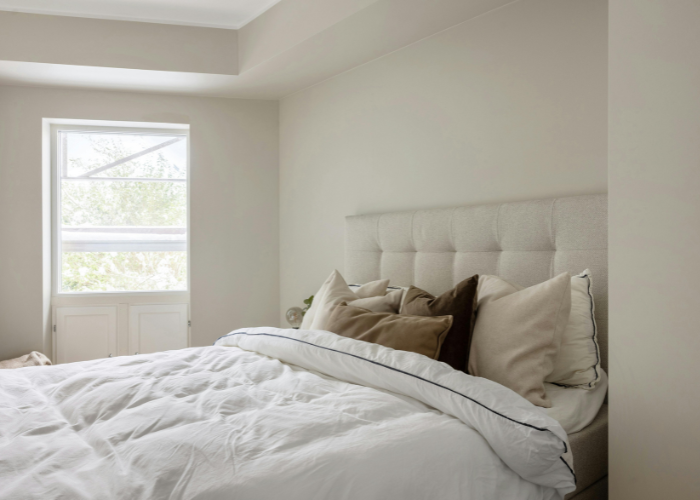
Creating a sleep space that feels like a sanctuary isn’t just about a high-end mattress or an elegant headboard. Much of your comfort at night depends on how your bedding is layered. The right combination of sheets, blankets, and textures can improve the quality of your sleep.
If you’re setting up a king-size sleep haven or maximizing space with a cozy queen, understanding the art of layering is vital to year-round comfort. Here’s a guide to the essential elements and techniques for creating a layered bedding look that feels luxurious and supports better sleep.
Start With a Solid Foundation: The Fitted Sheet
Every good bedding setup begins with a fitted sheet. This base layer should fit snugly over your mattress, providing a smooth, breathable surface. Go for percale if you’re a hot sleeper or live in a warmer climate. Percale’s tight weave and matte finish keep things cool and crisp. If you prefer something silkie, sateen offers a buttery-soft feel and a slight sheen that adds elegance to your bed.
Some brands now offer fitted sheets with deep pockets and hidden elastic to ensure a secure fit, especially for thicker mattresses or those with toppers. It’s a small detail, but one that makes a noticeable difference in your sleep experience.
Layer One: The Flat Sheet
Next is the flat sheet, a layer often overlooked in modern minimalist trends but a favorite among those who prefer a hotel-style setup. This sheet acts as a barrier between you and your blankets, keeping your top layers cleaner and your temperature more regulated.
Select a material that aligns with your sleep habits. In cooler months, flannel adds cozy warmth. During summer, lightweight cotton or bamboo keeps things breathable.
Layer Two: The Blanket or Quilt
A mid-weight layer, such as a quilt or woven blanket, adds dimension to your bedding while helping manage temperature fluctuations. This layer is invaluable for transitional seasons like spring and fall when you need something more than a sheet but less than a duvet.
Look for materials such as cotton or cotton blends that provide breathability without being too heavy. Neutral colors are ideal if you plan to change your top layer with the seasons.
Layer Three: The Duvet or Comforter
This is your topmost functional layer, often the visual centerpiece of the bed. A lofty duvet with a plush insert brings volume and coziness, especially in colder months. For hot sleepers, consider a lighter-weight comforter or a duvet with a cooling fill.
Cover your duvet with a removable cover; it makes it easier to wash than the insert and allows you to switch styles easily. Choose tones that complement your overall room aesthetic, whether that’s warm neutrals, soft pastels, or nature-inspired hues trending in 2025 and 2026.
Add Texture With Decorative Shams and Pillowcases
This is where function meets style. Standard and king pillowcases provide the comfort your skin touches each night, so investing in high-quality, breathable options is worth it.
Pillow shams, on the other hand, are all about presentation. When placed in front of sleeping pillows, they add dimension and polish to your bedding setup. Combining fabrics such as crisp percale and smooth sateen can create tactile contrast and a layered look.
Brands like Doze Bedding offer collections focused on comfort-driven design, featuring long-staple cotton pillowcases in breathable weaves and thoughtful details, such as hidden zippers, for a seamless look. These small touches enhance the aesthetics of your sleep setup without overpowering the design.
Don’t Forget the Throw Blanket
A folded throw at the foot of the bed adds a final touch of coziness. Whether you choose a chunky knit, lightweight linen, or faux fur, throws are a low-commitment way to adjust your bedding based on the season or mood.
During warmer months, fold your duvet back halfway and drape a lighter throw for visual contrast. In colder seasons, let the throw add both texture and extra warmth.
Matching Size to Setup
Your bed size will influence how you layer. A standard king (76×80 inches) offers more surface area for layering patterns and textures, while a California king (72×84 inches) benefits from longer-length textiles.
For queen beds, sleeker layers such as sateen sheets and low-profile blankets help prevent the bed from feeling too crowded. In small rooms, stick to coordinated colors and fewer textures to avoid visual clutter.
Adding visual aids, such as dimension charts or side-by-side comparisons, can help when choosing between bed sizes, especially for readers researching space constraints or exploring budget-friendly furnishing strategies.
Tips for Seasonal Swaps
Layering doesn’t have to mean extra heat in summer. Swap out heavy inserts for lighter versions or replace flannel with linen or Tencel sheets. Your layering approach should evolve with the weather:
- Winter: Flannel sheets, thick quilts, and insulated duvets.
- Spring/Fall: Cotton layers and mid-weight blankets.
- Summer: Crisp percale, lightweight throws, and breathable pillowcases.
Final Thoughts
Layering your bedding helps create a comfortable, adaptable sleep environment tailored to your personal needs and style. From breathable base sheets to decorative touches that reflect your aesthetic, each layer has a role in enhancing your sleep sanctuary.
Take your time, experiment with textures, and most importantly, layer with purpose. Your bed is where your day begins and ends. Make it count.