

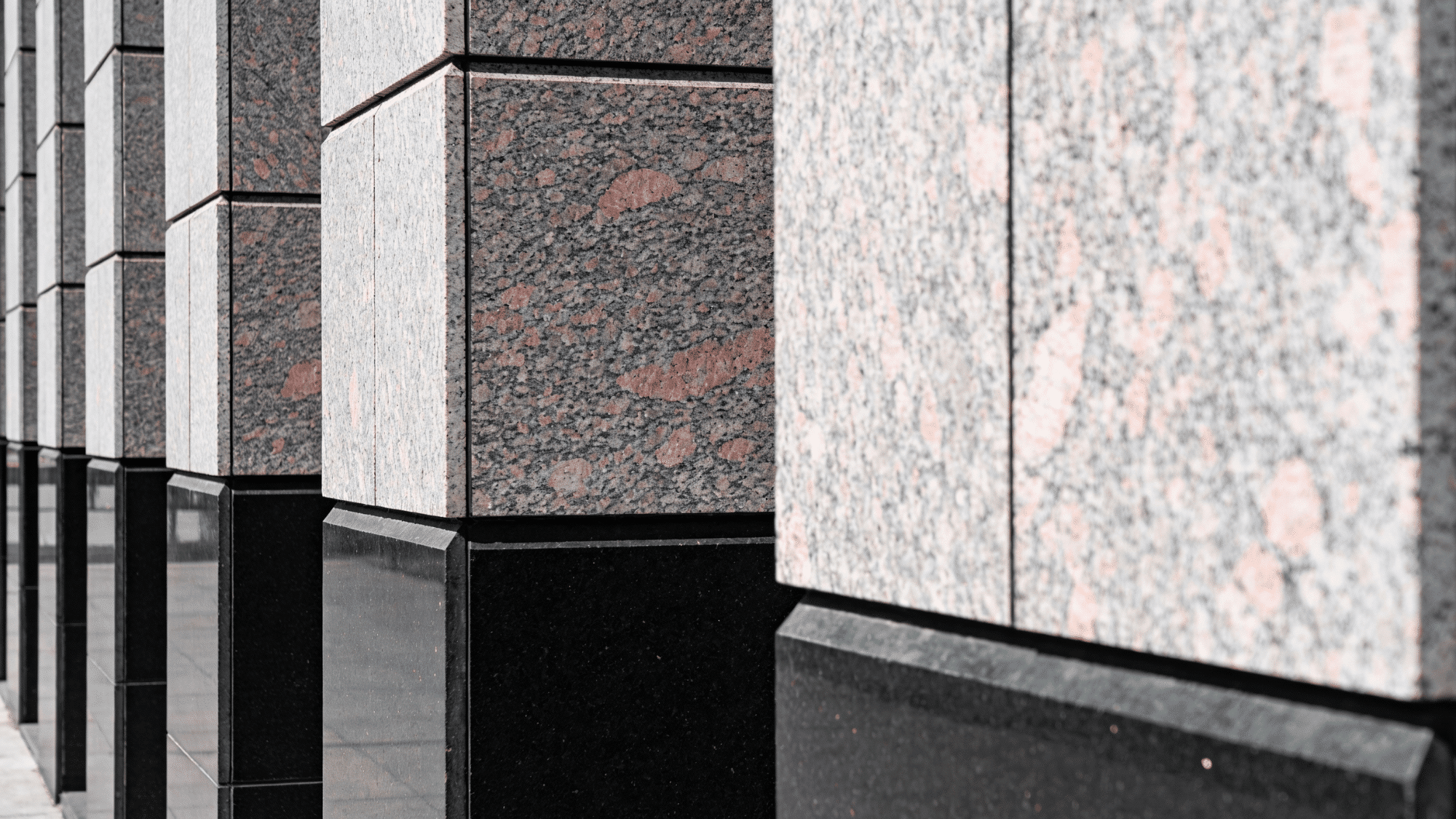
Looking to give a home’s exterior a fresh makeover? Stone might just be the answer. It’s tough, ageless, and adds that extra bit of character a house needs.
But not all stone is created equal. From sleek modern looks to rustic charm, there’s a style for every taste. And with 2026 right around the corner, some exciting trends are shaping up.
This blog breaks down the best types of exterior house stone making waves this year. It covers what’s hot, what works, and how to pick the right one.
Ready to see what’s out there? Let’s get into it.
Why Choose Natural Stone for Your House Exterior?
Natural stone brings something special to a home’s exterior that manufactured materials just can’t match. Each piece is unique, with its own texture, color variations, and natural beauty.
It’s incredibly durable, too. Stone stands up to harsh weather, resists fire, and can last for generations with minimal maintenance. That means fewer repairs and long-term savings.
Beyond practicality, natural stone adds serious curb appeal. It boosts property value and gives a home that refined look.
Plus, it’s eco-friendly since it comes straight from the earth without heavy processing. For homeowners wanting both style and substance, natural stone checks all the boxes.
Top Popular Types of Exterior House Stone
Exterior house stone adds durability, beauty, and character to facades, offering natural textures, colors, and long-lasting performance suited to varied climates, styles, and architectural preferences worldwide across residential design needs.
1. Granite
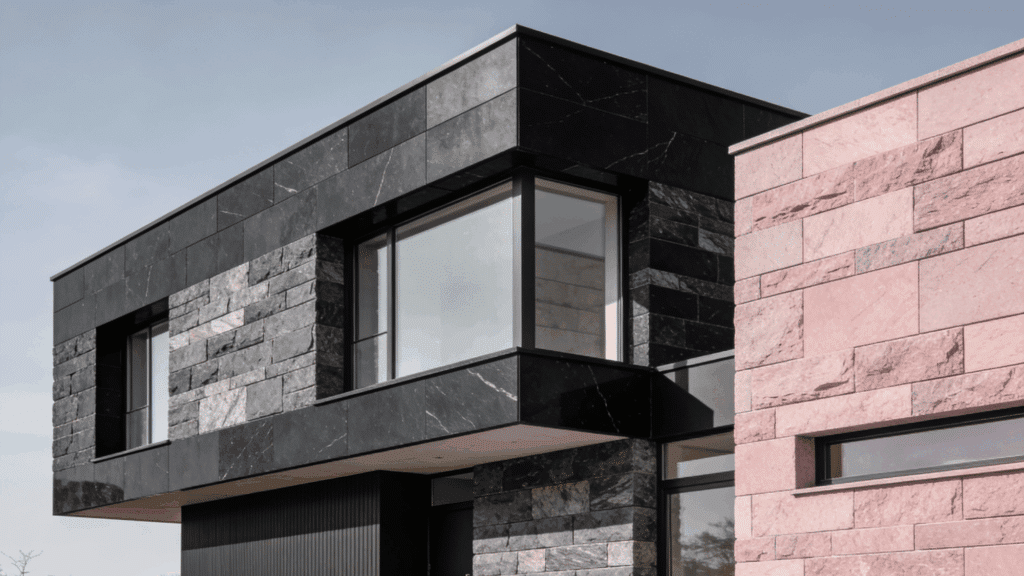
Granite is an igneous stone prized for its exceptional hardness and resistance to weather, stains, and moisture.
It performs extremely well in harsh climates with heavy rain, snow, or temperature fluctuations. Commonly found in black, gray, and pink shades, granite delivers a bold, classic look.
Its low porosity makes it ideal for exterior walls, foundations, and accent features requiring minimal maintenance.
2. Limestone
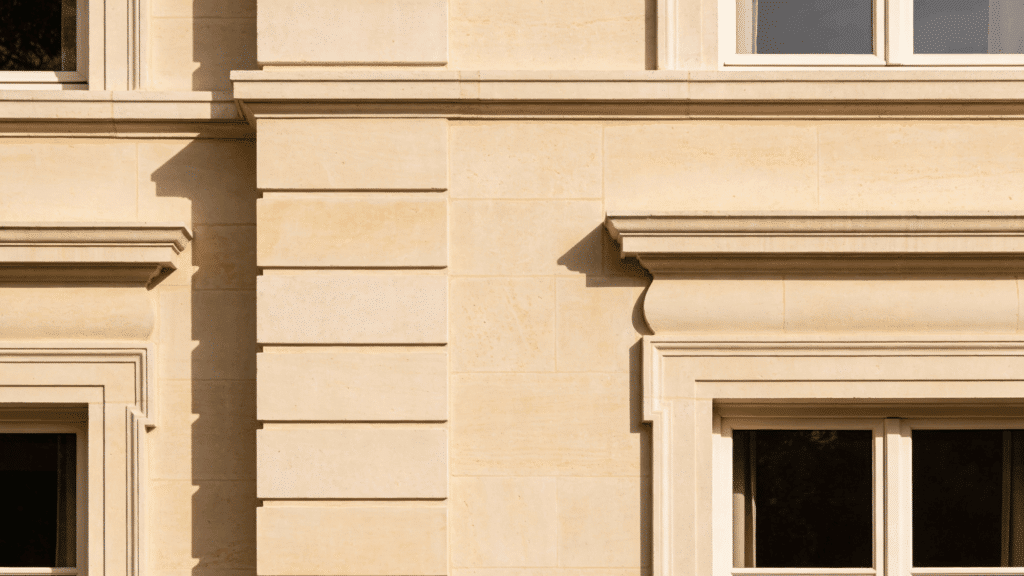
Limestone is a sedimentary stone known for its soft texture and refined, graceful appearance. Its warm earth tones, such as beige, cream, and light gray, suit classical and traditional home designs beautifully.
While visually appealing, limestone is more porous than harder stones and requires proper sealing for exterior use. With maintenance, it provides a refined, old-world charm to facades.
3. Sandstone
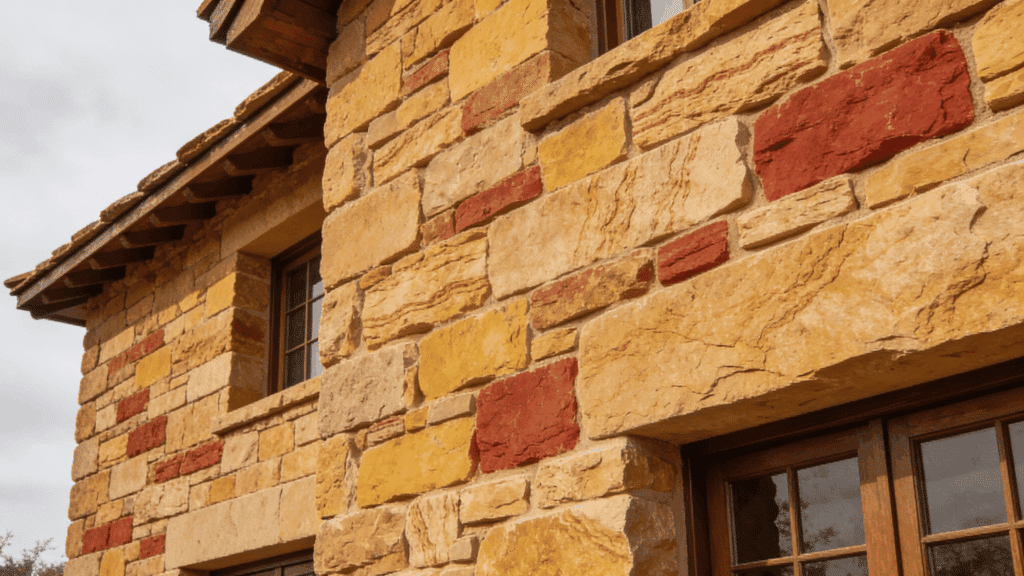
Sandstone is a sedimentary stone valued for its rustic appeal and naturally textured surface.
Featuring warm yellow, tan, and red hues, it brings an earthy character to exterior walls and boundary structures. Its naturally slip-resistant surface makes it suitable for patios and vertical applications.
While moderately durable, sandstone benefits from sealing to protect against moisture and long-term weather exposure.
4. Slate
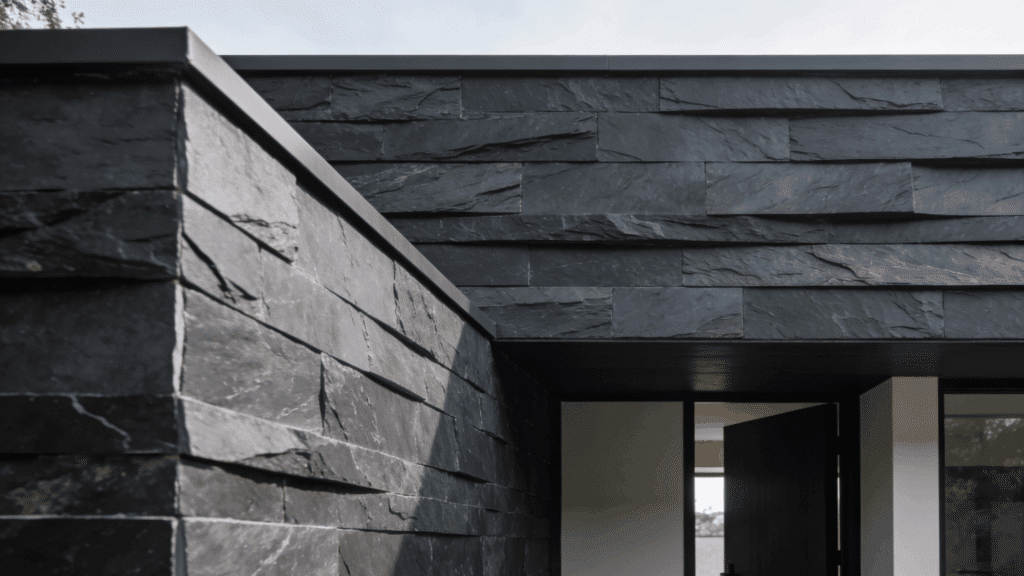
Slate is a metamorphic stone recognized for its thin layers and sleek, contemporary look. It resists fire, frost, and moisture exceptionally well, making it suitable for challenging climates.
Slate commonly appears in dark gray, black, and muted green tones, lending a modern, minimalist aesthetic.
Its natural cleft texture adds subtle depth, making it popular for facades, cladding, and accent walls.
5. Travertine
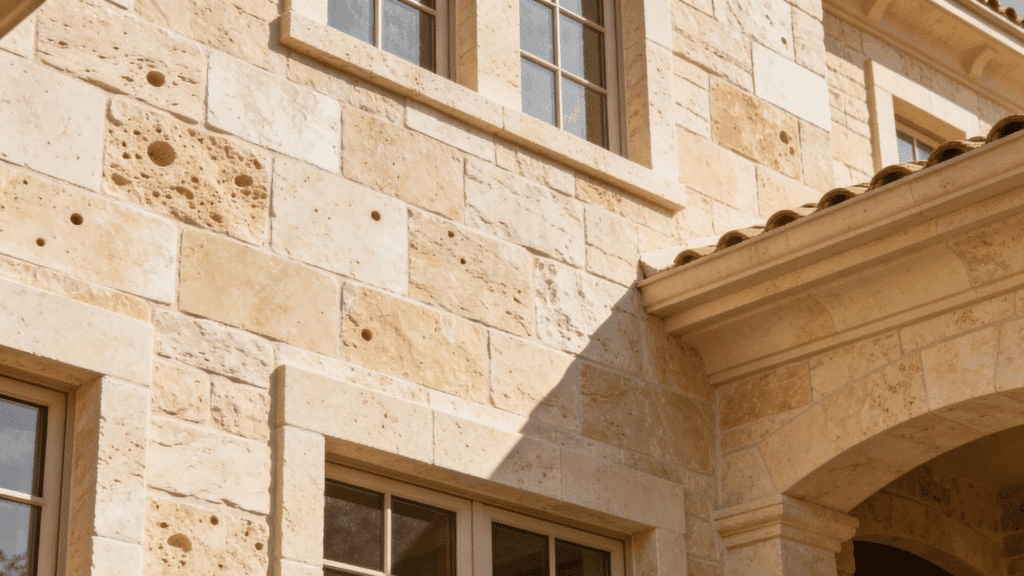
Travertine is a limestone variant characterized by its porous structure and warm, inviting tones.
Often associated with Mediterranean and European architecture, it adds softness to exterior walls. Due to its natural pores, travertine requires filling and sealing before outdoor installation.
When properly treated, it performs well while offering a relaxed, upscale appearance ideal for feature walls and facades.
6. Quartzite
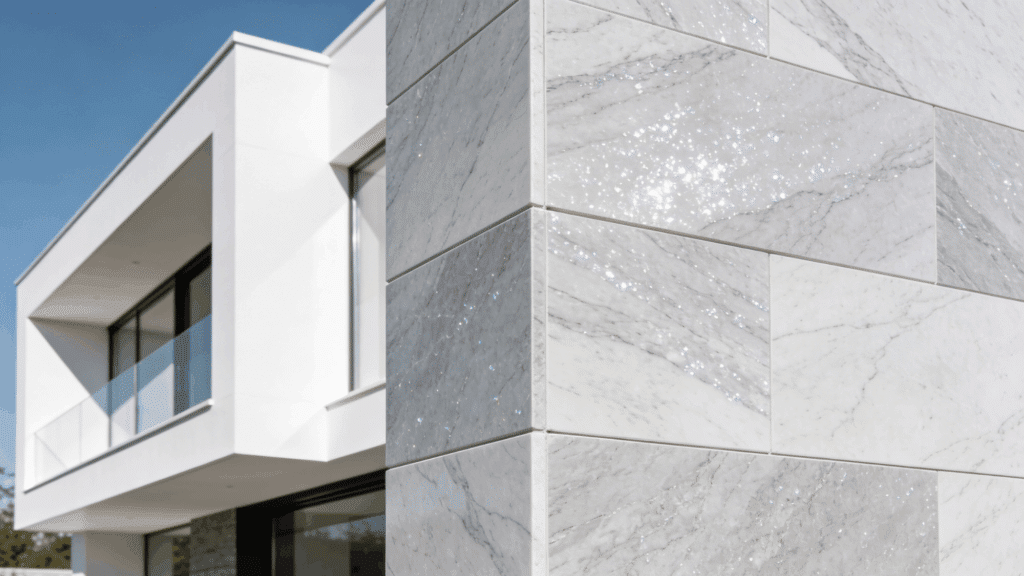
Quartzite is a metamorphic stone that surpasses granite in hardness while offering a refined, crystalline appearance.
Its bright whites, soft grays, and subtle sparkle make it highly desirable for modern exteriors. Quartzite is resistant to UV rays, heat, and moisture, ensuring long-lasting performance.
This stone combines luxury with strength, making it ideal for facades exposed to intense sunlight and weather.
7. Marble
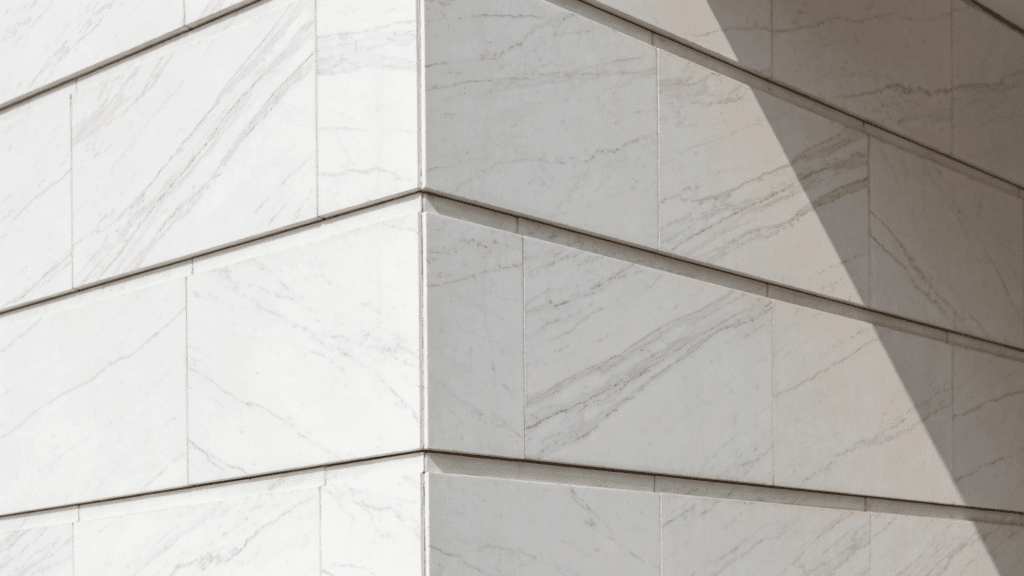
Marble is a metamorphic stone celebrated for its luxurious veining and polished surface. It adds refinement and visual impact to exterior applications when used selectively.
While stunning, marble is more susceptible to weathering and staining over time.
For this reason, it is best suited for protected areas, accents, or decorative facades where aesthetics are prioritized over heavy environmental exposure.
8. Fieldstone
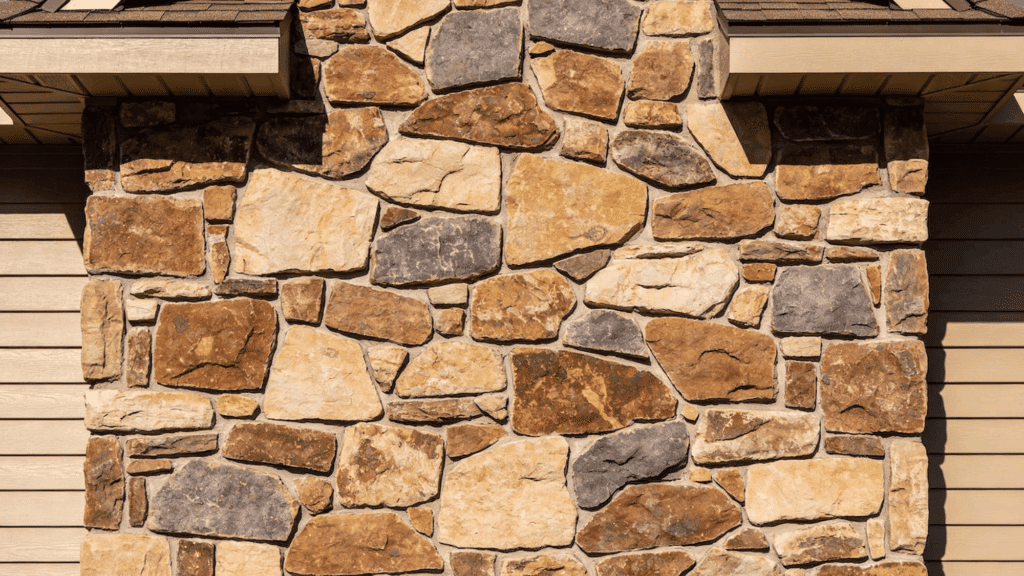
Fieldstone consists of naturally gathered stones with irregular shapes and organic textures. It creates a rustic, handcrafted look that blends seamlessly with natural landscapes.
Often used in country-style or cottage homes, fieldstone adds warmth and authenticity.
Its varied sizes and colors make every installation unique. Fieldstone is durable and works well for full facades, boundary walls, and garden-facing exteriors.
9. Cobblestone
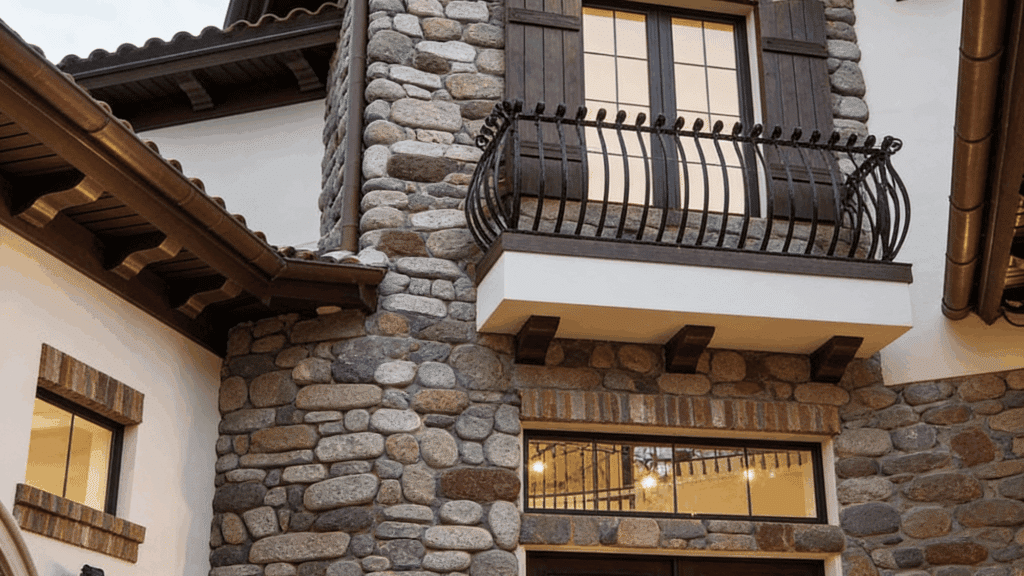
Cobblestone features rounded stones traditionally sourced from riverbeds or fields.
Known for its historic charm, it has been used for centuries in foundations, base courses, and architectural detailing.
Cobblestone is extremely durable and weather-resistant, making it suitable for exterior wainscoting, piers, and accent areas. Its old-world appeal pairs well with traditional and heritage-style homes.
10. Basalt
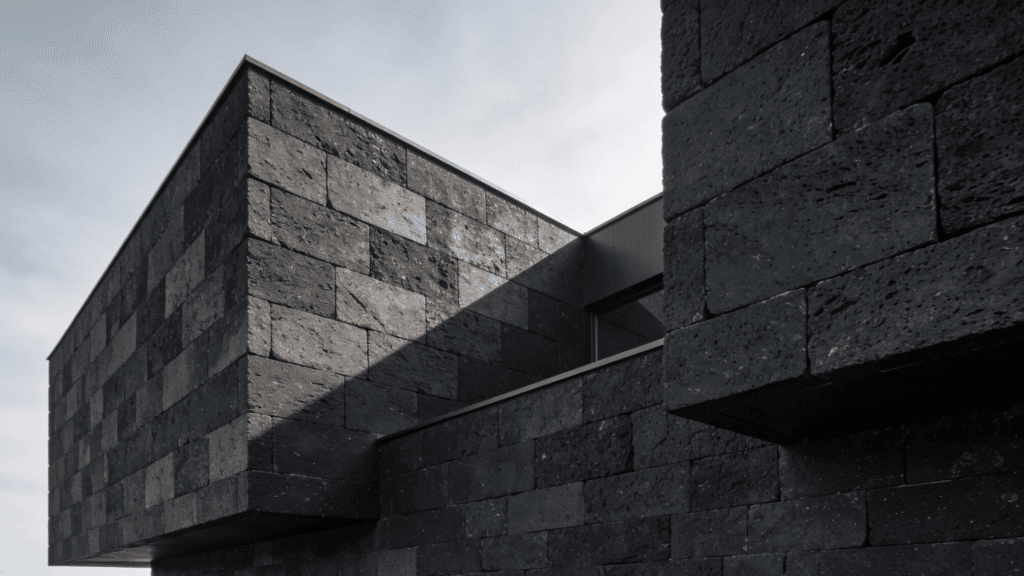
Basalt is a volcanic igneous stone recognized for its dense structure and uniform dark appearance.
Typically found in deep gray or black shades, it delivers a sleek, contemporary aesthetic. Basalt is highly durable, resistant to weathering, and low in porosity.
These qualities make it an excellent choice for modern exterior cladding, feature walls, and minimalist architectural designs.
11. Bluestone
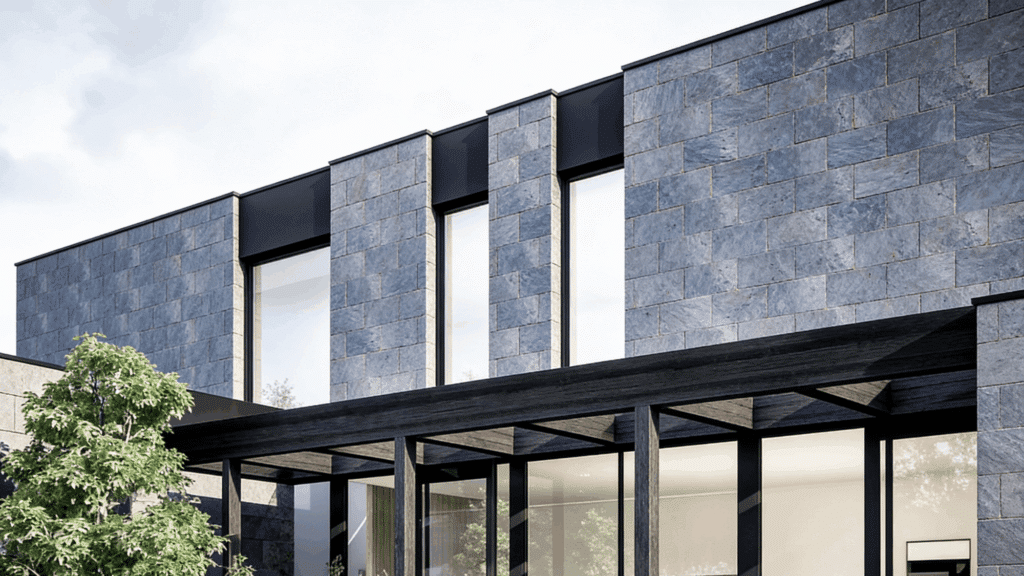
Bluestone is a type of sandstone or siltstone admired for its rich blue-gray coloration. It offers a premium, upscale look suitable for both traditional and modern homes.
Bluestone performs well outdoors due to its strength and resistance to wear.
Commonly used for facades, walkways, and vertical applications, it provides a refined yet natural appearance that ages gracefully over time.
12. Flagstone
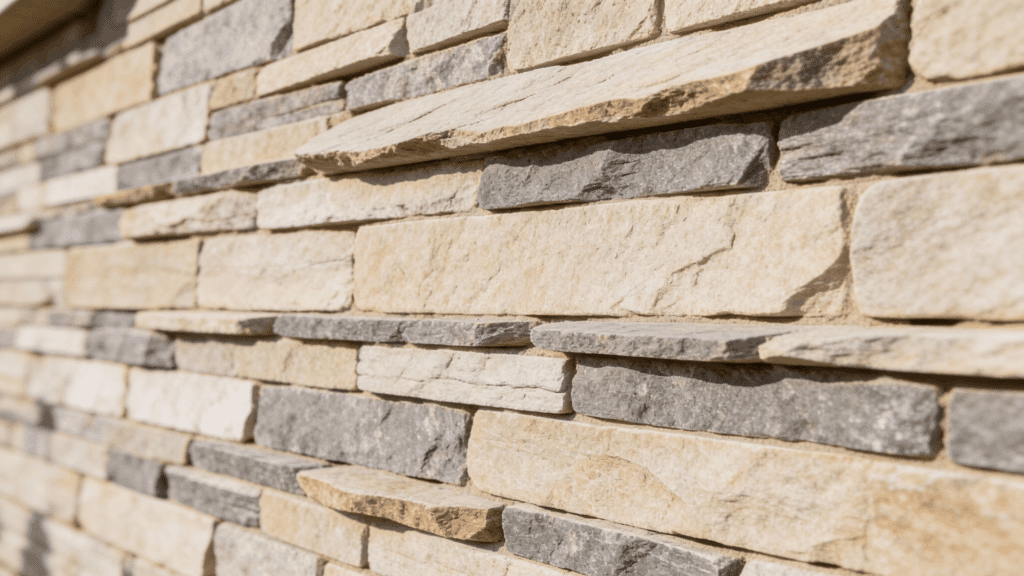
Flagstone refers to flat, split stone slabs commonly made from sandstone or limestone. Its layered, natural edges create a relaxed and organic look.
Flagstone is versatile, working well for exterior walls, low facades, and decorative features. Its natural ledges and texture add depth and character.
Proper installation ensures durability, making it a practical and visually appealing exterior stone option.
13. Gneiss
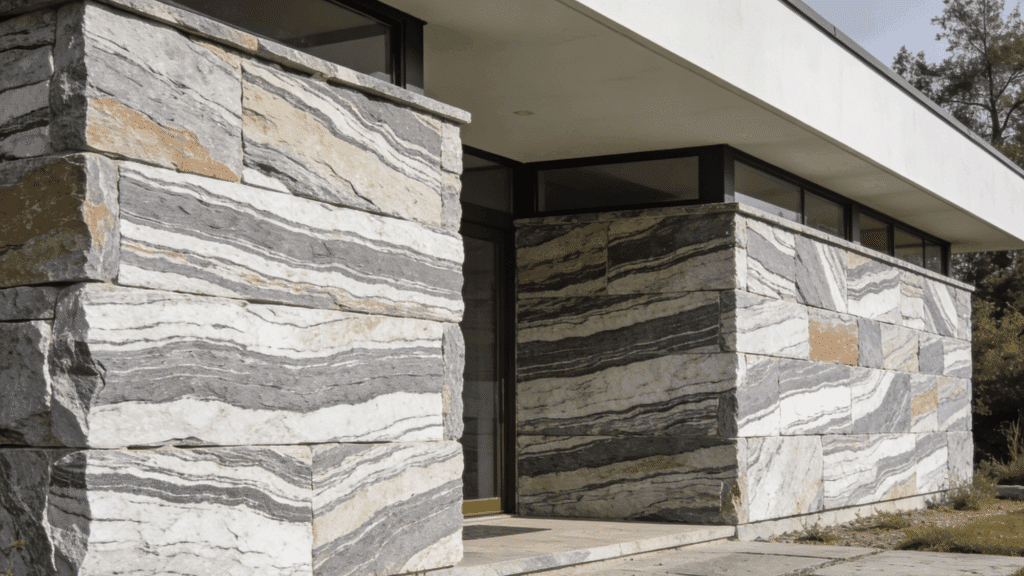
Gneiss is a metamorphic stone distinguished by its banded, foliated patterns and granite-like durability.
It offers excellent resistance to weather and structural stress, making it suitable for exterior applications. The unique layered appearance adds visual interest and texture to facades.
Gneiss works particularly well as an accent stone, combining strength with a striking, natural aesthetic.
Best Exterior House Stone for Your Climate and Style
Choosing the right stone means matching it to both the local climate and the home’s overall design aesthetic.
| Climate/Style | Best Stone Type | Why It Works |
|---|---|---|
| Hot & Dry | Limestone, Sandstone | Reflects heat, stays cool, resists fading |
| Cold & Wet | Granite, Slate | Non-porous, freeze-thaw resistant, durable |
| Coastal Areas | Granite, Quartzite | Resists salt damage and moisture |
| Modern Style | Basalt, Slate | Clean lines, sleek dark tones |
| Rustic Style | Fieldstone, River Rock | Natural, textured, earthy appeal |
| Traditional Style | Brick, Limestone | Classic look, timeless charm |
Maintenance Tips to Keep Your Stone Veneer Pristine
Keeping stone veneer looking fresh doesn’t require much effort. A few simple maintenance habits go a long way in preserving its beauty and extending its lifespan.
- Clean the surface twice a year with water and a soft brush to remove dirt and debris.
- Seal the stone every 3-5 years to protect against moisture and staining.
- Check for cracks or loose pieces regularly and repair them promptly to prevent further damage.
- Avoid pressure washers on softer stones as they can cause erosion and surface damage.
- Clear gutters and downspouts to prevent water from pooling against the stone.
- Remove moss or mildew with a gentle cleaning solution designed for natural stone.
The Bottom Line
Stone transforms a home’s exterior into something truly special. Whether it’s the rugged charm of fieldstone or the sleek sophistication of slate, there’s a style that fits every vision and budget.
Climate matters, style matters, and proper maintenance keeps everything looking sharp for years. The trends heading show that homeowners aren’t just chasing looks; they want durability and value too.
So, what’s the next move? Pick a stone that speaks to personal taste, matches the local weather, and complements the home’s character.
With the right choice, that exterior won’t just look good today; it’ll stand strong for decades.