

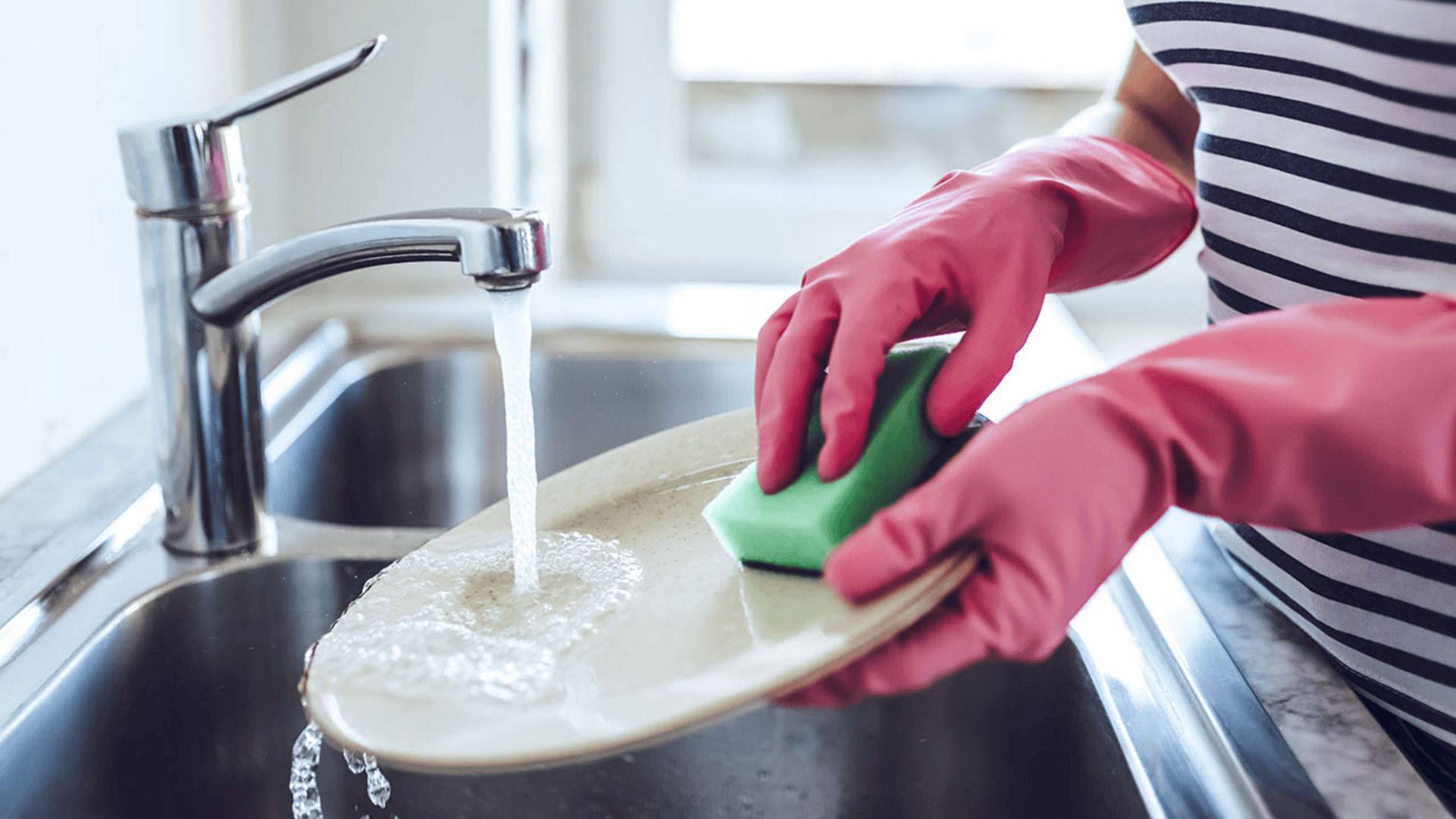
I once stood at the sink with dirty dishes and no dish soap, wondering if I could wash my dishes with hand soap and call it a day.
If you have been there too, you are not alone, and the answer is not as simple as yes or no. In this article, I walk you through what happens when you use hand soap on plates, cups, and pans.
I explain how hand soap cleans, how it reacts with food grease, and what it can leave behind.
You will also learn when using it once is fine, when it can cause problems, and why dish soap is made differently.
I keep things clear and practical, so you know what works and what to avoid. By the end, you will know what to do the next time your dish soap runs out.
Can You Wash Dishes with Hand Soap Safely?
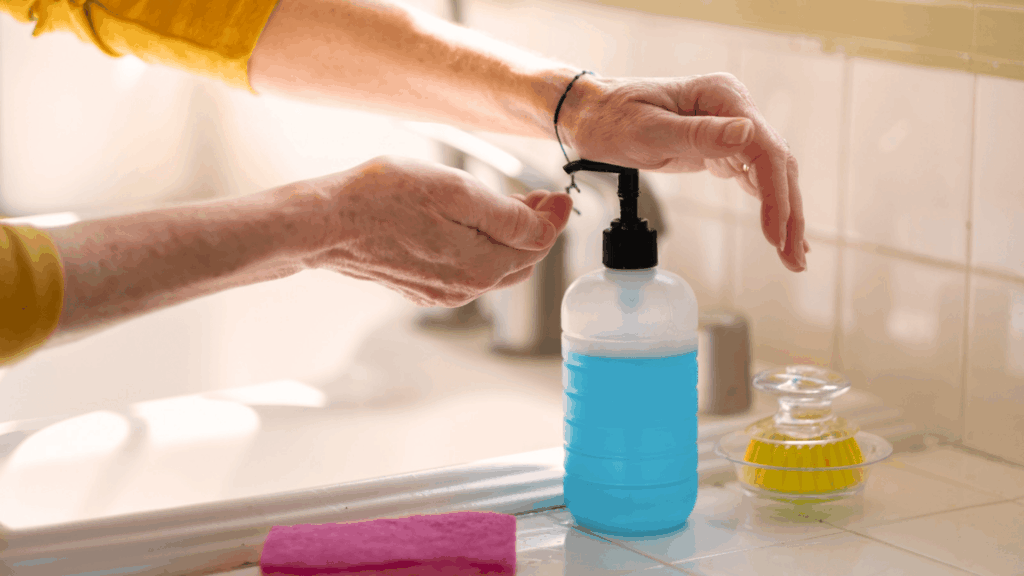
Yes, you can wash dishes with hand soap in a pinch, but it is not the best or safest choice for regular use. I want to be clear upfront so you know what to expect.
Hand soap is made to clean skin, not food residue, grease, or plates you eat from every day.
It may remove light dirt if you have nothing else, but it often leaves a soapy film behind. That residue can affect taste and may upset your stomach over time.
It is okay for a one-time emergency, like when dish soap runs out, and you need to clean a few items.
It should not replace dish soap because it is harder to rinse off and is not designed for food surfaces. Dish soap breaks down grease better and rinses clean.
If you care about safety and clean results, dish soap is the right tool.
What Is the Difference Between Hand Soap and Dish Soap?
Both soaps may look similar, but they are made with different goals in mind. The way they clean, rinse, and react to grease is not the same.
| Feature | Hand Soap | Dish Soap |
| Main purpose | Cleans skin while keeping it soft | Cleans dishes and removes food grease |
| Formula focus | Mild cleaners with moisturizers | Strong grease-cutting agents |
| Grease removal | Struggles with oil and heavy food grease | Breaks down grease fast |
| Rinsing | Takes longer to rinse fully | Rinses clean with less water |
| Residue left behind | Can leave a soapy film | Designed to leave no residue |
| Skin safety | Safe for frequent skin contact | Can dry out hands with frequent use |
| Food surface use | Not designed for plates or cookware | Made for food-contact surfaces |
Does Hand Soap Leave Residue on Dishes?
Yes, hand soap can leave residue on dishes. This happens because hand soap is made to stick to skin, not rinse fast from hard surfaces.
When you wash plates, cups, or utensils with it, a thin film can stay behind even after rinsing.
That film may not be easy to see, but it can affect taste and smell. It also means you may swallow small amounts without realizing it.
Residue matters more on items you put in your mouth, like cups, forks, and spoons.
Over time, this can upset your stomach or leave a soapy flavor on food. Hand soap also needs more water to rinse off fully, which makes cleaning harder.
Dish soap is designed to rinse clean and break down grease fast.
That is why hand soap should only be a short-term backup, not a regular choice.
Are There Health Risks from Using Hand Soap?
Using hand soap on dishes once in a while is usually not dangerous. Still, it can cause mild issues, especially if it becomes a habit.
1. Skin Irritation
Hand soap left on dishes can transfer to your hands, lips, or mouth during use.
Over time, this may cause mild skin irritation, especially for people with sensitive skin. You might notice dryness, redness, or itching after handling plates or utensils.
This happens because hand soap often contains fragrances and additives meant for skin washing, not repeated contact through dishes.
While the risk is low, frequent exposure can make irritation more likely, especially if dishes are not rinsed well.
2. Stomach Discomfort
Small amounts of hand soap residue can end up in your food or drinks if dishes are not rinsed fully.
Swallowing tiny traces once is unlikely to cause harm, but repeated exposure may lead to mild stomach discomfort.
This can include nausea, bloating, or an upset stomach in some people. Hand soap is not made for food contact, which is why this matters.
Using dish soap helps reduce this risk because it is designed to rinse clean from plates and cups.
3. Taste and Smell Sensitivity
Hand soap residue can affect how food and drinks taste or smell. Some people are more sensitive to scents and flavors, so even a small amount can be noticeable.
You may notice a soapy taste in water, coffee, or food served on washed dishes.
This can reduce appetite or make meals less enjoyable.
While this is not a serious health risk, it can be frustrating over time. Dish soap is made to rinse off fully, which helps prevent these changes during everyday use.
4. Mild Allergic Reactions
Some hand soaps contain fragrances, dyes, or preservatives that can trigger mild allergic reactions.
When residue stays on dishes, these ingredients may come into contact with your lips or mouth. This can cause mild reactions such as tingling, dryness, or slight swelling in sensitive people.
These reactions are usually not severe, but they can be uncomfortable. Using products made for food-contact surfaces lowers this risk.
Dish soap formulas are designed to clean thoroughly while reducing leftover residue on dishes.
Can Hand Soap Affect Taste or Smell?
Hand soap is designed to stick to skin, which makes it harder to rinse off plates and utensils. Because of this, it can leave behind residue that affects the taste or smell of dishes.
This happens when a thin layer of soap stays on plates, cups, or utensils after washing.
Even if dishes look clean, a light scent or soapy taste can remain. This is more noticeable with cups, glasses, and silverware since they go straight to your mouth.
Smell and taste changes matter because they affect how food and drinks feel, even if the dish looks fine.
You may notice a strange aftertaste or a mild soap smell in water or food.
Dish soap is designed to rinse clean, which helps avoid this problem. That is why hand soap should only be used when nothing else is available.
Can You Use Laundry Detergent to Wash Dishes?
No, you should not use laundry detergent to wash dishes. Laundry detergent is made for fabric, not plates, cups, or utensils.
It contains stronger cleaning chemicals designed to remove stains, oils, and odors from clothing.
These chemicals do not rinse away easily from hard surfaces. This creates a higher risk than hand soap because detergent residue can stay on dishes and mix with food or drinks.
Even small amounts can cause stomach discomfort, nausea, or irritation.
Laundry detergent also leaves behind scents and additives that affect taste and smell. It can damage dishware over time and irritate skin during washing.
Dish soap is made for food-contact surfaces and rinses clean.
If dish soap is not available, hand soap is a safer short-term backup. Laundry detergent should never be used on dishes.
Best Alternatives if You Run out of Dish Soap
If dish soap runs out, a few safer options can help in the short term. These choices are common household items and work best for light cleaning.
1. Baking Soda
Baking soda is a gentle cleaner that works well on lightly dirty dishes. It helps remove odors and mild food residue without leaving a strong film behind.
Sprinkle a small amount on a sponge and scrub plates or cups with warm water.
It does not cut heavy grease, so it works best for quick rinses or glassware. Make sure to rinse well to avoid any grainy feel. This is a simple option when dishes are not very greasy.
2. White Vinegar and Water
White vinegar mixed with warm water can help clean cups, bowls, and utensils.
It breaks down light grease and removes smells from dishes. Use a small amount on a sponge or soak items briefly before rinsing.
Vinegar does not foam, so it may feel different from soap.
It also should not be used on stone or cast iron. Rinse well after cleaning to remove the sour smell before using the dishes again.
3. Hot Water and Scrubbing
Sometimes hot water and a good scrub are enough for basic cleaning.
This works best when dishes are rinsed right after use. Heat helps loosen food and grease, making it easier to remove with a sponge or brush.
While this method does not disinfect, it can clean plates well enough in a pinch.
Dry dishes fully after washing. This option is best for short-term use until proper dish soap is available.
Conclusion
If you take one thing away from this, it is that dish soap exists for a reason. Hand soap may work once when you are stuck, but it is not made for the plates, cups, or utensils you use every day.
It can leave residue, affect taste, and cause mild issues over time. Laundry detergent should never be an option.
When dish soap runs out, safer short-term choices like baking soda, vinegar, or hot water can help until you restock. The best next step is simple.
Keep a small backup of dish soap at home so you are not guessing at the sink again. If you have ever tried hand soap or another substitute, share what happened for you in the comments below.
Your experience may help someone else avoid the same mistake.