

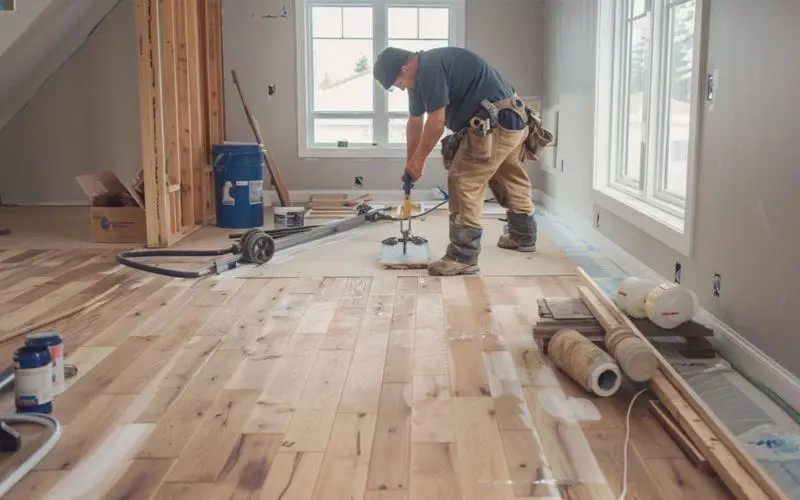
Installing new flooring is one of the most impactful upgrades you can make in any home or commercial space. Whether it is hardwood, laminate, vinyl, or tile, flooring plays a major role in the overall appearance, comfort, and durability of an interior.
However, many installation projects fail to deliver long-lasting results because of avoidable mistakes made during planning or execution. When installing Flooring in Dubai, understanding these common errors and learning how to prevent them can save both money and frustration while ensuring a professional-quality finish that lasts for years.
Poor Subfloor Preparation
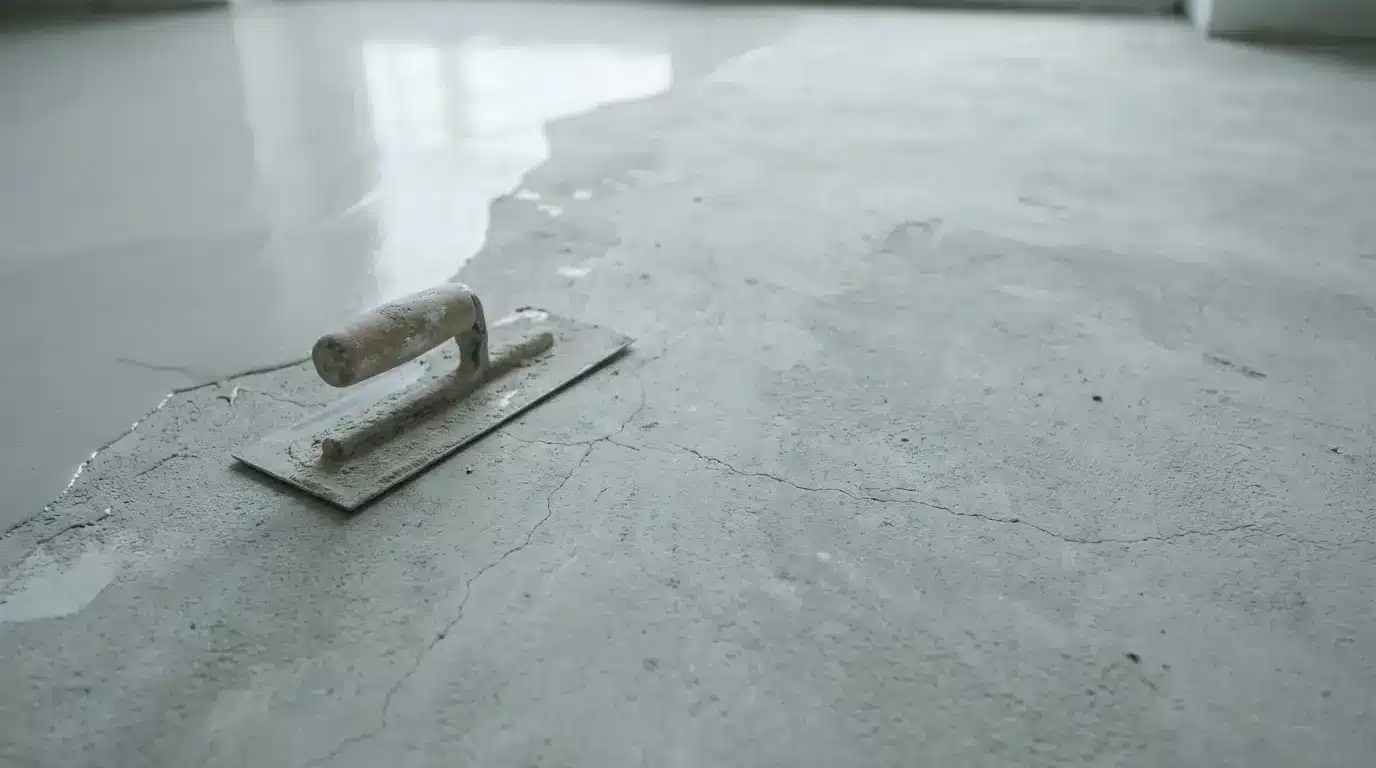
One of the most frequent mistakes in flooring installation is neglecting proper subfloor preparation. The subfloor acts as the foundation for any flooring material, and if it is uneven, damp, or dirty, the final result will never be stable. Many installers rush this step, assuming that new flooring will cover imperfections, but even minor irregularities can lead to squeaking, cracking, or uneven surfaces over time.
To avoid this problem, the subfloor must be thoroughly inspected before installation begins. Any cracks should be repaired, moisture levels should be tested, and the surface should be cleaned completely. In some cases, leveling compounds may be required to create a smooth base.
Taking time at this stage ensures that the flooring material adheres properly and performs as expected.
Ignoring Moisture and Humidity Levels
Another major mistake is failing to account for moisture and humidity conditions in the installation environment. Wood-based flooring materials are especially sensitive to changes in humidity, which can cause expansion, warping, or buckling if not managed properly. Even tile and vinyl flooring can be affected if moisture is trapped beneath the surface.
To prevent this issue, it is important to acclimate flooring materials to the room where they will be installed for at least 48 to 72 hours.
Additionally, moisture barriers should be used when necessary, particularly in basements or ground-level rooms. Proper ventilation and climate control also play an important role in maintaining long-term stability.
Incorrect Measurement and Planning
Accurate measurement is essential for a successful flooring project, yet many installation problems begin with poor planning. Underestimating the amount of material required can lead to shortages, mismatched batches, and inconsistent finishes. On the other hand, overestimating without proper calculation can result in unnecessary waste and increased costs.
The best approach is to measure each room carefully, accounting for corners, doorways, and irregular shapes. It is also wise to purchase slightly more material than needed to cover cuts, errors, and future repairs. Proper planning ensures a smoother installation process and reduces the risk of interruptions once work has begun.
Using the Wrong Adhesives or Installation Methods
Choosing the wrong adhesive or installation technique is another common issue that can compromise the integrity of flooring. Different materials require specific installation methods, and using incorrect products can lead to lifting, gaps, or weak bonding. For example, tile flooring requires strong mortar, while laminate flooring often uses a click-lock system that does not require glue.
To avoid this mistake, it is important to follow manufacturer guidelines carefully. Every flooring type has recommended installation instructions designed to maximize performance and durability. Consulting a professional or doing thorough research before starting the project can prevent costly errors and ensure a secure finish.
Poor Cutting and Edge Finishing
Precision is critical when cutting flooring materials, especially around corners, walls, and fixtures. One of the most noticeable installation mistakes is poorly cut edges that create uneven gaps or visible imperfections. This not only affects the appearance but can also allow dirt and moisture to accumulate over time.
To achieve clean results, proper cutting tools should be used, and measurements should be double-checked before any cuts are made. Taking a slow and careful approach during this stage ensures that pieces fit perfectly and the final layout looks seamless. Paying attention to detail at the edges makes a significant difference in the overall quality of the installation.
Skipping Expansion Gaps
Many flooring materials, especially wood and laminate, naturally expand and contract with temperature changes. A common mistake is installing flooring too tightly against walls or fixed structures without leaving adequate expansion gaps. This can cause buckling, lifting, or surface damage over time as the material has no room to move.
To avoid this issue, installers should always leave a small expansion gap around the perimeter of the room. These gaps are usually covered with baseboards or molding, so they remain invisible while still allowing the flooring to adjust naturally. This simple step greatly improves long-term durability.
Rushing the Installation Process
One of the biggest yet most overlooked mistakes is rushing through the installation. Flooring projects require patience and attention to detail, and speeding through the process often leads to misalignment, uneven spacing, and weak bonding. Even experienced installers can make errors when trying to complete work too quickly.
The best approach is to follow a structured plan and allow adequate time for each stage of the process. From preparation to finishing touches, every step should be completed carefully. Rushing not only affects appearance but also reduces the lifespan of the flooring.
Lack of Proper Post-Installation Care
Even after successful installation, improper maintenance can undo all the hard work. Many homeowners neglect post-installation care, such as cleaning guidelines or protective measures, which can lead to early wear and damage. Each flooring type requires specific care routines to maintain its appearance and strength.
To avoid long-term issues, it is important to follow recommended cleaning methods and use appropriate cleaning products. Regular maintenance, combined with protective measures like rugs or furniture pads, helps preserve the flooring’s condition and extends its life significantly.
Conclusion
Flooring installation is a detailed process that requires careful planning, precision, and patience. Common mistakes such as poor subfloor preparation, incorrect measurements, and rushing the process can significantly affect the final result. By understanding these issues and taking proactive steps to avoid them, homeowners and installers can achieve a durable, attractive, and long-lasting flooring finish. A well-installed floor not only enhances the beauty of a space but also adds lasting value and comfort to any property.