

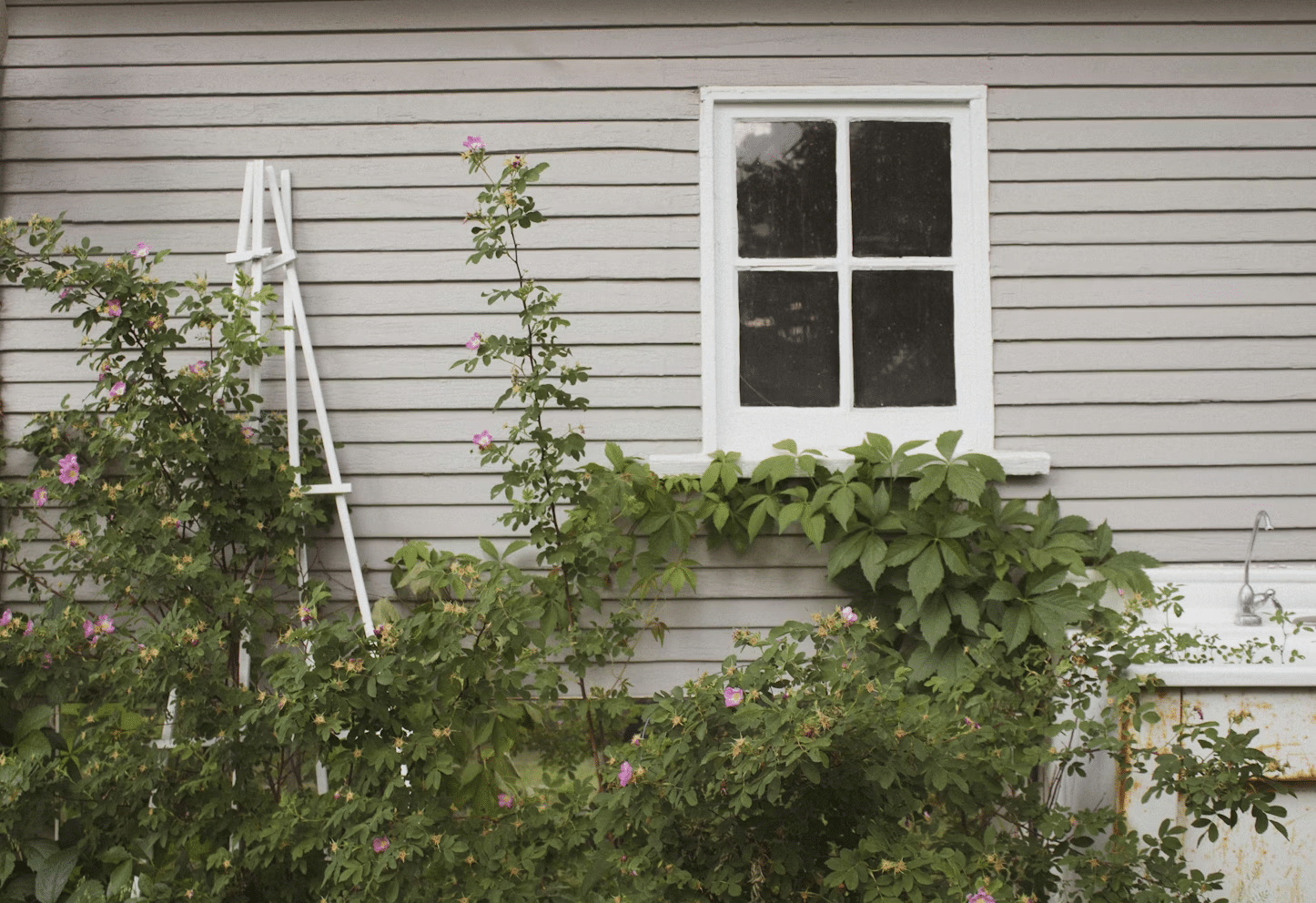
Feeling safe inside your own home is a fundamental need for every family. You do not always need a massive budget to improve your current situation or buy complex gadgets.
Simple adjustments to your daily routine can make a huge impact on your overall peace of mind. Many of the most effective changes are quick to do and do not require expert help or expensive tools.
This guide focuses on seven easy steps to make your property much harder for intruders to target. Taking a few minutes to check your locks or windows provides lasting benefits. These habits make your house a much safer place to live. By following a few basic principles, you can significantly lower the risk of crime around your house.
Thinking Like a Thief
Awareness is the first step in creating a secure environment for everyone inside. A regional safety guide notes that time, sound, and visibility are the main factors that stop a thief. If someone thinks they will be heard, they usually stay away from the area. Since they want to avoid attention, clear views around your doors are very helpful. You should check your property at night to see what a stranger might see.
Visibility and Yard Care
Keeping your shrubs trimmed and your lights on at night removes places where people can hide from view. Reviewing various window security tips allows you to spot tiny flaws that an intruder might use to get inside. Most problems are easy to fix once you know they exist.
Intruders prefer to work in the dark, where no one can see them from the street. You should maintain your yard so that neighbors can see your entry points clearly. A well – kept home shows that someone is paying attention to the property.
Ground Floor Weak Points
Entry points are the most vulnerable parts of any building or structure. Research from a safety group shows that 23 percent of first – floor windows are left open or have broken locks. It is easy to forget a latch after a nice day of fresh air in the spring.
You should walk around your yard and look at your house from the street to see any gaps. Check for any loose frames or old latches that look weak from a distance. Maintaining these areas prevents surprises later on and keeps your family safe. Small repairs can stop a big problem before it ever starts.
Locking Hardware Upgrades
A charity for the elderly suggests installing locks that require a key for all downstairs windows. This makes it much harder for someone to reach in and open the glass from the outside. Since these locks are visible, they act as a warning to anyone watching the house.
You can find these at most hardware stores for a low price. Making this change is a fast way to secure your ground floor. Keyed locks are a simple upgrade that provides a lot of value.
Strengthening Entry Doors
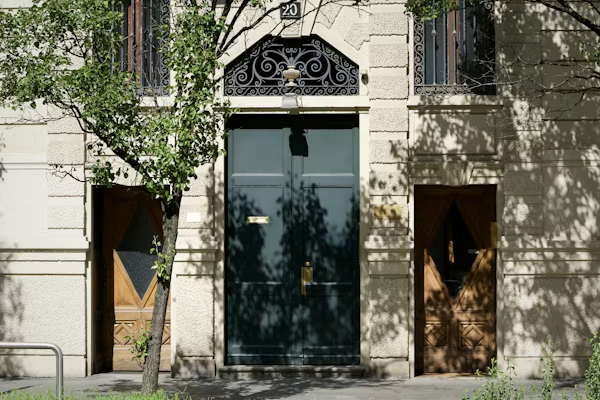
The front door needs to be as strong as possible to resist outside force. A law enforcement agency mentions that you should use 3 – inch screws to anchor your strike plate into the wall studs. Short screws often pull out easily if someone puts weight against the door during a break – in. Longer hardware creates a much stronger bond between the lock and the house frame.
This simple swap costs only a few dollars and takes about ten minutes with a drill. It is one of the best ways to upgrade your security without buying a whole new door system. Stronger screws make it much harder for a door to be kicked open. You should verify that the door frame itself is in good condition.
Garage and Outbuilding Security
Garages are often seen as easy targets by people looking for a quick win or expensive tools. Safety bulletins from a local city suggest keeping the garage door down even when you are working inside the house. Leaving it open displays everything you own to anyone passing by on the street.
- Use frosted film on garage windows to hide your belongings.
- Keep the internal door to the house locked at all times.
- Install a motion sensor light above the driveway.
- Check the tracks for wear and tear every few months.
A municipal website notes that frosted glass lets in light but hides your belongings from prying eyes. Since people cannot see your tools, they are less likely to break in. Keeping the area tidy also prevents thieves from finding ladders or tools to use.
Simple DIY Security Hacks
Some older windows do not have modern locking systems that can resist being pried open. A town safety manual explains how to drill a small hole through the inner frame and halfway into the outer one. You can then slide a nail into that hole to keep the window from sliding up or down.
This pinning technique is very effective and costs almost nothing for a homeowner to do. It stops the window from being forced open even if the main latch is weak or broken. Small DIY projects like this can significantly increase your level of protection. Plus, they give you a sense of accomplishment in your home care.
Protecting your house does not have to be a complicated task that takes weeks to finish. You can rest easy knowing you have taken the right steps to stay safe. Keeping your surroundings secure allows you to focus on the things that matter most in life.