

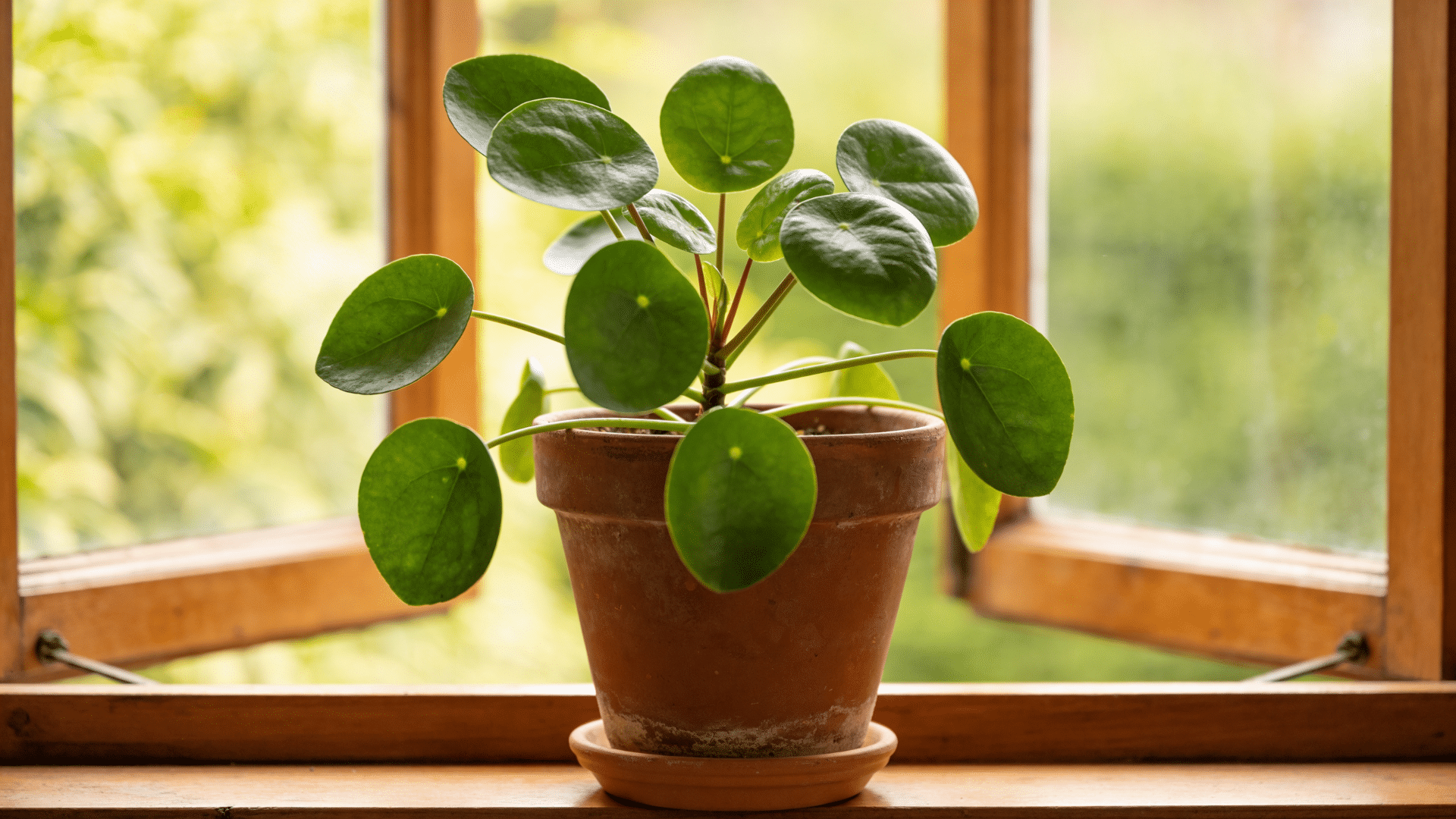
Taking care of houseplants used to feel confusing to me, especially in the beginning. I often wondered if I was watering too much, giving too little light, or using the wrong soil. If you’ve felt the same, you’re not alone.
Over time, I learned that most houseplants follow simple care rules. Once I understood the basics, everything became much easier.
In this guide, I’ll walk you through what really matters, how to water your plants the right way, where to place them for the best light, and how to choose the right soil and pots.
I’ll also share common problems you might face and easy ways to fix them. Plus, you’ll find simple routines and beginner-friendly plant ideas.
By the end, you’ll feel more confident and ready to keep your indoor plants healthy and happy.
What Is Houseplant Care?
Houseplant care means providing indoor plants with the conditions they need to grow and stay healthy. This includes proper watering, enough light, suitable soil, and a comfortable indoor environment.
Each plant has slightly different needs, but most follow the same basic care rules.
Good houseplant care helps plants grow strong roots, healthy leaves, and steady new growth. It also prevents common problems such as yellow leaves, root rot, and slow growth.
By paying attention to simple things like when to water and where to place your plant, you can keep it thriving for a long time.
Even beginners can succeed with houseplants by learning these easy and practical care habits.
The Most Important Houseplant Care Basics
Getting houseplant care right starts with a few simple habits. Focus on these three basics, and most indoor plants will grow healthy and strong.
1. Watering Your Houseplants the Right Way
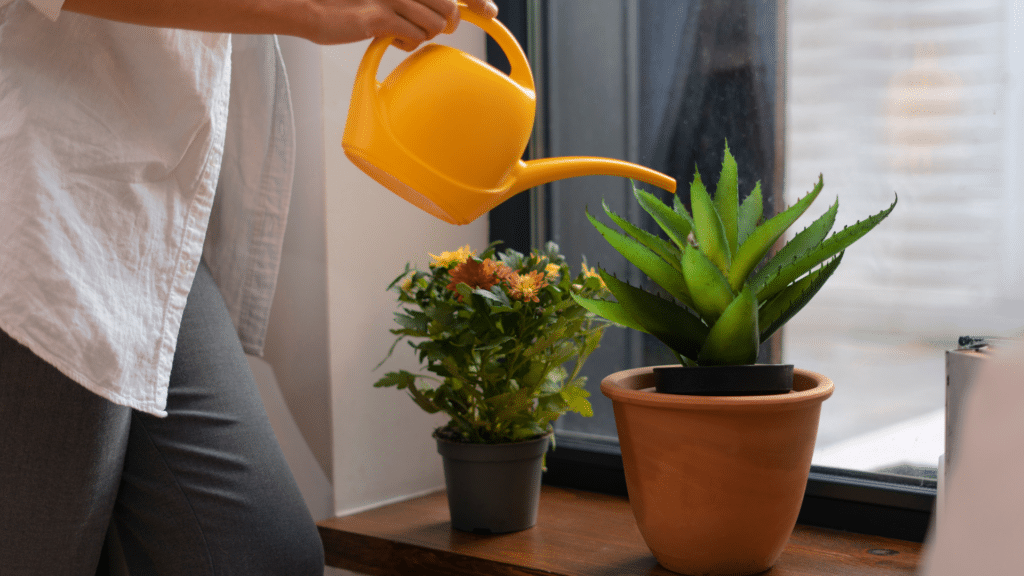
Watering is the most important part of houseplant care, but it’s also where many people go wrong. The key is to avoid watering on a fixed schedule.
Instead, check the top inch of soil; if it feels dry, it’s time to water. Too much water can cause root rot, while too little can cause the plant to dry out.
Always use pots with drainage holes so excess water can escape. It’s also helpful to water slowly and evenly until water drains from the bottom. Learning your plant’s needs will make watering much easier over time.
2. Light Requirements for Indoor Plants
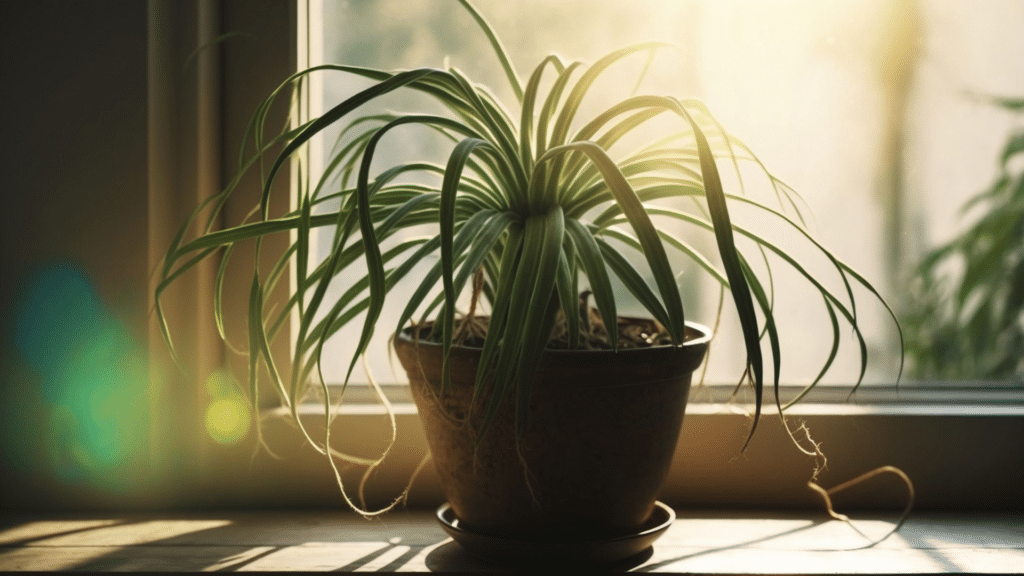
Light helps plants make food and grow properly. Most houseplants prefer bright, indirect light, which means sunlight that isn’t too harsh.
Placing plants near a window works well, but avoid direct midday sun unless the plant needs it. Low-light plants can survive in darker areas, but they may grow more slowly.
If a plant gets too little light, its leaves may turn pale or drop. On the other hand, too much direct sunlight can burn the leaves. Understanding your plant’s light needs helps you choose the best spot in your home.
3. Choosing the Right Soil and Pots
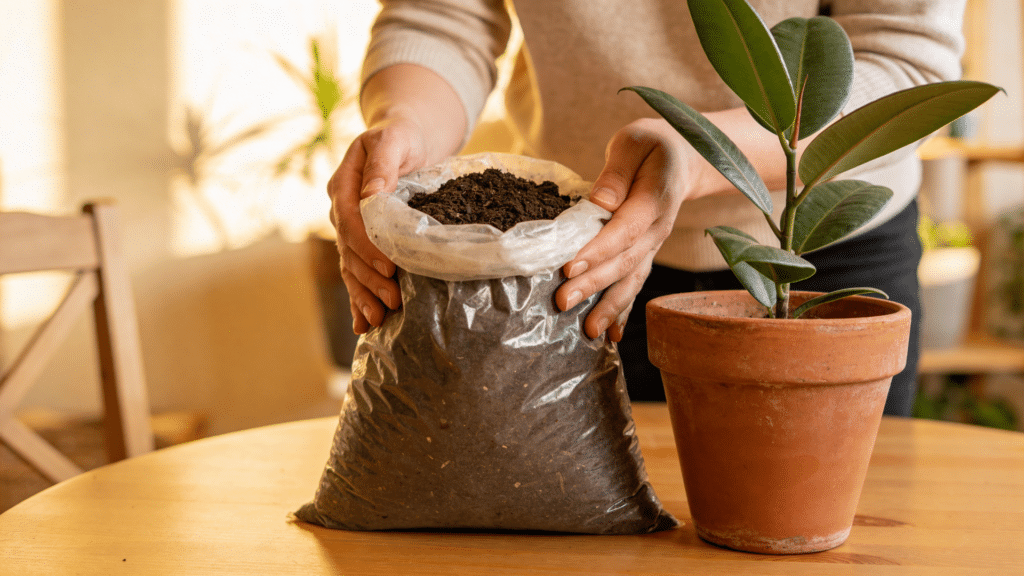
The right soil and pot play a big role in plant health. Good potting soil should drain well while still holding some moisture.
Regular garden soil is not ideal for indoor plants because it can become too compact.
Always choose pots with drainage holes to prevent water from sitting at the bottom. This helps avoid root rot and keeps roots healthy.
Different plants may need different soil types, such as well-draining mixes for succulents or moisture-retaining soil for tropical plants.
Picking the right combination supports strong growth and long-lasting plants.
Common Houseplant Problems and Easy Fixes
Houseplants can show clear signs when something is wrong. Understanding these signs early helps you fix problems quickly and keep plants healthy.
- Yellow Leaves: Often caused by overwatering, so allow the soil to dry before watering again
- Brown Leaf Tips: Usually due to dry air, increase humidity, or mist the leaves lightly
- Drooping Leaves: Can mean too much or too little water; check the soil moisture level
- Pale Leaves: Indicates low light, move the plant closer to a brighter spot
- Burnt Leaves: Caused by too much direct sunlight, shift to indirect light
- Slow Growth: May need nutrients; use a balanced fertilizer during the growing season
- Root Rot: Happens due to poor drainage. Repot with fresh soil and proper drainage
Houseplant Care Guide
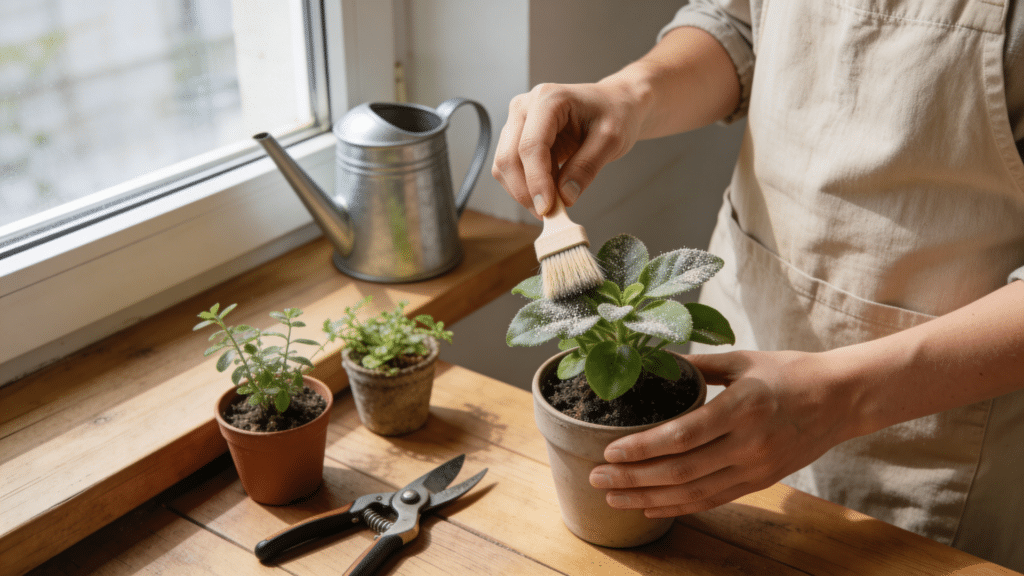
Caring for houseplants becomes simple when you follow a clear routine. These step-by-step tips help you cover every part of plant care with confidence.
1. Choose the Right Plant for Your Space
Start by picking a plant that matches your home conditions. Some plants need bright light, while others grow well in low light.
If your space doesn’t get much sunlight, choose low-light plants like snake plants or pothos. Also consider how much time you can give to plant care.
Beginners should start with low-maintenance options that can handle small mistakes. Choosing the right plant from the beginning makes everything easier and increases your chances of success.
A good match between your plant and your space leads to healthier growth and less stress.
2. Set Up Proper Lighting Conditions
Light plays a big role in plant health, so placing your plant in the right spot is important. Most houseplants prefer bright, indirect light, which you can find near windows with filtered sunlight.
South- or east-facing windows usually provide ideal conditions. If your plant isn’t getting enough light, it may grow slowly or lose leaves.
On the other hand, too much direct sunlight can burn the leaves. Observe how sunlight moves in your home during the day and adjust placement as needed.
Proper lighting helps your plant grow evenly and stay strong.
3. Water Your Plants Correctly
Watering correctly is key to keeping houseplants healthy. Instead of watering on a schedule, check the soil first. If the top layer feels dry, it’s time to water.
Pour water slowly until it drains from the bottom of the pot, ensuring roots get enough moisture. Avoid letting plants sit in standing water, as this can cause root rot.
Different plants have different watering needs, so learn what works best for yours. Paying attention to your plant’s signals, like drooping or dry soil, helps you adjust watering and prevent common problems.
4. Maintain Soil, Humidity, and Feeding
Healthy plants need the right balance of soil, moisture, and nutrients. Use good-quality potting soil that drains well while holding enough moisture.
Indoor air can sometimes be dry, so increasing humidity can help, especially for tropical plants. You can mist leaves or place a tray of water nearby.
Feeding your plants with a mild fertilizer during the growing season supports steady growth. Avoid overfeeding, as too many nutrients can harm the plant.
Keeping these elements balanced creates a stable environment where your plant can grow comfortably.
5. Monitor Growth and Make Adjustments
Regularly checking your plants helps you catch problems early. Look at leaves, stems, and soil to see how your plant is doing.
If you notice yellow leaves, slow growth, or drooping, it may need changes in watering, light, or placement. Rotate your plant occasionally to ensure even growth on all sides.
As your plant grows, you may need to repot it into a slightly larger container. Small adjustments based on what you observe can make a big difference.
Consistent care and attention help your houseplants stay healthy and continue growing.
Seasonal Houseplant Care Tips
Houseplants need slightly different care as seasons change. Adjusting your routine helps plants stay healthy all year round.
- Winter Care: Reduce watering since plants grow more slowly, and place them near brighter light to make up for shorter days.
- Summer Care: Check the soil more often, as plants may need frequent watering due to heat and faster growth.
- Spring Growth Boost: This is the active growing season, so start fertilizing and consider repotting if needed.
- Fall Adjustment: Gradually reduce watering and fertilizing as plant growth slows.
- Temperature Control: Keep plants away from sources of extreme heat or cold, such as heaters, AC vents, or drafty windows.
Best Easy Houseplants for Beginners
If you’re just starting with houseplant care, choosing low-maintenance plants makes things much easier. These beginner-friendly options can handle small mistakes and still grow well.
| Plant Name | Light Needs | Watering Needs | Why It’s Easy to Grow |
|---|---|---|---|
| Snake Plant | Low to bright light | Water the soil if it is dry | Very hardy and drought-tolerant |
| Pothos | Low to bright light | Moderate watering | Grows quickly and adapts easily |
| ZZ Plant | Low light | Water occasionally | Survives neglect and low light |
| Peace Lily | Medium light | Keep soil slightly moist | Shows clear signs when it needs water |
| Spider Plant | Bright, indirect | Moderate watering | Fast-growing and easy to care for |
| Aloe Vera | Bright light | Low watering | Stores water and needs little care |
Quick Weekly Houseplant Care Checklist
A simple weekly routine can keep your houseplants healthy without taking too much time. Small, regular checks help prevent bigger problems later.
- Check Soil Moisture: Feel the top inch of soil to decide if your plant needs water.
- Inspect Leaves: Look for yellowing, spots, or pests and remove damaged leaves.
- Rotate Plants: Turn pots slightly so all sides get equal light and grow evenly.
- Clean Leaves: Wipe off dust with a damp cloth to help plants absorb more light.
- Check for Pests: Look under leaves and along stems for any signs of insects.
- Adjust Placement: Move plants if they need more or less light based on their condition.
Final Thoughts
Taking care of houseplants has become much easier for me once I started following simple habits and paying attention to small details.
I’ve learned that plants will often show clear signs when they need help, and noticing those signs early makes a big difference.
You don’t need to be perfect. I’ve made mistakes too, but with a few small changes, plants can bounce back and grow well again. What matters most is staying consistent and giving your plants a little time each week.
As you keep going, you’ll feel more confident and comfortable with plant care. Start small, enjoy the process, and watch your plants grow.
If this guide helped you, share it with someone who loves plants or is just getting started!
Frequently Asked Questions
How Do I Know If My Houseplant is Healthy?
A healthy houseplant usually has firm stems, vibrant leaves, and steady growth. New leaves appearing over time are a good sign. Avoid plants with mushy stems, many yellow leaves, or no growth for long periods.
Can Houseplants Improve Indoor Air Quality?
Some houseplants can help improve indoor air by absorbing small amounts of pollutants. They also increase humidity slightly, which can make indoor spaces feel more comfortable and fresh.
How Long Do Houseplants Typically Live?
With proper care, many houseplants can live for several years, and some can last decades. Plants like snake plants and pothos are known for their long lifespan when maintained well.
Is it Safe To Keep Houseplants Around Pets?
Not all houseplants are pet-safe. Some can be toxic if eaten by cats or dogs. It’s important to check if a plant is safe before bringing it home if you have pets.
Do Houseplants Need Special Care When You Travel?
If you plan to travel, you can prepare your plants by watering them well beforehand. For longer trips, self-watering systems or asking someone to care for them can help keep plants healthy.