

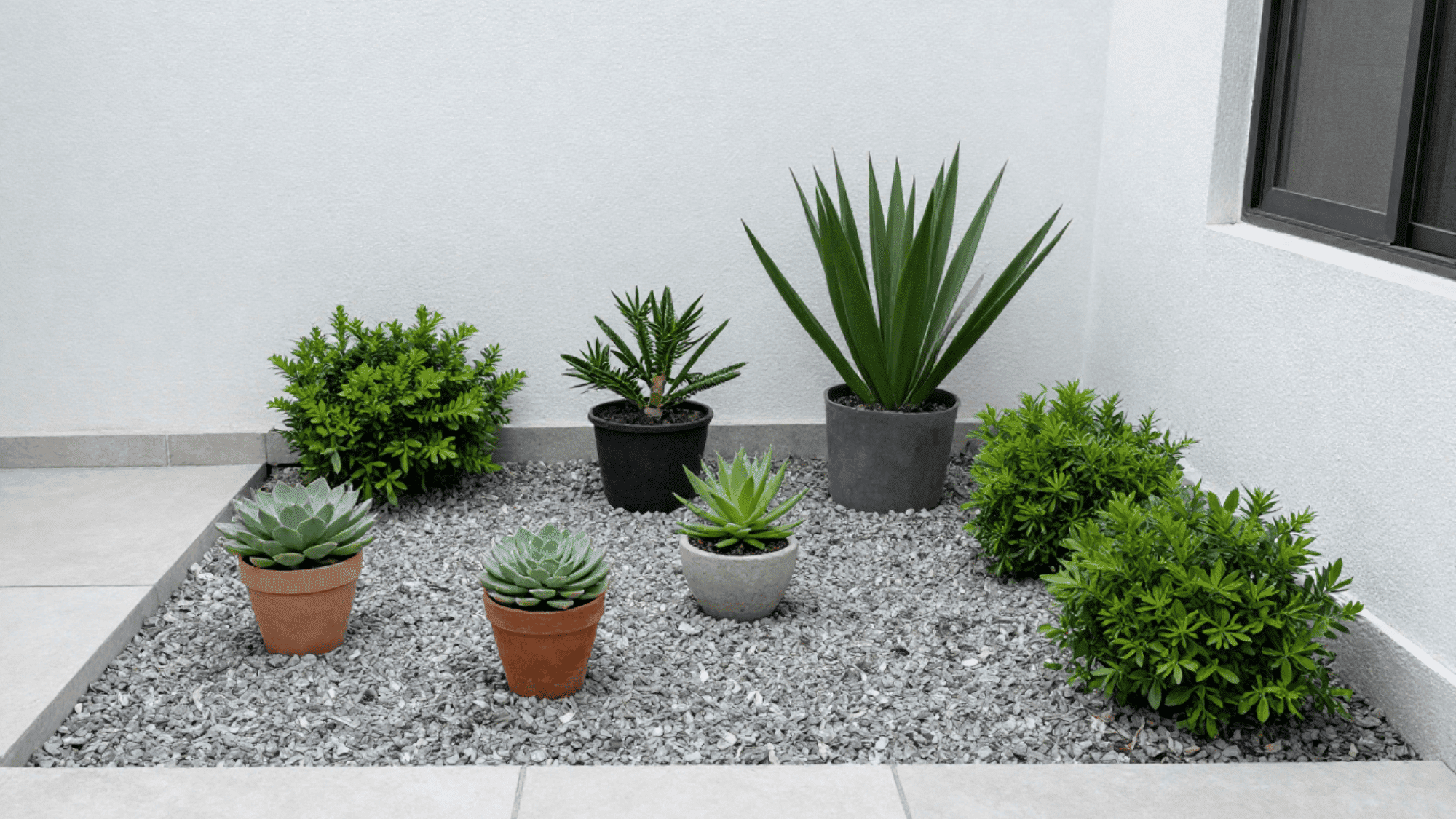
I used to spend hours every weekend taking care of my yard, and it quickly started to feel like hard work. That is when I realized why many people now prefer low-maintenance landscaping.
It saves time, reduces effort, and makes outdoor spaces easier to manage without constant work. You do not have to water, trim, or clean up as often, which makes life simpler, especially if you have a busy schedule.
Low-maintenance landscaping also helps cut costs on water and tools over time. I noticed a big difference after making small changes in my own space.
In this blog, I will share low-maintenance landscaping ideas that are simple, practical, and easy to follow for any home.
What Is Low-Maintenance Landscaping?
Low-maintenance landscaping means designing your yard in a way that needs less care and time. It focuses on simple setups that do not require frequent watering, cutting, or cleaning.
Key Features
These key features make low-maintenance landscaping simple, time-saving, and easy to manage for any homeowner.
- Needs less watering: You use plants that survive with little water. This helps save time and lowers your water bill.
- Requires less trimming and regular care: Plants grow slowly and keep their shape longer. You do not need to cut or maintain them often.
- Stays the same for longer with fewer seasonal changes: The yard looks neat in every season with little effort. You do not need to replace plants again and again.
- Uses more hard materials like stone or gravel: You add rocks, tiles, or gravel instead of grass. These do not grow, so they need almost no care.
- Reduces weed growth: Using mulch or ground cover helps stop weeds. This means less time spent pulling unwanted plants.
Low-Maintenance Landscaping Ideas
These simple ideas can help you create a low-maintenance yard without spending too much time or effort on regular care. Each idea focuses on reducing work, saving time, and keeping your outdoor space neat and easy to manage every day.
1. Use Gravel Instead of Grass
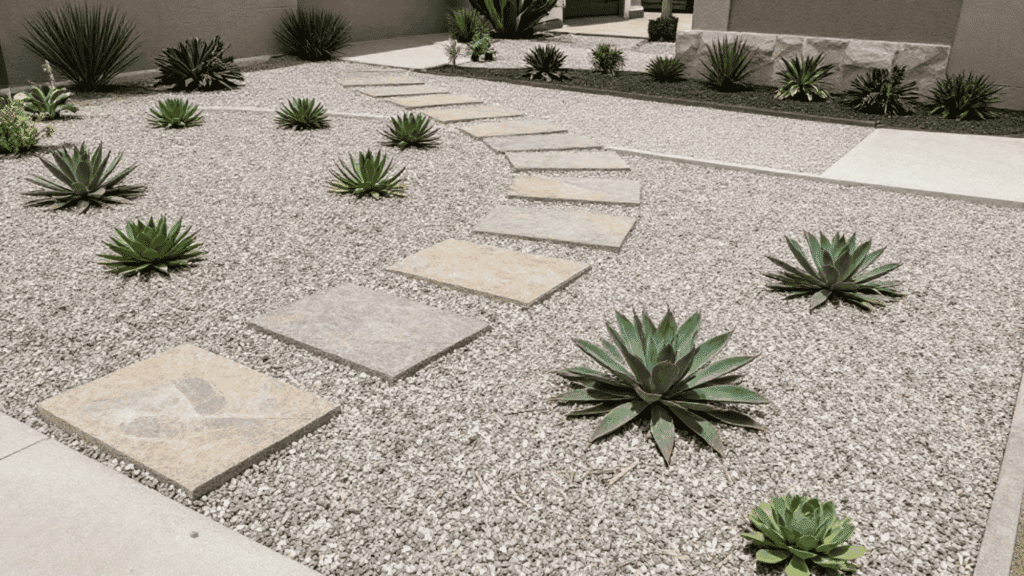
Gravel is a great option for anyone who wants to avoid mowing and watering grass regularly. It stays in place and does not need constant care like a lawn.
Gravel can be used in open areas, pathways, or around plants to create a neat look. When added with a proper base layer, it also helps stop weeds from growing.
This makes the yard easier to maintain while saving time, effort, and reducing the need for regular upkeep tasks.
2. Choose Native Plants
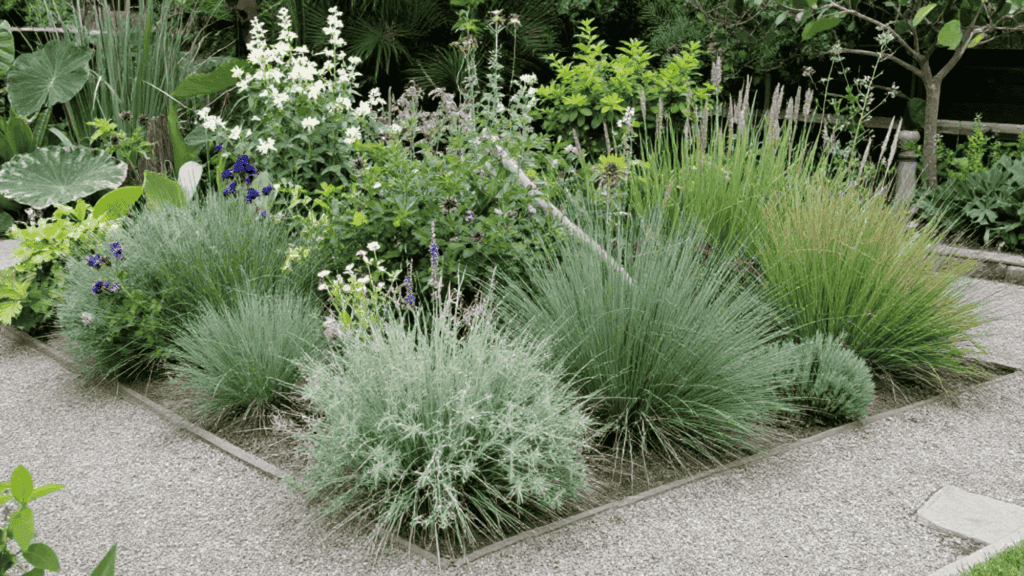
Native plants grow well in the local climate and need very little care to stay healthy. They require less water, fewer fertilizers, and are more resistant to pests and diseases.
This makes them a great choice for beginners and busy homeowners. There is no need to adjust the soil or create special conditions for them.
Native plants also support local wildlife and help keep the garden looking natural, balanced, and easy to manage throughout the year.
3. Add Mulch to Garden Beds
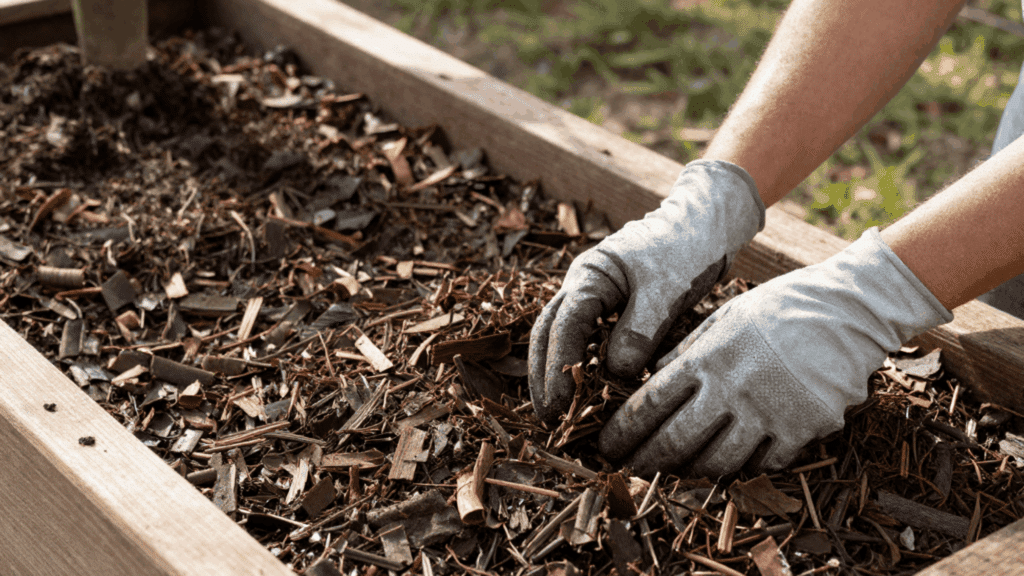
Mulch helps keep soil moist and reduces the need for frequent watering in garden areas. It also blocks sunlight, which helps stop weeds from growing and saves time on cleaning.
Materials like wood chips, bark, or compost can be used as mulch. Over time, mulch improves soil quality and supports plant health.
It also gives the garden a neat and finished look while reducing daily maintenance and making plant care much easier for homeowners.
4. Install Artificial Grass
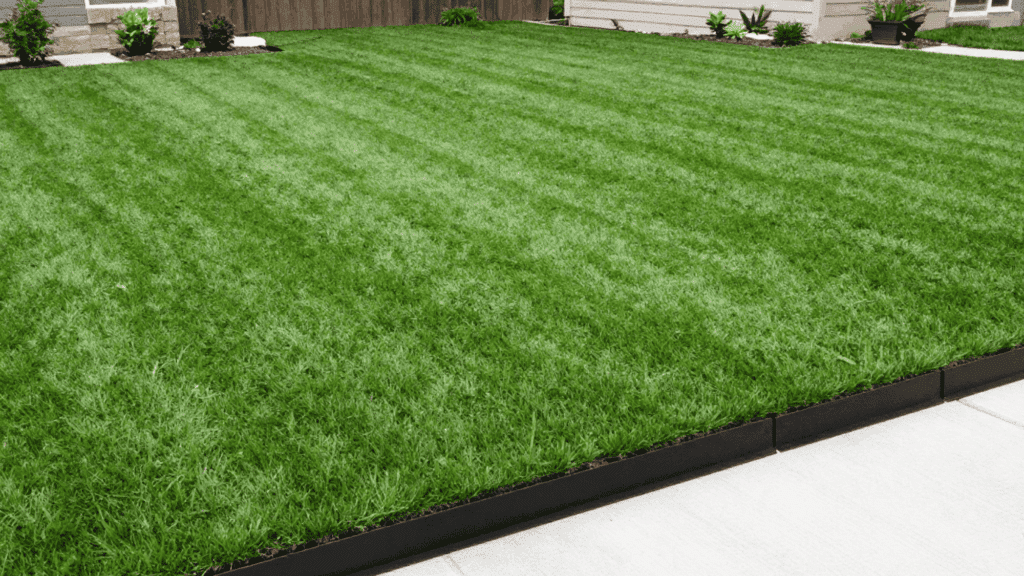
Artificial grass looks like real grass but needs very little care to stay neat and green. It does not require mowing, watering, or fertilizing like a natural lawn.
It stays green throughout the year and works well for both small and large spaces. This makes it a good choice for people who want a clean yard without regular work.
Although it costs more at first, it saves time and money over time by reducing ongoing maintenance needs.
5. Create Rock Gardens
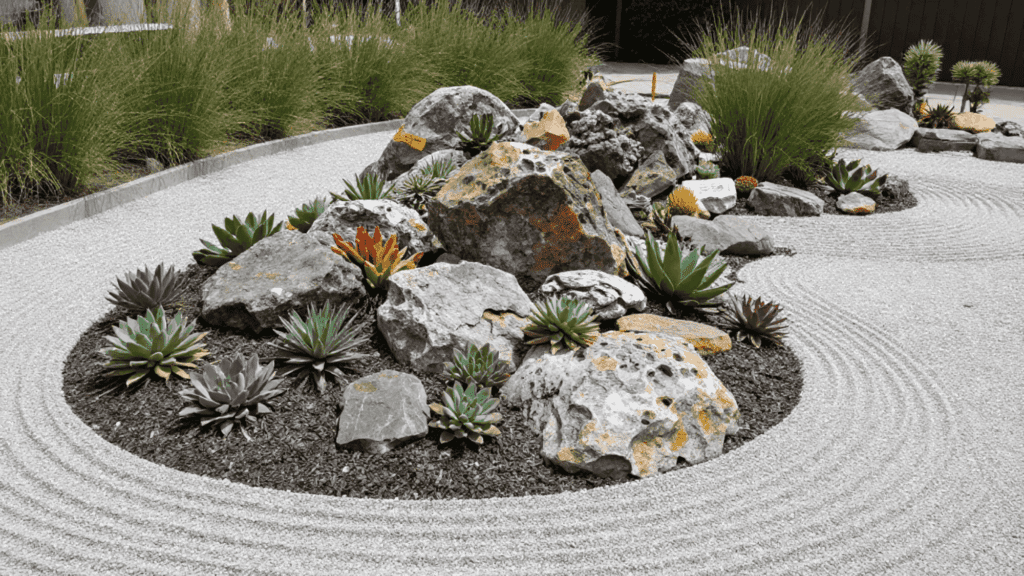
Rock gardens use stones and a few plants to create a simple and clean outdoor space. They need very little watering and almost no trimming to stay neat.
You can combine rocks with drought-tolerant plants for a modern and tidy look. Since rocks do not grow or change, they stay in place for a long time.
This makes rock gardens a smart choice for low-maintenance landscaping that looks organized and requires very little effort to maintain.
6. Use Perennial Plants
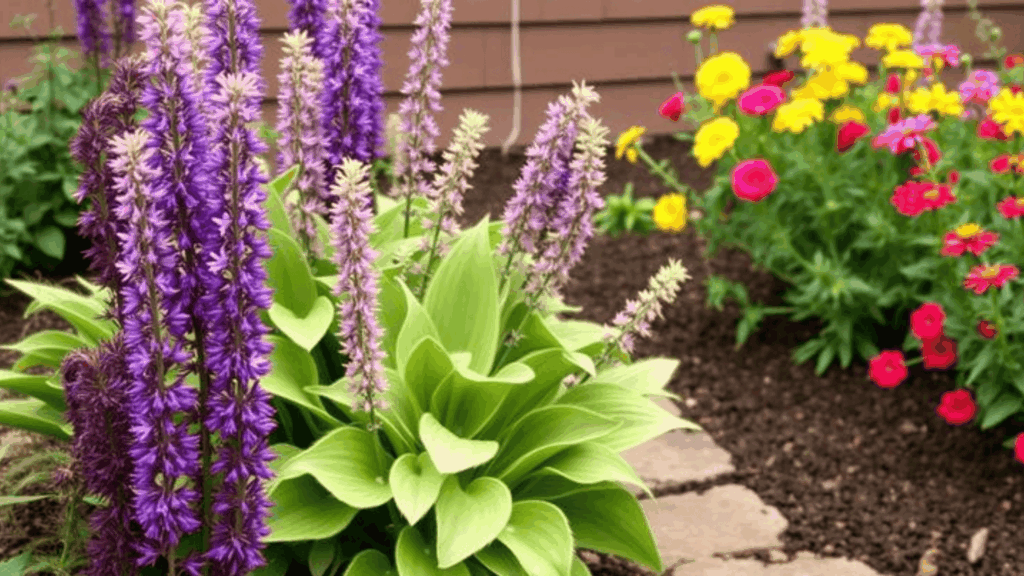
Perennial plants grow back every year without needing to be replanted each season. This helps save time and effort in garden care. Once planted, they continue to grow with only basic maintenance.
They also need less watering and trimming compared to many other plants. Perennials keep the garden looking full and green for a long time.
They are a smart choice for anyone who wants a simple, long-lasting, and easy-to-manage garden setup with less regular work.
7. Plant Ground Covers
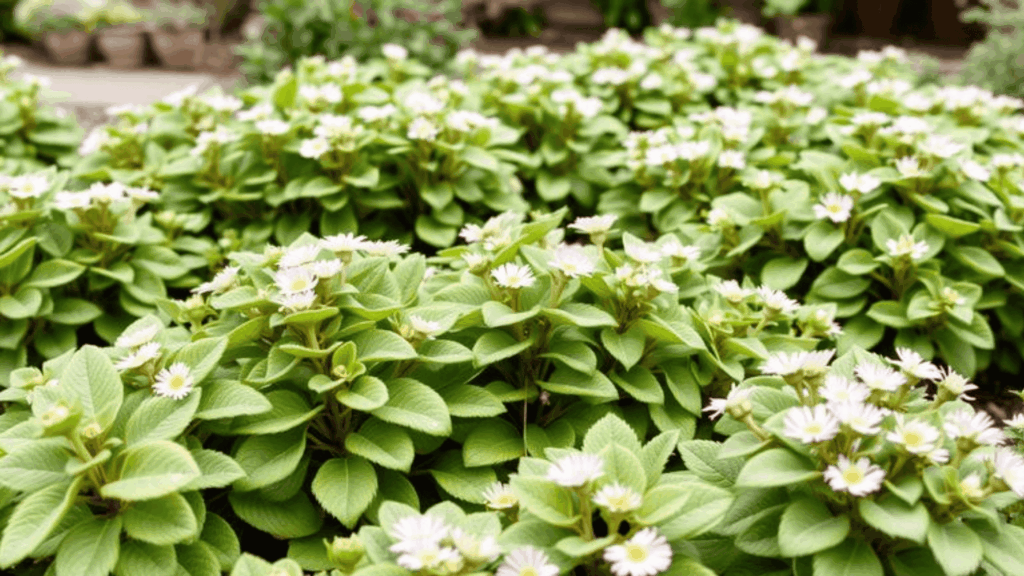
Ground cover plants spread across the soil and work as a good replacement for grass in many areas. They need less mowing and watering compared to traditional lawns.
These plants also help block weeds and protect the soil from damage. Once they grow fully, they cover empty spaces and reduce the need for regular care.
Ground covers are a smart choice for slopes or areas where grass does not grow well or needs too much effort.
8. Build Raised Garden Beds
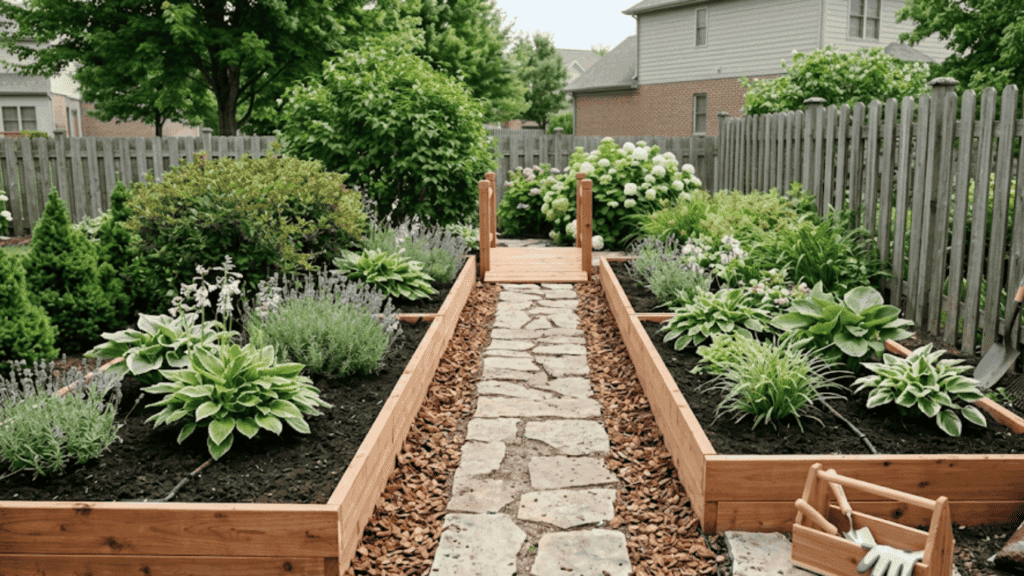
Raised garden beds help keep plants organized and easy to manage in any yard space. They improve drainage and reduce weed growth, which saves time and effort.
Soil quality can be controlled better, making plant care simple and more effective. These beds also reduce the need to bend, making gardening more comfortable.
They work well in small yards and create a neat look. Raised beds make gardening easier while keeping the outdoor space clean and low-maintenance.
9. Add Drip Irrigation System
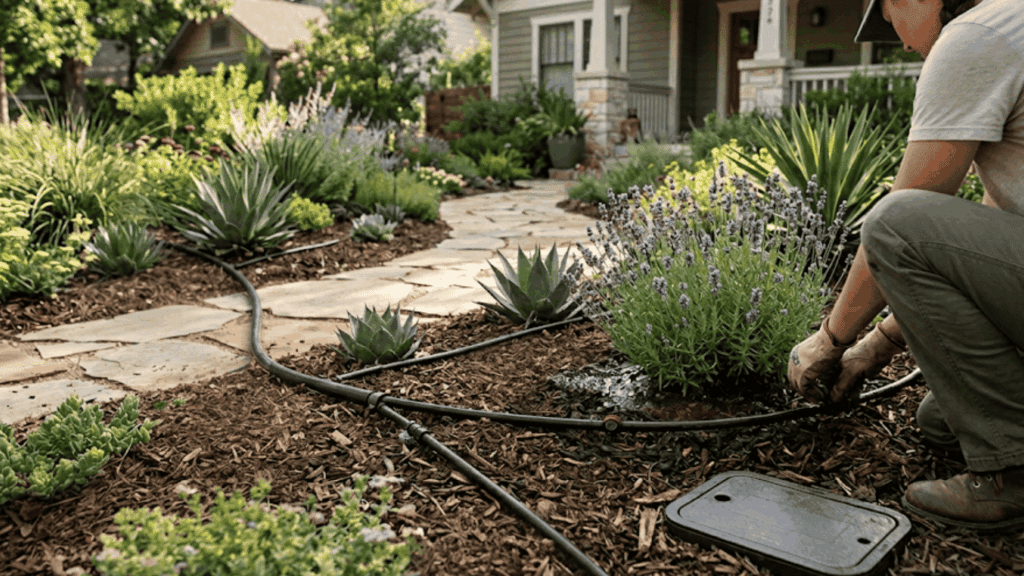
A drip irrigation system waters plants slowly and directly at their roots for better results. This method reduces water waste and keeps plants healthy with less effort.
There is no need for daily hand watering, which saves time and energy. It also helps prevent overwatering and soil damage.
Once installed, the system runs automatically and maintains proper moisture levels. It is a smart and simple way to care for plants while reducing daily work and improving garden efficiency.
10. Use Potted Plants
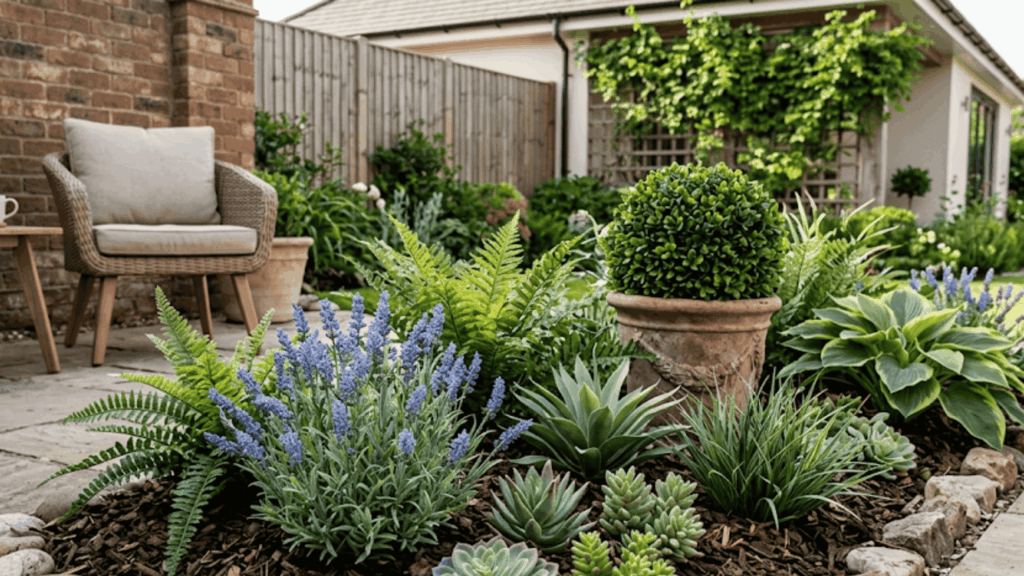
Potted plants are easy to move and simple to manage in any outdoor or indoor space. They can be placed where needed, making it easier to control their growth and care.
These plants require less space and are easier to water than traditional garden beds. If sunlight changes, pots can be moved quickly.
This flexibility makes plant care simple. Potted plants are ideal for small spaces and help keep the yard neat, organized, and low-maintenance.
11. Add Stone Pathways
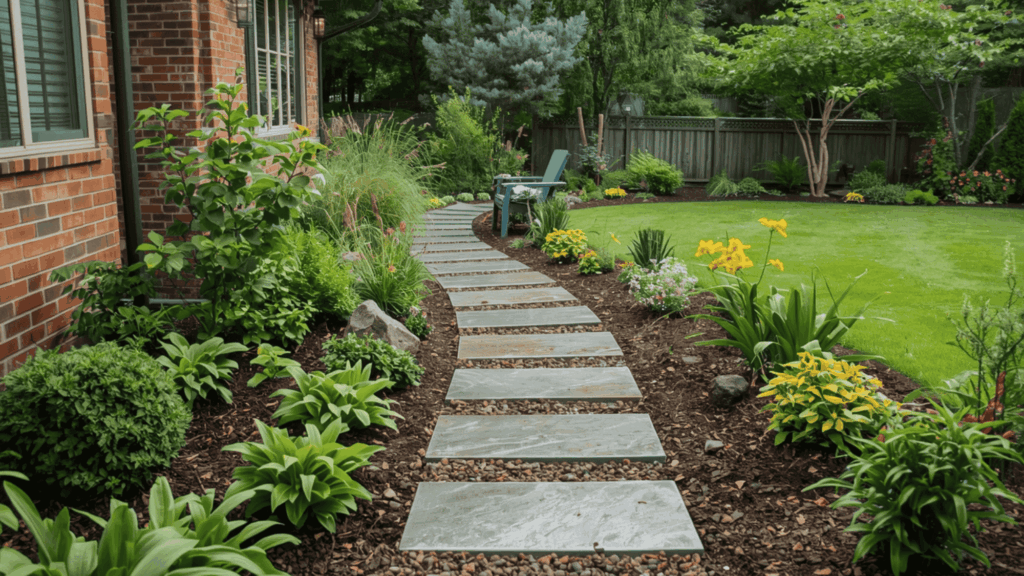
Stone pathways reduce the need for grass and keep walking areas clean and easy to use. They do not require watering or mowing like lawns, which saves time and effort.
Stones stay in place for many years and need very little care. They can connect different parts of the yard smoothly.
Stone paths also help prevent mud and dirt during rainy weather. They add structure and improve the overall layout while keeping maintenance work low.
12. Choose Drought-Tolerant Plants
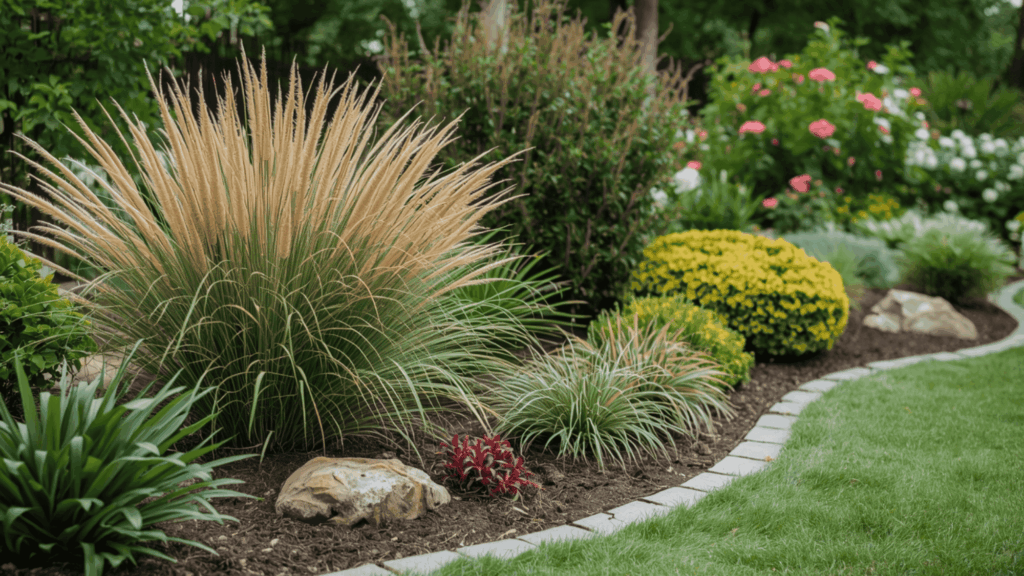
Drought-tolerant plants can survive with very little water and need less care to stay healthy. They are ideal for areas with low rainfall or water limits.
These plants do not need daily watering, which saves time and effort. They also require less attention compared to many other plants.
Once they are established, they grow well on their own. Using these plants helps reduce water use and keeps the garden simple, neat, and easy to manage.
13. Install Landscape Fabric
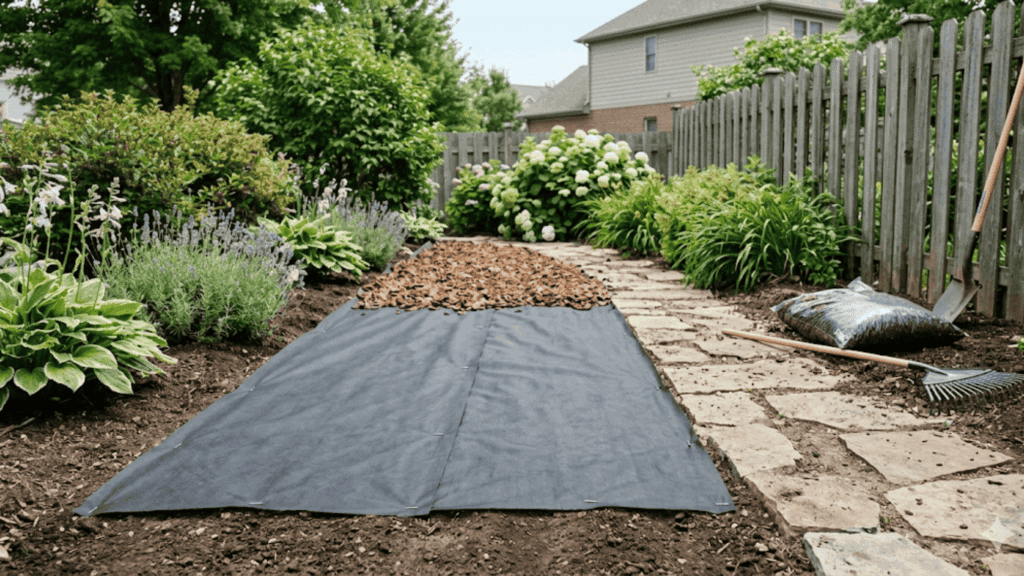
Landscape fabric is placed under soil or mulch to stop weeds from growing in garden areas. It helps keep the space clean and reduces the need for regular weeding.
The fabric also holds soil in place and supports better plant growth. Once installed, it lasts for a long time with very little care.
This simple step helps reduce maintenance work and keeps the landscaping neat, organized, and easy to manage over time.
14. Use Evergreen Shrubs
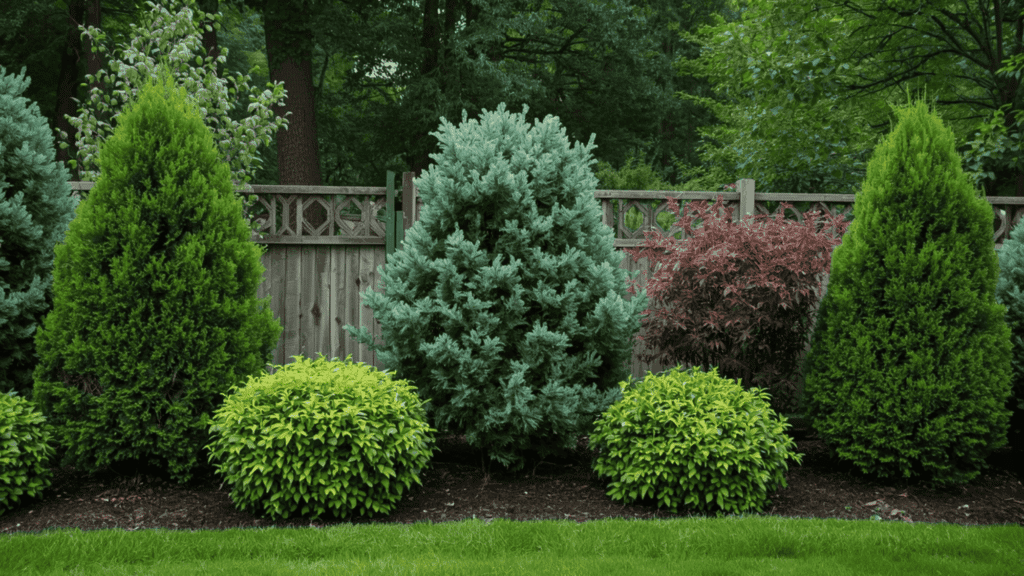
Evergreen shrubs stay green throughout the year and do not need to be replaced often. They require less care and help keep the yard looking full in every season.
Their appearance does not change much with the weather, so they stay consistent. These shrubs grow slowly and need less trimming compared to others.
They are a good choice for adding structure and greenery while keeping maintenance simple, making them ideal for easy and low-effort landscaping setups.
15. Create a Minimal Lawn Area
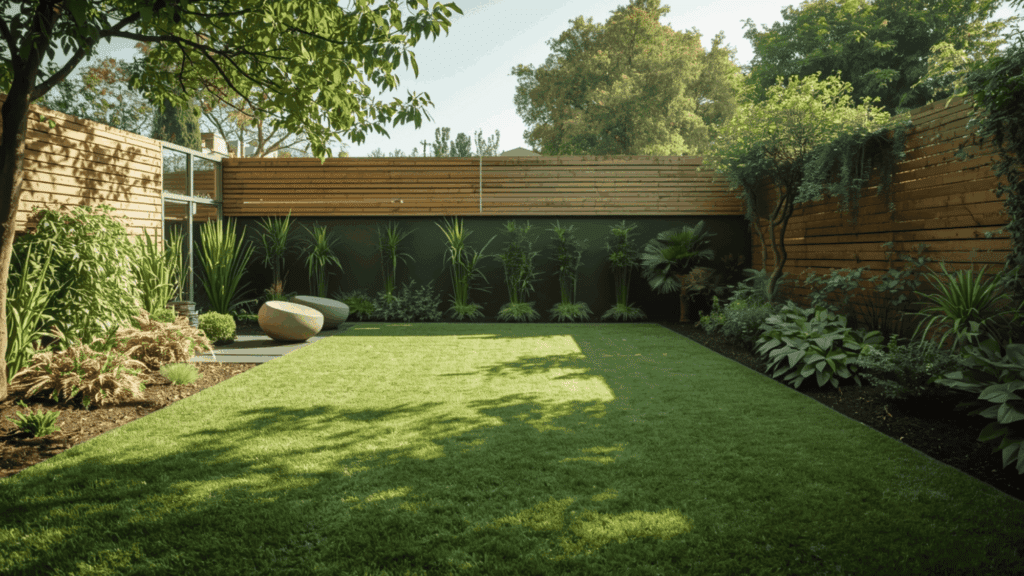
Reducing lawn size helps cut down the time spent on mowing and watering every week. Large grass areas can be replaced with gravel, plants, or patio spaces for easier care.
A smaller lawn still provides a fresh green look without extra effort. This approach makes the yard simpler to manage and reduces regular maintenance tasks.
It is a smart way to enjoy outdoor space while saving time and avoiding the hard work of constant lawn care.
16. Add Decorative Rocks
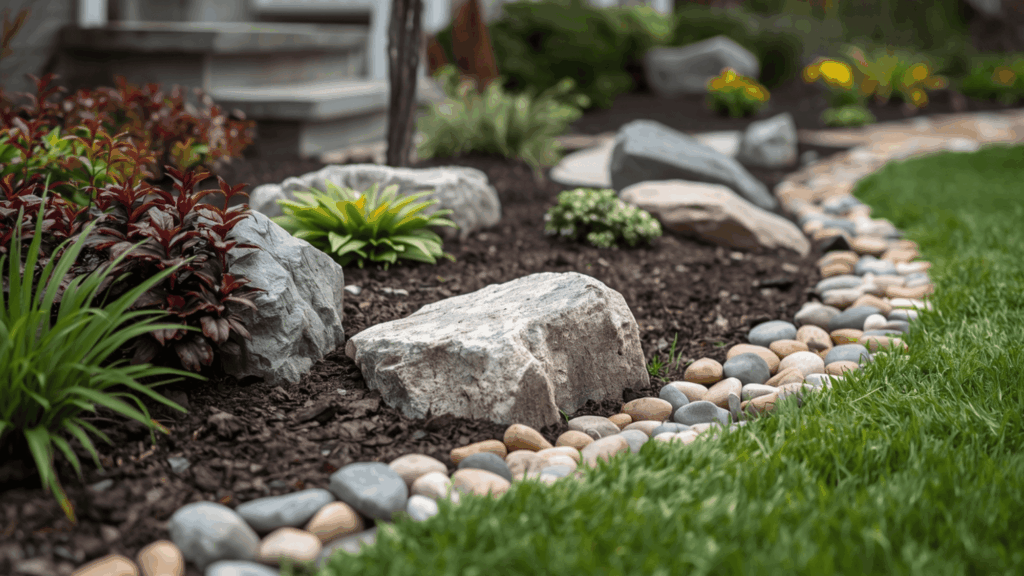
Decorative rocks add style to outdoor spaces without needing care like plants or grass. They do not grow, so there is no need for trimming or watering.
These rocks can be used in garden beds, borders, or open areas for a neat look. They stay in place for a long time and help reduce weed growth when placed correctly.
Decorative rocks keep the yard clean, simple, and attractive while keeping maintenance work very low over time.
17. Use Self-Watering Planters
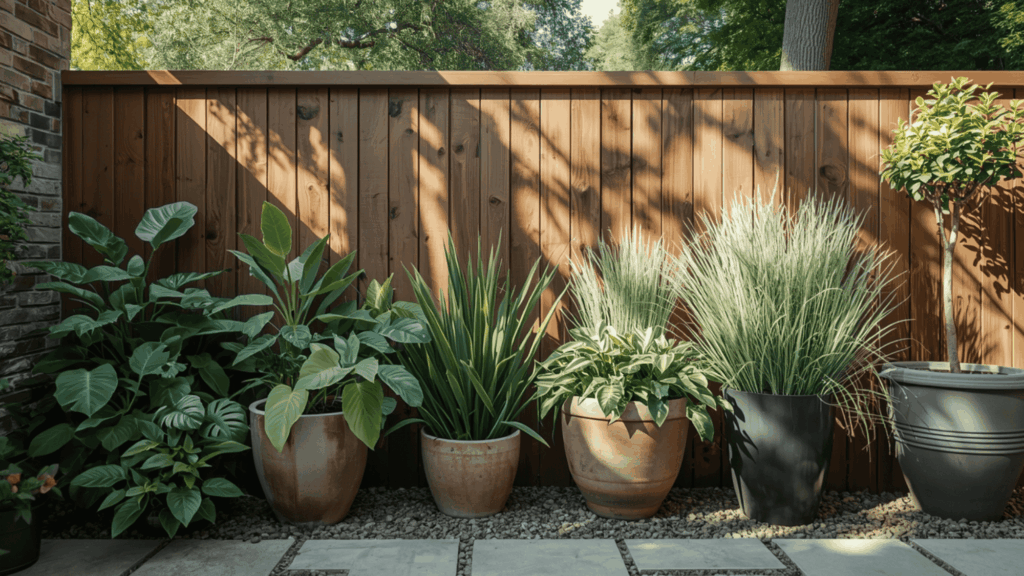
Self-watering planters store water and provide it to plants when needed for steady growth. This reduces the need for daily watering and keeps plants healthy over time.
They are helpful for busy people who may forget regular care. These planters also prevent overwatering and reduce plant damage.
Once set up, they make plant care simple and more controlled. They are a great option for keeping plants alive and fresh while reducing effort and saving time.
18. Build a Patio Space
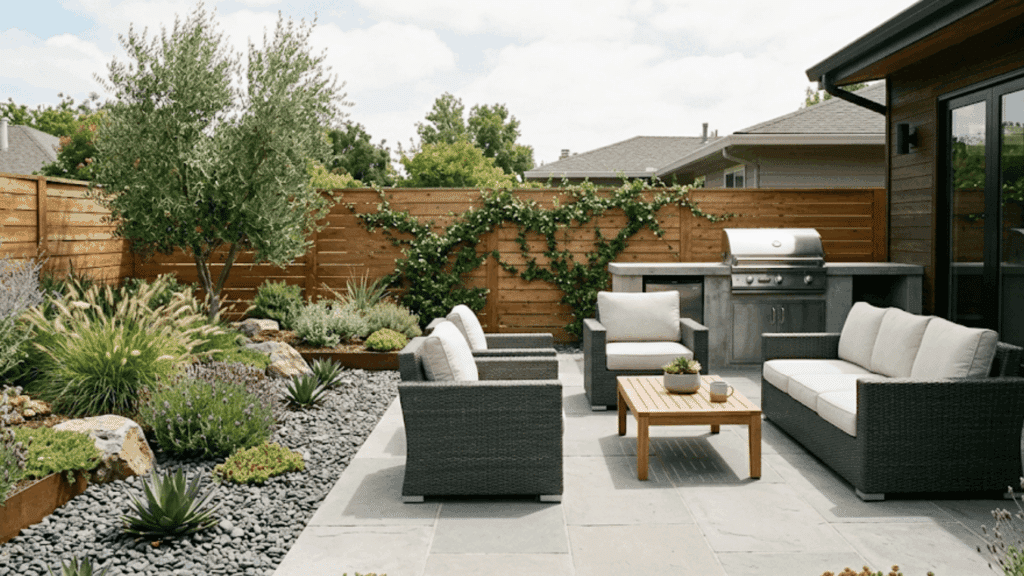
A patio replaces grass with a solid surface like stone, concrete, or tiles in outdoor spaces. It does not need mowing, watering, or trimming like a lawn.
Patios can be used for seating, relaxing, or outdoor dining with family and friends. They stay clean and are easy to maintain with simple sweeping or washing.
A patio reduces garden work while adding useful space. It is a smart way to keep the yard practical, neat, and low-maintenance.
19. Use Low-Maintenance Trees
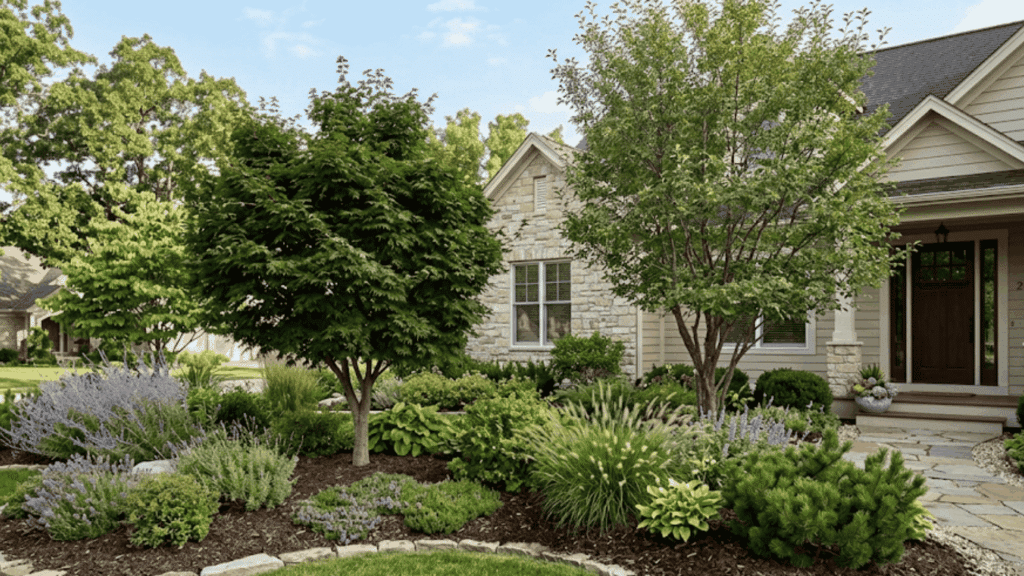
Low-maintenance trees grow slowly and need less pruning compared to fast-growing trees. They adapt well to local weather and require less water to stay healthy.
Once planted, they need very little attention and care over time. These trees provide shade and improve the overall look of your yard.
Choosing the right trees helps reduce long-term maintenance work. They keep the landscape simple, neat, and easy to manage without adding extra effort for regular upkeep.
20. Add Border Edging
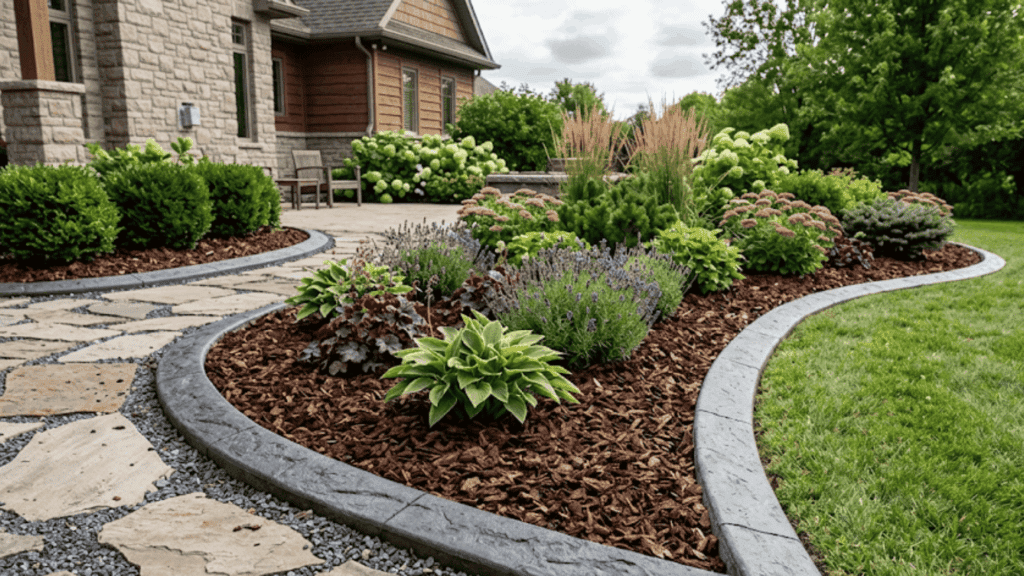
Border edging helps keep plants, gravel, and grass in their place and prevents mixing. It separates different areas clearly and gives the yard a neat and clean look.
Edging also reduces the spread of weeds and grass into garden beds. Once installed, it requires very little care over time.
It makes cleaning and maintenance easier by keeping everything organized. This simple step improves both the appearance and function of the yard with less effort.
21. Use Xeriscaping Design
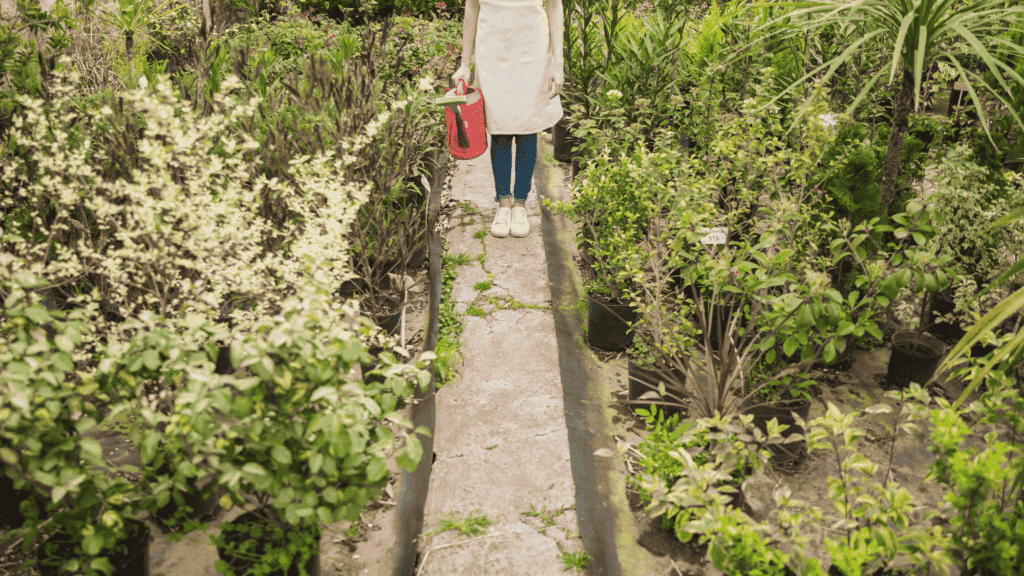
Xeriscaping focuses on using less water and a simple design to manage outdoor spaces easily. It uses rocks, drought-tolerant plants, and very little grass to reduce care needs.
This approach lowers watering and maintenance work over time. It works well in dry areas or for people who want easy landscaping.
Xeriscaping also helps reduce water bills and keeps the yard neat. It is a smart way to create a simple, clean, and low-effort outdoor space.
22. Install Automatic Timers for Watering
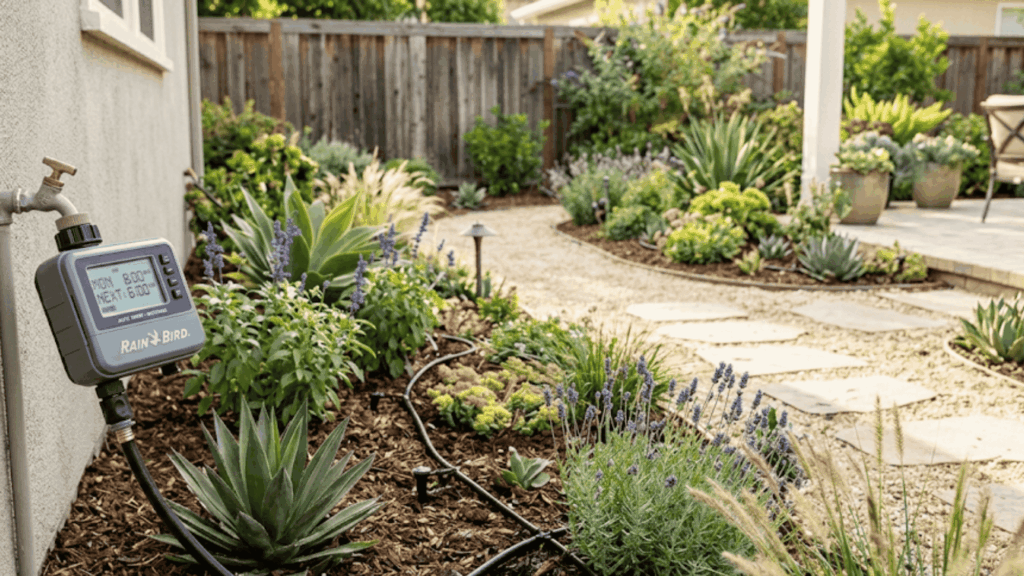
Automatic timers control when and how much water plants receive throughout the day. This removes the need for manual watering and saves time every day.
A schedule can be set based on the plant’s needs for better care. It helps save water and keeps plants healthy without extra effort.
Once installed, the system runs automatically and works on its own. It is a useful solution for maintaining a garden while reducing daily work and improving watering efficiency.
23. Add Vertical Gardens
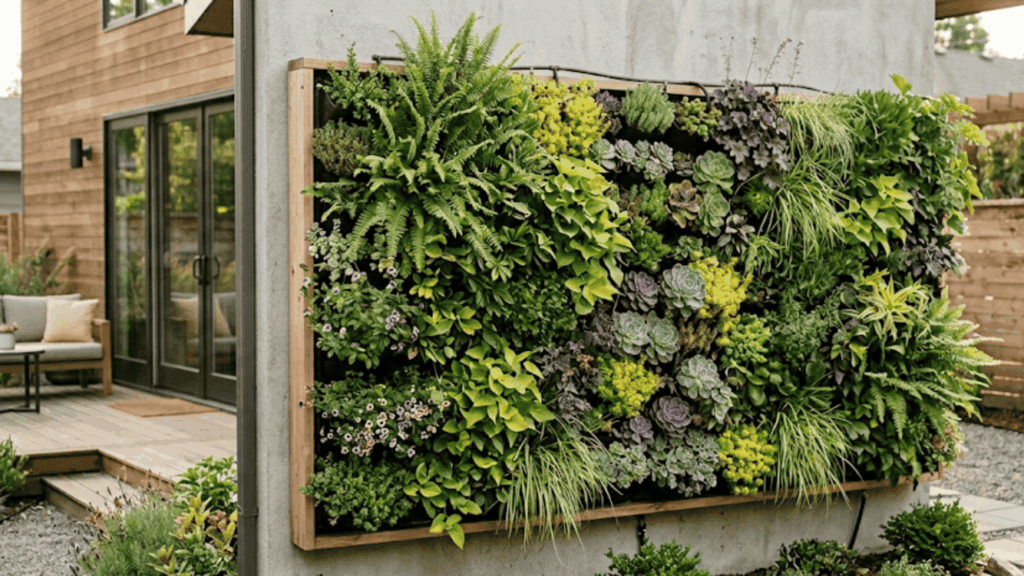
Vertical gardens use walls or frames to grow plants upward instead of spreading on the ground. This helps save space and reduces the need for ground maintenance.
They are easy to manage and require less cleaning compared to traditional gardens. Simple, low-care plants can be used for better results.
Vertical setups keep the yard organized and neat. They are perfect for small spaces and add greenery without increasing work on ground-level areas.
24. Use Bark or Wood Chips
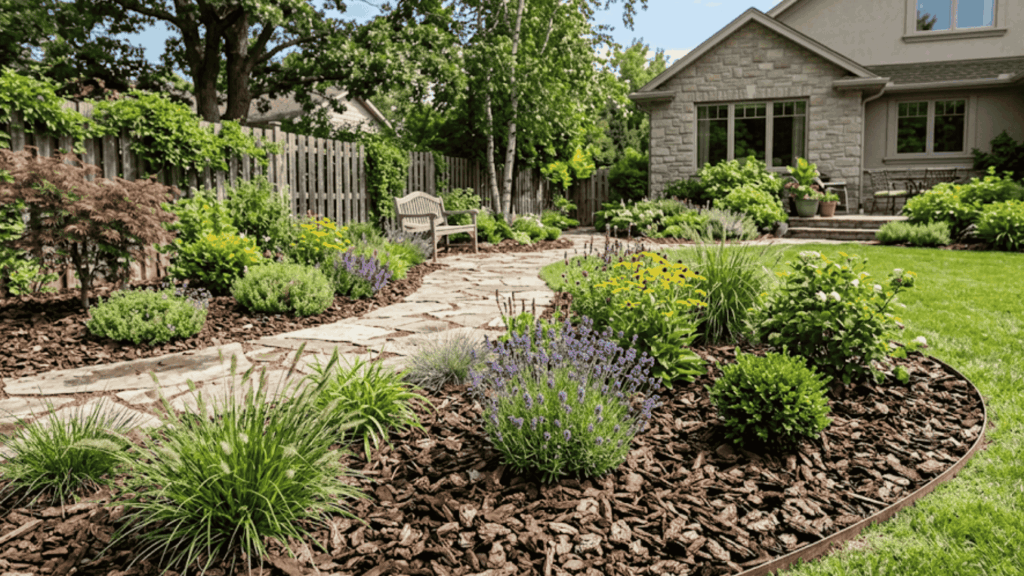
Bark or wood chips work like mulch and cover the soil to protect plant areas. They help keep moisture in the soil and stop weeds from growing easily.
This reduces the need for frequent watering and cleaning. Over time, they also improve soil quality and support plant health.
Once added, they last for a long time and need very little care. Using bark or wood chips is a simple way to keep the garden healthy and low-maintenance.
25. Create a Simple Layout
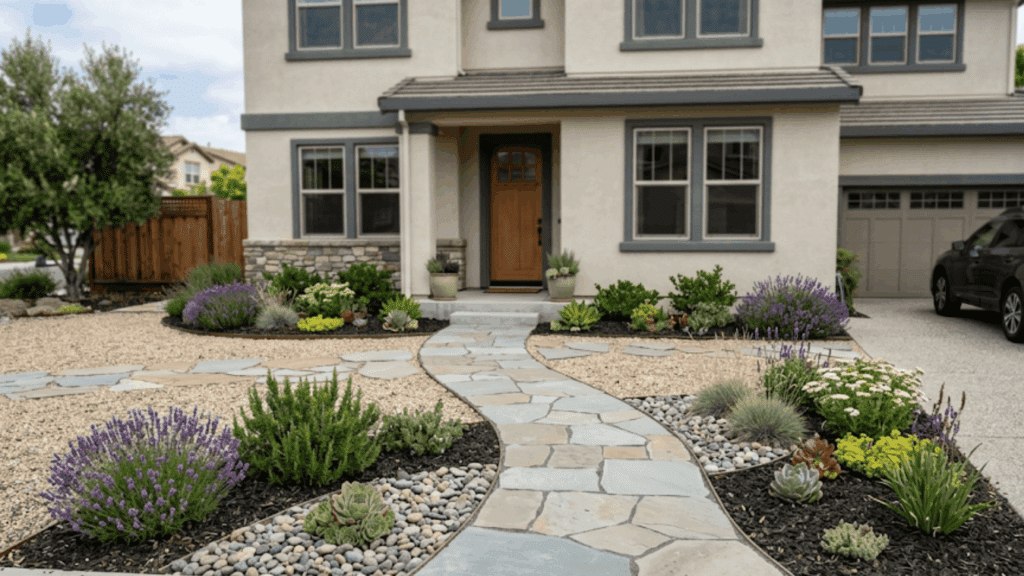
A simple layout makes your yard easier to manage and maintain over time. Avoid adding too many plants, shapes, or features that need extra care and attention.
Keep spaces clean, open, and well-organized for easy movement. This reduces confusion and lowers maintenance work. A simple design also looks neat and clear.
It helps focus on easy care instead of constant changes. This approach keeps landscaping stress-free and simple for everyday handling.
26. Add Outdoor Seating Area
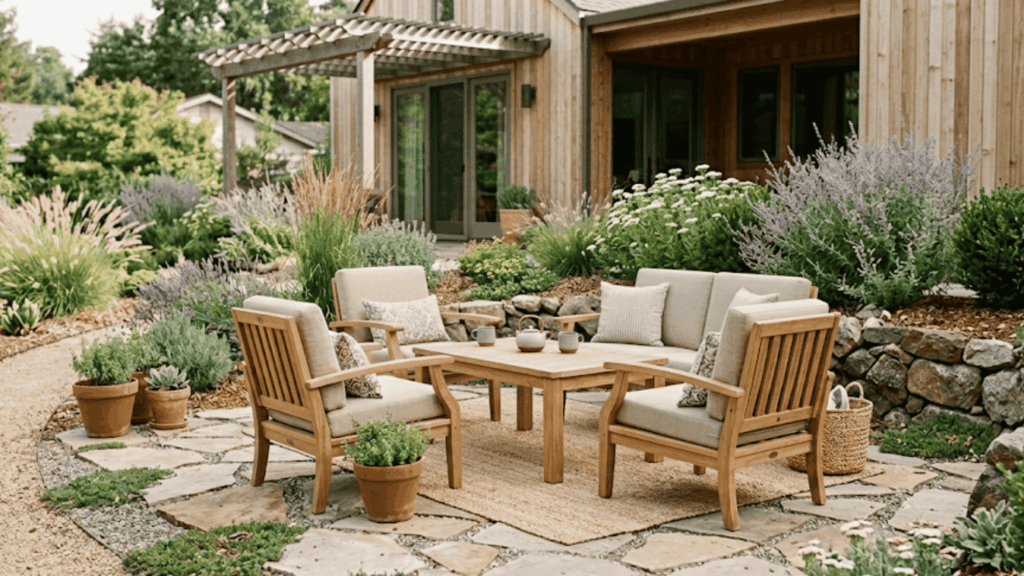
An outdoor seating area reduces the need for plants or grass in that part of the yard. Materials like tiles, wood, or stone can create a clean and simple space.
It requires very little care and is easy to maintain with basic cleaning. This area allows relaxation without worrying about garden work.
Seating spaces make the yard more useful while lowering maintenance needs. They are a practical and simple addition to any outdoor space.
27. Use Artificial Plants (for Decor Areas)
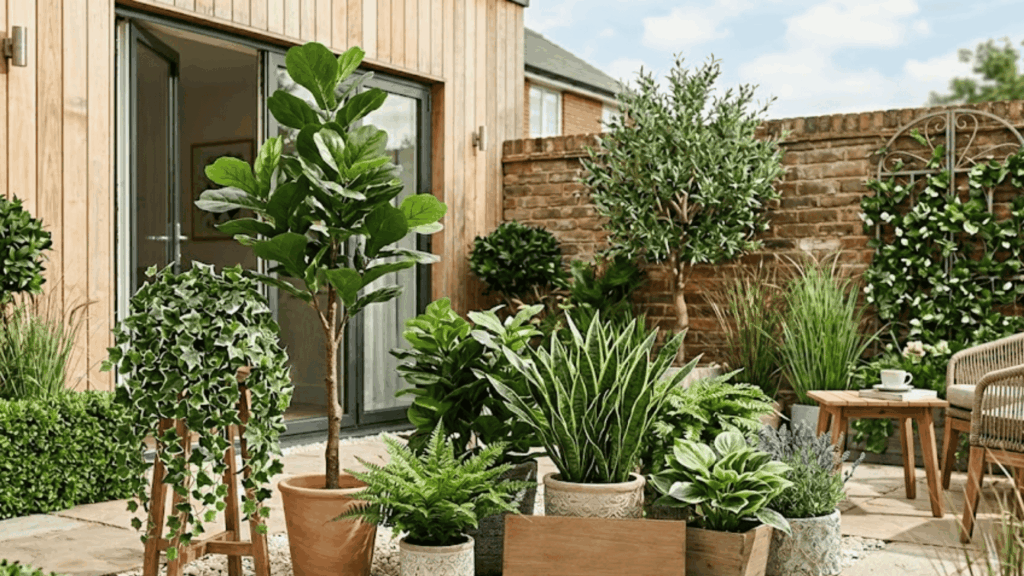
Artificial plants do not need watering, trimming, or sunlight to stay fresh and green. They keep their color all year and are easy to clean with little effort.
These plants are useful in areas where real plants are hard to maintain. They work well in corners or decorative spaces.
Artificial plants reduce the need for regular care while still adding greenery. They are a simple and practical way to keep your space neat without extra work.
Benefits of Low-Maintenance Landscaping
These benefits highlight how a low-maintenance landscape can reduce effort, lower costs, and make it easier to maintain a clean and well-organized outdoor space.
- Saves Time: You do not need to spend hours watering, trimming, or cleaning your yard. This gives you more free time to relax or do other work.
- Reduces Water Use: Plants and designs need less water to stay healthy. This helps save water and lowers your monthly bills.
- Cuts Maintenance Cost: You spend less on tools, fertilizers, and regular care. Over time, this helps you save money on garden upkeep.
- Easy for Busy Homeowners: It is perfect if you have a tight schedule and less time for yard work. Your space stays neat without daily effort.
Best Plants for Low-Maintenance Landscaping
Choosing the right plants is key to keeping your yard easy to manage, as some plants need less water, care, and effort to grow well.
| Type | Short Info |
|---|---|
| Drought-Resistant Plants | Need very little water and grow well in dry areas. Save time and reduce watering needs. |
| Native Plants | Grow naturally in your area, so they need less care, water, and fertilizers. |
| Perennials vs Annuals | Perennials grow every year with less work, while annuals need replanting each season. |
Design Tips for Easy Landscaping
Simple design choices make your yard easier to manage and reduce extra work over time. These tips help keep your space neat, organized, and simple to maintain every day.
1. Keep Layout Simple
A simple layout makes your yard easy to manage and maintain over time. Avoid adding too many plants, shapes, or features that need extra care.
Keep clear paths and open spaces so cleaning becomes easier. Simple designs help you notice what needs attention quickly.
When everything is well planned and not crowded, less time is spent fixing or adjusting things. This approach keeps the landscape neat, easy to handle, and stress-free for daily care.
2. Group Similar Plants Together
Placing similar plants in one area makes garden care easier and more organized. Plants with the same water, sunlight, and soil needs grow better together and stay healthy longer.
This setup reduces confusion and saves time during watering and routine care. There is no need to handle each plant differently, which makes maintenance simple.
Grouping plants also helps prevent overwatering or damage. It keeps the garden balanced, neat, and easy to manage for homeowners with busy schedules.
3. Use Hardscaping More
Hardscaping uses materials like stone, gravel, or tiles instead of plants or grass in outdoor spaces. These materials do not grow, so they require very little care over time.
They work well for paths, patios, and open areas in a yard. This setup reduces the need for watering, trimming, and regular cleaning.
Hardscaping also lasts for many years without much effort. It helps create a clean, simple, and practical outdoor space that is easy to maintain.
4. Plan for Less Lawn
A large lawn needs regular mowing, watering, and care, which takes a lot of time and effort. Reducing the lawn size makes the yard much easier to manage.
Some grass areas can be replaced with gravel, plants, or patio spaces. A smaller lawn still gives a green and fresh look, but requires less work.
This simple change helps save time, water, and energy while keeping the outdoor space neat, clean, and easy to maintain every day.
Common Mistakes to Avoid
Avoiding simple mistakes can help you save time and effort in the long run. These common issues can make your landscaping harder to manage.
- Choosing High-Maintenance Plants: Some plants need regular care, like trimming and watering. They can take more time and make your yard harder to manage.
- Overwatering: Giving too much water can damage plants and waste resources. It can also lead to root problems and increase the need for extra care.
- Poor Planning: Without a clear plan, your yard can become messy and hard to manage. Good planning helps you choose the right plants and layout for easy care.
- Ignoring Climate: Plants that do not suit your local weather may not grow well. This can lead to more work and frequent replacements in your garden.
Tools that Make Landscaping Easier
Using the right tools makes yard work easier and helps save time on daily tasks. They reduce effort and keep your landscape neat, organized, and easy to manage.
| Tool | Short Info |
|---|---|
| Automatic Irrigation Systems | Water plants automatically at set times. Saves time, reduces effort, and prevents overwatering or underwatering. |
| Mulching Tools | Help spread mulch evenly on the soil. Reduce weeds, keep moisture in, and make garden care easier. |
| Garden Edging Tools | Create clean borders between the grass and the beds. Keep areas neat and stop grass or weeds from spreading. |
Final Thoughts
Keeping your yard simple can significantly reduce the time and effort you spend on it.
I have found that even small updates, like using gravel, adding mulch, or choosing easy plants, can make daily care much easier.
You do not need to redo your whole yard at once. Start with just two or three ideas that match your space, and slowly build from there. This keeps things simple and manageable.
From my experience, switching to low-maintenance landscaping helped me enjoy my outdoor space more instead of worrying about constant work.
A simple yard can still look clean, neat, and well-planned without taking up your time every week.
Start with a few easy changes today and make your yard easier to manage step by step.