

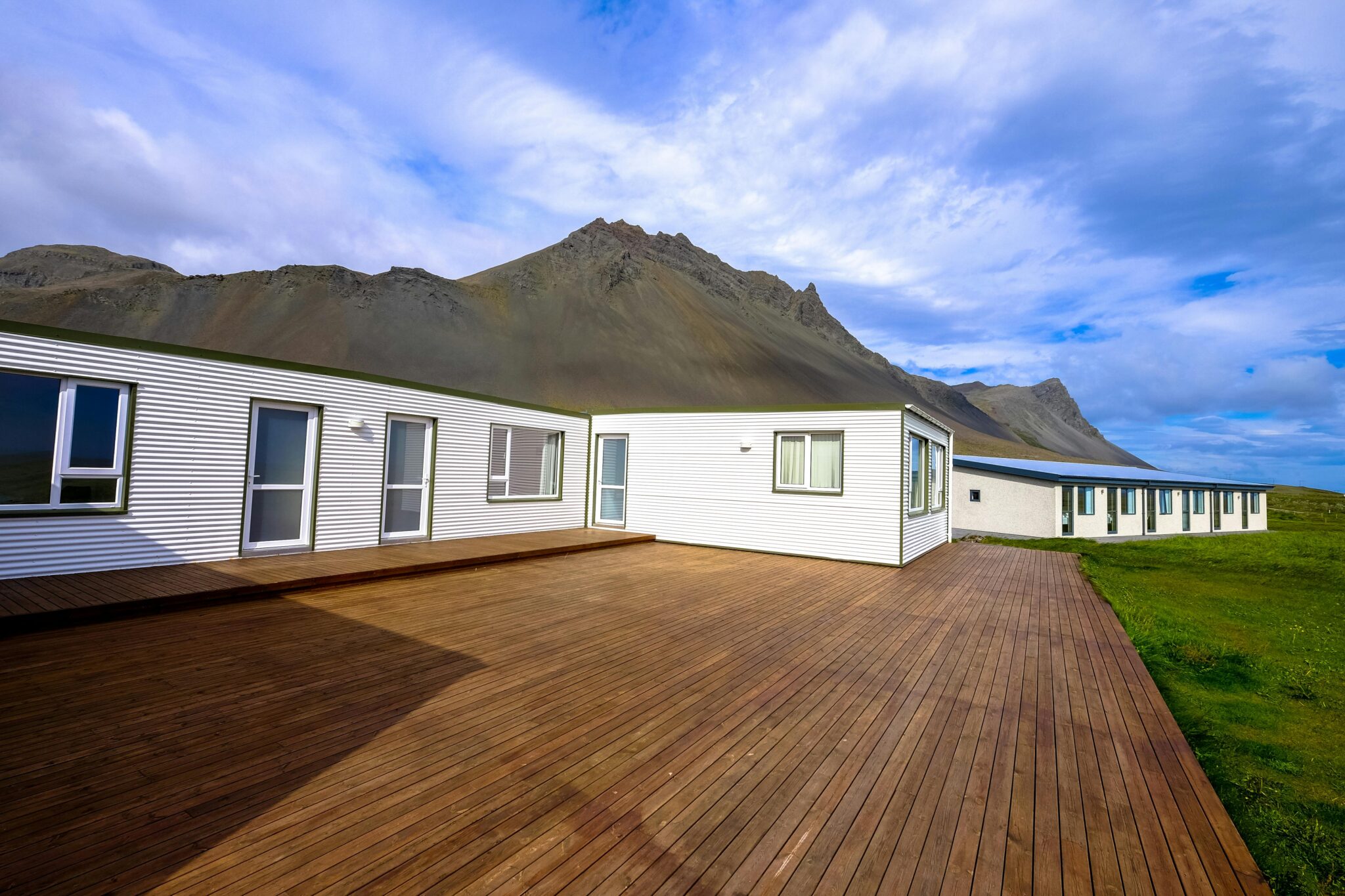
A deck is one of the most versatile spaces you can create for your outdoor area. Having a deck immediately elevates the look and value of your home, as it feels luxurious but is also extremely handy. You can pop chairs out there and watch the stars in the evening, put a table out and host friends and family or use it as an outside stretching or exercise area with a mat.
The only thing you need to think about before starting this project is which material you’re going to pick. And if your focus is on being eco-friendly, then there are a few different options available to you.
Building a deck takes a fair amount of time, it requires planning, a budget and know-how. The one area that you’re in control of is picking a deck material that is eco-friendly and works for your needs, i.e., the size you want, the budget you have and what you want to use the deck for. If you’re going to go through the worthwhile trouble of building it, you should pick a material that looks right but more than that, doesn’t need to be varnished or tended to every six months. You want something eco-friendly but durable.
Why Eco-Friendly Decking Is Worth It
Eco-friendly decking isn’t just about reducing environmental impact. It’s also about choosing materials that last longer and require less upkeep. A low maintenance deck saves time and money over the years. Many traditional wood decks require frequent staining, sealing and repairs. Sustainable materials, on the other hand, are designed to resist weather, insects and wear.
This makes eco-friendly decking a practical choice if you’re looking to build a long-lasting deck without constant maintenance. Another benefit is the variety of styles available. From natural wood looks to modern finishes, eco-friendly decking works into any outdoor design.
Composite Decking And Recycled Solutions
Composite decking continues to grow in popularity for good reason. Made from recycled wood and plastics, it reduces waste while delivering a durable decking solution that requires minimal upkeep. This makes it a top choice for anyone seeking a low maintenance deck.
Unlike traditional wood, composite decking doesn’t splinter or warp easily. It also resists fading, which helps maintain the appearance of a long-lasting deck over time. With a variety of colors and textures available, composite decking can replicate the look of natural wood without all the potential headaches that can come with wood.
But if it’s wood you’re after, recycled wood is another excellent option for eco-friendly decking. Salvaged from old structures, this material brings character and history to a space. Using recycled wood supports sustainable materials by reducing the demand for new lumber.
Bamboo And Innovative Alternatives
Another option is bamboo. Bamboo has quickly become one of the most talked-about sustainable materials in outdoor design. Its rapid growth cycle makes it an ideal resource for eco-friendly decking, especially when compared to slow-growing hardwoods.
Modern manufacturing techniques have made bamboo decking stronger and more weather-resistant than ever. One standout option is fused bamboo decking, which compresses bamboo fibers under high pressure to create an incredibly dense and durable decking surface. Fused bamboo decking offers the natural beauty of wood while outperforming many traditional materials in terms of strength. It resists moisture, insects and temperature changes, making it suitable for a wide range of climates. Bamboo decking in general also provides a distinctive look that enhances green outdoor living spaces.
For those considering alternatives to tropical hardwoods, Ipe alternatives made from bamboo or composite decking materials provide similar aesthetics without contributing to deforestation.
Choosing Materials That Stand The Test Of Time
Now that you have a few examples of materials you can go for and have hopefully researched how they look, you can start to unpack the benefits and disadvantages of each. When planning a deck, longevity should always be a priority. A long-lasting deck depends on selecting materials that can handle daily use and environmental exposure without constant repairs.
Durable decking options like bamboo decking and composite decking are designed to meet these demands. Bamboo, especially in its fused bamboo form, delivers exceptional strength while remaining a renewable resource. Composite decking, on the other hand, offers consistency and ease of care, making it ideal for busy households. Ipe alternatives also play an important role in modern outdoor design. These materials provide the rich appearance of hardwoods while using sustainable materials that are better for the environment.
A low maintenance deck doesn’t mean sacrificing style. With the right combination of materials, it’s possible to create a space that looks great year after year.
Sustainable Decking Options You Can Think About
In the end, investing in eco-friendly decking is about more than just appearance. It is about creating a space that supports green outdoor living while standing strong for decades. Here is a quick summary of the materials you can choose from:
- Composite decking combines recycled wood fibers and plastic to create a strong, weather-resistant surface
- Recycled wood offers a second life to reclaimed lumber while maintaining a natural appearance
- Bamboo decking is rapidly renewable and provides a unique grain pattern that adds character
- Ipe alternatives mimic the look of exotic hardwoods without the environmental impact
Each of these options supports eco-friendly decking goals while delivering the strength needed for a long-lasting deck. The choice is up to you.