

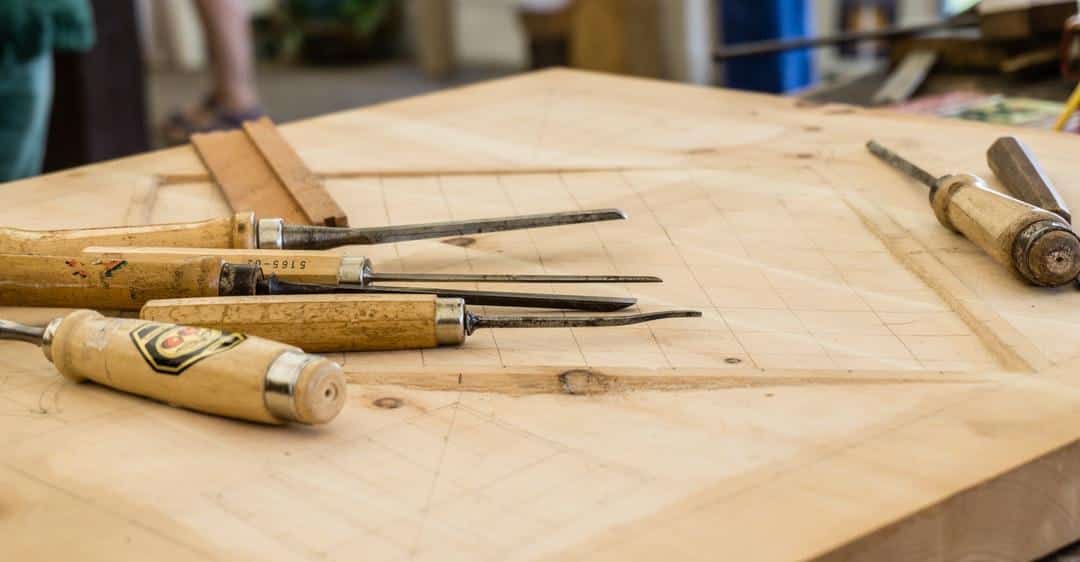
For a home project, focus on selecting the right wood material. Wood defines the aesthetics of your space for better durability and functionality. A better grasp of the different types of wood, their characteristics, and their applications can make your project both efficient and sustainable. Take a closer look at the facts about wood materials for home projects.
Different Types of Wood
Wood is broadly classified into two categories: hardwood and softwood. Hardwood comes from deciduous trees, which lose their leaves annually, whereas softwood comes from coniferous trees, which have needles and cones. Oak, maple, and teak are known for their strength, ideal for furniture, flooring, and structural applications. Pine, cedar, and spruce are lighter and easier to work with, perfect for framing, paneling, and decorative purposes.
Each type of wood has a unique grain pattern, texture, and color that influence the design and ambiance of a room. Walnut provides a rich dark hue, while birch offers a lighter tone for minimalist aesthetics. With the right wood type, your home project will align with functionality and style.
The Importance of Sustainability
Sustainable wood is sourced from responsibly managed forests for minimal environmental impact. Using sustainable timber helps in forest conservation and reduces your carbon footprint. Certification programs like FSC (Forest Stewardship Council) and PEFC (Programme for the Endorsement of Forest Certification) guarantee that the wood comes from sustainable sources.
Sustainable wood can be applied to a wide range of projects, including decking and flooring, as well as furniture and cabinetry. By opting for environmentally friendly materials, homeowners contribute to long-term ecological balance while still achieving a high-quality finish for their projects. You can explore various options to make eco-conscious choices for your home.
Moisture Content and Its Impact on Wood
Moisture content affects the performance and longevity of wood. Wood naturally contains water, and its moisture level affects expansion, contraction, and warping. Freshly cut wood, known as green wood, has a high moisture content that must be reduced through drying processes before it can be used.
Kiln-dried wood is preferred for indoor projects due to its consistent moisture levels, which reduce the risk of cracking and warping. Air-dried wood is a slower and more natural method, yet it may not achieve uniform moisture content. Your wood material remains stable and durable in its intended environment.
Wood Durability and Resistance
Durability is the biggest factor when selecting wood for home projects. Some woods are naturally resistant to decay, insects, and fungi, and others require chemical treatments to enhance longevity. Teak and cedar have natural oils that make them highly resistant to moisture and pests for outdoor furniture and decking.
Softer woods like pine or fir may need protective coatings or sealants to withstand wear and tear. Proper maintenance, including periodic polishing and treatment, can further extend the life of wood surfaces, preserving both their appearance and structural integrity.
Wood Finishing Techniques
Finishing improves the appearance of wood and provides a protective layer against environmental damage. Common finishing methods include staining, varnishing, oiling, and painting. Stains improve the wood’s natural grain and give it a richer look. Varnishes provide a glossy and protective surface.
Oils, like linseed or tung oil, penetrate deep into the wood, preserving its natural texture and color. Paint can be used for decorative purposes or to match interior design themes. When you choose the appropriate finish, your wood project will look stunning and last longer.
Common Applications in Home Projects
Wood is incredibly versatile and can be used in a variety of home projects. Its applications include furniture making, cabinetry, flooring, decking, wall paneling, and decorative accents. Choose the right wood type for each application. Hardwoods are ideal for high-traffic areas like floors, whereas softwoods are suitable for decorative trims and moldings.
Here are some common uses of wood in home projects:
- Furniture: Tables, chairs, cabinets, and bed frames
- Flooring: Hardwood planks for durability and elegance
- Decking: Weather-resistant woods like teak and cedar
- Wall Paneling: Softwoods for decorative finishes
- Cabinetry: High-quality hardwoods for kitchens and bathrooms
Cost Considerations
Wood materials vary widely in cost depending on type, availability, and quality. Mahogany, cherry, and teak tend to be more expensive due to their durability, aesthetic appeal, and slower growth rates. Pine and spruce are more affordable and easier to source.
Investing in high-quality wood may initially cost more, but it results in longer-lasting furniture and structures, reducing the need for replacements. Budgeting for your wood materials upfront allows for better planning so that you achieve the desired balance between cost, quality, and aesthetics.
Wood shapes the beauty, functionality, and sustainability of your home projects. If you understand types, durability, finishing techniques, and responsible sourcing, you can create spaces that are both elegant and long-lasting. Choose the right wood and maintain it properly so that your home investments remain rewarding for years.