

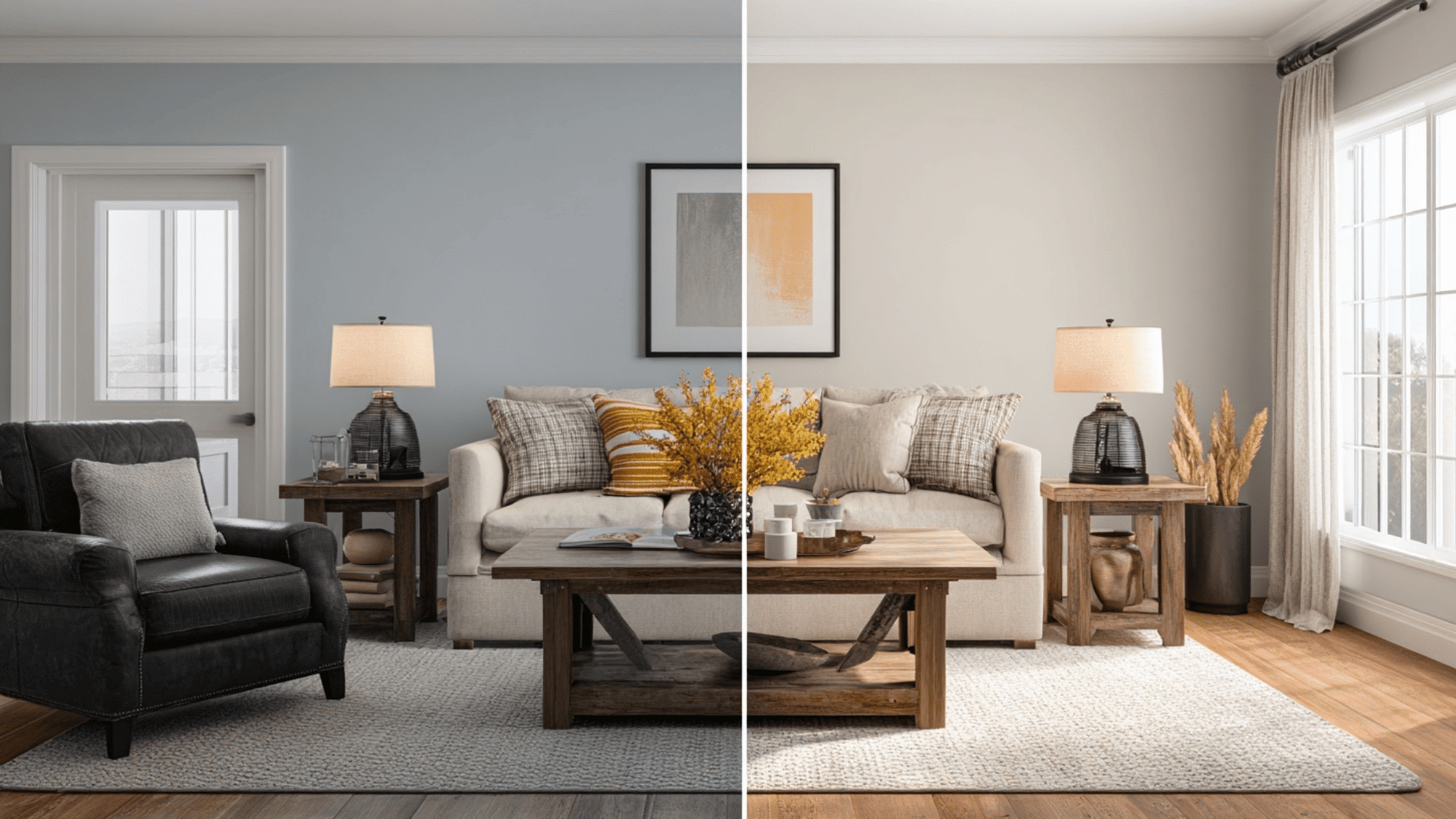
Choosing the right paint finish can feel overwhelming. Walk into any paint store, and the options multiply fast.
Flat or satin? Matte or eggshell? Each finish promises something different, but which one actually delivers for real homes with real life happening inside them?
The debate between flat and satin paint isn’t just about looks. It’s about durability, maintenance, and how light plays across walls.
Some homeowners swear by flat’s smooth appearance while others can’t imagine life without satin’s washability. Both finishes have their benefits, and understanding what each brings to the table makes all the difference.
Core Differences Between Flat vs Satin Paint
Paint finishes aren’t just about personal preference. They’re built differently at a molecular level, and that changes everything about how they perform.
Flat paint contains less resin and more pigment, creating a surface that absorbs light rather than bouncing it back. This gives walls that smooth, velvety look many designers love.
Satin paint flips the formula. More resin means more shine and a tougher surface. Light hits satin walls and reflects gently, creating a soft glow that’s noticeable but not overwhelming.
The extra resin also makes satin more resistant to moisture and easier to clean.
These fundamental differences affect where each finish works best, how long it lasts, and what kind of maintenance it demands. Understanding these basics helps narrow down which finish suits specific rooms.
Flat vs Satin Paint Pros and Cons
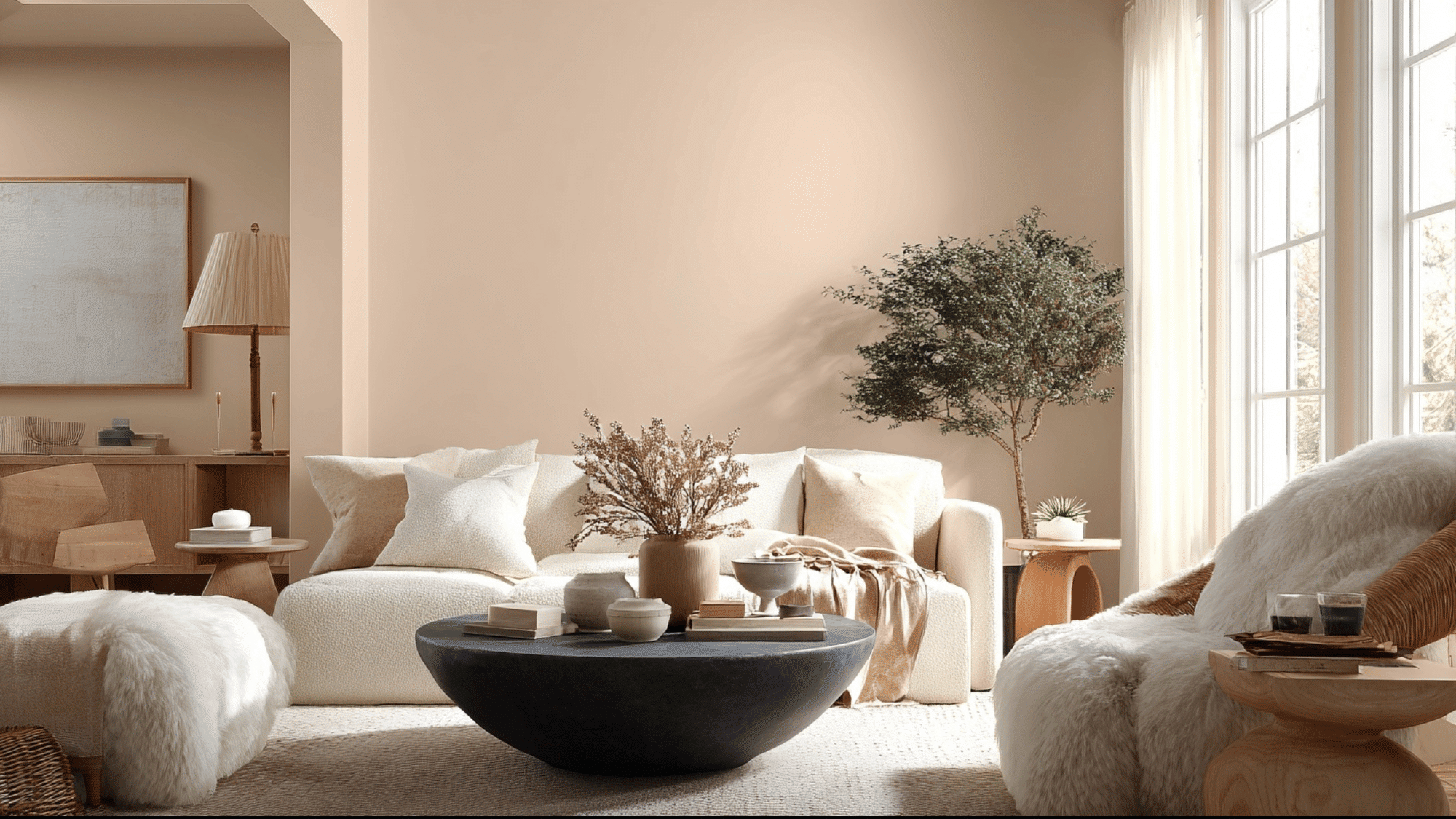
Every paint finish comes with trade-offs. What works perfectly in one room might create headaches in another. Here’s a straightforward breakdown of what each finish offers and where it falls short.
| Flat Paint | Satin Paint |
|---|---|
| Pros: | Pros: |
| • Hides wall imperfections beautifully | • Cleans easily with soap and water |
| • Provides rich, deep color | • Resists moisture and humidity |
| • Creates a smooth, non-reflective finish | • Handles high-traffic areas well |
| • Touches up without showing patches | • Offers subtle, soft sheen |
| • Costs less per gallon | • More durable and long-lasting |
| Cons: | Cons: |
| • Difficult to clean without damage | • Shows every wall imperfection |
| • Marks and scuffs easily | • Touch-ups often show |
| • Not suitable for humid rooms | • Reflects light noticeably |
| • Wears down in high-traffic areas | • Costs more upfront |
| • Requires frequent repainting | • Requires better wall prep |
Other Finish Options to Consider
Flat and satin aren’t the only players in the paint finish game. Several other options sit between these two extremes, each bringing unique benefits worth considering for specific situations.
1. Eggshell
Eggshell falls right between flat and satin. It has a subtle sheen like an actual eggshell, hides minor imperfections reasonably well, and cleans better than flat.
Great for living rooms and bedrooms where durability matters but high shine doesn’t.
2. Matte
Matte is essentially modern flat paint with slightly better durability.
Many paint companies now offer matte finishes that clean more easily than traditional flat finishes while maintaining that smooth, non-reflective appearance.
Perfect for contemporary spaces seeking a refined look.
3. Semi-Gloss
Semi-gloss delivers noticeable shine and serious durability. Moisture and stains wipe away effortlessly, making it ideal for kitchens, bathrooms, and trim work.
The high sheen does highlight every wall flaw, so proper surface preparation is essential.
Interior Applications Comparison
Not every room in a home faces the same challenges. Matching the right paint finish to each room’s specific demands makes maintenance easier and keeps walls looking better longer.
Living Rooms
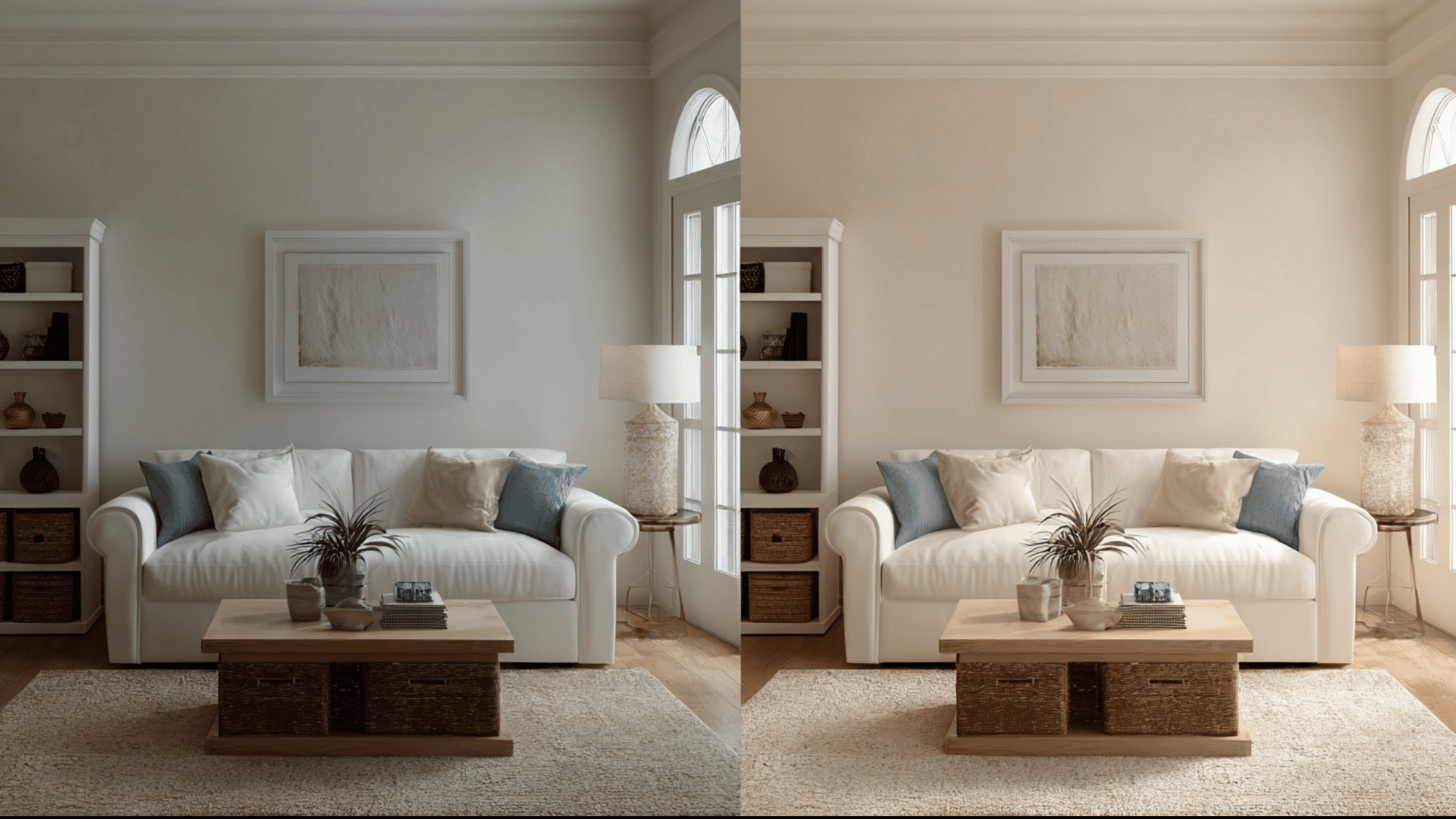
Living rooms work well with either finish, depending on the household. Families with kids and pets often prefer satin for its scrubbability when fingerprints and smudges appear.
Adults without children might choose flat for its sophisticated, light-absorbing quality. Consider how much wall contact happens and whether imperfections need hiding before deciding.
Bedrooms
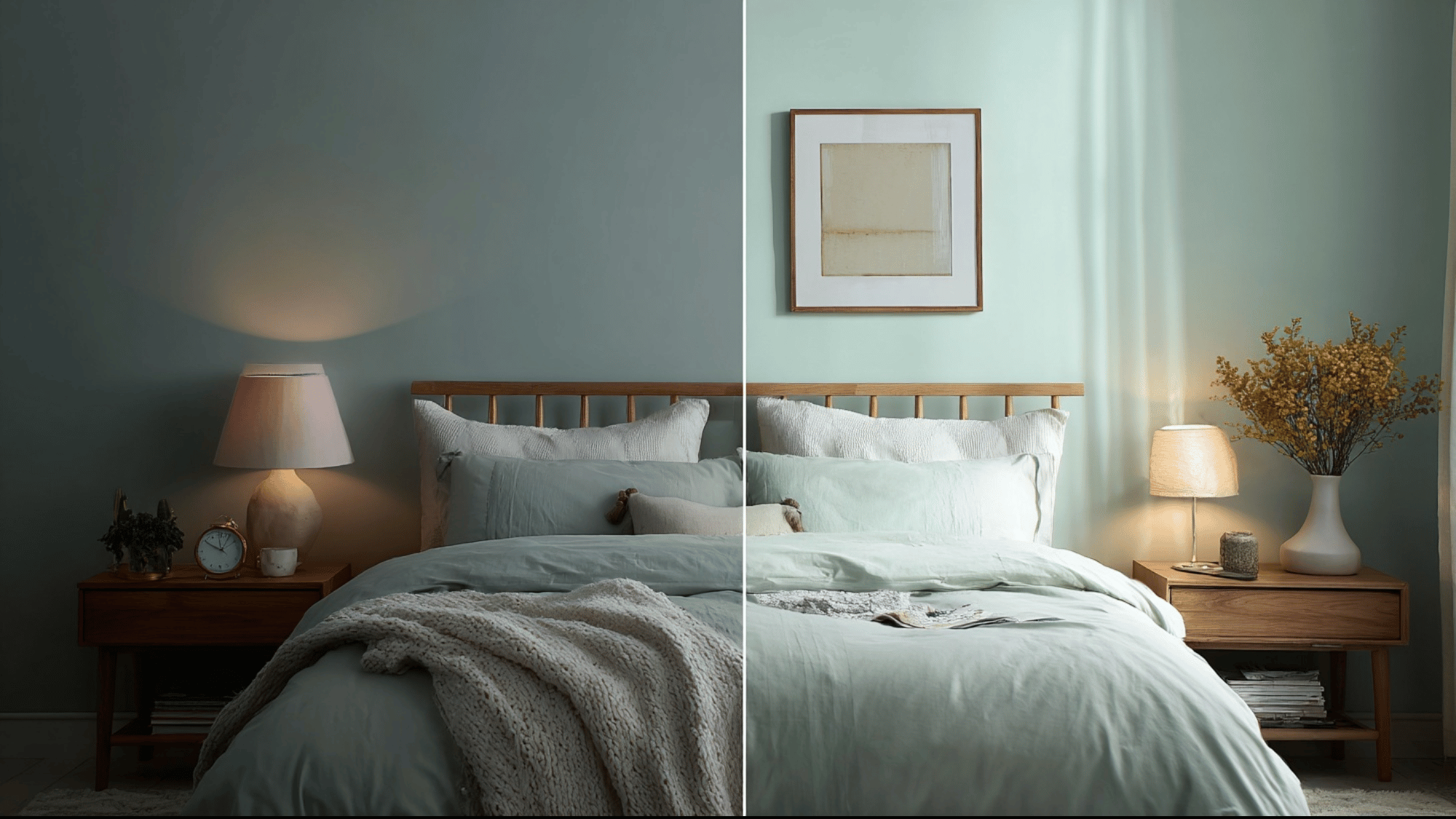
Flat paint wins in most bedrooms. These low-traffic spaces rarely need scrubbing, and the matte finish creates a cozy, calm atmosphere perfect for rest.
The rich color depth of the flat provides makes accent walls particularly striking. Satin works if the room doubles as a home office or kids’ play space, where walls need occasional cleaning.
Kitchens
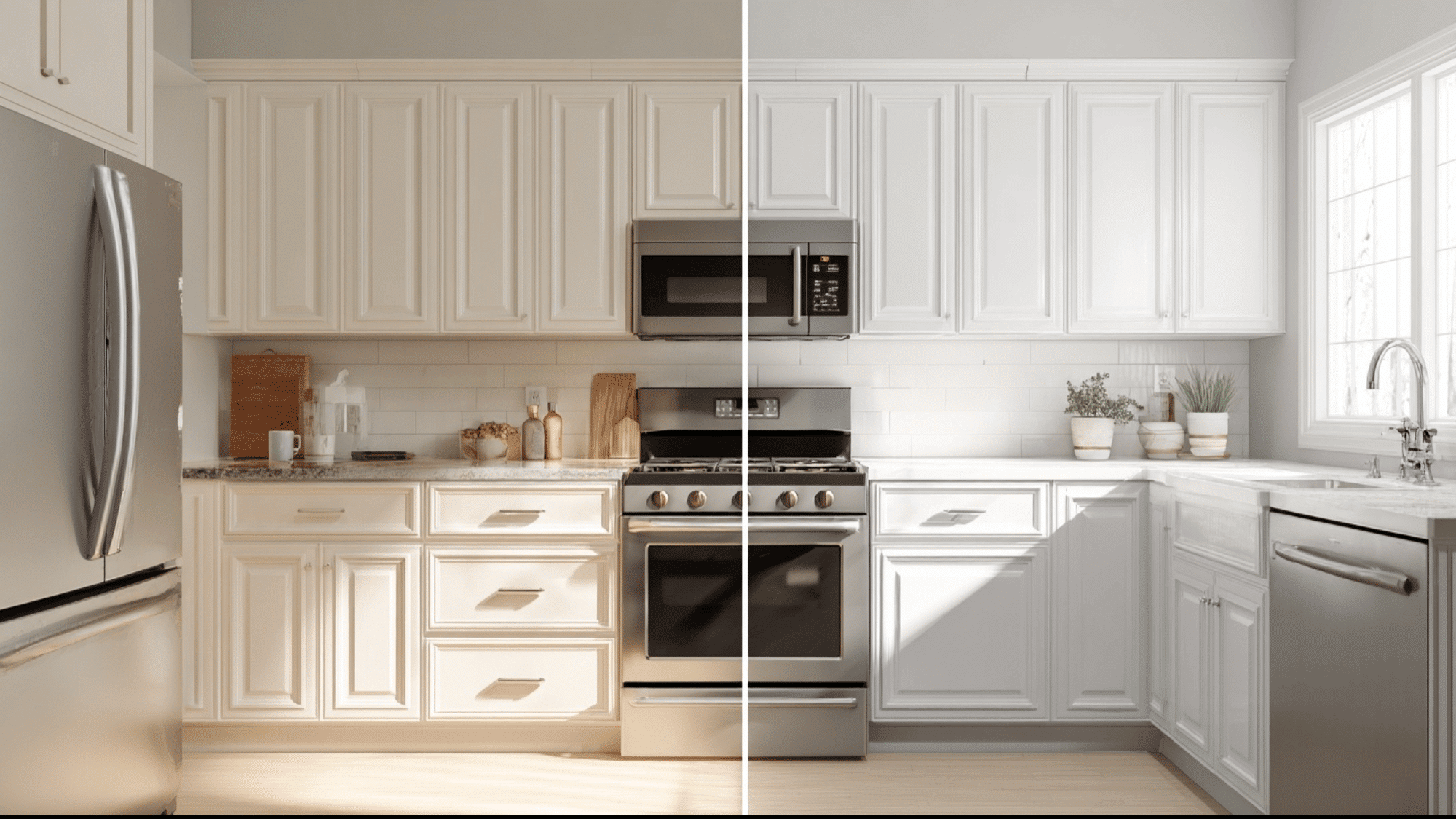
Satin takes kitchens without question. Grease splatters, food spills, and general moisture make washability non-negotiable.
The finish stands up to repeated cleanings without wearing down.
Flat paint in kitchens becomes a maintenance nightmare quickly, showing every mark and resisting attempts to wipe surfaces clean.
Bathrooms

Bathrooms demand satin or higher-sheen finishes. Constant humidity from showers creates the perfect environment for mildew and mold.
Satin’s moisture resistance helps prevent these problems while making routine cleaning simple.
Flat paint absorbs moisture, leading to peeling, bubbling, and potential mold growth behind walls.
Ceilings
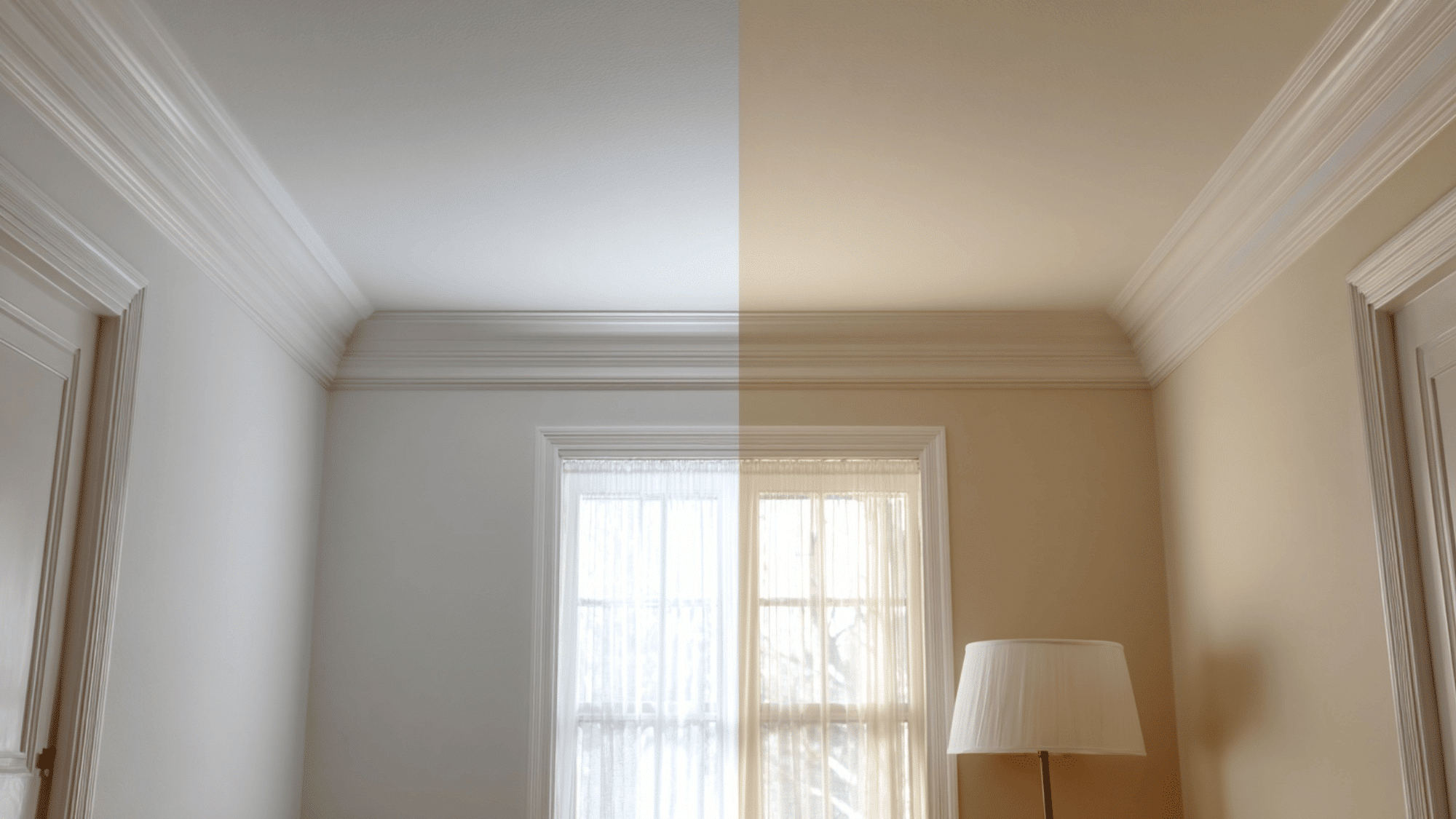
Flat paint dominates ceiling applications almost universally.
Ceilings rarely need cleaning and benefit from the flat’s ability to hide imperfections and texture.
The non-reflective surface prevents distracting light patterns. Satin on ceilings can create unwanted shine and draw attention to flaws that flat would hide completely.
Best Flat or Satin Exterior Paint for Your Climate
Exterior paint faces challenges that interior walls never see. Sun beats down relentlessly.
Rain pounds surfaces for hours. Temperature swings from scorching to freezing stress paint in ways climate-controlled homes don’t.
Climate matters enormously when choosing between flat and satin for outdoor surfaces. Hot, dry climates and cold, wet regions demand different solutions. Coastal areas with salt air present unique problems.
Even pollution levels in urban environments affect how paint performs over time. The right finish protects a home’s exterior while maintaining curb appeal.
Understanding regional weather patterns helps homeowners pick paint that lasts rather than paint that fails within a few seasons.
Best Maintenance Tips for Both the Finishes
Each finish requires different care approaches. Following these simple guidelines keeps walls looking fresh and prevents premature wear that leads to costly repaints.
For Flat Paint:
- Dust walls regularly with a soft microfiber cloth or duster to prevent buildup that embeds into the porous surface.
- Address marks immediately with a slightly damp sponge and gentle dabbing motions rather than rubbing or scrubbing.
- Keep extra paint for touch-ups since flat blends seamlessly without showing repair spots like other finishes do.
- Avoid moisture and steam exposure by using proper ventilation in any room painted with flat finishes.
For Satin Paint:
- Clean with mild soap and warm water using a soft cloth, wiping gently to remove dirt without damaging the sheen.
- Test cleaning products in hidden areas first since harsh chemicals can dull satin’s subtle gloss over time.
- Address scuffs promptly with a magic eraser or baking soda paste before they set into the surface permanently.
- Plan touch-ups carefully since satin shows patches more obviously, often requiring full wall repainting for seamless results.
Conclusion
The flat versus satin debate doesn’t have a universal winner. Homes need both finishes in different spaces.
Most homeowners end up using multiple finishes throughout their spaces, and that’s perfectly fine. Match the paint to the room’s purpose rather than forcing one finish everywhere.
Start with one room and see how the finish performs in real life. Paint isn’t permanent. If flat shows too many marks or satin highlights flaws, repainting fixes the issue.
The best choice is the one that makes daily living easier and keeps homes looking great.