


I like spending time in my garden, but I understand that not everyone feels comfortable when bees are around all the time. If you want a more relaxed space, the plants you choose can make a big difference.
In this guide, I will share some flowers that don’t attract bees and are easier to manage in everyday gardens.
You will learn which flowers are less likely to bring bee activity and why some plants attract them more than others. I will also keep things simple so you can pick what works best for your space without confusion.
If you want a garden that feels calm and easy to enjoy, this will help you make better choices. Small changes in plant selection can improve your outdoor space and make it more comfortable to use every day.
Tips to Reduce Bee Activity in Your Garden
Small changes in plant selection and garden care can help reduce bee activity without removing all flowers. The focus should be on making the space less attractive to bees while keeping it easy to maintain.
- Choose Low-Nectar Flowers: Plants that produce less nectar and pollen attract fewer bees.
- Avoid Bright Blue and Purple Shades: These colors naturally draw more bees, while softer tones attract less attention.
- Trim Flowers Before Full Bloom: Fully open flowers produce more nectar, so early trimming helps reduce visits.
- Keep the Garden Clean and Dry: Standing water and plant waste can increase insect activity.
- Limit Flowering Herbs: Herbs like mint and basil attract bees once they flower, so regular trimming helps.
- Use Dense or Closed Flowers: Tightly packed petals make it harder for bees to access nectar.
- Plant in Partial Shade: Bees are more active in sunny areas, so shaded spots may reduce activity.
Best Flowers that Don’t Attract Bees
Choosing the right flowers can help reduce bee activity while still keeping the garden colorful and easy to maintain. Some plants produce less nectar or have features that make them less attractive to bees.
1. Marigolds
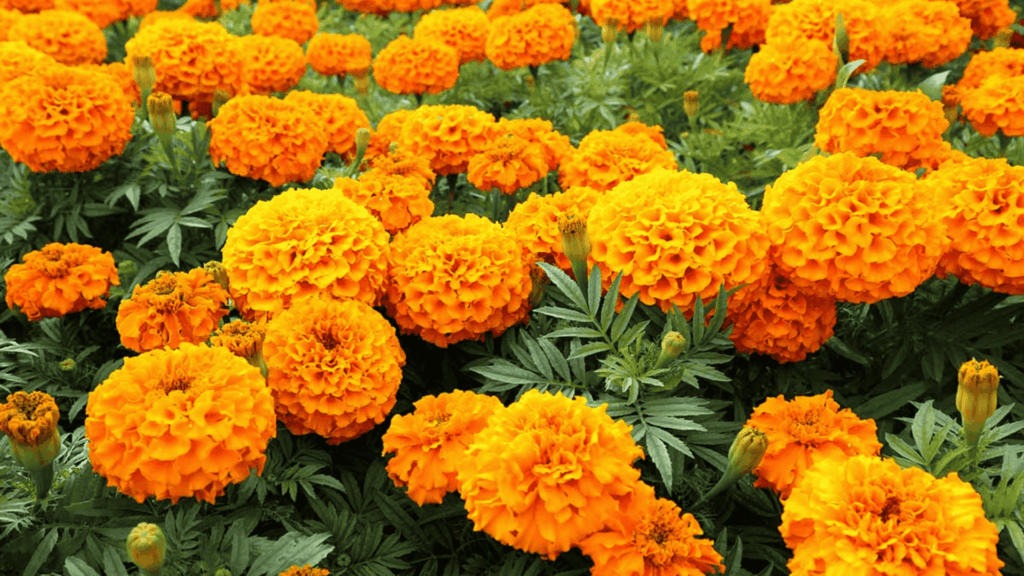
Marigolds are a common choice for gardens that need less bee activity. These flowers have a strong scent that many bees tend to avoid.
They grow easily in most soil types and require little care once planted. Marigolds also help keep some pests away, which makes them useful for garden beds.
Since they produce less nectar compared to other flowers, they do not attract bees as often. This makes them a good option for people who want a simple and low-maintenance garden.
2. Geraniums
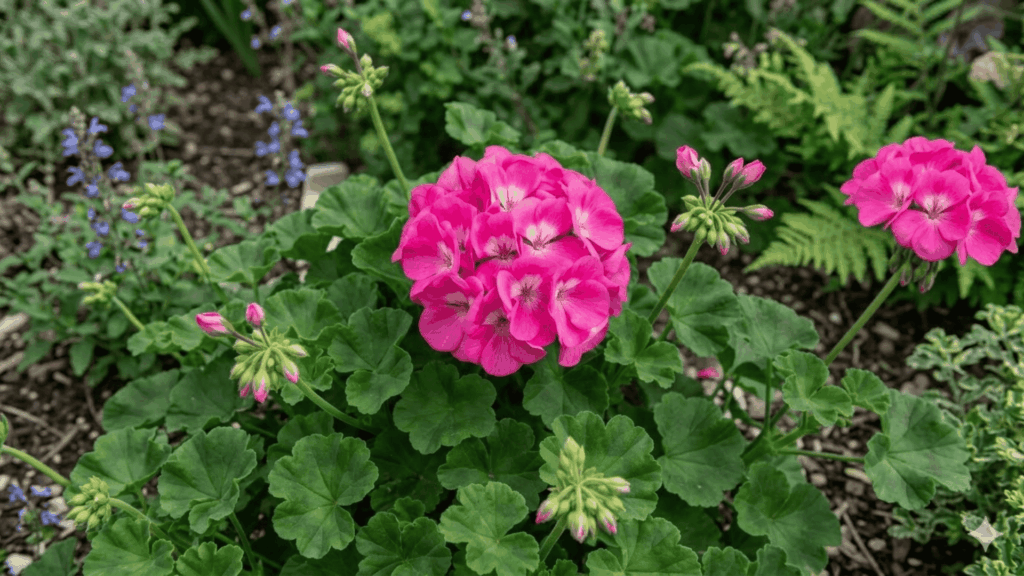
Geraniums are popular for their bright look and easy care. They are known to produce very little nectar, which makes them less attractive to bees.
These flowers grow well in pots or garden beds and can handle different weather conditions. Geraniums also bloom for a long time, adding steady color without increasing insect activity.
Their thick petals and structure make it harder for bees to access any nectar. This makes them a reliable choice for a garden that needs fewer bees around.
3. Begonias
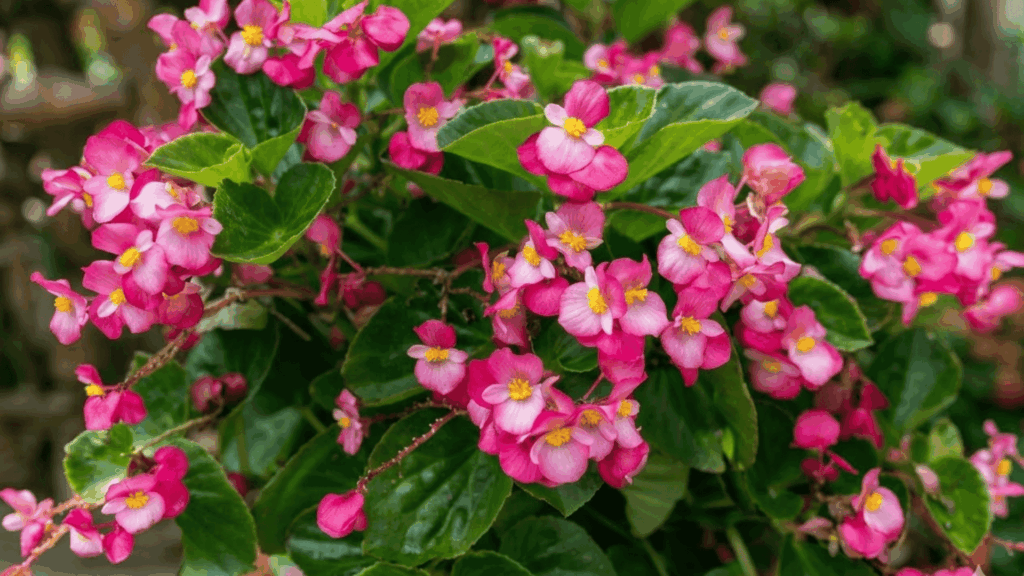
Begonias are widely used in shaded gardens and are known for their low bee-attracting properties. They produce very little pollen, which means bees do not visit them often.
These flowers come in many colors and grow well in containers or garden beds. Begonias are also easy to care for and do not need much sunlight.
Their soft blooms add color without increasing insect activity. This makes them a good option for indoor-outdoor spaces where a calm environment is preferred.
4. Impatiens
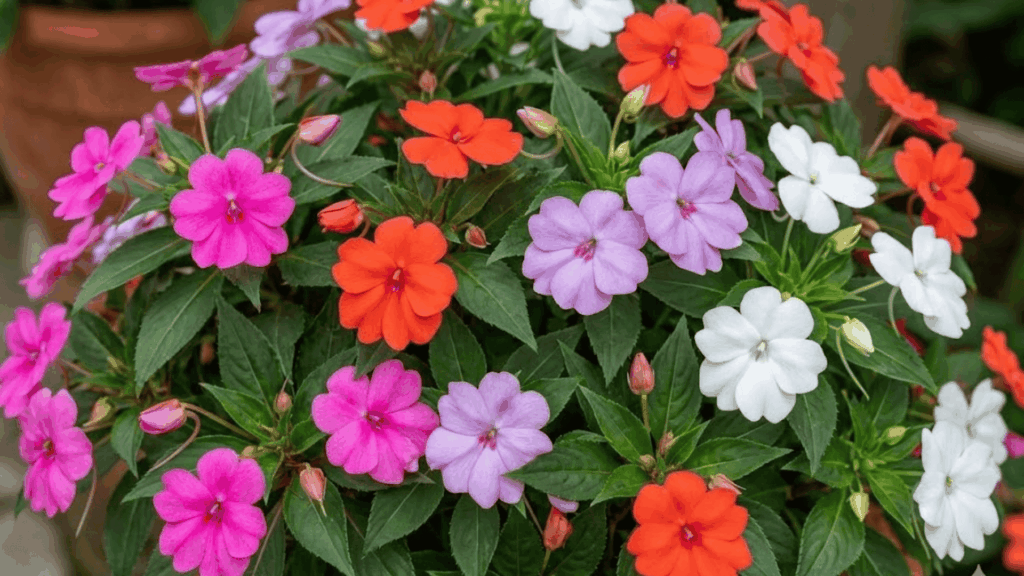
Impatiens are a good option for areas with shade and limited sunlight. These flowers produce little nectar, which reduces their appeal to bees.
They grow quickly and fill garden spaces with color with little effort. Impatiens are often used in borders and containers because they stay neat and full.
Their soft petals and structure do not attract much insect activity. This makes them useful for creating a quiet and comfortable garden area.
5. Petunias
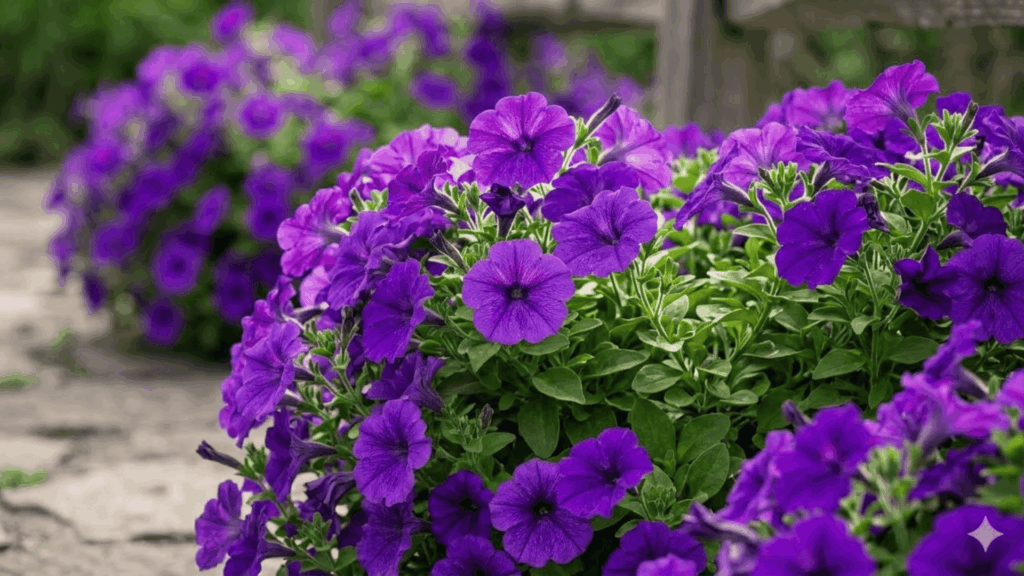
Petunias are easy to grow and are often used in hanging baskets and garden beds. While they do produce nectar, it is not as attractive to bees as that of other flowers.
Their shape and texture also make them less appealing for frequent visits. Petunias come in many colors and bloom for long periods, adding steady color to the garden.
With proper care, they grow well without increasing bee activity too much, making them a balanced choice.
6. Zinnias
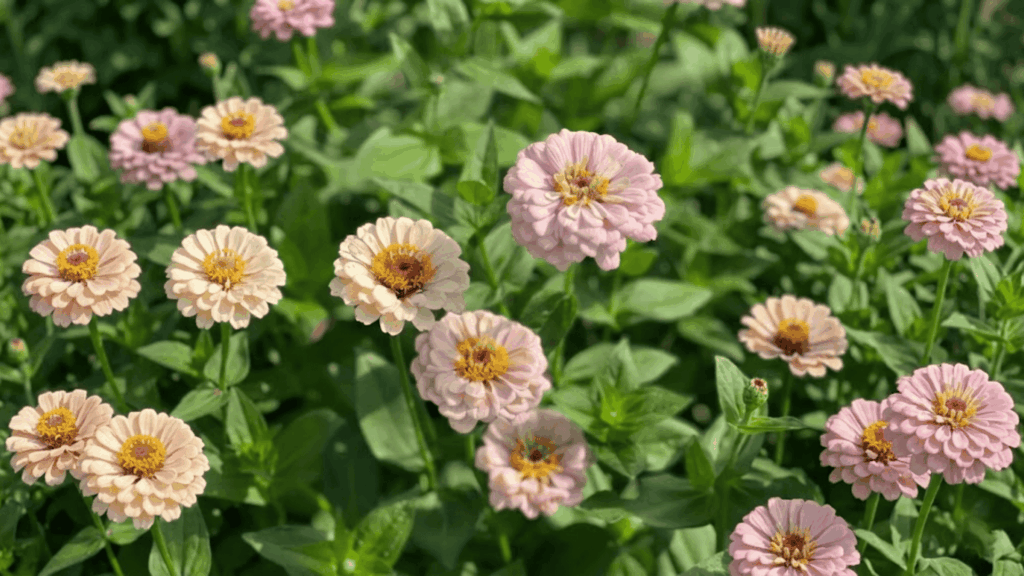
Zinnias are easy to grow and add bright color to any garden. Some varieties attract bees, but single-layer or hybrid types tend to attract fewer bees.
These flowers grow well in warm conditions and require little care. Zinnias bloom for a long time and help fill empty garden spaces.
Their structure and lower nectar levels in certain types make them less appealing to bees. Choosing the right variety can help maintain a colorful garden with reduced insect activity.
7. Caladium
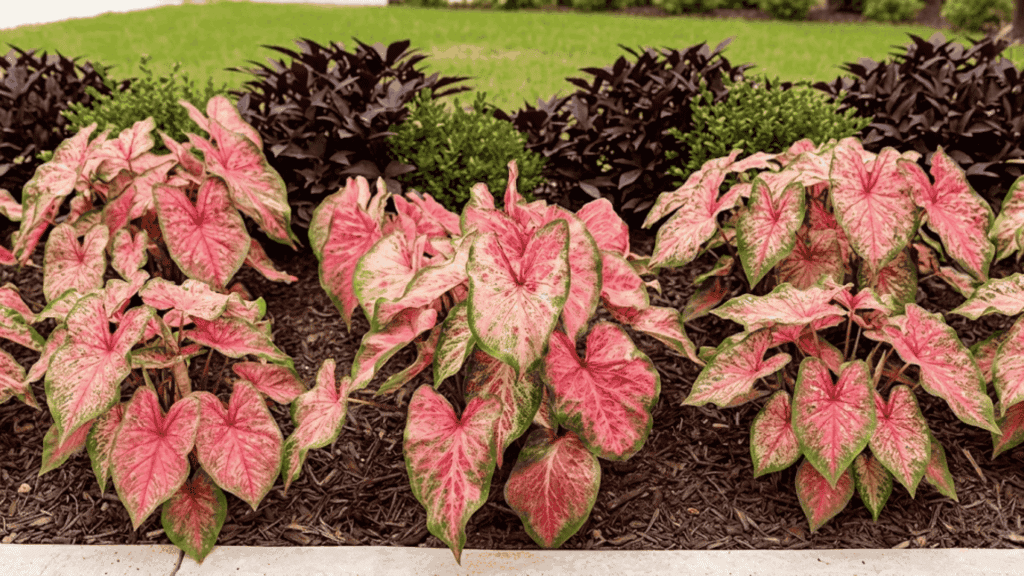
Caladiums are grown mainly for their colorful leaves rather than flowers. Since they do not produce noticeable blooms or nectar, bees are rarely attracted to them.
These plants work well in shaded areas and are often used for decorative purposes. Caladiums are easy to maintain and grow well in pots or garden beds.
Their large, patterned leaves add visual interest without increasing insect activity. This makes them a good choice for a calm and low-bee garden setup.
8. Dusty Miller
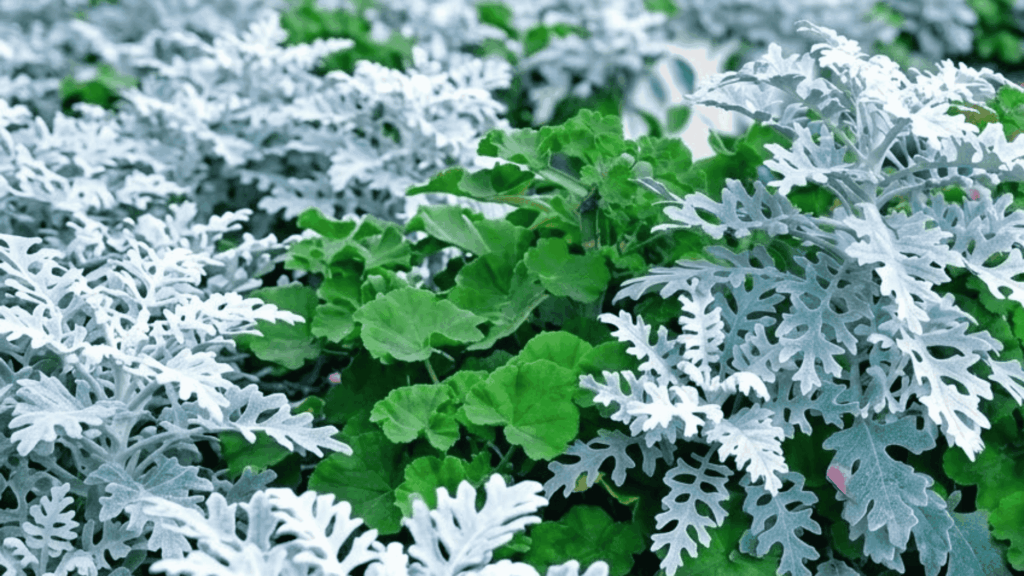
Dusty Miller is a popular plant known for its soft, gray leaves. It is usually grown for foliage rather than flowers, which helps reduce bee attraction.
Since it produces very little nectar, bees do not visit it often. Dusty Miller works well as a border plant and pairs nicely with colorful flowers.
It is also drought-tolerant and easy to maintain. This plant is a good option for adding texture to the garden without increasing insect activity.
9. Coleus
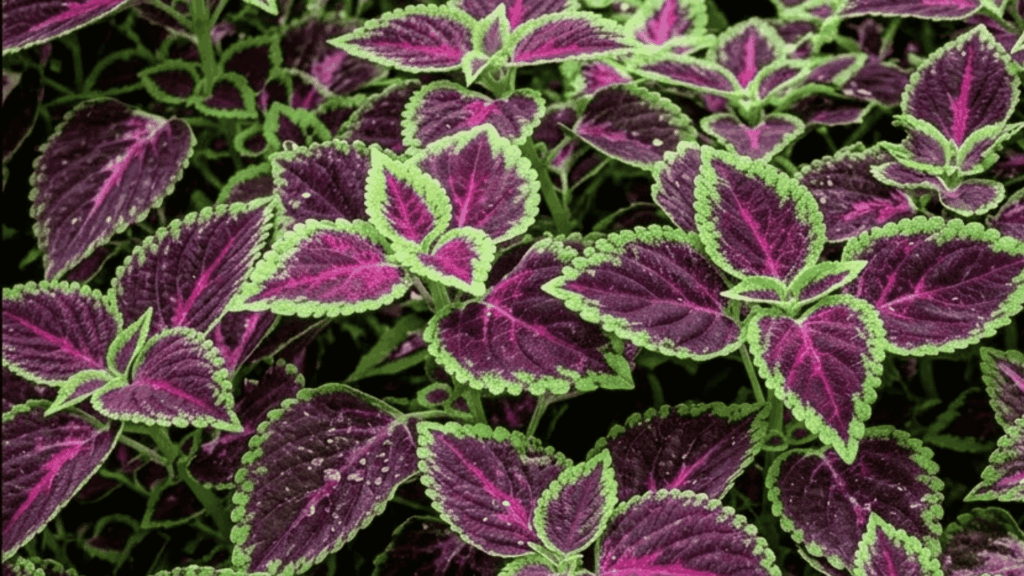
Coleus is another plant grown for its colorful leaves rather than its flowers. It produces little nectar, so bees are not attracted to it.
Coleus grows well in both sun and shade and is often used in containers or garden beds. Its bright leaf patterns add strong color without the need for blooms.
Regular trimming helps keep the plant full and neat. This makes coleus a simple and effective choice for reducing bee activity in garden spaces.
10. Crotons
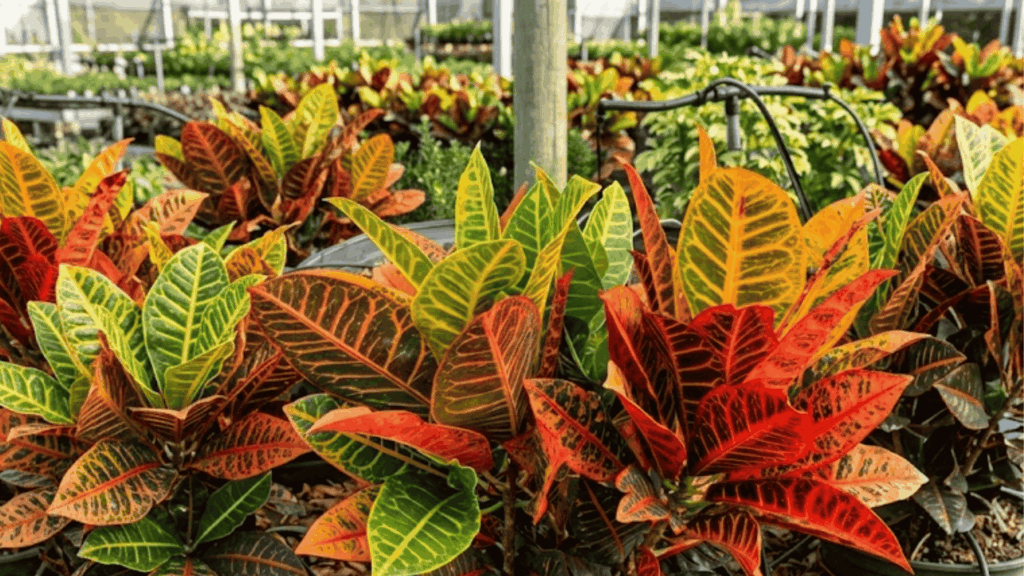
Crotons are known for their bold and colorful leaves, making them a strong decorative plant. They do not rely on flowers to stand out, so they produce little to no nectar.
This means bees are rarely attracted to them. Crotons grow well in warm climates and can be used both indoors and outdoors. Their thick leaves add variety and color to the garden.
Since they focus on foliage rather than blooms, they help keep overall insect activity lower.
11. Lantana
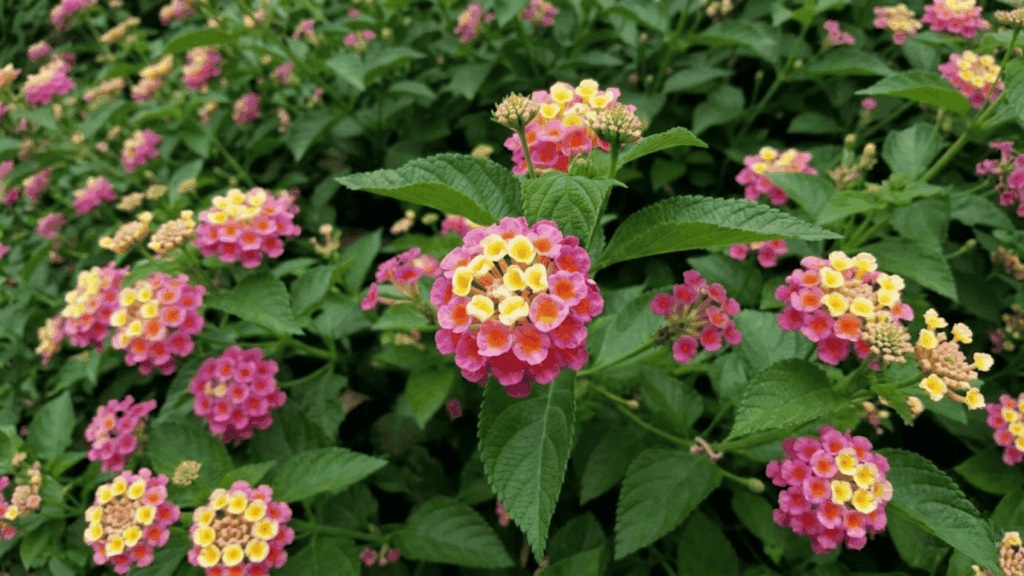
Lantana is often used in gardens for its bright color and long blooming season. While some varieties may attract bees, certain hybrid types produce less nectar and see fewer visits.
These plants grow well in warm climates and require little care once established. Lantana is also drought-tolerant, which makes it useful for low-maintenance gardens.
Choosing controlled or low-nectar varieties can help reduce bee activity while still adding color and coverage to outdoor spaces.
12. Salvia
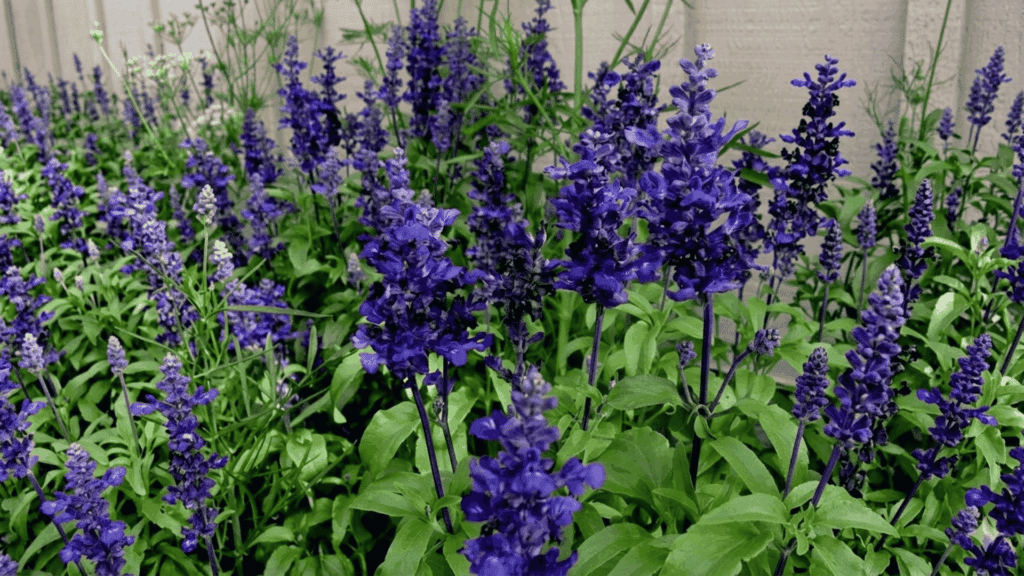
Some salvia types do not attract many bees, especially hybrid or ornamental ones with low nectar. These plants are easy to grow in warm weather, and they need very little care once settled.
They add bright color to garden beds and borders without increasing insect activity. You should pick the right variety, as some salvia types still attract pollinators.
Low-nectar options are better for a calm garden space. They also grow well in pots, making them useful for small outdoor areas and patios.
13. Snapdragons
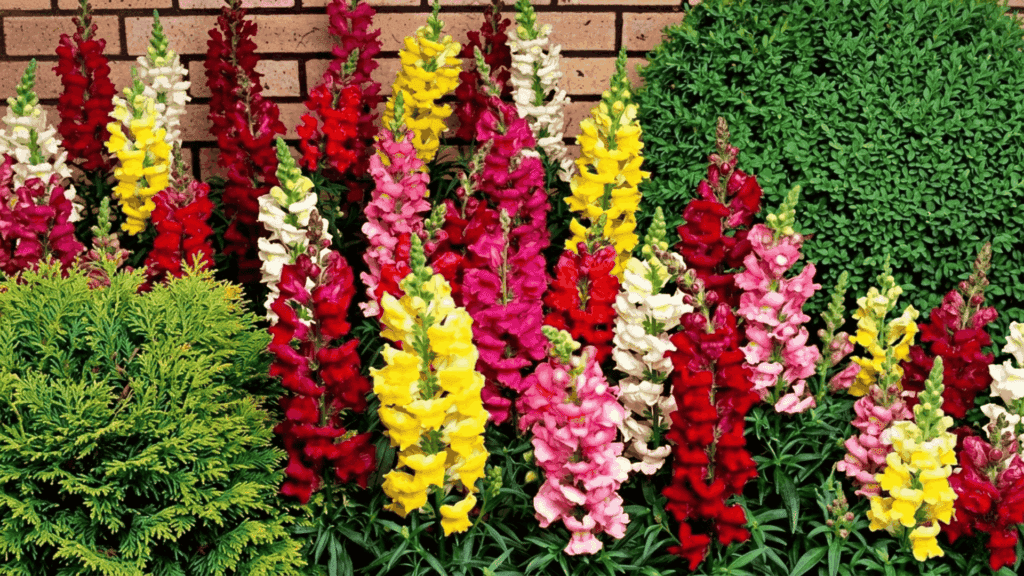
Snapdragons have a closed flower shape that makes it hard for most bees to reach inside. They add height and color without bringing too many insects.
These flowers grow well in cooler weather and require little care once planted. You can use them in garden borders or pots for a neat look. Their structure naturally limits nectar access, thereby reducing bee visits.
They also come in many colors, making it easy to match different garden styles and layouts.
14. Fuchsia
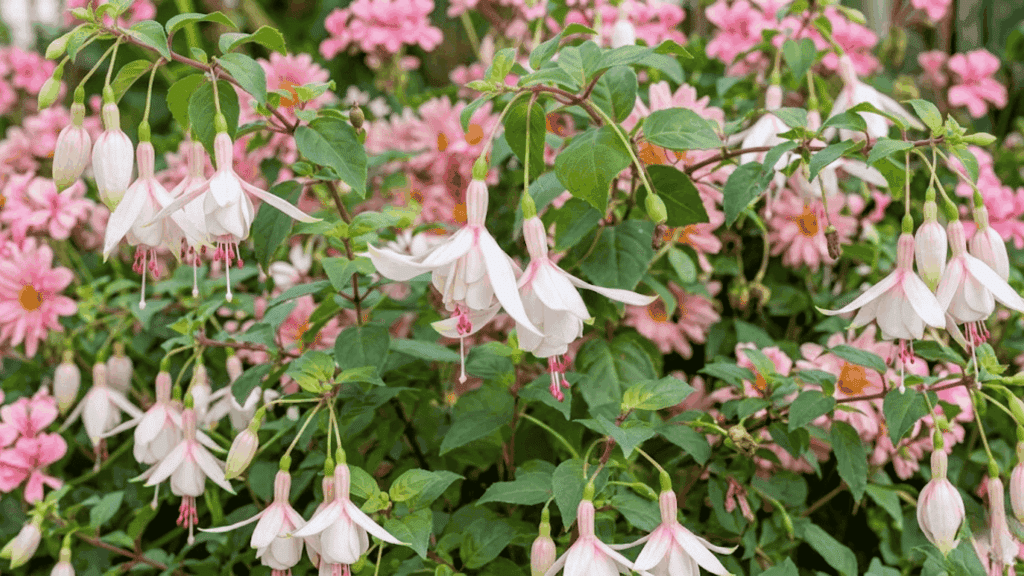
Fuchsia plants grow best in shaded areas and are often used in hanging baskets. Their flower shape suits birds more than bees, so bee visits stay low.
They produce some nectar, but it is not easy for bees to reach. These plants need regular watering and mild care to stay healthy. Fuchsia adds soft color and works well for patios and balconies.
It is a good option if you want a calm space with less insect activity while still keeping your garden bright and fresh.
15. Ornamental Grasses
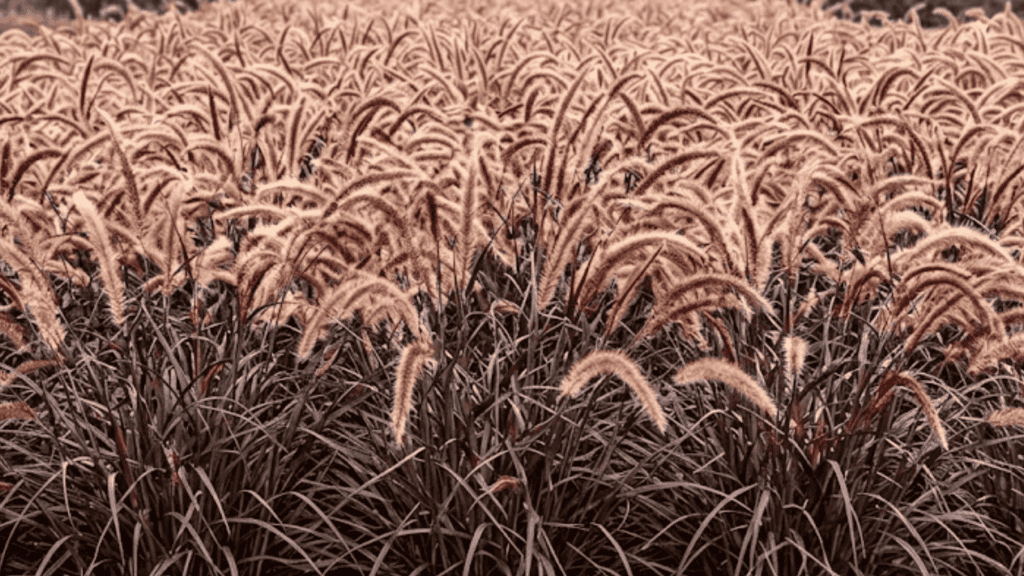
Ornamental grasses are a simple choice for a garden with no bee attraction. These plants do not produce blooms that attract bees, so insect activity stays low. They grow well in many conditions and need little care once established.
You can use them as borders, fillers, or focal points in your garden. Their soft movement in the wind also adds a natural feel while keeping the space clean and easy to maintain.
Why Some Flowers Attract Bees More
Some flowers attract bees much faster than others, and it usually comes down to what those flowers offer.
- Flowers with high nectar and pollen are the biggest reason bees visit often, since they depend on them for food. When a plant produces more nectar, it naturally brings in more bees and keeps them coming back.
- Color also plays a strong role in this. Bees are drawn to shades like blue, purple, and yellow.
- Bright and open flowers make it easier for them to land and collect nectar without much effort.
- The shape of the flower matters too. Simple blooms are easier to access, while tightly packed ones are less appealing.
- Flowers in full bloom attract more bees than those still growing, since they offer more nectar and are easier for bees to access.
Wrapping It Up
In the end, I believe a garden should feel comfortable for you, not stressful. By choosing the right plants and making a few small changes, I can still enjoy color and greenery without being swarmed by too many bees.
It’s really about balance, keeping the space beautiful while making it easier to relax every day.
I like to keep things simple and low effort, and these plant choices make that possible. You don’t have to change everything at once. Start small and see what works best in your space.
If you found this helpful, share it with someone who loves gardening too, or leave a comment with what worked for you!