

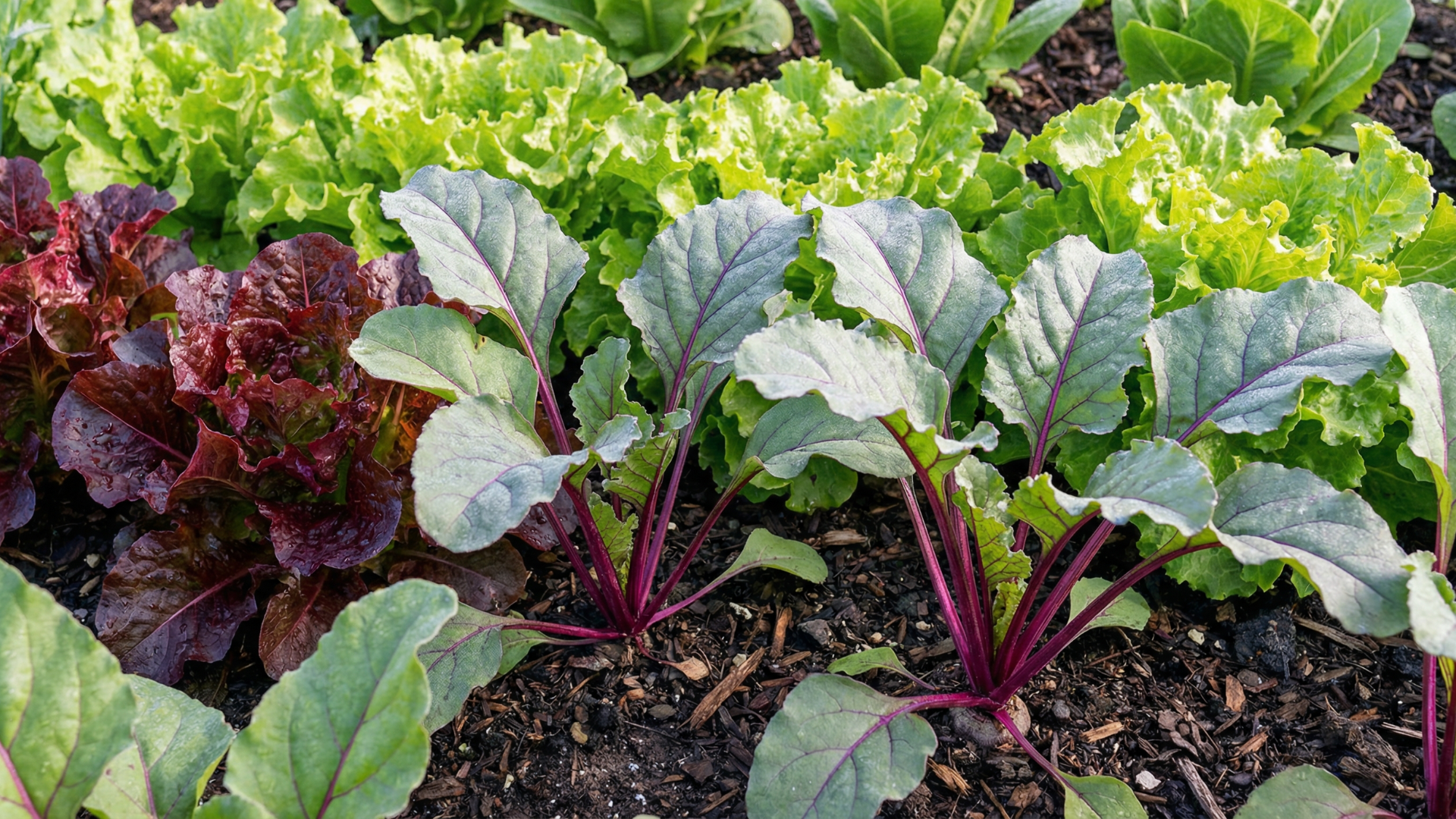
Companion planting is a smart way to build a better vegetable garden. It focuses on how nearby plants affect each other. The right planting choices can make a garden easier to care for and more productive.
By placing certain vegetables, herbs, or flowers close together, gardeners can use less space and grow healthier crops.
This method can reduce the need for sprays, save time, and improve the soil. It’s a natural approach that works well for gardens of all sizes.
This guide offers tips, pairing ideas, and charts to help gardeners use companion planting step by step.
What is Vegetable Garden Companion Planting?
Vegetable garden companion planting is a method of arranging crops based on how plants interact. Instead of random rows, plants are grouped by how well they work together.
For example, planting basil near tomatoes may improve flavor and reduce pest problems. Carrots with deep roots can loosen the soil for nearby lettuce. Corn can act as a natural support for beans.
These plant relationships help create a healthier garden environment.
The idea is to use each plant’s natural traits, such as its scent, root structure, or growth height, to enhance the surrounding area. This method makes the garden more balanced and productive.
How Companion Planting Improves Growth
Companion planting improves plant growth by using natural traits to support the garden. Each plant brings something helpful to the space around it.
- Smells and oils: Herbs like rosemary, mint, and basil release scents that confuse or repel harmful insects.
- Shading and support: Tall plants such as corn can shade smaller crops or provide support for climbing vines like beans.
- Root behavior: Deep-rooted plants like carrots break up the soil. Peas and beans add nitrogen, which helps nearby plants grow.
- Attracting pollinators: Flowers such as marigolds and borage draw bees and butterflies, helping plants bloom and produce food.
- Blocking weeds: Plants that spread out, like squash, cover the soil and stop weeds from growing.
Benefits of Vegetable Garden Companion Planting
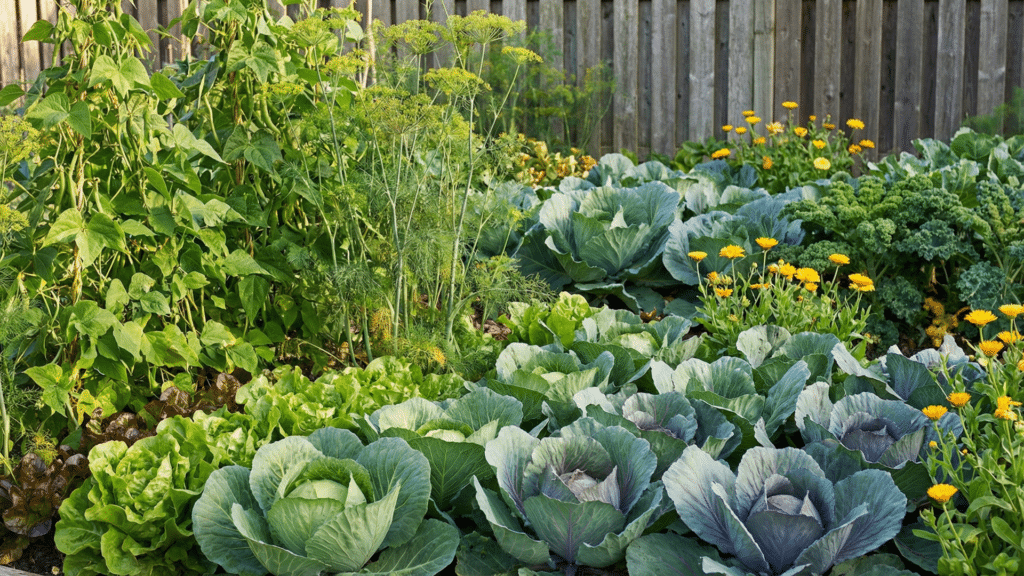
Companion planting helps vegetables grow better by using nature instead of chemicals. It is a smart way to make the most of your garden space. Below are the main benefits of this method, explained simply.
1. Less Pest Damage
Some plants help protect others from bugs. Herbs like basil, rosemary, and mint have strong scents that pests don’t like. Marigolds near tomatoes or beans can help keep beetles away.
Nasturtiums attract pests away from crops, keeping your vegetables safe. Some plants also attract beneficial insects like ladybugs, which eat harmful insects. This means fewer problems and less need for sprays.
2. Healthier Soil
Certain plants make the soil better for growing. Beans and peas add nitrogen to the soil, which helps nearby vegetables grow strong.
Root vegetables like carrots loosen the soil, making it easier for air and water to move through. Healthier soil helps plants grow faster and stronger. Companion planting uses plant combinations that feed and improve the soil naturally over time.
3. More Vegetables to Harvest
When plants work well together, they grow better and make more food. Companion planting helps plants share sunlight, space, and nutrients.
For example, the corn, beans, and squash trio gives each other support, food, and weed control. With fewer pests and better soil, vegetables stay healthy and grow more. A well-planned garden can give you bigger harvests with less effort.
4. Fewer Weeds
Plants that spread across the ground, like squash or sweet potatoes, block sunlight from reaching weed seeds. This stops weeds from growing and keeps your garden neat.
These low-growing plants act as natural mulch, covering the soil and retaining moisture. With fewer weeds, your vegetables have more space and less competition. You also spend less time pulling out unwanted plants.
5. Better Use of Garden Space
Companion planting helps you fit more in your garden. You can mix tall plants with short ones or fast-growing vegetables with slower ones.
For example, grow lettuce between tomato plants before the tomatoes get big. Beans can climb up corn stalks instead of a trellis. This smart use of space is great for small gardens, raised beds, or container setups.
6. Natural Support and Shade
Some tall plants can protect or support other vegetables. Corn can hold up beans as they climb. Sunflowers offer shade for lettuce or spinach that doesn’t like too much sun.
This keeps plants cooler and helps the soil stay moist. Instead of using garden tools or structures, you let the plants help each other grow. It saves time, space, and energy.
7. More Pollinators in the Garden
Pollinators like bees and butterflies are important for vegetable growth. Flowers like borage and calendula, or herbs like dill and fennel, bring these helpful insects into your garden.
These pollinators help flowers turn into fruits and veggies. Some also eat bad bugs. With more pollinators flying around, your plants stay healthy and produce more food. Companion planting makes your garden more active and alive.
How to Plan a Companion Garden
Planning your vegetable garden with companion planting in mind can make a big difference in how well your plants grow. Follow these simple steps to get started:
- List the Vegetables You Want to Grow: Start by writing down all the vegetables you plan to grow this season.
- Check Companion Pairings: Look up which plants grow well together and which ones should be kept apart. Use a companion planting chart for easy reference.
- Group Friendly Plants Together: Arrange plants in your layout so that helpful companions are placed side by side.
- Add Helpful Herbs and Flowers: Include herbs and flowers such as basil, marigold, and dill that support vegetables and repel pests.
- Avoid Bad Neighbors: Keep plant combinations that don’t get along in separate areas of your garden.
- Rotate Crops Each Year: Change plant locations each season to keep the soil healthy and reduce disease.
- Create a Garden Plan: Draw a simple sketch of your garden layout to keep everything organized. This helps you plan spacing, sun needs, and pairings more clearly.
Companion Planting Charts by Vegetable
Use the charts below to quickly find which vegetables grow well together, and which ones should be kept apart. These simple pairings can help you plan a healthier, more productive garden with less guesswork.
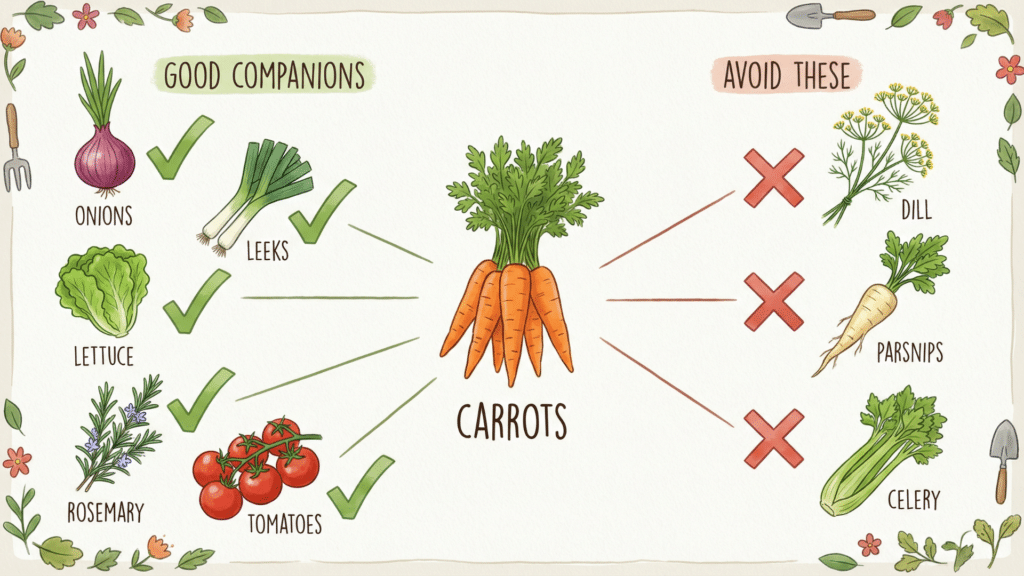
Carrot Companion Chart
| Good Companions | Poor Companions |
|---|---|
| Onions, leeks, lettuce | Dill, parsnips |
| Rosemary, tomatoes | Celery |
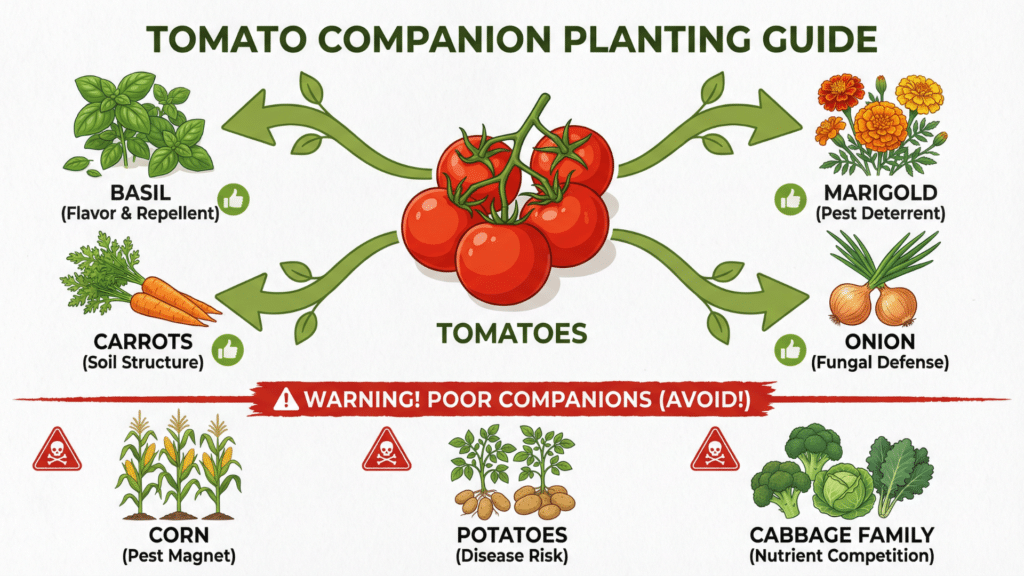
Tomato Companion Chart
| Good Companions | Poor Companions |
|---|---|
| Basil, carrots | Corn, potatoes |
| Marigold, onion | Cabbage family |
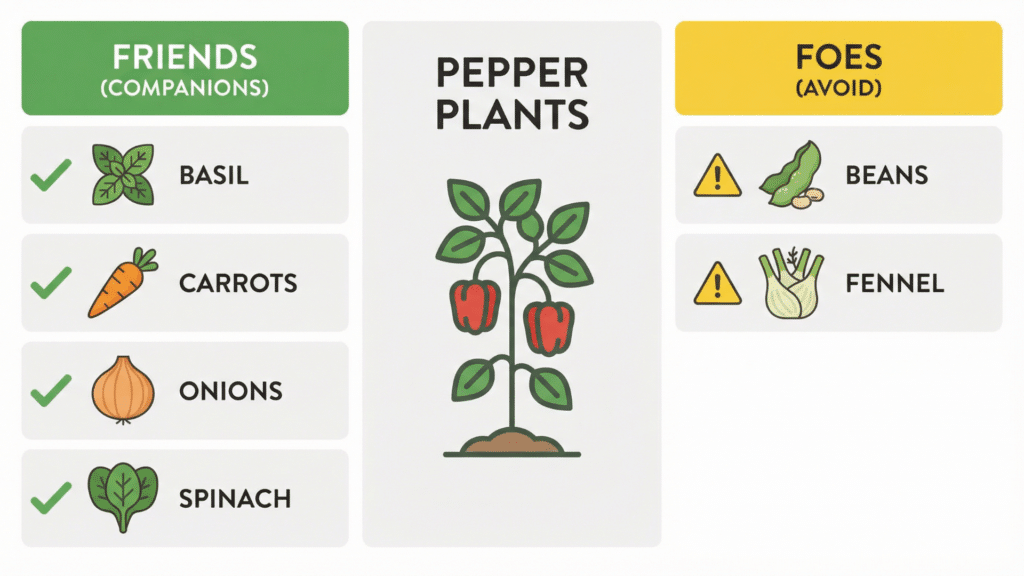
Pepper Companion Chart
| Good Companions | Poor Companions |
|---|---|
| Basil, carrots | Beans |
| Onions, spinach | Fennel |
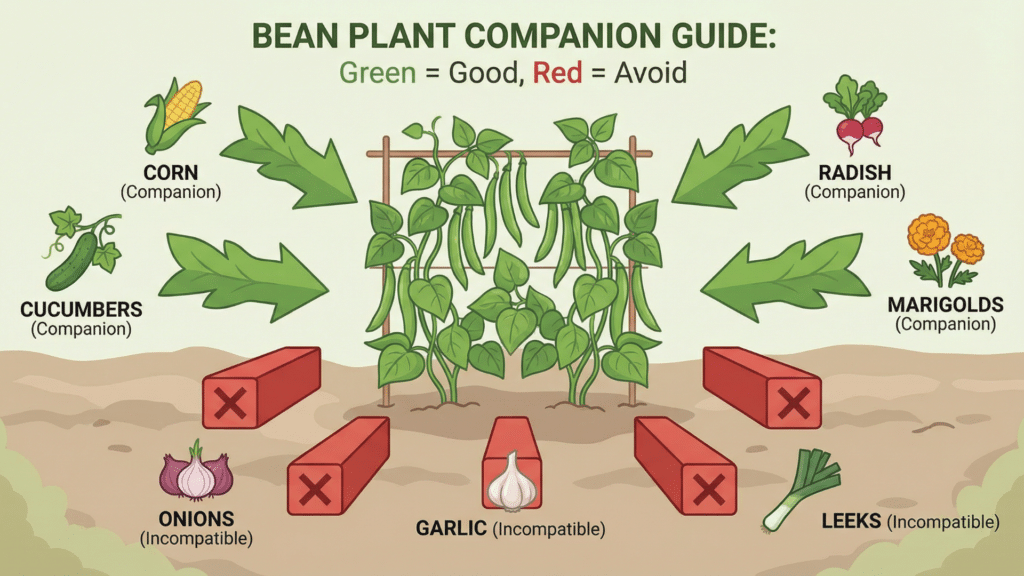
Bean Companion Chart
| Good Companions | Poor Companions |
|---|---|
| Corn, cucumbers | Onions, garlic |
| Radish, marigolds | Leeks |
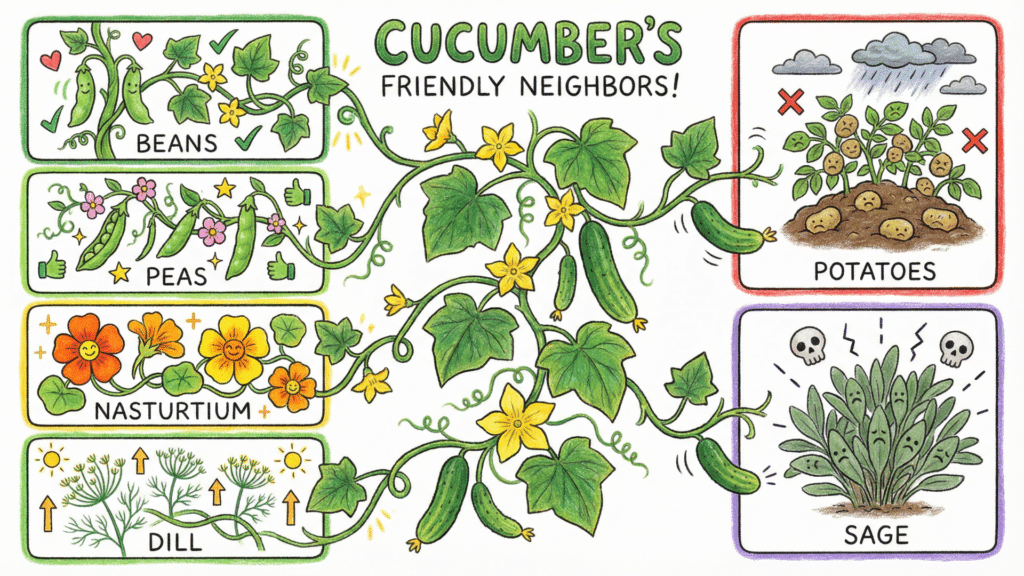
Cucumber Companion Chart
| Good Companions | Poor Companions |
|---|---|
| Beans, peas | Potatoes |
| Nasturtium, dill | Sage |
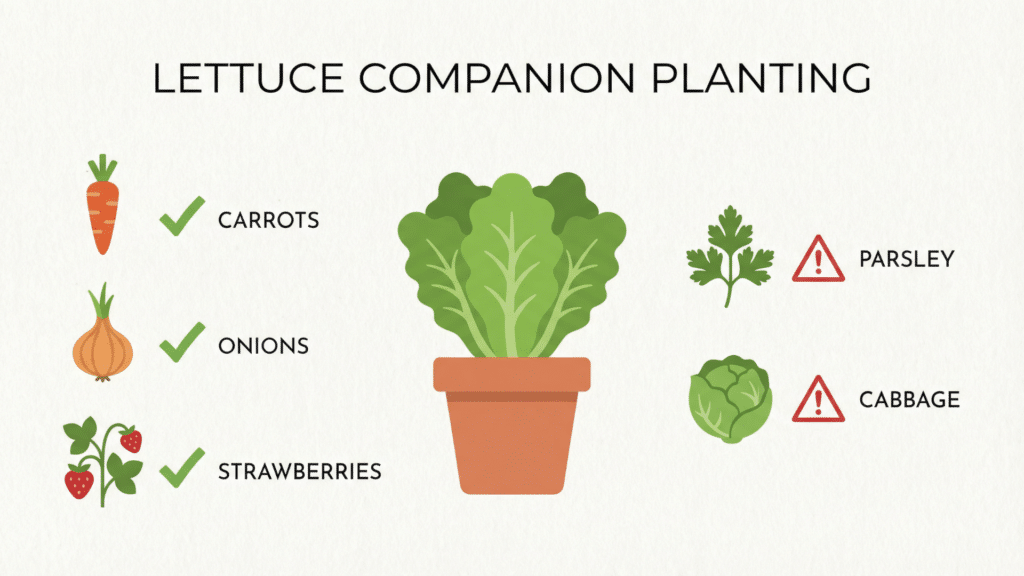
Lettuce Companion Chart
| Good Companions | Poor Companions |
|---|---|
| Carrots, onions | Parsley |
| Strawberries | Cabbage |
Traditional Companion Planting: The Three Sisters
The Three Sisters method is a traditional planting system used by Native American farmers. It shows how vegetables can grow better when planted together in the right way.
- Corn grows upright and acts as a natural pole for other plants.
- Beans wrap around the corn stalks and add nitrogen to the soil.
- Squash spreads along the ground, blocking weeds and helping the soil stay moist.
Each plant plays a different role, but together they create a balanced and productive garden system that uses space and nutrients wisely.
Helpful Herbs in Companion Planting
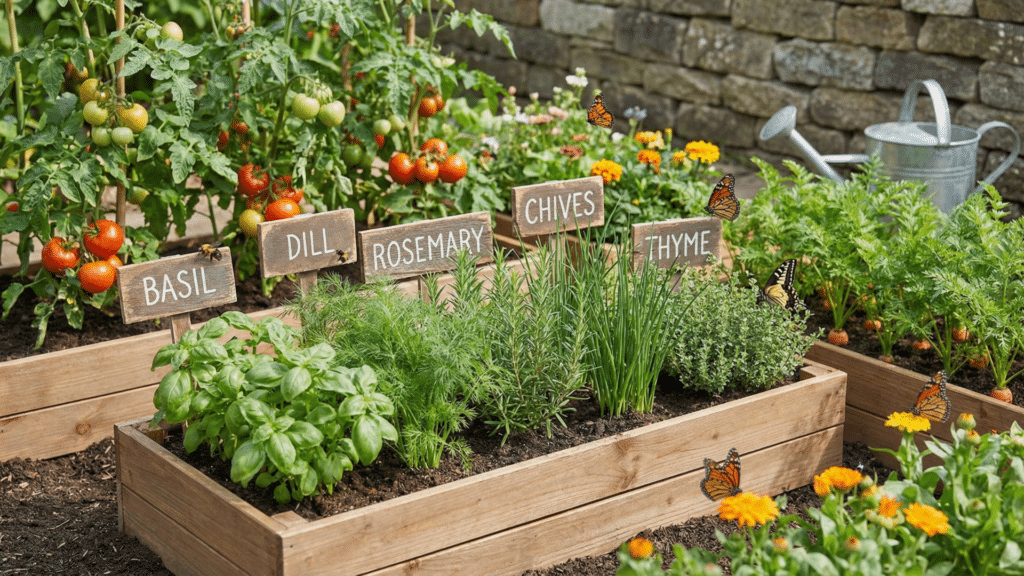
Herbs do more than add flavor; they play an important role in the vegetable garden. Many herbs help protect plants from pests, improve the taste of nearby vegetables, and attract pollinators that support healthy growth.
| Herb | Benefits | Works Well With |
|---|---|---|
| Basil | Repels pests, improves flavor | Tomatoes, peppers |
| Dill | Attracts ladybugs and lacewings | Cucumbers, lettuce |
| Rosemary | Repels cabbage moth and flies | Beans, cabbage, carrots |
| Chives | Keeps aphids away | Tomatoes, carrots |
| Mint | Deters ants and aphids (in pots) | Cabbage, lettuce |
| Thyme | Controls whiteflies | Cabbage family plants |
Plants That Should Not Be Paired
Some plants can slow each other down, attract the same pests, or compete for space and nutrients. Avoid placing these combinations next to each other in your garden:
- Beans + Onions: Onions can reduce bean growth and interfere with root development.
- Tomatoes + Corn: Both attract similar pests, like corn earworms and tomato fruitworms.
- Carrots + Dill: Dill can slow carrot growth and may attract harmful insects.
- Cucumbers + Potatoes: These crops are prone to the same diseases and may weaken each other.
- Lettuce + Parsley: Parsley can grow aggressively, crowding out tender lettuce plants.
Tips for Success with Companion Planting
Using companion planting in your vegetable garden works best with a little planning and care. These simple tips can help you get better results and avoid common mistakes:
- Start small: Try a few plant pairings before planning a full companion garden.
- Keep notes: Write down what worked and what didn’t so you can improve next season.
- Match growing needs: Pair plants with similar sun, water, and soil needs.
- Avoid overcrowding: Give plants enough space to grow without competition.
- Use herbs wisely: Grow strong spreaders like mint or oregano in pots to keep them in check.
- Rotate crops yearly: Change plant positions each season to prevent soil problems and reduce pests.
- Mix flowers and vegetables: Flowers like marigolds help protect nearby crops and attract pollinators.
- Plan for timing: Pair fast-growing plants with slower ones to make the most of your space.
Wrapping Up
Companion planting teaches us how plants can work better when grown side by side. It’s not just about saving space; it’s about building a garden that takes care of itself.
With fewer pests, richer soil, and more pollinators, your garden becomes stronger over time. The more you learn which plants help each other, the easier it gets.
Use this guide as a starting point. Check the charts, plan your layout, and grow with purpose. Gardening doesn’t need to be complicated.
Let nature guide your choices. Try companion planting in your vegetable garden this season and enjoy the results.