

The health benefits of yarrow have made this herb a popular topic for people looking for natural wellness options.
Yarrow is a traditional plant that has been used for many everyday health needs for a long time.
If you want clear and honest information without extra fluff, this guide is for you. In this post, I explain what yarrow is, what yarrow is good for, and why people still use it today.
You will learn about the various health benefits of yarrow and how they may support daily health.
I also cover how yarrow is commonly used, how to choose good products, and the difference between fresh and dried yarrow.
You will also find important safety details, including possible side effects and who should avoid using yarrow.
By the end, you will know what to expect and how to use yarrow in a safe, informed way.
What is a Yarrow Plant?
Yarrow is a flowering plant that has been used for health and wellness for a very long time.
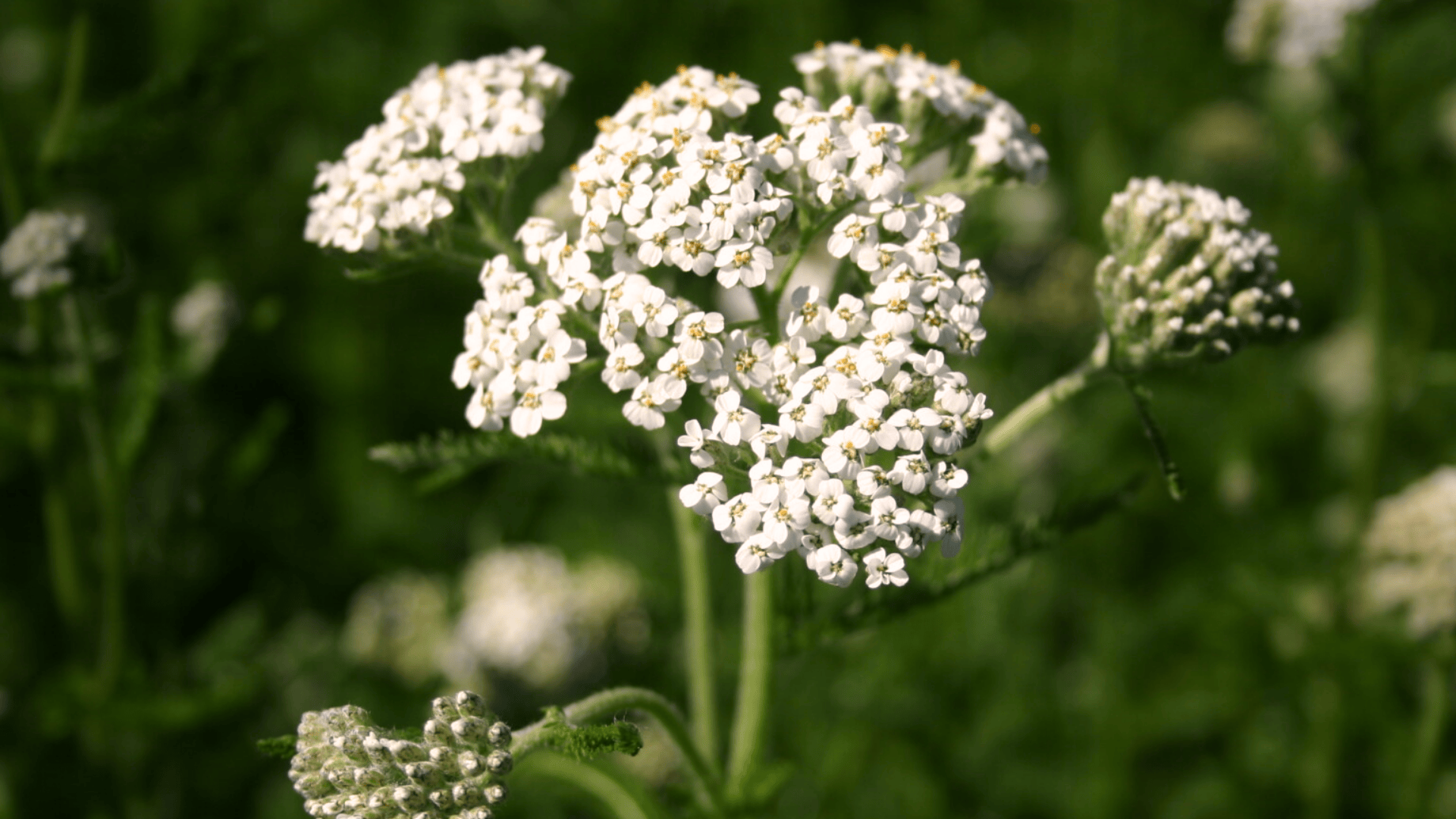
Its scientific name is Achillea millefolium, and it is often called common yarrow or soldier’s woundwort. The plant grows in many parts of the world, including North America, Europe, and Asia.
Yarrow has thin, feathery leaves and small white or pale pink flowers that grow in flat clusters.
Long ago, people used yarrow in simple home remedies, especially for skin care and minor issues.
It was also used by soldiers, which is how it earned some of its names. Today, many people still ask what yarrow is good for and turn to it in teas, oils, and dried herbs.
Its long history and easy availability are reasons it remains well known.
Key Specifications
- Scientific Name:Achillea millefolium
- Plant Type: Perennial herb
- Growth Habit: Upright, spreading
- Average Height: 1–3 feet
- Bloom Time: Late spring to early fall
- Flower Colors: White, pale pink, light yellow
- Soil Preference: Well-drained soil
- Light Requirement: Full sun
- Water Needs: Low to moderate
- Drought Tolerance: High once established
- Harvest Method: Cut flowering tops and leaves
- Usable Parts: Flowers and leaves
Various Health Benefits of Yarrow You Should Know

This section breaks down how yarrow has been used to support everyday health. Each benefit is explained in a simple way, so it’s easy to understand.
1. Supports Wound Healing
Yarrow has a long history of being used on minor cuts and scrapes. People often apply it to the skin to help stop bleeding and support the natural healing process.
The plant contains compounds that may help tighten tissue and keep the area clean.
Because of this, yarrow is commonly used in salves and poultices.
It is not a replacement for medical care, but it has been part of basic skin care routines for many years when dealing with small wounds.
2. Helps Reduce Inflammation
Yarrow is often used to help calm swelling and irritation in the body. Some people turn to it when dealing with sore muscles, joint discomfort, or skin redness.
It is believed to help the body manage mild inflammation over time.
Yarrow may be taken as a tea or used on the skin, depending on the need.
While results can vary, its steady use in traditional care shows why many people still rely on it for everyday comfort and balance.
3. Aids Digestion and Gut Health
Yarrow has been used to support digestion and ease common stomach issues. People often drink it as a tea to help with bloating, gas, or mild cramps after meals.
The herb is believed to encourage the flow of digestive juices, which may help food move more smoothly through the gut.
It is also used to support appetite when digestion feels slow.
While it works gently, yarrow remains a common choice in herbal routines focused on basic digestive comfort.
4. May Help Ease Menstrual Discomfort
Yarrow is often used to support menstrual comfort during monthly cycles. Some people use it to help with cramping, tension, or general discomfort.
The herb is believed to help relax muscles and support normal blood flow.
It is commonly taken as a warm tea during this time.
While it does not replace medical care, yarrow has been part of traditional routines for menstrual support and continues to be used for this purpose today.
5. Supports Skin Health
Yarrow is commonly used in skin care because of its soothing and cleansing properties.
It may help calm redness, dryness, or minor irritation when applied in creams or oils. Some people also use it to support clearer-looking skin by helping keep pores clean.
Yarrow is often added to facial products meant for gentle care.
While results differ from person to person, its long use in skin routines shows why it remains a trusted herb for basic skin support.
6. Helps Fight Minor Infections
Yarrow has been used to support the body when dealing with minor infections.
It is believed to help slow the growth of unwanted bacteria on the skin. This is why it often appears in topical products like salves and washes.
Some people also use it internally as a tea for general wellness support.
While it should not replace treatment, yarrow plays a role in simple care routines aimed at keeping the body balanced.
7. May Help Reduce Fever Symptoms
Yarrow has often been used to support the body during mild fever symptoms.
People commonly drink it as a warm tea to encourage gentle sweating, which may help the body release heat naturally.
This process has been part of traditional care when someone feels run-down or overheated. Yarrow is usually paired with rest and proper hydration.
While it does not treat the cause of illness, it may help the body feel more balanced and comfortable as it works through a fever.
8. Supports Circulation and Blood Flow
Yarrow is sometimes used to support healthy circulation and steady blood flow.
It is believed to help blood move more evenly throughout the body, which may support overall comfort. Some people use it when they notice cold hands or feet or feel sluggish circulation.
The herb has also been linked to supporting normal blood vessel function.
Taken as a tea or extract, yarrow remains part of traditional wellness routines focused on circulation support.
9. Helps Relieve Cold and Flu Symptoms
Yarrow is often used during cold and flu season to support overall comfort.
People commonly drink it as a warm tea to help the body feel more balanced when dealing with congestion or chills. It is believed to support sweating, which may help the body manage mild symptoms.
Yarrow is also used alongside rest and fluids as part of simple care routines.
While it does not cure illness, its steady use shows why it remains a common choice for seasonal wellness support.
10. May Support Liver Health
Yarrow has been used to support normal liver function in traditional herbal care.
Some people believe it helps the liver process waste more smoothly, which may support overall balance in the body. It is often taken as a tea or extract in small amounts.
Yarrow is not meant to replace medical treatment, but it has been part of wellness routines focused on internal support.
Its gentle nature is one reason it continues to be used today.
11. Helps Calm Mild Stress and Tension
Yarrow is sometimes used to support calmness during times of mild stress or tension.
People may drink it as a tea to help relax after a long day. It is believed to support the nervous system in a gentle way without causing drowsiness.
Yarrow is often used alongside simple habits like rest and slow breathing.
While effects can vary, its use in calming routines shows why many people include it in everyday wellness practices.
How to Choose Quality Yarrow Products?
Choosing quality yarrow products starts with reading the label carefully. Look for clear ingredient lists that name yarrow without added fillers or artificial colors.
It also helps to check where the plant comes from. Products made with yarrow grown in clean, well-known regions are often more reliable.
Pay attention to the form you are buying, since yarrow comes as tea, capsules, oils, and creams.
Tea and dried herbs work well for simple use, while oils and salves are better for skin care. Capsules may be easier if you want a measured amount.
Always check the expiration date and storage instructions before buying.
If possible, choose brands that explain their sourcing and testing process.
Taking a little time to compare products can help you choose yarrow that is safer, fresher, and more effective for regular use.
Fresh vs Dried Yarrow: What to Know
Both forms are used in everyday herbal care, but each works best in different situations. Knowing how they compare can help you pick the right option for your needs.
- Fresh Yarrow: Has a stronger scent and is often used right after harvest. It works well for oils, poultices, and skin use. Fresh yarrow does not last long and should be used within a few days unless preserved.
- Dried Yarrow: More common and easier to store. It is often used for teas, capsules, and long-term use. Dried yarrow can last several months when kept in a sealed container.
- Shelf Life: Fresh yarrow spoils quickly, while dried yarrow stays usable much longer.
- Best for Beginners: Dried yarrow is easier to measure, store, and use safely at home.
Possible Side Effects of Yarrow
Yarrow is generally used in small amounts, but it may not suit everyone. Knowing possible side effects helps you use it more carefully.
1. Skin Sensitivity or Irritation
Some people may notice skin irritation when yarrow is applied directly to the skin.
This can show up as redness, itching, or mild swelling, especially for those with sensitive skin. It is more likely to happen when using strong oils or fresh plant material.
Testing a small amount on the skin first can help reduce the risk.
If irritation appears, it is best to stop using it and allow the skin to rest before trying another product.
2. Digestive Discomfort
Yarrow may cause mild digestive issues for some people when taken internally.
This can include nausea, stomach upset, or a bitter taste that feels uncomfortable. These effects are more likely if large amounts are used or if the body is not used to herbal products.
Starting with a small dose can help the body adjust. If discomfort continues, it is a good idea to stop use and avoid taking more.
How to Store Yarrow Properly?
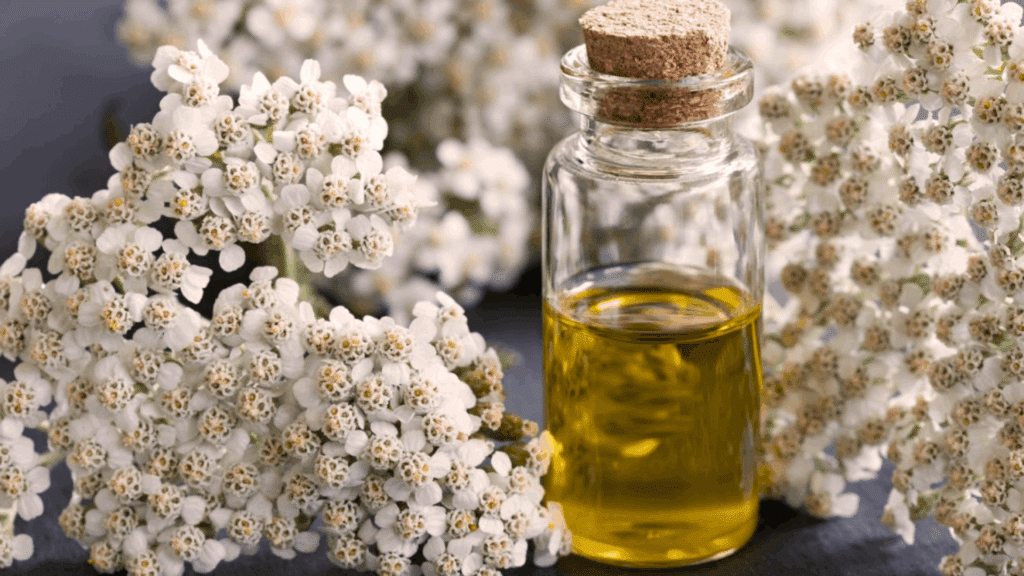
Storing yarrow the right way helps keep it safe and useful for longer. Fresh yarrow should be kept in the fridge and used within a few days.
Wrap it in a clean cloth or place it in a sealed bag to limit moisture.
Dried yarrow lasts longer and should be stored in airtight containers such as glass jars with tight lids. Keep the container in a cool, dark place away from direct sunlight.
Light and heat can reduce the quality over time. Always keep yarrow dry, since moisture can cause mold.
Label containers with the storage date so you know when they were packed. Avoid storing yarrow near strong smells, as herbs can absorb odors.
Checking it once in a while helps catch any changes before use.
Who Should Avoid Using Yarrow?
Some people may need extra care before adding yarrow to their routine. Being aware of these groups helps reduce unwanted reactions.
- Pregnant or Breastfeeding Individuals: Yarrow is often avoided during pregnancy and nursing due to possible effects on the body.
- People With Plant Allergies: Those allergic to plants in the daisy family may react to yarrow with skin or breathing issues.
- Individuals With Sensitive Skin: Direct skin use may cause irritation for some people.
- People Taking Certain Medications: Yarrow may interact with blood-related or calming medicines.
- Those With Health Conditions: People with ongoing health issues should be cautious.
- When in Doubt: Always check with a healthcare or herbal professional before using yarrow.
Conclusion
Yarrow is a well-known herb with a long history of everyday use. In this guide, you learned what yarrow is, what it has been used for, and how people still use it today.
We covered its common health benefits, different forms, storage tips, and possible side effects.
You also learned who should be cautious. This helps you make informed choices.
If you’re considering yarrow, start slow and watch how your body reacts. Natural products can be helpful, but they work best when used with care and common sense.
Everyone’s experience varies. Share your thoughts or questions about yarrow in the comments.
Your experience may help others feel more confident, too.