

Picking a rug sounds simple. But selecting the right rug size can quickly turns that simple task into a confusing one.
Sizes, ratios, and room layouts. It adds up fast. A 4×6 rug sits in an interesting spot. Small enough to feel manageable, yet big enough to actually make a difference in a room.
The question is, does it fit the space? And if it does, where should it go? Getting the placement wrong can throw off an entire room.
Getting it right, though, can pull everything together in a way that just works. This blog breaks down exactly what to expect from a 4×6 rug.
How Big is a 4×6 Rug?
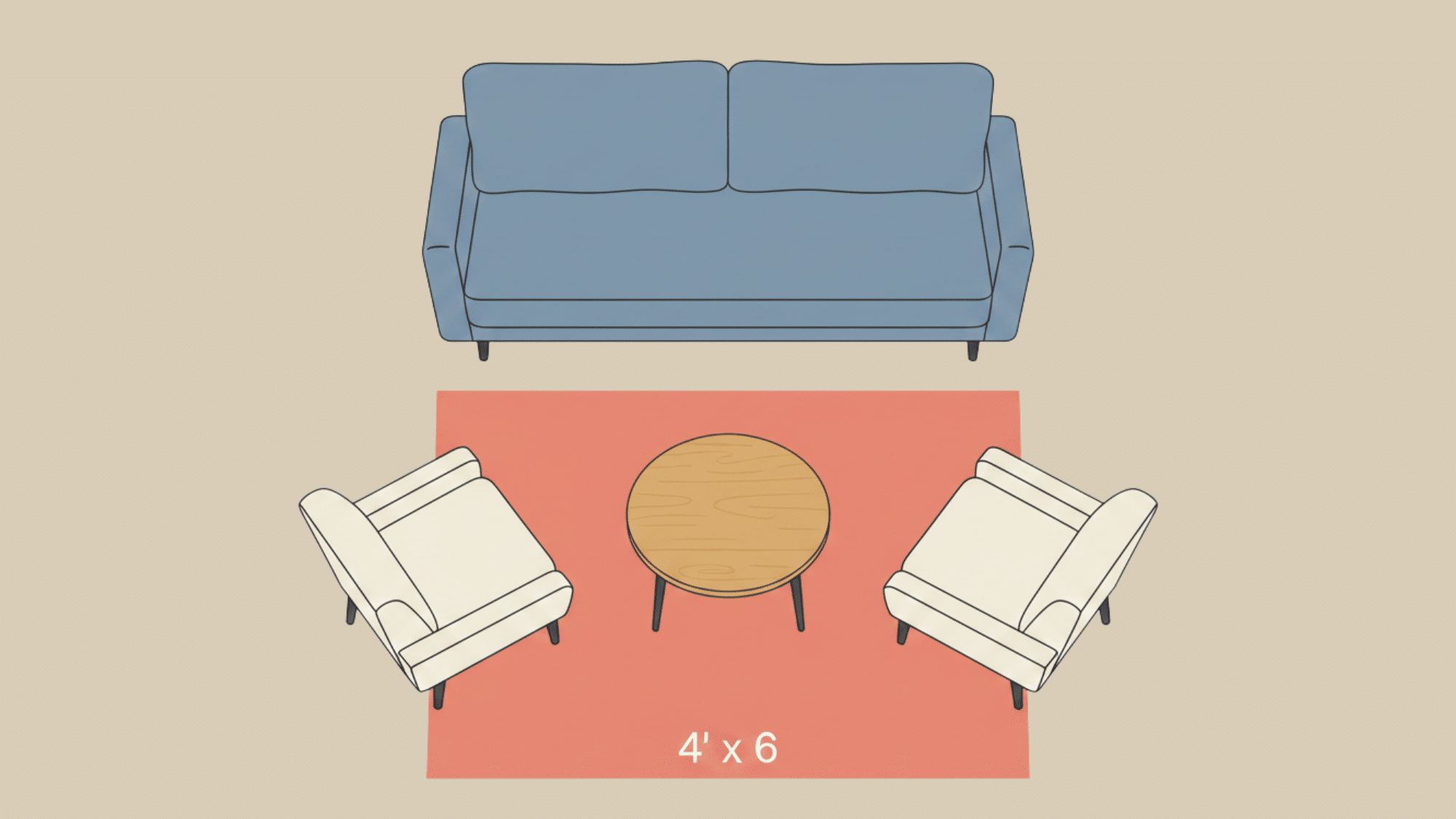
A 4×6 rug measures 4 feet wide and 6 feet long. That works out to 24 square feet of floor coverage. To put that in perspective, it’s roughly the size of a standard door laid flat.
Not too big, not too small. It fits comfortably in tighter spaces without overwhelming them.
Most people are surprised by how compact it actually looks in person. Visualizing it beforehand helps avoid disappointment.
Grabbing a measuring tape and marking the dimensions on the floor is always a smart move before buying.
Where Does a 4×6 Rug Fit Best in a Home?
A 4×6 rug works well in several spots around the house. Knowing where it fits helps avoid a costly mistake.
1. Living Room Placement
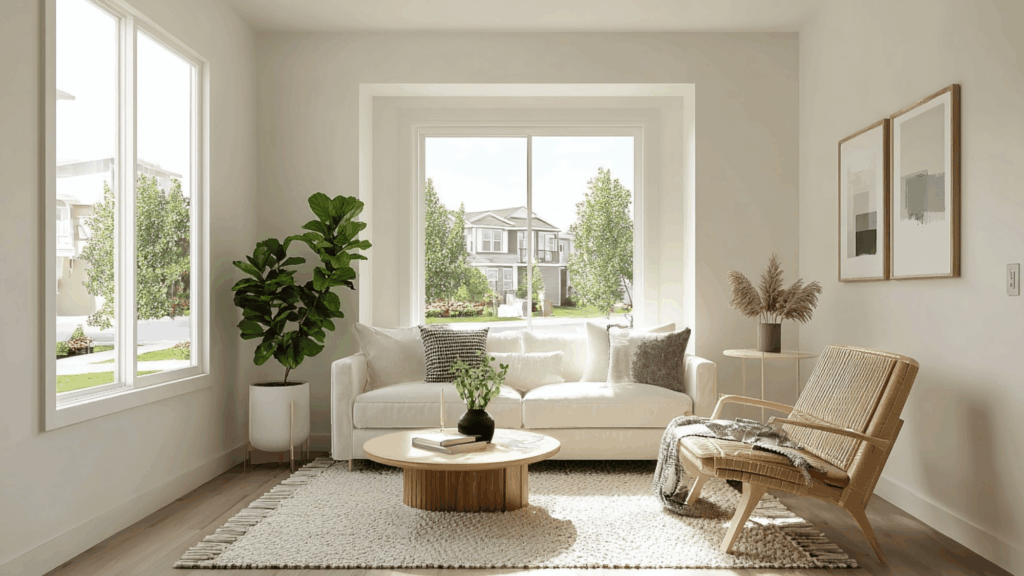
In a living room, a 4×6 rug works best in smaller seating areas. It fits nicely in front of a single sofa or accent chair.
But it won’t cover enough ground in a large living room. The rug ends up looking lost in bigger spaces. Pairing it with a loveseat or compact furniture keeps the proportions feeling right and balanced.
2. Bedroom Rug Placement
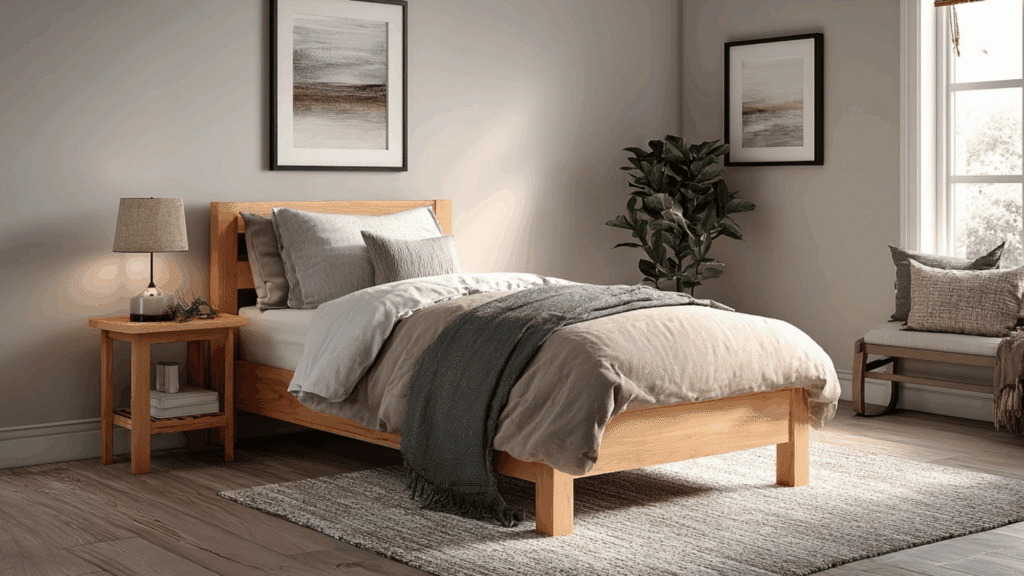
A 4×6 rug works well at the foot of a twin or full-sized bed. It adds warmth without taking over the floor.
In a larger bedroom with a queen or king bed, it feels too small. Placing it beside the bed as a bedside landing spot is another great option.
Soft underfoot first thing in the morning makes a real difference.
3. Dining Room Use
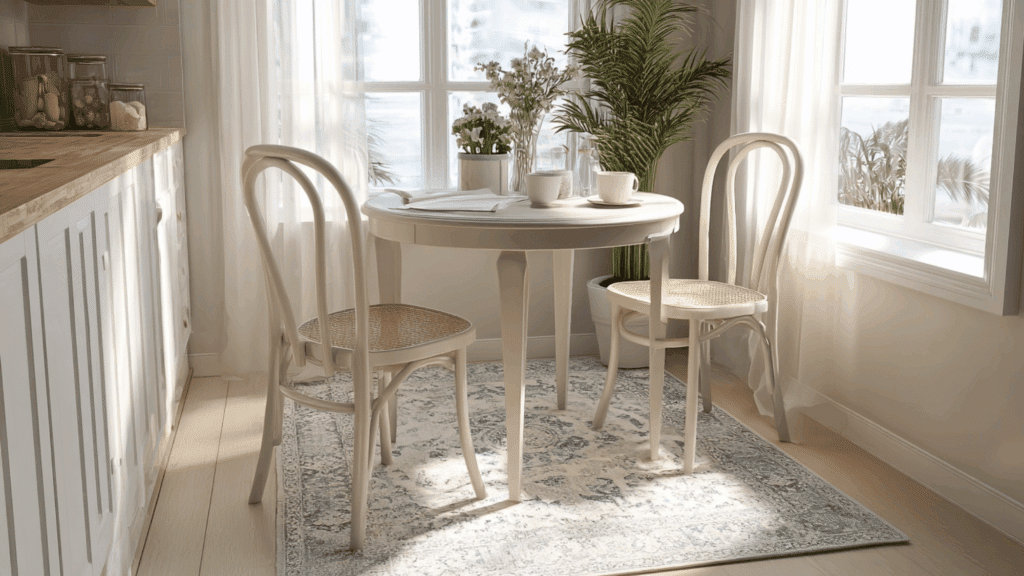
A 4×6 rug is generally too small for most dining rooms. It won’t fit under a full dining table and chairs comfortably.
However, it works in a compact breakfast nook or small bistro-style setup.
The key rule is making sure all chair legs stay on the rug when pulled out. Otherwise, the rug shifts constantly and the whole setup feels off.
4. Entryway and Hallway Fit
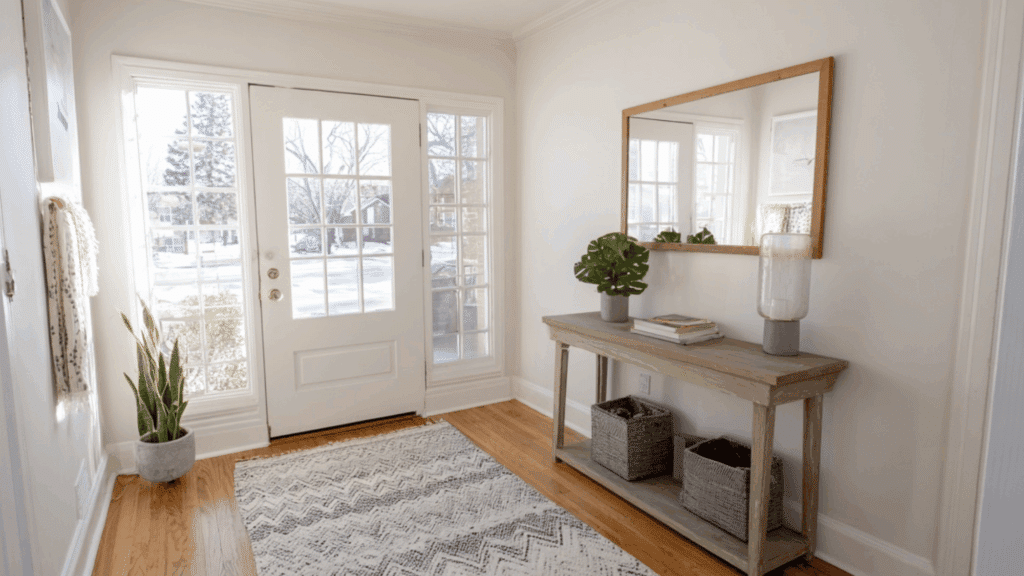
Entryways are where a 4×6 rug truly shines. It fits most standard entryways without overcrowding the space. It greets guests, catches dirt, and adds a layer of style right at the front door.
In hallways, it works well as a runner alternative for shorter passages. Just make sure the rug pad underneath keeps it firmly in place on hard floors.
5. Home Office Rug Styling
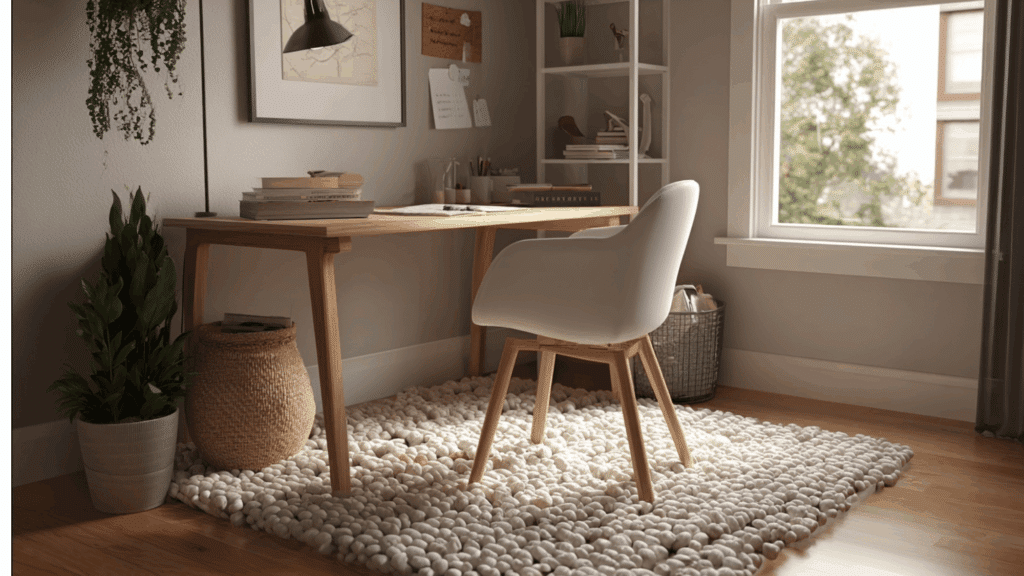
A 4×6 rug works well under a small desk and chair setup. It defines the workspace and adds comfort during long hours of sitting.
Make sure the front legs of the desk chair roll onto the rug easily.
A low-pile or flat-weave option works best here. High-pile rugs make chair movement frustrating and can strain the lower back over time.
Rug Placement Tips to Make a 4×6 Rug Look Bigger
The right placement tricks can make a 4×6 rug feel far more spacious than its actual size suggests.
1. Place It in a Defined Zone
Putting the rug in a clearly defined area, like under a coffee table or desk, gives it purpose. A focused placement makes the rug look intentional rather than small.
2. Choose Light-Colored or Low-Pattern Rugs
Light shades and subtle patterns make a rug feel more open. Dark or busy designs tend to shrink the visual size and make the space feel heavier than it actually is.
3. Push Furniture Closer Together
Arranging furniture in a tighter cluster around the rug creates a cozy, contained look. It stops the rug from looking like it got lost in the middle of a large, open floor.
4. Use Walls to Your Advantage
Placing the rug against a wall or in a corner anchors it visually. It gives the eye a reference point and makes the rug feel like a natural, larger part of the room.
5. Layer It Over a Larger Rug
Laying a 4×6 rug over a bigger neutral base rug adds depth and dimension. The layered look draws attention to the top rug while the bottom one quietly expands the overall floor coverage.
6. Keep the Surrounding Area Clean
A clutter-free floor around the rug gives it room to breathe. When the surrounding space stays open and clear, the rug naturally appears larger and more prominent in the room
Common Mistakes When Buying a 4×6 Rug
A few simple missteps can turn a great rug purchase into a regret.
- Skipping the Measuring Step: Most people eyeball the space and guess. That rarely works out well. Always measure the floor area before ordering or heading to the store.
- Forgetting to Account for Furniture Legs: A rug that doesn’t line up with the surrounding furniture looks awkward and out of place. Plan where the furniture legs will land before finalizing the size.
- Buying without a Rug Pad: A rug pad keeps the rug from sliding around and adds a layer of cushioning underfoot. Skipping it shortens the rug’s life and creates a safety issue on hard floors.
- Choosing the Wrong Pile Height for The Room: A thick, high-pile rug under a rolling desk chair makes daily movement frustrating. Matching the pile height to the room’s function saves a lot of trouble down the line.
- Ignoring the Room’s Color Palette: A rug that clashes with existing furniture or wall colors pulls the whole room apart. Always compare the rug’s tones against the room before making a final decision.
When Should You Choose a 4×6 Rug?
A 4×6 rug isn’t the right fit for every room, but it’s perfect for the right situation. It works best when the goal is to add warmth to a smaller space without overwhelming it.
Compact seating areas, cozy reading nooks, and tight entryways all benefit from this size. It’s also a practical pick for renters who move frequently, since it’s easy to carry and reposition.
Anyone working with a limited budget will appreciate it too. Smaller rugs cost less without sacrificing style.
The key is knowing the space well enough to decide if a 4×6 is the right call.
Final Thought
A 4×6 rug is a small but powerful addition to any home. It brings warmth, defines a space, and adds personality without taking over a room.
The trick is placing it where it makes the most sense. Measure first, plan the furniture layout, and think about how the space gets used daily.
Avoid the common sizing mistakes, and the results speak for themselves.
So grab that measuring tape, map out the space, and pick a rug that actually fits the room. A well-placed rug changes how a space feels, and that’s always worth getting right.