

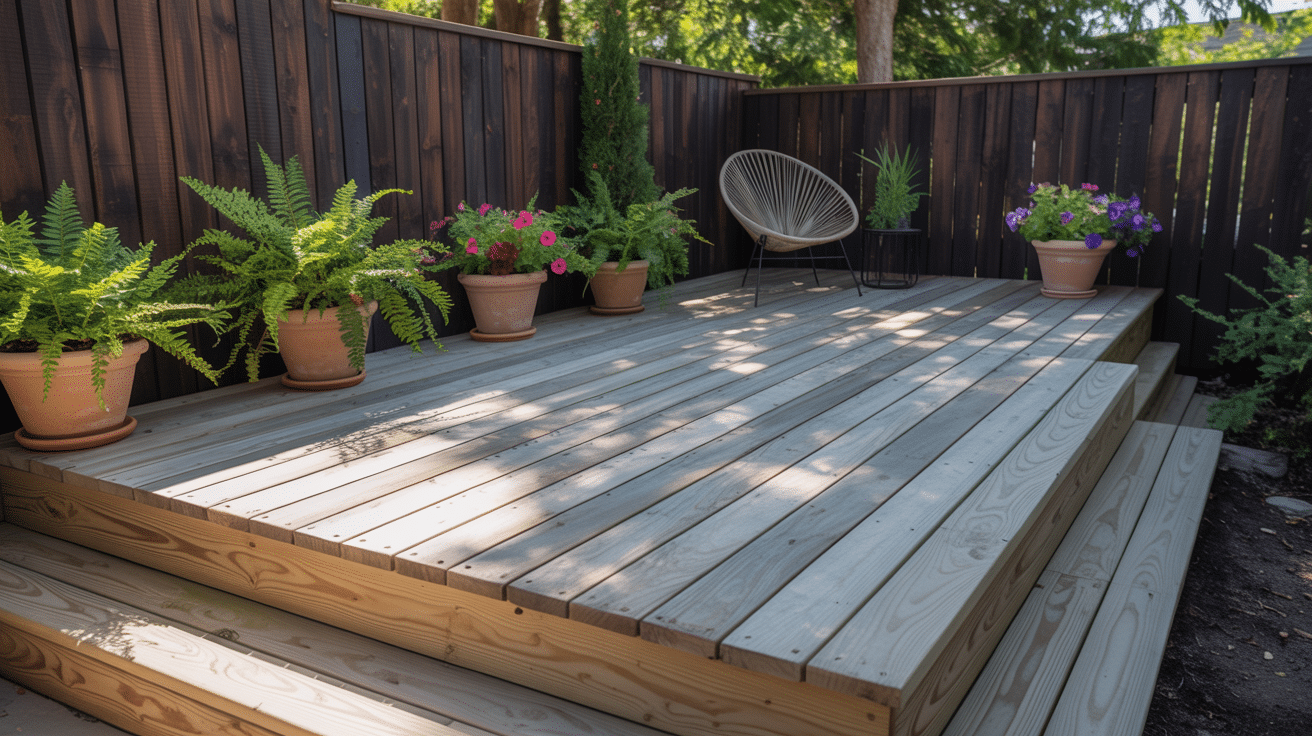
If you’ve ever built a deck, a fence, or a raised planter, you’ve probably stood back and thought, “how long will this wood actually last?” I’ve asked myself that plenty of times.
Pressure-treated wood is popular because it’s affordable and it helps resist rot and insects. But the truth is, it doesn’t last forever.
In this article, I’ll share my own experiences along with what I’ve seen from others. We’ll look at how long pressure-treated wood lasts in decks, fence posts, furniture, and framing.
I’ll also walk through the factors that affect its lifespan, signs it’s wearing out, and what you can do to stretch its years. By the end, you’ll have a clear and realistic answer.
How Long Does Treated Wood Last?
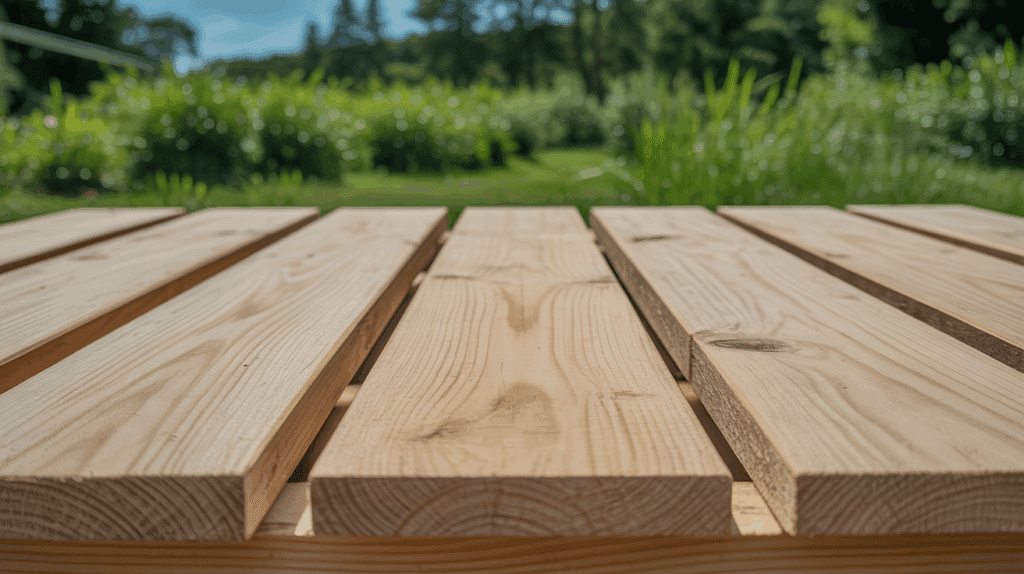
Manufacturers often claim that pressure-treated wood can last anywhere from 10 to 40 years. On paper, that sounds impressive. But in practice, those numbers can be misleading.
They don’t reflect the wide range of conditions that wood actually faces once it’s in the ground or exposed to weather.
From what I’ve seen, the lifespan comes down to three things: where the wood is placed, how wet the environment is, and how much upkeep it gets.
A deck in a dry climate, with regular sealing and cleaning, might stay sturdy for two decades or more.
On the other hand, a fence post buried in damp soil can rot out in less than ten years, even though it’s made from the same treated lumber.
That’s why I always remind people that it isn’t just about the type of wood, but about the setting it’s in. To put it simply, a deck in Arizona might outlast a fence post in Florida by many years.
What to Expect from Treated Wood In Everyday Builds?
When you use treated wood, the lifespan changes a lot depending on what you’re building. A deck, a fence post, or even a planter box will each hold up differently. Take a look at what you can realistically expect in common projects.
1. Decks: How Long Do They Hold Up?
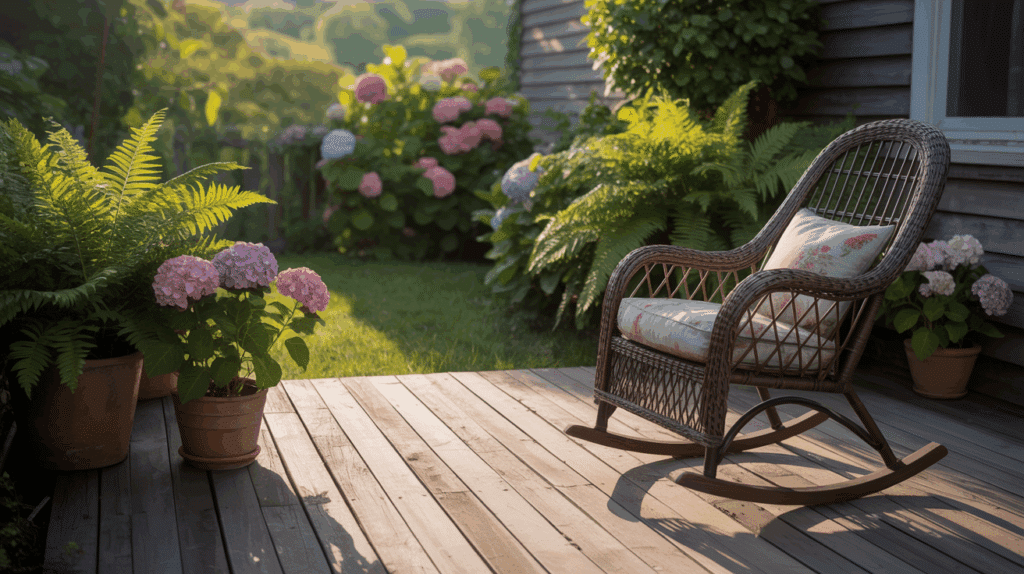
Most treated wood decks can last 15 to 20 years if you keep up with sealing and cleaning. I’ve had one deck that pushed close to 18 years before we replaced it.
But I also had another that needed board swaps after about 12 years because of splintering. These are common deck problems I’ve run into:
- Splintering on the top boards
- Warping when boards dry out unevenly
- Nails and screws loosen as the wood shrinks
By year 10–15, many people find themselves swapping out at least a few boards. The frame usually lasts longer than the surface.
2. Fence Posts: Why They Fail First?
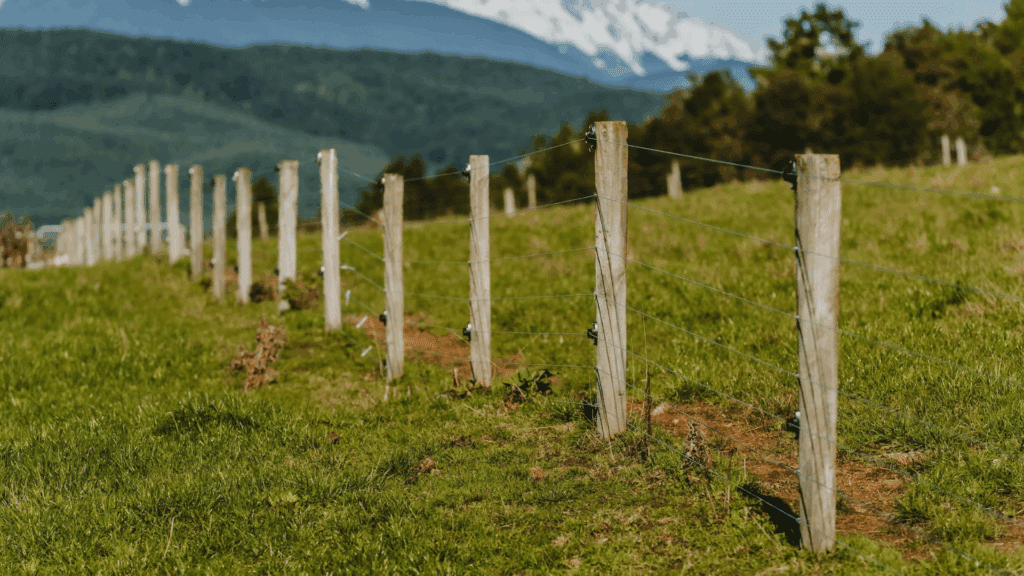
Treated wood fence posts usually last 7 to 12 years when buried in the ground. After that, rot almost always starts right at the soil line. I’ve pulled out posts that looked solid above ground but were hollow at the base once dug up.
It’s frustrating, but it happens when wood stays damp for years. These are the common problems I’ve noticed with posts:
- Rot right at the ground level
- Weakening from constant moisture
- Breaking off at the base when stressed
That’s why posts are often the first part of a fence to fail, even before the rails or boards.
3. Outdoor Furniture and Planters: Shorter Lifespans
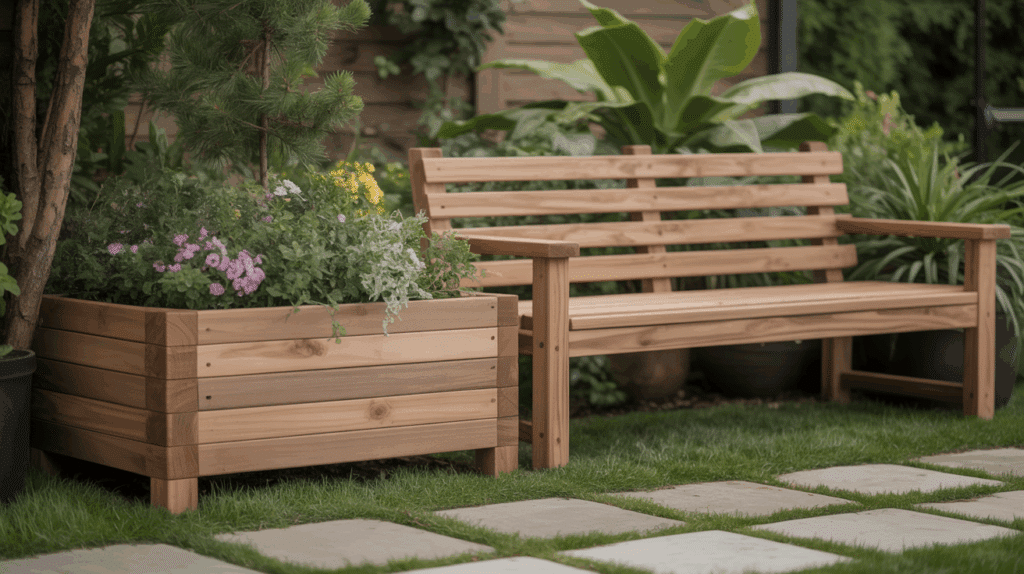
Furniture and planters made with treated wood usually hold up for about 5 to 10 years. I built planter boxes once and got about seven years before they started falling apart.
Direct rain, soil, and sunlight just wear them down quickly. The main issues with these builds are:
- Boards rotting from constant soil contact
- Warping and cracking in direct sun
- Chemicals in the wood make some people hesitant for the garden use
They’re fine for short-term projects, but they don’t last as long as decks or posts.
4. Framing and Structural Use: The Longest Lasting
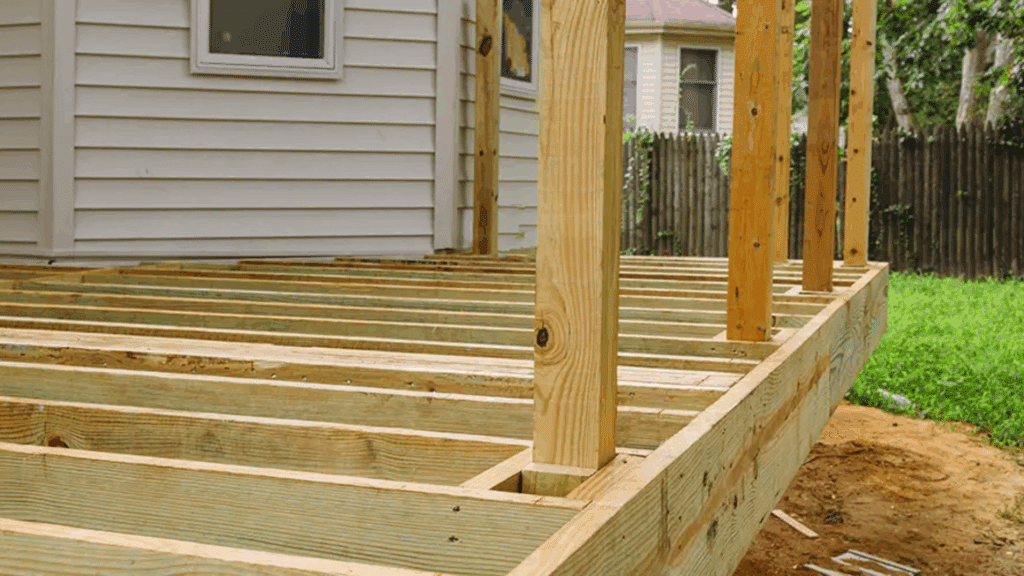
Framing is where I’ve seen treated wood really shine. When it’s protected from soil and has good ventilation, it can last for decades. I’ve come across beams under porches that were still solid after 25 years.
The key problems usually show up when moisture gets trapped:
- Rot from poor airflow
- Mold or fungus in damp spaces
- Weak spots are forming inside the wood
With good airflow and no soil contact, framing can easily outlast other treated wood projects.
Each project tells a different story when it comes to treated wood. Knowing these lifespans helps you plan ahead and avoid surprises down the road.
What Makes Pressure-Treated Wood Last Longer(or Shorter)?
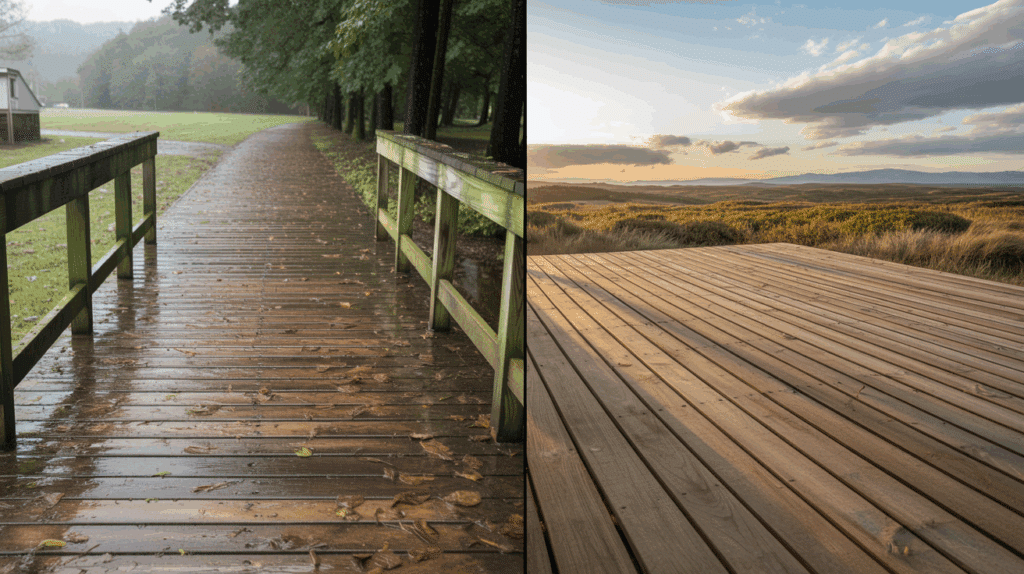
From what I’ve seen, the lifespan of treated wood isn’t just about the material itself. It’s shaped by the conditions around it and how you care for it. This is a simple breakdown:
| Factor | Impact on Lifespan |
|---|---|
| Climate | Hot, dry climates stretch lifespan; humid or wet regions speed up decay. |
| Treatment level | “Ground-contact” rated lumber survives longer when buried or touching soil. |
| Installation | Good drainage, gravel, and airflow help; standing water quickly leads to rot. |
| Maintenance | Sealing, staining, and cleaning every few years keep wood strong for longer. |
In short, how long your project lasts comes down to where you live, how you build it, and if you keep up with care or not.
How to Tell When Treated Wood is Wearing Out?
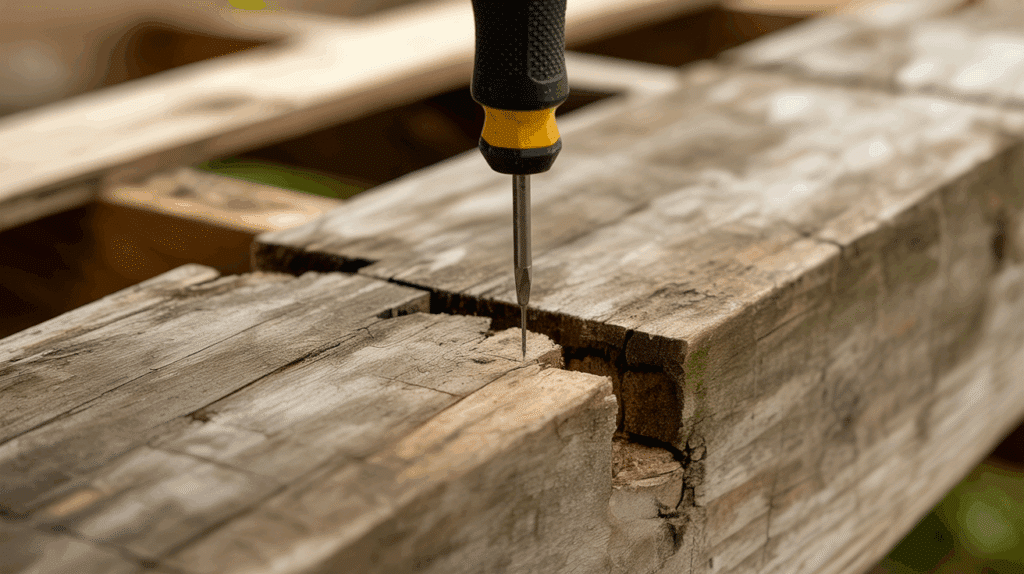
It’s usually easy to spot when treated wood is on its last legs. The signs show up in ways you can see and feel.
- Soft spots that give way when pressed with a screwdriver
- Splitting and cracks, especially near ground contact
- Fungus, mold, or insect damage is eating into the surface
- Loose or wobbly posts that no longer feel secure
- Sagging deck boards that bend under weight
A quick “poke test” with a screwdriver is the best check. If it sinks in with little effort, that piece of wood is ready to be replaced.
Tips to Extend the Life of Pressure-Treated Wood
A little care can make a big difference in how long pressure-treated wood lasts. Look at some simple steps that help add extra years:
- Seal or stain every 2–3 years to slow down moisture damage and keep boards stronger.
- Set fence posts in gravel or use post anchors so water drains instead of pooling at the base.
- Leave ventilation gaps under decks to improve airflow and help framing last longer.
- Replace weak or cracked boards early before they spread damage to the whole structure.
These steps won’t make wood last forever, but they will help you get more life out of your deck or fence.
Smarter Alternatives Worth Considering
Pressure-treated wood isn’t the only choice anymore. You can look at these options too:
- Composite decking: Lasts the longest and needs little care, though it costs more upfront.
- Cedar or redwood: Naturally rot-resistant and attractive, but they don’t last as long as composites.
- Ipe or hardwoods: Very durable, but heavy to work with and among the most expensive.
- Concrete or metal bases: A solid option for fences when you want to avoid wood touching soil.
I’ve used cedar for smaller builds where looks mattered and composite where I didn’t want to think about maintenance. Each option has its place depending on the project
Cost vs Longevity: Is It Worth Paying More Upfront?
Now’s the time to actually talk about money and lifespan side by side. The right choice often comes down to whether you’d rather spend less now and replace sooner, or pay more upfront for fewer headaches later.
| Material | Average Lifespan | Cost Level | Maintenance Needs |
|---|---|---|---|
| Pressure-treated wood | 10–20 years | Lowest (budget) | Needs sealing/staining |
| Cedar/redwood | 15–25 years | Mid-range | Moderate upkeep |
| Composite decking | 25–30+ years | Highest (premium) | Very low upkeep |
If you’re in a dry climate and willing to keep up with maintenance, treated wood still makes sense. But in wetter regions, cedar or composite can save money and effort over the long run.
Final Take
Pressure-treated wood can be a reliable choice, but it doesn’t last the same in every project.
Decks often stay solid for 15–20 years with regular care, fence posts tend to give out after 7–12 years, and planters or furniture may only last around a decade. Framing, when kept dry and ventilated, can stretch much longer.
The real difference comes down to climate, installation, and upkeep. Simple steps like sealing, allowing drainage, and replacing weak boards early can add years, but no board will last forever.
That’s why balancing cost against longevity is key.
With this guide, you now have a realistic view of what treated wood can give you, how to stretch its life, and when it makes sense to look at alternatives.