

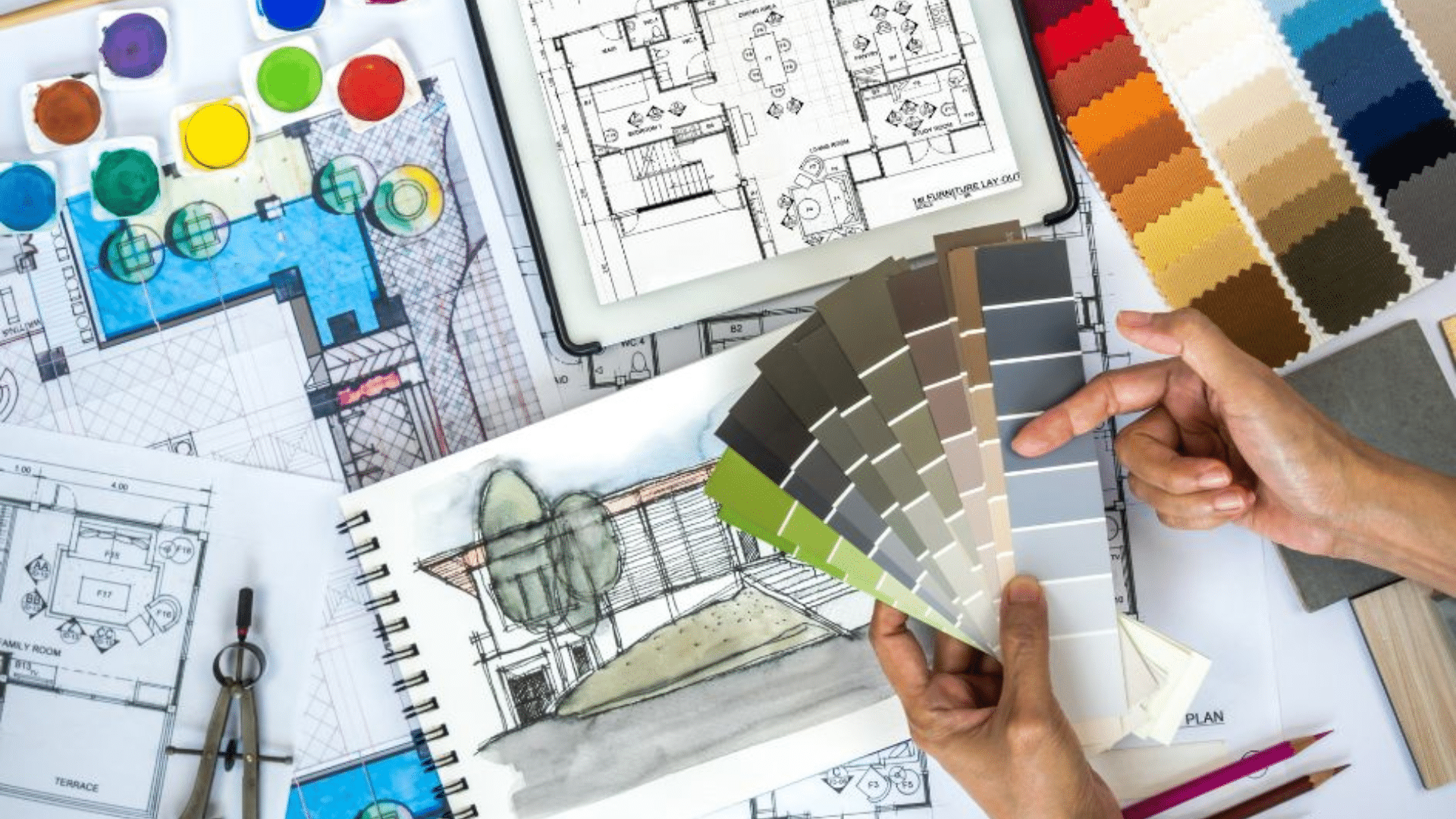
When I first started researching the idea of hiring an interior designer, I was surprised by how much the prices varied. Some professionals offered flat fees, others billed by the hour, and a few suggested package deals.
It quickly became clear to me that cost is only one part of the decision. What truly matters is understanding the value behind those numbers. An interior designer does far more than choose furniture.
They create layouts, coordinate with contractors, and ensure the finished space feels both functional and personal.
I realized that knowing the average costs and different pricing models would help me make smarter choices for my own home.
In this blog, I’ll explain how much it costs to hire an interior designer, what affects the price, and how you can plan your budget effectively.
Average Cost of Hiring an Interior Designer
The cost of hiring an interior designer is influenced by many factors, including the size of the project, the designer’s background, and the city you live in.
On average, most homeowners spend between $2,000 and $10,000 for a complete service that covers design planning and implementation.
Smaller consultations are more affordable, with fees starting at around $100 and going up to $500 for quick advice or layout adjustments.
At the higher end, luxury or large-scale projects that involve full renovations, custom furnishings, or detailed coordination can exceed $50,000.
By setting a budget and clarifying your expectations, you will be better prepared to find a designer whose services align with your financial comfort and project goals.
Common Pricing Models in Interior Design
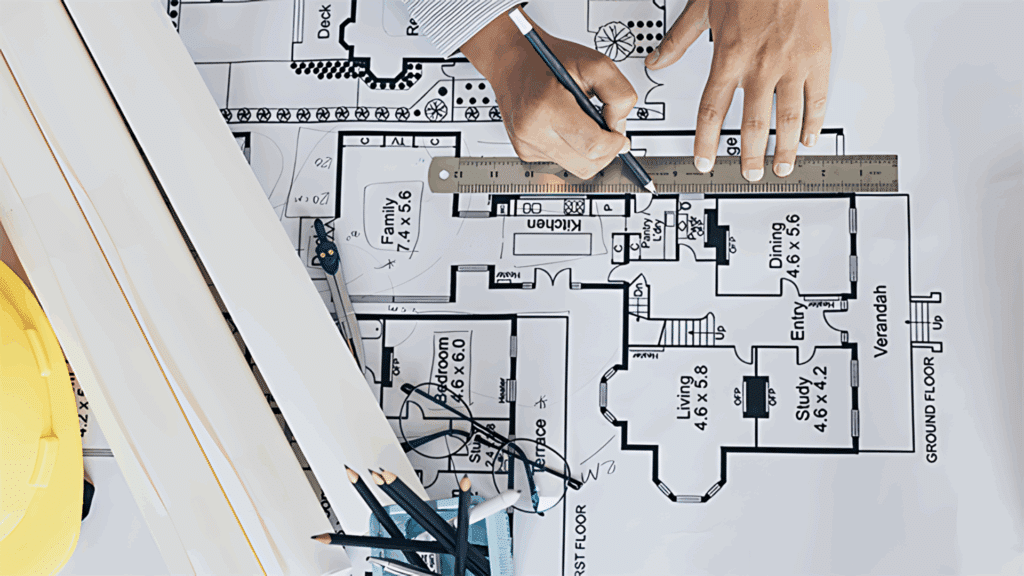
Interior designers use different pricing models, and each one can affect the total cost in a unique way. Some charge by the hour, others prefer flat fees, and some base their fees on a percentage of the overall project.
| Pricing Model | Average Cost Range | Best For | Key Considerations |
|---|---|---|---|
| General Pricing Overview | $2,000 – $10,000 average | Standard projects and complete design services | Consultations may cost $100–$500, while luxury projects can exceed $50,000. Costs depend on location and designer experience. |
| Hourly Rates | $50 – $250 per hour | Small projects, short consultations, or design guidance | Flexible option, but costs can rise if projects take longer. Best to ask for an estimate of hours upfront. |
| Flat-Fee Models | $2,000 – $10,000+ total | Full-service design projects with a clear scope | Predictable pricing but requires a detailed contract. Changes or additions may bring extra charges. |
How Much Does It Cost to Hire an Interior Designer by Type?
The cost of an interior designer depends on your project. Large projects with many rooms, custom furniture, or full remodels can cost tens of thousands. Since prices vary, it’s best to outline your needs early.
Typical Project Costs

Interior design fees can shift significantly depending on the type of project you choose. From quick consultations to full-scale luxury renovations, each service level comes with its own price range
| Project Type | Average Cost Range | Best For |
|---|---|---|
| Consultation Only | $100 – $500 | Quick advice, color selection, and layout tips |
| Small Room Design | $1,500 – $5,000 | Bedrooms, offices, or kitchens |
| Full Home Design | $5,000 – $30,000 | Multiple rooms with detailed planning |
| Luxury or Custom Projects | $30,000 – $100,000+ | High-end finishes, custom furnishings |
Percentage-Based Pricing
Some interior designers prefer charging a percentage of the overall project cost, usually between 10% and 30%. For example, if a renovation totals $50,000, the designer’s fee could be anywhere from $5,000 to $15,000.
This approach works well for large-scale projects with many moving parts because it ensures the designer is fairly compensated while keeping the process organized.
- Typical range: 10%–30% of project cost
- Best for: full-home renovations and complex builds
- Watch out for: rising costs if the total budget increases
It’s smart to cap the percentage in your contract to avoid surprises later.
Factors That Influence Interior Designer Costs
The cost of hiring an interior designer depends on multiple factors that shape the scope and complexity of your project. From where you live to the level of customization you request, each element can add or reduce the overall price.
- Experience Level: Experienced designers often charge more because of their expertise, trusted processes, and professional vendor connections. Newer designers may be more affordable but may need more direction.
- Location: Interior design in major cities usually comes at a premium due to higher living costs and greater demand. Smaller towns and rural areas typically offer lower rates.
- Project Size: A small room refresh may cost only a few thousand dollars, while full-home projects or luxury renovations can run into six figures. Larger scale means higher costs.
- Project Complexity: Structural changes, remodels, or detailed design work often increase costs compared to simple consultations. Complexity requires more hours and specialized expertise.
- Customization Needs: Off-the-shelf pieces are cost-effective, but custom furniture, built-ins, or designer-only finishes raise expenses significantly. Tailored solutions always add to the final budget.
- Timeline: Tight schedules may push costs higher as designers prioritize your project and expedite sourcing. Flexible timelines often allow for smoother planning and better pricing.
Is Hiring an Interior Designer Worth the Cost?

Hiring an interior designer can feel like a large expense at first, but many homeowners find that the benefits outweigh the cost.
Designers bring expertise that helps you avoid expensive mistakes, stay organized, and stretch your budget more effectively.
Their ability to manage vendors and coordinate projects can save you time and reduce stress. A well-designed space also adds long-term value to your home by improving both function and appearance.
For families and busy professionals, this guidance is especially valuable, as it ensures decisions are made with confidence. Even booking a consultation provides direction and clarity for your project.
The real value depends on how much professional input you want compared to handling everything on your own. If your goal is a space that feels polished and thoughtfully planned, the investment is often worth it.
Tips for Getting the Best Value from an Interior Designer
Maximizing the value of your interior design project depends on preparation and communication. When you know your priorities and set clear expectations, it is easier to work effectively with a designer.
- Set a Realistic Budget: Establishing a clear budget early ensures the designer knows your limits. It also helps prevent unnecessary expenses and keeps the project aligned with your financial comfort.
- Research Designers Carefully: Reviewing portfolios and past projects gives you insight into style and quality. Taking time to compare professionals ensures you choose someone who fits your vision.
- Understand Pricing Models: Designers charge in different ways, such as hourly rates or flat fees. Clarifying how costs are structured helps you avoid surprises later in the process.
- Communicate Expectations: Being clear about goals, preferences, and must-haves makes collaboration smoother. Open dialogue helps the designer tailor solutions that align with your lifestyle.
- Ask Questions Upfront: Discussing timelines, deliverables, and costs before starting reduces misunderstandings. Detailed contracts protect both you and the designer throughout the project.
- Stay Flexible: Allowing room for adjustments gives your designer the freedom to suggest creative solutions. Flexibility often leads to better results without overspending.
Conclusion
When I first started researching the costs of interior design, I thought it was only about how much a designer charges.
After learning more, I realized the real value is in the expertise, time savings, and confidence they bring to a project.
An interior designer can help avoid costly mistakes, connect you with reliable vendors, and create a home that feels both functional and personal.
I believe the investment is often worth it, especially when you want a polished result that truly reflects your lifestyle.
The key is to set a budget, choose the right pricing model, and build a strong partnership with your designer.
If you found this guide helpful, I’d love for you to share it with friends or family so they, too, can better understand the costs and benefits of hiring a designer.