

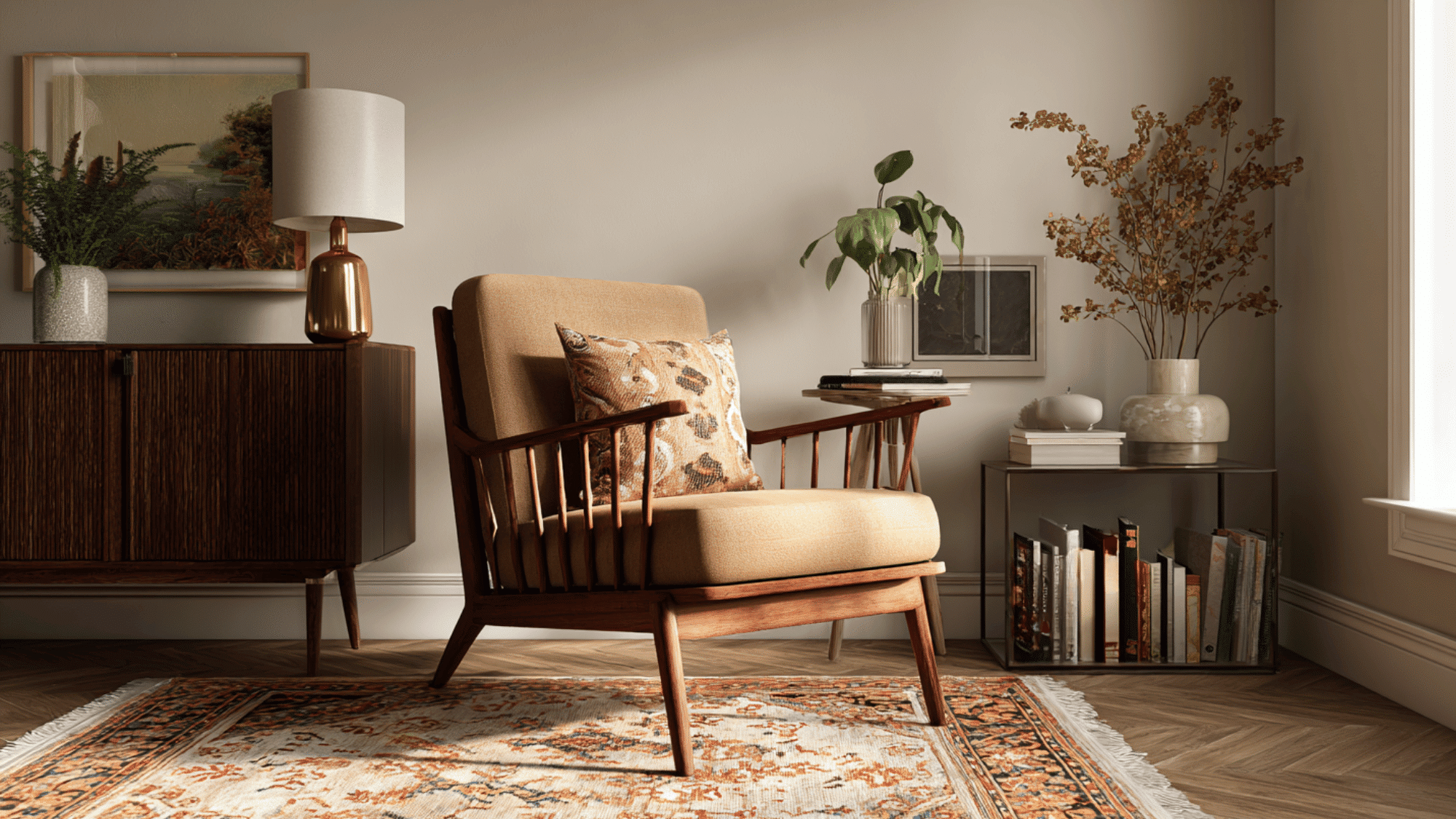
Many people today are drawn to older items, whether it’s fashion, furniture, décor, or collectibles.
With this growing interest, it’s no surprise they want to know how old is vintage and what age makes something truly count as vintage.
They thought about how old something has to be to be considered vintage, especially when trying to tell the difference between vintage, antique, and retro items.
This blog offers simple answers, clear age ranges, and easy comparisons so readers can understand what “vintage” really means and where their favorite items belong.
What Does Vintage Mean?
Vintage is a term people use to describe items from an earlier time that still reflect the style of that era.
These pieces often carry a sense of nostalgia or history, which is why so many people enjoy collecting or decorating with them.
So, how old is considered vintage? Most experts agree that vintage items are typically 20 to 99 years old.
This age range helps separate vintage pieces from newer items and gives people a clearer idea of what truly fits the vintage label.
How Old is Vintage?
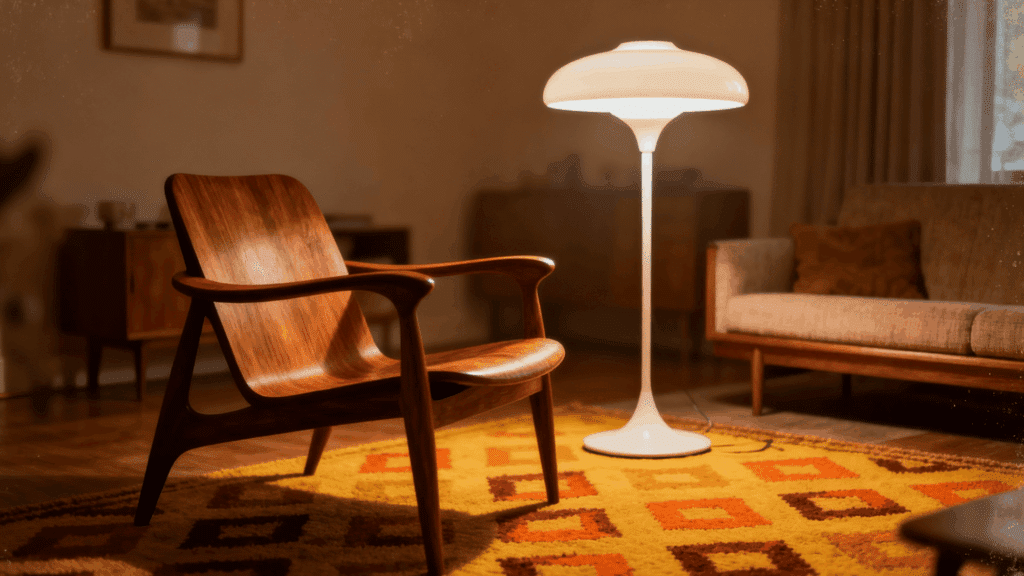
When people ask how old something has to be to be vintage, the answer is thankfully pretty clear.
Most experts agree that an item becomes vintage once it reaches 20 to 30+ years old, depending on its category.
Clothing may be considered vintage around the 20-year mark, while furniture or décor often leans toward the higher end of that range.
Items that are younger than 20 years usually aren’t vintage yet, even if they look old or stylish.
On the other hand, pieces that are 100 years or older move into the antique category. This simple breakdown helps people understand exactly where their items fit on the age scale.
Vintage vs. Antique: What’s the Difference?
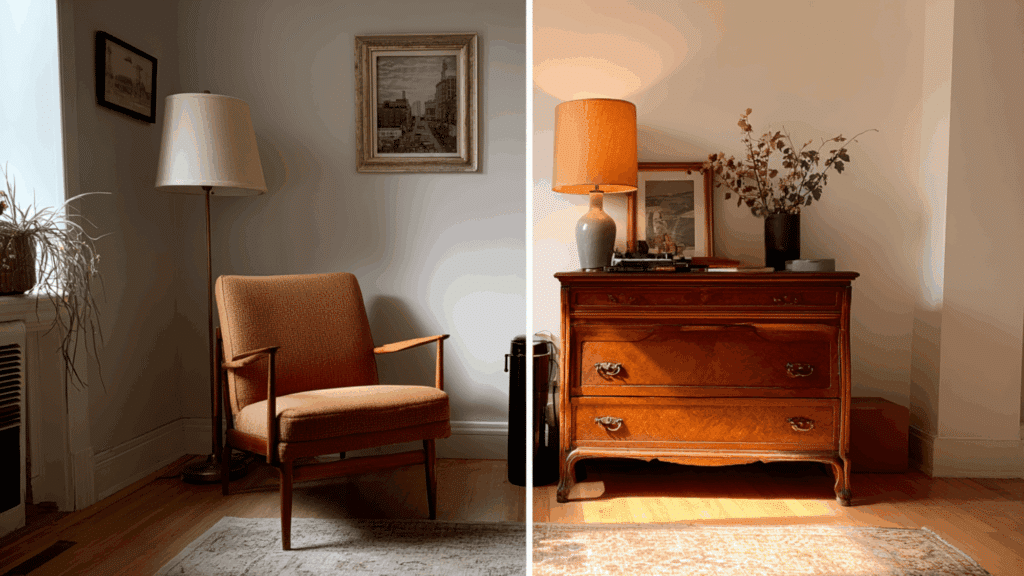
When talking about home décor, the terms “vintage” and “antique” might seem similar, but they describe two very different time periods.
Think of a bright 1960s lamp, your grandma might have owned, full of personality and nostalgia.
Antique décor, on the other hand, is 100 years old or more and is valued for its history, craftsmanship, and long-lasting quality.
Vintage vs. Retro: Why Retro Isn’t About Age
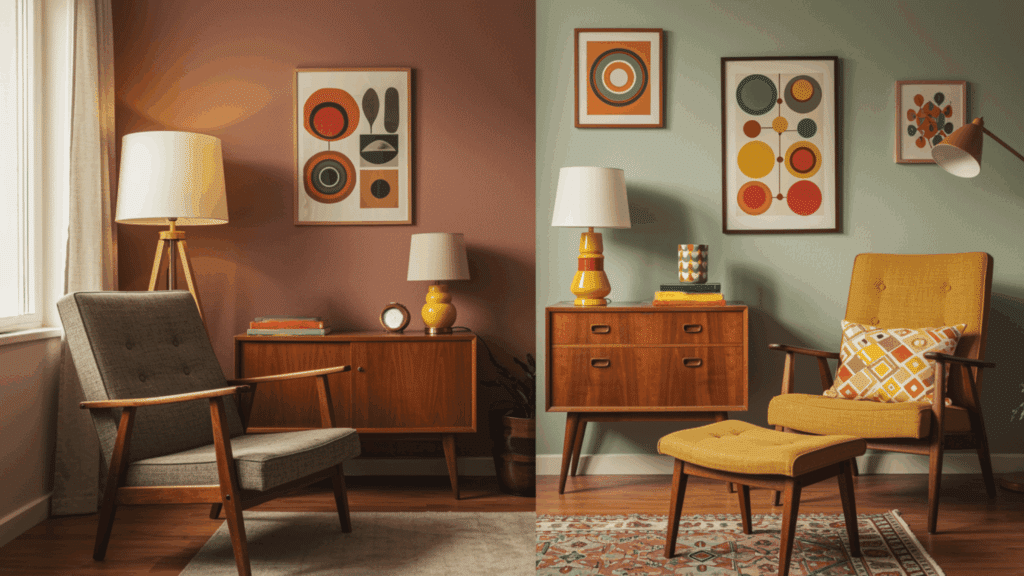
Retro and vintage may sound similar, but in home décor, they mean very different things. Retro décor isn’t defined by age; It’s defined by style.
Retro items are new pieces made to look like they’re from an older era, often inspired by the bold colors, shapes, and patterns of past decades.
For example, a brand-new chair designed with 1970s curves and colors is retro because it only copies the Look.
Vintage décor, however, is the real deal: authentic items. A true 1950s side table or a 1970s rattan chair carries real history and wear. Retro delivers the vibe; vintage delivers the authenticity.
How to Style Vintage, Antique, and Retro Pieces at Home
Blending vintage, antique, and retro décor creates a unique home filled with personality, beauty, and history, as long as each piece feels intentional.
- Mix Old and New: Combine modern furniture with older pieces to create balance, prevent cluttered looks, and let each vintage or antique item shine.
- Use Antiques as Focal Points: Place antique pieces where they naturally stand out, highlighting their craftsmanship without overwhelming the rest of the décor.
- Spread Vintage Pieces Around: Add vintage décor in different areas to create warmth, personality, and a collected-over-time feel without overcrowding one spot.
- Add Retro for Fun Style: Use retro-inspired items to bring playful colors or patterns that connect eras without needing actual aged pieces.
- Keep a Shared Theme: Use consistent colors or textures to blend different time periods, making the room feel cohesive while mixing all three styles.
Why People Love Vintage (Beyond the Age)
People love vintage décor for many meaningful reasons. It supports sustainability by giving older items a second life, reducing waste, and keeping beautiful pieces out of landfills.
Vintage décor also highlights strong craftsmanship, since many older items were built with care and durable materials that stand the test of time.
Its unique style brings character and personality to a home, offering designs that feel truly one-of-a-kind.
Vintage pieces also evoke nostalgia, reminding people of family memories, earlier decades, or special traditions.
Conclusion
Understanding how old vintage is helps readers confidently identify pieces that truly fit the vintage label.
Knowing what is considered vintage and recognizing how old something has to be to be vintage gives them a clearer way to sort items by age and style.
Vintage décor stands out because it blends history, character, and beauty in a way newer pieces can’t copy.
If someone loves mid-century furniture, classic lighting, or nostalgic collectibles, vintage items offer authenticity that adds warmth to any home.
Frequently Asked Questions
Can Something Be Vintage Even if It’s Not Valuable?
Yes. An item doesn’t need to be expensive to be vintage. Its age, style, and connection to a past era matter more than its price.
Is Vintage the Same in Every Country?
Not always. Different cultures use the term differently, and some countries have their own timelines for labeling items as vintage.
Are Handmade Items More Likely to Be Considered Vintage?
Handmade pieces often become vintage because they age well and reflect the style of their era, but being handmade isn’t a requirement.