

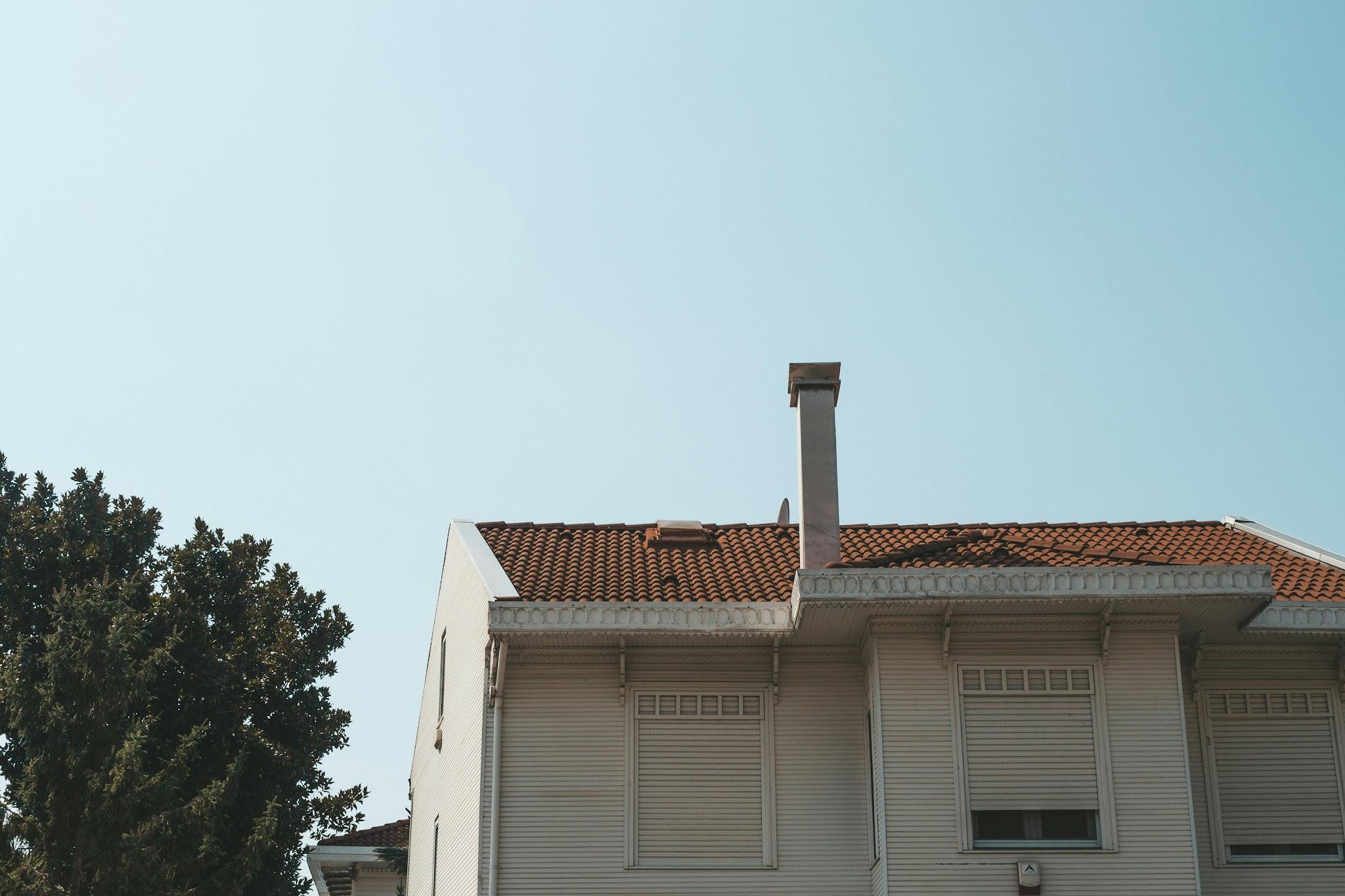
A solid roof is the most critical part of any building structure. It shields the interior from rain, wind, and harsh sun every single day. This protection keeps your family and your belongings safe from the elements.
Neglecting this surface can lead to massive repair bills later. Keeping up with small fixes keeps the entire structure safe and dry for decades. A little bit of work now saves a lot of stress in the future.
The Value Of Proactive Care
Roofing materials take a constant beating from the elements throughout the 4 seasons. Small cracks or missing shingles might seem minor at first. They quickly grow into expensive $1,000 headaches if left alone.
Expert eyes find problems before they turn into major leaks that ruin your ceiling. When you hire experts, like those from First American Roofing, you get a team that understands how to spot tiny issues. A proactive approach keeps your home safe and saves you from sudden emergencies.
Regular checkups help you avoid the stress of sudden collapses or water damage. A little bit of attention now saves thousands of dollars in the long run. You can sleep better knowing your shelter is in peak condition for the next 20 years.
Managing Tree Growth
Overhanging branches pose a secret threat to your shingles. Wind causes limbs to scrape against the surface and peel away protective granules. Friction thins the material and makes it fail faster than it should.
One popular home improvement guide suggests keeping tree limbs at least 10 feet away from the roof. Distance stops branches from damaging the structure during heavy storms. It stops squirrels and other pests from hopping onto your house and finding a way inside.
Trimming trees reduces the amount of shade on the shingles. Less shade means less moisture buildup, which stops moss and rot from taking hold. Sunlight helps dry the surface after a storm and keeps the materials healthy.
Protecting Your Investment
Homeowners often assume their insurance policy covers every type of leak. This is a common mistake that leads to denied claims. Your policy is an agreement to protect the house from sudden disasters, not regular wear.
A well-known financial magazine points out that insurance companies might not cover damage caused by poor maintenance. They only pay for sudden events. Neglect is not a covered event and can cost you $10,000 in repairs.
Staying on top of repairs shows the insurer you are responsible. It keeps your policy valid and protects your wallet from unexpected costs. You want the insurance company on your side when a real disaster hits your area.
Understanding Warranty Requirements
New roofs come with warranties that offer peace of mind for 20 or 30 years. Many people forget that documents have strict rules. A warranty is only as good as the care you provide for the structure.
A digital report mentions that manufacturers require regular maintenance to keep a warranty active. If you skip professional inspections, you might lose your coverage entirely. Companies want to see that you are doing your part to protect the product they built.
Keep all your receipts and reports from every service visit. A paper trail proves you followed the rules if you ever need to file a claim. Documentation is the only way to win a dispute with a large manufacturer.
Signs Of Wear And Tear
You can spot some issues from the ground without climbing a ladder. Look for shingles that are curling at the edges or look bald. These are signs that the asphalt is drying out and losing its ability to stop water.
Gutter debris is another sign that your roof is aging. If you see piles of sand or grit in the troughs, your shingles are losing their protection. This grit is what shields the roof from hot UV rays and fire.
Check the attic for dark spots or damp smells after a heavy rain. These signs indicate that water is finding a way through the outer layers. Catching a leak in the attic is much cheaper than finding it in your living room after the ceiling falls.
Seasonal Maintenance Checklist
Different seasons bring different challenges for your building. Fall is the time to clear out gutters so water flows freely away from the foundation. Clogged gutters lead to ice dams and wood rot that destroys the edges of the roof.
Spring is best for checking the flashing around chimneys and vents. This metal should be tight and free of rust or gaps. Here are a few things to look for during your walkaround:
- Damaged or missing shingles
- Clogged downspouts
- Cracked sealant around pipes
- Moss or algae growth
Proper drainage is the key to a long-lasting roof. Without it, water pools and causes the wood underneath to rot quickly. Regular cleaning prevents issues from starting and keeps the system working as intended.
Caring for your roof protects the whole property. A sturdy surface keeps the building dry and safe. Routine adds years to the structure.
Schedule inspections every 6 months to keep your home in top shape. You avoid a $10,000 replacement for much longer.