

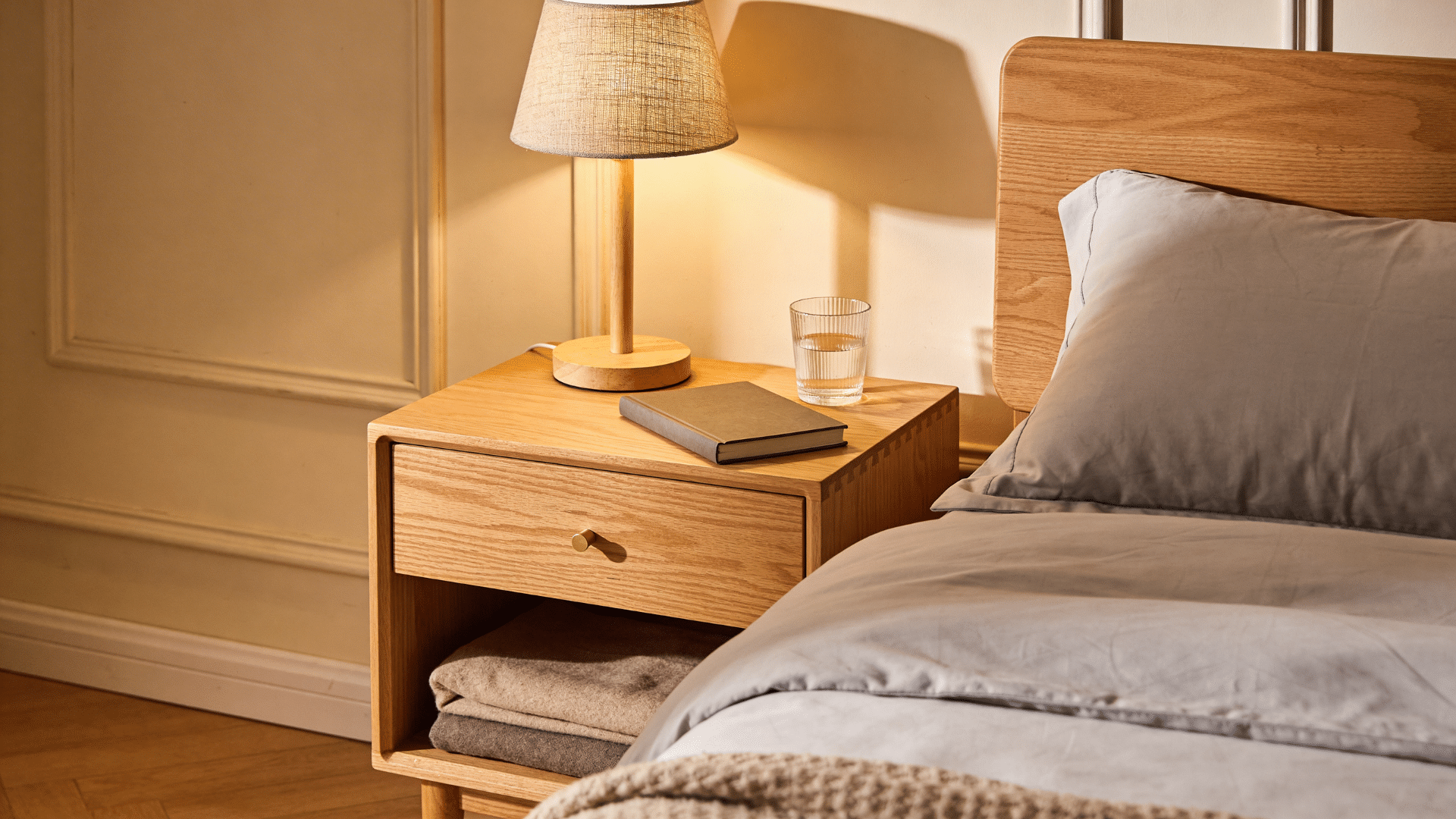
Finding the right nightstand height might seem like a small detail, but it can make a difference in your daily comfort.
If your nightstand is too tall or too low, reaching for your phone, lamp, or water can feel awkward, especially when you’re half asleep.
That’s why many interior designers focus on proper nightstand height when planning a bedroom.
So, how tall are nightstands, and what works best for your bed? In this guide, you’ll get a clear answer, along with simple tips to help you choose the right size.
If you are setting up a new space or updating your bedroom, the right nightstand height keeps everything balanced, practical, and easy to use.
How Tall Should a Nightstand Be?
A nightstand should usually be about the same height as your mattress or within 2 to 4 inches of it. This keeps items easy to reach while you are in bed.
Most beds are around 24 to 30 inches tall, so a nightstand in that range works well for many people.
If your nightstand is too low, you may need to bend down often, which can feel awkward. If it is too tall, it may not look right next to your bed.
The best rule is to match or stay close to your mattress height. Also, think about what you keep on it, like a lamp, phone, or book, so everything stays within reach.
A well-sized nightstand helps your bedroom feel neat, simple, and easy to use every day without extra effort.
Why Nightstand Height Matters?
The height of your nightstand affects how easy it is to use your bedside items. It also helps your bedroom look neat and well-balanced.
- Easy Reach: Keeps items close so you can grab them without effort
- Better Comfort: Helps you avoid awkward stretching or bending
- Visual Balance: Matches your bed height for a clean look
- Improved Functionality: Makes daily use simple and smooth
- Safety: Keeps items stable and less likely to fall
How to Choose the Right Nightstand Height
Choosing the right nightstand height is simple when you follow a few basic steps. It all comes down to measuring your bed and choosing one that fits for comfort and easy reach.
1. Measure Your Bed Height
Start by measuring the full height of your bed from the floor to the top of the mattress. Don’t forget to include everything, such as the bed frame, box spring, and mattress.
This number is the most important factor when picking the right nightstand height.
A nightstand that matches this level will feel natural to use.
If you skip this step, you may end up with furniture that looks good but feels uncomfortable in daily use. Always take accurate measurements before making a decision.
2. Consider Mattress Thickness
Mattress thickness can change your total bed height more than you might think. Some mattresses are as thin as 8 inches, while others can reach 16 inches or more.
If you also use a mattress topper, that adds extra height.
A thicker mattress means you’ll need a taller nightstand to keep everything level. This is why it’s important to measure your bed after everything is set up.
Matching your nightstand to this final height helps create a more comfortable and practical bedside setup.
3. Match or Slightly Adjust Height
Once you know your bed height, choose a nightstand that is the same height or within a small range.
Experts suggest keeping it level or raising it by 2–3 inches for the best experience.
A slightly higher nightstand can be easier to reach while lying down. However, avoid going too low, as it can feel inconvenient.
Keeping the height close to your mattress ensures both comfort and a balanced look. This small adjustment can make a big difference in how your bedroom feels and functions.
Nightstand Height vs Bed Height
The height of your nightstand should closely match your bed for the best comfort and balance. Keeping both at a similar level makes it easier to reach items and improves the overall look of your bedroom.
| Bed Height (Floor to Mattress Top) | Ideal Nightstand Height |
|---|---|
| 22–24 inches | 22–24 inches |
| 25–27 inches | 24–28 inches |
| 28–30 inches | 26–30 inches |
| Above 30 inches | 28–32 inches |
Best Nightstand Height by Bed Type
Different bed types sit at different heights, so your nightstand should match the height of your bed. Choosing the right height for your bed style improves comfort and keeps your bedroom balanced.
1. Platform Beds
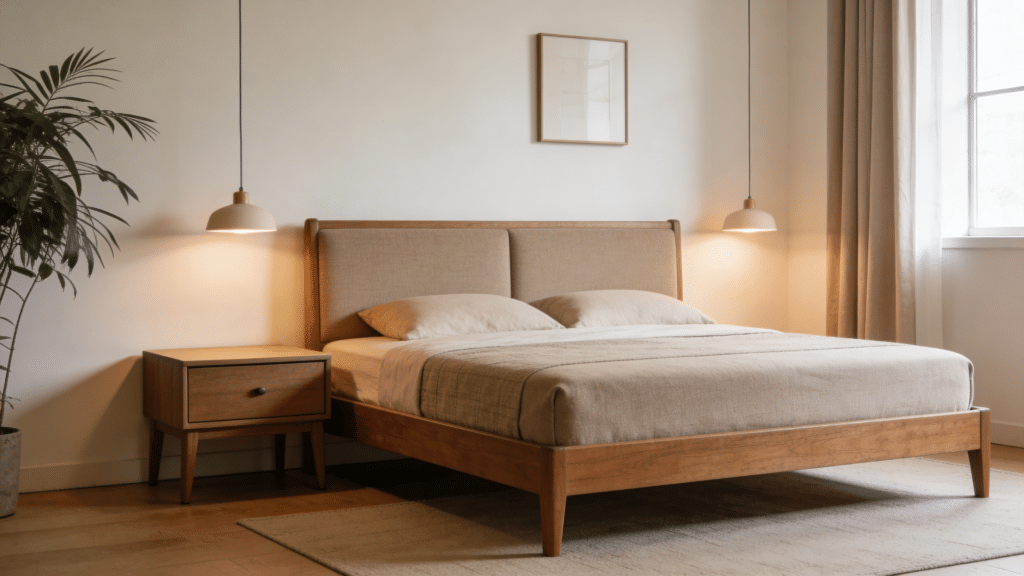
Platform beds are usually lower to the ground, which means you’ll need a shorter nightstand to match.
Most platform beds range between 18 and 24 inches in height, so a nightstand within that range works best.
Keeping both at a similar level makes it easy to reach your essentials without bending too much. If the nightstand is too tall, it can look out of place and feel awkward to use.
A lower-profile nightstand keeps the setup clean, modern, and comfortable for everyday use.
2. Traditional Beds
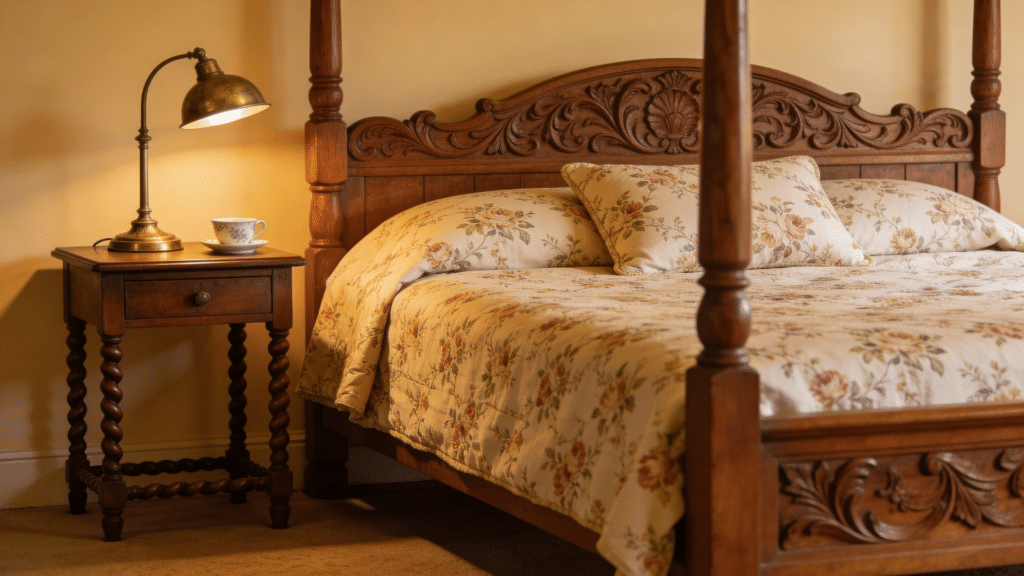
Traditional beds with a box spring are often taller, typically 25 to 30 inches. For these beds, a taller nightstand works better to keep everything within easy reach.
A nightstand that sits level with the mattress or slightly higher creates a more comfortable setup.
It also helps maintain a balanced look in the room. Choosing a nightstand that is too low can make reaching items difficult, especially when you are lying down.
Properly matching the height makes daily use much smoother.
3. Adjustable Beds
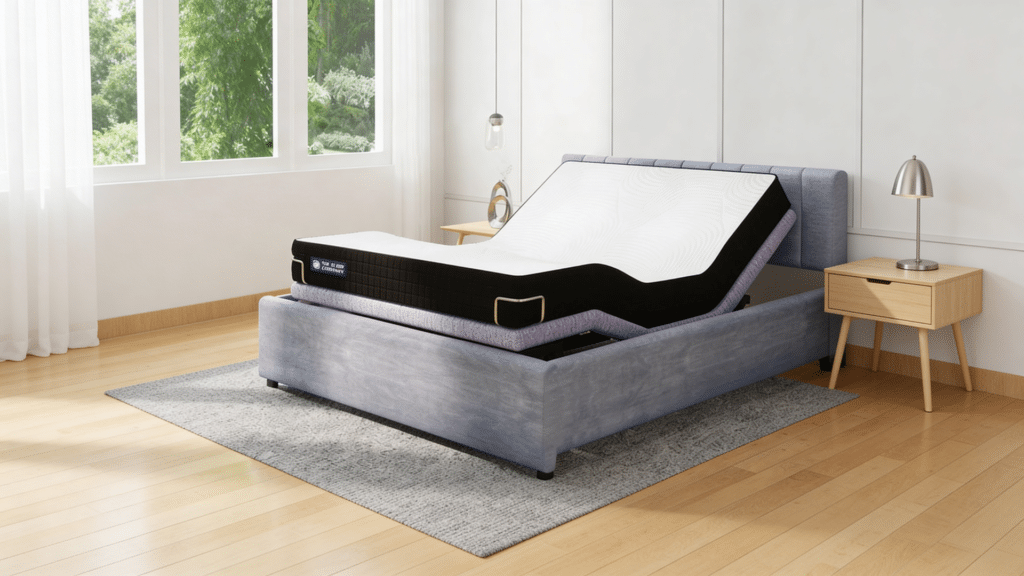
Adjustable beds can change position, but their base height usually stays moderate. Because the bed moves, it’s best to choose a slightly lower or level nightstand.
This prevents the nightstand from feeling too high when the bed is raised.
A height that matches the lowest position of the mattress is often the safest choice. This way, your nightstand stays functional no matter how you adjust your bed.
It also keeps your items stable and within reach, making the setup more practical for everyday use.
4. Low-Profile Beds
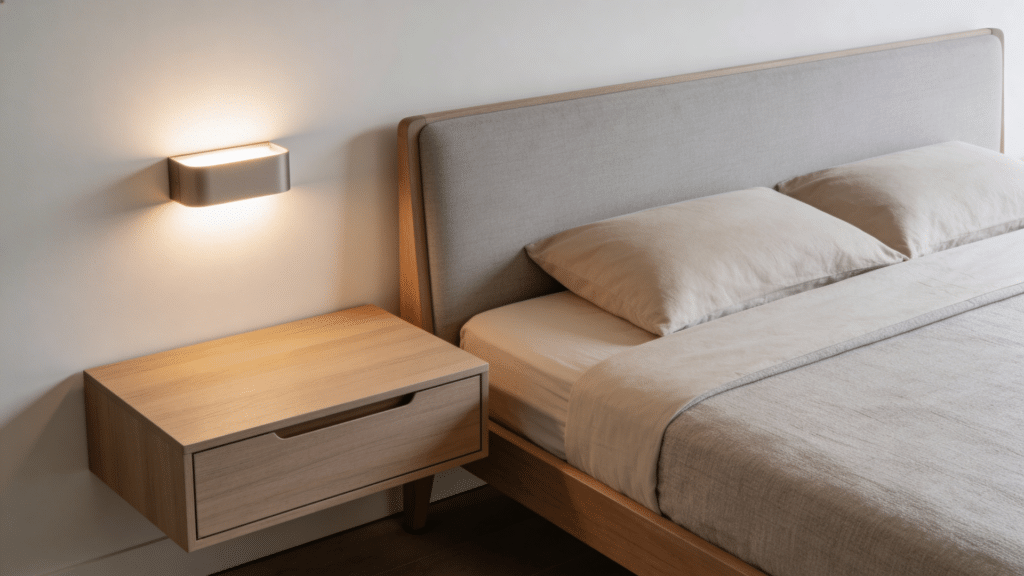
Low-profile beds sit closer to the floor and are popular in modern and minimalist bedrooms.
These beds often range from 16 to 20 inches high, so a compact, low nightstand works best.
Choosing a nightstand that is too tall can break the visual balance of the room. A shorter option keeps everything aligned and easy to access.
This setup creates a calm, simple look while remaining practical. It’s a great choice if you prefer a clean, uncluttered bedroom style.
5. Tall or Luxury Beds
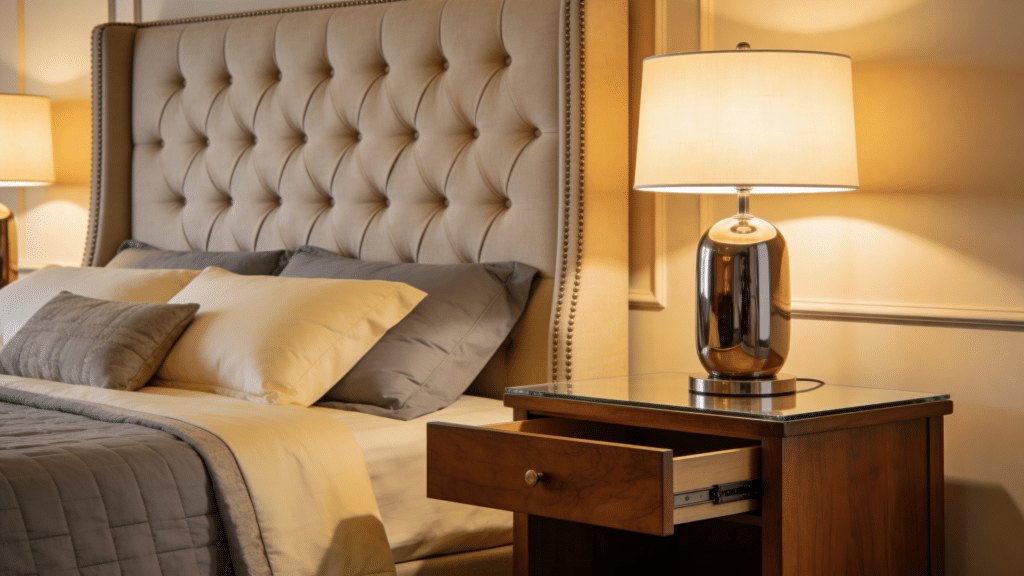
Tall or luxury beds, such as those with thick mattresses or plush toppers, can go above 30 inches in height.
These beds need taller nightstands to match their size and maintain comfort.
A nightstand that sits level or slightly higher than the mattress makes it easier to reach your items. It also keeps the room looking well-proportioned.
If the nightstand is too low, it can feel inconvenient and look out of place.
Choosing the right height helps create a more polished and comfortable bedroom setup.
Designer Tips for Perfect Nightstand Proportion
Getting the right proportion is not just about height; it’s about how your nightstand fits with your bed and overall space. These tips help create a setup that feels balanced and easy to use.
- Match Mattress Level: Keep your nightstand at the same height as your mattress. This makes it easy to reach items without discomfort.
- Think About Scale: Choose a nightstand size that matches your bed. Larger beds need wider tables to look balanced.
- Balance Both Sides: Use nightstands of similar height on both sides. This keeps the room looking neat and even.
- Check Lamp Height: Your lamp should sit at a comfortable level. It should not shine directly into your eyes.
- Leave Breathing Space: Avoid bulky nightstands that crowd your room. Keep enough space for movement and comfort.
- Align with Style: Pick a nightstand that matches your bed design. This helps your bedroom look more put-together.
Conclusion
Finding the right nightstand height may seem simple, but it plays a big role in how comfortable and easy your bedroom feels every day.
When your nightstand matches your mattress height, everything stays within reach, and your space looks more balanced. Small changes like this can improve how you use your room without much effort.
Always measure your bed first and choose a height that fits your daily needs. A good setup should feel natural, not forced.
Now it’s your turn. What nightstand height works best for your bed?
Have you ever used one that felt too high or too low? Share your experience in the comments below so others can learn from it too.
Frequently Asked Questions
Can a Nightstand Be Taller than the Headboard?
Yes, but it should not visually overpower the bed. A slightly taller piece can work if the overall balance looks right.
What Materials Work Best for Nightstands?
Wood is the most popular for durability and style. Metal and glass work well for a modern look.
Should Nightstands Always Have Drawers?
No, drawers are optional based on storage needs. Open designs can also look clean and simple.
How Much Space Should Be Left Between Bed and Nightstand?
A gap of 2 to 6 inches is ideal. It keeps the setup comfortable and easy to maintain.
Is It Possible to Use Alternative Furniture as a Nightstand?
Yes, items like stools or small tables can work well. Just make sure the height is practical for daily use.