

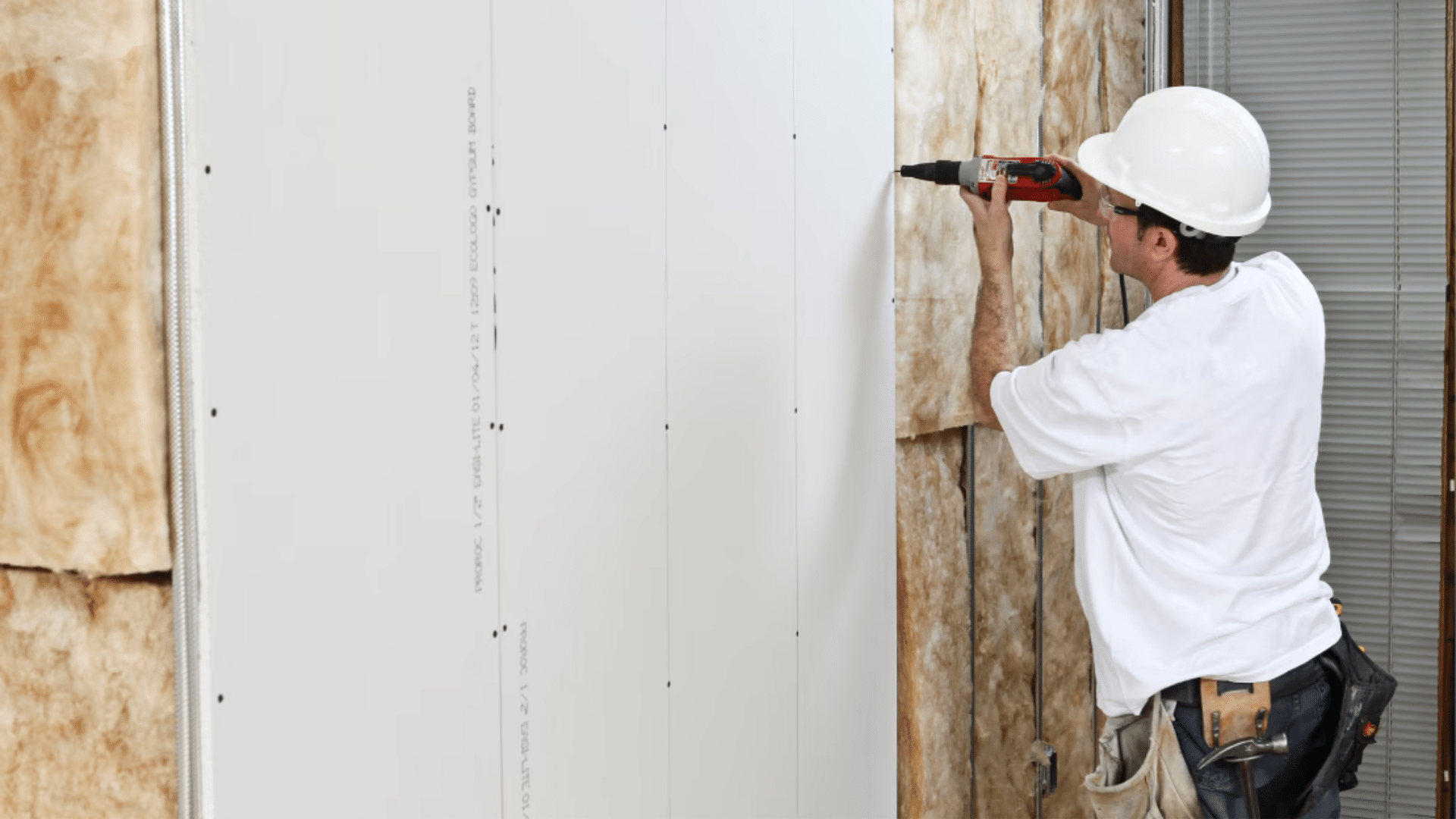
When I first started working on home repair projects, drywall was one thing that confused me the most. I kept seeing different sizes at the store and wondered why some boards were thicker than others.
If you have asked yourself how thick is drywall, you are not alone. The answer depends on where you plan to install it.
In this guide, I will walk you through the drywall thickness used in different parts of a home.
You will learn what thickness works best for walls, ceilings, garages, and basements. I will also explain why builders choose certain sizes for specific areas.
Understanding these differences can help you choose the right drywall for your project.
It can also save time, reduce mistakes, and make your finished walls stronger and smoother. By the end, you will have a clear idea of what thickness works best in each space.
What Are the Different Drywall Thickness Options?
When it comes to drywall, there are several thickness options to choose from, each suited to specific needs. The most common drywall thicknesses are:
- 1/4-inch: This thin option is typically used for covering existing surfaces or for curved walls. It’s not ideal for structural applications, but it can be useful for lightweight projects.
- 3/8-inch: Often used for ceilings or areas that require flexibility but don’t need much strength. It’s slightly stronger than 1/4-inch but still best for non-structural use.
- 1/2-inch: This is the standard thickness for most residential wall applications. It provides a balance between strength, cost, and ease of installation, making it the most commonly used thickness.
- 5/8-inch: This thicker drywall is often used in commercial buildings or in areas that require greater durability, such as ceilings or walls in fire-rated spaces. It provides extra strength and soundproofing.
Each thickness serves a different purpose, so understanding your project needs will help you make the right choice.
How Thick Is Drywall for Different Areas of the Home?
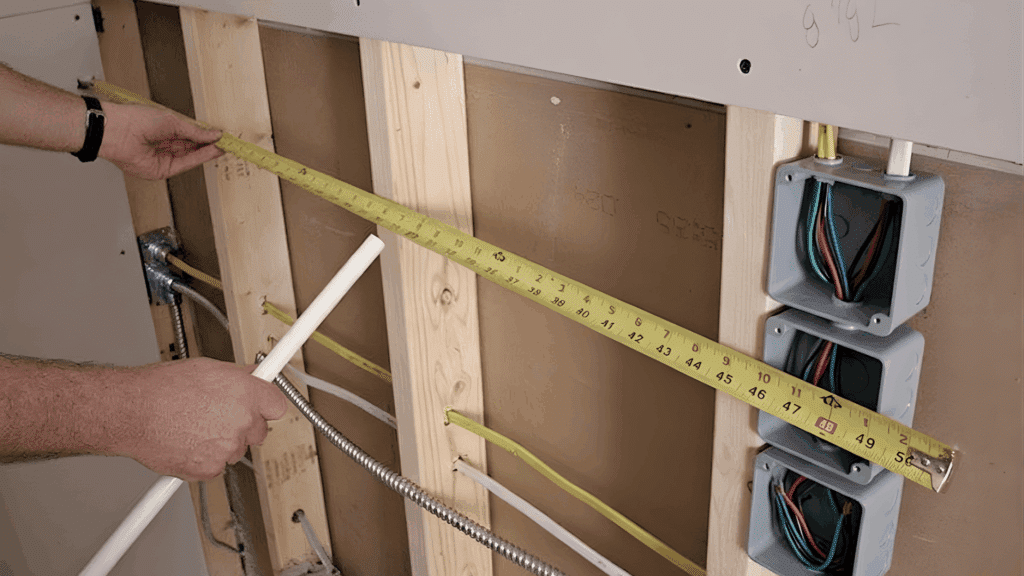
Different rooms in a house often need different drywall thickness. The right size helps improve strength, safety, and sound control.
1. Drywall Thickness for Interior Walls
Most interior walls in homes use 1/2-inch drywall. Builders choose this size because it is strong enough for daily use and still easy to install.
I often see it used in living rooms, bedrooms, hallways, and other main areas of the house.
This thickness fits standard wall studs and provides a smooth surface for paint or wallpaper.
If you plan to hang shelves, pictures, or small cabinets, this drywall works well. It also keeps installation simple and cost-friendly for most home projects.
2. Drywall Thickness for Ceilings
Ceilings often use either 1/2-inch or 5/8-inch drywall, depending on the structure of the home. Many builders prefer 5/8-inch boards because they are thicker and resist sagging over time.
This is helpful in large ceiling areas where drywall spans across framing. Thicker drywall also improves sound control between floors.
It feels sturdier and helps prevent cracks that can appear with thinner boards.
Choosing the right thickness for ceilings helps keep the surface smooth and stable for many years.
3. Drywall Thickness for Garages
Garages usually require thicker drywall for safety reasons. In many homes, builders install 5/8-inch drywall on garage walls that connect to the house.
This thicker board helps slow the spread of fire, which is why building codes often require it.
I have also seen it used on garage ceilings when there is a living space above. The extra thickness adds strength and improves protection.
Using the proper drywall in a garage helps meet safety standards and gives better durability.
4. Drywall Thickness for Basements
Basements often use standard 1/2-inch drywall, similar to interior walls upstairs. This size works well for finishing basement rooms, home offices, or entertainment spaces.
This one is suitable because it balances strength and cost while remaining easy to install.
In some cases, moisture-resistant drywall is used in basements to help protect against damp conditions.
Even with special drywall types, the thickness usually stays the same. Choosing the right drywall for a basement helps create clean walls that are ready for paint and decoration.
5. Drywall Thickness for Curved or Renovation Projects
For curved walls or remodeling projects, thinner drywall is often used. Many installers choose 1/4-inch drywall because it bends easily and fits curved surfaces.
This one is used to cover old drywall as well, creating a smooth new layer without removing the existing wall.
This thickness is lightweight and simple to handle during repairs or design projects.
While it is not strong enough for standard walls alone, it works well for finishing touches and special construction needs.
Drywall Thickness Chart for Quick Reference
Drywall comes in several thickness options, and each one serves a specific purpose in home construction. This table helps you quickly compare common drywall sizes and where they are most often used.
| Drywall Thickness | Common Use Area | Key Reason for Use |
| 1/4 inch | Curved walls, covering old drywall | Flexible and easy to bend for design or repair work |
| 3/8 inch | Repair work, patching walls | Lightweight and helpful for small wall fixes |
| 1/2 inch | Interior walls, most rooms | Standard thickness used in most homes |
| 5/8 inch | Ceilings, garages, shared walls | Stronger board that reduces sagging and improves fire resistance |
| Double 5/8 inch | Fire-rated walls, apartment walls | Extra protection and improved sound control |
Which Drywall Thickness Is Ideal for Bathrooms and Kitchens?
For bathrooms and kitchens, where moisture and humidity levels can fluctuate, it’s important to select the right drywall thickness to ensure durability and prevent issues like mold.
1/2-inch drywall is typically sufficient for these spaces, offering a good balance between strength and ease of installation.
However, since bathrooms and kitchens are more prone to moisture, moisture-resistant drywall (also known as green board) should be used.
This type of drywall has a special coating that helps prevent mold and mildew growth.
In areas with higher moisture exposure, such as around showers or tubs, you may also want to consider 5/8-inch drywall, which provides additional strength and soundproofing.
Always install moisture-resistant drywall in high-humidity areas to protect your walls and ensure long-lasting results.
What Reddit Users Say About Drywall Thickness?
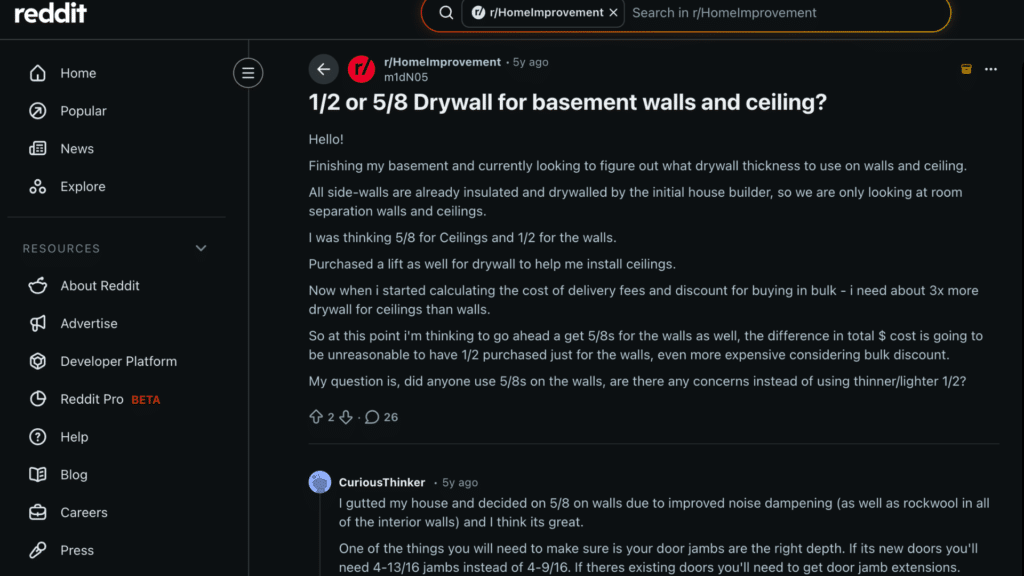
On Reddit, users often debate the best drywall thickness for basement walls and ceilings.
Many recommend using 5/8-inch drywall for ceilings, as it offers better support, reduces sagging over time, and provides added soundproofing, especially in high-ceiling or basement areas.
For walls, 1/2-inch drywall is typically sufficient, but some opt for 5/8-inch for increased durability and sound control.
The price difference between the two is minimal, especially when buying in bulk, making 5/8-inch drywall a cost-effective option for both walls and ceilings.
However, some DIYers caution that 5/8-inch drywall is heavier and harder to handle.
If you go with thicker drywall, you may need to adjust door jambs and electrical boxes. At the end, your decision will depend on the balance of cost, durability, and ease of installation.
Factors to Consider when Deciding on Drywall Thickness
When deciding on drywall thickness, people should consider several factors to ensure they choose the right option for their project.
- Room Function: The purpose of the room plays a big role in your choice. For most walls, 1/2-inch drywall is sufficient, but if you need extra durability, such as in high-traffic areas, 5/8-inch drywall may be a better choice.
- Ceiling Height: For standard ceilings, 1/2-inch drywall works well. However, if you have high ceilings, opting for 5/8-inch drywall provides extra strength to prevent sagging over time.
- Moisture Exposure: In areas prone to moisture, such as bathrooms, kitchens, and basements, using moisture-resistant drywall (green board) is essential. This can be found in both 1/2-inch and 5/8-inch options.
- Soundproofing Needs: If soundproofing is a priority, thicker drywall, such as 5/8-inch, can help block noise due to its added mass.
- Local Building Codes: Always check local regulations and building codes, as they may require specific drywall thicknesses depending on the type of room or construction.
How Drywall Thickness Impacts Soundproofing and Insulation?
Drywall thickness plays a significant role in soundproofing and insulation, especially in reducing noise between rooms or improving energy efficiency.
Thicker drywall blocks sound better because its added mass reduces noise passing through walls.
It’s especially useful in areas where you want to minimize noise, such as between bedrooms or in home theaters.
In terms of insulation, thicker drywall can also help with temperature control by providing an additional layer of material that slows heat transfer.
While drywall alone isn’t a replacement for proper insulation, using a thicker option, such as 5/8-inch, can contribute to a more energy-efficient space when combined with other insulating materials.
For better soundproofing, use thicker drywall with acoustic insulation or resilient channels.
Common Mistakes to Avoid
When selecting drywall thickness, small mistakes can lead to big issues down the line. By avoiding these mistakes, you can ensure your drywall performs well and lasts longer.
- Overlooking moisture exposure: Using standard drywall in damp areas like bathrooms or basements can lead to mold and mildew. Always choose moisture-resistant drywall in these spaces.
- Ignoring building codes: Local codes often specify drywall thickness for fire-rated or commercial walls. Make sure to check these regulations before you begin.
- Not considering soundproofing needs: For areas requiring noise control, 1/2-inch drywall won’t be as effective. Use 5/8-inch drywall to better block sound.
- Using thin drywall in high-traffic areas: In spaces with heavy foot traffic, 1/2-inch drywall can be damaged more easily. 5/8-inch drywall offers greater strength and durability.
- Not factoring in wall purpose: Different rooms need different types of drywall. For extra strength or durability, 5/8-inch drywall is a better fit for certain areas, such as hallways or home gyms.
Conclusion
Choosing the right drywall thickness may seem like a small detail, but it can make a big difference in how your walls and ceilings perform over time.
The right option helps prevent sagging, improves durability, and can even reduce noise between rooms.
By understanding how drywall thickness works in different areas of a home, you can make smarter decisions for your project.
If you are planning a renovation, finishing a basement, or starting a new build, take a moment to think about the needs of each space. The right drywall choice can save you effort, repairs, and extra costs later.
Now I would love to hear from you. Have you worked with different drywall thicknesses in your home projects?
Share your experience, tips, or questions in the comments below so others can learn from it too.