

Adding a fence to your property is one of the best ways to improve security and enhance curb appeal. However, many homeowners don’t realize that not all fence styles work for every yard. The size of your space, the slope of your lawn, your landscaping, and even how you use your backyard all play a role in determining the perfect fit.
If you’re creating a safe space for kids or designing a peaceful outdoor retreat, you should understand what your yard truly needs to make the right choice. Let’s explore which fence styles work best for different types of properties.
Best Fence Styles for Small Yards
For smaller yards, your goal should be to create privacy without making the space feel boxed in. Some fence styles ideal for compact spaces include:
- Horizontal wood fences draw the eye outward, making your small yards appear wider. They also offer a modern look that pairs beautifully with contemporary homes.
- Aluminum or traditional picket fences are another excellent option for small front yards. They define the space clearly while maintaining an open, airy feel. If privacy isn’t your main concern, these styles help preserve visibility and natural light.
- Light-colored vinyl fencing can also help prevent a cramped feeling. Bright tones reflect sunlight and keep the yard looking open and inviting.
If you are unsure about the scale and proportion of your yard, you can consult a trusted fence company Naperville for professional guidance. The experts help ensure the fence enhances your yard instead of overwhelming it.
Ideal Fencing for Large Yards
Large yards offer more flexibility, but they also require thoughtful planning. The right fence can define the space while complementing your home’s overall design. Here are a few fence styles depending on different privacy needs:
- Full wood privacy fences are ideal for maximum privacy. They create a secluded atmosphere that’s perfect for entertaining, relaxing, or letting kids play freely. Wood fencing also provides natural beauty and blends well with landscaping.
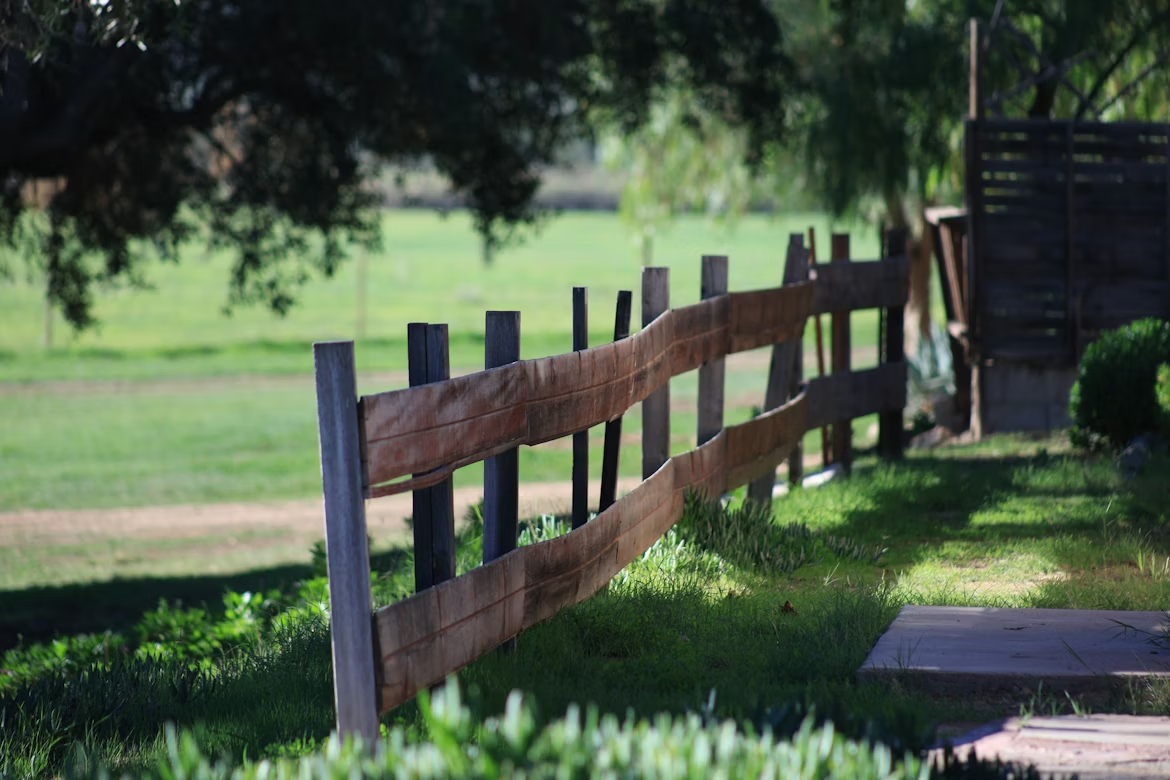
- Ranch-style fencing works wonderfully if you prefer something less enclosed. It defines boundaries without blocking views, making it ideal for homeowners who want a more open feel.
- Mixed-material designs, such as wood panels paired with stone or brick columns, are also the right choice for large yards. These combinations add character and a high-end look to larger properties.
Bigger yards require precise measurements and durable installation, so make sure to work with experienced professionals to ensure your investment lasts for years.
Best Fences for Sloped or Uneven Yards
Not all yards are perfectly flat. If your property has hills or uneven terrain, choosing the right fencing style is essential.
- Stepped fencing is one option. This style follows the slope in sections, creating a stair-step appearance. It works well for moderate inclines and offers clean, defined lines.
- Racked fence panels are a good choice for gradual slopes. These panels adjust to follow the contour of the ground, creating a smooth, continuous look without gaps underneath.
Installing a fence on uneven terrain can be tricky, and mistakes can lead to stability issues or unsightly gaps. A knowledgeable installer can recommend the right method to ensure your fence looks polished and remains structurally sound.
Pet- and Family-Friendly Fencing Options
If you have children or pets, safety likely sits at the top of your priority list. Below are some fencing options ideal for this situation:
- Solid privacy fences are great for dogs that tend to bark at passersby. Blocking their view often reduces stress and keeps your yard peaceful.
- Narrow picket spacing works best for smaller pets, as it prevents them from slipping through gaps. Fence height is another important factor. Larger dogs may require taller panels for secure containment.
Don’t forget about secure gate hardware. Self-closing hinges and child-safe latches add an extra layer of protection for families.
Matching Fence Style with Your Home’s Architecture
Your fence should feel like a natural extension of your home. Traditional homes pair beautifully with classic wood or white picket fencing. Modern houses tend to look best with horizontal slats, sleek aluminum, or minimalist designs.
Meanwhile, rustic properties benefit from natural cedar tones that blend seamlessly with outdoor surroundings. If you live in a neighborhood governed by an HOA (Homeowners Association), it’s also important to review any style or height guidelines before making a decision. Choosing a fence that complements both your home and community standards ensures a cohesive look.
Why Professional Guidance Makes a Difference
Property design and management come with unique challenges. Property lines must be accurate, posts need to be set deep enough to withstand Midwest freeze-thaw cycles, and permits may be required depending on local regulations.
Partnering with experienced professionals helps eliminate guesswork. Cedar Mountain Fence Company works with homeowners to evaluate yard layout, recommend suitable materials, and ensure each installation meets local standards. This level of expertise helps prevent costly mistakes and ensures long-term durability.
Endnote
Choosing the right fence style isn’t just about picking something that looks good. It’s about understanding your yard’s size, terrain, purpose, and overall design. When all those elements come together, your fence becomes a valuable extension of your home. If you’re ready to explore your options, consulting a trusted local expert can help you make a confident decision and create a fence that fits your property perfectly.