

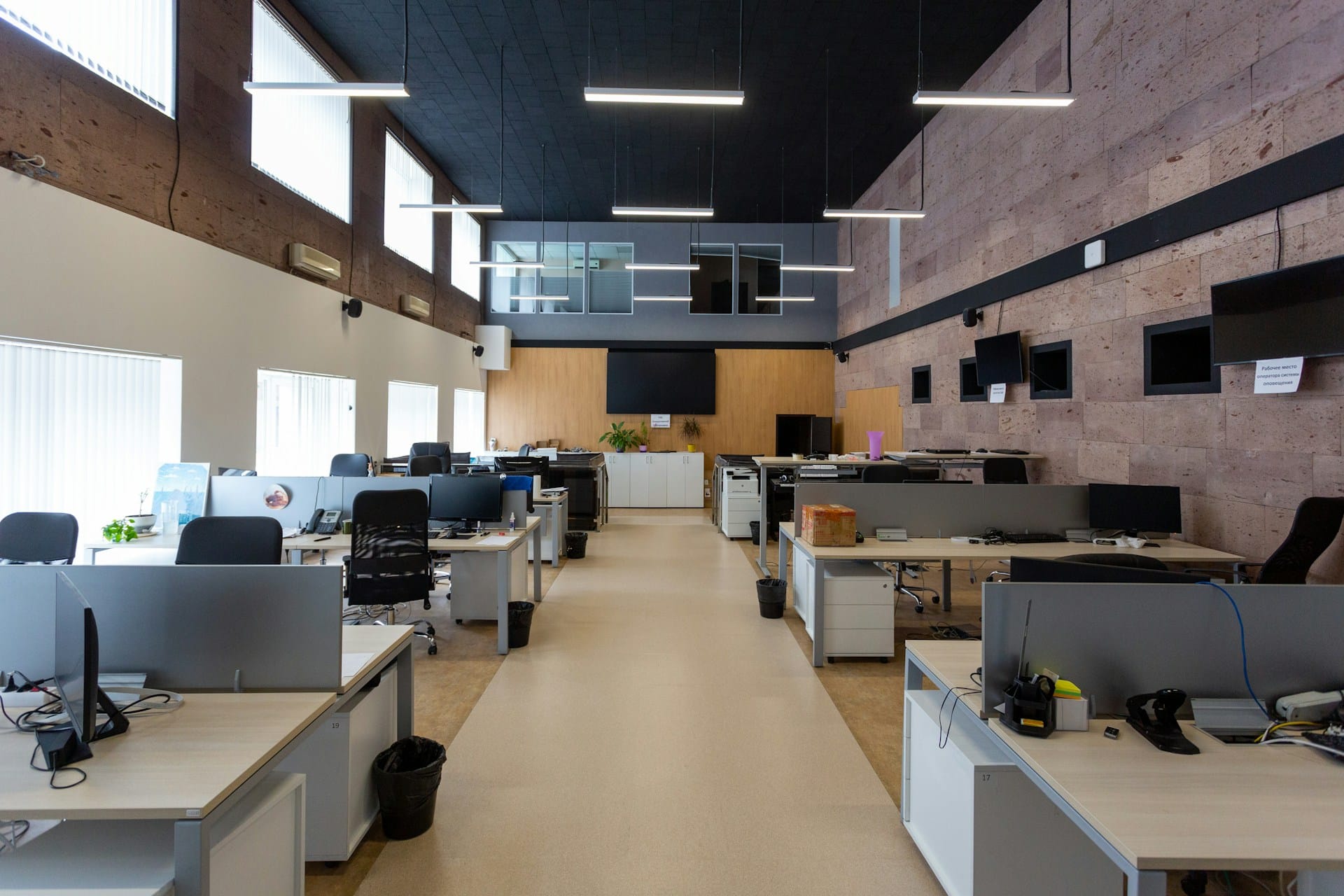
Your office furniture does more than fill a room. It shapes how you think, how long you can work without discomfort, and how effectively your team collaborates. Whether you are fitting out a home office, refreshing a corporate floor, or planning a full workspace refurbishment, the decisions you make about furniture have a direct and measurable impact on productivity, well-being, and the long-term usability of the space.
This guide covers the key principles behind smart office furniture selection, the trends that are redefining UK workspaces in 2026, and the practical choices that make the most difference day to day.
Why Office Furniture Matters More Than Most People Think
Most people underestimate how much their work environment influences their output. Research consistently shows that poorly designed workspaces contribute to lower concentration, increased fatigue, and higher rates of absenteeism due to musculoskeletal problems.
According to Area’s 2026 Office Design Trends report, UK workplaces are now being designed around one central question: does this environment make people feel better, work smarter, and connect more deeply? That shift in thinking has fundamentally changed how leading furniture manufacturers approach the brief.
Good office furniture is not about status or aesthetics alone. It is about function, adaptability, and long-term value.
Choosing the Right Furniture for Your Workspace
1. Start With How the Space Will Actually Be Used
Before selecting a single piece of furniture, map out how your team actually works. This sounds obvious, but many offices are furnished based on how businesses used to work rather than how they work now.
Ask the right questions:
- How many people need dedicated desks versus hot-desk arrangements?
- Does the team spend more time in focused individual work or collaborative discussion?
- How often are video calls taking place, and do those people need acoustic separation?
- Is the office being used every day or on a hybrid rota?
The answers determine everything from desk density to storage requirements to the need for acoustic pods or private focus zones.
2. Invest in Height-Adjustable Desks
Sit-stand desks have moved from executive perk to workplace standard across UK offices. According to data from Occupational Medicine, workers using standing desks reported a 32% improvement in productivity over six months. Height-adjustable desks also reduce musculoskeletal strain associated with prolonged sitting, which costs UK businesses significant sick days annually.
When choosing sit-stand solutions, look for desks with quiet electric motors, programmable memory settings for different users, and cable management that keeps the surface clear. Desks that work as part of a wider modular system give you the flexibility to reconfigure layouts as team sizes change.
3. Prioritise Modular and Adaptable Systems
Static furniture layouts are a liability in workplaces where hybrid working and team restructuring have become routine. According to the Office Principles’ 2026 Office Design Trends guide, the most effective office redesigns of the year focus on elastic capacity: the ability to shift from a collaboration zone in the morning to focused individual work areas in the afternoon without needing to move entire banks of furniture.
Modular desking, workwall systems, and reconfigurable storage units all contribute to this kind of built-in adaptability. Furniture that can be adjusted, extended, or reorganised without specialist installation keeps your space useful as your needs evolve.
British manufacturer Staverton is a strong example of this approach in practice. With over 90 years of experience designing and manufacturing office furniture at their Rotherham factory in South Yorkshire, they produce modular solutions, including sit-stand desks, workwalls, collaboration tables, and storage systems that are designed to flex with changing workplace demands. Their systems are also built with sustainability at their core: products use 60 to 80% recycled MFC, 100% recycled steel, and 100% recycled polyester for upholstery fabrics.
4. Address Acoustics With the Right Furniture Choices
Poor acoustics remain the most common workplace complaint, and open-plan offices are the primary culprit. Furniture plays a direct role in managing sound, not just through dedicated acoustic panels, but through upholstered seating, soft-finish storage units, and enclosed booth-style collaboration areas.
When specifying furniture for open-plan environments, consider:
- Upholstered screens and privacy panels between desk runs to reduce lateral sound travel.
- High-back seating in informal meeting areas to contain conversation within the space.
- Soft materials on storage units rather than hard panel finishes, which reflect rather than absorb sound.
- Enclosed meeting pods for video calls or focused work that requires concentration without distraction.
The goal is not to eliminate the energy of an open-plan environment, but to give people meaningful choice over the level of acoustic privacy available to them.
5. Think Carefully About Storage
Insufficient storage is one of the most common causes of cluttered, chaotic-looking workplaces. In hybrid offices where employees do not have a permanent desk, personal smart lockers have become increasingly important, giving people a secure place to store belongings on the days they come in.
Beyond personal storage, consider:
- Under-desk pedestals for individuals who do need a regular workspace.
- Shared team cabinets are positioned to define zones within open-plan layouts.
- Workwall systems that consolidate storage, display screens, and power management into a single wall-mounted unit, freeing up floor space and creating a cleaner visual environment.
When storage is well designed and genuinely accessible, desks stay clearer and the whole office looks and feels more organised.
The Sustainability Factor: Why It Should Influence Your Buying Decision

Sustainability in office furniture procurement has moved beyond a checkbox exercise. UK businesses are increasingly required to demonstrate environmental responsibility to clients, investors, and employees, and the furniture they choose is part of that story.
Look for manufacturers who can demonstrate:
- Recycled content in their materials and upholstery fabrics.
- FSC-certified wood sources where virgin materials are used.
- UK-based manufacturing that reduces transportation emissions and lead times.
- Products designed for disassembly and recycling at end of life, rather than landfill.
Buying from a domestic manufacturer rather than an overseas alternative typically results in lower carbon emissions from transport, shorter delivery lead times, and greater certainty around product quality and compliance with UK safety standards.
Common Office Furniture Mistakes to Avoid
Even well-intentioned office refurbishments frequently go wrong in the same ways. Here are the most common mistakes and how to sidestep them.
Buying everything at once without a phased plan. Large upfront investment in a fixed layout is risky when team sizes and working patterns are in flux. A phased approach, starting with core desking and storage and adding collaboration furniture as needs become clear, gives you much better long-term value.
Ignoring ergonomics in favour of aesthetics. A beautiful desk that forces users into poor posture is an expensive mistake. Chair adjustability, monitor height, keyboard positioning, and desk depth all need to be considered together as a system rather than as individual products.
Underestimating the power of lighting. Furniture layout and lighting are inseparable. Workstations positioned with screens facing windows create glare problems that ergonomic furniture cannot solve. Always plan furniture layout in relation to the light sources in the room.
Overlooking maintenance and warranty. Office furniture receives heavy daily use. Understanding the warranty terms, the availability of replacement parts, and the manufacturer’s after-sales support before you buy protects your investment over the full lifespan of the product.
Final Thoughts: Build for How Your Team Works Today and Tomorrow
The best office furniture decisions are made with a clear understanding of current working patterns and a realistic view of how they are likely to change. Invest in quality, prioritise adaptability, take acoustics seriously, and choose manufacturers who can demonstrate genuine sustainability credentials and UK heritage.
The furniture you choose does not just fill the space. It determines whether the people in it can do their best work.