

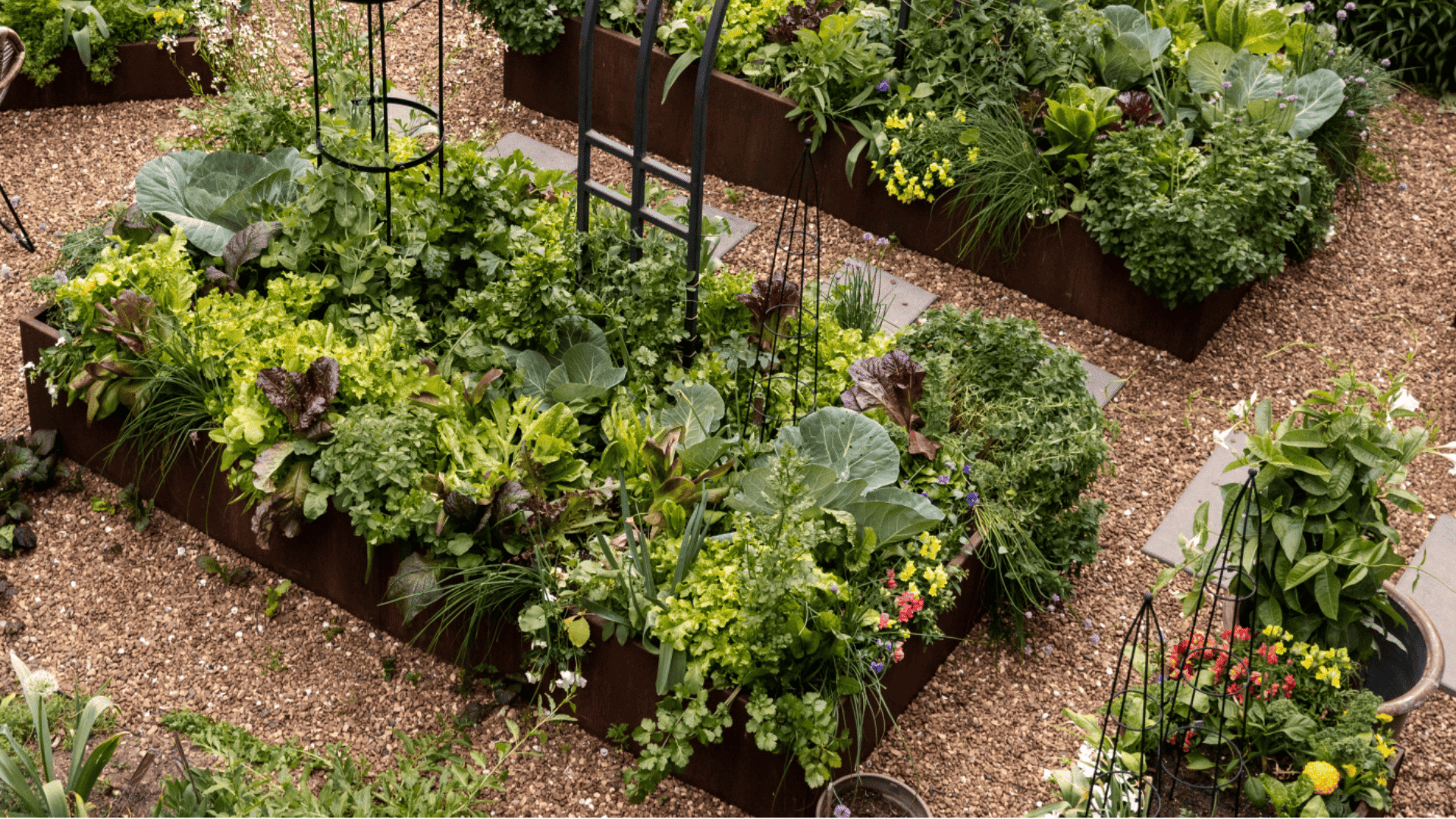
Planning 4×8 raised garden bed layouts is the first step to a garden that grows well and feels easy to manage.
A little planning before planting helps you avoid crowded plants, wasted space, and poor growth later. When you know what goes where, your bed stays neat and productive all season.
In this guide, I covered how to plan a 4×8 raised bed from the ground up.
You will learn how to use space the right way, how sunlight affects your layout, and how plant placement can make or break your results.
I also shared simple tips, spacing help, and layout ideas that work for beginners and home gardeners.
This article focuses on steps and real examples. By the end, you will know how to map out your bed, choose plants that fit, and set up a layout for care.
Why Choose a 4×8 Raised Bed?
A 4×8 raised bed is a popular choice because it is easy to manage and works well for many gardeners.
The size feels comfortable for beginners and does not feel overwhelming when you are just getting started. You can reach the center from all sides, which makes planting, watering, and weeding much easier.
This also helps protect the soil since you do not need to step inside the bed. A 4×8 bed fits nicely in most backyards, patios, or side yards without taking up too much space.
It also works with common planting methods like row planting and square foot gardening, so you have flexible options.
Because the layout is simple and balanced, it is easier to plan spacing, sunlight, and plant placement.
This size gives you enough room to grow a mix of vegetables while still keeping the garden easy to care for.
How to Measure and Divide a 4×8 Raised Bed?
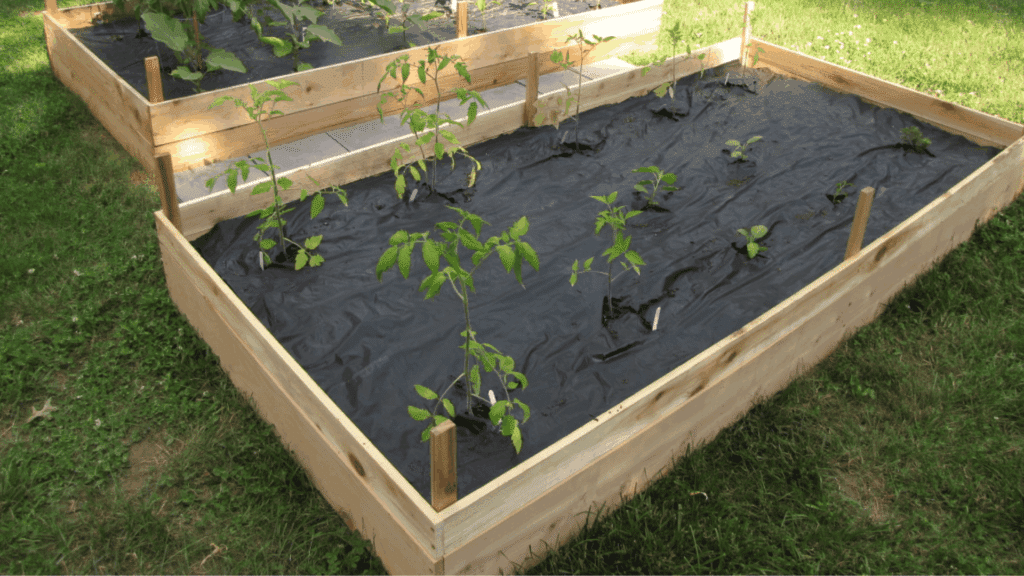
Start by checking the actual size of your 4×8 raised bed before planning anything. Some beds measure a little less once the boards are in place, and that can affect spacing.
Use a tape measure and note the inside length and width. Next, divide the bed into clear sections, so plants have their own space.
You can mark lines with a string or lightly draw them in the soil.
A row layout works well for larger plants that need room to spread, like tomatoes or peppers. A grid layout is better for small crops and mixed planting.
Using squares helps when you want even spacing and simple planning.
Rows work best when plants grow tall or wide. Choosing the right layout makes watering, spacing, and care much easier throughout the growing season.
Square Foot Gardening Layout for a 4×8 Bed
Square foot gardening is a simple way to organize a 4×8 raised bed using a grid system.
The bed is divided into equal one-foot squares, which makes spacing clear and easy to follow. A standard 4×8 bed holds 32 squares, giving each plant its own growing area.
Each square is planted based on the size of the crop.
For example, one tomato plant may fill one square, while four lettuce plants or sixteen carrots can grow in a single square.
This method helps prevent overcrowding and keeps the layout neat.
Square foot gardening works best for small spaces, beginners, and gardeners who want a clear structure.
It also makes planning, watering, and crop rotation easier throughout the growing season while helping you get steady results from a small bed.
What to Grow in a 4×8 Raised Garden Bed?
Choosing the right plants makes a big difference in how well your bed performs. A good mix helps you use space wisely and keeps care simple.
1. Easy Vegetables for Small Beds
A 4×8 raised bed works best with vegetables that grow well in limited space.
Leafy greens like lettuce, spinach, and kale are great choices because they grow fast and do not need much room. Radishes, carrots, and green onions also fit well.
These crops are easy to manage and ideal for beginners. They allow you to harvest often without crowding the bed.
Starting with simple vegetables helps you learn spacing, watering, and care while getting steady results from your garden.
2. Mixing Fast and Slow Growers
Mixing fast and slow growers helps you get more from a 4×8 raised bed. Quick crops like lettuce or radishes grow and finish early, leaving space open later in the season.
Slower crops, such as peppers or tomatoes, stay longer but take more time to mature.
Planting both types together keeps the bed productive throughout the season. As fast growers are harvested, slow growers have more room to spread.
This balance helps you avoid empty space and keeps your garden active for months.
3. Plants that Grow Well Together
Some plants grow better when planted near each other. Herbs like basil pair well with tomatoes, while carrots grow nicely alongside onions.
These pairings can help with growth and make better use of space.
Grouping compatible plants also makes watering and care easier. When plants have similar needs, it is simpler to manage the bed.
Choosing plants that grow well together helps reduce stress on your garden and supports healthy growth across the entire 4×8 layout.
4. Avoiding Space-Hog Plants
Large plants can quickly take over a 4×8 raised bed if you are not careful.
Crops like pumpkins, large squash, or sprawling melons need more room than this size bed allows.
These plants can block sunlight and crowd out smaller crops. If you want to grow them, it is better to give them their own space or grow them outside the bed.
Avoiding space-hog plants helps keep your layout balanced and allows all plants to grow without competing for room.
Best Spacing Rules for a 4×8 Raised Bed Layout
Proper spacing helps plants stay healthy and makes garden care easier. It also keeps the bed organized and supports steady growth.
- Give plants enough room to breathe so air can move between leaves
- Follow the spacing listed on the seed packets to match each plant’s full size
- Avoid overcrowding, even if extra space looks empty at first
- Use a grid or rows to keep spacing even across the bed
- Group plants with similar needs to simplify watering and care
- Choose compact varieties if space is limited
- Leave walk space at the edges to prevent plants from spilling over
- Plan for mature size, not seedling size
How to Arrange Plants by Height and Growth?
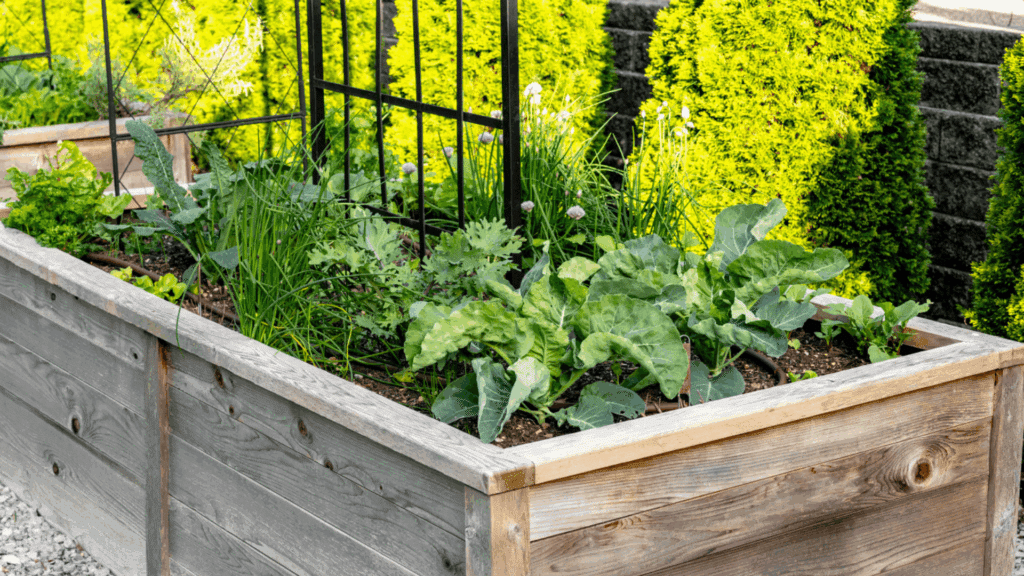
Arranging plants by height and growth helps every plant get enough light and space in a 4×8 raised bed. Place tall plants at the back or on the north side so they do not block sunlight from smaller crops.
Keep short plants in front, where they can receive full sun throughout the day.
Spreading plants like squash or cucumbers need more space, while upright plants grow up and use less room.
Mixing these types without a plan can cause shading and crowding. To prevent shade problems, check mature plant heights before planting and space them out properly.
This setup improves airflow, keeps plants healthy, and makes watering and harvesting easier as everything stays visible and reachable.
Companion Planting Tips
Pairing the right plants can support growth and make care easier. It also helps you use space in a smarter way.
- Plant herbs near vegetables to support growth and improve flavor
- Grow basil with tomatoes since they do well together
- Pair carrots with onions to reduce common garden issues
- Keep plants with similar water needs together
- Avoid planting competing crops side by side
- Use flowers like marigolds to support a balanced garden
- Give each pairing enough space so plants do not crowd each other
- Observe results and adjust the layout each season
How to Rotate Crops in a 4×8 Garden Bed?
Crop rotation helps keep a 4×8 garden bed healthy from season to season. Moving plants each year supports soil health and lowers the chance of pests building up in one spot.
Try a simple rotation by changing plant types instead of exact plants.
For example, follow leafy greens with root crops, then fruiting plants. This gives the soil time to recover.
Tracking plant families is also helpful because related plants often use the same nutrients. Keep notes or draw a simple map of what you plant each season.
When planning for next season, look back at your layout and switch sections around.
Crop rotation does not need to be complicated. Small changes each year can improve growth, reduce problems, and keep your 4×8 raised bed productive over time.
Common 4×8 Raised Bed Layout Mistakes
Small planning errors can lead to weak growth and extra work later. Catching them early helps your garden stay on track.
- Planting too close together, which limits airflow and growth
- Ignoring mature plant size and planning only for seedlings
- Placing tall plants in front causes shade problems
- Skipping a layout plan and planting at random
- Overfilling the bed with too many crops
- Not checking sunlight patterns before planting
- Mixing plants with different water needs
- Forgetting to rotate crops from season to season
Conclusion
Planning a 4×8 raised garden bed may seem simple, but a little thought goes a long way.
When you take time to plan spacing, sunlight, and plant placement, your garden becomes easier to care for and more rewarding to grow.
A clear layout helps plants stay healthy and saves you from fixing problems later in the season. It also makes gardening feel calmer and more enjoyable, especially when space is limited.
Whether you are growing vegetables for meals or just starting out, a good plan sets you up for steady results.
Every garden is different, and learning happens with each season. If you have tried a 4×8 raised bed before, share what worked or did not work for you.
Your experience could help someone else plan their bed with more confidence.