

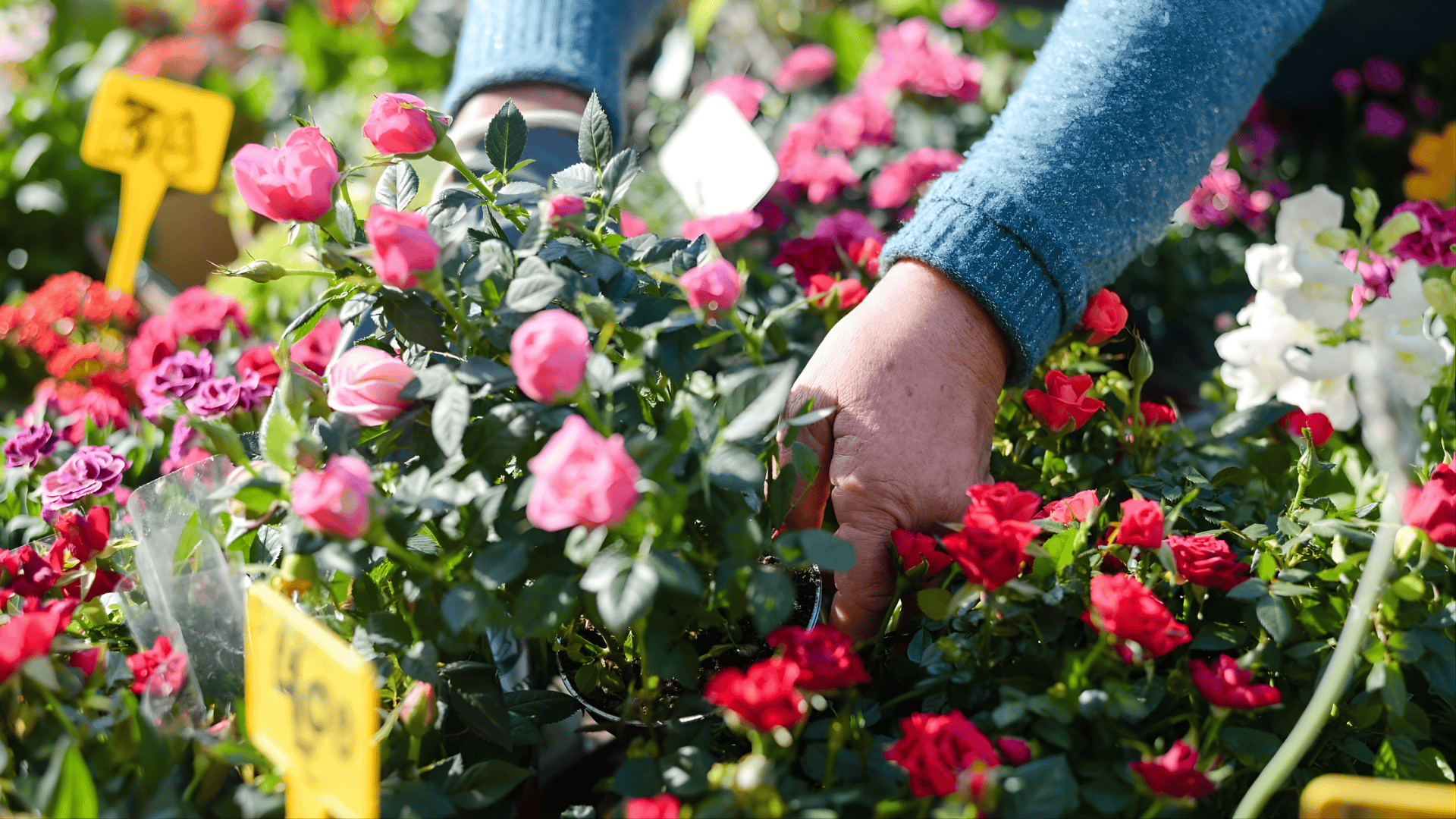
I still remember the first time I tried planting roses in my garden. I thought it would be hard, but once I learned the basics, it became much easier than I expected.
If you are new to roses, you might feel unsure about where to start or what steps matter most.
In this guide, I will share a simple process so you can plant roses even if you are a beginner.
You will learn the best time to plant, how to pick a good location, and how to prepare the soil before putting your rose bushes in the ground.
I will also explain the tools you may need, proper spacing, watering tips, and simple care after planting.
By the end, you will know how to give your roses a strong start so they can grow healthy and bloom well in your garden.
When Is the Best Time for Planting Roses?
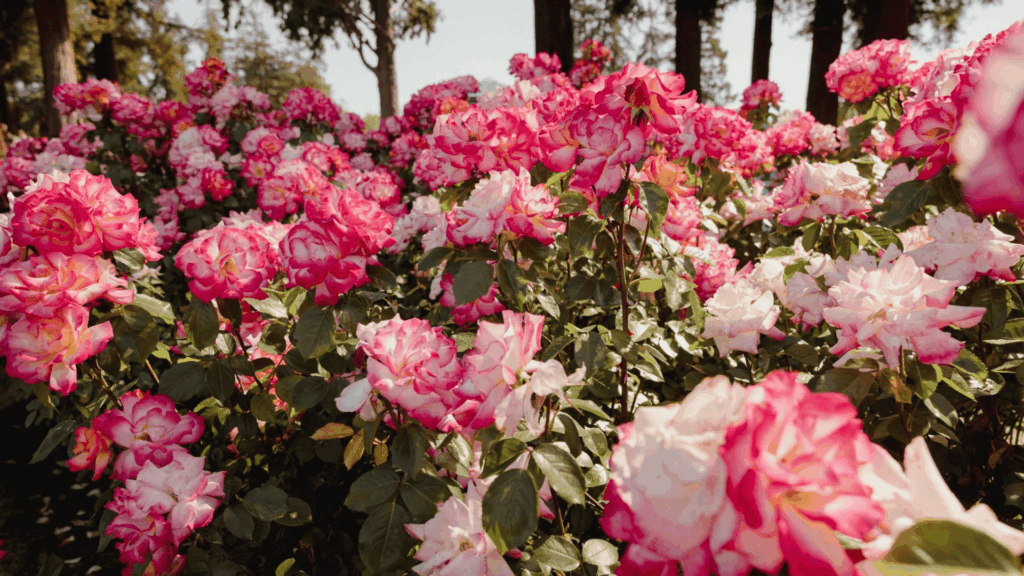
The best time for planting roses depends on your climate and the type of roses you buy. In most places, early spring is a great time to plant.
The soil is starting to warm up, and roses have plenty of time to grow strong roots before the hot summer months.
If you live in a mild climate, you can also plant roses in early fall. This gives the roots time to settle in while the weather is still warm.
When spring arrives, the plant is already established and ready to grow. Bare-root roses are usually planted in early spring while the plant is still dormant.
Potted rose bushes are more flexible and can be planted at any time during the growing season.
Try to plant on a cool, cloudy day if possible. This helps reduce stress on the plant and gives your roses a better start in the garden.
Tools and Supplies Needed for Planting Roses
Planting roses becomes easier when the right tools and materials are ready before starting. Proper supplies help prepare the soil well and support strong root growth.
- Garden shovel or spade: Used to dig a wide and deep hole so the rose roots can spread comfortably.
- Hand trowel: Helpful for small digging tasks and for adjusting soil around the roots after placing the plant.
- Compost or organic matter: Improves soil quality and adds nutrients that support healthy rose growth.
- Watering can or garden hose: Needed to water the rose thoroughly after planting, so the soil settles around the roots.
- Garden gloves: Protect hands while digging, handling soil, and working around thorny rose stems.
- Mulch: Helps keep moisture in the soil, regulates temperature, and reduces weed growth around the plant.
How to Plant Roses for Better Growth?
Planting roses properly helps them develop strong roots and healthy growth. A few simple steps can make a big difference in how well the plant settles into the soil.
Step 1: Choose a Healthy Rose Plant
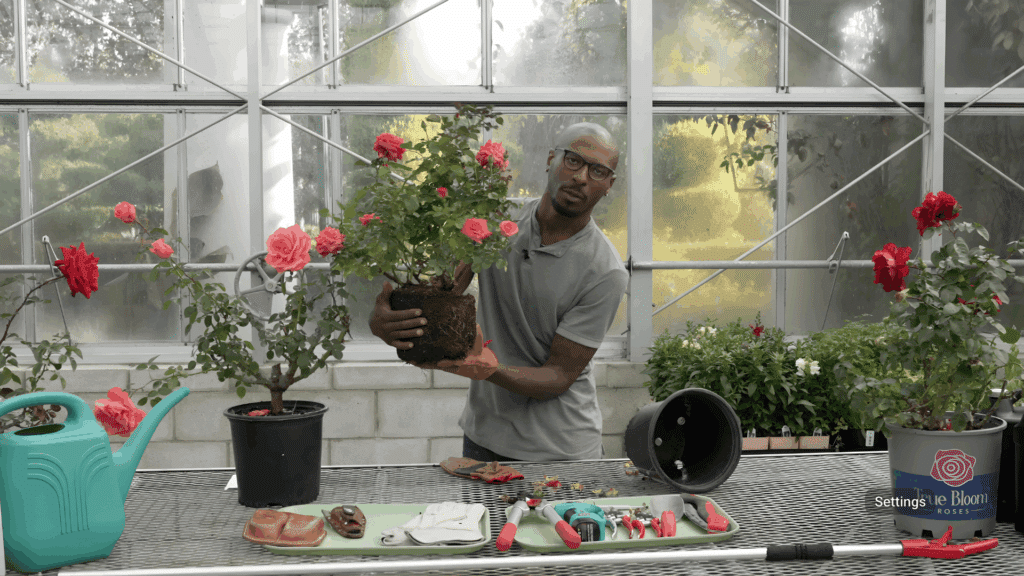
Start by selecting a healthy rose at the nursery. Look for plants with bright green leaves and strong stems.
Avoid roses with wilted, yellow, or dried foliage, as these may already be stressed.
It is also helpful, if possible, to gently check the root ball. Roots that are tightly wrapped around the soil are called root-bound and may struggle to grow well.
A plant with balanced roots and healthy foliage will adapt more easily once planted in the garden.
Step 2: Prepare the Plant and Check the Roots
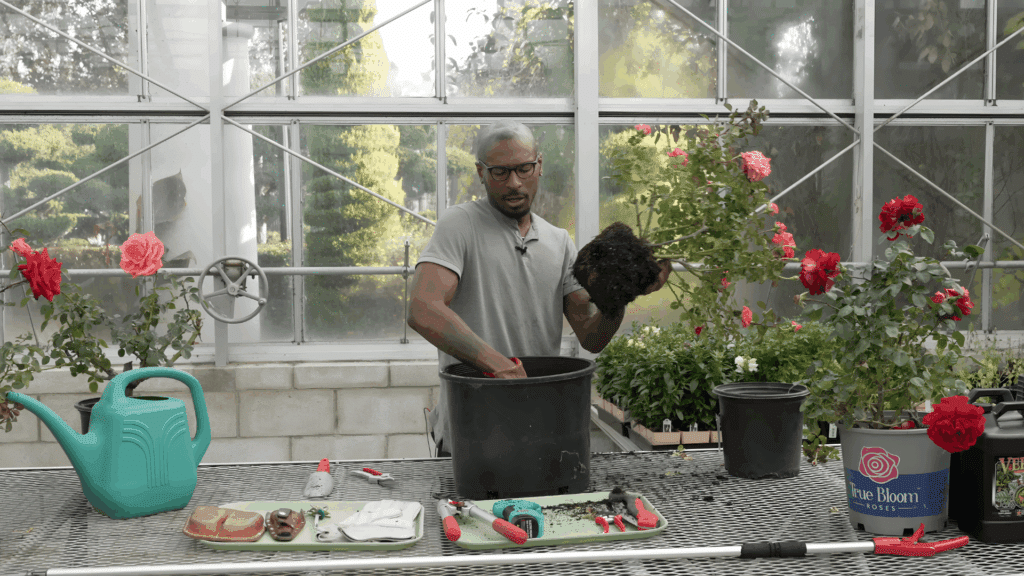
After bringing the rose home, remove it carefully from its container and inspect the roots.
If the roots appear tightly packed, gently loosen them with your hands. This process helps train the roots so they grow outward into the surrounding soil rather than circling the plant.
Loosening the roots also improves the plant’s ability to absorb water and nutrients after planting.
Healthy, spread-out roots allow the rose bush to establish itself more effectively in its new location.
Step 3: Prepare the Planting Hole and Soil
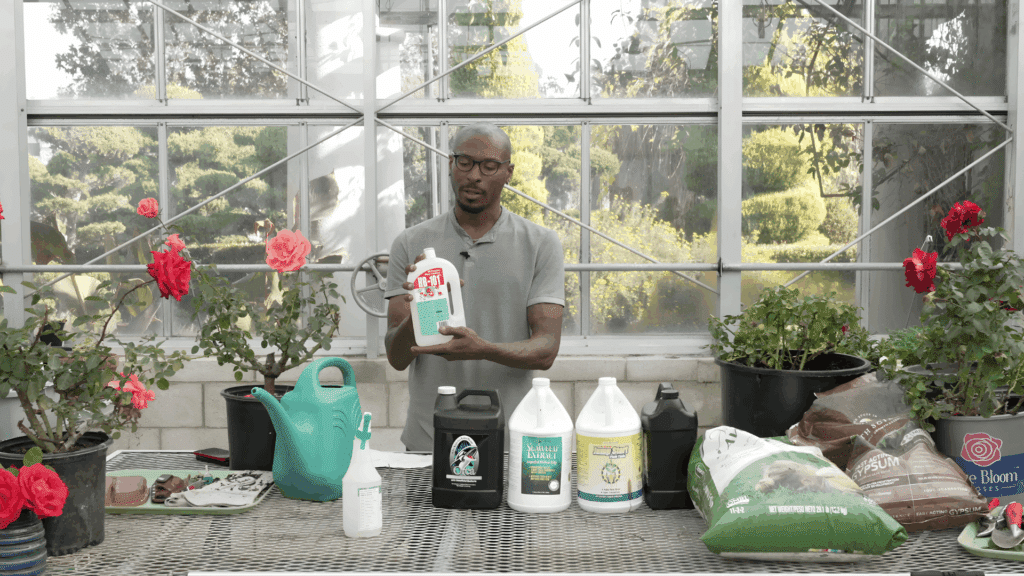
Dig a hole wide enough to hold the root ball comfortably. The hole should allow the plant to sit so that the soil line of the rose matches the surrounding soil level.
Place a mixture of garden soil, compost, and materials that improve drainage into the planting area. Good soil structure supports healthy root development and allows water to move through the soil properly.
Testing the depth before placing the plant helps ensure the rose will sit at the correct height once planted.
Step 4: Place the Rose and Backfill the Soil
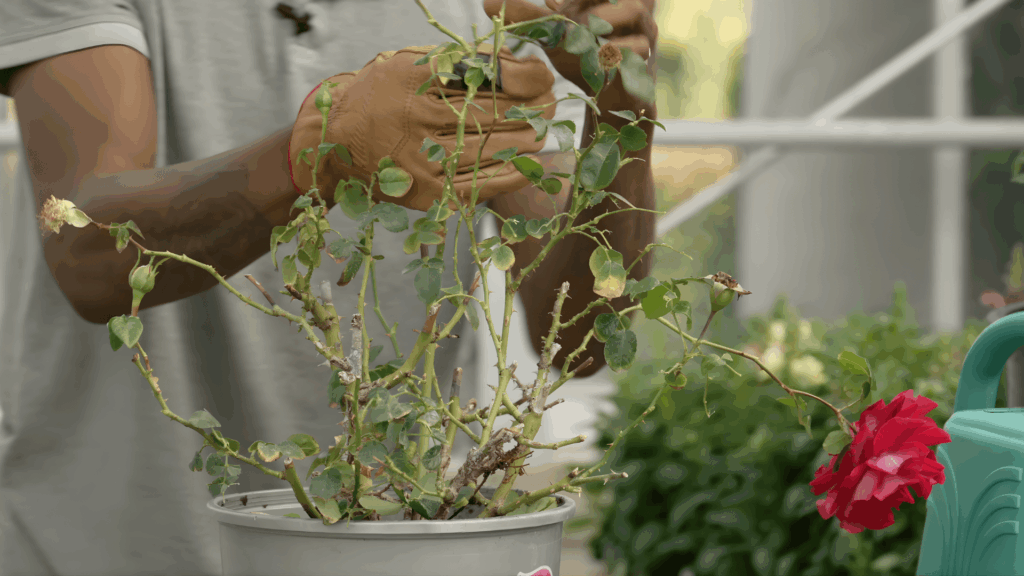
Position the rose plant in the center of the hole once the depth is correct. Slowly add soil around the root ball to fill the gaps.
This process is known as backfilling. As soil is added, gently press it down so the plant remains stable and the roots stay in contact with the soil.
Filling the gaps evenly prevents air pockets that can affect root growth.
Continue adding soil until the plant sits firmly and the surrounding soil is level with the root ball.
Step 5: Add Fertilizer to Support Growth
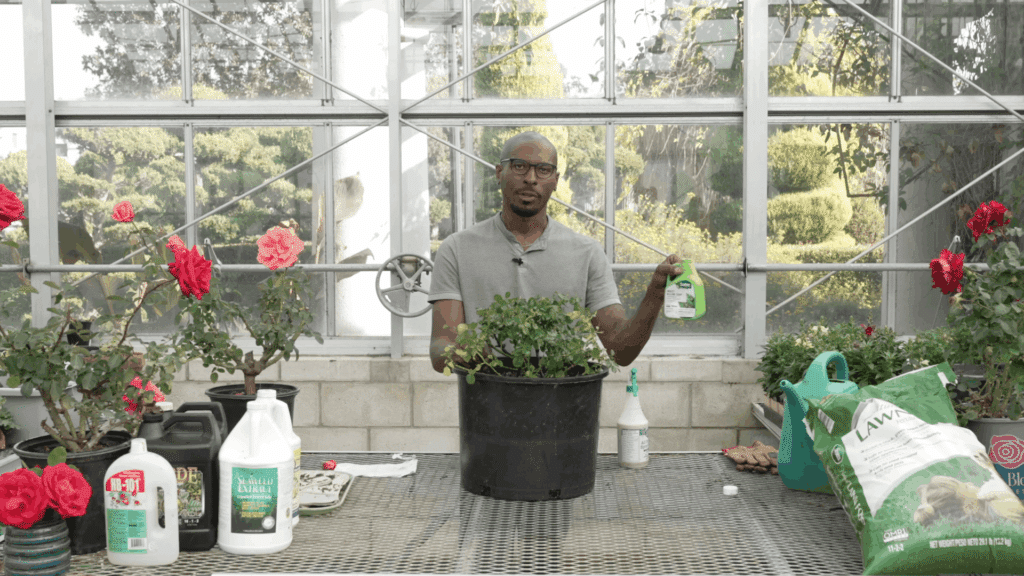
After the rose is placed and the soil is filled in, apply a small amount of fertilizer around the planting area.
Fertilizer provides nutrients that support early root development and healthy growth.
It can be lightly mixed into the surrounding soil or sprinkled around the plant’s base. Nutrients in the soil help the rose build strong stems and leaves as it establishes itself.
Using a balanced fertilizer at planting helps the rose begin to grow more effectively in its new environment.
Step 6: Water the Rose Thoroughly
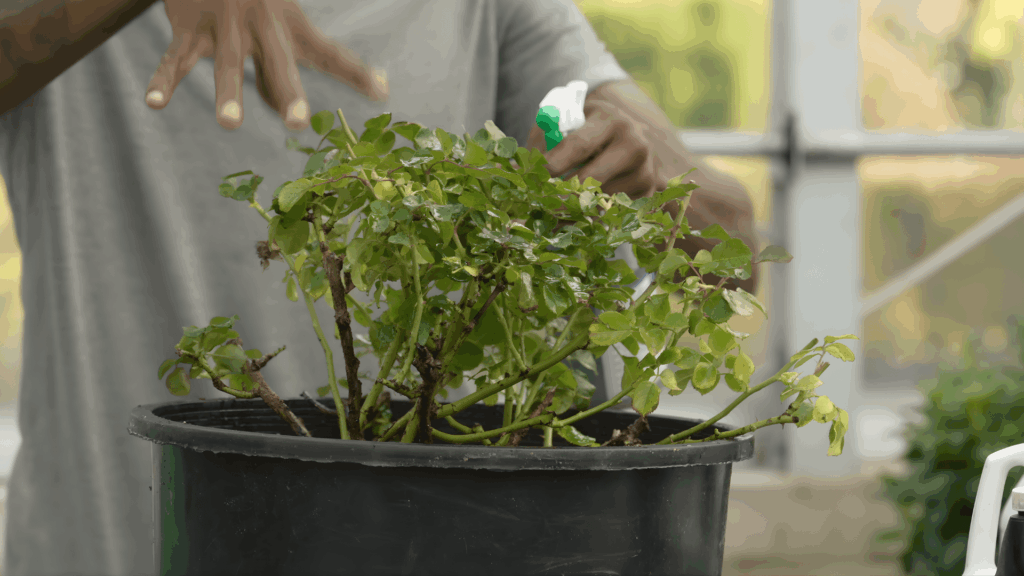
Water the rose deeply after planting to help settle the soil around the roots. Water slowly until moisture begins to drain through the soil.
Allow the soil to rest briefly, then water again to ensure the entire root area becomes evenly moist. Proper watering removes air pockets and helps the roots make good contact with the soil.
Moist soil also reduces transplant stress and helps the rose plant adjust smoothly to its new growing location.
This tutorial is based on a helpful video by The Huntington. You can check out the original video on their YouTube channel here or watch it below.
Choosing the Right Location for Rose Bushes
Selecting the right spot is one of the most important steps when planting rose bushes. Roses grow best in an area that receives at least six hours of direct sunlight each day.
Morning sunlight is especially beneficial because it dries moisture on the leaves and helps reduce the risk of disease.
Good air circulation is also important for healthy growth. Avoid planting roses too close to walls, fences, or dense plants that block airflow.
The soil should drain well. Roses do not grow in soggy conditions, so avoid low areas where water collects after rain.
If the soil is heavy or compact, adding compost or organic matter can help improve drainage.
Before planting, observe the garden during the day and choose an open location with plenty of sunlight and space for rose bushes to grow properly.
Types of Roses You Can Plant in Your Garden

There are many types of roses that grow well in home gardens. Choosing the right variety helps ensure healthy plants and beautiful blooms.
- Hybrid tea roses: They are one of the most popular choices. They produce large, single blooms on long stems and are often used for cutting and bouquets.
- Floribunda roses: They produce clusters of flowers rather than single blooms. They often bloom throughout the season and add bright color to garden beds.
- Climbing roses: They can grow long canes that can be trained along fences, trellises, or walls. These roses are great for adding height and covering garden structures.
- Shrub roses: These are hardy and easy to care for. They grow in a bushy shape and are often chosen for low-maintenance gardens.
- Miniature roses: They are smaller plants with tiny flowers. They work well in containers, small garden spaces, or decorative borders.
Preparing the Soil Before Planting Roses
Healthy roses begin with well-prepared soil. Good soil allows roots to grow deep and helps the plant absorb water and nutrients.
Start by choosing soil that drains well. Roses do not grow well in areas where water stays for long periods.
If the soil feels heavy or packed, loosening it with a garden fork or shovel can improve airflow and drainage.
Mix organic matter such as compost or well-rotted manure into the soil. This helps improve soil texture and adds nutrients that support strong plant growth.
The ideal soil for roses is slightly acidic, with a pH between 6.0 and 6.5. A simple soil test can help determine if adjustments are needed.
Before planting, remove weeds, rocks, and debris from the area. Smooth and loosen the soil so the roots can spread easily once the rose bush is placed in the ground.
Proper Spacing when Planting Rose Bushes
Proper spacing is important when planting rose bushes because it allows each plant to grow without crowding. Roses need enough room for their roots to spread and for air to move between the plants.
- Hybrid tea roses: Leave about 2 to 3 feet of space between plants, so each bush has enough room to grow.
- Floribunda roses: Plant them about 2 feet apart since they grow in clusters, but still need airflow.
- Shrub roses: These larger plants usually need 3 to 5 feet of space, depending on the variety.
- Climbing roses: Provide at least 6 to 8 feet of space so the long canes can spread along trellises, fences, or walls.
- Miniature roses: These smaller plants can be planted closer together, usually 1 to 2 feet apart.
Watering Tips for Newly Planted Roses
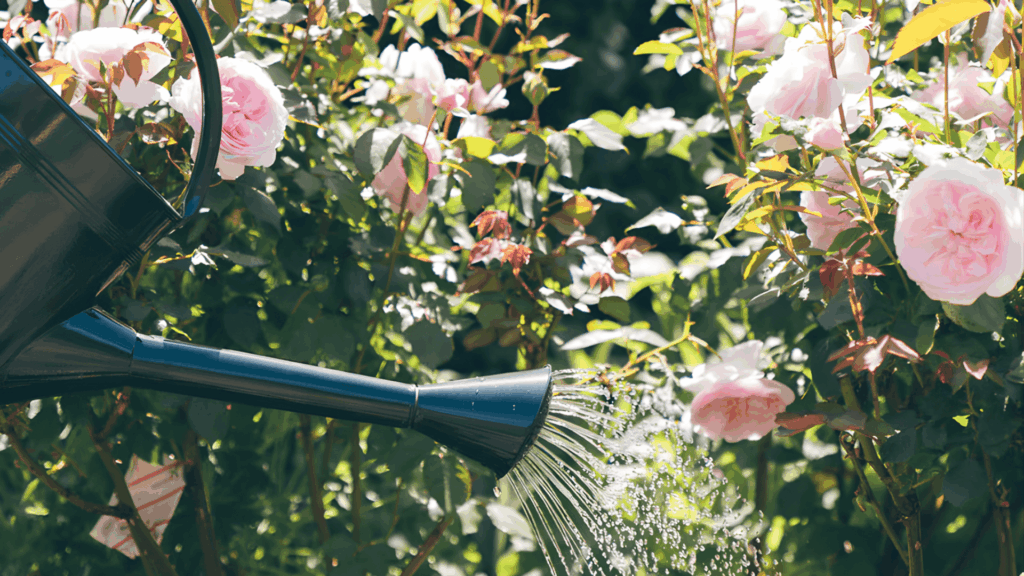
Proper watering helps newly planted roses settle into the soil and begin developing strong roots. Moist soil supports early growth and reduces stress on the plant after it is placed in the ground.
- Water immediately after planting: Give the rose a deep watering right after planting so the soil settles around the roots.
- Water deeply, not lightly: Allow the water to soak into the soil rather than just wetting the surface. Deep watering encourages roots to grow downward.
- Check soil moisture regularly: The soil should stay slightly moist but not soggy. Overwatering can harm the roots.
- Water at the base of the plant: Pour water directly into the soil around the base, rather than spraying the leaves.
- Adjust watering based on weather: Roses may need more water during hot or dry conditions and less during cooler periods.
How Much Sunlight Do Roses Need?
Roses grow best when they get enough sunlight each day. Most roses need at least 6 hours of direct sunlight daily to grow well and produce flowers.
Morning sunlight is the best because it dries moisture on the leaves and helps reduce plant problems. If roses do not get enough light, they may grow slowly and produce fewer blooms.
Choose a spot in your garden that is open and not blocked by trees, walls, or buildings.
In very hot areas, a little shade in the afternoon can help protect the plant from heat stress. Always watch how sunlight moves in your garden before planting.
This helps you pick the right spot. Good sunlight helps roses grow strong roots, healthy leaves, and better blooms.
Mulching Tips to Help Roses Grow Strong
Mulching is an important step after planting roses because it helps protect the soil and supports steady plant growth. A good layer of mulch keeps the root area stable and improves growing conditions.
- Apply mulch around the base: Spread mulch around the rose bush, keeping a small gap around the stem to prevent rot.
- Use organic mulch materials: Wood chips, bark, compost, or shredded leaves work well and slowly improve the soil as they break down.
- Keep the mulch layer even: A layer about 2 to 3 inches thick helps lock in moisture and protect the roots.
- Control weeds naturally: Mulch blocks sunlight from reaching weed seeds, which helps reduce unwanted plant growth around roses.
- Refresh mulch when needed: Over time, mulch breaks down, so adding a fresh layer helps maintain soil protection and nutrient balance.
- Avoid piling mulch against the stem: Leave space around the main stem to prevent excess moisture from accumulating and reduce the risk of plant disease.
Conclusion
Planting roses may seem hard at first, but it gets easier once you know the basic steps.
With the right location, well-prepared soil, proper spacing, and consistent care, rose bushes can grow strong and produce beautiful blooms for years.
Paying attention to watering, mulching, and early plant care helps roses settle into their new environment and develop healthy roots.
Small actions at the beginning often make the biggest difference in long-term growth.
Roses reward patience and care, and watching new leaves and buds appear can be one of the most satisfying parts of gardening.
Have you tried planting roses in your garden? Share your experience, tips, or questions in the comments below.
Your ideas may help other readers grow healthier and more beautiful roses, too.