

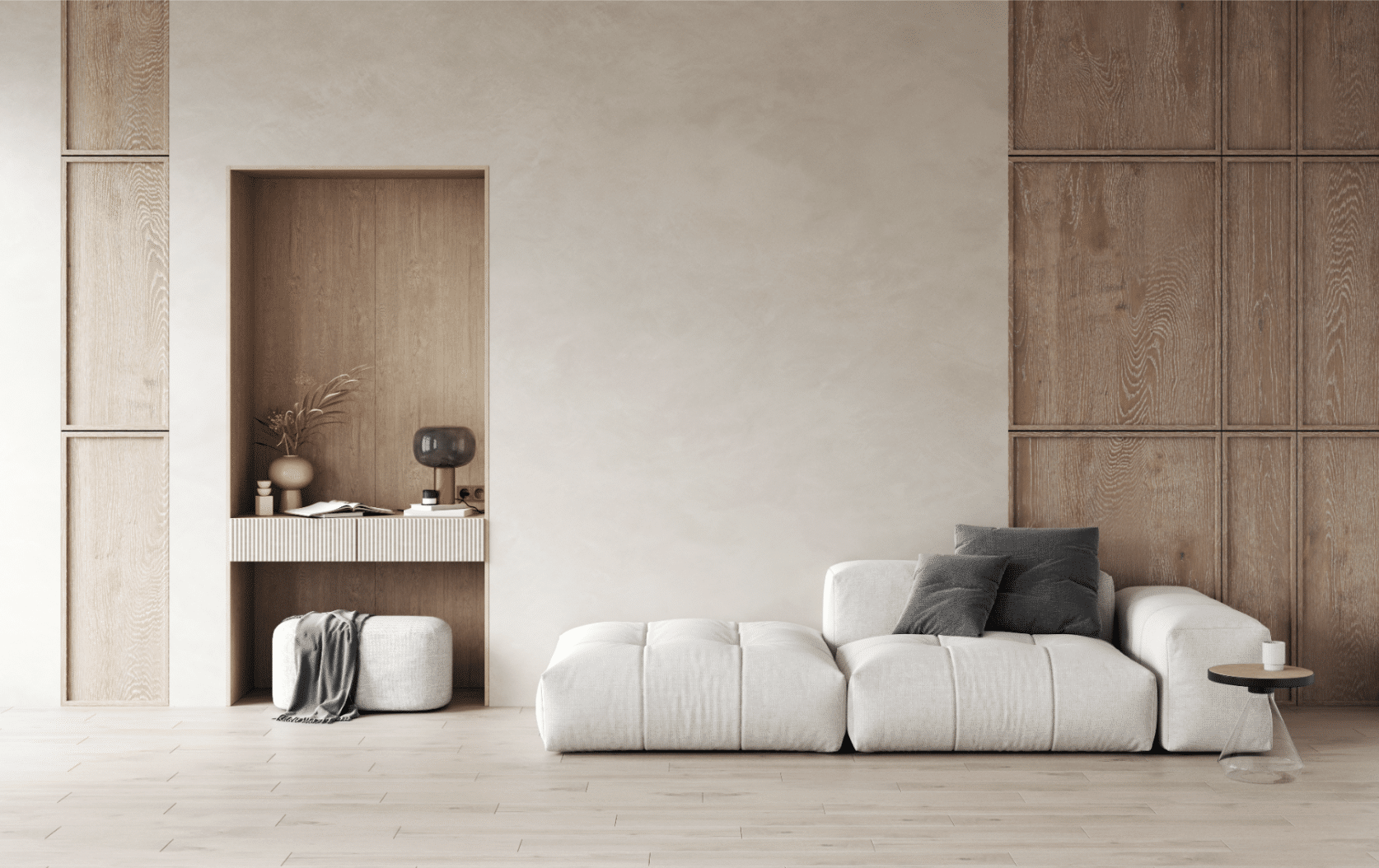
Refreshing a room does not have to involve gutting an entire space or breaking the bank. Sometimes, strategic furniture choices can shift the energy in your environment entirely.
That’s what modern furniture does. It boasts clean lines, functional design, and the visual breathing room that makes spaces feel intentional rather than cluttered. Here’s how to use it to reimagine any room in your home.
Begin with One Statement Piece that Commands Attention
The quickest way to refresh a room is to introduce one focal piece that becomes the visual anchor. It could be sculptural lighting that casts interesting shadows across your walls, a dining table with tapered legs, or a bold sectional that redefines how your living room furniture works together. Choose something with a big enough personality to shift the mood of the entire room.
When you’re choosing that statement piece, consider how it’s going to interact with what you already have. Mid-century modern furniture pairs well with both traditional and ultra-contemporary pieces because the proportions just work. Let this piece dictate some of your other choices, like the room was designed around it (even if it was the last thing you added).
Rethink Your Layout for Intentional Zones
Modern furniture can help define spaces without putting up walls. Before you start moving anything, sit in your room and find awkward corners or stretches of floor that don’t do much of anything. Consider how tables, modern bookcases, or even a well-placed accent chair might turn those areas into something useful.
That would also allow you to visualize how different pieces work together to create these zones, as you browse through collections from esteemed retailers like Home Symphony. Contemporary furniture feels impactful without overwhelming a space. They’re perfect for carving out a reading nook in your living room or creating a workspace in your bedroom.
Float furniture away from walls. Situating a sofa a few feet out with a console table behind it instantly adds sophistication. Coffee tables with storage underneath anchor a seating area, all while keeping everything in a clean line. Have each zone feel like it has a purpose while the whole room still flows together.
Layer in Texture with Unexpected Combinations of Materials
Modern design gets accused of feeling cold, but that only happens when people forget about texture. The best modern spaces mix materials in ways that catch your eye. You might see natural wood paired with metal, glass next to woven textiles, or stone beside leather. This is when experimenting with new materials really starts changing things.
Your dining tables don’t have to be the same as your storage furniture. A warm walnut table looks great against powder-coated steel shelving. Look for organic-shaped pieces or made from sustainable materials that invite natural elements indoors. A live edge coffee table can be perfect in a room full of geometrical patterns because it brings in that organic contrast.
Finishes are also crucial. Matte and glossy surfaces catch light in different ways, creating depth even when you stick to neutrals. Office chairs with fabric seats soften the hard edges of a metal desk. These material conversations make rooms feel like they’re thought-out, not just furnished.
Edit Ruthlessly to Let Your New Pieces Breathe
Refreshing a room often means taking things out, not adding them. Modern furniture, which often features minimalist designs, needs breathing room to make its full impact. That doesn’t mean your room should look empty, but every item needs to earn its spot.
Take a walk through your space and find furniture that’s there out of habit. When you clear out the excess, your new modern pieces can be appreciated instead of fighting for attention in an over-crowded room.
This goes double for living spaces in which we tend to overfill. One single, well-chosen designer furniture piece within an otherwise streamlined room speaks louder than five mediocre pieces. Give your furniture room to breathe.
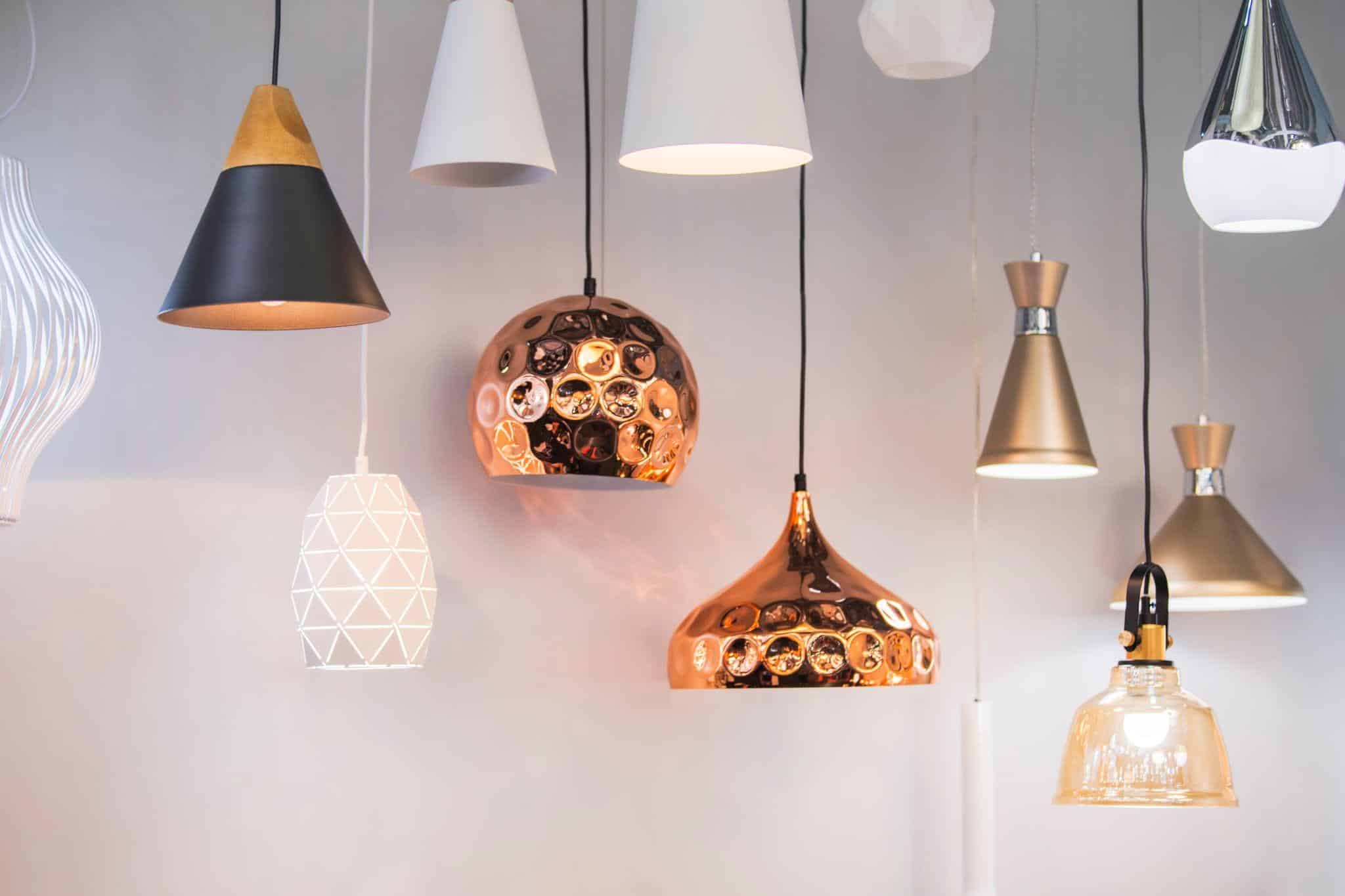
Introduce Lighting that Doubles as Architecture
Excellent lighting changes how you see dimensions and mood. Modern lighting fixtures often boast clean lines and unexpected forms that look sculptural when they’re off and create atmosphere when they’re on. A floor lamp with an arched silhouette defines a reading corner without requiring extra furniture.
Layer in your lighting at various heights. Add pendants above dining tables, lamps on occasional tables, and perhaps LED strips behind modern bookshelves for an ambient glow. Every light source should do more than just help you see. Dimmer switches allow you to easily shift from productive workspace mode into relaxed evening mode.
Now, consider how natural light travels across your room as the day progresses. Based on that, place reflective surfaces in strategic locations to reflect the light into dark corners. Lighter visual weights of modern furniture keep things airy, even in rooms lacking a lot of natural light.
Commit to a Cohesive Thread
Successful room refreshes maintain some element of consistency without getting boring. This could be a recurring material, a continued color temperature, or keeping within one design era. This harmony will be created without making your space into a furniture showroom.
Trust your instincts as to what feels cohesive. You are aiming for a refreshed, purposeful space-one that looks like you made conscious choices rather than gathered furniture over time.