

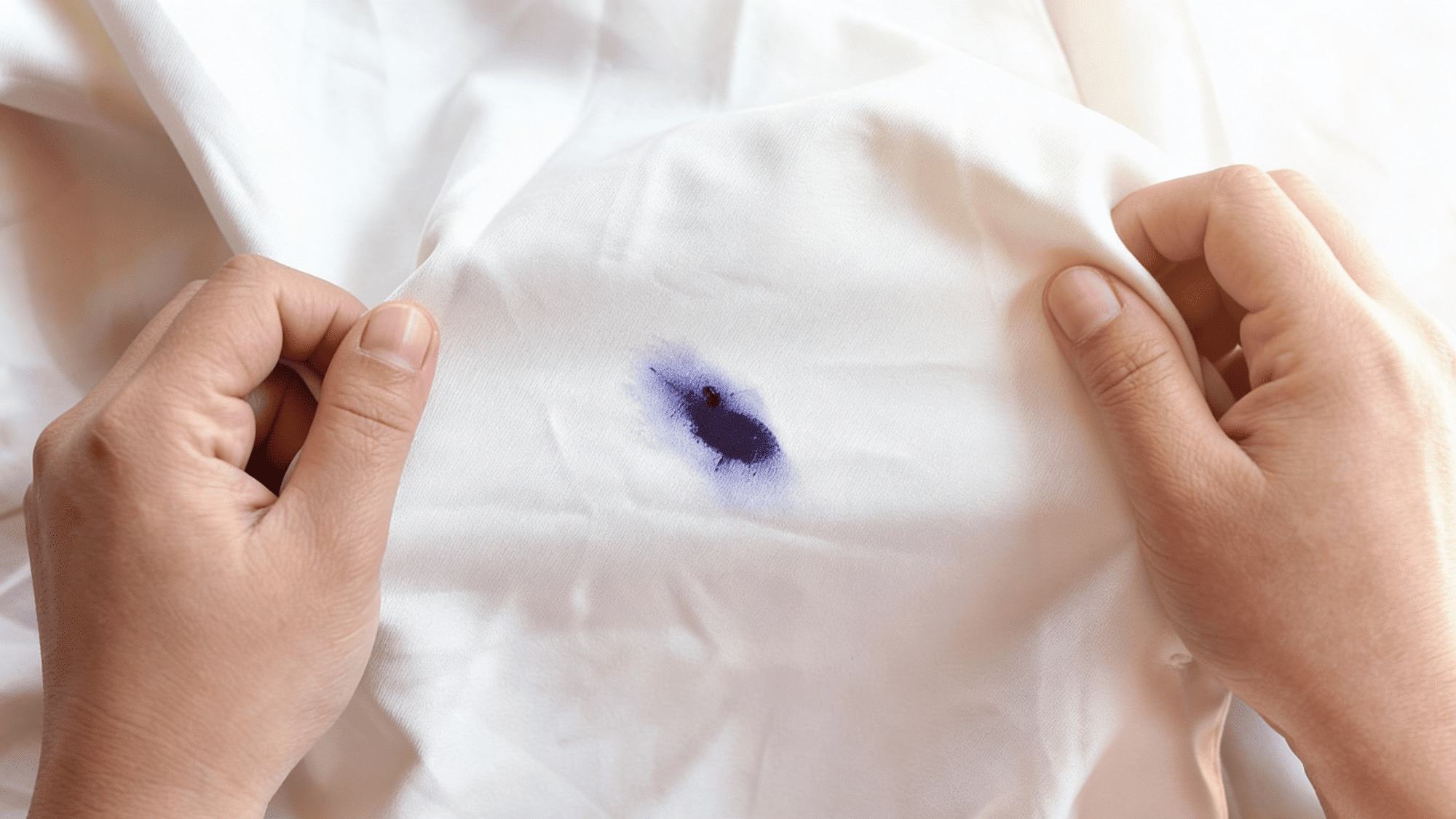
That favorite shirt just came out of the dryer with a big blue pen stain on the pocket. The ink has set in, and panic starts to settle.
Most people think dried ink stains are permanent, but that’s not always true.
Getting pen marks out of fabric after drying takes a bit more effort than fresh stains, yet it’s far from impossible. The right approach can save clothes from the donation pile.
This guide walks through proven methods to tackle those stubborn dried ink stains and bring garments back to life.
Why Pen Ink Stains Set After Drying and How to Tackle Them?
Pen ink contains dyes and solvents that penetrate fabric fibers quickly.
When clothes go through the dryer, heat acts like a setting agent. It bonds the ink molecules to the fabric, making them much harder to remove.
The high temperature essentially bakes the stain into the material. Fresh ink sits mostly on the surface, but dried ink becomes part of the fabric structure.
This doesn’t mean the battle is lost, though. The key is breaking down those set-in bonds with the right products and techniques.
Patience plays a significant role here. Multiple treatments often work better than one aggressive attempt, and understanding the chemistry behind the stain helps choose the most effective removal method.
Essential Tips to Remove Dried Ink Without Ruining Clothes
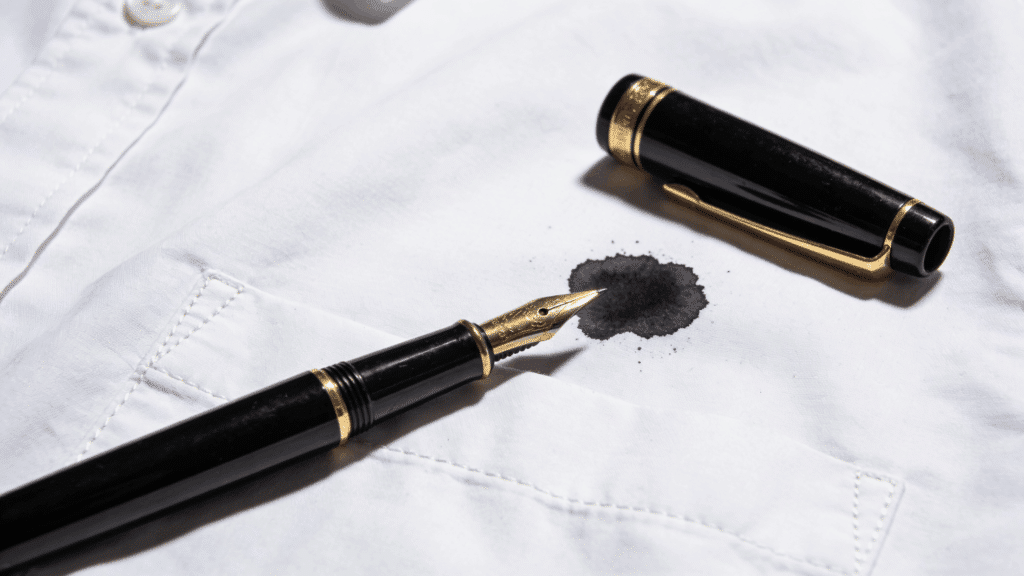
Removing dried ink requires a careful approach to protect fabric integrity. These essential tips help lift stubborn stains while keeping clothes intact and wearable for years to come.
- Always test stain removers on a hidden area first to check for color bleeding or fabric damage.
- Blot stains gently instead of rubbing, which can spread ink deeper into fibers.
- Work from the outside of the stain toward the center to prevent enlarging the affected area.
- Place a clean cloth underneath the stain to absorb ink as it lifts from the fabric.
- Air-dry clothes after treatment to check results, since heat will set any remaining ink.
Top Household Methods to Remove Dried Pen Ink from Clothes
These tried-and-tested household methods use everyday items to tackle dried pen ink stains effectively without expensive commercial products or harsh chemicals.
Method 1: Rubbing Alcohol for Fast Ink Lifting
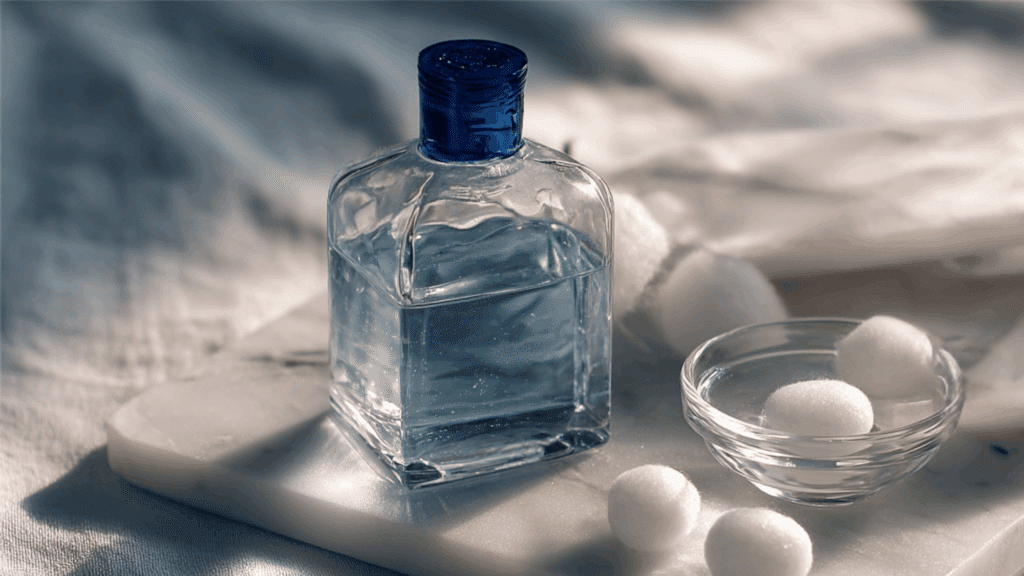
Rubbing alcohol breaks down the ink’s chemical structure quickly, making it one of the most effective solutions for dried stains. This method works on most fabric types and delivers visible results within minutes of application.
- Place a clean towel underneath the stained area to absorb lifted ink.
- Dab the stain with an alcohol-soaked cotton ball, working from the edges inward.
- Let the rubbing alcohol sit for 5-10 minutes to penetrate the fabric fibers.
- Blot with a fresh cloth, repeat the process until the stain fades completely.
- Rinse with cold water and air dry to check results before washing, usually.
Method 2: Dish Soap and Glycerin Paste for Stubborn Spots
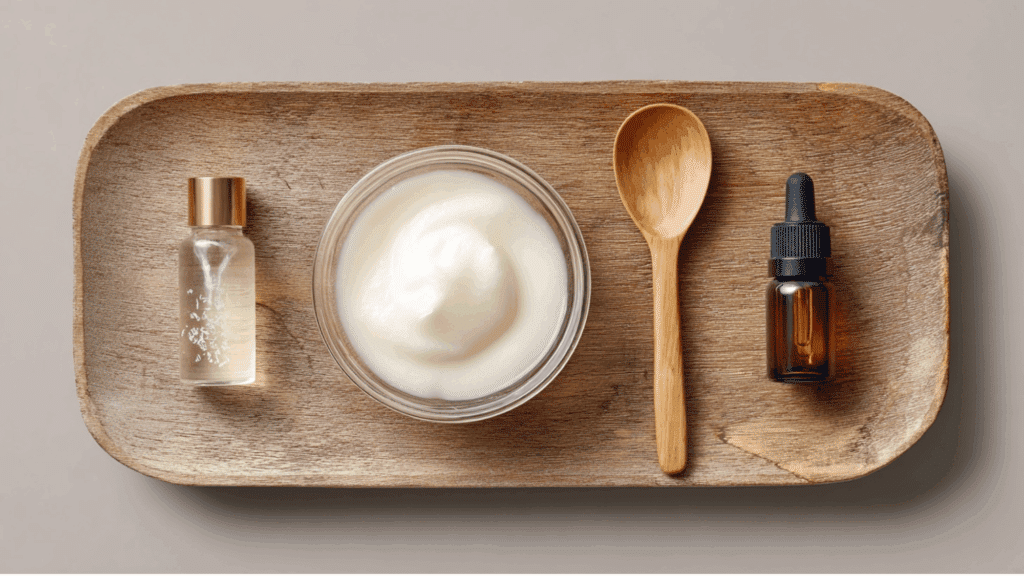
Dish soap cuts through oily ink components while glycerin softens set-in stains. This gentle combination works wonders on older, stubborn marks that resist other treatments without damaging delicate fabrics.
- Mix equal parts dish soap and glycerin to form a smooth paste.
- Apply the mixture directly to the dried ink stain, covering it completely.
- Wait 30 minutes for the paste to break down the ink molecules.
- Scrub gently with a soft toothbrush in circular motions to lift the stain.
- Rinse with cold water, then wash on a delicate cycle once the stain lightens.
Method 3: Lemon Juice and Salt for Natural Bleaching

Lemon juice contains natural acids that bleach stains, while salt acts as an abrasive scrubbing agent. This eco-friendly method harnesses sunlight to boost stain removal power on white and light-colored clothing.
- Wet the stained area thoroughly with cold water before treatment.
- Apply fresh lemon juice generously, then sprinkle salt over the wet stain.
- Rub the mixture gently into the fabric to create a paste-like consistency.
- Let it dwell for 10-15 minutes, then place the garment in direct sunlight to dry.
- Avoid using this method on silk or other delicate, color-sensitive fabrics.
Method 4: Vinegar and Cornstarch Paste
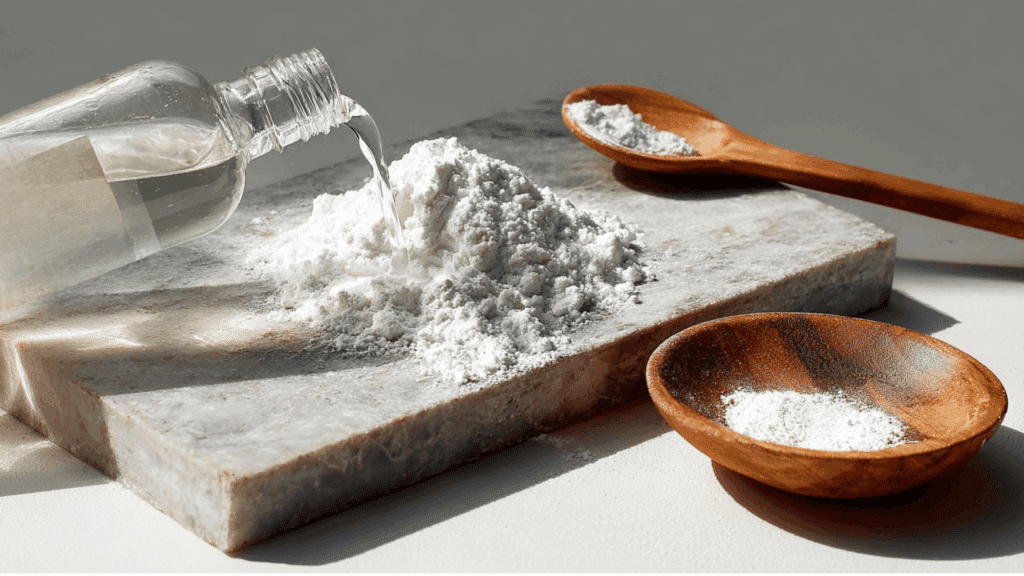
White vinegar loosens ink bonds while cornstarch absorbs the released dye particles. This two-step approach works particularly well on deeply set stains that have survived multiple wash cycles already.
- Dampen the ink stain with white vinegar and let it soak briefly.
- Mix 2 parts vinegar with 3 parts cornstarch to create a thick paste.
- Apply the paste over the stain and allow it to dry thoroughly on the fabric.
- Brush off the dried paste, then rinse the area with cold water thoroughly.
- Reapply the treatment for deep-set-in stains that don’t lift after one attempt.
Other Alternatives for Removing Dry Ink
The other alternatives removers offer powerful formulas explicitly designed for ink, providing convenient options when household methods fall short or time matters.
| Product Type | Best For | How to Use | Notes |
|---|---|---|---|
| Rubbing Alcohol (70% or 91%) | Quick household alternative for most inks | Dab with a cotton ball, blot repeatedly | Cheaper than commercial products |
| Hairspray (alcohol-based) | Emergency fix for minor ink marks | Spray directly, blot immediately, rinse | Check the alcohol content on the label first |
| Hand Sanitizer | Portable option for on-the-go stains | Apply a small amount, rub gently, wipe clean | Contains alcohol and moisturizers |
| Milk | Gentle treatment for delicate fabrics | Soak the stained area overnight, rinse, and wash | Natural and safe for most materials |
What to Avoid When Removing Set-In Pen Ink
Specific actions can permanently damage fabric or make ink stains worse instead of better. Knowing what to avoid protects clothes and increases the chances of successful stain removal.
- Never use hot water on ink stains, as heat sets the ink deeper into fabric fibers permanently.
- Avoid rubbing stains aggressively, which spreads ink outward and pushes it deeper into the weave.
- Don’t mix bleach with vinegar or ammonia, as these combinations create toxic fumes and damage fabric.
- Skip the dryer until the stain completely disappears, since heat will lock in any remaining ink.
- Avoid using chlorine bleach on colored fabrics, which causes discoloration and weakens fibers over time.
The Bottom Line
Dried pen ink doesn’t have to mean the end of a favorite piece of clothing. Armed with the proper techniques and a bit of patience, most set-in stains can be lifted successfully.
Remember that multiple treatments often work better than one harsh attempt.
Test any solution on hidden fabric areas first, and never apply heat until the stain completely disappears. Each fabric responds differently, so stay flexible with the approach.
With these methods in hand, that ink-stained shirt has a real shot at a second life. Give it a try before tossing it out.