


Throwing away knives is not as simple as tossing them in the trash. Sharp blades can cause cuts and injuries if they are handled the wrong way.
Trash workers, family members, and even pets can get hurt if knives are not disposed of with care.
Because of this, it is important to think before throwing them away. This topic is often discussed in online groups where people share real experiences and tips.
A clear approach can help reduce risk and prevent accidents. This guide focuses on safe and responsible ways to handle knife disposal.
Why Safe Knife Disposal is Important?
Knives are tools that stay sharp long after they stop being useful. Many homes store old knives in drawers, garages, or toolboxes without much thought. When it is time to get rid of them, problems can happen if care is not taken.
A knife placed in the trash can easily poke through bags or boxes. This creates a risk for anyone who handles the waste later. Cuts can happen during cleanup, trash pickup, or sorting. Accidents like these are common but avoidable.
Safe knife disposal lowers these risks. Taking time to prepare knives before throwing them away helps prevent injury and keeps waste handling safer for everyone involved.
Mistakes People Make When Throwing Away Knives
Many injuries happen because knives are thrown away the wrong way. Below are common mistakes people make when disposing of knives:
- Placing knives loose in the trash: Sharp blades can cut through bags and injure hands.
- Using thin wrapping only: Paper or plastic bags tear easily and do not stop blades.
- Putting knives in recycling bins: Most recycling centers do not allow sharp objects.
- Not labeling sharp items: Trash workers may not know there is a knife inside.
- Breaking or bending knives by force: This can cause slips and serious cuts.
- Throwing knives near the top of trash bags: Blades can poke out during lifting.
- Leaving knives where others can reach them: Children and pets may get hurt.
How to Throw Away Knives in Household Trash

Many people use household trash for knife disposal. This can be safe if each step is done with care.
Step 1: Wrap the Blade
Wrap the blade in thick material so it cannot cut through. Cardboard is one of the best options because it is strong and easy to fold.
Place the blade in the center and fold the cardboard over it several times. Make sure no sharp edge is exposed.
If cardboard is not available, thick paper, old towels, or several layers of newspaper can be used. Once wrapped, tape the bundle tightly. Use enough tape to keep the wrapping from shifting or opening.
Step 2: Label the Package
After wrapping the knife, add a clear warning label. Write words like “Sharp Knife” or “Sharp Object” on the outside. This helps anyone handling the trash know to be careful.
Use a dark marker so the label is easy to see. Place the label on more than one side if possible. Clear labeling lowers the risk of accidents during trash pickup or sorting.
Step 3: Place in a Rigid Container
Put the wrapped knife inside a solid container for extra safety. A small cardboard box, plastic food container, or empty bottle works well.
The container helps stop the knife from moving or pushing through the trash bag.
Seal the container shut with strong tape. Make sure it cannot open if the trash is moved or shaken. This extra layer is invaluable for prolonged or heavy knives.
Step 4: Put in the Trash Carefully
Place the sealed container in the center of the trash bag. Avoid placing it near the sides or bottom, where pressure is higher. Surround it with soft trash, like paper or food waste, to add padding.
Tie the trash bag securely. Do not overfill the bag, as this can cause sharp items to press outward.
Careful placement helps keep the trash safe for anyone who handles it later.
How to Dispose of Knives at Recycling and Scrap Centers
Some recycling centers and scrap metal yards accept knives because they are made of metal. These places handle metal items in a safer way than regular trash disposal.
Before visiting, look up local guidelines or call ahead. Many centers require knives to be wrapped and clearly labeled as sharp objects. This helps protect staff who handle the materials.
Never place knives loose in recycling bins. Loose blades can cause serious injuries. If allowed, hand the wrapped knives directly to staff or follow the center’s instructions for drop-off.
Scrap metal yards can be a good choice when disposing of several old knives at once. Always wrap knives before transport and keep them secured.
Can Knives Be Donated Instead of Thrown Away?
Not all knives need to be thrown away. If a knife is still usable, donation may be possible.
Where Donations May Be Accepted
- Community kitchens
- Shelters
- Art or craft groups
- Tool libraries
Call first. Many places do not accept knives for safety reasons. Never donate broken or damaged knives. Donation reduces waste and keeps usable tools in circulation.
General Safety Rules Before Disposal
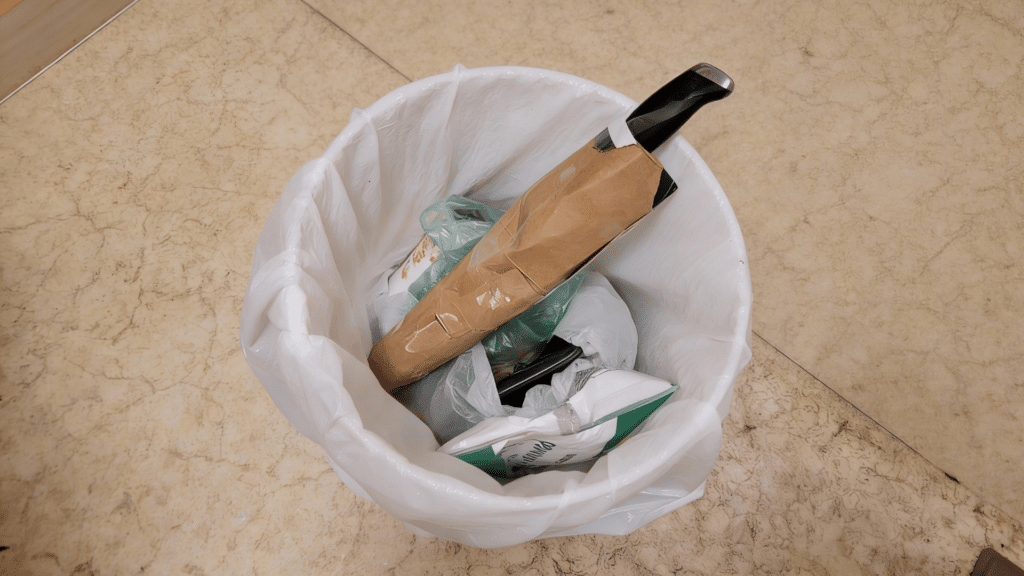
Before throwing away any knife, a few safety rules should always be followed to reduce the risk of injury:
- Handle knives slowly: Move with care and avoid quick or sudden actions.
- Stay focused: Do not multitask while handling sharp blades.
- Wear protective gloves: Thick gloves help protect hands from cuts.
- Keep knives away from others: Make sure children and pets are not nearby.
- Clean the knife first: Remove food or dirt to prevent pests and odors.
- Dry the blade thoroughly: A dry knife is easier to grip and less likely to slip.
- Use extra care with damaged knives: Broken or very sharp knives can cause more harm.
What People Say About Knife Disposal in Online Communities
Many people turn to online communities when they are unsure how to dispose of knives. Platforms like Reddit, Quora, and home safety forums are filled with real questions and personal advice.
After experiencing an injury from unsafe disposal:
“I cut my hand once from a knife poking through the trash bag. Now I always wrap it in cardboard.”
On protecting trash workers and others:
“Trash workers don’t know what’s inside the bag. Labeling sharp items just feels like the right thing to do.”
About using extra protection beyond wrapping:
“I use an old plastic food container and tape it shut. It keeps the blade from moving.”
After checking with a recycling center:
“Our recycling center told me never to put knives in the bin, even if they’re metal.”
On why small steps matter:
“It only takes a few minutes to wrap a knife, but it can prevent a serious injury.”
To Conclude
Getting rid of old knives should never be rushed. A blade that seems harmless can still cause injury during trash handling or cleanup.
Careful disposal helps prevent accidents that often happen out of sight. Using the right materials and following safe steps reduces risk and keeps waste areas safer.
Small actions, like clear wrapping and secure placement, add strong protection. Knife disposal becomes easier when handled with care and planning.
Use these steps the next time a knife needs to be removed from your home. Pass this guide along to help others handle knife disposal safely.