

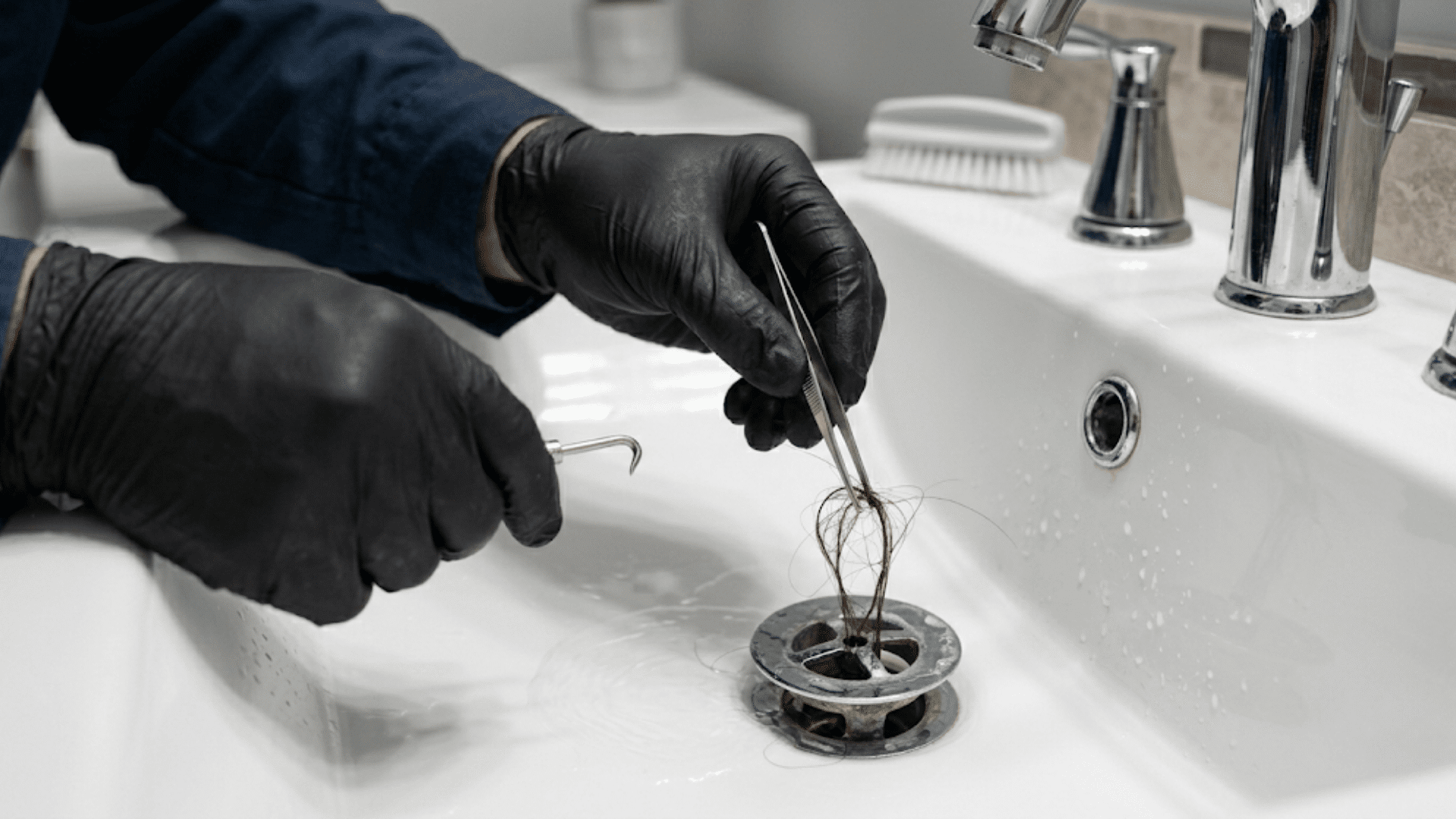
A clogged bathtub drain can quickly turn a relaxing shower into a frustrating experience. Watching water collect around your feet is never pleasant, but the good news is that most clogs are easy to fix at home.
You don’t always need chemicals, special tools, or a plumber; just a few simple methods and a little time can make a big difference.
Most clogs come from hair or soap buildup and are easy to fix with simple steps.
Acting early helps stop bigger problems. From my experience, trying a quick fix right away often saves both time and effort later. Small actions can go a long way.
In this guide, you’ll find easy and practical ways to get your bathtub drain flowing smoothly again.
And by the end, you will know simple ways to clear the clog and keep your drain working without using chemicals.
What Causes a Bathtub Drain to Get Clogged?
Small things build up over time and slow down the water flow. Knowing the cause helps you fix it faster and avoid future clogs.
- Hair buildup: Hair is the most common reason. It sticks inside the drain and traps other debris.
- Soap residue: Soap leaves a thin layer that turns sticky. It mixes with hair and blocks the pipe.
- Dirt and body oils: Washing off dirt and oils adds to buildup. Over time, this creates a thick clog.
- Hard water deposits: Minerals from hard water can form a solid layer. This reduces pipe space and slows drainage.
- Small objects: Items like caps or bits of plastic can fall in. These can quickly block the drain.
- Lack of regular cleaning: When the drain is not cleaned often, buildup grows faster. This leads to stubborn clogs.
How to Unclog a Bathtub Drain Quickly at Home?
Simple methods can handle most clogs without special tools or help. Starting with easy steps often saves time and effort.
Step 1: Remove Visible Hair and Debris
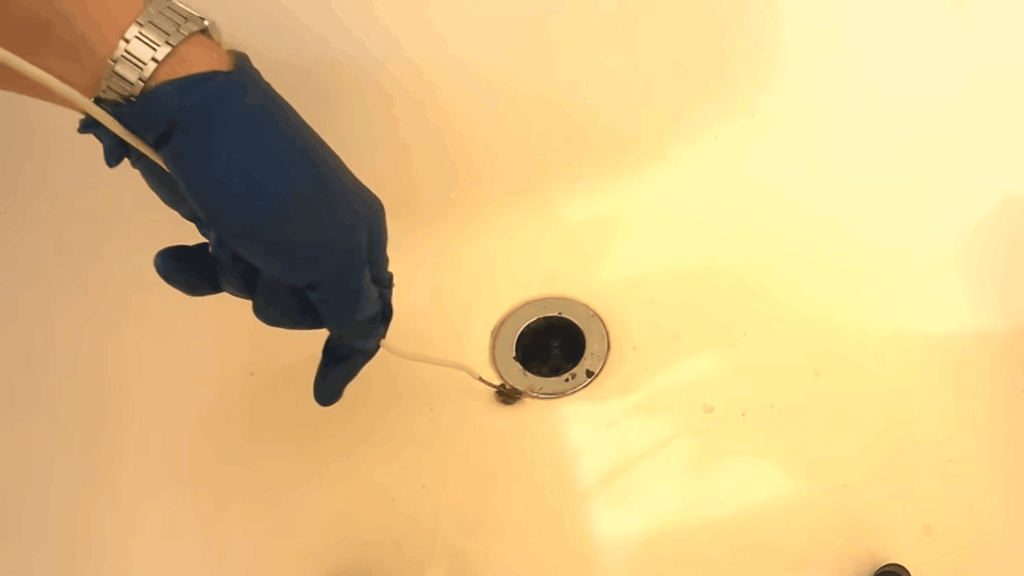
Start with the easiest method: remove any visible hair or debris near the drain opening.
You can use gloves, tweezers, or even a bent wire to carefully pull out buildup.
This simple step often solves the problem without needing extra tools. Hair is usually the main cause of clogs, and clearing it can quickly improve water flow.
Taking a few minutes to clean the drain opening can make a big difference before trying more advanced methods.
Step 2: Use a Plunger
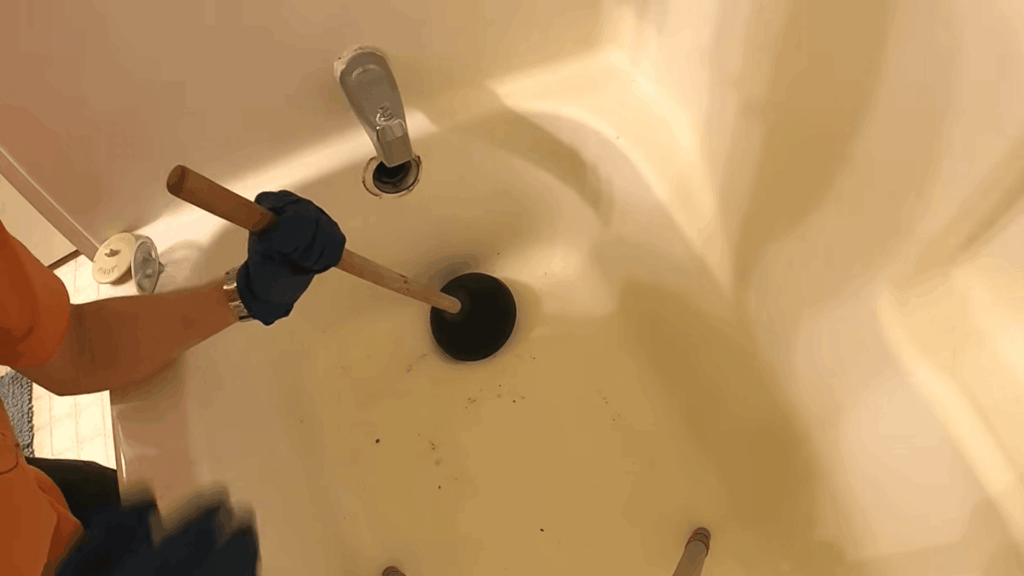
A plunger works well for minor clogs and is easy to use at home.
Start by removing the overflow cover and blocking it with a wet cloth to create a tight seal.
Add enough water to the tub to cover the plunger, then push and pull firmly to build pressure. This motion helps loosen the blockage inside the pipe.
In many cases, a few strong plunges are enough to clear the clog and restore normal drainage quickly.
Step 3: Try a Drain Bladder with a Hose
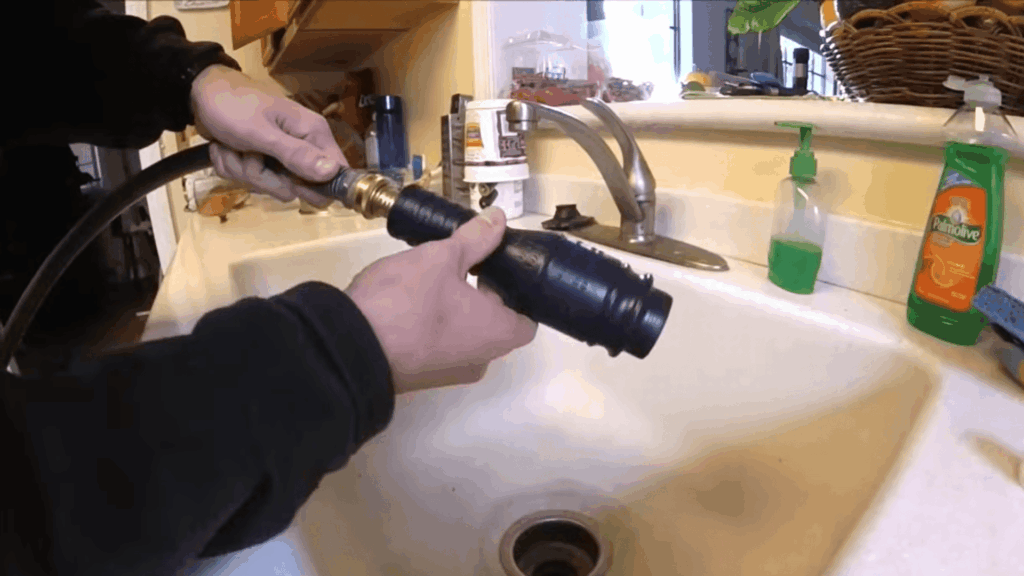
Attach a drain bladder to a garden hose and insert it into the drain opening.
Turn on the water, and the bladder will expand inside the pipe, creating strong pressure. This pressure helps push the clog further down and clear the blockage.
Make sure to block the overflow opening with a cloth or stopper so the pressure stays focused inside the pipe.
This method works well for deeper clogs that other basic methods may not fully remove.
Step 4: Use a Shop Vacuum
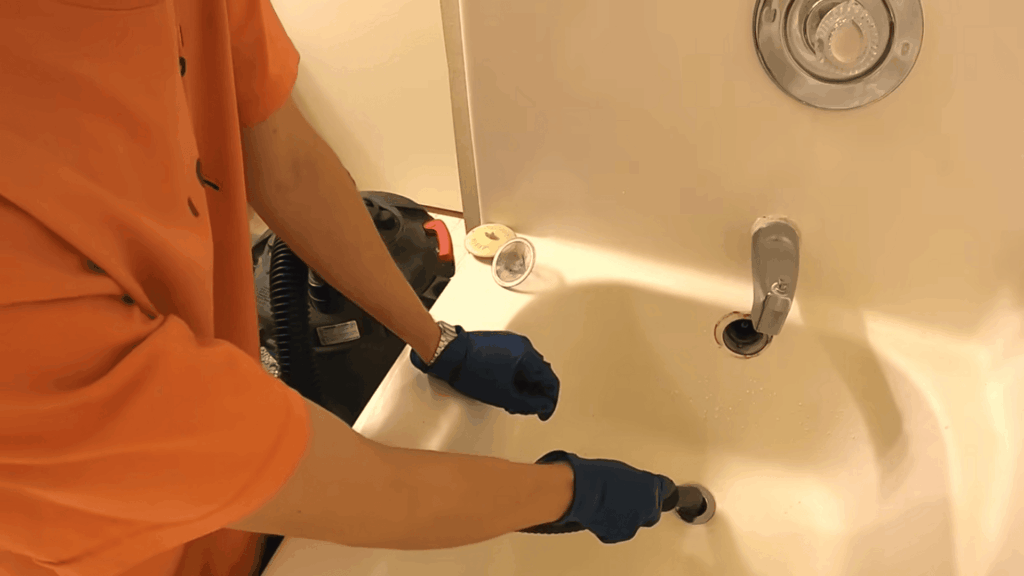
A shop vacuum can help remove or push out clogs using strong airflow. Start by removing any filter or bag inside the vacuum.
Use the suction mode first to pull out debris and standing water from the drain.
If that doesn’t work, switch to blow mode to push the clog further down the pipe.
Make sure the hose forms a tight seal over the drain opening. A proper seal improves pressure and makes this method much more effective.
Step 5: Use a Drain Snake for Tough Clogs
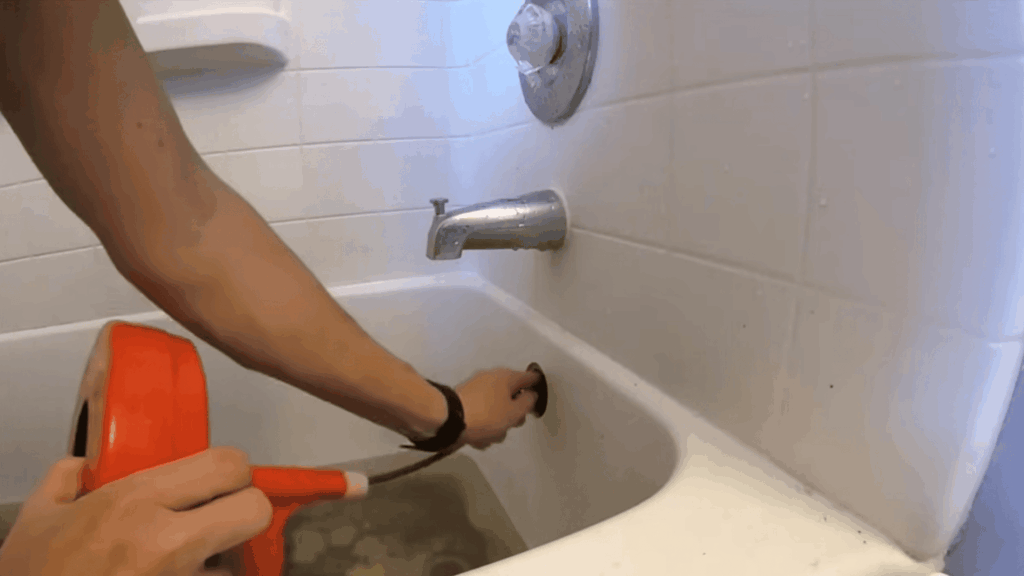
For deeper clogs, a drain snake is one of the most effective tools to use. Insert it through the overflow opening and carefully feed it down into the pipe.
When you feel resistance, rotate the snake to break through the blockage.
Slowly pull it back out to remove trapped hair and debris. This method is especially useful for stubborn or recurring clogs that cannot be cleared with basic tools or simple home methods.
This tutorial is based on a helpful video by Jonny DIY. You can check out the original video on their YouTube channel here or watch it below.
What Reddit Users Say on How to Unclog a Bathtub Drain?
A user on Reddit shared how their bathtub drain was badly clogged and draining very slowly, even after trying baking soda, vinegar, a snake, and a shop vacuum that didn’t fit properly.
Many people suggested a simple method that often works best. Plunging the drain properly can break up the buildup of hair and soap inside the pipe.
The key is to use hot water first to loosen the dirt, then seal the overflow and plunge hard for a few minutes.
It may take time, but it’s usually effective and safer than using strong chemicals.
If the clog still doesn’t clear, it likely means the blockage is deeper. In that case, you may need a longer snake or professional help to fully fix the issue.
Common Mistakes to Avoid when Unclogging a Drain
Small errors during cleaning can make the problem worse instead of fixing it. Using the right approach helps protect your pipes and saves time.
- Using Too Many Harsh Chemicals: Overusing strong cleaners can damage pipes and weaken them over time.
- Forcing Tools Into the Drain: Pushing tools carelessly can move the clog deeper and make it harder to remove.
- Skipping Basic Cleaning Steps: Ignoring visible hair or debris can reduce the effectiveness of other methods.
- Mixing Cleaning Products: Combining different chemicals can be unsafe and may cause harmful reactions.
- Rushing the Process: Taking shortcuts often leads to incomplete cleaning and repeated clogs.
Tips to Prevent Future Bathtub Drain Clogs
Simple habits can help keep your drain clear for a long time. A little care now can save you from bigger issues later.
| Tip | What to Do | Why It Helps |
|---|---|---|
| Use a Drain Cover | Place a hair catcher over the drain | Stops hair from entering and forming clogs |
| Clean the Drain Weekly | Remove visible debris and rinse | Prevents buildup before it becomes a blockage |
| Flush with Hot Water | Pour hot water down the drain regularly | Breaks down soap scum and oils |
| Avoid Dumping Debris | Keep dirt, lint, and small items out | Reduces the chances of pipe blockage |
| Brush Hair Before Shower | Remove loose hair beforehand | Limits how much hair goes into the |
When to Call a Plumber for a Blocked Bathtub Drain?
If the clog doesn’t clear after trying basic methods like plunging or using a drain snake, it may be stuck deeper in the pipes.
In such cases, home solutions might not be enough to fully remove the blockage.
I’ve seen people delay calling a plumber, hoping the issue would go away, but it only got worse.
Another warning sign is slow drainage in multiple fixtures, like sinks or toilets, which can point to a bigger issue in your plumbing system.
You should also consider calling a plumber if you notice bad smells, repeated clogs, or water backing up. These signs often mean the problem is more serious than it seems.
Waiting too long can make the issue worse and more expensive to fix.
A professional plumber has the right tools and knowledge to solve the problem safely without damaging your pipes.
Conclusion
Dealing with a clogged bathtub drain can feel frustrating, but the good news is that most clogs are easy to fix when.
Simple steps like removing hair, using a plunger, or doing regular cleaning can make a big difference.
The key is to stay consistent and not ignore slow drainage. Small signs often turn into bigger problems if left unchecked.
By taking a few minutes to handle it now, you can avoid costly repairs later. Keeping your drain clean is easy with simple habits. Over time, this helps your bathroom run smoothly.
If you’ve tried any of these methods or have a tip that worked for you, share your experience in the comments below.
Your advice could help others fix their drain faster and easier.
Frequently Asked Questions
What Is the Fastest Way to Unclog a Bathtub Drain?
Remove visible hair, then use a plunger. Follow with hot water to flush residue. This quick method often clears minor clogs within minutes.
Can a Clogged Bathtub Drain Fix Itself Over Time?
No, clogs usually get worse over time as buildup increases. Acting early helps prevent complete blockage and makes cleaning much easier.
When Should a Professional Plumber Be Called?
Call a plumber if clogs persist, return often, or cause bad smells and backups. These signs may indicate a deeper issue that needs professional tools and repair.